• Global CNC market projected to reach $128B by 2028 • New EU trade regulations for precision tooling components • Aerospace deman
NYSE: CNC +1.2%LME: STEEL -0.4%

How Automated Production Changes Defect Control on the Line
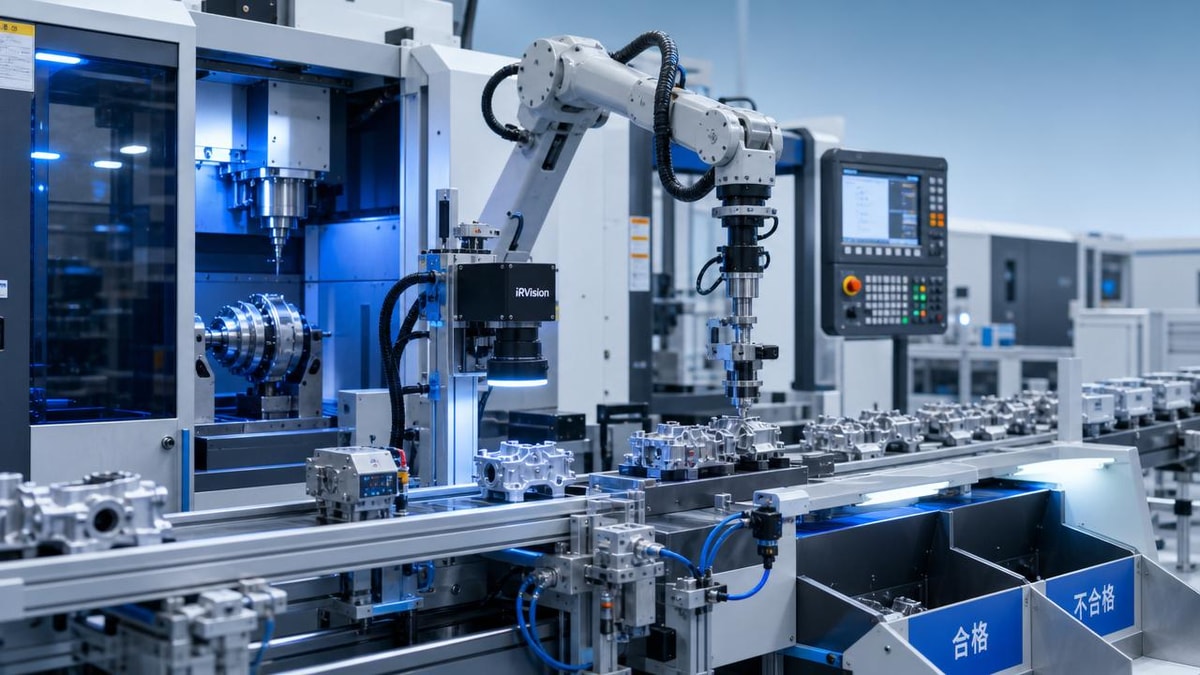
Automated production is reshaping defect control on the line, giving quality and safety teams faster data, tighter process consistency, and earlier warning of hidden risks. From CNC machining cells to flexible production lines, manufacturers can now detect deviations in real time, reduce scrap, and strengthen compliance without slowing output. Understanding this shift is essential for professionals responsible for product quality, operational safety, and continuous improvement.
Why scenario differences matter in automated production
For quality control and safety managers, automated production does not create the same value in every environment. A high-mix CNC workshop, an automotive transfer line, an aerospace cell, and an electronics assembly line may all use automation, yet their defect risks, response windows, traceability needs, and compliance pressures are very different. The right defect control strategy depends on part geometry, process stability, takt time, material sensitivity, operator interaction, and the cost of failure after shipment.
This is why defect control should not be discussed as a single technology topic. In practice, automated production changes inspection timing, data flow, alarm logic, human responsibilities, and escalation paths. In some scenarios, the biggest gain is early drift detection. In others, it is repeatability, automated containment, or safer intervention during abnormal conditions. The most effective teams judge automation by use case, not by headline capability.
Where automated production has the biggest impact on defect control
Across the CNC machine tool and precision manufacturing industry, automated production most often changes defect control in five business scenarios: precision machining, mass repetitive production, mixed-model flexible lines, safety-critical component manufacturing, and supplier networks that require strong traceability. Each scenario demands a different control plan.
1. CNC machining cells for precision parts
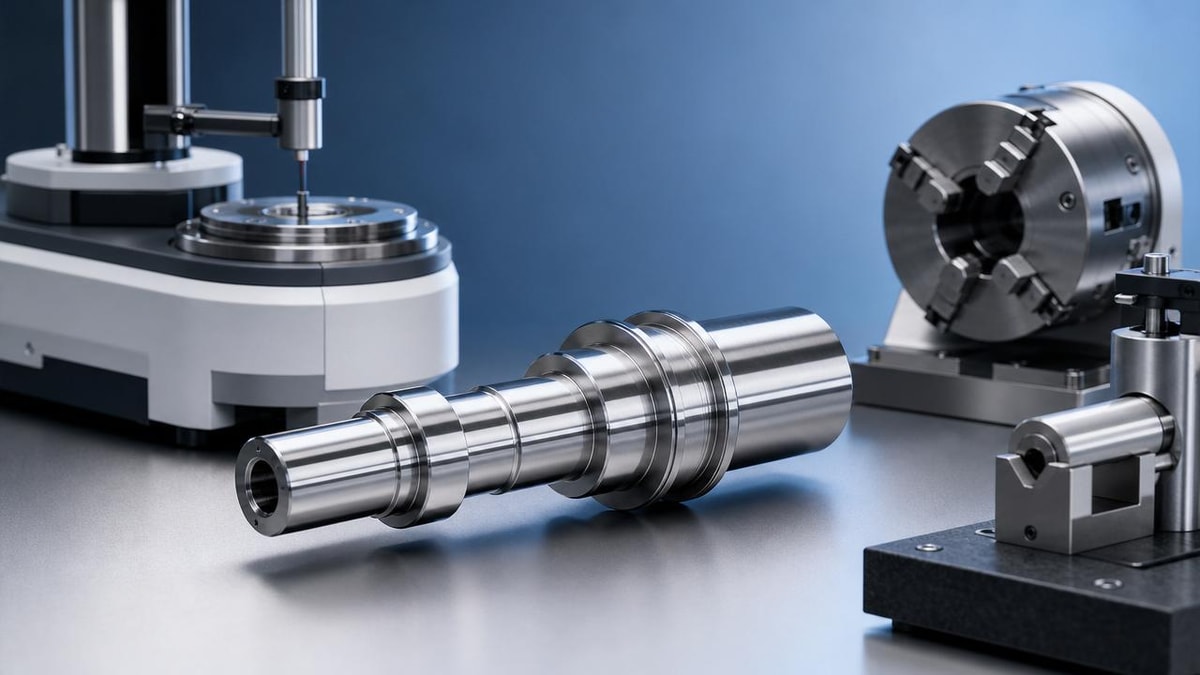
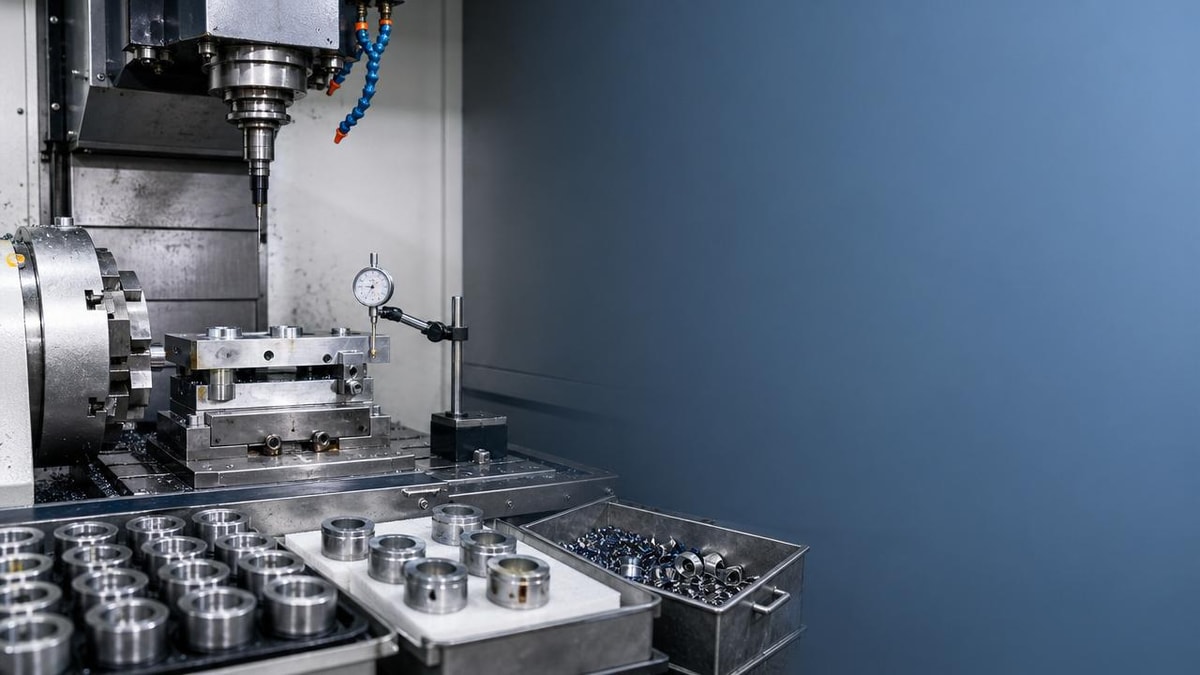
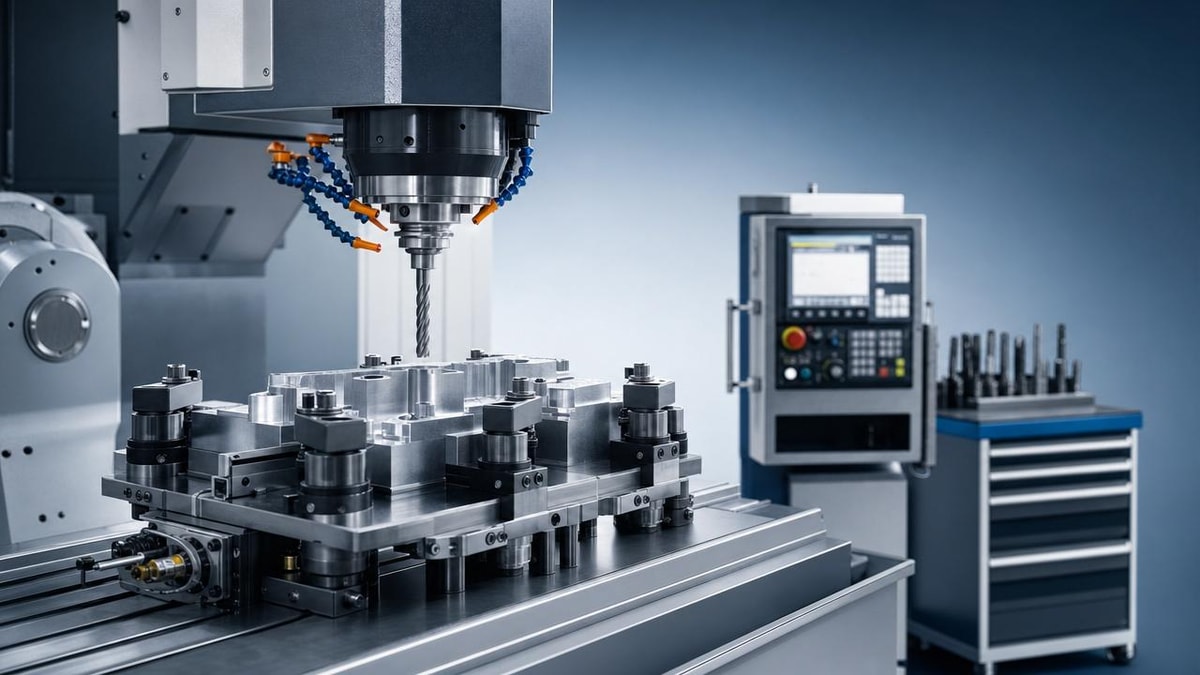
In CNC lathes, machining centers, and multi-axis systems, defects often come from tool wear, thermal growth, fixture variation, chip buildup, incorrect offsets, or unstable raw material conditions. Here, automated production improves defect control by linking machine signals, in-process probing, spindle load trends, and dimensional feedback. Quality teams gain earlier visibility into gradual drift before it becomes a batch problem.
This scenario is especially suitable for automated production when tolerances are tight and scrap cost is high. The key question is not whether to automate, but whether the process has enough measurement discipline and machine connectivity to support closed-loop correction.
2. High-volume automotive and component lines
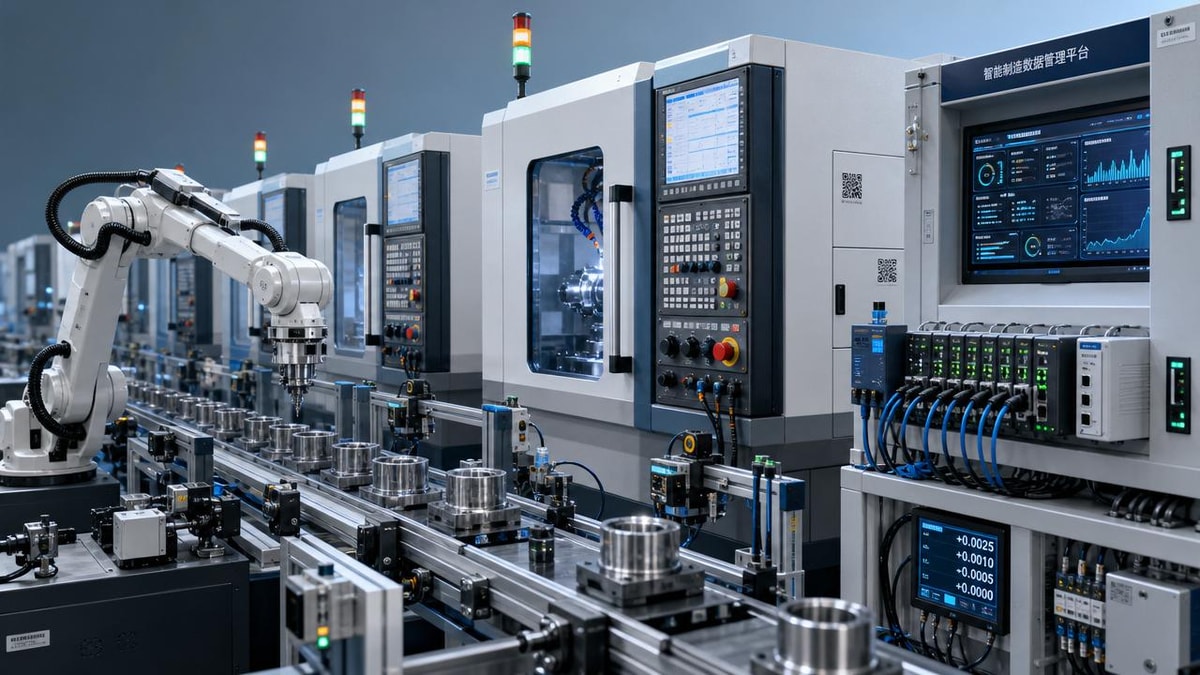
In automotive manufacturing and similar high-throughput operations, a small process deviation can produce hundreds of defective parts before manual inspection catches the issue. Automated production changes this by introducing inline gauging, vision inspection, poka-yoke logic, robot repeatability, and automated reject handling. For quality staff, the value lies in containment speed and stable cycle execution. For safety managers, the value lies in predictable machine-human boundaries and standardized abnormal shutdown procedures.
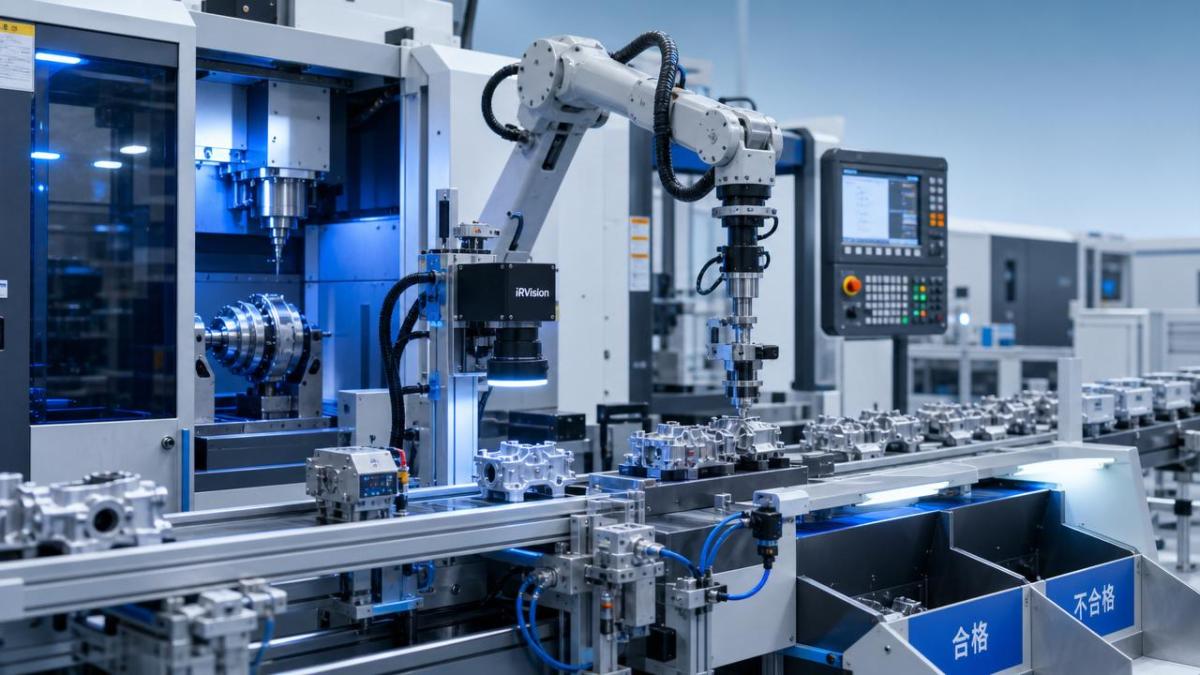
3. Flexible production lines with frequent changeovers
Flexible manufacturing is growing fast, especially where multiple part numbers share platforms, fixtures, and equipment. In these settings, defect control problems often come from wrong program selection, fixture mismatch, barcode errors, setup inconsistency, and incomplete first-article validation. Automated production helps when recipe management, part identification, and line clearance are digitally controlled. However, if changeover governance is weak, automation can scale mistakes faster than manual lines.
4. Aerospace, energy, and other safety-critical components
For aerospace structures, energy equipment parts, and other critical components, the cost of a hidden defect is far higher than the cost of scrap. Automated production in these environments should be judged by process validation, traceability depth, calibration control, and evidence quality. The line may run slower than consumer goods production, yet defect control must be stronger. Automated records, parameter history, serialized tracking, and interlocked process gates are often more important than pure output speed.
5. Electronics and precision assembly operations
In electronics production and small precision assembly, defects can be visual, positional, torque-related, contamination-based, or caused by handling damage. Automated production changes defect control through machine vision, torque monitoring, automated dispensing verification, and environmental condition tracking. This scenario benefits from rapid feedback and reduced manual variability, but only if false alarms are managed carefully so operators do not start bypassing the system.
Scenario comparison: what quality and safety teams should focus on
The table below highlights how defect control priorities shift across common automated production environments.
Different business needs require different defect control design
A common mistake is assuming that automated production automatically guarantees better quality. It only does so when the control design matches the business need. For example, a plant focused on export compliance may care most about traceable records and audit readiness. A factory fighting high scrap rates may care more about drift detection and tool life prediction. A facility with frequent near-miss incidents may prioritize safe access, interlocks, and standardized response to jams or sensor faults.
Small and mid-sized manufacturers often benefit first from targeted automation at bottleneck operations rather than full-line transformation. A single probing cycle in a CNC machining cell, an automated torque check at a critical assembly station, or barcode-driven recipe verification can prevent recurring defects without major disruption. Larger enterprises may gain more from plant-wide data integration, statistical process control, centralized alarm dashboards, and supplier traceability links.
How to judge whether your scenario is ready for automated production
Before expanding automated production, quality and safety teams should confirm whether the line is truly ready. The following questions are practical filters:
- Is the defect pattern repeatable enough to be detected by sensors, logic rules, or machine vision?
- Are measurement systems stable, calibrated, and correlated with final inspection results?
- Can the line stop, isolate, or divert suspect parts without creating unsafe operator behavior?
- Are program versions, tooling states, and material lots digitally controlled?
- Does the team have a clear response plan for alarms, overrides, and restart approval?
If the answer to several of these questions is no, automated production may still be valuable, but the first step should be process discipline rather than more equipment. Automation amplifies both strengths and weaknesses.
Common misjudgments in automated production defect control
One frequent misjudgment is overreliance on end-of-line inspection. In automated production, defects should be prevented or contained as close to the source as possible. Waiting until the final station may protect shipments, but it rarely protects cost, schedule, or machine availability.
Another issue is treating safety and quality as separate systems. On an automated line, a poorly designed quality check can create unsafe manual reaches, rushed resets, or unauthorized bypassing. Likewise, excessive safety downtime without intelligent diagnosis can push teams to ignore early quality warnings. The better approach is integrated design: safe access, clear HMI guidance, controlled recovery, and defect data that supports fast root cause analysis.
A third mistake is chasing too much data without using it. Automated production can generate spindle loads, cycle times, vision images, tool counters, environmental logs, and alarm histories. But if no one defines action thresholds, ownership, and escalation timing, data becomes noise. Quality and safety teams should decide which signals predict real defect risk and which are only background information.
Practical adaptation advice by scenario
For CNC and precision machining
Start with tool life tracking, in-process measurement, and fixture verification. Build clear reaction plans for drift before enabling automatic compensation. Confirm that operator access for chip removal or gauge checks does not create unsafe shortcuts.
For high-volume repetitive production
Prioritize containment speed, reject segregation, and escalation discipline. The most valuable automated production feature may be immediate abnormal detection rather than maximum line speed.
For flexible lines
Invest in digital work instructions, recipe locking, first-piece approval logic, and revision management. Changeover control is often the real defect control system in these environments.
For regulated or safety-critical sectors
Focus on traceability, evidence retention, process validation, and nonconformance history. In these settings, automated production should prove process integrity, not only increase throughput.
FAQ: what teams often ask before expanding automated production
Does automated production reduce the need for inspectors?
Usually it changes the role rather than removes it. Inspectors spend less time on repetitive checks and more time on system verification, exception handling, audit evidence, and root cause review.
Which scenario gets the fastest return?
High-volume lines with repeat defects, expensive scrap, or strong customer penalties often see the fastest return from automated production. However, low-volume precision work can also benefit greatly when a single defect is very costly.
What should safety managers watch most closely?
Watch recovery behavior during faults, bypass practices, access control during inspection, and whether abnormal quality events trigger unsafe manual intervention. Many risks appear during exceptions, not during normal cycles.
Final takeaway for quality and safety decision-makers
Automated production changes defect control most effectively when manufacturers match the solution to the scenario. Precision machining needs drift visibility. High-volume lines need immediate containment. Flexible production needs changeover discipline. Safety-critical industries need traceability and proof. For quality and safety professionals, the smartest next step is to map your top defect risks by scenario, identify where detection happens too late, and evaluate whether automated production can prevent, isolate, or document those failures more effectively. When the process logic, measurement strategy, and response rules are aligned, automated production becomes more than a productivity upgrade—it becomes a stronger operating system for quality and risk control.
Recommended for You
 Industrial Machining Equipment Lead Times Are Changing AgainManufacturing Market Research Center
 Where Industrial Robotics Adds Value Beyond Simple Labor SavingsMachine Tool Industry Editorial Team
 Shaft Parts Machining Problems That Show Up After Final InspectionCNC Machining Technology Center
 Production Process Variations That Quietly Raise Scrap RatesCNC Machining Technology Center
 Industrial Automation Projects Fail When Data Is Added Too LateCNC Machining Technology Center
 CNC Metal Cutting Quality Drops Often Start With ClampingMachine Tool Industry Editorial Team

Aris Katos
Future of Carbide Coatings
15+ years in precision manufacturing systems. Specialized in high-speed milling and aerospace grade alloy processing.
▶
Where Industrial Robotics Adds Value Beyond Simple Labor SavingsMachine Tool Industry Editorial Team▶
Automated Production Line Issues That Appear Only After Scale-UpMachine Tool Industry Editorial Team▶
Is Space-Saving CNC Manufacturing Worth the Layout Trade-Off?Machine Tool Industry Editorial Team▶
How Automated Production Changes Defect Control on the LineMachine Tool Industry Editorial Team▶
Automated Production Line gaps that appear between design and launchMachine Tool Industry Editorial Team
Mastering 5-Axis Workholding Strategies
Join our technical panel on Nov 15th to learn about reducing vibrations in thin-wall components.

Providing you with integrated sanding solutions
Before-sales and after-sales services
Comprehensive technical support