• Global CNC market projected to reach $128B by 2028 • New EU trade regulations for precision tooling components • Aerospace deman
NYSE: CNC +1.2%LME: STEEL -0.4%

CNC metal lathe problems that appear after heavy loads
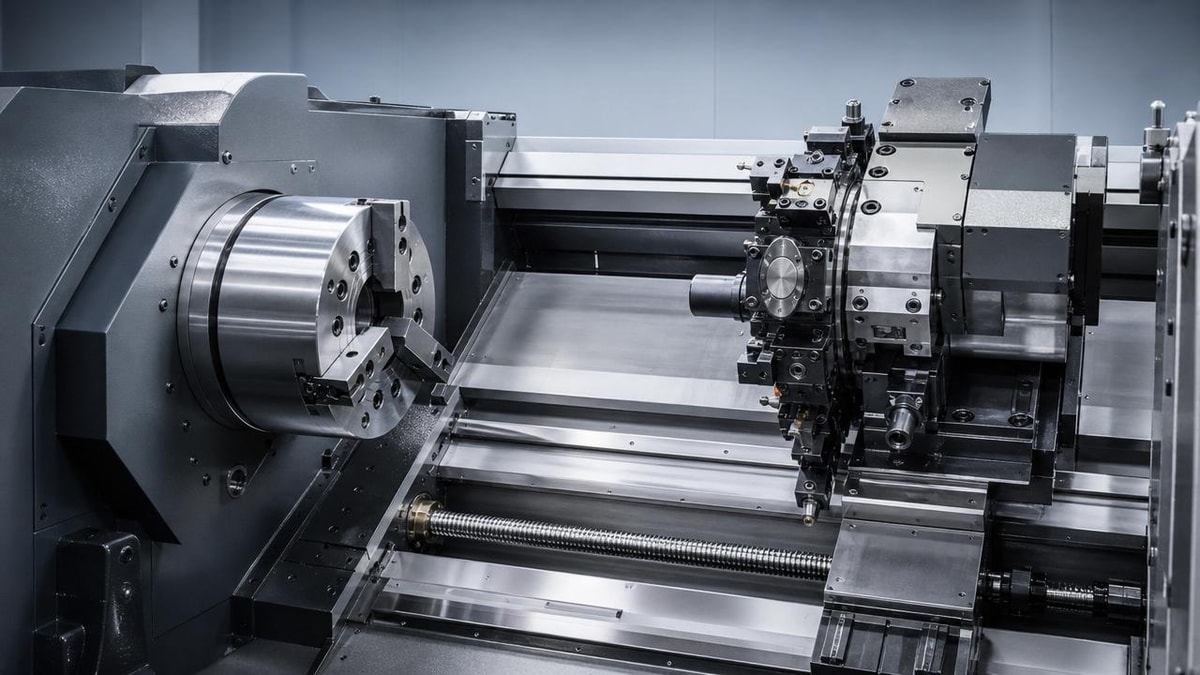
After prolonged heavy-load operation, a CNC metal lathe can develop hidden issues that affect accuracy, surface finish, and overall machine stability. For after-sales maintenance teams, identifying these early warning signs is critical to reducing downtime and preventing costly failures. This article outlines the most common post-load problems and practical inspection points to support faster troubleshooting and more reliable service.
For service teams, a checklist-based approach is the fastest way to evaluate a CNC metal lathe after demanding production cycles. Heavy cuts, long spindle hours, unstable material batches, and repeated thermal loading often create more than one fault at the same time. If technicians inspect only the obvious symptom, such as chatter or dimensional drift, the root cause may be missed. A structured sequence helps prioritize what to confirm first, what to measure next, and which hidden problems are most likely to escalate into unplanned shutdowns.
Why a priority checklist matters after heavy-load operation
A CNC metal lathe under heavy load is exposed to high cutting forces, elevated spindle temperature, repeated axis acceleration, increased lubrication demand, and stronger vibration transfer through the casting and turret. These stresses may not produce immediate failure. Instead, they usually appear as gradual decline in machining consistency. That is why after-sales maintenance personnel should focus first on machine behavior changes rather than waiting for alarms alone.
The practical goal is not simply to repair one component. It is to determine whether the CNC metal lathe still has stable geometric accuracy, reliable spindle support, predictable servo response, and sufficient lubrication and cooling capacity for continued production. In automotive, aerospace, energy equipment, and precision component manufacturing, a small deviation on a loaded machine can quickly turn into scrap, rework, or bearing damage.
First-response inspection checklist: what to verify before deep disassembly
Before opening major assemblies, technicians should complete a fast condition review. This reduces wasted labor and helps isolate whether the issue is mechanical, thermal, lubrication-related, or control-related.
- Confirm the customer complaint precisely: dimensional error, taper, chatter, rough finish, spindle overheating, axis alarm, abnormal noise, or poor repeatability.
- Check recent production history: material hardness, cutting depth, cycle time, tool overhang, and whether the CNC metal lathe has been running extended heavy-duty shifts.
- Review alarm logs, load history, spindle current peaks, and servo overload records in the control system.
- Inspect lubrication level, oil quality, grease contamination, and signs of blocked lubrication lines.
- Measure thermal state before shutdown if possible: spindle housing temperature, hydraulic temperature, coolant temperature, and cabinet cooling performance.
- Run a short unloaded and loaded test cycle to compare noise, vibration, axis smoothness, and spindle response.
This initial list often reveals whether the CNC metal lathe problem is developing from wear, setup misuse, process overload, or an actual component fault. It also creates a baseline for customer communication and warranty judgement.
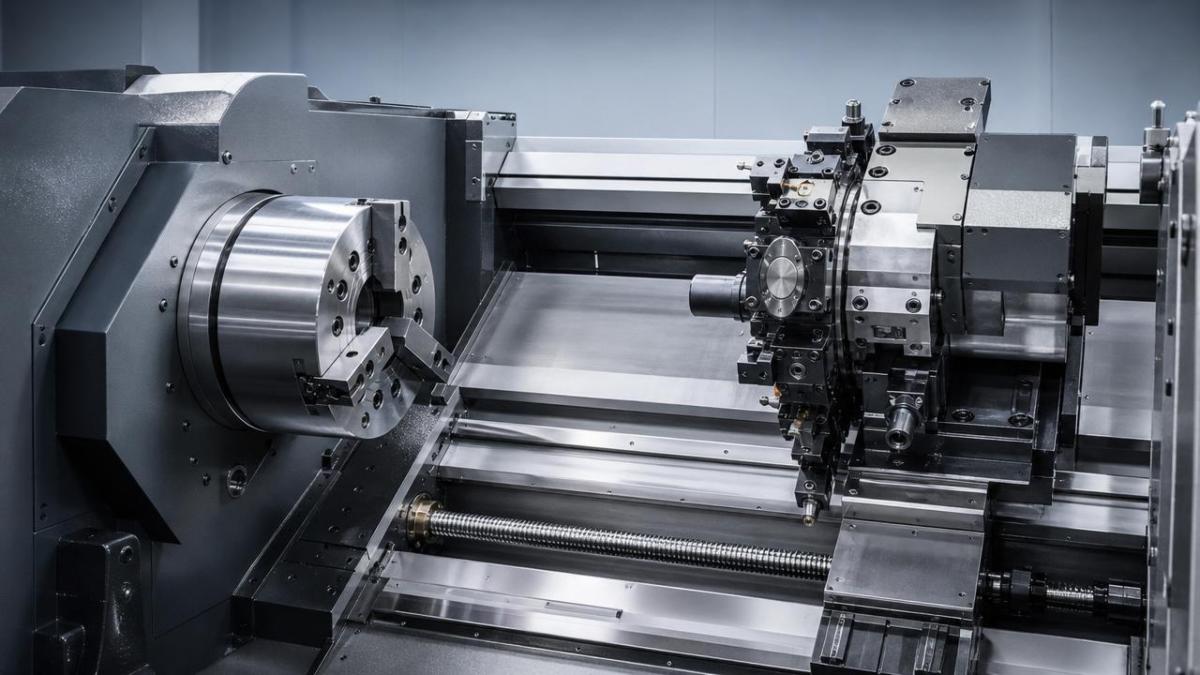
Core problem list: the most common issues that appear after heavy loads
1. Spindle bearing stress and heat buildup
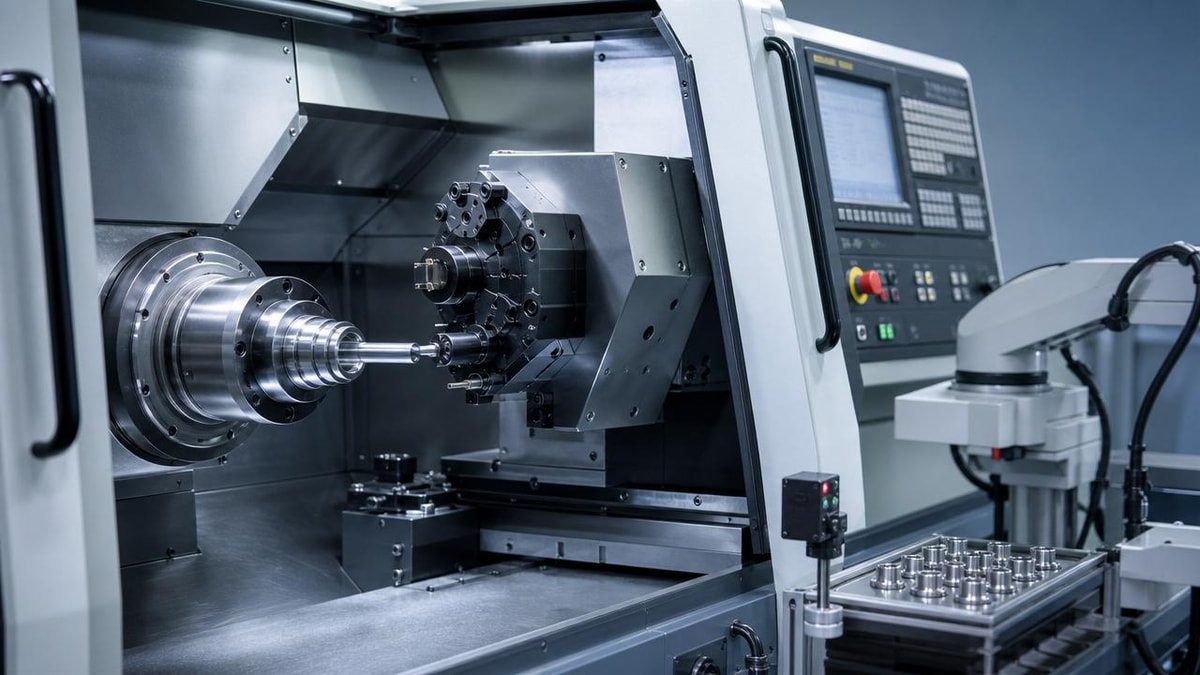
One of the most frequent heavy-load problems on a CNC metal lathe is spindle bearing fatigue. Warning signs include rising temperature, low-frequency rumble, unstable surface finish, and runout that worsens as the machine warms up. In severe cases, the spindle may show intermittent vibration only at a specific speed range. Maintenance teams should check axial and radial play, lubrication delivery, preload condition, and contamination from coolant or fine chips.
2. Turret indexing deviation or clamping weakness
Heavy interrupted cuts can shift turret alignment or reduce clamping rigidity. Typical symptoms are tool position inconsistency, diameter variation between stations, and chatter that appears only with certain tools. If the CNC metal lathe uses hydraulic or servo turret clamping, verify pressure stability, coupling wear, face contact condition, and indexing repeatability. A small loss of clamp force can mimic spindle or tooling problems.
3. Ball screw wear and axis backlash growth
Repeated heavy feed loads increase stress on ball screws, support bearings, and linear guide blocks. The result may be backlash, stick-slip movement, lost positioning accuracy, or unusual servo load fluctuation. Service personnel should compare commanded movement with actual travel, test reversal accuracy, and listen for changes in sound at low feed rates. A CNC metal lathe with growing backlash often shows taper, poor shoulder geometry, or inconsistent finishing passes.
4. Bed distortion or leveling shift
Machines running aggressive roughing cycles can gradually lose installation stability. Foundation settlement, anchor looseness, or thermal stress may alter leveling and twist the bed. This can create taper over long shafts, tailstock mismatch, and unstable straightness. When troubleshooting a CNC metal lathe after heavy production, bed level and geometry should never be skipped, especially if the problem began after machine relocation, floor vibration changes, or seasonal temperature swings.
5. Chuck, hydraulic, or tailstock holding issues
Heavy loads also expose weak workholding. Jaw wear, cylinder leakage, pressure drop, and tailstock quill misalignment can all cause workpiece movement under cut. The machine may appear inaccurate even when axis and spindle systems are healthy. Check hydraulic pressure during actual cutting, inspect jaw contact marks, verify draw tube condition, and measure tailstock center alignment under load if shaft work is involved.
6. Lubrication starvation and contaminated sliding surfaces
A CNC metal lathe that has been pushed hard for long shifts may consume lubrication faster than expected. Metering unit blockage, pump delay, dirty oil, or poor grease distribution can damage ways, screws, bearings, and turret mechanisms. Warning signs include rising friction, jerky feed motion, squealing noise, and unusual servo compensation demand. Contamination is especially common where chips are fine, abrasive, or mixed with coolant residue.
Quick judgment table for symptom-to-cause analysis
Scenario-based checks: what changes by application
Not every CNC metal lathe failure pattern looks the same. After-sales teams should adjust their checklist according to the production scenario.
For shaft machining and long workpieces
Pay closer attention to tailstock support, center wear, bed leveling, and vibration at mid-span. Long parts amplify alignment errors that may be less visible on short discs or sleeves.
For hard materials or interrupted cutting
Prioritize spindle load history, chuck grip reliability, and turret clamping condition. Hard cutting often accelerates micro-damage in bearings and fasteners before clear alarm conditions appear.
For multi-shift automated production
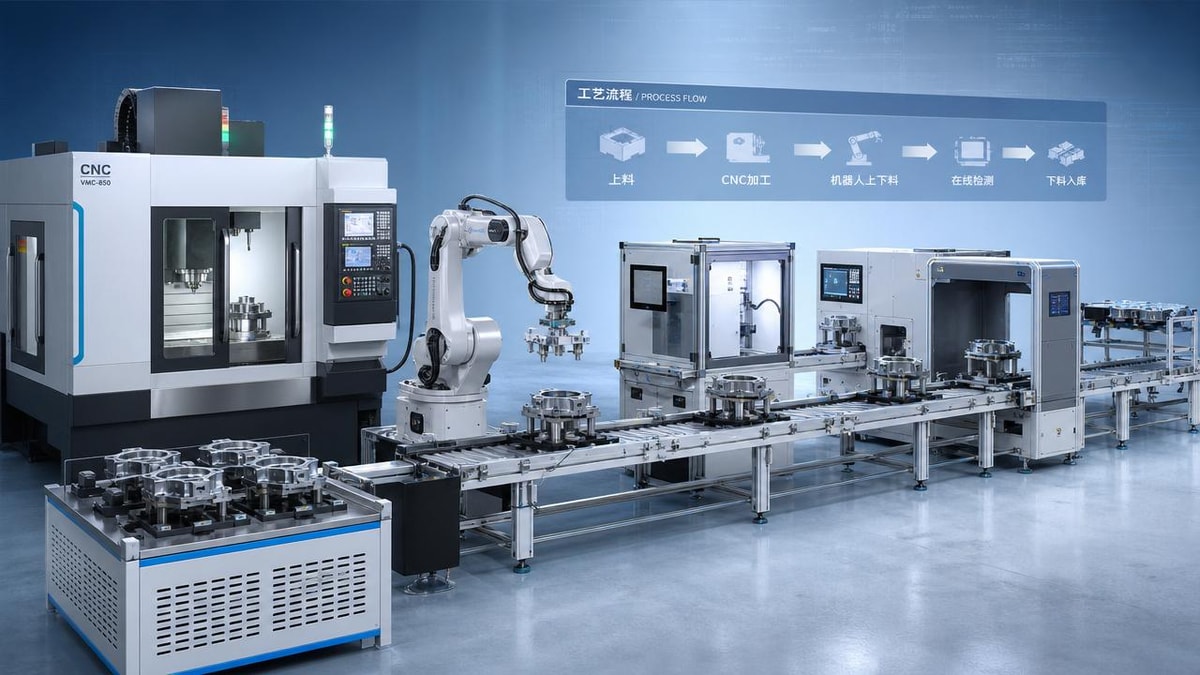
Focus on heat management, lubrication intervals, coolant cleanliness, and cabinet cooling. In smart manufacturing lines, a CNC metal lathe may remain productive while slowly drifting out of tolerance, so trend data is especially valuable.
Commonly overlooked items that create false diagnoses
- Assuming tooling is the only cause. Worn inserts matter, but repeated heavy-load symptoms often continue even after tool replacement.
- Ignoring thermal comparison. Many CNC metal lathe issues appear only after 30 to 90 minutes of loaded running.
- Checking static pressure but not dynamic pressure. Hydraulic or lubrication systems may look normal at idle and fail under cutting demand.
- Skipping foundation and leveling checks because the machine “has not been moved.” Long-term vibration and floor settlement still change geometry.
- Replacing servo parts before confirming mechanical drag. Control alarms are often secondary symptoms of increased mechanical resistance.
Execution recommendations for after-sales maintenance teams
To improve service efficiency, create a standard post-heavy-load inspection routine for every CNC metal lathe visit. Start with customer-reported symptoms and operating history, then capture temperature, load, vibration, and repeatability data before making mechanical adjustments. Keep a short measurement record including spindle runout, backlash values, turret repeatability, hydraulic pressure, and machine level. This allows trend comparison at the next visit and supports better parts planning.
It is also useful to separate findings into three categories: immediate shutdown risks, short-term corrective items, and preventive maintenance recommendations. For example, severe spindle heat, unstable chuck clamping, or rapidly increasing backlash should be treated as urgent. Slight leveling drift, marginal lubrication flow, or rising turret indexing deviation may be scheduled if production risk is controlled. This method helps customers balance uptime with machine protection.
Practical information to collect before recommending repair or retrofit
If deeper action is required on a CNC metal lathe, the service team should prepare key information before quoting parts, overhaul work, or process optimization. Confirm machine model, spindle hours, recent crash history, typical workpiece material, average cutting load, accuracy requirement, and whether the machine operates in a flexible production line or as a standalone unit. Also verify if the customer needs fast recovery, long-term precision restoration, or upgraded stability for heavier production. These details directly affect whether the right answer is alignment correction, bearing replacement, turret repair, lubrication system service, or a broader preventive package.
Final service takeaway
When a CNC metal lathe begins showing problems after heavy loads, the fastest path to reliable troubleshooting is a disciplined checklist, not a guess. Start with the symptom, verify thermal and load history, inspect spindle, turret, axis, geometry, lubrication, and workholding in order, and document measurable changes. For companies that want to reduce repeat failures, the next step is to discuss operating parameters, maintenance intervals, spare-part readiness, and application-specific risk points before the next production cycle. If repair scope, machine adaptation, service timing, budget, or cooperation method still needs clarification, those are the first items worth confirming with the equipment supplier or technical support team.
PREVIOUS ARTICLE
NEXT ARTICLE
Recommended for You
 Industrial Robotics payback depends on one hidden variableManufacturing Market Research Center
 Shaft Parts machining problems linked to concentricity lossCNC Machining Technology Center
 Production Process changes that quietly raise defect ratesCNC Machining Technology Center
 Industrial Automation projects stall without process mappingCNC Machining Technology Center
 CNC metal cutting heat issues behind poor surface finishCNC Machining Technology Center
 High precision lathe claims that deserve a closer lookMachine Tool Industry Editorial Team


Aris Katos
Future of Carbide Coatings
15+ years in precision manufacturing systems. Specialized in high-speed milling and aerospace grade alloy processing.
▶
CNC metal lathe problems that appear after heavy loadsMachine Tool Industry Editorial Team▶
How to tell if a metal lathe is losing precisionMachine Tool Industry Editorial Team▶
Beijing E-Bike Battery Compartment Rules Take Effect May 1, 2026Machine Tool Industry Editorial Team▶
2026 Foshan Tanzhou Auto Show: CNC Motor Housings Drive Export SurgeMachine Tool Industry Editorial Team▶
Automated Lathe Problems That Often Start With SetupMachine Tool Industry Editorial Team
Mastering 5-Axis Workholding Strategies
Join our technical panel on Nov 15th to learn about reducing vibrations in thin-wall components.

Providing you with integrated sanding solutions
Before-sales and after-sales services
Comprehensive technical support