• Global CNC market projected to reach $128B by 2028 • New EU trade regulations for precision tooling components • Aerospace deman
NYSE: CNC +1.2%LME: STEEL -0.4%

How to tell if a metal lathe is losing precision
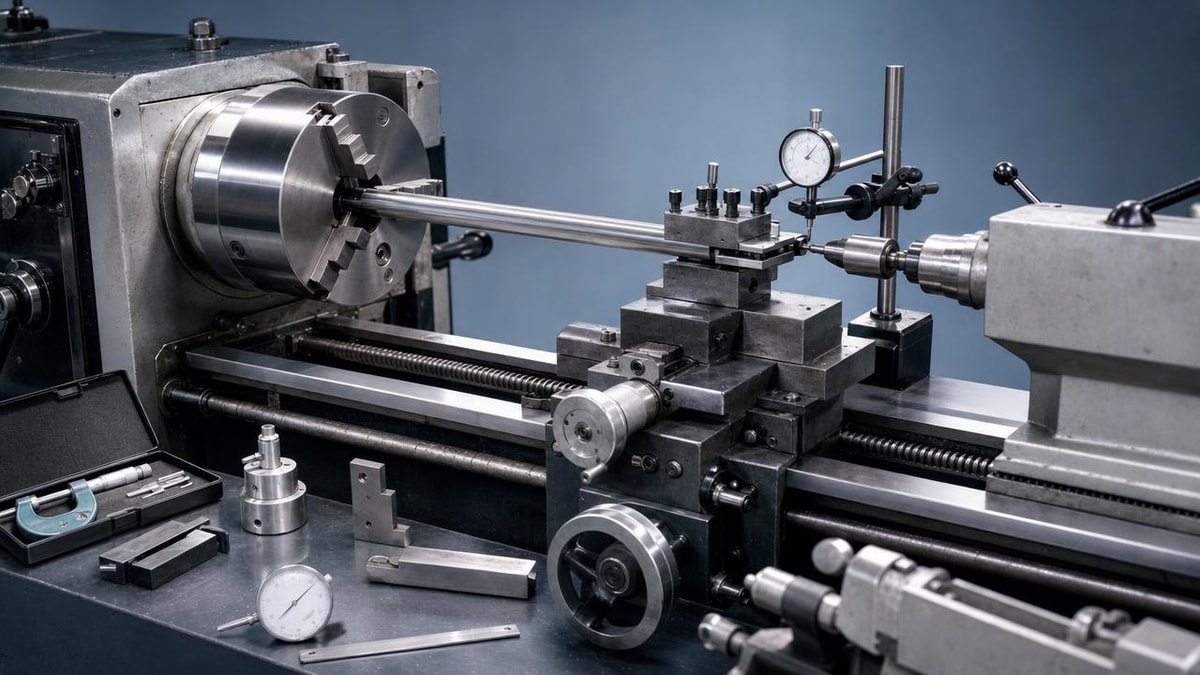
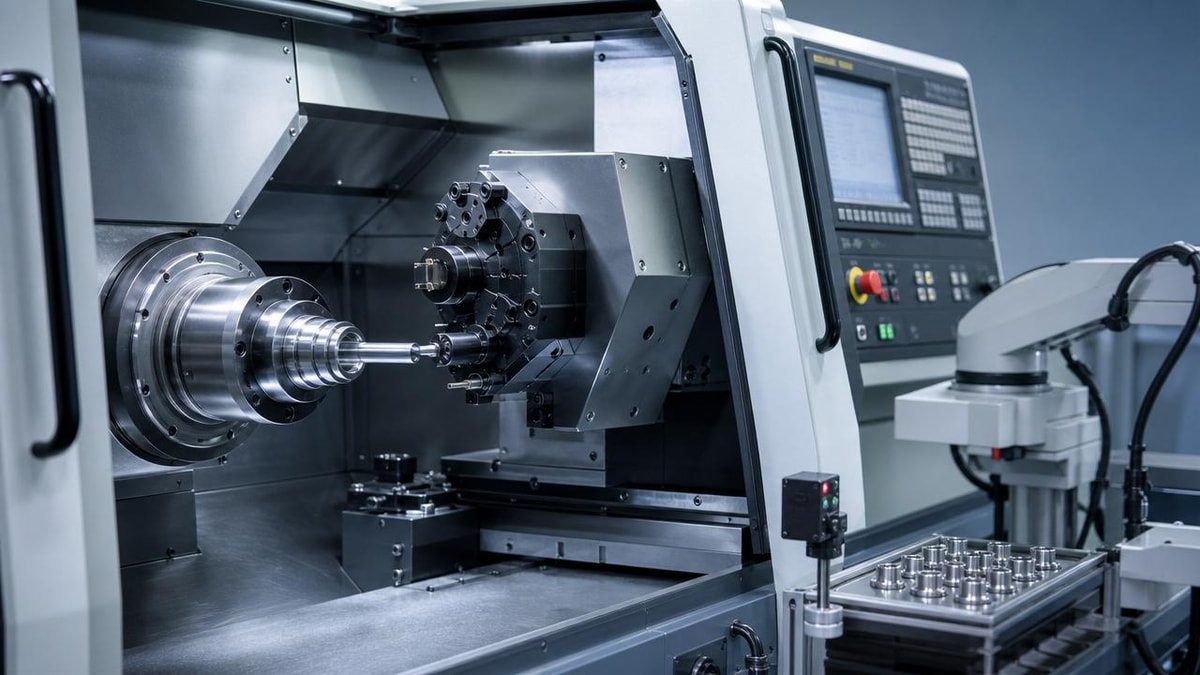
Even a well-maintained metal lathe can gradually lose precision, causing dimensional errors, poor surface finish, and costly rework. For after-sales maintenance personnel, recognizing the early warning signs is essential to protecting machine performance and customer trust. This article explains how to tell if a metal lathe is losing precision and what key areas should be checked before minor issues turn into major production problems.
What are the first signs that a metal lathe is losing precision?
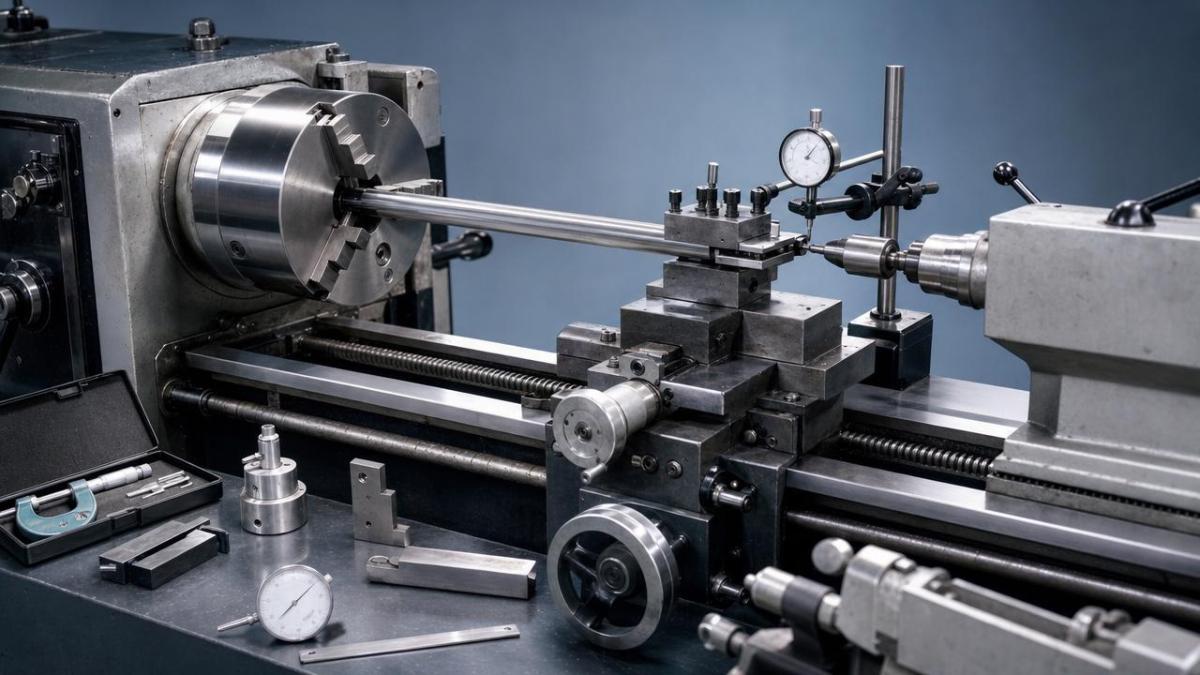
In modern manufacturing, the metal lathe remains a core asset for producing shafts, sleeves, discs, threads, and precision rotating parts. Whether the machine serves automotive repair, energy equipment, electronics production, or subcontract machining, small accuracy shifts can spread quickly through a production line. For after-sales maintenance teams, the challenge is not only fixing the fault, but identifying the loss of precision before the customer reports scrap, assembly issues, or unstable cycle quality.
A metal lathe rarely goes out of tolerance all at once. In most cases, precision declines gradually. The first clues often appear in part variation between batches, taper on turned diameters that should be straight, inconsistent thread fit, chatter marks, or the need for repeated offset corrections. Operators may describe the issue as “the machine feels different” long before inspection data clearly shows a severe defect.
For service personnel, this is where disciplined observation matters. Precision loss can come from wear, thermal growth, alignment changes, spindle issues, backlash, tooling setup errors, poor leveling, or even unstable foundations. Treating every complaint as a simple tooling problem can delay the real diagnosis and increase downtime.
Common warning signals on the shop floor
- Dimensional drift from the first part to the tenth part, especially after warm-up or long cutting cycles.
- A visible taper on test bars or shaft workpieces that previously held straightness without special compensation.
- Poor surface finish, chatter, torn material, or repeating vibration marks despite acceptable cutting parameters.
- Thread pitch errors, poor bearing fits, and assembly interference on parts made from the same program.
- Growing dependence on manual corrections, offset edits, or selective rework to keep parts acceptable.
These symptoms do not always prove that the metal lathe itself is worn out, but they are strong indicators that machine condition, setup condition, and process condition should be checked together. In global CNC machining environments, where output stability is tied to delivery schedules and customer audits, early diagnosis is often more valuable than emergency repair.
How to separate machine precision loss from tooling or process problems
One of the most common service mistakes is assuming every accuracy complaint comes from the metal lathe structure. In practice, worn inserts, weak clamping, incorrect tool overhang, unstable coolant delivery, poor material consistency, and improper spindle speed can all imitate a machine accuracy problem. After-sales maintenance staff need a clear screening method before disassembling or adjusting the machine.
A useful approach is to compare repeatability and geometry separately. Repeatability asks whether the machine returns to the same position each cycle. Geometry asks whether the machine cuts the correct shape relative to the machine axes. A lathe may repeat the same error every time, which suggests alignment or compensation issues. Or it may produce random variation, which often points to looseness, thermal instability, clamping, or spindle condition.
Practical isolation checklist for after-sales teams
- Confirm the drawing tolerance, measuring method, and gauge condition before touching the machine. Misreading a print or using a worn micrometer creates false diagnosis.
- Inspect the cutting tool, insert seating, holder rigidity, and tool nose condition. Replace suspect tools before measuring machine behavior.
- Check workholding. Jaw wear, scroll chuck runout, hydraulic pressure variation, and part stickout can distort the workpiece and mimic precision loss.
- Run a controlled test piece using known-good tooling, stable material, and standard cutting parameters. Compare results at cold start and thermal steady state.
- Measure backlash, spindle runout, axis repeatability, and bed leveling only after process variables have been narrowed down.
This sequence reduces unnecessary parts replacement and helps service personnel communicate with production managers in a more credible way. In many mixed-industry workshops, maintenance response time is short, so a structured inspection routine is essential for both technical accuracy and customer confidence.
Which machine areas should be checked first on a metal lathe?
When a metal lathe begins to lose precision, the highest-value checks are usually mechanical geometry, spindle condition, feed system condition, thermal behavior, and foundation stability. These areas directly affect part size, roundness, concentricity, straightness, and surface quality. The table below gives a practical fault-screening map for after-sales maintenance personnel.
This table helps service teams prioritize likely causes instead of chasing symptoms. On a busy customer site, starting with the highest-probability mechanical points often reduces downtime and avoids replacing good components. It also creates a clear service record that can support later decisions on refurbishment, calibration, or spare parts planning.
Why spindle and guideway checks usually come first
In many metal lathe service cases, spindle condition and guideway behavior explain a large share of dimensional and finish complaints. A spindle with rising runout or thermal instability affects concentricity and roundness immediately. Worn guideways influence straightness, taper, and feed smoothness, especially during longer turning passes. These faults become more visible when customers move toward tighter tolerances and higher-volume automated production.
How to evaluate precision loss with simple field tests
Not every customer site has a metrology lab, laser system, or advanced diagnostic package available at short notice. After-sales maintenance personnel therefore need reliable field tests that provide useful evidence without delaying production for too long. The best tests are repeatable, easy to explain to the customer, and directly linked to part quality.
Useful tests for on-site diagnosis
- Bar turning test: Turn a straight test bar under controlled conditions and measure diameters at both ends. Taper indicates alignment, carriage, or setup issues.
- Facing test: Face a workpiece and check flatness or center pip behavior. This can reveal spindle squareness or tool path issues.
- Spindle runout test: Use a dial indicator on a known reference surface to assess spindle nose or chucking condition.
- Backlash verification: Reverse axis direction and compare commanded movement with actual indicator movement to identify lost motion.
- Thermal stability comparison: Repeat the same measurement at cold start, after warm-up, and after continuous cutting to identify heat-related drift.
Field tests are especially valuable in the global CNC machine tool sector because many factories run mixed equipment from different years and control platforms. A practical, data-based service method allows maintenance personnel to create comparable records across customer sites and machine generations.
The next table summarizes which test results usually point to which type of metal lathe problem. It is particularly useful when maintenance staff need to decide whether to proceed with adjustment, detailed teardown, or a recommendation for broader geometric inspection.
A table like this is useful not because it replaces expert judgment, but because it shortens diagnosis time. It supports consistent communication with operators, quality inspectors, and production managers, which is critical when customers need fast decisions on whether the machine can keep running safely.
What usually causes a metal lathe to lose precision over time?
Precision loss is usually the result of cumulative wear and operating conditions rather than a single event. In high-utilization sectors such as automotive components, energy parts, and electronics hardware, the machine may be exposed to long duty cycles, frequent setup changes, aggressive materials, and inconsistent maintenance quality. These factors accelerate the slow drift that after-sales teams are asked to correct.
The most frequent root causes
- Mechanical wear in spindle bearings, guideways, feed screws, and mating surfaces over long service hours.
- Insufficient lubrication, contaminated oil, blocked lubrication lines, or poor preventive maintenance discipline.
- Foundation shift, machine leveling change, vibration from nearby equipment, or relocation without proper reinstallation checks.
- Thermal expansion caused by ambient temperature changes, prolonged spindle use, or coolant and lubrication imbalance.
- Collision events or overload conditions that slightly deform alignments even when no obvious breakage is visible.
For maintenance personnel, the real value lies in linking these causes to action timing. A customer may tolerate temporary offset changes, but repeated compensation often masks mechanical deterioration. When compensation trends keep increasing, the metal lathe should be inspected at the structural level instead of being treated as a programming issue.
When should you adjust, repair, or recommend refurbishment?
Not every precision issue justifies a major overhaul. Some cases are solved through alignment, leveling, chuck maintenance, lubrication restoration, or backlash adjustment. Others indicate wear that will continue to worsen unless key components are rebuilt or replaced. For after-sales teams, the important decision is not only technical; it also involves downtime, budget, spare parts availability, and customer production pressure.
A practical decision framework
- Recommend adjustment when the error source is clearly tied to leveling, tailstock alignment, compensation drift, or moderate backlash that remains within recoverable limits.
- Recommend repair when repeatable faults come from worn bearings, damaged couplings, lubrication failure, or localized component wear that can be corrected without full rebuilding.
- Recommend refurbishment when multiple systems show wear, geometric correction no longer holds, service calls are recurring, and the customer is losing production time or quality stability.
This decision becomes even more important in internationally connected manufacturing environments. Customers may be balancing export quality requirements, delivery commitments, and limited maintenance windows. A clear repair-versus-refurbishment recommendation helps them plan capital use more rationally.
What preventive routine helps keep metal lathe precision stable?
The best time to deal with metal lathe precision loss is before the problem becomes visible on production parts. Preventive routines should combine daily observation, scheduled inspection, and trend recording. This is especially important in factories moving toward smart manufacturing, where machine uptime and consistent process capability have direct impact on throughput and traceability.
Recommended maintenance routine
- Track spindle vibration, noise, and temperature patterns instead of waiting for severe failure.
- Record periodic backlash, runout, and test-cut results to spot gradual drift over time.
- Verify lubrication flow, coolant cleanliness, and slideway condition on a fixed schedule.
- Recheck machine leveling after relocation, foundation work, or nearby heavy equipment installation.
- Train operators to report subtle behavior changes such as unusual sound, surface finish deterioration, or repeated offset edits.
A preventive routine does more than protect one machine. It supports stable output across a broader CNC machining and precision manufacturing network, where line balancing, quality records, and downstream assembly depend on repeatable lathe performance.
FAQ: what do after-sales maintenance personnel ask most often?
Can a metal lathe lose precision even if there was no crash?
Yes. Normal wear, poor lubrication, thermal cycling, contamination, and foundation movement can all reduce precision gradually. Many machines show measurable drift without any dramatic event. That is why trend-based checks are more reliable than waiting for obvious failure.
How often should a metal lathe be checked for precision?
The interval depends on workload, tolerance demand, material type, and production criticality. A machine cutting tight-tolerance parts in multiple shifts should be checked more often than a lightly used manual unit. In practice, regular test cuts, backlash checks, and spindle condition reviews are a good baseline, with more detailed geometry checks scheduled according to usage and part risk.
Is poor surface finish always a sign that the metal lathe is losing precision?
No. Poor finish can come from tooling, material, speed and feed mismatch, weak fixturing, or coolant issues. However, if finish problems appear together with dimensional instability, chatter, or taper, the machine should be inspected for spindle, guideway, or feed system deterioration.
What should be checked before recommending spare parts?
Before recommending parts, confirm the drawing requirement, measurement method, tooling condition, workholding condition, and repeatability test results. Then isolate whether the fault is geometric, thermal, mechanical, or process related. This prevents unnecessary inventory cost and improves service credibility.
Why choose us for machine condition assessment and next-step planning?
In the CNC machine tool industry, precision problems are rarely solved by guesswork. They require structured diagnosis, understanding of machining behavior, and the ability to connect maintenance findings with production needs. Our platform focuses on the global CNC machining and precision manufacturing industry, covering machine tools, automation trends, market developments, and practical technical insight relevant to service teams and equipment users.
If you are evaluating a metal lathe that may be losing precision, you can contact us to discuss specific topics such as parameter confirmation, inspection priorities, product or component selection, delivery timing for replacement items, maintenance planning, custom service approaches, certification-related concerns, sample-based assessment, and quotation communication for repair or upgrade decisions.
For after-sales maintenance personnel, this kind of support helps turn a vague accuracy complaint into a clear action path: what to measure first, what to repair next, and when to recommend a broader refurbishment or replacement strategy. That is how service response becomes faster, more defensible, and more valuable to the customer.
PREVIOUS ARTICLE
Recommended for You
 Industrial Robotics payback depends on one hidden variableManufacturing Market Research Center
 Shaft Parts machining problems linked to concentricity lossCNC Machining Technology Center
 Production Process changes that quietly raise defect ratesCNC Machining Technology Center
 Industrial Automation projects stall without process mappingCNC Machining Technology Center
 CNC metal cutting heat issues behind poor surface finishCNC Machining Technology Center
 High precision lathe claims that deserve a closer lookMachine Tool Industry Editorial Team


Aris Katos
Future of Carbide Coatings
15+ years in precision manufacturing systems. Specialized in high-speed milling and aerospace grade alloy processing.
▶
CNC metal lathe problems that appear after heavy loadsMachine Tool Industry Editorial Team▶
How to tell if a metal lathe is losing precisionMachine Tool Industry Editorial Team▶
Beijing E-Bike Battery Compartment Rules Take Effect May 1, 2026Machine Tool Industry Editorial Team▶
2026 Foshan Tanzhou Auto Show: CNC Motor Housings Drive Export SurgeMachine Tool Industry Editorial Team▶
Automated Lathe Problems That Often Start With SetupMachine Tool Industry Editorial Team
Mastering 5-Axis Workholding Strategies
Join our technical panel on Nov 15th to learn about reducing vibrations in thin-wall components.

Providing you with integrated sanding solutions
Before-sales and after-sales services
Comprehensive technical support