• Global CNC market projected to reach $128B by 2028 • New EU trade regulations for precision tooling components • Aerospace deman
NYSE: CNC +1.2%LME: STEEL -0.4%

Industrial turning costs rise fast with poor tool choice
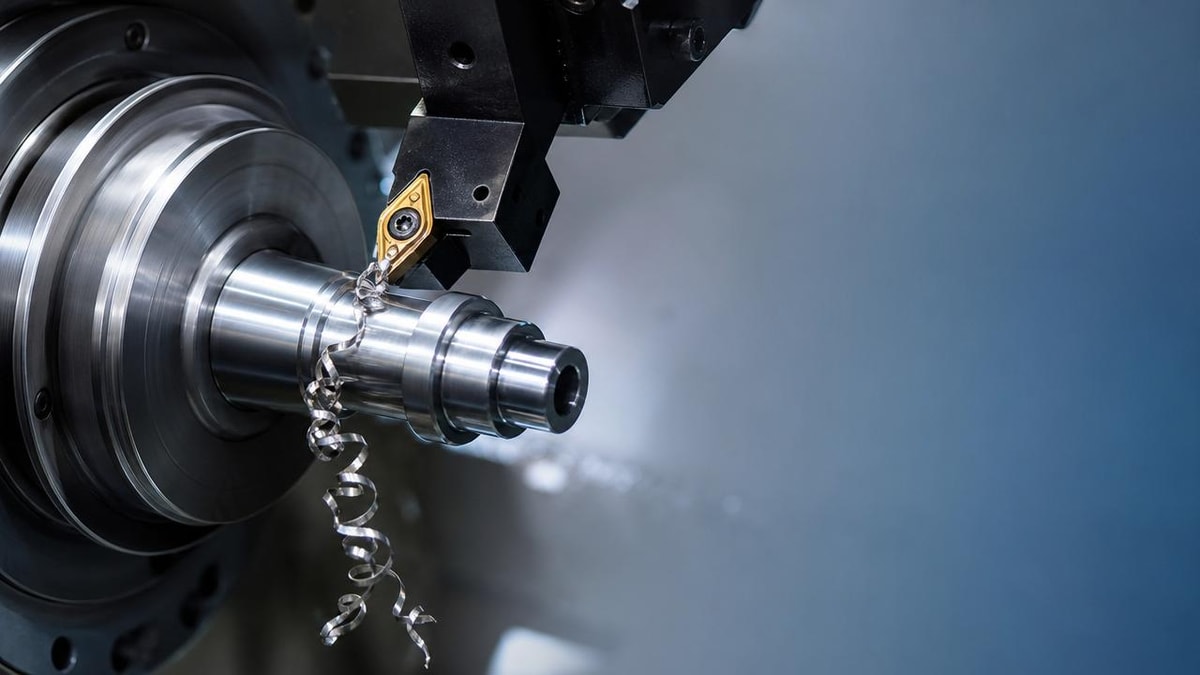
In industrial turning, the wrong tool choice can quietly drive up cycle time, scrap rates, and overall machining costs. For procurement teams, selecting cutting tools is no longer just a price decision—it directly affects production efficiency, part quality, and long-term equipment performance. Understanding where tool selection impacts cost is the first step toward smarter sourcing and more competitive manufacturing.
Why industrial turning costs are rising faster than many buyers expect
A noticeable shift is taking place across the CNC machine tool and precision manufacturing sector. Industrial turning is no longer evaluated only by machine hour rates or insert unit prices. Buyers are facing a more complex cost environment shaped by volatile raw material prices, shorter delivery windows, tighter tolerances, and growing pressure to reduce downtime. In this context, poor tool choice has become a hidden cost multiplier rather than a minor technical issue.
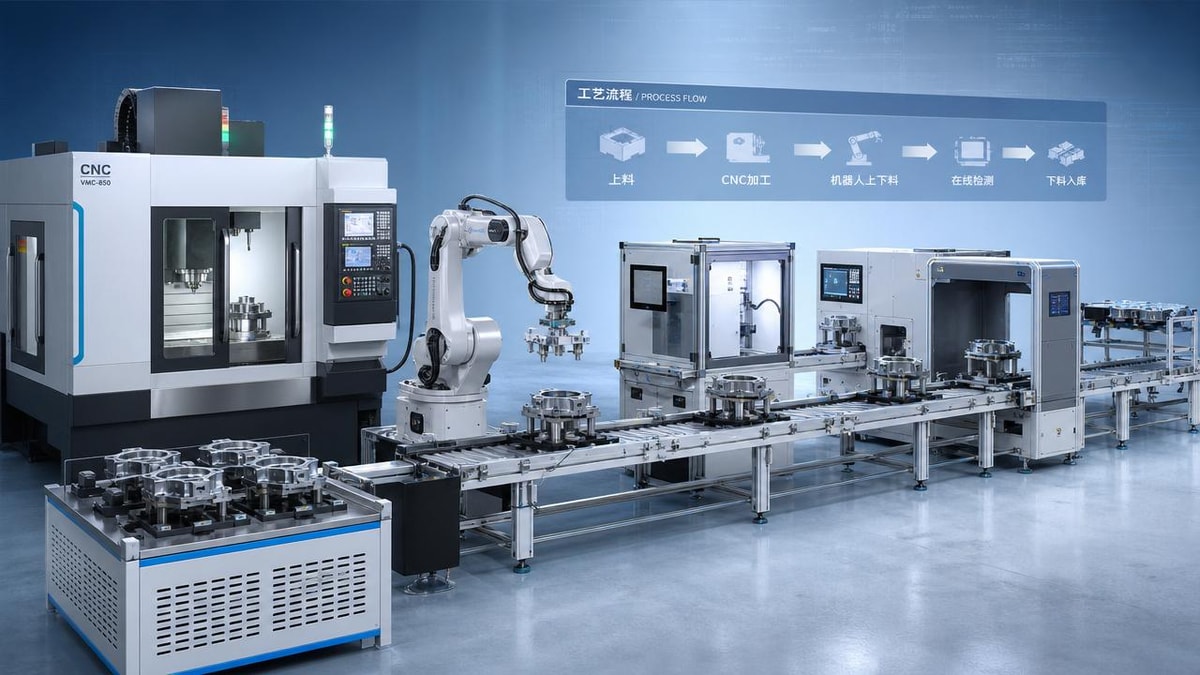
For procurement personnel, this change matters because tool performance now influences several linked outcomes at once: spindle utilization, operator intervention, coolant use, dimensional consistency, and maintenance frequency. A tool that looks cheaper on paper may create higher cost per part if it wears too quickly, causes unstable chip control, or forces conservative cutting parameters. As manufacturers move toward smarter production and more automated turning cells, unstable tooling decisions become even more expensive.
This is especially relevant in industries such as automotive components, energy equipment, electronics hardware, and general precision parts. Orders are becoming more mixed, materials more demanding, and production planning less forgiving. Industrial turning therefore sits at the center of a larger trend: cost control is increasingly driven by process reliability, not just purchase price.
The market signals behind this change in industrial turning
Several clear signals explain why industrial turning decisions are getting more strategic. First, manufacturers are processing a wider range of materials, including stainless steels, heat-resistant alloys, hardened steels, and difficult cast materials. Second, production systems are becoming more automated, which means any interruption caused by poor insert life or unpredictable breakage creates outsized losses. Third, customers increasingly expect repeatable quality across larger batches and shorter lead times.
These changes push tool selection into a new role. Instead of being treated as a consumable bought mainly by catalog comparison, tooling for industrial turning is now part of production planning, cost forecasting, and quality assurance. Buyers who recognize this shift can reduce risk earlier in the sourcing cycle.
The takeaway is straightforward: industrial turning costs rise quickly when purchasing still focuses on visible price while ignoring process behavior.
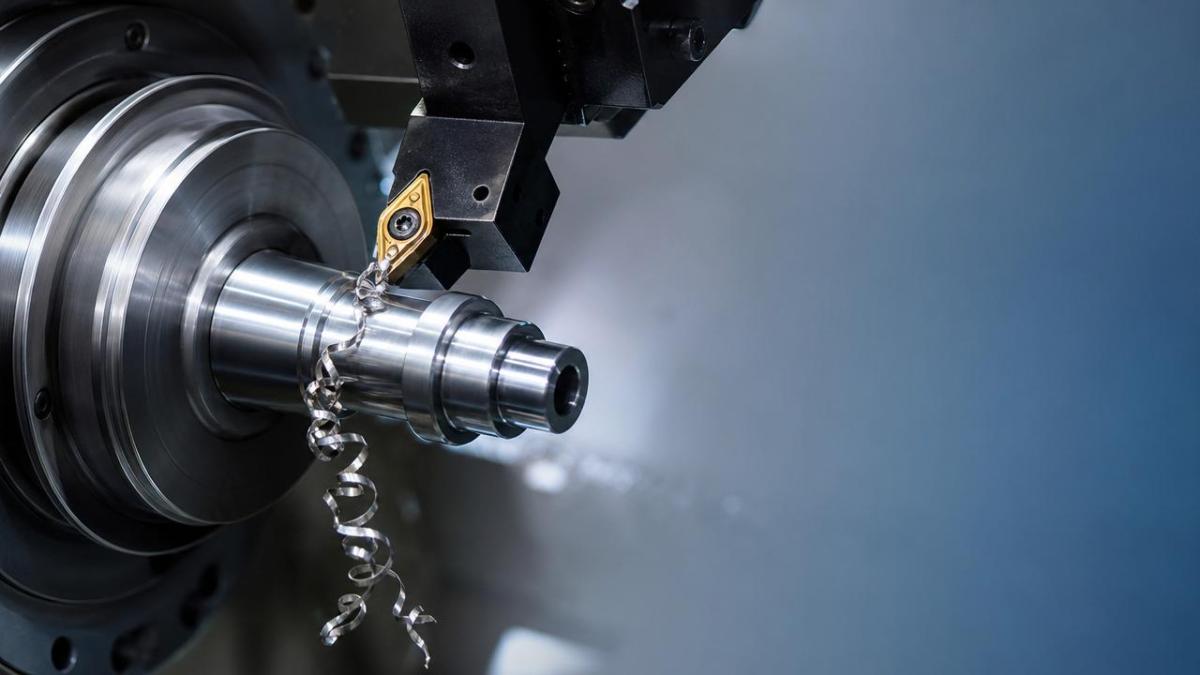
What actually drives cost escalation when tool choice is poor
The cost impact of poor tooling decisions often appears in indirect forms. Procurement teams may approve a lower-cost insert grade, holder, or chipbreaker without seeing the full downstream effect. Yet in industrial turning, small mismatches between tool and application can spread across the whole production chain.
1. Longer cycle times
If the selected tool cannot handle recommended cutting speeds or feed rates with confidence, operators reduce parameters to maintain stability. That immediately raises machine occupancy per part. In high-volume turning, even a few extra seconds per cycle can create major monthly cost increases.
2. Higher scrap and rework
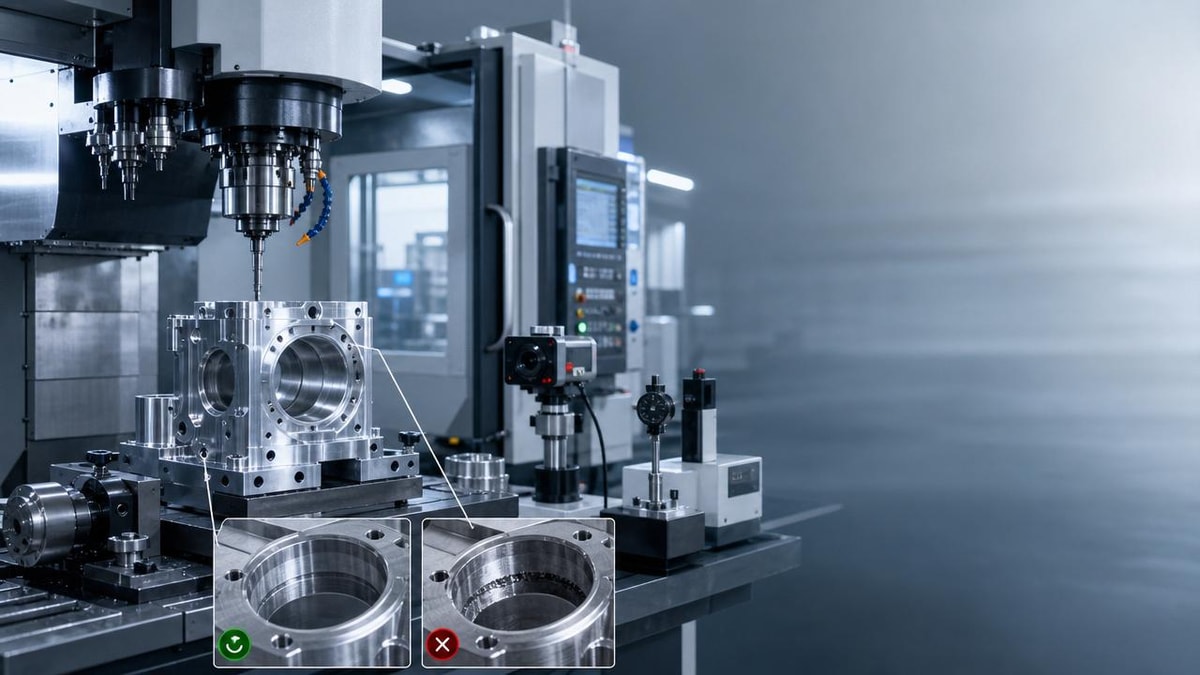
Poor insert geometry, weak edge preparation, or unsuitable coatings may lead to chatter, built-up edge, poor surface finish, or dimensional drift. Scrap costs are not limited to material loss; they also include machine time, labor, inspection burden, and delivery risk.
3. Frequent tool changes and downtime
Short and inconsistent tool life creates more stoppages. In automated or multi-machine environments, each interruption can disrupt scheduling across several operations. This is one reason industrial turning costs may rise fast without being obvious in purchase records alone.
4. Inventory inefficiency
When tools underperform, plants often react by increasing safety stock or buying alternative grades in parallel. This ties up working capital and makes tooling management more fragmented. Procurement then spends more time on emergency replenishment instead of strategic sourcing.
5. Reduced equipment value realization
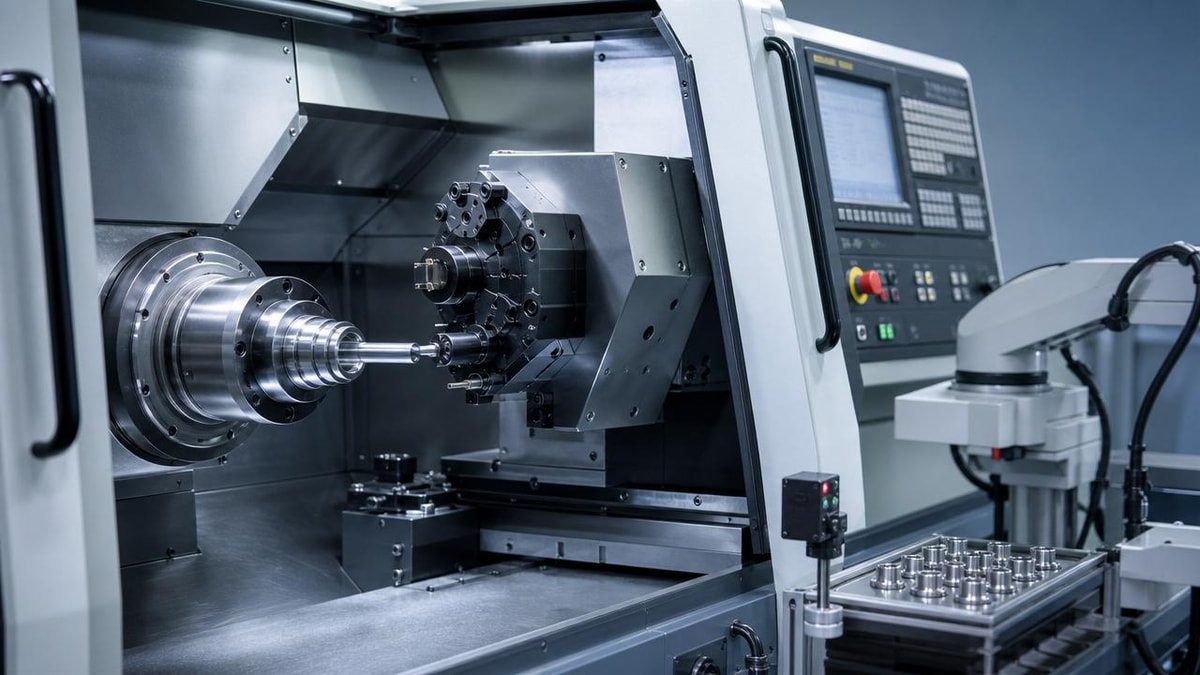
Modern CNC lathes and turning centers are designed for speed, repeatability, and integration. If industrial turning tools cannot support that capability, the business effectively underuses its machine investment. The problem is not just the tool; it is the lost return on capital equipment.
Why procurement teams now play a larger role in machining performance
In many factories, tooling decisions used to sit mainly with operators or process engineers. That model is changing. Procurement teams now influence supplier consolidation, total cost analysis, replenishment terms, and approval of standard tool packages. As a result, buyers increasingly shape the performance ceiling of industrial turning operations.
This does not mean procurement must become a machining department. It means sourcing decisions should connect more clearly with production data. Buyers who ask better technical and commercial questions can prevent expensive mismatches before tools reach the machine.
The strongest drivers behind better industrial turning tool strategies
The good news is that the same forces raising risk are also encouraging more disciplined sourcing practices. Several drivers are pushing manufacturers to rethink how they buy for industrial turning.
Digital production visibility
More factories now track output, stoppages, and tool consumption with greater accuracy. Once machining data becomes visible, the cost of poor tool choice is easier to quantify. This supports stronger supplier discussions and more evidence-based standardization.
Pressure for resilient supply chains
Global supply fluctuations have made buyers more cautious about relying on the cheapest option without performance proof. Stable industrial turning often depends on dependable tooling availability, technical support, and interchangeable standards across plants or regions.
Expansion of mixed-batch manufacturing
Flexible manufacturing lines need versatile tool solutions that can perform across changing part families. This raises the value of modular systems, multi-application insert grades, and holders that simplify setup transitions.
More emphasis on total landed cost
Forward-looking buyers are evaluating industrial turning tools by combining purchase price, expected life, tool change time, quality risk, and supplier support. This broader lens often changes sourcing decisions in ways that improve both cost and continuity.
How to judge whether your current industrial turning sourcing model is outdated
Many organizations still use buying routines built for a simpler era. If any of the following signs are common, the sourcing model may no longer fit current manufacturing demands.
- Tool selection is based mainly on historical habit or lowest quote.
- Suppliers are not asked to validate performance by material, batch size, or machine condition.
- Cost reviews focus on spend totals, not cost per component.
- Tool life data is inconsistent or not shared between engineering and purchasing.
- Frequent line interruptions are treated as production problems rather than sourcing signals.
These are practical warning signs. In industrial turning, hidden process losses often remain invisible until demand rises or margins tighten. By then, corrective action is more urgent and more expensive.
What buyers should prioritize over the next sourcing cycle
The next phase of industrial turning procurement should not be driven by product catalogs alone. It should be guided by a shortlist of performance questions that connect purchasing to production reality.
A practical decision framework for industrial turning purchases
A stronger sourcing approach begins with better internal alignment. Procurement should work with process engineering, production, and quality teams to classify turning applications by risk and value. For example, roughing low-value parts may allow broader cost optimization, while finishing precision components may require tighter tool qualification standards.
It is also useful to separate strategic tooling from routine consumables. In industrial turning, inserts and holders used on bottleneck machines, high-volume lines, or critical tolerance parts deserve deeper supplier comparison. That comparison should include wear stability, edge security, chip evacuation, setup repeatability, and service support.
Another important step is to run limited production validation before full-scale adoption. A short trial under real shop conditions can reveal whether a lower quoted option actually supports output targets. This protects buyers from false savings and gives suppliers a clearer basis for technical commitment.
What to watch next in the industrial turning market
Looking ahead, several developments will likely shape industrial turning decisions further. Tooling suppliers are expanding advanced coatings, chip control designs, and application-specific grades to support difficult materials and higher automation levels. At the same time, manufacturers are asking for simpler tooling portfolios that reduce complexity without sacrificing performance. This creates a market preference for solutions that are both technically capable and operationally manageable.
Another signal worth watching is the growing link between tooling and digital manufacturing systems. As plants improve data collection, more procurement decisions will be based on measured output, wear patterns, and machine utilization. That will make industrial turning sourcing more transparent and more performance-driven than before.
For buyers, the key judgment is not whether tools are getting more expensive in isolation. The real question is whether current tool choices help or hurt overall machining economics in a production environment that is becoming faster, smarter, and less tolerant of instability.
Conclusion: better industrial turning decisions start with better questions
The rise in industrial turning costs is closely tied to broader manufacturing change. More advanced materials, higher automation, stricter quality targets, and tighter delivery expectations have raised the cost of poor tool choice. What once looked like a small purchasing decision can now affect throughput, scrap, equipment efficiency, and supply reliability.
If your business wants to judge how these trends affect its own operations, focus on a few questions: Are current tool selections aligned with actual part materials and machine conditions? Is cost being measured per item purchased or per acceptable part produced? Which turning applications create the highest hidden loss when performance is unstable? And which suppliers can support both product availability and technical improvement?
Answering those questions will help procurement teams move from price buying to value-based sourcing. In today’s market, that is one of the most practical ways to control industrial turning cost, protect production continuity, and strengthen long-term manufacturing competitiveness.
PREVIOUS ARTICLE
NEXT ARTICLE
Recommended for You
 Industrial Robotics payback depends on one hidden variableManufacturing Market Research Center
 Shaft Parts machining problems linked to concentricity lossCNC Machining Technology Center
 Production Process changes that quietly raise defect ratesCNC Machining Technology Center
 Industrial Automation projects stall without process mappingCNC Machining Technology Center
 CNC metal cutting heat issues behind poor surface finishCNC Machining Technology Center
 High precision lathe claims that deserve a closer lookMachine Tool Industry Editorial Team

Aris Katos
Future of Carbide Coatings
15+ years in precision manufacturing systems. Specialized in high-speed milling and aerospace grade alloy processing.
▶
Industrial turning costs rise fast with poor tool choiceMachine Tool Industry Editorial Team▶
New Hazardous Chemicals Safety Law Takes Effect May 1, 2026Machine Tool Industry Editorial Team▶
When a Modular Tooling System Improves Flexible ManufacturingMachine Tool Industry Editorial Team▶
Why Titanium Machining Fails Without the Right CNC ToolingMachine Tool Industry Editorial Team▶
Modular Tooling System for flexible manufacturing: Why interface repeatability degrades faster than expectedMachine Tool Industry Editorial Team
Mastering 5-Axis Workholding Strategies
Join our technical panel on Nov 15th to learn about reducing vibrations in thin-wall components.

Providing you with integrated sanding solutions
Before-sales and after-sales services
Comprehensive technical support