• Global CNC market projected to reach $128B by 2028 • New EU trade regulations for precision tooling components • Aerospace deman
NYSE: CNC +1.2%LME: STEEL -0.4%

When industrial machining equipment starts costing more to run
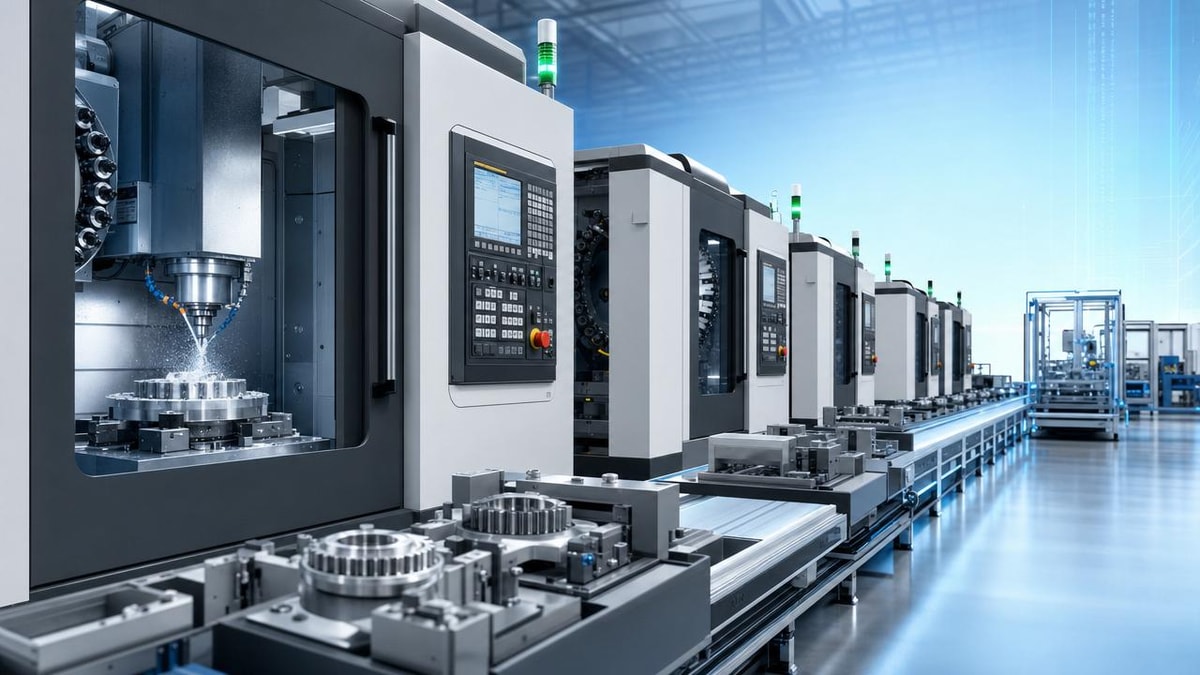
When industrial machining equipment starts costing more to run, the issue is rarely just higher utility bills or maintenance expenses. For business decision-makers, rising operating costs often signal deeper problems in productivity, machine utilization, process stability, and long-term competitiveness. Understanding what drives these costs is the first step toward protecting margins, improving efficiency, and making smarter investment decisions in a fast-changing manufacturing environment.
Across CNC machining, precision manufacturing, and automated production lines, cost pressure tends to appear in layers. A machine may still be producing parts, yet hidden losses can accumulate through unplanned downtime, tool wear, poor cycle-time control, unstable quality, rising energy consumption, and underused digital capabilities. For leaders in automotive, aerospace, electronics, and energy equipment manufacturing, these signals should not be treated as isolated maintenance issues. They are operating indicators that affect margins, quoting accuracy, customer delivery performance, and future capital planning.
Why operating costs rise faster than expected in industrial machining equipment
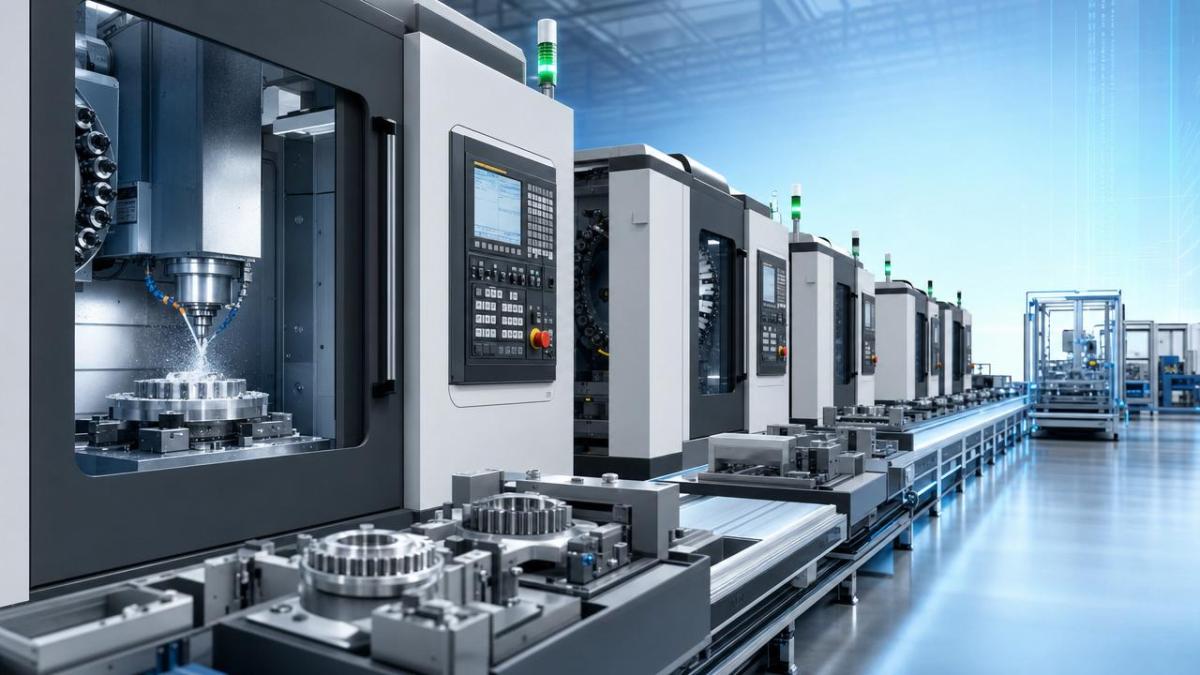
In many plants, industrial machining equipment becomes more expensive to run long before it is technically obsolete. The first warning sign is often a mismatch between machine capability and actual production behavior. A machining center designed for high-speed, stable batch output may be forced into frequent changeovers, short runs, or inconsistent material inputs. Even a 5% to 8% drop in spindle uptime can materially affect cost per part when labor, tooling, and scheduling losses are added together.
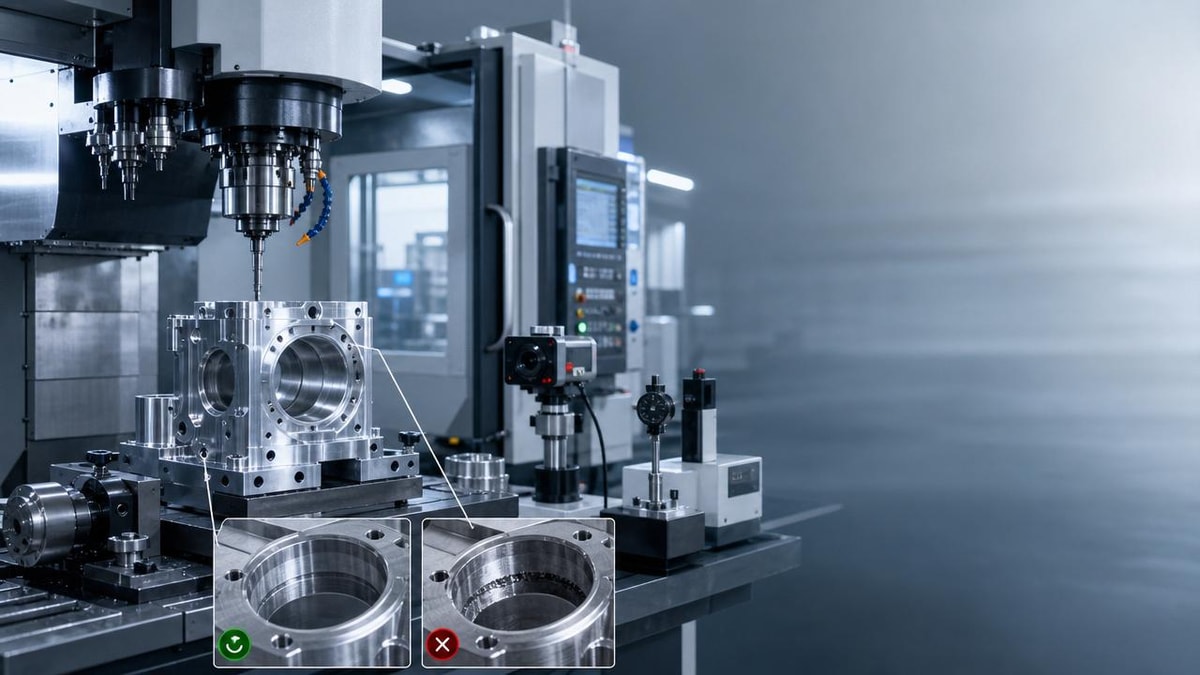
A second driver is deferred maintenance. Many manufacturers still follow either reactive repair or overly rigid calendar-based service. Neither approach is ideal. If spindle bearings, guideways, coolant systems, filters, or lubrication circuits are checked too late, performance can drift gradually over 3 to 6 months before a visible failure occurs. By that time, tolerance variation, surface finish defects, and rework may already be reducing profitability.
Hidden cost categories that are often missed
Decision-makers often focus on three visible expenses: electricity, spare parts, and direct maintenance labor. However, the larger burden usually comes from indirect losses. These include machine idle time between jobs, excessive setup hours, repeated first-article adjustments, scrap from thermal instability, premature tool replacement, and overtime created by unreliable scheduling. In a plant with 10 to 20 CNC assets, small inefficiencies repeated across shifts can become a major annual cost center.
- Unplanned downtime that interrupts production flow for 2 to 8 hours at a time
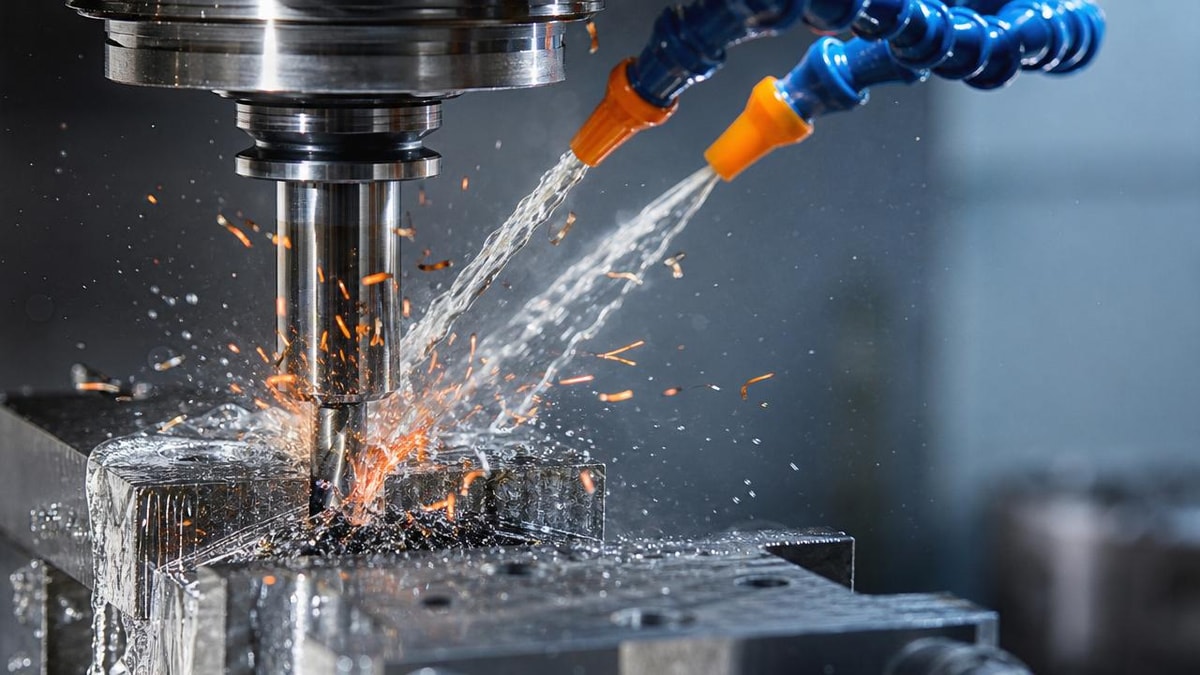
- Tooling costs rising 10% to 20% due to unstable parameters or poor chip evacuation
- Quality losses caused by out-of-tolerance parts, secondary inspection, or re-machining
- Long setup and changeover times reducing machine utilization below 65% to 75%
- Energy waste from outdated drives, coolant systems, and peripheral equipment running continuously
How utilization and process stability affect cost per part
For industrial machining equipment, utilization is not simply whether a machine is powered on. The more useful metric is productive cutting time as a share of scheduled time. A machine running 16 hours per day may still deliver poor financial performance if only 7 to 9 hours are spent in value-adding cutting. The rest may be consumed by setup, waiting for operators, program edits, part loading delays, or inspection bottlenecks.
Process stability matters just as much. If one batch runs at a 98% first-pass yield and another drops to 91%, the difference affects material usage, machine occupancy, operator confidence, and delivery reliability. For firms serving aerospace or precision electronics, even a tolerance drift of a few microns can trigger additional inspection cycles and customer risk reviews, increasing the true cost of operation far beyond the repair budget.
The table below outlines common causes of rising operating costs in industrial machining equipment and the business impact each cause can create over time.
The main takeaway is that operating cost inflation rarely comes from one source. In most facilities, a combination of utilization loss, maintenance delay, tooling instability, and weak process control pushes industrial machining equipment into a less profitable operating zone. That is why cost reduction efforts should begin with a full production-system review, not only a maintenance budget review.
What business decision-makers should evaluate before costs escalate
Once industrial machining equipment begins consuming more budget, executives need a structured framework for diagnosis. The fastest way to lose control is to approve isolated fixes without understanding whether the true issue is age, workload mix, staffing, process engineering, or machine selection. A useful review should cover at least 4 dimensions: equipment health, production efficiency, quality stability, and digital visibility.
A practical 4-part assessment model
- Measure actual machine utilization by shift, product family, and process step over 30 to 90 days.
- Track recurring downtime causes, including alarms, setup delays, tool breakage, and waiting time.
- Compare target versus real cycle time, scrap rate, and first-pass yield for high-value parts.
- Review maintenance records, spare part lead times, and operator skill gaps before approving upgrades.
This assessment helps separate equipment problems from management problems. In some cases, a 12-year-old CNC machine can remain cost-effective if application fit is strong and preventive care is disciplined. In other cases, a machine only 4 to 6 years old can become expensive because it is being used outside its ideal process window, such as hard materials, oversized workpieces, or overly frequent job changes.
Signals that the issue is operational rather than mechanical
If the machine can still hold tolerance but delivery performance is slipping, the root cause may be planning, fixturing, programming, or labor allocation. Common examples include long setup verification, repeated manual offsets, poor fixture repeatability, and lack of standardized cutting data. These issues can increase effective production cost by 8% to 15% even when no major component has failed.
Signals that capital replacement should be considered
Replacement should be evaluated when downtime frequency rises sharply, critical spare parts have lead times of 6 to 12 weeks, energy draw is consistently above newer alternatives, or process capability no longer supports customer specifications. The right trigger is not machine age alone. It is the point where maintenance, quality loss, and scheduling risk begin to exceed the economics of modernization.
The following comparison can help leadership teams decide whether to optimize, retrofit, or replace industrial machining equipment.
The key is to compare alternatives based on total operating economics over time. A lower upfront spend can become the more expensive decision if it locks the plant into unstable output, higher scrap, and chronic delivery risk. For many precision manufacturing environments, the best answer is often a phased approach that combines process optimization now with targeted equipment investment later.
How to reduce the operating burden of industrial machining equipment
Cost control is most effective when it is tied to measurable factory behaviors. Instead of broad cost-cutting programs, manufacturers should target the specific mechanisms that make industrial machining equipment expensive to run. In practice, there are 5 areas with the fastest impact: maintenance planning, tool management, setup reduction, energy control, and production data visibility.
1. Move from reactive service to condition-based maintenance
A condition-based model tracks machine status through vibration, lubrication quality, thermal behavior, alarm history, and spindle load patterns. Even simple weekly and monthly checks can help identify bearing wear, coolant contamination, and abnormal current draw before they become shutdown events. Plants that shift from repair-after-failure to scheduled intervention often gain more stable uptime within 60 to 120 days.
2. Standardize tooling strategy across similar parts
Tool cost inflation is common when every operator or programmer uses different offsets, insert grades, and replacement rules. By grouping parts by material, geometry, and tolerance level, manufacturers can reduce unnecessary variation. A standard tool-life window, for example every 120 to 180 minutes of cutting on a given alloy range, can improve predictability and help purchasing teams manage inventory more accurately.
3. Reduce setup time with fixture and program discipline
For many mixed-volume plants, the biggest hidden cost is not cutting time but non-cutting time. Quick-change fixturing, offline programming review, tool presetting, and first-article checklists can cut setup duration by 15% to 30%. This is especially valuable in facilities handling multiple product families, small-batch aerospace parts, or frequent engineering changes.
4. Control energy and support-system waste
Industrial machining equipment does not consume power only at the spindle. Coolant pumps, compressors, chillers, hydraulics, extraction units, and automation peripherals can account for a large share of total energy use. Reviewing idle-time consumption, shutdown discipline, and coolant system efficiency can reveal savings without affecting production rate. Even a 7% to 12% reduction in support-system power can improve annual operating performance in multi-machine workshops.
5. Use digital monitoring to support better decisions
Many factories already have machine data available but do not use it consistently. Dashboards that show uptime, alarm patterns, cycle-time variance, scrap incidents, and maintenance intervals can turn equipment management from reactive to predictive. For leadership teams, this matters because capital decisions become easier when they are supported by 90 days of operating evidence rather than assumptions or anecdotal complaints.
Procurement and modernization decisions that protect margins
When operating costs remain high after process optimization, procurement strategy becomes critical. Buying industrial machining equipment based only on initial price is risky in a market where precision, automation compatibility, and lifecycle support increasingly define competitiveness. Decision-makers should assess not just machine specifications, but also application fit, service responsiveness, software compatibility, and upgrade path over the next 3 to 5 years.
Key buying criteria for decision-makers
- Accuracy and repeatability aligned with current and future part tolerances
- Cycle-time capability for target materials, batch sizes, and changeover frequency
- Service and spare-part access within realistic response windows such as 24 to 72 hours
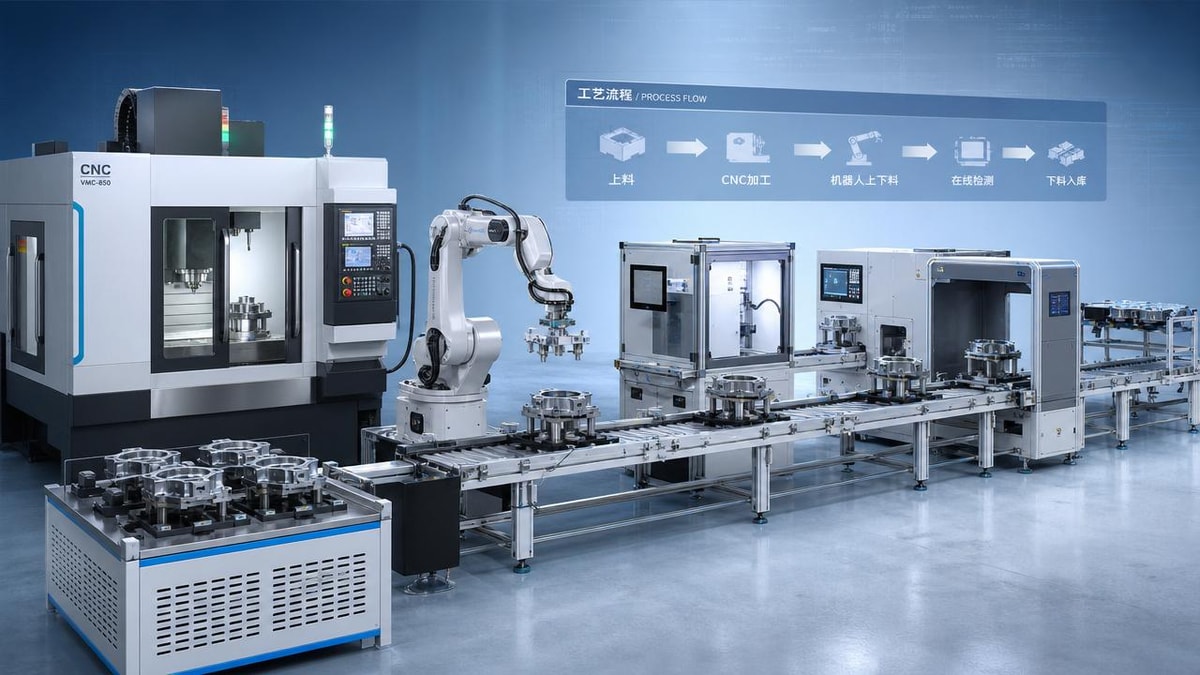
- Compatibility with automation, probing, monitoring, and smart factory systems
- Total lifecycle cost over at least 36 to 84 months, not just acquisition price
Common procurement mistakes
One common mistake is overspecifying a machine for prestige rather than production need. Another is buying lower-cost equipment without checking thermal stability, control architecture, local support coverage, or tooling ecosystem. A third is ignoring integration cost. A machine may look competitively priced, yet require added expenditure for fixtures, probes, post-process measurement, training, and software adaptation before it can perform reliably on the shop floor.
A phased modernization approach
For many organizations, a phased strategy is more practical than full replacement. Phase 1 may focus on process visibility and maintenance discipline over 30 to 60 days. Phase 2 may target tooling, fixturing, and setup optimization over the next quarter. Phase 3 can then evaluate retrofit or machine replacement based on measured throughput, quality, and cost trends. This sequence lowers risk and improves internal alignment between operations, finance, engineering, and procurement.
Frequently asked questions from manufacturing leaders
How do we know whether cost increases are temporary or structural?
If the increase is linked to short-term factors such as energy pricing or one-off repair events, it may normalize within 1 to 2 quarters. If it is tied to repeated downtime, lower yield, unstable setup performance, or poor spare-part availability, the problem is structural and needs corrective action.
Should we replace older machines immediately?
Not always. Older industrial machining equipment can remain productive if process demand is stable and maintenance standards are strong. Replacement makes more sense when cost trends show declining reliability, capability mismatch, or growing customer quality risk.
What is the fastest area to improve first?
In many factories, setup reduction and tooling standardization produce results faster than major capital action. They are also easier to measure within 30 to 90 days and often reveal whether deeper investment is truly needed.
Rising operating costs in industrial machining equipment should be treated as a strategic business signal, not only a maintenance concern. The most resilient manufacturers respond by measuring utilization, stabilizing processes, tightening maintenance discipline, and aligning procurement decisions with long-term production economics. If your organization is evaluating whether to optimize current assets, retrofit key systems, or invest in new CNC capacity, now is the right time to build a clear cost-to-performance roadmap. Contact us to discuss your production challenges, get a tailored equipment strategy, and explore more solutions for efficient precision manufacturing.
PREVIOUS ARTICLE
NEXT ARTICLE
Recommended for You
 Industrial Robotics payback depends on one hidden variableManufacturing Market Research Center
 Shaft Parts machining problems linked to concentricity lossCNC Machining Technology Center
 Production Process changes that quietly raise defect ratesCNC Machining Technology Center
 Industrial Automation projects stall without process mappingCNC Machining Technology Center
 CNC metal cutting heat issues behind poor surface finishCNC Machining Technology Center
 High precision lathe claims that deserve a closer lookMachine Tool Industry Editorial Team

Aris Katos
Future of Carbide Coatings
15+ years in precision manufacturing systems. Specialized in high-speed milling and aerospace grade alloy processing.
▶
High precision lathe claims that deserve a closer lookMachine Tool Industry Editorial Team▶
Why precision equipment calibration drifts over timeMachine Tool Industry Editorial Team▶
When industrial machining equipment starts costing more to runMachine Tool Industry Editorial Team▶
2026 Bio-based Feedstock Supply Chain Guide ReleasedMachine Tool Industry Editorial Team▶
High Precision Lathe Claims: What Should Be Verified First?Machine Tool Industry Editorial Team
Mastering 5-Axis Workholding Strategies
Join our technical panel on Nov 15th to learn about reducing vibrations in thin-wall components.

Providing you with integrated sanding solutions
Before-sales and after-sales services
Comprehensive technical support