• Global CNC market projected to reach $128B by 2028 • New EU trade regulations for precision tooling components • Aerospace deman
NYSE: CNC +1.2%LME: STEEL -0.4%

Industrial CNC maintenance gaps that lead to sudden downtime
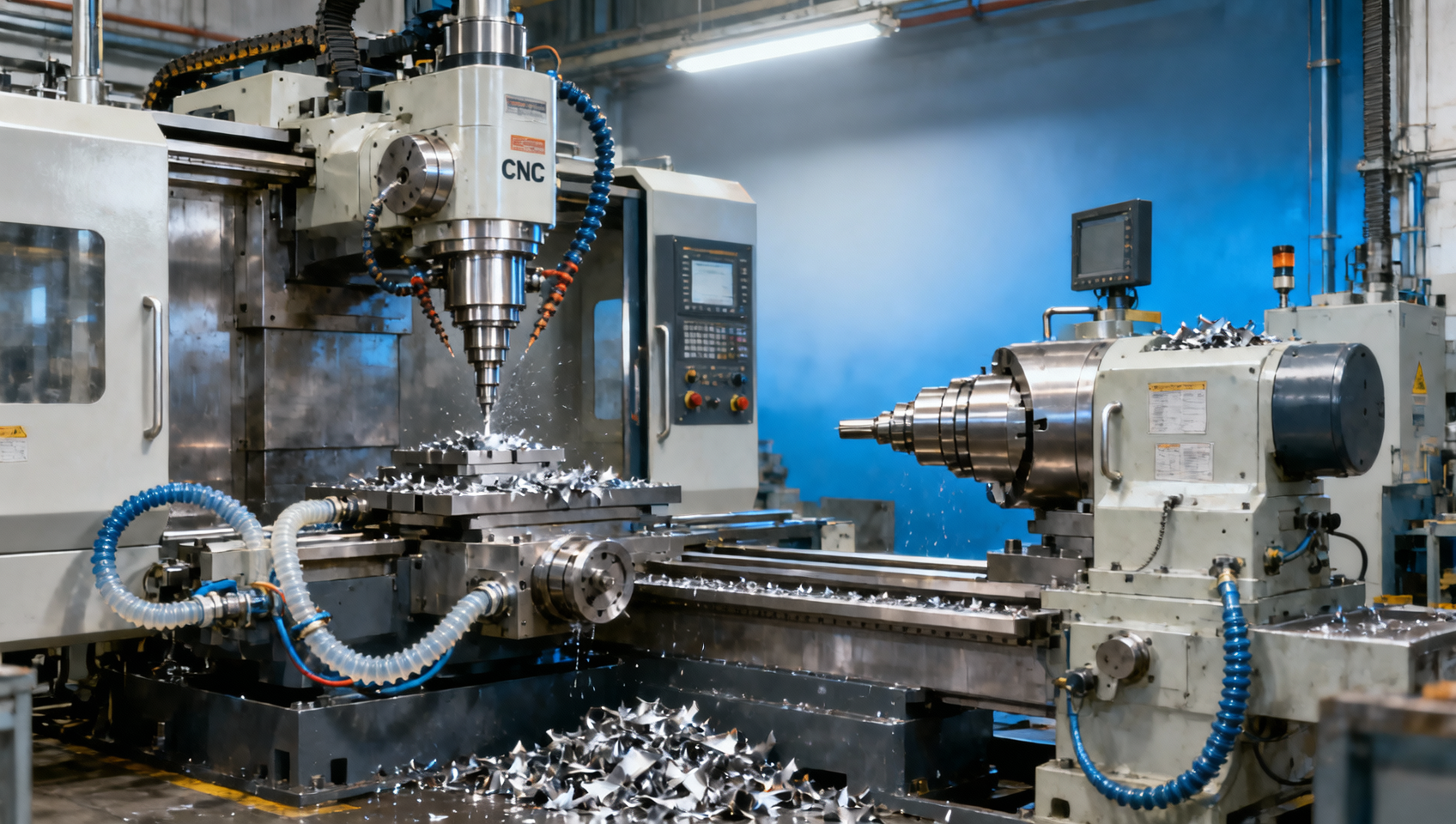
Unexpected downtime in industrial CNC operations often starts with overlooked maintenance gaps in the production process. From CNC milling and CNC cutting to automated lathe systems and vertical lathe applications, small warning signs can disrupt automated production and raise costs across the Manufacturing Industry. This article explores where CNC metalworking teams, buyers, and decision-makers should look first to protect uptime, quality, and long-term performance.
For operators, maintenance gaps usually appear as rising spindle temperature, unstable feed behavior, poor chip evacuation, or recurring alarms that seem minor until a production stop occurs. For procurement teams and plant managers, the bigger issue is that unplanned stoppages often expose deeper weaknesses in spare parts planning, service response, lubrication control, and preventive maintenance discipline.
In high-mix and high-precision manufacturing, even a 2-hour interruption can delay downstream inspection, assembly, and shipping. Whether the machine is a CNC lathe, machining center, or multi-axis system, sudden downtime rarely comes from one dramatic failure. It more often grows from several unattended issues accumulating over 2 to 12 weeks.
Understanding those gaps helps research-oriented readers evaluate suppliers more carefully, supports users on the shop floor with practical checks, and gives decision-makers a clearer framework for maintenance budgeting, service contracts, and equipment lifecycle planning.
Where sudden CNC downtime usually begins
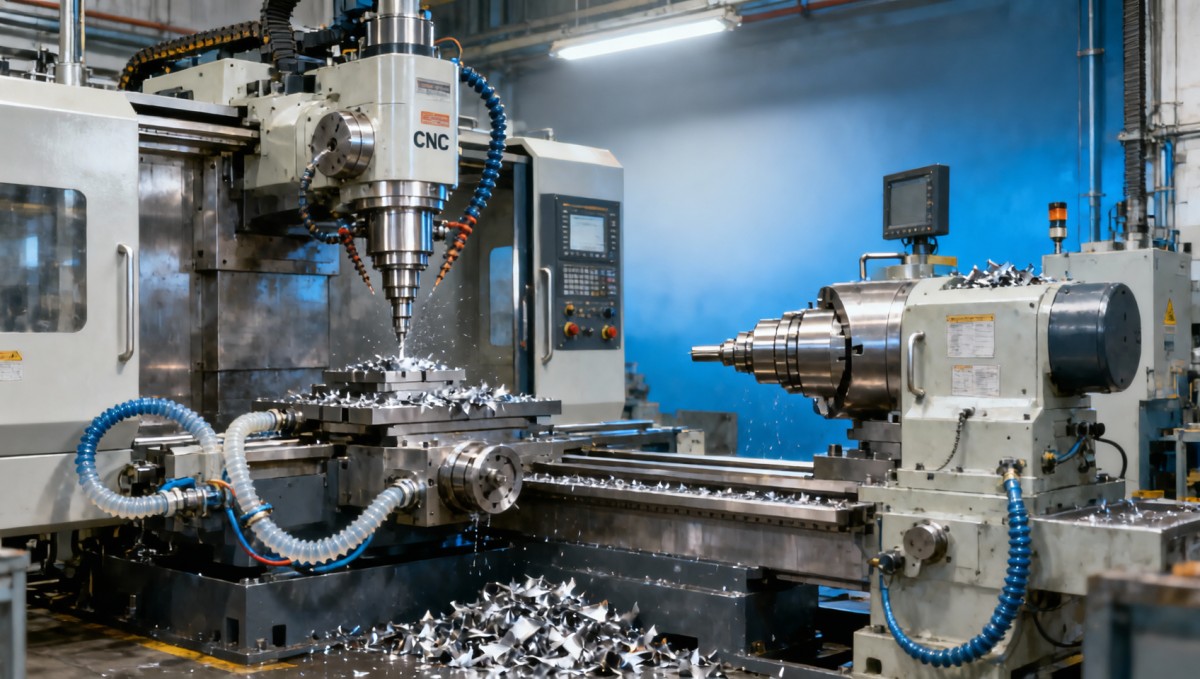
Most industrial CNC failures do not begin at the point of total machine shutdown. They start with small deviations in temperature, vibration, lubrication flow, or tool load. When these deviations are ignored during daily production, machine health can shift from acceptable to unstable within a single shift, especially in applications running 16 to 24 hours per day.
The first maintenance gap is often inconsistent inspection frequency. Many factories perform operator checks at startup but skip mid-shift and end-of-shift reviews. On a machine processing steel, aluminum, or difficult alloys, conditions can change in 4 to 8 hours. Coolant concentration, chip buildup, and spindle noise should not be assessed only once per day.
Another common gap is alarm normalization. Teams become familiar with repeated warnings such as lubrication low level, servo overload peaks, axis following error, or hydraulic pressure fluctuation. Once alarms are treated as routine, response time becomes reactive rather than preventive. A warning that appears 3 times in a week can become a full stop during the next high-load cycle.
Environmental control also plays a larger role than many buyers expect. CNC machines installed in areas above 32°C, with airborne dust, unstable voltage, or poor compressed air quality, face faster wear on electrical cabinets, guideways, and pneumatic systems. In precision machining, even ambient variation of 5°C to 8°C can affect accuracy stability and thermal compensation behavior.
Early warning signals that are often missed
Operators and maintenance teams should track symptoms before breakdown occurs. The following list captures warning points that are frequently present 7 to 30 days before sudden downtime:
- Spindle warm-up time becomes longer than usual, or the spindle reaches operating temperature too quickly.
- Axis movement produces intermittent noise during rapid traverse, especially after long idle periods.
- Coolant nozzles show reduced pressure, irregular flow, or foam that indicates concentration imbalance.
- Surface finish changes appear before dimensional failure, particularly on repeat batches of 20 to 100 parts.
- Hydraulic or pneumatic pressure drifts outside normal bands for more than 10 to 15 minutes.
These signals are important because they connect directly to wear, contamination, or unstable operating parameters. Ignoring them tends to increase scrap risk, tool consumption, and unplanned technician intervention.
Typical failure sources by subsystem
The table below helps buyers and maintenance teams identify where downtime risks usually originate and how quickly they can escalate if not addressed.
The key takeaway is that mechanical, fluid, and electrical issues are interconnected. A lubrication problem can increase axis load, which then raises heat and stress on servo components. Downtime prevention works best when maintenance is organized by system interaction rather than by isolated parts.
The maintenance gaps that cost the most in production
Not every maintenance issue has the same business impact. In CNC metalworking, the most expensive gaps are the ones that interrupt throughput, reduce repeatability, and force emergency parts replacement. Plants focused on automotive, aerospace, electronics, or energy components often lose more from schedule disruption than from the repair cost itself.
One high-cost gap is poor lubrication management. Linear guides, ball screws, turret mechanisms, and automatic tool changers depend on stable lubrication cycles. Missing a weekly inspection or using the wrong lubricant viscosity can shorten component life over a period of 3 to 6 months. By the time stick-slip movement becomes obvious, precision may already be compromised.
A second costly gap is coolant neglect. Coolant concentration that drifts outside a typical range, such as 6% to 10% depending on process, can reduce tool life and raise heat generation. Dirty coolant tanks and blocked chip conveyors also create hidden downtime because operators must stop production repeatedly for manual cleaning. The issue looks operational, but its root cause is maintenance discipline.
The third major gap is weak spare parts planning. Many facilities keep common tools and inserts but not critical maintenance items such as filters, sensors, belts, lubrication fittings, fan units, or backup pumps. When a low-cost part fails, the machine can remain idle for 2 to 7 days while purchasing waits for delivery or technical confirmation.
Maintenance gaps with the highest downtime impact
The following comparison shows which gaps typically create the fastest production losses and why they deserve priority in both preventive maintenance plans and procurement budgets.
For decision-makers, these are not only maintenance topics. They affect delivery reliability, customer confidence, and machine lifecycle cost. Plants that classify these items as purchasing and planning priorities usually recover uptime faster than those treating them as ad hoc repairs.
What operators and supervisors should review every week
- Verify lubrication level, delivery pressure, and visible line condition on all critical motion components.
- Check coolant concentration, tank cleanliness, and chip evacuation performance at least once every 5 to 7 days.
- Review alarm history for repeated low-level or overload warnings, even if the machine continues to run.
- Inspect cabinet filters, fan operation, and heat buildup in electrical enclosures.
- Confirm whether high-wear spare parts can be replaced within 24 to 48 hours.
These checks are simple, but they create a bridge between daily machine use and long-term equipment reliability. Plants that formalize these tasks into weekly review sheets typically identify failure patterns earlier.
How to build a preventive CNC maintenance framework that actually works
A preventive maintenance plan should be practical enough for operators to follow and detailed enough for maintenance engineers to trust. The best systems separate tasks by frequency, responsibility, and risk level. Without that structure, maintenance becomes a checklist exercise rather than a control method for uptime and process capability.
A useful framework often starts with 4 levels: per shift, weekly, monthly, and quarterly. Per-shift tasks focus on visible conditions such as coolant, chips, pressure, and abnormal sounds. Weekly tasks target lubrication, filters, and repeat alarms. Monthly work includes accuracy verification, belt inspection, and enclosure cleaning. Quarterly tasks often involve calibration review, thermal behavior analysis, and deeper inspection of electrical and hydraulic systems.
The second requirement is ownership. Operators should not be expected to diagnose servo tuning or spindle bearing condition, but they are well positioned to notice vibration, inconsistent clamping, or surface finish shifts within the first 1 to 2 hours of abnormal operation. Maintenance teams should then validate trends, document corrective actions, and escalate root-cause work when patterns repeat.
The third requirement is measurable thresholds. Terms like “clean regularly” or “inspect when needed” are too vague for industrial CNC environments. A better rule is to define a schedule such as checking coolant concentration every 3 days, reviewing alarm logs every week, and cleaning the electrical cabinet filter every 30 days in dusty environments.
Recommended task structure by interval
This sample structure can be adapted for CNC lathes, machining centers, and automated production cells. It is designed to reduce sudden downtime without creating unnecessary maintenance load.
The framework works best when findings are recorded in a shared log. Even a simple digital or paper record can reveal repeated issues across 30, 60, or 90 days. That visibility helps maintenance teams intervene before failures spread to related systems.
Implementation steps for factories with mixed equipment
Step 1: Standardize inspection points
Use the same inspection categories across CNC milling machines, CNC cutting equipment, lathes, and multi-axis systems. This reduces training time and helps supervisors compare machine health consistently.
Step 2: Separate operator care from technical maintenance
Daily cleaning and visible checks belong to operators. Calibration, electrical inspection, and hydraulic troubleshooting should remain with trained maintenance personnel.
Step 3: Link maintenance to production planning
Reserve short windows every 2 to 4 weeks instead of waiting for annual shutdowns. Short planned interventions are usually less disruptive than emergency repair during peak orders.
What buyers and decision-makers should evaluate before downtime becomes a sourcing problem
For purchasing teams, maintenance is not only a technical issue after equipment delivery. It should be part of supplier evaluation before a machine, production line, or service contract is approved. The wrong sourcing decision can lock a plant into long spare-part lead times, unclear support boundaries, and avoidable downtime costs for years.
One critical factor is service response capability. Buyers should ask whether remote support is available within 2 to 4 hours, whether on-site service is realistic within 24 to 72 hours, and which spare parts are stocked regionally. A machine with strong cutting performance but weak after-sales coverage can become a costly bottleneck during urgent production cycles.
Another factor is documentation quality. Maintenance manuals should clearly define lubrication intervals, coolant requirements, filter replacement points, alarm interpretation, and wear-item recommendations. If service information is vague, operators improvise, maintenance becomes inconsistent, and warranty-related disputes are more likely.
Decision-makers should also compare lifecycle support, not only machine price. A lower purchase price can be offset by higher annual downtime exposure, poor part availability, and repeated technician visits. In B2B manufacturing, reliability, support depth, and service clarity often matter more than a small initial price difference.
Procurement checklist for CNC uptime protection
The table below provides a practical evaluation framework for procurement teams reviewing CNC machine suppliers, maintenance partners, or service packages.
This checklist is especially useful for companies scaling automated production or adding new machining capacity across multiple sites. Standardizing evaluation criteria can reduce hidden maintenance risk before equipment enters production.
Common buying mistakes that increase maintenance risk
- Choosing machines based only on cycle time without reviewing service network coverage.
- Accepting generic maintenance schedules that do not reflect actual shift intensity or material type.
- Failing to request a recommended spare parts list for the first 6 to 12 months of operation.
- Underestimating environmental needs such as stable power, air quality, and thermal control.
When purchasing and maintenance teams align early, uptime becomes easier to protect. That alignment is especially important in smart factories where one machine interruption can affect robots, conveyors, inspection systems, and delivery schedules at the same time.
FAQ: practical answers about CNC maintenance gaps and downtime prevention
How often should a CNC machine be checked to avoid sudden downtime?
Basic visual and operating checks should be performed every shift. Lubrication, alarm history, and coolant quality should typically be reviewed weekly. More technical inspections, including backlash trend, belt condition, and electrical cabinet cleanliness, are usually scheduled every 30 days. High-duty machines running 20 to 24 hours per day may require shorter intervals.
Which maintenance issue is most commonly underestimated?
Lubrication is often underestimated because the system is partly hidden and problems build gradually. A blocked metering unit or low reservoir can go unnoticed until axis friction, positioning error, or guideway wear becomes severe. By that point, the cost is much higher than the cost of weekly verification.
How much spare inventory should a factory keep for CNC maintenance?
There is no universal number, but most factories benefit from keeping 30 to 90 days of critical wear and service items, especially filters, belts, fans, sensors, lubrication components, and common pump or pressure parts. The right quantity depends on machine criticality, supplier lead time, and production schedule sensitivity.
Can software monitoring replace manual inspection?
No. Monitoring software can detect trends in load, temperature, alarms, and cycle variation, but it does not replace direct observation of leaks, chip accumulation, unusual sound, or coolant contamination. The strongest maintenance programs combine digital monitoring with disciplined operator inspection and engineering review.
Sudden CNC downtime is rarely unavoidable. In most cases, it grows from identifiable maintenance gaps involving lubrication, coolant control, electrical cleanliness, alarm handling, spare parts planning, and weak service preparation. For manufacturers using CNC lathes, machining centers, automated cells, or precision machine tools, closing these gaps can improve uptime, protect part quality, and reduce emergency repair costs over the full equipment lifecycle.
If you are evaluating CNC equipment, reviewing maintenance strategy, or planning a more reliable production setup, now is the right time to compare service readiness, inspection routines, and lifecycle support in detail. Contact us to discuss your operating conditions, request a tailored maintenance-focused sourcing plan, or learn more about practical solutions for CNC uptime protection.
Recommended for You
 What causes chatter in metal machining and how to stop itCNC Machining Technology Center
 Industrial CNC lead times are shifting in 2026Manufacturing Market Research Center
 When CNC industrial upgrades cut output instead of raising itMachine Tool Industry Editorial Team
 Automated lathe errors that often start with bar feedingMachine Tool Industry Editorial Team
 Why CNC metalworking scrap rates rise on thin wall partsCNC Machining Technology Center
 CNC cutting speed or finish quality: where losses beginCNC Machining Technology Center

Aris Katos
Future of Carbide Coatings
15+ years in precision manufacturing systems. Specialized in high-speed milling and aerospace grade alloy processing.
▶
Industrial lathe capacity looks adequate until tool change delays showMachine Tool Industry Editorial Team▶
Industrial CNC maintenance gaps that lead to sudden downtimeMachine Tool Industry Editorial Team▶
Precision Machine Tool Updates highlight new backlash compensation methods for ball screwsMachine Tool Industry Editorial Team▶
Heavy-duty Machining Center for mold making: Why hydrostatic guideways outperform linear rails under sustained loadMachine Tool Industry Editorial Team▶
Machine tool for aerospace: Why thermal growth compensation requires real-time sensor fusionMachine Tool Industry Editorial Team
Mastering 5-Axis Workholding Strategies
Join our technical panel on Nov 15th to learn about reducing vibrations in thin-wall components.

Providing you with integrated sanding solutions
Before-sales and after-sales services
Comprehensive technical support