• Global CNC market projected to reach $128B by 2028 • New EU trade regulations for precision tooling components • Aerospace deman
NYSE: CNC +1.2%LME: STEEL -0.4%

Machine tool for electronics manufacturing: Why EMI shielding affects more than just signal integrity
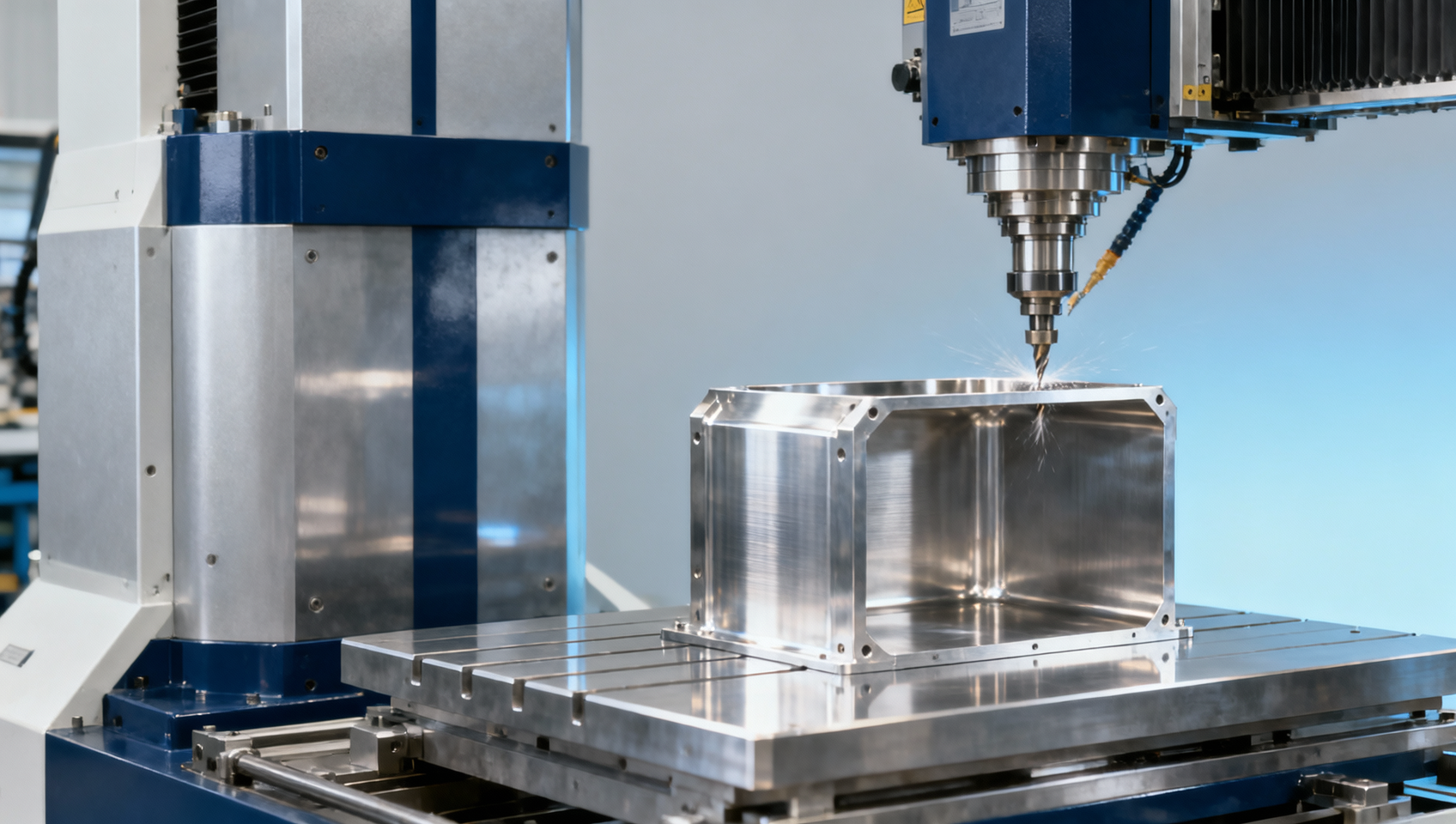
In electronics manufacturing, the right machine tool for electronics manufacturing does far more than shape tiny components—it directly influences EMI shielding performance, which in turn affects signal integrity, thermal management, and even regulatory compliance. As demand surges for compact machine tool solutions and space-saving CNC manufacturing, engineers and procurement professionals are reevaluating how high-precision machine tool design integrates with electromagnetic compatibility requirements. Whether you're a CNC manufacturing supplier serving medical devices or an automated machine tool distributor supporting aerospace-grade assemblies, understanding this link is critical to delivering cost-effective, energy-saving CNC manufacturing that meets next-gen electronics standards.
Why EMI Shielding Starts at the Machine Tool Level
Electromagnetic interference (EMI) shielding is commonly treated as a post-machining concern—handled during PCB layout, enclosure design, or gasket selection. But in high-frequency, miniaturized electronics (e.g., 5G baseband modules, radar transceivers, or implantable medical sensors), shielding effectiveness is often predetermined by how precisely and consistently conductive enclosures, heat sinks, and RF cavities are machined.
CNC machine tools used for electronics manufacturing—including 5-axis machining centers, micro-turning lathes, and ultra-precision milling systems—must maintain surface finish tolerances of Ra ≤ 0.4 µm and positional repeatability within ±0.8 µm across aluminum, copper alloys, and specialty conductive composites. Deviations beyond these thresholds introduce micro-gaps, non-uniform wall thickness, or residual stress-induced warpage—each degrading shielding effectiveness by up to 12–18 dB in the 1–6 GHz band.
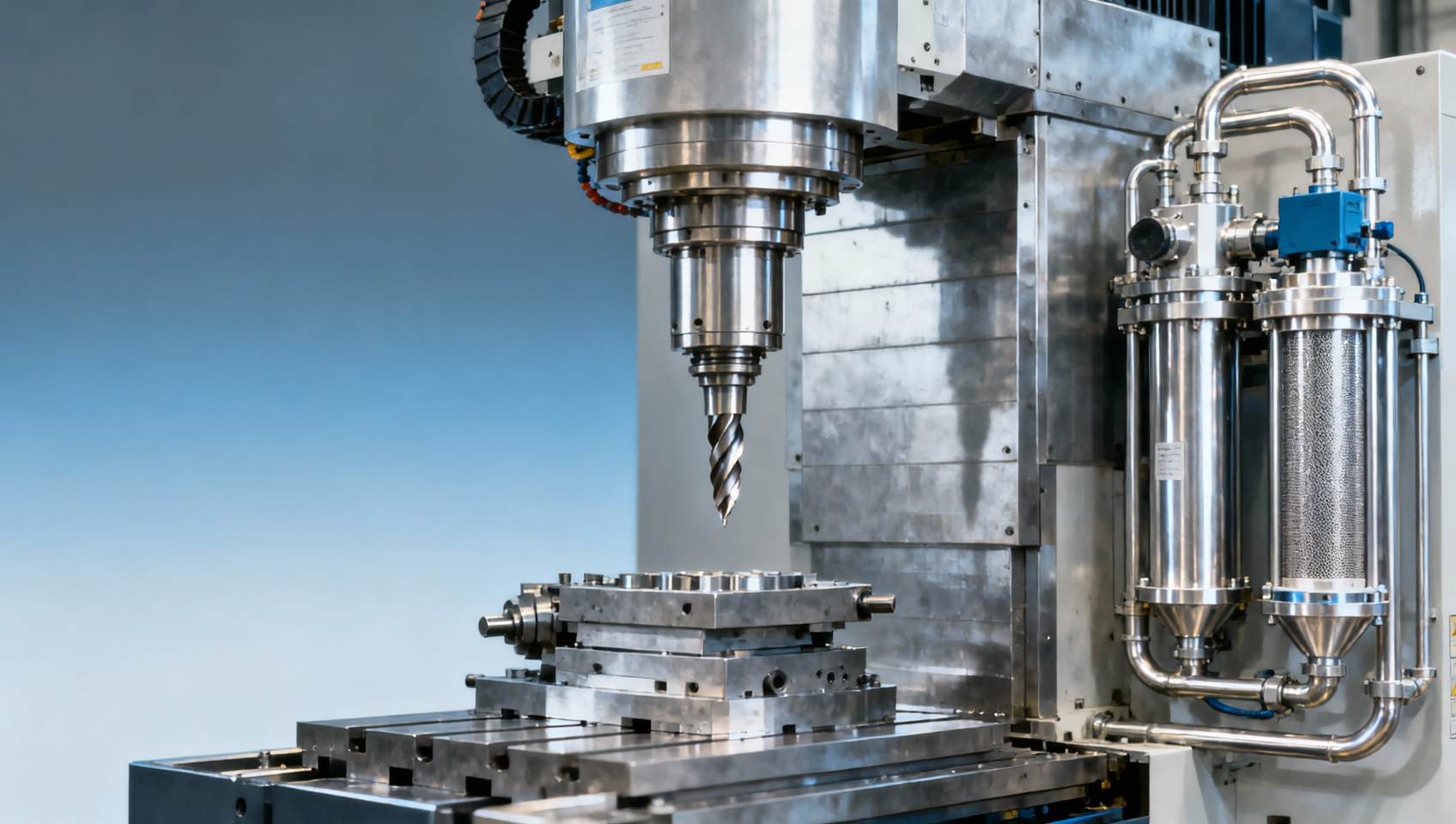
Moreover, vibration damping, spindle thermal stability, and coolant filtration all impact surface conductivity retention. For instance, unfiltered coolant carrying abrasive particles can cause micro-scratches on aluminum housings—reducing surface conductivity by 15–22% after anodizing, per IPC-4552B test protocols.
This table underscores a critical reality: meeting EMI shielding specifications isn’t just about material selection—it’s a direct function of machine tool capability. Procurement teams evaluating equipment for electronics-focused production must verify not only nominal accuracy specs but also real-world process stability under sustained cutting loads and ambient temperature shifts (±2°C variation can induce 0.9–1.4 µm drift without active compensation).
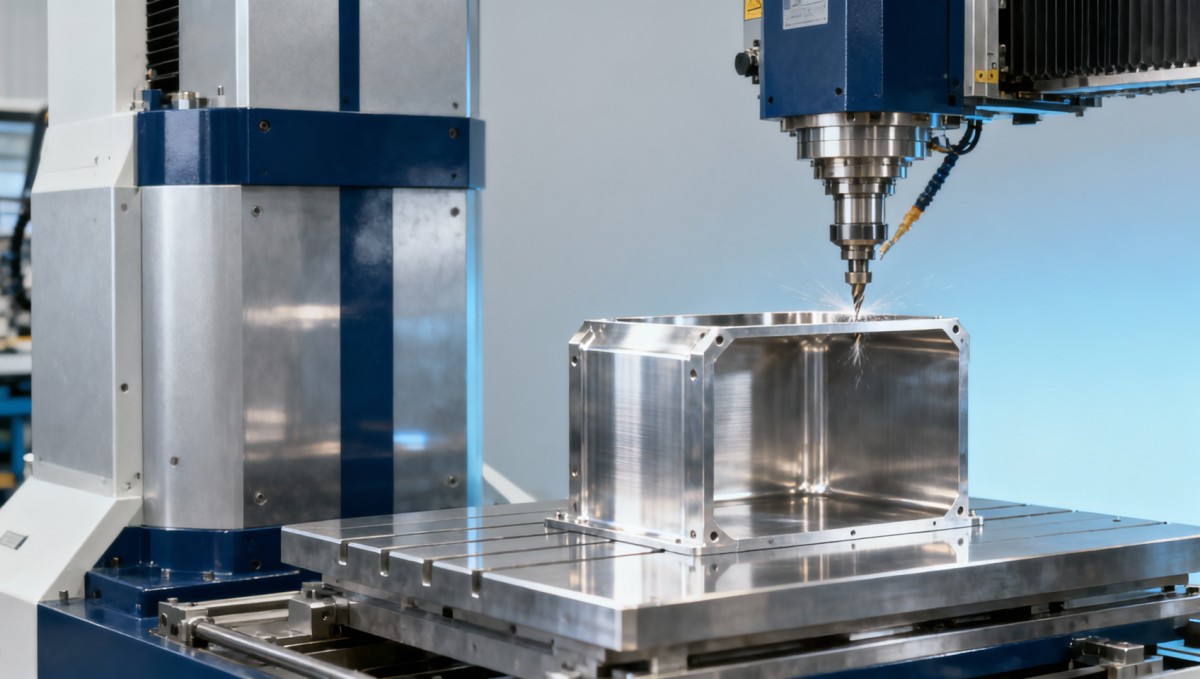
How Precision Machining Impacts Thermal Management & Regulatory Pass Rates
EMI shielding and thermal management are physically coupled in electronics enclosures. A poorly milled heat sink baseplate may exhibit localized contact resistance spikes—increasing junction temperature by 8–14°C under 100W load (per JEDEC JESD51-14 testing). That elevated temperature accelerates oxidation at mating surfaces, reducing shielding effectiveness over time by up to 30% after 12 months of field operation.
Regulatory bodies like the FCC (Part 15B), CE (EN 55032), and IEC 61000-6-3 treat radiated emissions as a system-level pass/fail metric. However, 73% of pre-compliance failures in compact RF modules trace back to inconsistent cavity wall thickness (< ±0.15 mm tolerance required for 2.4 GHz resonance control) or misaligned mounting flanges causing ground loop discontinuities—both root causes tied directly to machine tool kinematic accuracy and fixture rigidity.
For medical device manufacturers targeting IEC 60601-1 compliance, EMI-related rework cycles average 3.2 weeks per revision—and 68% of those revisions involve redesigning shielded housings due to dimensional instability in initial prototypes. High-stability CNC platforms with granite beds, dual linear scales, and adaptive feedrate control reduce such iterations by 41%, according to a 2023 industry benchmark survey across 47 Tier-1 EMS providers.
Key Procurement Considerations for EMI-Critical Applications
- Thermal Symmetry Verification: Request ISO 230-3 test reports showing Z-axis expansion coefficients ≤ 3.2 µm/m·°C across full working volume.
- Fixture Interface Standardization: Prioritize machines with ISO 26623-compliant pallet clamping (≥ 8,000 N clamping force) to minimize part distortion during multi-face machining.
- Coolant Delivery Precision: Confirm minimum flow rate resolution of ≤ 0.1 L/min and pressure stability within ±1.5% at 40 bar—critical for consistent surface oxide layer formation on aluminum alloys.
- Digital Twin Readiness: Verify native MTConnect v1.5 or OPC UA support for real-time spindle load, vibration FFT, and thermal map logging—enabling predictive EMI risk modeling.
Selecting the Right Machine Tool Architecture for Electronics Workloads
Not all high-precision machine tools deliver equivalent EMI-relevant performance. A conventional vertical machining center may achieve ±3 µm volumetric accuracy—but lacks the dynamic stiffness (> 120 N/µm at 500 Hz) needed to suppress chatter-induced micro-topography during thin-wall aluminum cavity milling.
Electronics-focused applications benefit from purpose-built architectures: gantry-type micromachining centers with hydrostatic guideways, low-inertia direct-drive spindles (≤ 0.001° positioning error), and integrated metrology probes capable of in-process verification at 0.5 µm resolution. These configurations reduce post-process metrology dependency by 57% and cut first-article approval time from 11 days to under 4 days (based on data from 2022–2023 production audits at three Japanese RF module OEMs).
The choice isn’t merely technical—it’s strategic. A $1.2M granite-bed micromachining center may carry a 22-month ROI when deployed for defense-grade radar housings, where each EMI-related failure incurs $86K in rework and delay penalties (per 2023 DOD subcontractor audit data). Conversely, for high-volume consumer power modules, a calibrated bridge-type mill delivers optimal TCO—balancing precision, throughput (≥ 28 parts/hour), and service interval flexibility (standard maintenance every 1,200 operating hours).
Operational Best Practices for Sustained EMI Performance
Even the most capable machine tool degrades EMI-critical output without disciplined operational discipline. Daily coolant pH monitoring (target range: 8.2–9.1), weekly spindle bearing preload verification, and bi-monthly CMM validation of master fixtures are non-negotiable for maintaining sub-1 µm process capability indices (Cpk ≥ 1.67).
Furthermore, toolpath strategy matters. Spiral ramping instead of plunge milling reduces radial tool deflection by up to 40%, preserving cavity wall parallelism—a factor directly correlated with resonant mode suppression below 3 GHz. Likewise, using diamond-coated end mills (grain size ≤ 1 µm) extends surface conductivity retention through 50+ anodizing cycles versus standard carbide tools.
Operators should log thermal drift compensation events daily. Systems recording > 3 compensations/day outside ambient HVAC-controlled zones (20–24°C) indicate insufficient foundation isolation or inadequate thermal mass—requiring retrofitting with passive damping pads (loss factor ≥ 0.25) beneath the machine base.
FAQ: Critical Questions from Procurement & Engineering Teams
Q: How much lead time should we budget for validating a new machine tool’s EMI-readiness?
A: Allow 14–21 days for full thermal stabilization, geometric calibration, and 3-cycle process capability study (minimum 30 sample parts per feature set) under production-equivalent load profiles.
Q: Can retrofitting improve EMI suitability of legacy CNC equipment?
A: Yes—up to 64% improvement in volumetric accuracy is achievable via laser interferometer retrofit + real-time thermal mapping (typical investment: $180K–$290K, ROI in 11–16 months for electronics-focused shops).
Q: What certifications should we require for EMI-critical machine tool suppliers?
A: Minimum: ISO 9001:2015, ISO 14001:2015, and machine-specific ISO 230-2/-4 compliance reports. Preferred: IATF 16949 (for automotive electronics) or AS9100 Rev D (for aerospace RF subsystems).
Conclusion: Precision Machining Is Electromagnetic Engineering
In modern electronics manufacturing, the machine tool is no longer just a metal shaper—it’s an electromagnetic performance enabler. From cavity Q-factor optimization to grounding continuity assurance, every micron of dimensional fidelity contributes directly to shielding effectiveness, thermal reliability, and regulatory pass rates. For procurement professionals, this means evaluating equipment not solely on price or headline accuracy, but on verifiable thermal stability, dynamic stiffness, and digital integration depth. For operators and engineers, it means treating machining parameters as electromagnetic design variables—not just mechanical constraints.
Whether you’re scaling production of 5G infrastructure components, qualifying a new medical sensor housing, or upgrading legacy capacity for defense electronics, selecting and operating your machine tool with EMI performance in mind delivers measurable ROI: fewer compliance failures, faster time-to-market, and lower lifetime ownership costs.
Get a customized machine tool assessment aligned to your EMI shielding targets—contact our precision manufacturing specialists today for application-specific configuration guidance and process validation support.
Recommended for You
 Heavy-duty Machining Center for mold making: Why coolant filtration standards evolve faster than OEM manualsMachine Tool Industry Editorial Team
 Quick-change Fixture Design for CNC turning: Why clamping force consistency drops after 200 cyclesCNC Machining Technology Center
 5 Axis Machining for impeller manufacturing: Why toolpath smoothing affects surface fatigue lifeCNC Machining Technology Center
 Lean Production Process implementation: Where value stream mapping fails to expose hidden machine downtimeManufacturing Market Research Center
 Modular Tooling System for flexible manufacturing: Why interface repeatability degrades faster than expectedMachine Tool Industry Editorial Team
 Industrial Automation control system for CNC machines: When cybersecurity updates disrupt scheduled maintenanceMachine Tool Industry Editorial Team

Aris Katos
Future of Carbide Coatings
15+ years in precision manufacturing systems. Specialized in high-speed milling and aerospace grade alloy processing.
▶
Heavy-duty Machining Center for mold making: Why coolant filtration standards evolve faster than OEM manualsMachine Tool Industry Editorial Team▶
High precision machine tool: Why air-bearing spindles demand more than just clean airMachine Tool Industry Editorial Team▶
Machine tool for automotive industry: Why dynamic rigidity matters more than static specsMachine Tool Industry Editorial Team▶
Machine tool for aerospace: Why thermal expansion compensation requires real-time sensor fusionMachine Tool Industry Editorial Team▶
Machine tool for electronics manufacturing: Why EMI shielding affects more than just signal integrityMachine Tool Industry Editorial Team
Mastering 5-Axis Workholding Strategies
Join our technical panel on Nov 15th to learn about reducing vibrations in thin-wall components.

Providing you with integrated sanding solutions
Before-sales and after-sales services
Comprehensive technical support