• Global CNC market projected to reach $128B by 2028 • New EU trade regulations for precision tooling components • Aerospace deman
NYSE: CNC +1.2%LME: STEEL -0.4%

CNC industrial machines that fit low-space factory layouts
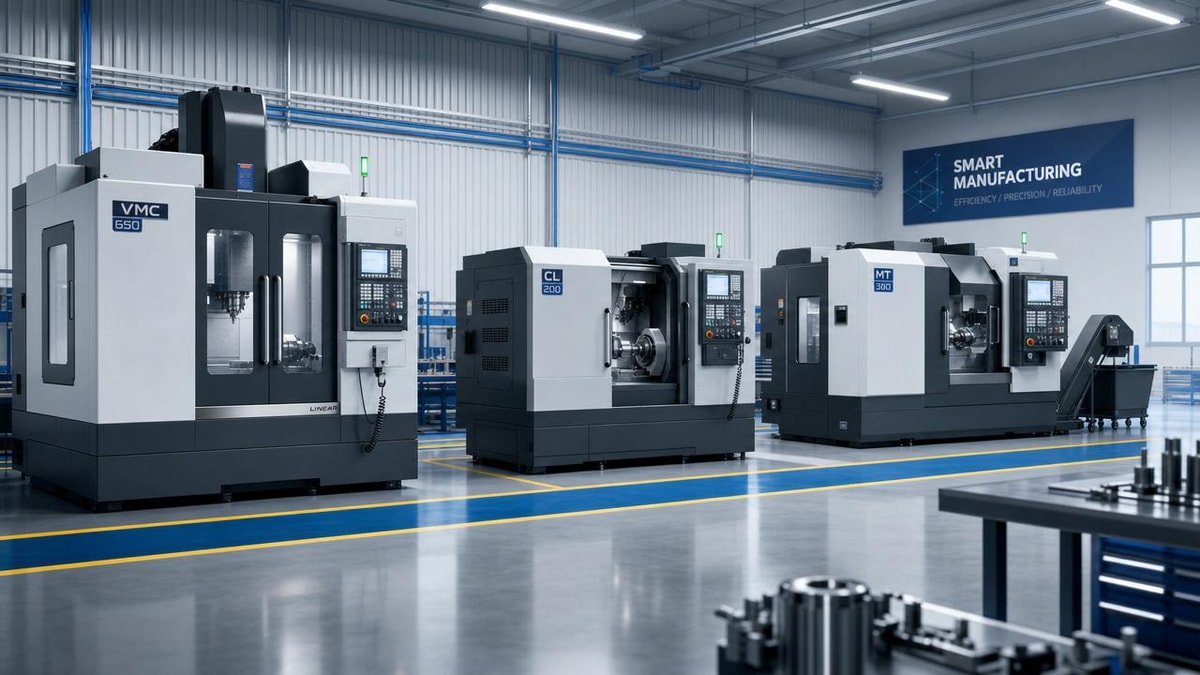
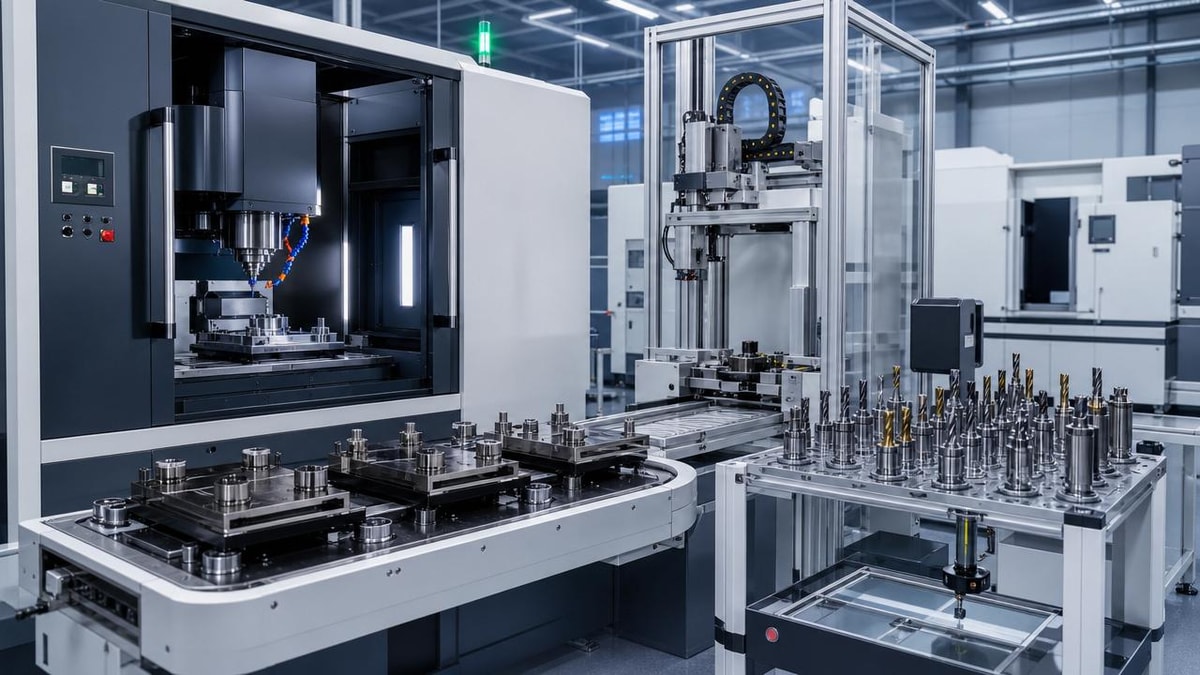
For manufacturers operating in compact facilities, choosing CNC industrial machines that fit low-space factory layouts is critical to maintaining output, precision, and flexibility. From vertical machining centers to multi-function turning systems, space-efficient equipment can help decision-makers reduce floor congestion, improve workflow, and support automation without expanding plant size.
Why do low-space factory layouts change CNC industrial machine selection?
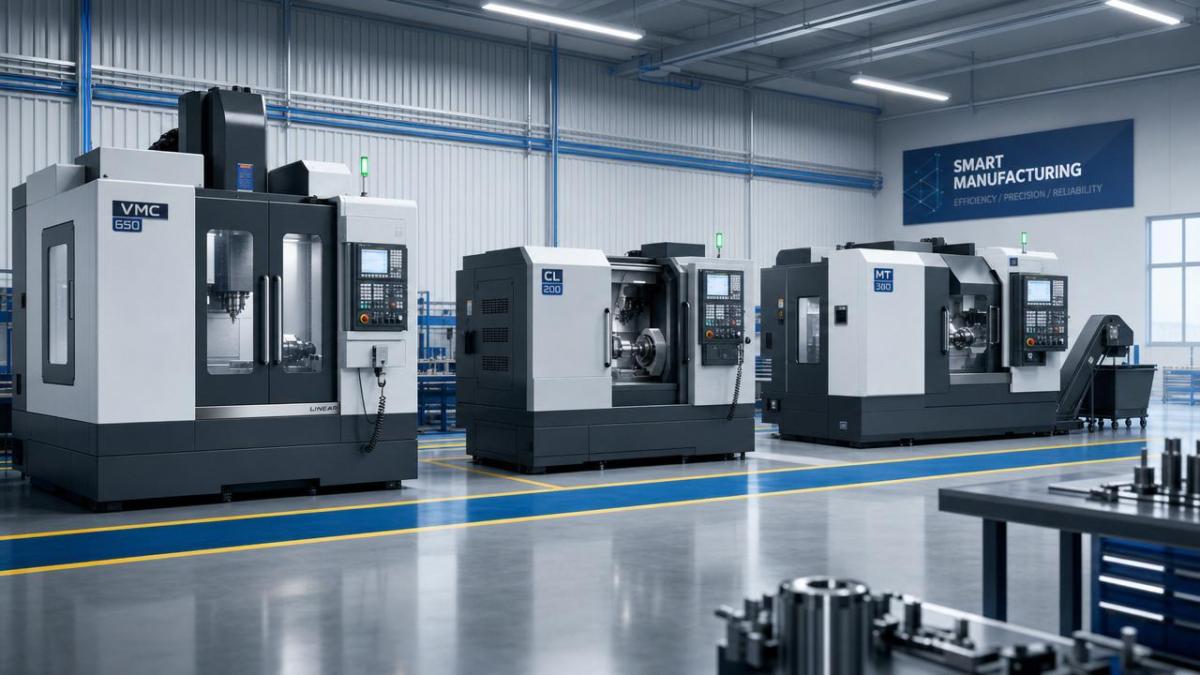
Factory space limits are no longer only a facility issue. For enterprise decision-makers, layout constraints directly affect machine utilization, operator movement, material flow, safety clearance, and future automation upgrades. In sectors ranging from automotive parts to electronics housings and energy equipment components, the right CNC industrial machines must do more than cut metal accurately. They must also fit real production geometry.
In compact plants, a machine with excellent spindle performance may still be a poor investment if chip evacuation blocks aisles, if front-door access interferes with nearby stations, or if loading requires extra swing space. This is why low-footprint CNC machine tools, vertical configurations, integrated turning-milling platforms, and automation-ready systems are increasingly favored in modern manufacturing.
The challenge is not simply buying smaller equipment. The goal is to maintain throughput, accuracy, and process stability while reducing floor occupation. That requires decision-making based on part family, production volume, loading method, maintenance space, power supply, and long-term digital integration.
- Compact factories often need higher output per square meter, so machine density becomes a financial metric, not just an engineering preference.
- Shorter internal logistics paths reduce idle handling time, which matters when delivery schedules are tight.
- Smaller layouts benefit from multi-process CNC industrial machines that reduce part transfer between stations.
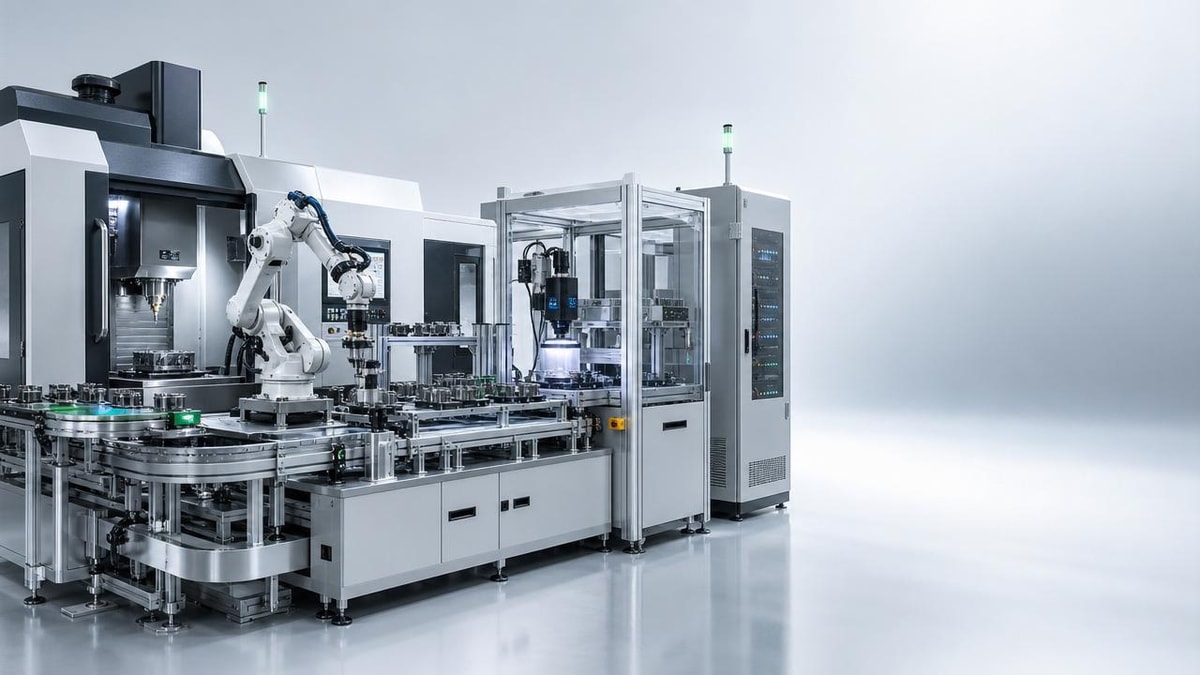
- Future automation, such as robot tending or pallet systems, requires reserved access zones even when floor space is limited.
Which CNC industrial machines are best suited for compact production environments?
Not every machine category performs equally well in a low-space layout. The best fit depends on workpiece type, batch mix, and whether the plant emphasizes milling, turning, or flexible cells. The table below compares common CNC industrial machines used in restricted factory footprints.
For many mixed-production factories, the strongest option is not the smallest machine, but the machine that eliminates secondary setups. A turning-milling center or compact 5-axis unit can occupy more space than a basic lathe, yet still save total floor area by replacing two or three separate stations.
Typical scenarios where compact machine platforms create value
- Suppliers with high part variation and short production runs benefit from flexible CNC industrial machines with quick setup change capability.
- Plants serving export orders often need predictable repeatability and compact layouts that support documented process control.
- Factories adding robot tending later should prioritize side-access or top-access compatibility during the initial purchase stage.
What technical factors matter most when evaluating CNC industrial machines for tight layouts?
Decision-makers often focus first on travel, spindle speed, and price. In compact sites, however, layout-fit metrics deserve equal attention. A machine that matches process requirements but creates maintenance bottlenecks or unsafe material movement can raise operating cost over time.
Priority technical checkpoints
- Footprint versus actual operating envelope. Check not only machine base dimensions, but door opening range, tool magazine access, chip conveyor projection, and service clearance.
- Part size to travel ratio. Oversized travels can waste floor area if your product mix mainly consists of small to medium workpieces.
- Automation interface readiness. Consider bar feeders, pallet changers, robot loading points, and signal compatibility for future smart factory integration.
- Spindle and rigidity balance. Precision and metal removal rate must match the materials processed, whether aluminum, alloy steel, stainless steel, or engineering plastics.
- Chip and coolant management. In low-space layouts, poor chip evacuation can quickly affect safety, cleaning labor, and uptime.
A practical evaluation method is to compare machines by output per square meter, setup reduction potential, and integration cost. These criteria reflect real operational return better than headline spindle figures alone.
How should buyers compare layout efficiency, cost, and process flexibility?
When selecting CNC industrial machines for compact plants, the procurement team usually has to balance three competing priorities: limited capital expenditure, urgent production needs, and uncertain future product changes. The matrix below helps structure that comparison.
This comparison shows why many buyers move beyond simple capex thinking. A compact, lower-cost machine may suit stable high-volume work. But if part mix changes often, a flexible CNC industrial machine with combined operations can produce better long-term value in a limited facility.
Cost questions procurement teams should ask
- Will one multi-function machine remove the need for additional fixtures, handling carts, or in-process storage?
- How much operator walking time can be reduced by relocating processing into one compact cell?
- Does the supplier support local commissioning, training, and spare parts planning to avoid downtime after installation?
How can a low-space CNC layout be planned without hurting productivity?
Layout planning should start before machine ordering. Many manufacturers lose efficiency because they place machines according to available corners rather than process flow. In compact sites, poor sequence design can erase the benefits of advanced CNC industrial machines.
A practical implementation path
- Map part families by process route, including raw material entry, machining sequence, inspection, deburring, and packing.
- Measure real clearance needs for doors, pallets, tool carts, coolant service, and maintenance access instead of relying on catalog dimensions only.
- Group machines by process relationship, such as turning near washing and final inspection, or milling near fixture preparation.
- Reserve connection points for future digital monitoring, robot tending, or automatic loading systems even if phase one is manual.
- Validate electrical load, coolant routing, ventilation, and chip disposal before finalizing the equipment mix.
This approach is particularly valuable in global manufacturing sectors where lead times are short and floor expansion may be impossible. A disciplined layout review helps avoid the hidden cost of moving machines later.
What standards, compliance, and risk points should buyers review?
For enterprise buyers, space efficiency should never override machine safety, process stability, or compliance. Even compact CNC industrial machines must be evaluated for electrical safety, guarding, emergency access, coolant containment, and operational documentation. Requirements differ by region and industry, but a structured review is always useful.
Common compliance checkpoints
- Machine guarding and operator access should match local workplace safety expectations and internal audit practices.
- Electrical systems, grounding, and control cabinet layout should be reviewed against applicable regional installation standards.
- If export customers require documented process consistency, the machine should support reliable data collection and repeatable setup management.
- For automated cells, confirm interlocks, sensor logic, and safe maintenance access around robots or loading devices.
One common risk is choosing a machine that physically fits the floor but leaves no room for service intervention. Another is underestimating chip handling, especially in high-duty cutting of steel or cast materials. These details affect uptime more than many buyers expect.
FAQ: what do decision-makers ask before buying compact CNC industrial machines?
How do I know whether a vertical machine or a turning-milling system is the better choice?
Start with the part family. If most workpieces are plates, blocks, or housings, a vertical machining center is often the better fit. If parts require turning plus milling, drilling, or cross-hole operations in one cycle, a turning-milling system may save floor space by reducing secondary handling and setup stations.
What is the biggest mistake when selecting CNC industrial machines for small factories?
The most frequent mistake is evaluating the machine footprint without evaluating the full operating envelope. Buyers should inspect loading access, chip conveyor space, tooling service area, and future automation clearance. A machine that seems compact on paper may create bottlenecks after installation.
Are compact CNC machine tools only suitable for light-duty production?
No. Many compact CNC industrial machines are designed for demanding production if spindle power, structure rigidity, tooling, and thermal stability match the workload. The key is to verify process requirements rather than assume that smaller dimensions mean lower industrial capability.
How should we estimate return on investment in a low-space project?
Use a broader model than purchase price alone. Include saved floor area, reduced setups, lower internal handling, shorter operator travel, possible automation readiness, and faster order turnaround. For many plants, output per square meter becomes a more meaningful KPI than machine cost alone.
Why choose us for CNC industrial machines and layout-focused sourcing support?
We focus on the global CNC machining and precision manufacturing industry, with attention to machine tool technology, application scenarios, market developments, and international sourcing considerations. That perspective helps decision-makers compare CNC industrial machines not only by specification, but also by layout suitability, production logic, and long-term scalability.
If your factory space is limited, we can support a more practical evaluation process. This includes reviewing part types, required tolerances, machine category options, process integration opportunities, delivery considerations, and compliance-related questions that may affect procurement decisions.
You can contact us to discuss:
- Parameter confirmation for compact CNC industrial machines based on your workpiece size, material, and tolerance targets.
- Machine selection advice comparing vertical machining centers, CNC lathes, turning-milling centers, and automation-ready configurations.
- Delivery cycle planning, especially for projects that need phased installation or rapid production startup.
- Custom layout suggestions for low-space factories, including loading direction, clearance planning, and future automation interfaces.
- Certification and compliance questions related to export-oriented manufacturing, safety expectations, and documentation needs.
- Quotation communication for single machines, integrated cells, or flexible production solutions aligned with your budget and output goals.
For companies under pressure to increase output without expanding buildings, the right CNC industrial machines can turn space constraints into a competitive advantage. A focused discussion around layout, process flow, and equipment fit is often the fastest way to avoid costly procurement errors and build a more efficient production plan.
PREVIOUS ARTICLE
NEXT ARTICLE
Recommended for You
 Industrial Robotics payback depends on more than labor savingsManufacturing Market Research Center
 Shaft Parts machining problems that show up after final inspectionCNC Machining Technology Center
 Which Production Process changes bring the fastest output gains?CNC Machining Technology Center
 Industrial Automation projects fail when integration is underestimatedCNC Machining Technology Center
 CNC metal cutting costs rise fast when material data is wrongCNC Machining Technology Center
 High precision lathe claims to verify before accepting deliveryMachine Tool Industry Editorial Team

Aris Katos
Future of Carbide Coatings
15+ years in precision manufacturing systems. Specialized in high-speed milling and aerospace grade alloy processing.
▶
CNC industrial machines that fit low-space factory layoutsManufacturing Market Research Center▶
How CNC Industrial Machines Shape Capacity Planning DecisionsManufacturing Market Research Center▶
2026 China Cycle Shanghai: CNC E-Bike Frame Capacity Draws ODM FocusManufacturing Market Research Center▶
What to compare before choosing CNC production equipment in 2026Manufacturing Market Research Center▶
When does industrial machining equipment become too costly to keep?Manufacturing Market Research Center
Mastering 5-Axis Workholding Strategies
Join our technical panel on Nov 15th to learn about reducing vibrations in thin-wall components.

Providing you with integrated sanding solutions
Before-sales and after-sales services
Comprehensive technical support