• Global CNC market projected to reach $128B by 2028 • New EU trade regulations for precision tooling components • Aerospace deman
NYSE: CNC +1.2%LME: STEEL -0.4%

Global Manufacturing shifts changing machine tool demand
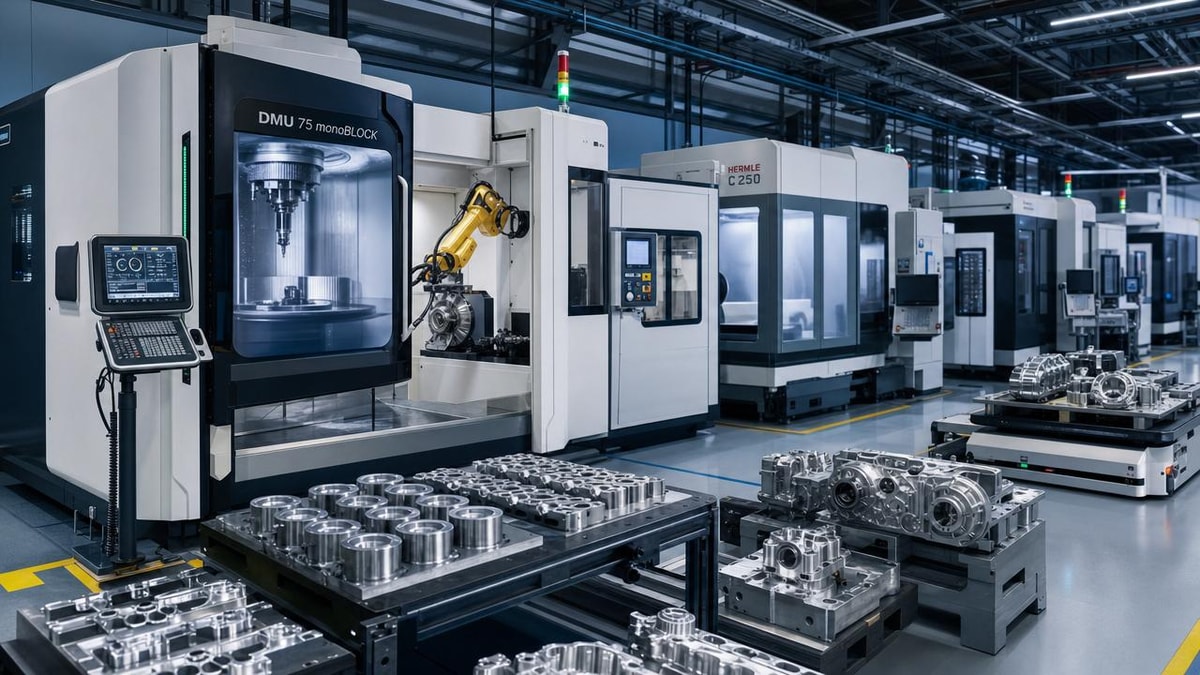
Global Manufacturing is reshaping machine tool demand as supply chains shift, automation expands, and precision requirements rise across key industries. From automotive and aerospace to electronics and energy equipment, manufacturers are reevaluating CNC investments, production flexibility, and digital integration. This article explores how these global changes are influencing machine tool markets, technology priorities, and sourcing decisions for industry observers.
Global Manufacturing is no longer driven by volume alone
One of the clearest signals in Global Manufacturing today is that machine tool demand is becoming more selective rather than simply larger. In the past, capacity expansion often meant buying more standard CNC machines to support predictable, labor-intensive production. Now the picture is different. Companies are expanding in some regions, localizing in others, and redesigning production networks to reduce risk, shorten lead times, and improve responsiveness to market changes.
This shift matters because machine tools sit at the center of industrial execution. When manufacturers change where they produce, how quickly they switch between parts, or how tightly they control quality, demand for machine tools changes with them. Orders are increasingly tied to flexibility, automation compatibility, multi-process capability, and data visibility rather than simple spindle count.
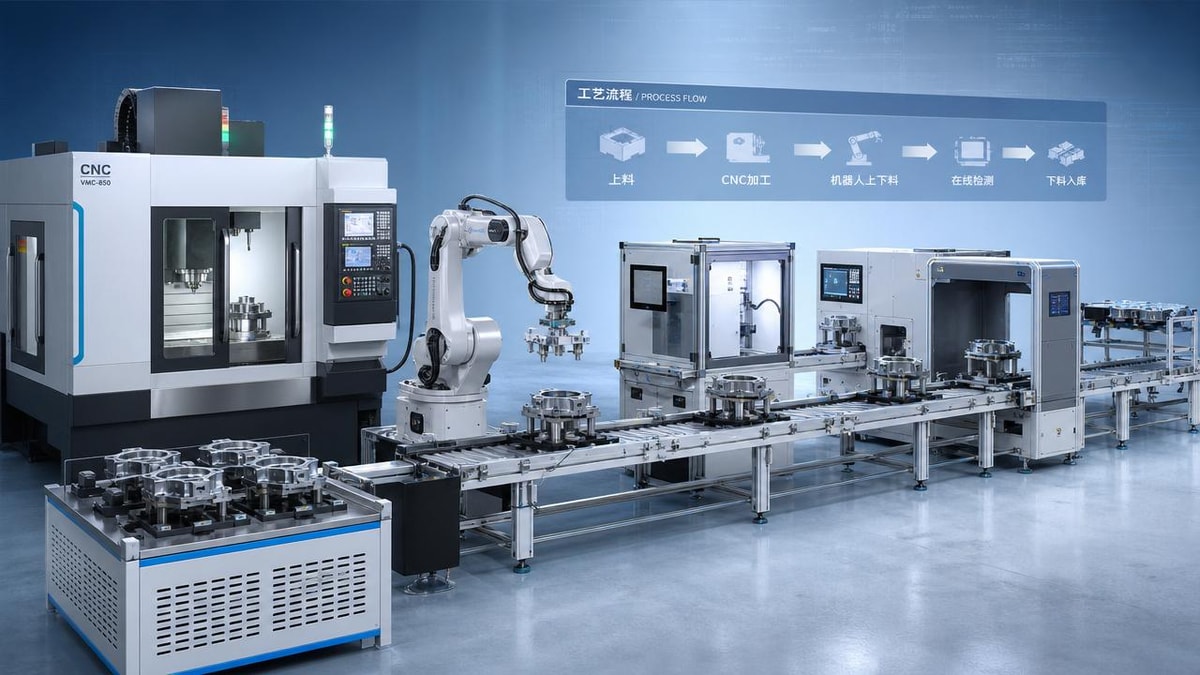
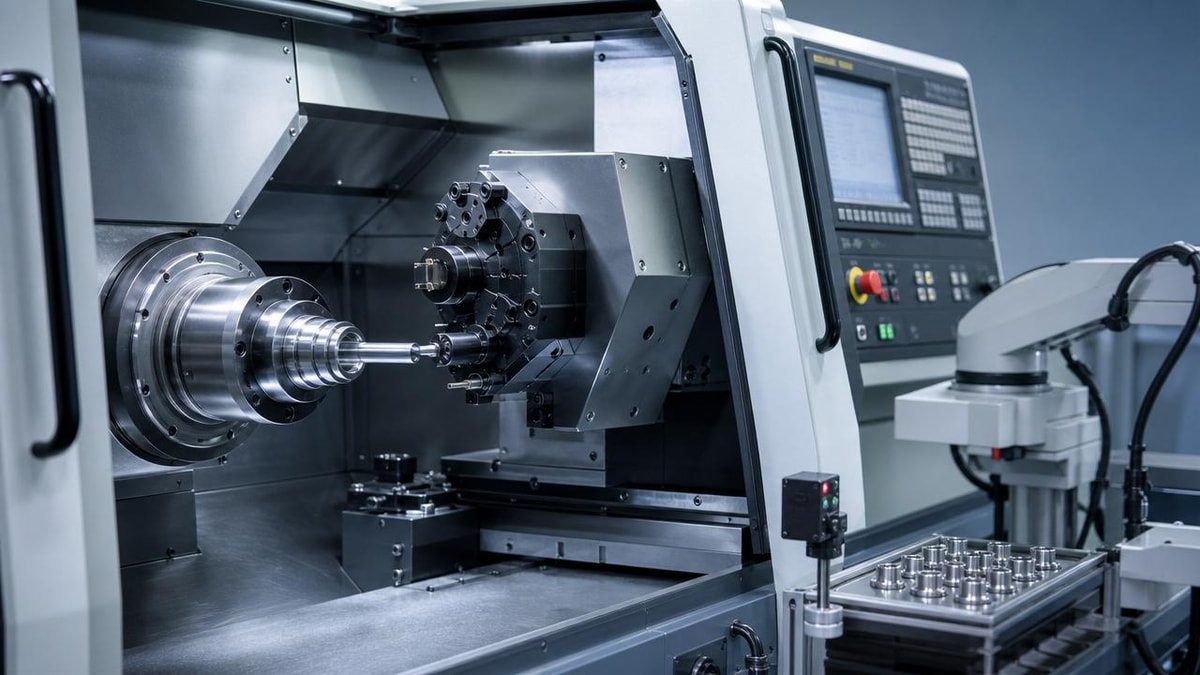
Across automotive, aerospace, electronics, medical components, industrial equipment, and energy systems, procurement teams are asking a more complex set of questions: Can a machining center support smaller batch sizes? Can a CNC lathe integrate with robotic loading? Can the equipment maintain precision across different materials? Can the machine fit into a digital production line? These questions reflect a broader Global Manufacturing transition from cost-first purchasing to resilience-and-performance-based investment.
The strongest demand signals are coming from structural shifts
Several structural changes are influencing machine tool demand at the same time. First, supply chain diversification is driving the establishment of new production sites in multiple regions. Instead of concentrating all machining operations in a single country or industrial cluster, many firms are pursuing regional manufacturing footprints. This creates demand not only for new equipment, but also for machines that can be commissioned quickly and supported reliably across borders.
Second, product complexity continues to rise. Electric vehicles, lightweight aerospace assemblies, precision electronics housings, and advanced energy components all require tighter tolerances and more sophisticated machining strategies. That tends to favor five-axis systems, integrated turning-milling centers, high-speed machining, and advanced tooling solutions.
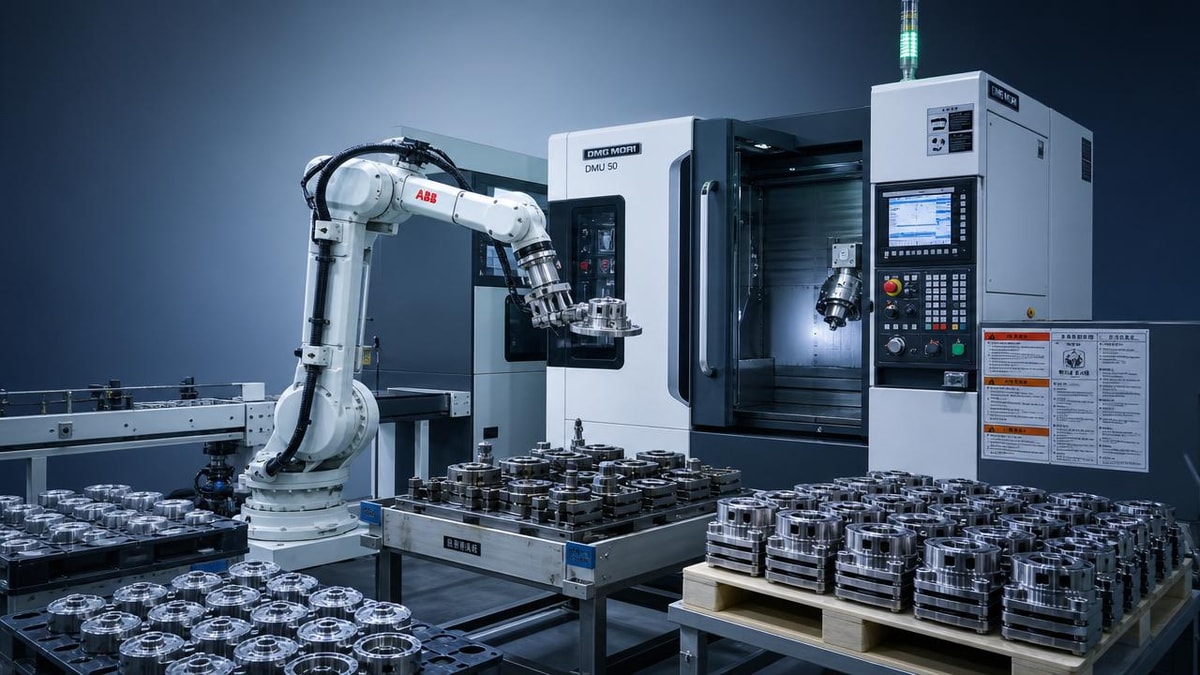
Third, labor constraints are pushing manufacturers toward automation. In many regions, skilled machinists remain difficult to recruit, while wage pressure continues to increase. As a result, buyers are showing stronger interest in pallet systems, robotic loading cells, tool monitoring, automatic compensation, and software that reduces setup dependence on highly experienced operators.
Fourth, digital integration is becoming a practical requirement rather than a branding concept. Smart factory initiatives are affecting machine tool specifications, especially in factories that want real-time machine status, predictive maintenance signals, process traceability, and coordinated production planning. In Global Manufacturing, data-ready equipment is becoming a strategic asset rather than an optional upgrade.
These drivers do not affect every buyer equally, but together they explain why machine tool demand in Global Manufacturing is becoming more technology-sensitive and less commodity-like.
Why sourcing decisions are becoming more strategic
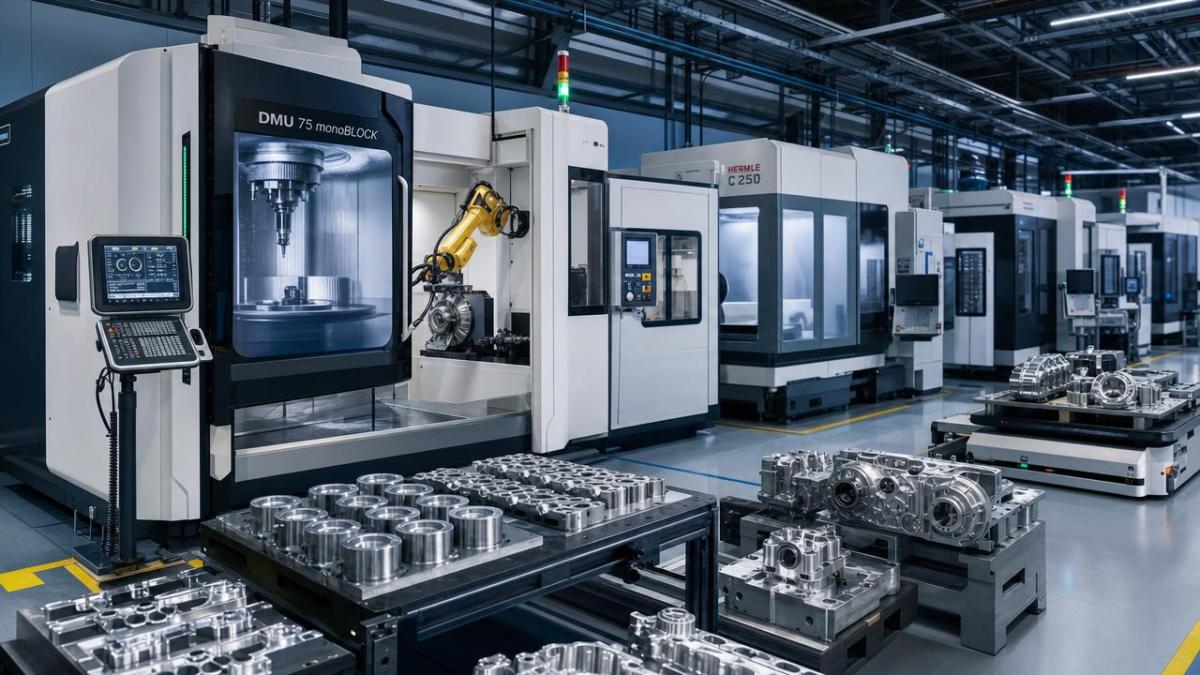
Machine tool sourcing used to focus heavily on upfront cost, delivery time, and brand familiarity. Those factors still matter, but they no longer provide a complete picture. In the current Global Manufacturing environment, buyers are also evaluating lifecycle performance, technical support, software compatibility, spare parts availability, operator training needs, and the ability to scale automation later.
This is particularly important for companies entering new markets or setting up secondary manufacturing bases. A machine that performs well in one country may create integration problems in another if local maintenance, application support, or control-system familiarity are weak. That is why sourcing decisions increasingly involve cross-functional input from production engineering, IT, quality, procurement, and plant management.
Another notable shift is the growing value of process stability over maximum theoretical output. In an uncertain market, a slightly slower but more reliable machine platform may be preferred over a faster system that requires specialized expertise or produces unstable quality under variable production conditions. This is one reason why standardized automation platforms and proven machine architectures remain attractive even as technical requirements become more advanced.
Which sectors are changing machine tool demand the fastest
Not all sectors are moving at the same pace, but several industries are having an outsized influence on machine tool demand. Automotive remains important, yet the nature of demand is changing. The transition toward electric mobility is shifting the mix of machined components, reducing demand for some traditional engine-related parts while increasing demand for battery housings, thermal management parts, lightweight structural components, and precision drive-system elements.
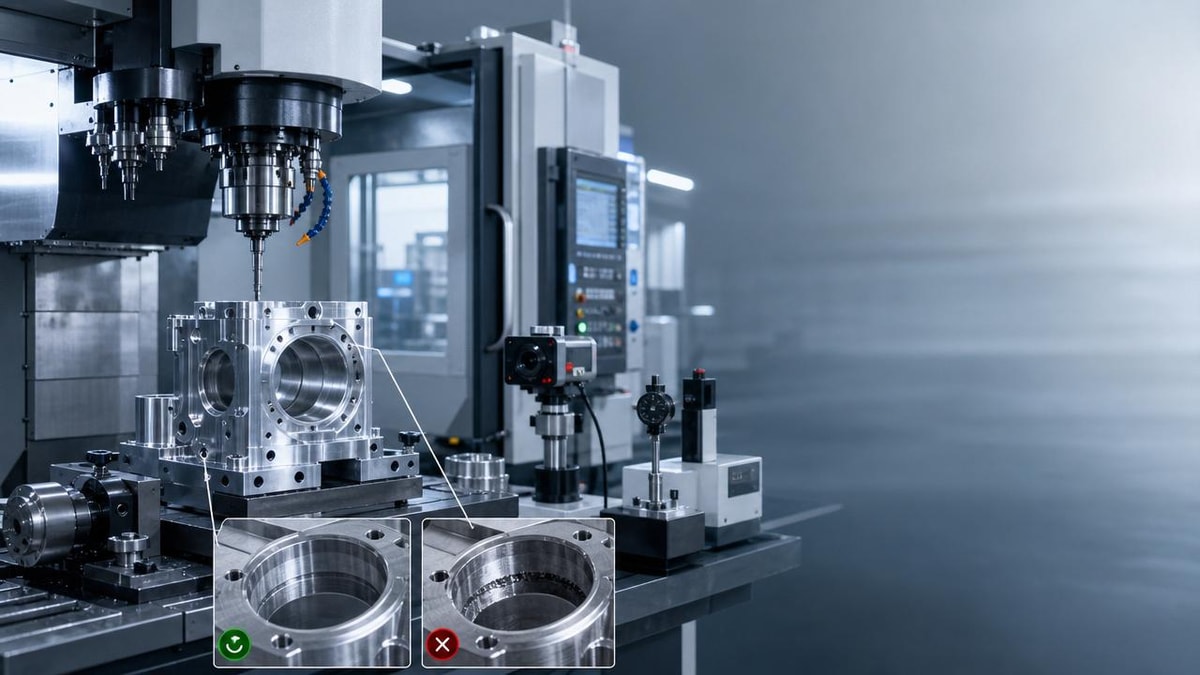
Aerospace continues to reward high-precision, high-value machining. Here, the emphasis is on difficult materials, long-cycle parts, process traceability, and repeatable quality. Machine tool buyers serving aerospace are often more willing to invest in advanced controls, thermal stability, and integrated measurement because the cost of scrap or rework is so high.
Electronics and semiconductor-related manufacturing are also shaping Global Manufacturing patterns. As miniaturization and enclosure quality become more important, machining systems must support fine features, stable surface finish, and clean, repeatable processing. In this segment, demand often includes compact precision machines, automation compatibility, and shorter changeover times.
Energy equipment is another area to watch. Whether in conventional power, renewable energy, or grid-support infrastructure, many parts require heavy-duty machining, reliability, and long service life. This sustains demand for large-format machine tools, precision boring systems, and robust turning centers, especially in regions investing in industrial infrastructure and energy security.
How demand is shifting across machine categories
The machine tool market is not moving uniformly. Standard three-axis machines still play a large role, especially in general subcontract manufacturing, but growth attention is increasingly focused on equipment that reduces process fragmentation. Manufacturers want fewer setups, fewer handling steps, and less dependence on manual repositioning. That is why machining centers with expanded capabilities, mill-turn machines, horizontal systems with palletization, and multi-axis platforms are attracting greater strategic interest.
At the same time, supporting technologies are becoming more important to the buying decision. Tool management, fixturing flexibility, in-machine probing, digital twins, adaptive control, and remote diagnostics can significantly affect total productivity. In many Global Manufacturing environments, the machine alone is no longer the product; the productive system around it is what buyers are really evaluating.
There is also a growing divide between buyers seeking low-entry cost and buyers seeking long-term process control. This does not mean lower-cost machines will disappear. Rather, it suggests the market is splitting into more distinct tiers, with decision criteria becoming clearer. For some users, affordability and delivery speed remain decisive. For others, uptime, repeatability, automation readiness, and digital traceability justify a different investment profile.
What machine tool suppliers and buyers should watch next
For suppliers, one major implication of Global Manufacturing shifts is that demand visibility may become less linear. Orders may come in waves tied to plant relocation, strategic stock adjustment, policy incentives, or regional capacity planning. This makes it important to track not only end-market demand, but also investment timing, industrial policy direction, and customer reshoring or nearshoring activity.
For buyers, a key issue is avoiding narrow procurement logic. A machine selected only on purchase price may become expensive if it limits future automation, lacks local support, or creates integration gaps with factory software. The better approach is to compare equipment according to application fit, precision retention, training burden, service structure, and upgrade potential.
Another important signal is the relationship between standardization and customization. In many factories, management wants standardized machine platforms to simplify maintenance and training. Yet production teams often require customization to meet part complexity or cycle-time targets. The most competitive suppliers will likely be those that offer modular solutions: standard platforms with flexible automation, tooling, and software options.
A practical framework for judging future demand direction
For information researchers and market observers, it helps to assess machine tool demand through a practical framework rather than through headline trends alone. First, identify where production capacity is moving. New industrial parks, policy-supported sectors, and localized assembly programs often generate downstream demand for machining equipment. Second, examine whether product complexity is rising or falling in that segment. More complex components generally increase demand for advanced CNC capability.
Third, evaluate labor conditions. When labor becomes tighter or less specialized, automation-friendly machine tools gain relative value. Fourth, watch software and traceability requirements. Sectors with stronger compliance, quality documentation, or digital coordination needs are more likely to prioritize connected equipment. Fifth, consider service ecosystems. Demand can shift toward suppliers that provide strong local applications support, even when their initial pricing is not the lowest.
This framework is useful because it reflects how Global Manufacturing actually evolves: not through one single trend, but through multiple interacting pressures that affect equipment priorities differently across regions and industries.
The next phase will reward adaptability more than scale
The next phase of machine tool demand will likely be shaped less by broad expansion alone and more by targeted capability building. Buyers will continue investing, but they will do so with sharper attention to process flexibility, integration readiness, and supply chain resilience. In that sense, Global Manufacturing is creating a more demanding but also more opportunity-rich environment for machine tool makers, component suppliers, and industrial end users.
For companies that want to understand how these shifts may affect their own operations, a few questions are especially useful. Is your production mix becoming more complex or more regionalized? Will labor constraints force higher automation in the next investment cycle? Are your current CNC platforms compatible with future digital factory goals? Is service support strong enough in each market where you operate? And are you buying machines only for current output, or also for future manufacturing flexibility?
Those are the questions that increasingly define machine tool competitiveness in Global Manufacturing. The companies that answer them early will be better positioned to make smarter equipment decisions, strengthen production resilience, and align manufacturing capability with the direction of the global industrial market.
NEXT ARTICLE
Recommended for You
 Industrial Robotics payback depends on one hidden variableManufacturing Market Research Center
 Shaft Parts machining problems linked to concentricity lossCNC Machining Technology Center
 Production Process changes that quietly raise defect ratesCNC Machining Technology Center
 Industrial Automation projects stall without process mappingCNC Machining Technology Center
 CNC metal cutting heat issues behind poor surface finishCNC Machining Technology Center
 High precision lathe claims that deserve a closer lookMachine Tool Industry Editorial Team

Aris Katos
Future of Carbide Coatings
15+ years in precision manufacturing systems. Specialized in high-speed milling and aerospace grade alloy processing.
▶
Global Manufacturing shifts changing machine tool demandManufacturing Market Research Center▶
AI Compute Boom Strains Power Grids, Impacts CNC-Data Center ManufacturingManufacturing Market Research Center▶
What Global Manufacturing Shifts Mean for Machine OrdersManufacturing Market Research Center▶
MIIT Launches 'Computing Power Bank' and 'Space Computing' ResearchManufacturing Market Research Center▶
How to Start Lean Production Without Disrupting OutputManufacturing Market Research Center
Mastering 5-Axis Workholding Strategies
Join our technical panel on Nov 15th to learn about reducing vibrations in thin-wall components.

Providing you with integrated sanding solutions
Before-sales and after-sales services
Comprehensive technical support