• Global CNC market projected to reach $128B by 2028 • New EU trade regulations for precision tooling components • Aerospace deman
NYSE: CNC +1.2%LME: STEEL -0.4%

China Logistics Group Capital Raised to $800M for High-End Equipment Logistics

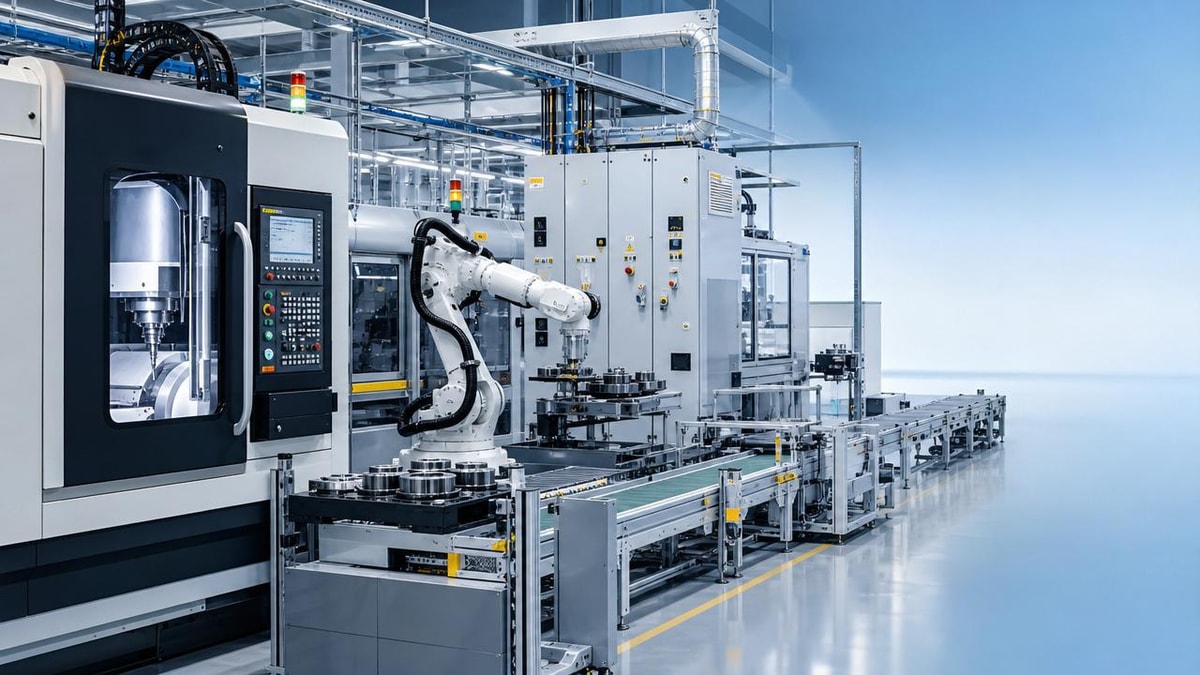
On May 4, 2026, China Logistics Group Holding Co., Ltd. increased its registered capital from USD 200 million to USD 800 million — a 300% increase. The move signals intensified focus on international end-to-end logistics for high-value industrial equipment, particularly CNC machine tools and industrial robots. Companies engaged in cross-border trade of precision manufacturing equipment, overseas warehousing, and regulatory-compliant customs clearance should monitor developments closely — as this capital infusion directly targets infrastructure and service capability gaps in global high-end equipment supply chains.
Event Overview
On May 4, 2026, China Logistics Group Holding Co., Ltd. officially adjusted its registered capital from CNY 1.4 billion (approx. USD 200 million) to CNY 5.6 billion (approx. USD 800 million). The company confirmed that the newly injected capital will be allocated specifically to enhance international door-to-door logistics services for high-end equipment — including CNC machine tools and industrial robots — as well as overseas warehouse distribution and compliance-driven customs clearance. Strategic partnerships with Deutsche Bahn’s DB Schenker and DHL Global Forwarding have been announced, with plans to establish dedicated equipment logistics centers in Frankfurt and Chicago.
Industries Affected by This Development
Direct Exporters of High-End Industrial Equipment
Manufacturers exporting CNC machines or industrial robots face rising expectations for integrated logistics — beyond freight forwarding — including pre-clearance support, bonded warehousing, and last-mile technical delivery coordination. The expansion suggests growing market pressure to offer bundled, compliance-ready logistics solutions rather than standalone transport.
Importers and Local Assembly Operators in Target Markets
Companies importing such equipment into Germany, the U.S., or other key markets may see improved lead time predictability and reduced customs-related delays — especially where the new Frankfurt and Chicago centers become operational. However, service availability remains contingent on rollout timelines and integration depth with local regulatory frameworks.
Third-Party Logistics Providers Specializing in Industrial Goods
Regional or niche logistics providers serving equipment manufacturers may face intensified competition in core corridors (e.g., China–Germany, China–U.S.) — particularly where end-to-end visibility, equipment-handling certifications, and regulatory documentation capabilities are now standardized at higher levels.
Supply Chain Compliance and Customs Advisory Firms
With explicit emphasis on ‘compliance-driven customs clearance’, demand may rise for advisory services supporting classification, origin certification, and export control alignment — especially for dual-use technologies embedded in advanced robotics and CNC systems.
What Relevant Enterprises or Practitioners Should Monitor and Do Now
Track official implementation milestones — not just announcements
While partnerships with DB Schenker and DHL are confirmed, neither the operational launch dates nor scope of services (e.g., whether customs brokerage is fully integrated or co-managed) have been disclosed. Enterprises should treat current statements as strategic intent — not immediate service availability.
Assess exposure to target equipment categories and geographies
Focus attention on CNC machine tools and industrial robots exported to or imported from Germany and the U.S. These categories and markets are explicitly named as priorities; adjacent sectors (e.g., semiconductor fabrication tools or automated guided vehicles) are not indicated as immediate beneficiaries.
Distinguish between policy signaling and service readiness
The capital increase reflects institutional commitment, but does not equate to immediate capacity scaling. Current logistics bottlenecks — such as specialized crating, hazardous material handling for robotic components, or real-time customs data exchange — remain operationally distinct from capital allocation decisions.
Review existing logistics contracts for flexibility on compliance handoffs
Companies currently managing customs documentation internally or via separate vendors should evaluate whether upcoming service expansions could streamline handoffs — but only after verifying functional integration (e.g., shared data platforms, unified audit trails) between China Logistics Group and its partners.
Editorial Perspective / Industry Observation
Observably, this capital increase functions primarily as a signal — not yet an outcome. It reflects a deliberate institutional response to structural friction in cross-border movement of high-precision industrial assets: fragmented service coverage, inconsistent regulatory interpretation across jurisdictions, and underdeveloped infrastructure for technical delivery (e.g., on-site uncrating, calibration support). Analysis shows that the scale of investment (USD 800M) aligns more with long-term network buildout than short-term service enhancement. From an industry perspective, it is better understood as a step toward standardizing logistics expectations for high-value equipment — rather than an immediate shift in market capacity. Continued observation is warranted on how quickly the Frankfurt and Chicago centers achieve operational certification and whether service SLAs (e.g., customs clearance cycle times, equipment damage rates) become publicly benchmarked.
Concluding, this development underscores a broader trend: state-backed logistics infrastructure is increasingly calibrated to support strategic industrial exports — not just commodity flows. For stakeholders, it is more accurate to interpret this as a directional marker than a near-term operational catalyst. Current conditions favor scenario planning over reactive procurement changes.
Source: Official announcement by China Logistics Group Holding Co., Ltd., dated May 4, 2026. No third-party verification or supplementary financial disclosures were provided. The operational status of the Frankfurt and Chicago logistics centers remains pending official update.
Recommended for You
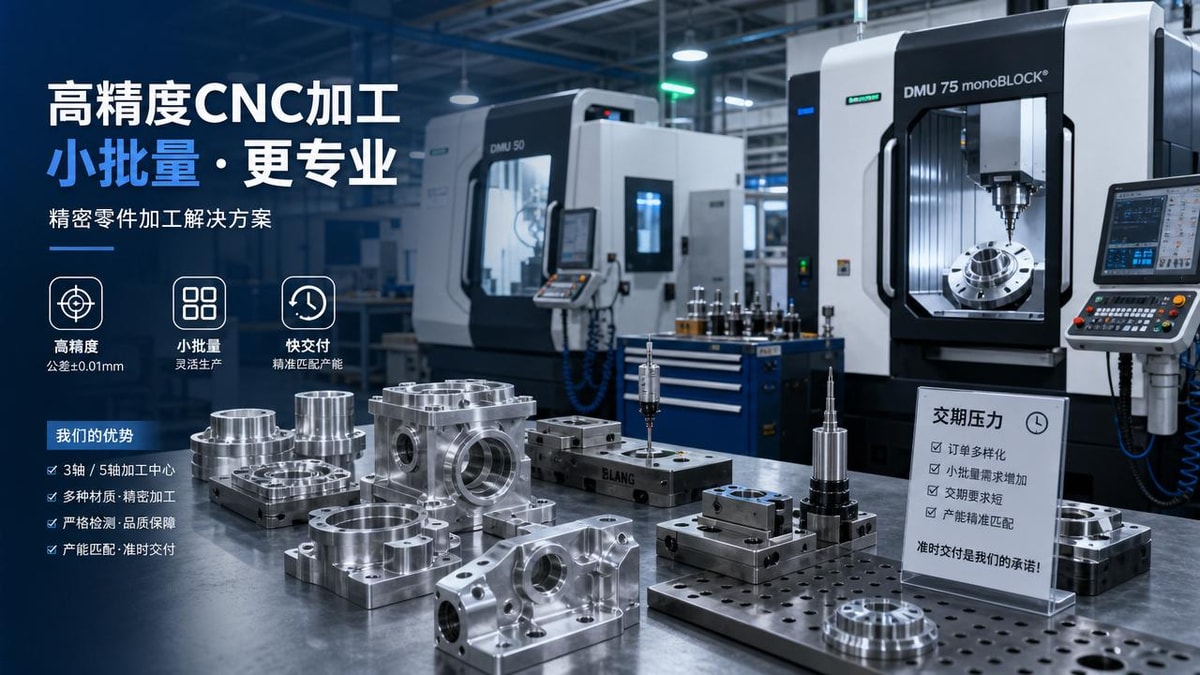
 CNC Milling Capacity Gaps Can Hurt Small Batch ProfitabilityManufacturing Market Research Center
 Industrial Robotics Payback Is Changing in Mid-Size PlantsManufacturing Market Research Center
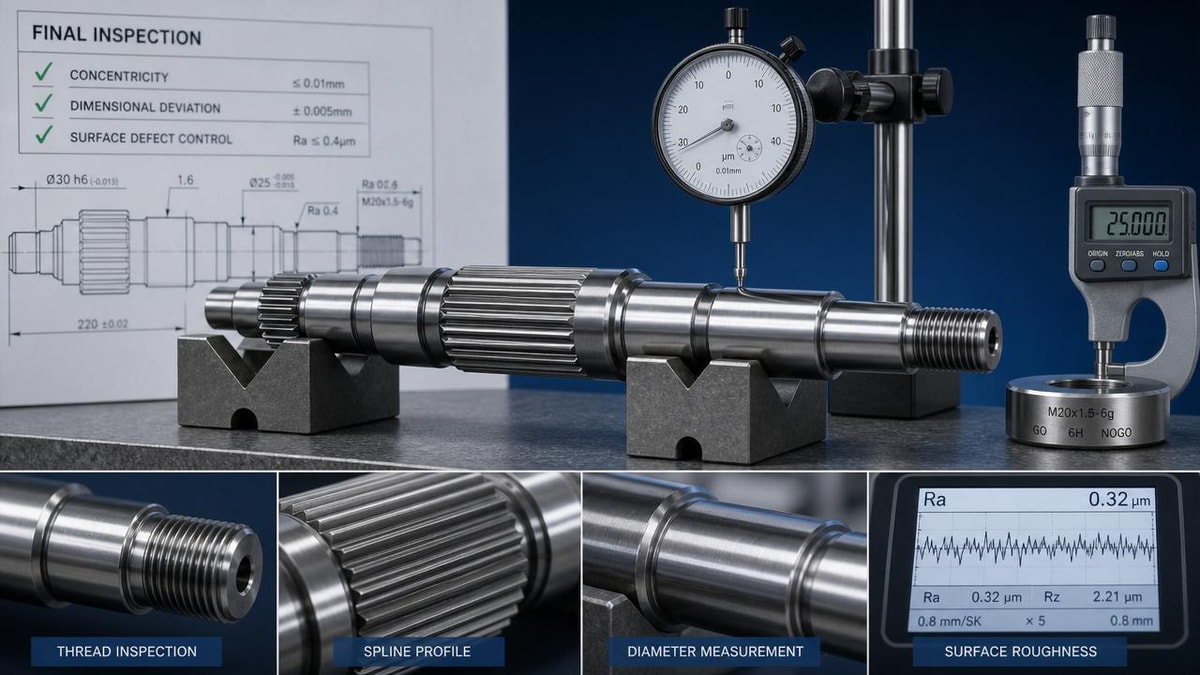
 Shaft Parts Machining Problems That Show Up at Final InspectionCNC Machining Technology Center
 Production Process Delays Usually Start Before Machining BeginsCNC Machining Technology Center
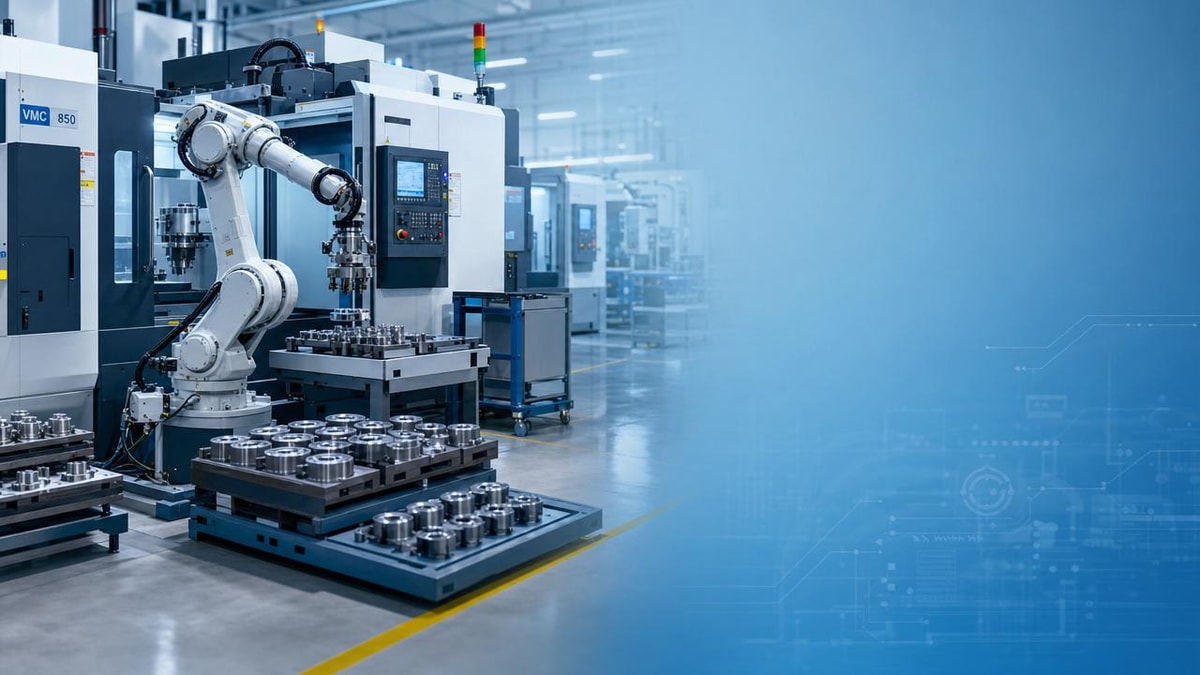
 Industrial Automation Projects Often Miss This Integration StepCNC Machining Technology Center
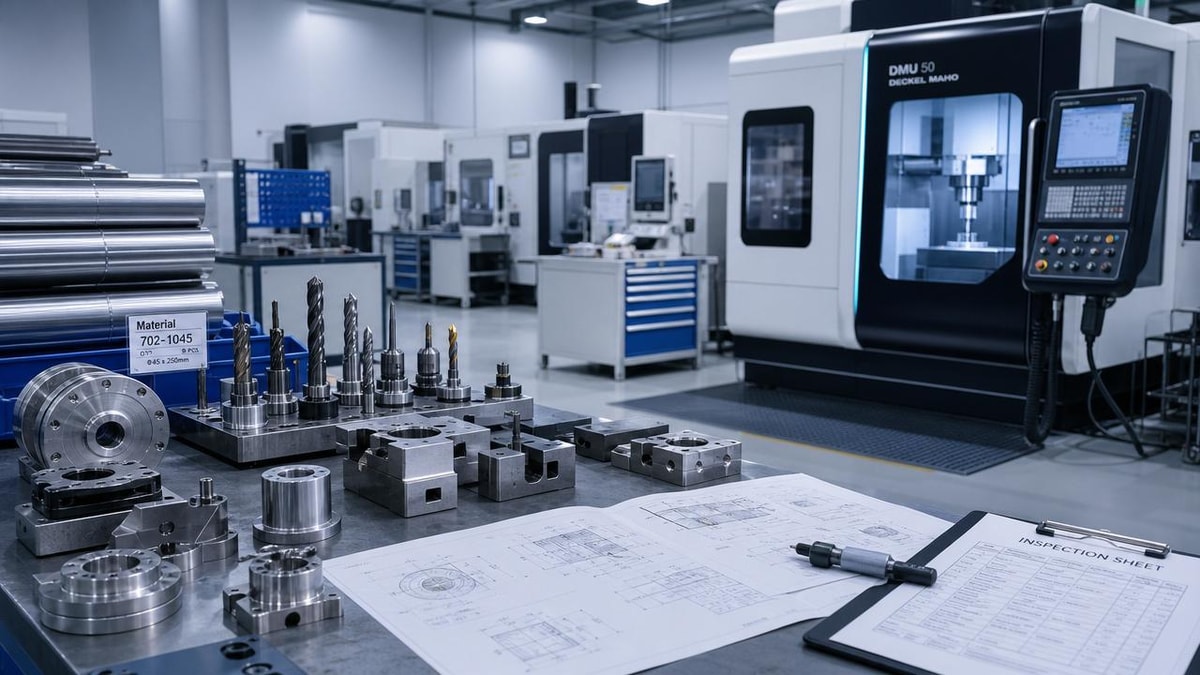
 CNC Metal Cutting Tool Wear Is Costing More Than You ThinkCNC Machining Technology Center

Aris Katos
Future of Carbide Coatings
15+ years in precision manufacturing systems. Specialized in high-speed milling and aerospace grade alloy processing.
▶
Metal Machining Lead Times Are Shifting in 2026Manufacturing Market Research Center▶
China’s May Day Toll-Free Policy & EV Charging Upgrades Impact CNC Equipment Road LogisticsManufacturing Market Research Center▶
China Logistics Group Capital Raised to $800M for High-End Equipment LogisticsManufacturing Market Research Center▶
Hormuz Strait Disruption: CNC Equipment Shipment Fire Impacts Global Supply ChainsManufacturing Market Research Center▶
Industrial Machining Equipment Lead Times Are Changing AgainManufacturing Market Research Center
Mastering 5-Axis Workholding Strategies
Join our technical panel on Nov 15th to learn about reducing vibrations in thin-wall components.

Providing you with integrated sanding solutions
Before-sales and after-sales services
Comprehensive technical support