• Global CNC market projected to reach $128B by 2028 • New EU trade regulations for precision tooling components • Aerospace deman
NYSE: CNC +1.2%LME: STEEL -0.4%

Metal Machining Lead Times Are Shifting in 2026
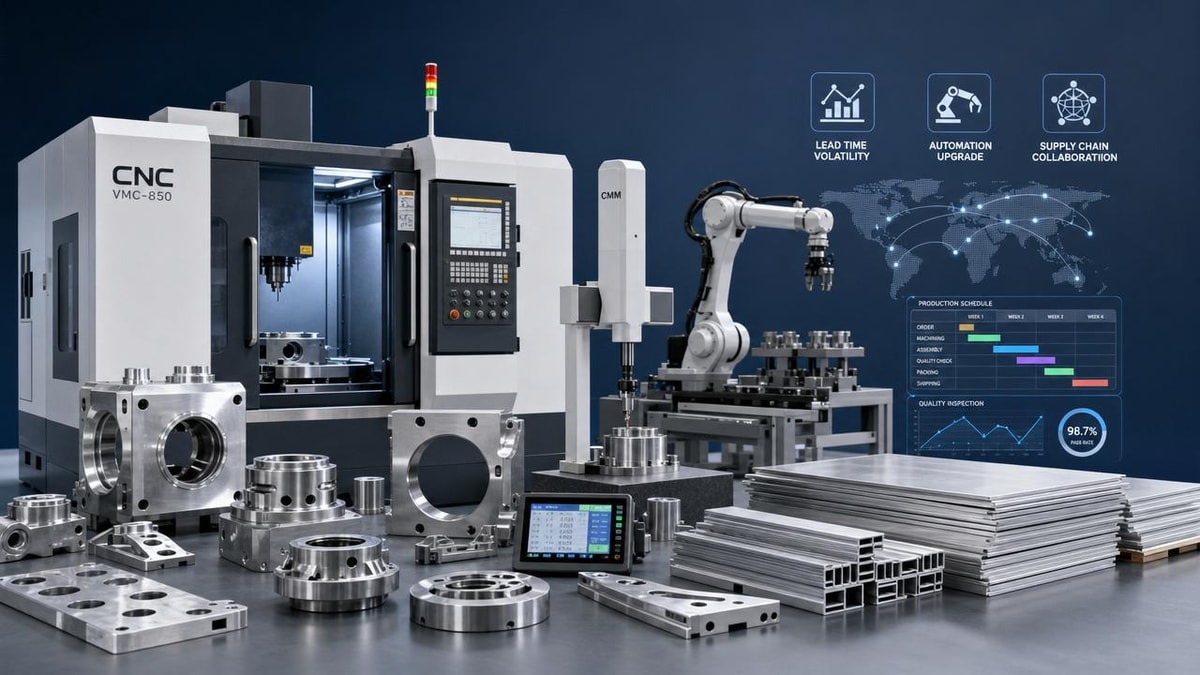
Metal machining lead times are no longer as predictable as they once were. In 2026, project managers and engineering leaders are facing shifting delivery cycles driven by capacity changes, automation upgrades, material supply pressure, and global sourcing adjustments. Understanding what is changing in metal machining is now essential for planning schedules, controlling costs, and reducing production risk across complex manufacturing projects.
Why lead times in metal machining are changing faster than many teams expected
The biggest shift in metal machining is not simply that lead times are getting longer or shorter. The real change is that they are becoming less uniform across parts, suppliers, and regions. A shop that once quoted three weeks for standard turned parts may now deliver simple repeat jobs in days while taking far longer on complex milled housings, tight-tolerance aerospace parts, or low-volume prototypes that compete for machine availability.
For project leaders, this means old assumptions are becoming unreliable. Historical averages no longer tell the full story because capacity is being redistributed. Some factories are investing in automation, pallet systems, and lights-out machining, which improves throughput for the right part mix. Others are still dealing with labor gaps, machine retrofits, or cautious order intake. In parallel, buyers are spreading work across more countries to reduce sourcing concentration risk, which adds transit, qualification, and communication variables to the schedule.
The result is a more segmented market. In 2026, metal machining lead times increasingly depend on how well a part matches available equipment, tooling readiness, material access, inspection load, and supplier scheduling discipline. That is why project planning now requires a more detailed view than “CNC capacity is tight” or “the market has normalized.”
Key trend signals project managers should watch in 2026
Several trend signals are shaping the current metal machining environment. None of them acts alone, but together they explain why delivery performance is shifting.
These signals matter because lead time is no longer just a capacity question. It is a system question involving machines, operators, upstream supply, quality control, and digital coordination. For anyone managing a production schedule, metal machining now needs to be assessed as a network of constraints rather than a single supplier promise.
The drivers behind the 2026 metal machining shift
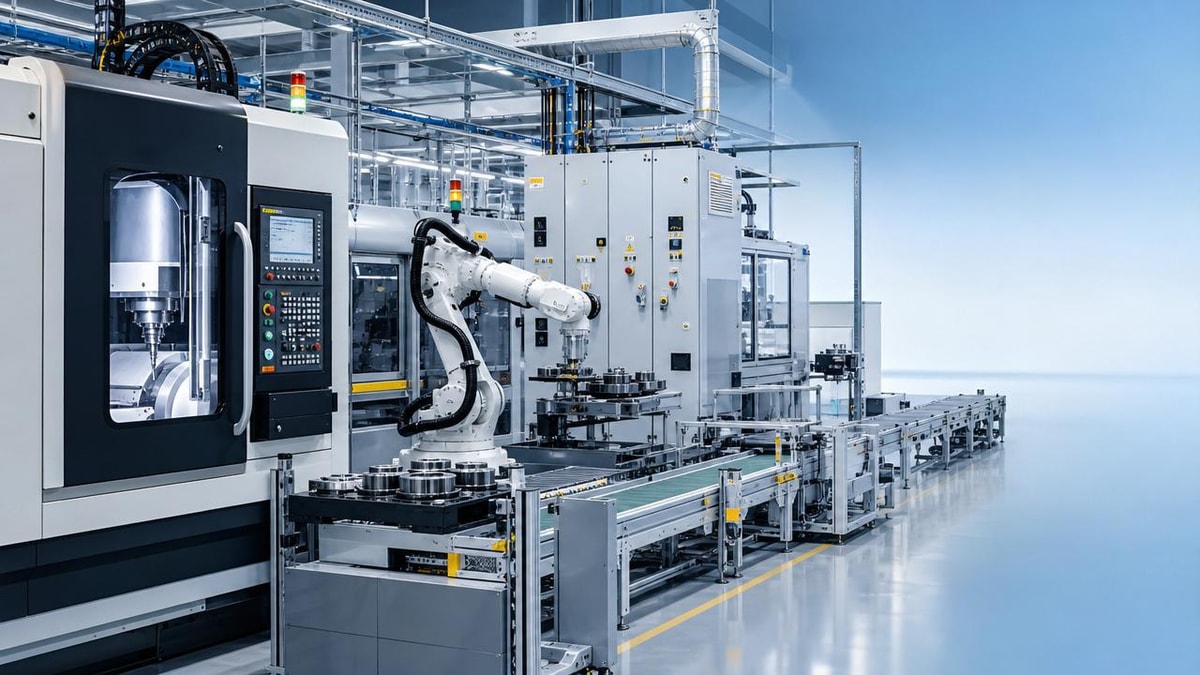
One major driver is the uneven pace of technology adoption. Advanced machining centers, multi-axis systems, tool monitoring, and automated loading can reduce queue time and improve spindle utilization. However, those benefits are strongest when parts are standardized, tool libraries are stable, and the supplier has already refined workflows. New automation does not instantly remove bottlenecks from engineering change orders, fixture design, material substitutions, or final inspection.
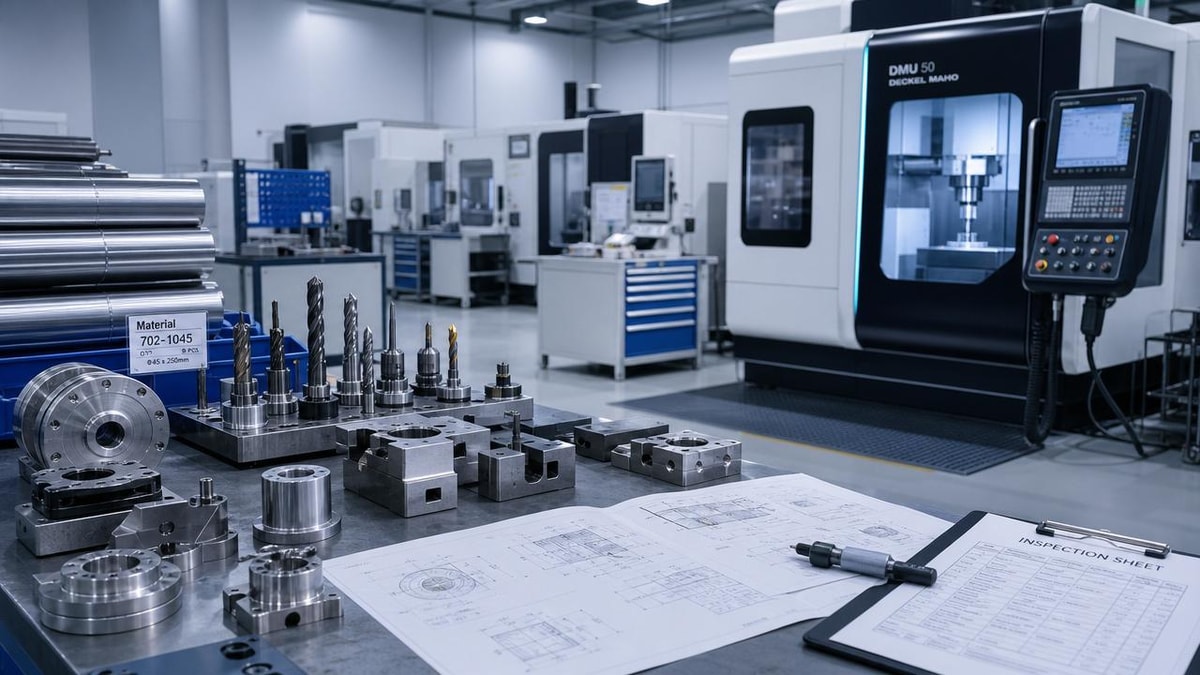
Another driver is the growing mix of part complexity. Modern manufacturing sectors such as aerospace, energy equipment, electronics, and automotive continue to push tighter tolerances, harder materials, and more intricate geometries. That changes how metal machining capacity is consumed. A machine shop can look busy without shipping high volume if much of its time is absorbed by setups, proving out programs, or holding inspection resources for critical features.
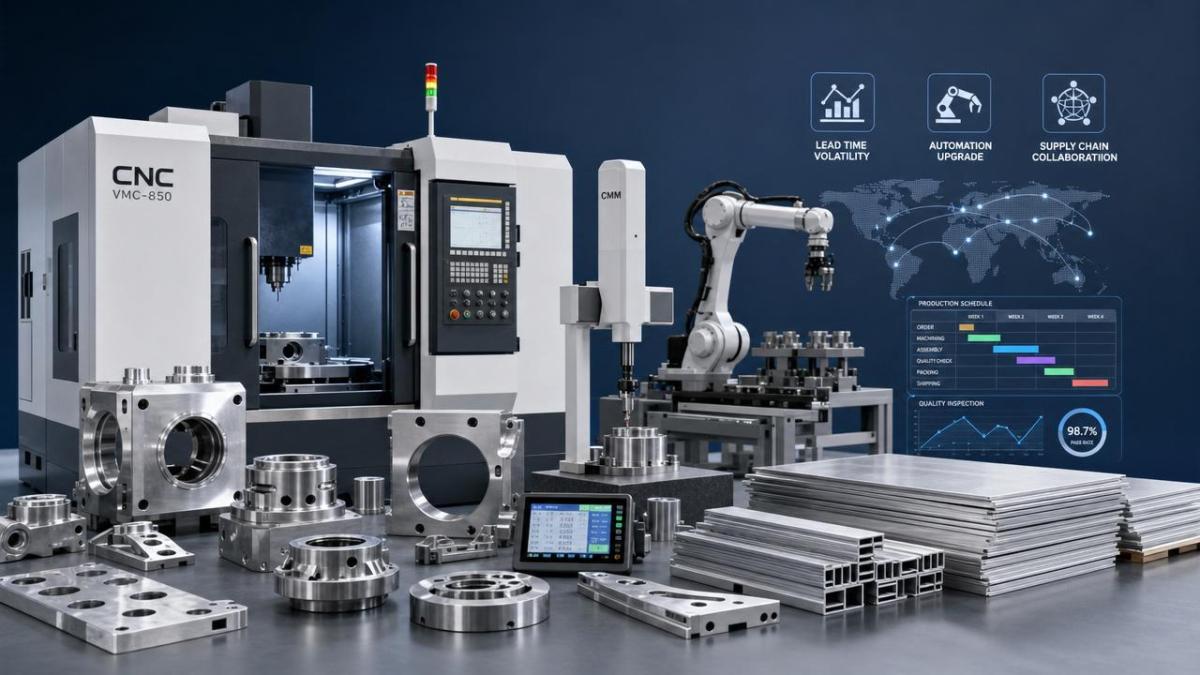
A third factor is procurement behavior. Many companies learned from recent disruptions that relying on a single source or a single geography creates exposure. In response, they are qualifying backup suppliers, requesting more quotations, and splitting orders. While this strengthens resilience, it also slows the front end of the sourcing cycle. The practical impact is that total project lead time now includes supplier evaluation and communication friction, not only machine time.
How these changes affect different manufacturing roles
The impact of shifting metal machining lead times is not the same for every stakeholder. Project managers often feel the pressure first because schedules, customer commitments, and internal handoffs are tied to delivery dates. Engineering leads are affected when design release timing, tolerance decisions, or late revisions trigger rework in the supplier queue. Procurement teams face a different challenge: comparing quotes that look similar in price but carry very different schedule reliability.
This role-based view is important because many delays in metal machining are discovered too late. A quoted completion date can hide unresolved material procurement, pending programming, overloaded CMM resources, or outside processing dependencies. Teams that only monitor final due dates usually react after risk has already accumulated.
What types of parts and projects are most exposed
Not all work is equally vulnerable. Projects with high-mix, low-volume requirements often see the most schedule variation because every new setup competes for engineering attention, fixtures, and first-article verification. Parts requiring multiple operations, tight geometric tolerances, or secondary processes such as heat treatment, coating, grinding, or balancing also carry more timing risk. Even if metal machining itself is on schedule, a delay in one linked process can move the whole delivery window.
By contrast, stable repeat production tends to benefit most from new automation investments. Once tooling, programs, and loading routines are optimized, suppliers can compress cycle time and run more hours with fewer interruptions. That is one reason some buyers are seeing a confusing market: one family of parts comes in earlier than expected while another slips repeatedly. The distinction is often hidden in part complexity, revision frequency, and process chain length.
For engineering project leaders, the lesson is clear. Lead time risk in metal machining should be assessed at the part-family level, not at the supplier level alone. A capable supplier may still struggle if the work package includes unstable designs, difficult alloys, or inconsistent order quantities.
What smarter buyers are doing differently now
In 2026, stronger buyers are moving beyond simple quote comparison. They ask more operational questions before placing orders. Can the supplier reserve capacity? Is material on hand or only planned? Which steps are internal and which are outsourced? How much of the schedule depends on first-article approval? What is the average queue time for inspection? These questions reveal whether the quoted lead time in metal machining is resilient or merely optimistic.
Another useful change is earlier technical alignment. When engineering, sourcing, and the machining partner review tolerance stacks, datums, surface finish requirements, and inspection expectations before release, many avoidable delays disappear. Small specification clarifications can materially improve manufacturability and reduce scheduling uncertainty without changing core function.
Buyers are also segmenting suppliers more intentionally. Instead of expecting one partner to handle every job, they assign work based on fit: rapid prototype machining, stable serial production, difficult multi-axis work, or critical documentation-heavy components. This makes metal machining lead times easier to predict because each supplier receives the job type most aligned with its operational strengths.
A practical framework for judging lead time risk
Project teams need a simple way to decide whether a machining schedule is solid, fragile, or highly exposed. The following framework can help guide internal reviews before committing to downstream dates.
Using a framework like this helps teams convert general concern into actionable judgment. It also improves communication with executives who need to understand whether a schedule is late because of temporary congestion or because the metal machining route itself is structurally exposed.
Where the market may move next
Looking ahead, the most likely direction is not a universal return to old lead-time patterns. Instead, the metal machining market is likely to become more polarized. Highly digitalized suppliers with strong process control, integrated inspection, and focused part portfolios may offer shorter and more dependable delivery windows. At the same time, suppliers operating with mixed manual workflows or unstable subcontracting chains may continue to produce wider schedule swings.
This suggests that reliability will become a stronger competitive differentiator than nominal capacity alone. Buyers will increasingly value visibility, stage-level updates, and realistic risk disclosure. In many sectors, the supplier that consistently explains schedule constraints early may outperform the one that simply quotes the shortest lead time.
For companies in automotive, aerospace, energy equipment, electronics, and broader industrial manufacturing, this trend also supports deeper supplier collaboration. The more a machining partner understands future demand, engineering priorities, and change-control discipline, the easier it becomes to stabilize lead times across repeat programs.
What engineering and project teams should do now
The most effective response is not panic buying or excessive schedule padding. It is better decision quality. Teams should identify which parts are genuinely schedule-critical, which designs are still fluid, and which suppliers can support visibility at each production stage. They should also separate machine time from total procurement time, because in metal machining the two are increasingly different.
A practical action plan includes earlier design freeze points for critical components, dual-source evaluation for exposed categories, and regular review of material availability for specialty grades. It also includes better internal governance: no major drawing changes after release without schedule revalidation, and no acceptance of aggressive quoted dates without confirming process assumptions.
If a business wants to judge how these shifts will affect its own operations, it should start by confirming a few questions: Which part families are most vulnerable to setup or inspection delays? Which suppliers have truly improved through automation, and which are still capacity-fragile? How much of current project timing depends on outside processing or logistics? And where are scheduling decisions still based on outdated averages rather than current shop-floor conditions?
In 2026, understanding metal machining means understanding variability, not just speed. The teams that treat lead time as a strategic signal rather than a static quote will be in the best position to reduce risk, protect project milestones, and source with greater confidence.
NEXT ARTICLE
Recommended for You
 CNC Milling Capacity Gaps Can Hurt Small Batch ProfitabilityManufacturing Market Research Center
 Industrial Robotics Payback Is Changing in Mid-Size PlantsManufacturing Market Research Center
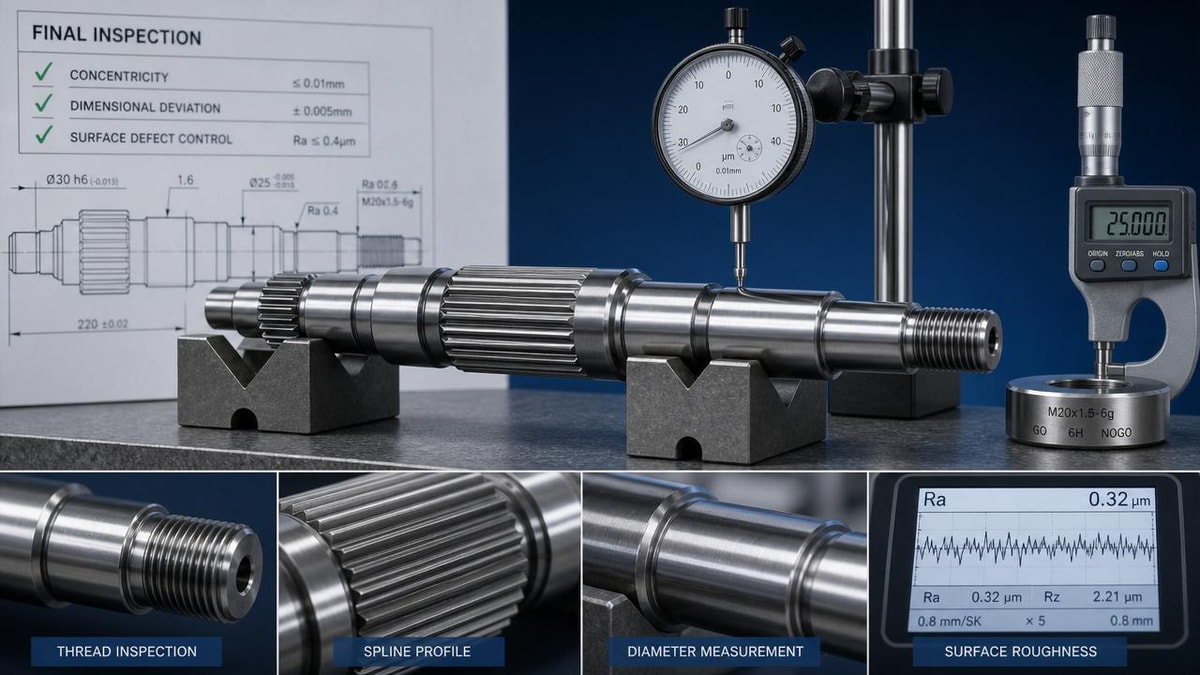
 Shaft Parts Machining Problems That Show Up at Final InspectionCNC Machining Technology Center
 Production Process Delays Usually Start Before Machining BeginsCNC Machining Technology Center
 Industrial Automation Projects Often Miss This Integration StepCNC Machining Technology Center
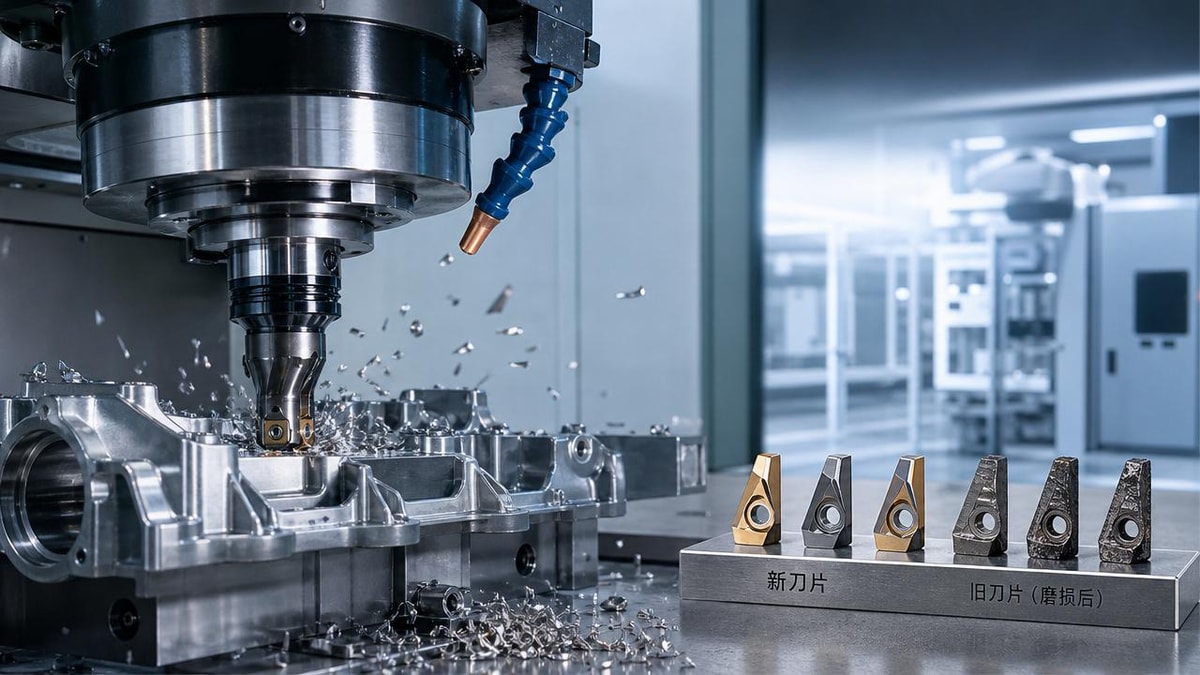
 CNC Metal Cutting Tool Wear Is Costing More Than You ThinkCNC Machining Technology Center

Aris Katos
Future of Carbide Coatings
15+ years in precision manufacturing systems. Specialized in high-speed milling and aerospace grade alloy processing.
▶
Metal Machining Lead Times Are Shifting in 2026Manufacturing Market Research Center▶
China’s May Day Toll-Free Policy & EV Charging Upgrades Impact CNC Equipment Road LogisticsManufacturing Market Research Center▶
China Logistics Group Capital Raised to $800M for High-End Equipment LogisticsManufacturing Market Research Center▶
Hormuz Strait Disruption: CNC Equipment Shipment Fire Impacts Global Supply ChainsManufacturing Market Research Center▶
Industrial Machining Equipment Lead Times Are Changing AgainManufacturing Market Research Center
Mastering 5-Axis Workholding Strategies
Join our technical panel on Nov 15th to learn about reducing vibrations in thin-wall components.

Providing you with integrated sanding solutions
Before-sales and after-sales services
Comprehensive technical support