• Global CNC market projected to reach $128B by 2028 • New EU trade regulations for precision tooling components • Aerospace deman
NYSE: CNC +1.2%LME: STEEL -0.4%

What Causes Chatter in Metal Machining Operations?
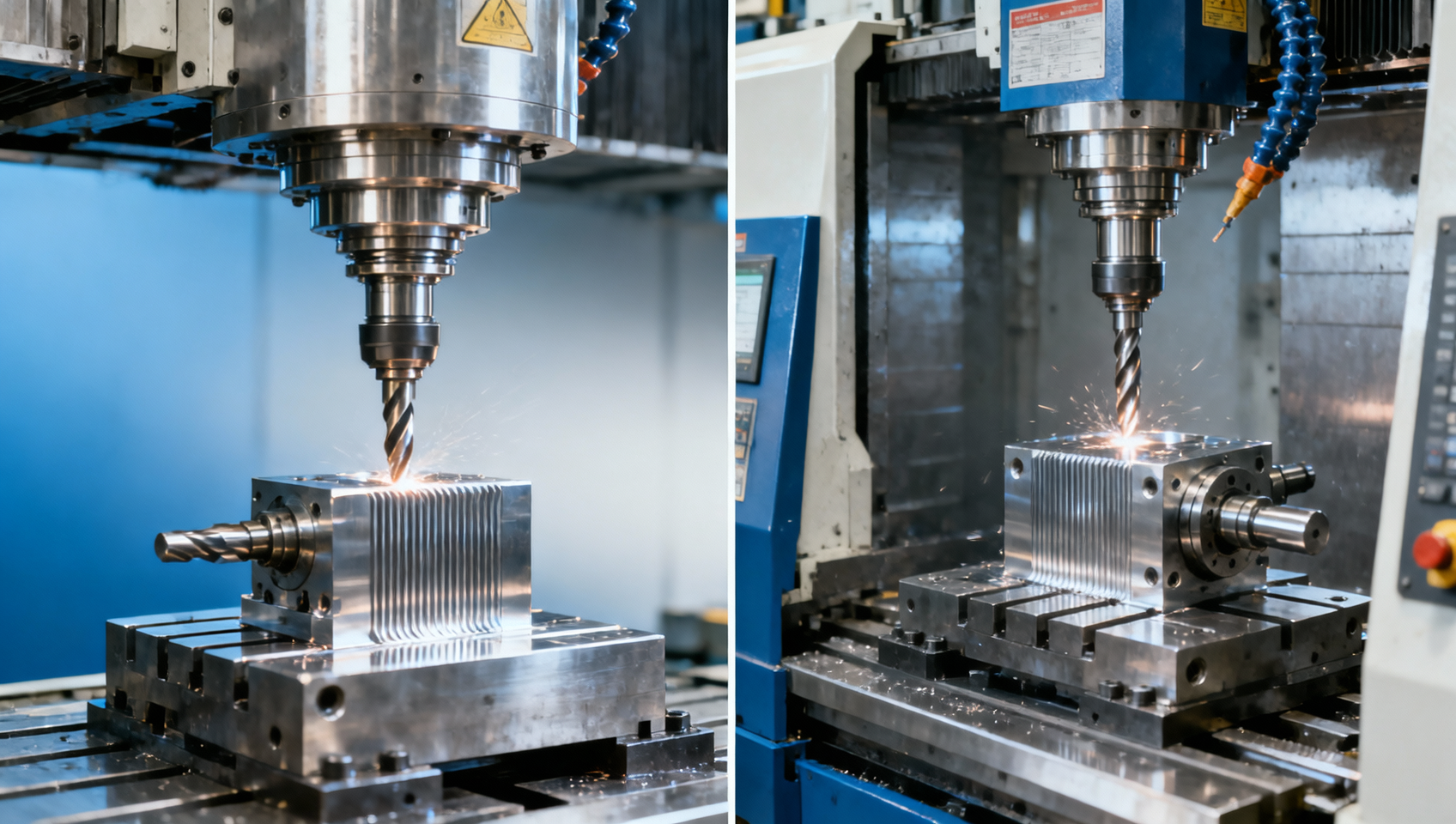
Chatter in metal machining can quickly reduce surface quality, shorten tool life, and disrupt the entire production process. In today’s industrial CNC and CNC metalworking environments, understanding what causes vibration is essential for operators, buyers, and manufacturing leaders. From CNC cutting parameters to machine rigidity and automated production stability, this article explores the key factors behind chatter and how to reduce it in modern manufacturing industry applications.
Why chatter happens in CNC machining and why it matters in production
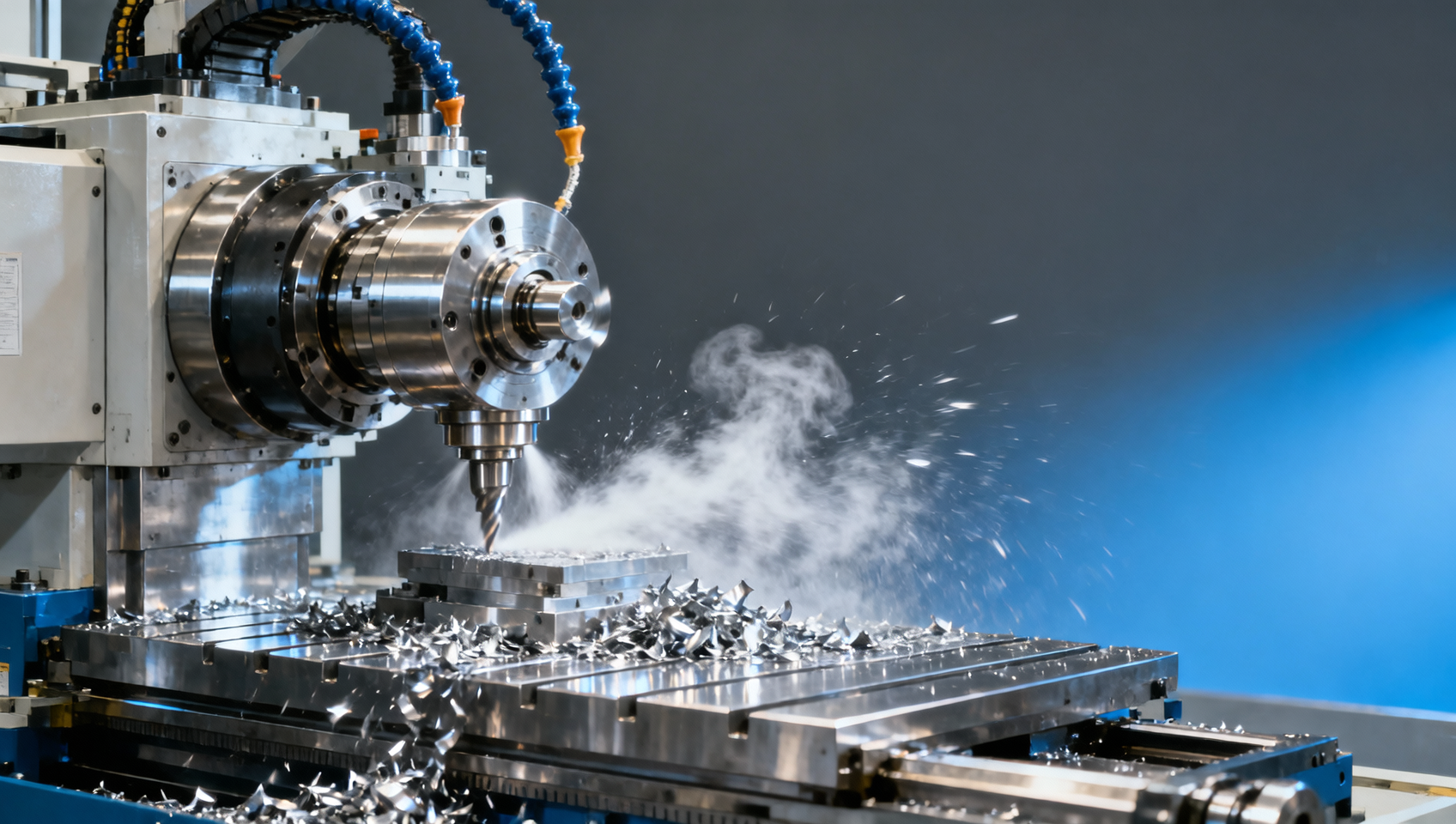
Chatter in metal machining is a self-excited vibration that develops when the cutting process, machine structure, tool system, and workpiece dynamics start reinforcing each other. It is not the same as a one-time bump, a loose bolt, or simple spindle noise. In most CNC machining environments, chatter appears as a repeating vibration pattern that leaves visible marks on the part surface, creates unstable cutting forces, and limits the usable material removal rate.
For operators, the first warning signs are often a sharp noise, poor surface finish, and rising tool wear within a short cycle window such as 10–30 minutes of continuous cutting. For procurement teams and plant managers, the impact is broader. Chatter can reduce machine utilization, increase scrap risk, and make automated production lines less predictable, especially in multi-shift operations running 16–24 hours per day.
In industries such as automotive manufacturing, aerospace, energy equipment, and electronics production, vibration control is closely tied to process capability. A machining center cutting a thin wall housing behaves very differently from a CNC lathe roughing a shaft. The same spindle power or tool brand does not guarantee the same result, because chatter depends on the full cutting system rather than a single component.
This is why chatter diagnosis matters not only for troubleshooting but also for equipment planning, fixture design, process optimization, and supplier evaluation. In smart manufacturing and flexible production lines, stable machining is a requirement for predictable quality, unmanned cycle confidence, and better return on capital investment over 3–5 year equipment planning periods.
Three forms of vibration that are often confused
Before solving chatter, teams should separate three common vibration sources. Forced vibration usually comes from imbalance, worn bearings, damaged gears, or external mechanical disturbance. Transient vibration may occur during tool entry, interrupted cuts, or sudden feed changes. True chatter is regenerative and builds from one tool pass to the next, often becoming worse as spindle speed, tool overhang, or radial engagement enters an unstable range.
- Forced vibration: often linked to machine condition, spindle imbalance, or transmission issues, and may appear even without a cutting load.
- Transient vibration: usually short-term, caused by entry impact, chip interruption, or sudden parameter change.
- Regenerative chatter: develops during cutting and is tied to the interaction between prior surface waviness and the next tooth pass.
This distinction is important for decision-makers. If a factory treats every vibration event as a tooling issue, it may overspend on inserts and holders while ignoring spindle maintenance or fixture stiffness. A practical diagnosis should review at least 4 areas: machine condition, setup rigidity, tool assembly, and cutting parameters.
What are the main causes of chatter in metal machining operations?
The causes of chatter in metal machining operations usually sit at the intersection of stiffness, damping, and cutting force variation. Even advanced CNC machines can produce chatter if one weak link is present. In real production, the most frequent causes include long tool overhang, weak workholding, low machine rigidity, excessive spindle speed in an unstable zone, poor insert geometry match, and cutting engagement that amplifies vibration instead of absorbing it.
A common mistake is to assume that chatter always comes from running too fast. In some cases, lowering spindle speed helps. In others, moving to a different speed band is more effective than simply slowing down. The reason is that machining stability depends on dynamic response. The unstable range may exist at one speed window but not another, even when feed and depth of cut remain similar.
Material and part geometry also matter. Thin-wall aluminum parts, long shafts, stainless steel components, and interrupted cast surfaces all respond differently. In precision machining, a 2–3 times increase in stick-out length can sharply reduce stiffness, while a modest fixture redesign may improve stability more than a tool change. This is why process planning should start before the first trial cut.
For buyers comparing CNC equipment or process solutions, the right question is not only spindle power or maximum speed. It is whether the full system can maintain stable cutting across the expected part mix, batch size, and tolerance range. That includes roughing, semi-finishing, and finishing conditions over different shifts and operator skill levels.
Typical chatter causes by system area
The table below summarizes common chatter causes in CNC metalworking, how they appear on the shop floor, and what teams should check first during troubleshooting or procurement evaluation.
The key takeaway is that chatter is usually multi-factor. If one team only changes cutting speed while another ignores fixture stiffness or machine wear, the result may be inconsistent. A structured review across these 4 system areas is more reliable than repeated trial-and-error on the shop floor.
High-risk conditions operators should watch
Certain setups are more likely to trigger chatter within the first few passes. These include end mills with long projection, boring bars extending more than 4–6 times their diameter, thin parts with uneven clamping, and heavy roughing on lower-rigidity machines. In turning, long shaft machining without proper tailstock or steady rest support is a classic risk pattern.
In milling, radial engagement and axial depth interact strongly. A deep cut with low radial engagement may remain stable, while a moderate cut at the wrong spindle speed band may chatter immediately. This is why programming teams should not copy a parameter set from one machine or holder directly to another without verification.
For mixed-part production lines, chatter often increases when job changes become frequent. Different material grades, wall thickness, and fixture interfaces create dynamic variation. Plants running small-batch or medium-batch production should build setup sheets with at least 5 key checks: holder type, overhang, clamping support, spindle speed window, and insert or tool condition.
How to reduce chatter: practical adjustments for operators and process engineers
Reducing chatter in CNC machining starts with the fastest controllable variables, then moves toward structural corrections. In many cases, teams can stabilize cutting within 1–2 setup iterations if they adjust spindle speed, reduce overhang, improve support, and confirm holder and insert condition. However, if chatter appears across multiple tools and jobs, the problem may sit deeper in machine maintenance or process planning.
The first operational step is to change one variable at a time. Changing speed, feed, depth of cut, tool holder, and fixture all at once makes the result hard to interpret. For example, an operator may shift spindle speed by 10%–20%, then reduce radial engagement, then test a shorter projection. This method creates usable process knowledge instead of random parameter changes.
The second step is to focus on stiffness before force. If the tool and part system is weak, simply lowering the load may not fully solve the issue. A better sequence is often: shorten the tool, strengthen support, then optimize cutting data. This matters in precision machining where dimensional consistency and surface quality are as important as cycle time.
The third step is to treat chatter control as a production stability topic, not only a machining trick. In automated production lines, a setup that barely survives during attended operation can fail during lights-out running. That risk affects tool inventory, machine occupancy, delivery reliability, and ultimately the cost per acceptable part.
A 6-step troubleshooting sequence
- Confirm whether the vibration is true chatter, forced vibration, or entry impact by checking if it appears only during cutting and whether it worsens pass by pass.
- Inspect tool overhang, holder condition, insert wear, and runout. In many shops, this solves the issue faster than parameter changes alone.
- Review workholding support, especially for thin walls, long shafts, and asymmetrical clamping. Add support where possible.
- Adjust spindle speed in controlled increments such as 10%–20% rather than using random large jumps.
- Optimize cutting engagement by reducing axial or radial load according to process type, then re-balance feed.
- If the issue remains across multiple jobs, inspect machine condition, spindle health, axis looseness, and foundation stability.
This sequence helps operators move from quick corrections to deeper root-cause analysis. It also creates a repeatable troubleshooting path that process engineers can standardize across shifts, cells, or international plants.
Adjustment options and their likely effect
The table below compares common anti-chatter actions and shows where they are most useful in CNC metalworking applications.
In practice, the most effective solution is often a combination. A shorter tool plus a revised speed band may outperform a premium insert alone. For procurement teams, this is also a reminder that tooling cost should be evaluated against setup stability, machine capability, and part complexity, not only unit price.
What buyers and plant managers should evaluate before investing in machines or process upgrades
When chatter becomes a recurring issue, the discussion often shifts from troubleshooting to investment. This is where procurement teams, manufacturing engineers, and decision-makers need a broader framework. Buying a more powerful machine does not automatically eliminate vibration. The more useful question is whether the machine, tooling interface, fixture plan, and process control level match the target parts and production mode.
For example, a facility producing small-batch aerospace brackets needs different dynamic behavior than a line making medium-batch automotive shafts. A machine chosen for heavy roughing may not deliver the same finishing stability on thin sections. Similarly, a system optimized for 2-axis turning may not suit multi-axis complex parts requiring deep reach and frequent tool changes.
In many B2B purchasing decisions, chatter-related losses are hidden inside rework, tool consumption, cycle extension, and scheduling uncertainty. These costs become more visible when plants track 3 indicators over 1–3 months: scrap rate by process step, tool life variation by shift, and machine stoppages linked to unstable cutting. This data helps justify upgrades more effectively than a single test part result.
A strong supplier conversation should therefore include process capability, part mix, fixture concept, spindle interface, automation compatibility, and service response planning. For global manufacturers operating in China, Germany, Japan, South Korea, and other industrial markets, cross-plant consistency is becoming just as important as peak performance on one machine.
Five procurement checks that reduce chatter risk
- Check structural rigidity for the intended part family, not just brochure values. Ask how the machine performs on thin-wall parts, long shafts, or deep-pocket machining.
- Review tooling interface compatibility, including holder options, balance requirements, and support for damped or high-rigidity assemblies when needed.
- Evaluate fixture and automation integration. A stable machine can still chatter if the clamping concept is weak or robotic loading creates repeatability variation.
- Confirm maintenance and service response expectations, especially for spindle inspection, alignment checks, and recurring vibration diagnosis during the first 6–12 months.
- Request process support for startup parts, trial parameters, and operator training instead of focusing only on machine delivery date.
These checks matter because chatter is a system problem. A lower-priced machine package may become more expensive if it requires constant parameter compromise, frequent tool replacement, or reduced cutting depth to stay stable.
Decision comparison for common investment paths
The table below helps compare typical responses when a plant faces persistent chatter problems in CNC machining.
For many plants, the best path is staged. First stabilize the current process in 2–4 weeks, then decide whether tooling, fixture, maintenance, or machine replacement offers the best return. This reduces rush spending and gives management a stronger basis for capital approval.
Common misconceptions, FAQ, and practical risk reminders
Many chatter problems persist because teams follow half-correct assumptions. In metal machining, a fix that works on one material or one machine may fail on another. That is why search-oriented questions from operators and buyers deserve direct, practical answers rather than generic advice.
The questions below reflect common decision points in CNC machining, from troubleshooting on the shop floor to evaluating investment and process support. Each answer focuses on realistic conditions found in modern manufacturing lines.
If your plant handles complex shaft components, precision discs, structural parts, or mixed-batch production, use these FAQ points as a working checklist. They are also useful when discussing tooling, fixtures, machining centers, or line upgrades with suppliers.
Does higher spindle speed always cause chatter?
No. Higher spindle speed can trigger chatter in one speed band and reduce it in another. The practical approach is to test controlled speed changes, often in 10%–20% steps, while keeping the rest of the setup stable. In regenerative chatter, moving to a different stable lobe can work better than simply reducing RPM.
Can premium cutting tools solve chatter by themselves?
Not always. Better tools can improve performance, but if the real problem is fixture weakness, machine wear, or excessive overhang, premium tooling may only delay the symptom. A balanced solution should check at least tool condition, holder rigidity, workholding support, and machine health before upgrading consumables.
Which parts are most vulnerable to chatter in CNC metalworking?
Thin-wall parts, long shafts, deep cavities, and components with interrupted cutting zones are among the most vulnerable. These geometries have lower effective stiffness or create variable cutting load. In automated lines, parts with frequent model changes are also higher risk because setup consistency becomes harder to maintain over multiple batches.
When should a plant stop adjusting parameters and inspect the machine?
If chatter appears across different tools, materials, and setups over several days or weeks, and parameter adjustments bring only short-term relief, machine inspection becomes necessary. Spindle condition, backlash, guideway wear, leveling, and foundation stability should be checked. Repeated instability across unrelated jobs often points to structural or maintenance issues.
What risk is often ignored by management?
The hidden cost of unstable machining. Chatter does not only damage surface finish. It can reduce tool life, delay delivery, increase inspection load, and weaken confidence in unattended operation. Over a quarterly production cycle, these losses may exceed the visible cost of inserts or rework, especially in high-value industries such as aerospace and energy equipment.
Why work with us for CNC machining insight, supplier evaluation, and next-step planning
If you are evaluating what causes chatter in metal machining operations, the right support should go beyond theory. You may need help identifying whether the issue comes from CNC cutting parameters, machine rigidity, tooling setup, fixture design, or broader production planning. That is especially important when your team is balancing precision targets, automation goals, budget limits, and delivery pressure at the same time.
Our platform focuses on the global CNC machining and precision manufacturing industry, covering machine tools, machining centers, CNC lathes, multi-axis systems, tooling, automation, and international supply developments. This industry perspective helps information researchers, operators, buyers, and business leaders compare solutions across real manufacturing scenarios rather than isolated product claims.
You can contact us for practical support on 6 key topics: parameter confirmation for unstable cutting, machine and tooling selection, expected delivery cycle planning, customized process or production line solutions, common certification or compliance questions, and sample or quotation communication for target applications. This makes the discussion more useful for both technical teams and purchasing decision-makers.
If you are comparing CNC equipment, reviewing chatter risk in a new project, or planning upgrades for a smart manufacturing environment, reach out with your part type, material, batch size, tolerance range, and current process challenge. With that information, the next conversation can move directly into suitable configurations, realistic implementation steps, and clearer supplier evaluation criteria.
PREVIOUS ARTICLE
Recommended for You
 Heavy-duty Machining Center for mold making: Why coolant filtration standards evolve faster than OEM manualsMachine Tool Industry Editorial Team
 Quick-change Fixture Design for CNC turning: Why clamping force consistency drops after 200 cyclesCNC Machining Technology Center
 5 Axis Machining for impeller manufacturing: Why toolpath smoothing affects surface fatigue lifeCNC Machining Technology Center
 Lean Production Process implementation: Where value stream mapping fails to expose hidden machine downtimeManufacturing Market Research Center
 Modular Tooling System for flexible manufacturing: Why interface repeatability degrades faster than expectedMachine Tool Industry Editorial Team
 Industrial Automation control system for CNC machines: When cybersecurity updates disrupt scheduled maintenanceMachine Tool Industry Editorial Team

Aris Katos
Future of Carbide Coatings
15+ years in precision manufacturing systems. Specialized in high-speed milling and aerospace grade alloy processing.
▶
5 Axis Machining for impeller manufacturing: Why toolpath smoothing affects surface fatigue lifeCNC Machining Technology Center▶
Efficient Machining Process for aluminum alloys: Why chip evacuation defines success more than feed rateCNC Machining Technology Center▶
Multi-axis machine tool: When kinematic error mapping exposes hidden geometry driftCNC Machining Technology Center▶
CNC Programming for Multi Axis Parts Where Errors BeginCNC Machining Technology Center▶
CNC Milling Feed Rate Choices That Ruin Corner AccuracyCNC Machining Technology Center
Mastering 5-Axis Workholding Strategies
Join our technical panel on Nov 15th to learn about reducing vibrations in thin-wall components.

Providing you with integrated sanding solutions
Before-sales and after-sales services
Comprehensive technical support