• Global CNC market projected to reach $128B by 2028 • New EU trade regulations for precision tooling components • Aerospace deman
NYSE: CNC +1.2%LME: STEEL -0.4%

Metal Machining Bottlenecks That Slow Delivery More Than Capacity
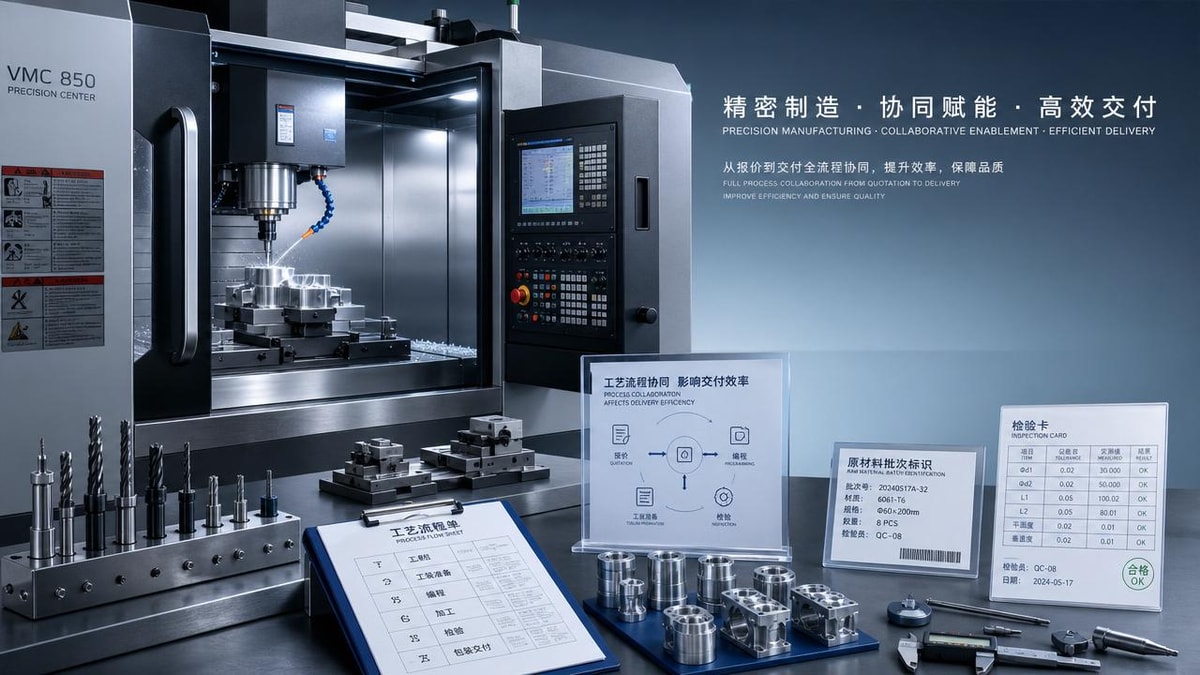
In metal machining, late deliveries are often blamed on limited capacity, yet the real bottlenecks usually appear much earlier in quoting, tooling, programming, material readiness, and process coordination. For business evaluators, understanding these hidden constraints is essential to judging supplier reliability, delivery risk, and true production efficiency beyond what machine counts alone can reveal.
For buyers, sourcing teams, and investment reviewers in the CNC machine tool and precision manufacturing sector, delivery performance is rarely a simple function of how many machines a supplier owns. A shop with 20 machining centers can still miss a 3-week commitment if engineering release is slow, fixture preparation is incomplete, or material traceability fails at inbound inspection. In practical metal machining operations, the earliest disruptions often create the largest schedule losses.
This matters across automotive, aerospace, energy equipment, electronics, and industrial component supply chains, where lead times are tied to launch schedules, line stoppage risk, and working capital exposure. A business evaluation that focuses only on spindle count, shop floor size, or nominal monthly capacity may overlook the operating discipline that actually determines whether a supplier can deliver stable output within ±2 to 5 days of promise.
Where Metal Machining Delivery Delays Really Begin
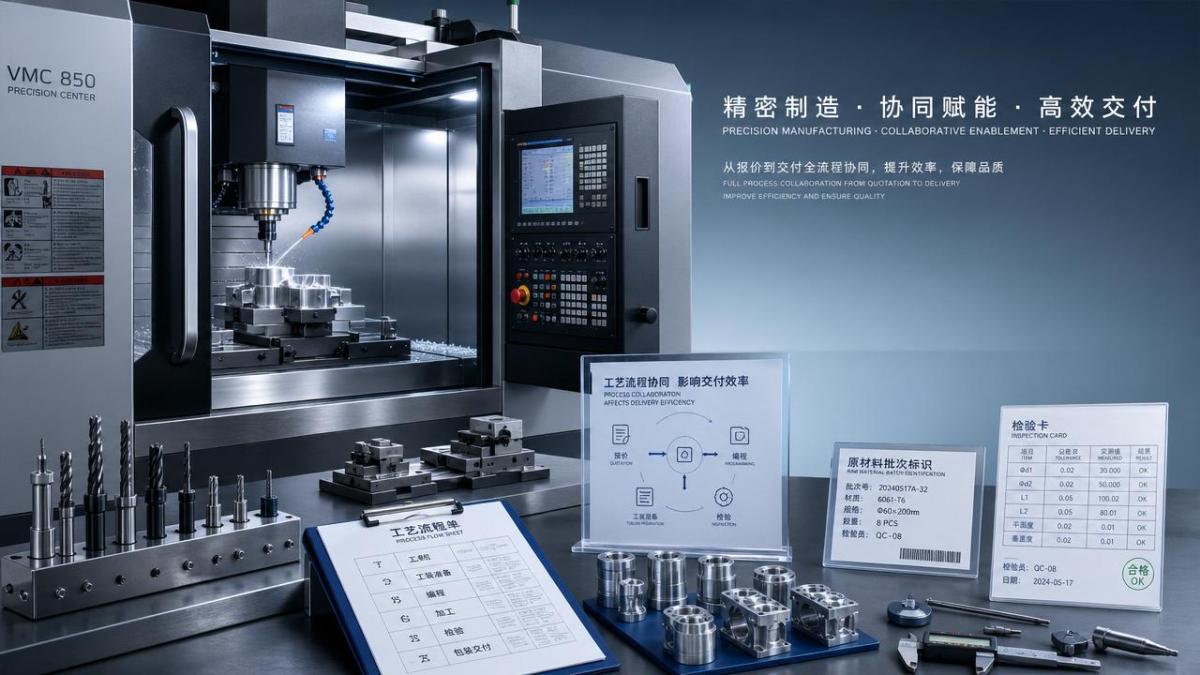
In most metal machining environments, late delivery starts upstream. By the time a part reaches a CNC lathe or machining center, the schedule has already been shaped by quotation accuracy, process planning, tooling availability, raw material readiness, and inspection planning. A delay of 24 to 48 hours in each pre-production step can easily become a 7 to 10 day slip once jobs are queued across multiple work centers.
Quoting Speed vs. Quoting Accuracy
Fast quoting is valuable, but rushed quoting often introduces unrealistic routing assumptions. If a supplier estimates a 2-operation process for a part that actually requires 4 setups, cycle time, fixture demand, and inspection load are immediately understated. For business evaluators, a consistent quote turnaround of 24 to 72 hours is useful only if it includes manufacturability checks, tolerance review, and material availability verification.
A common risk signal is a wide gap between quoted lead time and engineering release time. If a supplier promises 15 days but needs 5 to 6 days just to finalize drawings, CAM programming, and process sheets, then the actual shop floor window is already compressed. In high-mix metal machining, compressed production windows increase overtime, setup collisions, and rework probability.
Tooling and Fixture Readiness Often Hide the Real Queue
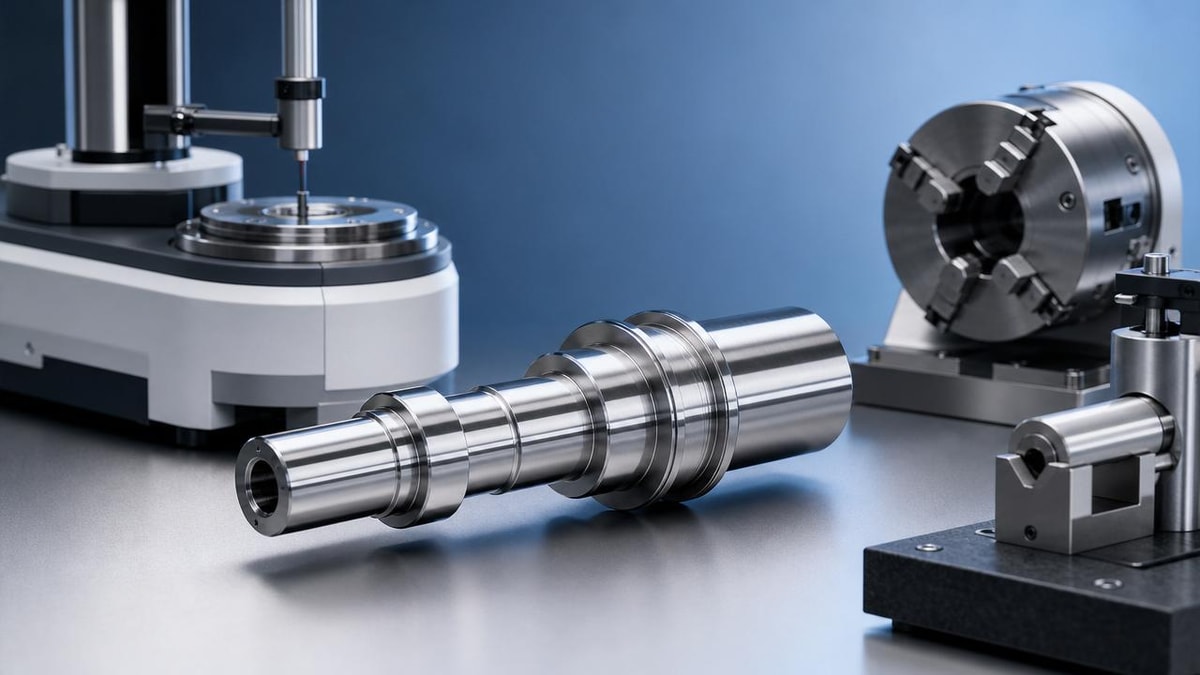
Machine availability means little if the job-specific tooling is not ready. Precision machining of shafts, discs, housings, and structural parts often depends on custom soft jaws, modular fixtures, special drills, boring bars, or form tools. Standard tools may be available the same day, but custom fixture preparation can take 3 to 7 days, and first-article adjustment may add another 1 to 2 shifts.
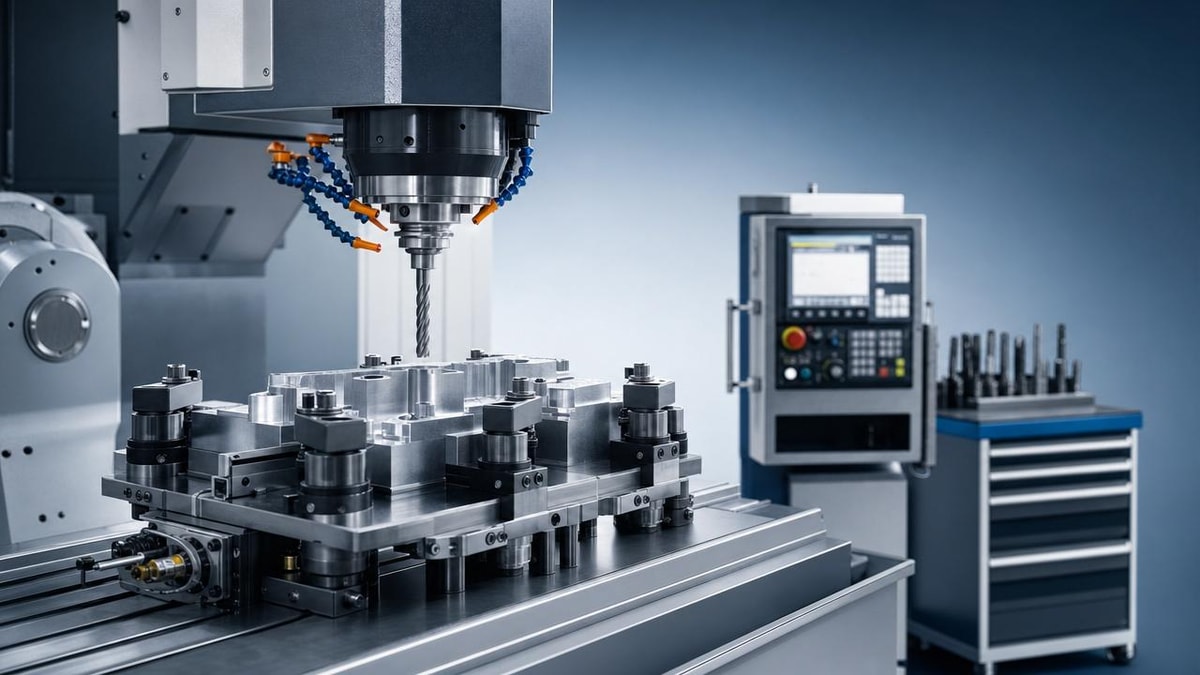
This is especially important for multi-axis metal machining, where setup strategy determines both accuracy and throughput. A supplier may report spare spindle hours, yet if the only qualified fixture set is occupied by another program, practical capacity is lower than reported capacity. Evaluators should distinguish between installed capacity and ready-to-run capacity.
Typical Hidden Readiness Constraints
- Incomplete fixture design approval before production release
- Shared cutting tool inventory across too many part families
- Only 1 qualified programmer for complex 4-axis or 5-axis parts
- Inspection gauges not available at first-piece stage
- Heat treatment or coating slots not booked in advance
The table below shows where delivery erosion commonly occurs before chips are even cut in a metal machining workflow.
The key takeaway is straightforward: upstream preparation can consume 20% to 40% of the total quoted lead time. In many metal machining projects, the shop floor is not the first bottleneck. The real constraint is how quickly a supplier converts engineering intent into a production-ready package.
The Operational Bottlenecks Business Evaluators Should Audit
A reliable supplier assessment needs more than a facility tour. Evaluators should test how a metal machining business handles workflow release, schedule visibility, process control, and external coordination. A supplier serving aerospace brackets, automotive turned parts, and energy equipment housings may face three very different planning loads, even when all jobs run on similar CNC platforms.
Programming Capacity Is a Silent Throughput Limit
In precision metal machining, one strong CAM programmer may support 4 to 8 routine jobs per day, but only 1 to 3 complex jobs if the parts involve 3D surfaces, multi-axis collision avoidance, or tight tolerance stack-ups. If the supplier’s technical office is thin, machine utilization appears low not because demand is weak, but because work cannot be released fast enough.
This issue is common in growing machine shops that invest in new machining centers before scaling process engineering. For a buyer, the warning sign is repeated schedule revision after PO receipt. If production dates shift 2 or more times before first-piece approval, the bottleneck may be technical release rather than spindle time.
Material Readiness Is More Than Stock Availability
Raw material lead time in metal machining is often underestimated. Even when bar stock, forgings, castings, or plate are nominally available, release to production may depend on certification, ultrasonic test status, hardness condition, cutting allowance, or surface condition. For critical sectors, a missing mill certificate can stop production as effectively as a broken machine.
Business evaluators should ask whether the supplier tracks material by batch, heat, or job traveler and whether incoming inspection is completed within 24 hours, 48 hours, or longer. A supplier that takes 3 days to receive and verify every lot will struggle to compress lead times on urgent metal machining orders, especially when multiple alloys are involved.
Inspection Planning Can Delay Shipment at the Final Stage
Even when machining is finished on time, final shipment can be delayed by coordinate measuring machine queues, gauge shortages, or documentation gaps. Tight-tolerance parts with flatness, cylindricity, or position requirements may need staged inspection at first-piece, in-process, and final release. If only one CMM supports three production cells, inspection can become the last critical bottleneck.
Four audit questions that expose real delivery risk
- How many days pass between PO receipt and production-ready release?
- How many qualified programmers, setup technicians, and inspectors support each shift?
- What percentage of jobs require outsourced heat treatment, coating, or grinding?
- How often are promised dates revised after material or tooling review?
The following comparison helps evaluators separate apparent capacity from dependable execution in metal machining sourcing decisions.
A supplier with modest floor space but disciplined release control can outperform a larger competitor on on-time delivery. For business evaluation, repeatable workflow is usually a stronger predictor than headline capacity.
How to Judge Supplier Reliability Beyond Machine Count
To evaluate a metal machining supplier effectively, procurement and commercial teams should use a multi-factor review. A practical approach is to score delivery performance across 5 dimensions: quote discipline, engineering readiness, production planning, supply chain coordination, and final quality release. A simple 1-to-5 scoring model can expose whether the supplier’s delivery promise is operationally supported.
Use Lead-Time Decomposition Instead of a Single Promise Date
Rather than accepting a single number like “18 days,” ask the supplier to split the metal machining lead time into distinct phases. A healthy response might show 2 days for engineering review, 3 days for material readiness, 2 days for tooling and setup, 5 days for machining, 2 days for outside process, and 1 day for final inspection and packing. This decomposition reveals whether the promised date is realistic or optimistic.
When suppliers cannot break down lead time, schedule risk rises. In custom CNC work, hidden assumptions often sit in setup, subcontract processing, or first-article approval. A decomposed lead time also allows buyers to identify where expediting can realistically help and where it cannot.
Check the Balance Between Standardization and Flexibility
The strongest metal machining suppliers do not rely on heroics. They standardize travelers, tool lists, setup verification, revision control, and inspection checkpoints, while still adapting to custom parts. Excessive flexibility without standard work often causes errors; excessive rigidity slows engineering response. The target is controlled agility, especially in low-to-medium volume, high-mix production.
Practical indicators of a controlled operation
- Standard RFQ review checklist with 6 to 10 checkpoints
- Engineering release issued before job launch, not during setup
- Tool presetting or verification completed offline
- Outside processes booked before machining completion
- Delivery dates linked to actual routing milestones, not only sales estimates
For cross-border sourcing in the global CNC machining market, these controls become even more important. Time zone differences, freight cutoff windows, export packing requirements, and document review can each add 1 to 3 days if not planned in advance. A technically capable supplier may still miss delivery if international coordination is weak.
Reducing Bottlenecks in Metal Machining Procurement and Production
Delivery improvement in metal machining does not always require more machines. In many cases, the fastest gains come from synchronizing pre-production and support functions. For buyers and supplier managers, the most effective interventions often focus on reducing waiting time between decisions rather than shortening pure cutting time.
Actions Suppliers Can Take Within 30 to 90 Days
Short-term improvement usually starts with release discipline. Suppliers can define a clear gate from RFQ to job launch, assign ownership for tooling and program completion, and track exceptions daily. Even a simple visual schedule covering 7 to 14 days can reduce overlooked dependencies. In many workshops, better coordination cuts avoidable delay more effectively than adding an extra machine shift.
Another useful step is to segment jobs by complexity. Routine turned parts, medium-complexity milled parts, and critical multi-axis parts should not all flow through the same approval path. A 3-tier routing model helps engineering and inspection spend time where it matters most, protecting due dates without lowering quality standards.
Actions Buyers Can Take to Lower Delivery Risk
Buyers also shape lead time performance. Incomplete drawings, late revision changes, and unclear acceptance requirements often trigger preventable delays in metal machining. Early alignment on tolerance priorities, surface finish, material substitution limits, and documentation requirements can remove several days of back-and-forth before production begins.
For repeat sourcing, buyers should consider vendor scorecards that track at least 4 measures: on-time delivery, lead-time stability, first-pass yield, and response speed to engineering questions. A supplier delivering in 16 days consistently is often lower risk than one alternating between 10 days and 28 days. Predictability is commercially valuable because it supports inventory planning, shipment scheduling, and customer commitment.
Common buyer-side mistakes that create false urgency
- Releasing purchase orders before final drawing revision is frozen
- Assuming stocked material means immediate production release
- Ignoring fixture lead time for new part introductions
- Requesting compressed delivery without clarifying inspection scope
- Comparing suppliers only on quoted days instead of process transparency
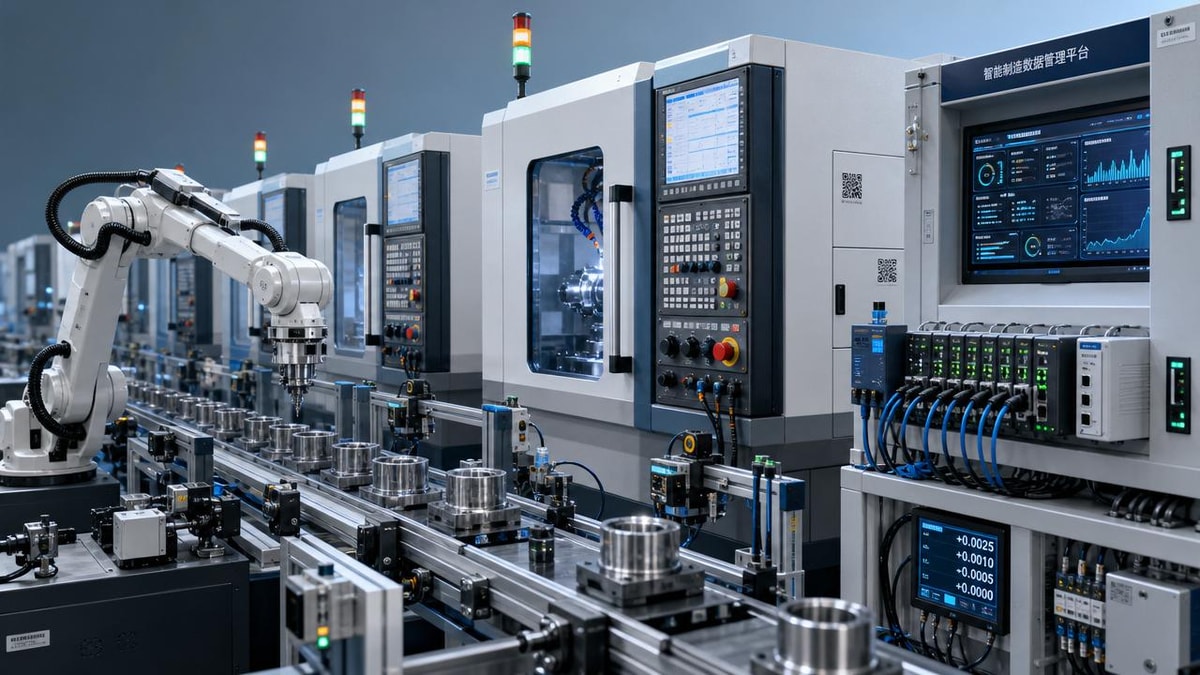
In modern CNC and smart manufacturing environments, digital scheduling, machine monitoring, and workflow traceability can help, but technology alone is not the answer. Unless quoting, tooling, material control, and inspection are connected operationally, software simply makes a poorly coordinated process more visible. The best-performing metal machining suppliers combine digital tools with disciplined execution.
For business evaluators, the central lesson is clear: capacity matters, but readiness matters more. The strongest metal machining partners are the ones that can explain their lead time by stage, identify constraints before production starts, and maintain stable execution across engineering, tooling, machining, outside processing, and inspection. If you are assessing suppliers, planning procurement, or benchmarking production risk, focus on operational control instead of machine count alone. Contact us to discuss supplier evaluation criteria, request a tailored assessment framework, or explore more solutions for CNC machining and precision manufacturing sourcing.
PREVIOUS ARTICLE
Recommended for You
 Industrial Machining Equipment Lead Times Are Changing AgainManufacturing Market Research Center
 Where Industrial Robotics Adds Value Beyond Simple Labor SavingsMachine Tool Industry Editorial Team
 Shaft Parts Machining Problems That Show Up After Final InspectionCNC Machining Technology Center
 Production Process Variations That Quietly Raise Scrap RatesCNC Machining Technology Center
 Industrial Automation Projects Fail When Data Is Added Too LateCNC Machining Technology Center
 CNC Metal Cutting Quality Drops Often Start With ClampingMachine Tool Industry Editorial Team


Aris Katos
Future of Carbide Coatings
15+ years in precision manufacturing systems. Specialized in high-speed milling and aerospace grade alloy processing.
▶
Shaft Parts Machining Problems That Show Up After Final InspectionCNC Machining Technology Center▶
Metal Machining Bottlenecks That Slow Delivery More Than CapacityCNC Machining Technology Center▶
What Affects Surface Finish Most in CNC Metalworking?CNC Machining Technology Center▶
Shaft Parts machining problems that show up only after assemblyCNC Machining Technology Center▶
Industrial turning costs more than expected when chip control is ignoredCNC Machining Technology Center
Mastering 5-Axis Workholding Strategies
Join our technical panel on Nov 15th to learn about reducing vibrations in thin-wall components.

Providing you with integrated sanding solutions
Before-sales and after-sales services
Comprehensive technical support