• Global CNC market projected to reach $128B by 2028 • New EU trade regulations for precision tooling components • Aerospace deman
NYSE: CNC +1.2%LME: STEEL -0.4%

What Affects Surface Finish Most in CNC Metalworking?
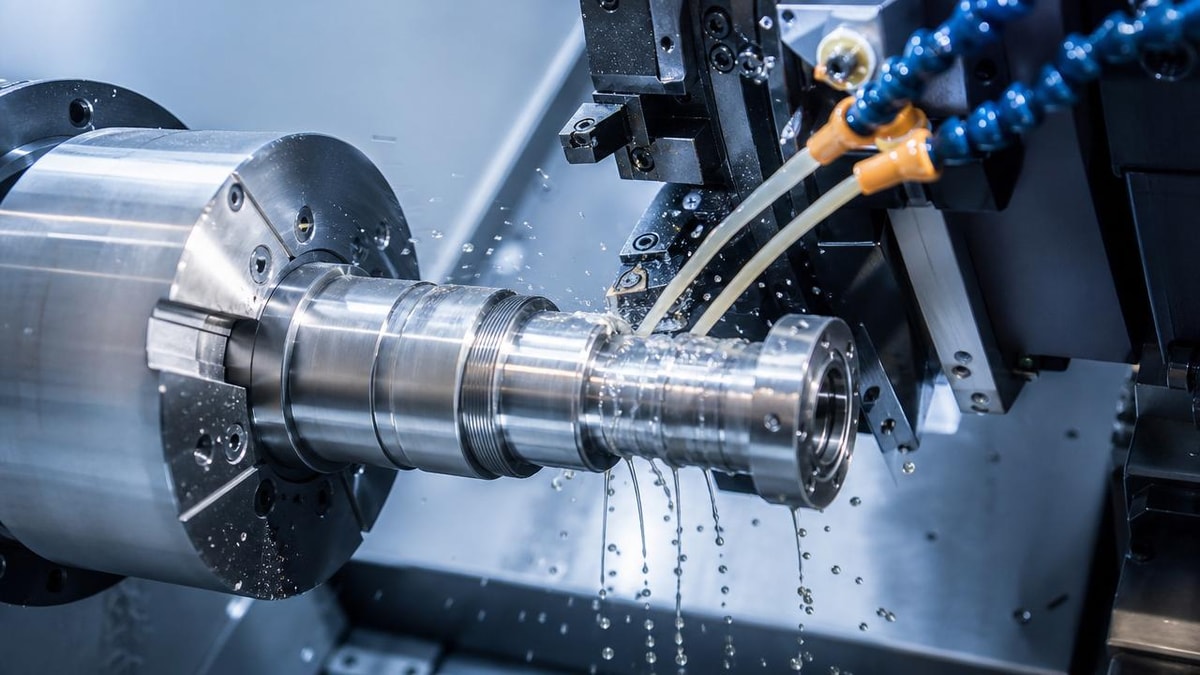
In CNC metalworking, surface finish is more than a visual detail—it directly affects part quality, fit, safety, and downstream performance. For quality control and safety professionals, understanding what influences surface roughness, tool marks, and consistency is essential to reducing defects and ensuring process stability. This article explores the key factors that have the greatest impact on surface finish in modern CNC machining.
Why Surface Finish Priorities Change by Application Scenario
In CNC metalworking, the answer to “what affects surface finish most” depends heavily on where the part will be used and how the process is controlled. A cosmetic consumer-facing housing, a sealing surface for energy equipment, a fatigue-sensitive aerospace bracket, and a shaft running at high speed do not share the same finish priorities. Quality control teams may focus on measurable roughness, repeatability, and defect escape risk, while safety managers often care more about burrs, crack initiation points, contamination traps, and process stability under production pressure.
That is why surface finish in CNC metalworking should not be treated as a single-number issue. Ra values matter, but so do lay direction, waviness, edge condition, thermal damage, chatter marks, embedded chips, and consistency across batches. In practical manufacturing environments, the “most important factor” is often the one that most strongly affects the function of a specific part in a specific application. However, across most industries, the biggest drivers usually come down to tool condition, cutting parameters, machine rigidity, workpiece material behavior, fixturing, coolant control, and post-machining handling.
A Quick Scenario Comparison for QC and Safety Teams
Before examining each factor, it helps to compare common application scenarios in CNC metalworking. This makes it easier to decide what to monitor first when surface finish problems appear on the shop floor.
In High-Precision Rotating Parts, Tool Condition Usually Has the Greatest Impact
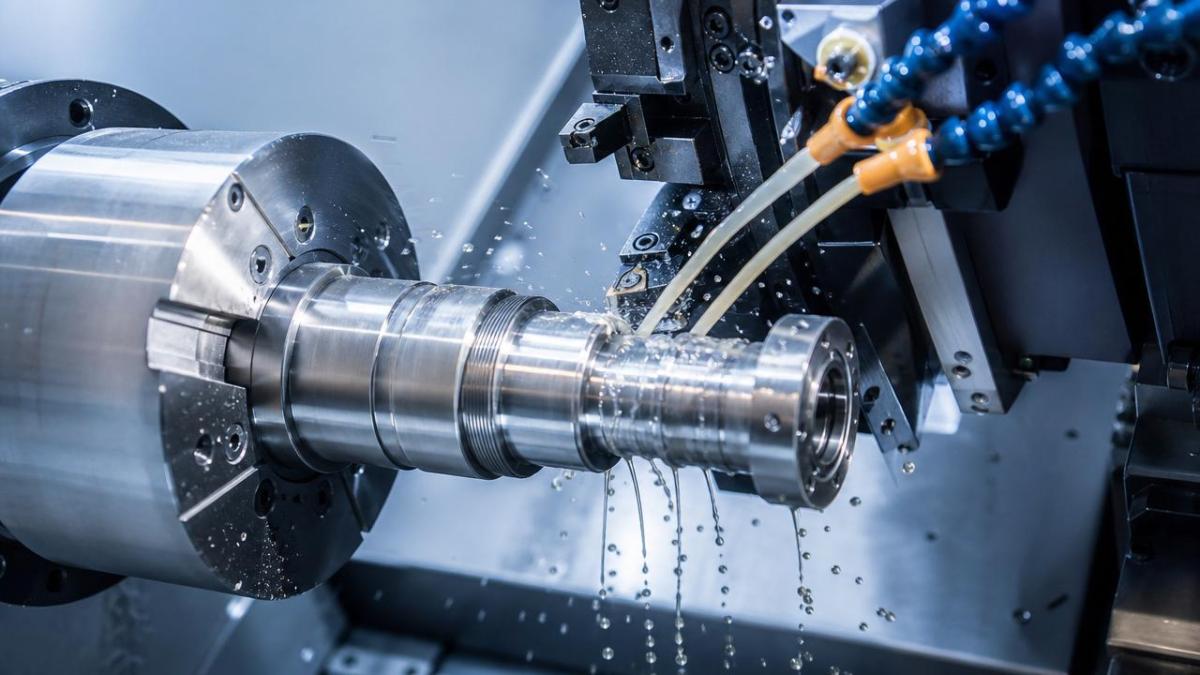
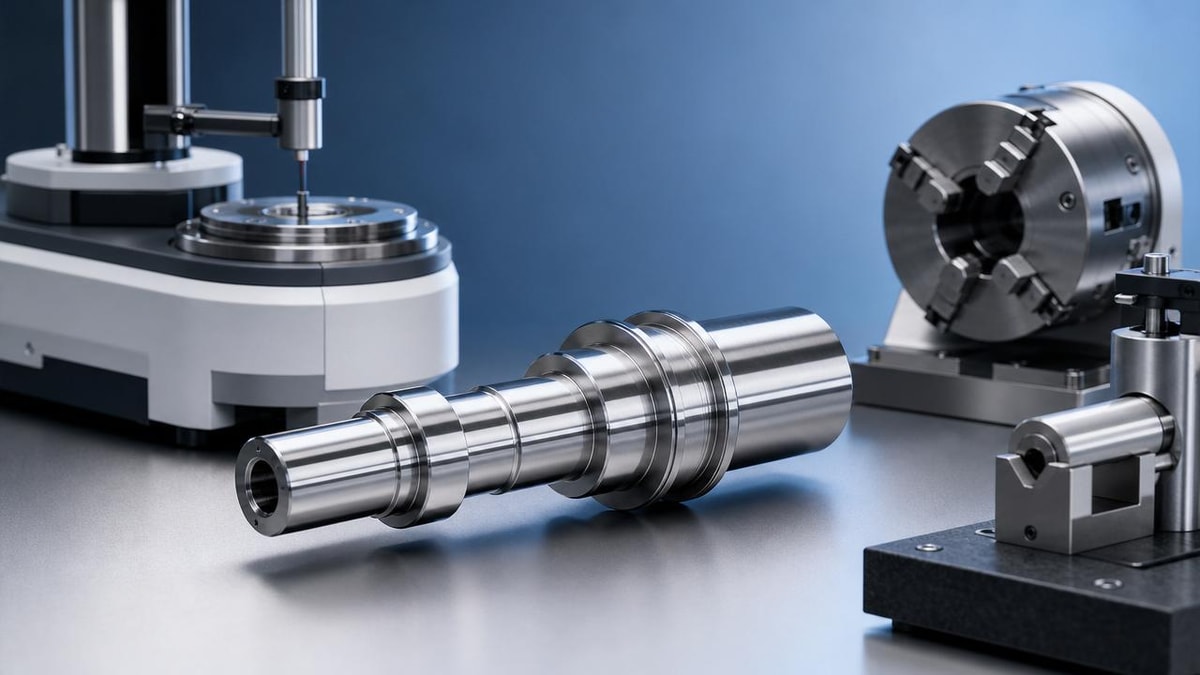
For shafts, sleeves, bearing journals, and precision turned diameters, tool condition is often the single strongest influence on surface finish in CNC metalworking. Even with a capable machine and correct program, a worn insert can create tearing, built-up edge, inconsistent lay, and elevated roughness. This is especially true when machining alloy steels, stainless steels, or gummy nonferrous metals that tend to adhere to the tool edge.
In these scenarios, QC teams should not only inspect roughness values but also look for directional marks, repetitive patterns, and drift over tool life. Safety managers should pay attention to edge burrs and loose chips that may signal unstable cutting. If the process window is narrow, replacing tools based on trend data rather than failure is often more effective than waiting for visible defects.
A common mistake is to increase feed aggressively for output while assuming finishing inserts will compensate. In practice, excessive feed can leave periodic tool marks that interfere with bearing fit or lubrication behavior. In rotating-part applications, tool wear management and machine-spindle health often matter more than cosmetic appearance alone.
In Sealing and Mating Surfaces, Feed Rate and Tool Geometry Often Matter Most
For flanges, valve seats, hydraulic blocks, pump components, and mating faces, the function of the surface is not simply to look smooth. It must contact another surface in a controlled way. In this area of CNC metalworking, feed rate and tool nose geometry frequently have the greatest effect on finish quality. A feed rate that is too high can leave feed marks that become leakage paths. A geometry that is too blunt can rub instead of cut, increasing heat and smearing the material.
Material behavior becomes very important here. Stainless steel may work harden and tear if chip formation is not stable. Aluminum can smear if the tool edge is not sharp and coolant is poorly managed. Cast iron may produce acceptable roughness values while still carrying sharp edge defects at sealing transitions. For QC professionals, this means that a single roughness reading may not fully represent sealing performance. Surface functionality testing, edge inspection, and process capability review should be combined.
In safety-sensitive systems such as pressure components or fuel-related assemblies, overlooking lay direction is another risk. A technically “smooth” finish with the wrong lay relative to the sealing interface may still perform poorly in service.
In Thin-Wall and Aerospace-Type Parts, Rigidity and Vibration Control Dominate
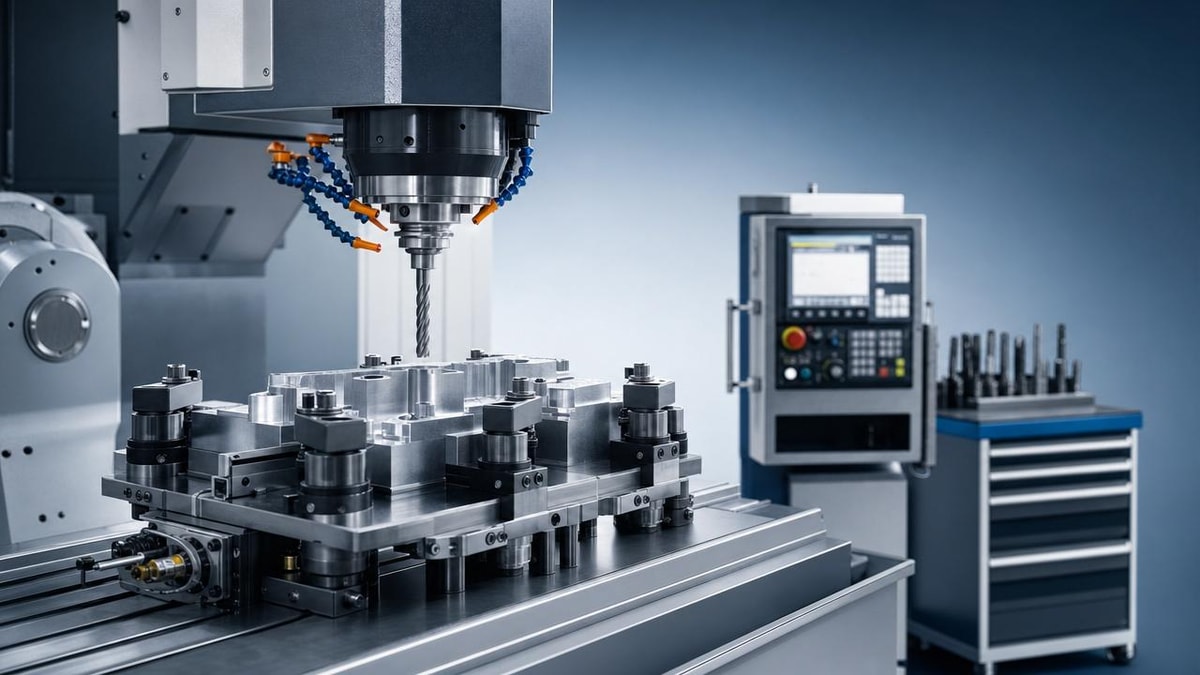
When CNC metalworking is applied to thin-wall structures, pocketed components, long-reach features, or high-value aerospace-style parts, machine and setup rigidity often affect surface finish more than any single cutting parameter. Chatter can appear suddenly even when nominal feeds and speeds are within recommended ranges. The result is a finish that is visually uneven, dimensionally risky, and potentially harmful to fatigue life.
This scenario requires close coordination between programming, setup, QC, and production supervision. Tool overhang, fixture contact points, clamping pressure, part distortion, and toolpath strategy all influence whether the cut remains stable. Safety professionals should care because chatter and part movement can increase the chance of tool breakage, flying chips, or uncontrolled process interruption. Quality teams should track whether surface defects cluster in unsupported zones, corners, or deep cavities, as these patterns often reveal a rigidity problem rather than a simple tooling issue.
In these applications, reducing radial engagement, adjusting toolpath direction, or changing the sequence of material removal may improve finish more than simply lowering feed rate. The lesson is clear: in flexible workpieces, structural stability frequently outweighs textbook cutting data.
In High-Volume Consumer or Electronics Parts, Consistency Depends on Chip and Coolant Control
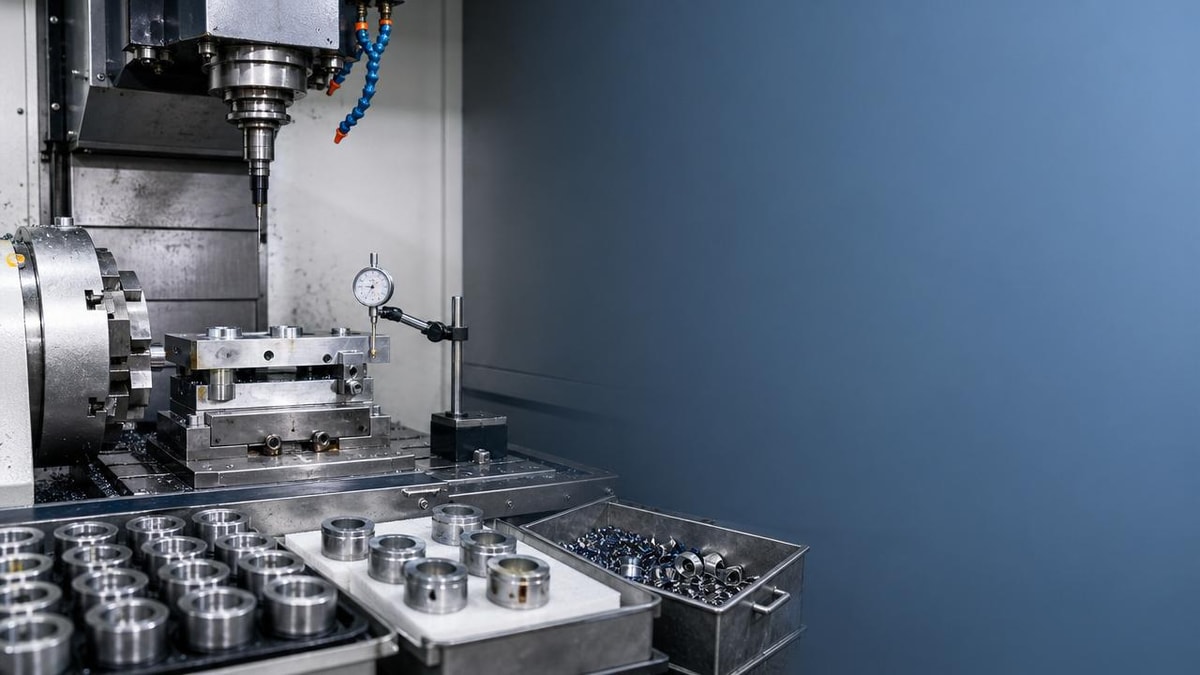
For housings, frames, small precision mounts, and visible components produced at scale, the surface finish challenge in CNC metalworking is often not a one-time defect but variation over long production runs. In these environments, chip evacuation and coolant management can have the greatest practical effect. Recirculating chips may scratch the surface, coolant contamination may stain or mark the part, and poor nozzle direction may allow heat to build at the cutting zone.
This is where quality and safety interests strongly overlap. Chips trapped in fixtures can affect both surface finish and part seating, creating hidden dimensional errors. Dirty coolant may promote bacterial growth, odor issues, and slippery floors while also reducing process quality. For small parts with sharp transitions, inadequate chip removal can lead to burr formation that later interferes with automated assembly.
In these scenarios, the best finish improvements may come from better housekeeping of the cutting process rather than expensive machine upgrades. Filter maintenance, coolant concentration checks, nozzle positioning, and fixture cleaning discipline can all reduce defects noticeably.
Material Type Changes What “Affects Surface Finish Most”
No discussion of CNC metalworking is complete without considering the workpiece material. The same machine, tool, and program can produce very different finishes in mild steel, hardened steel, aluminum, titanium, brass, or stainless steel. Softer and more ductile metals may suffer from smearing and built-up edge. Harder materials may reveal vibration more clearly. Abrasive alloys accelerate tool wear and make finish deteriorate faster over time.
For QC personnel, this means inspection plans should reflect material-specific risks. For example, stainless steel may require closer monitoring of tearing and heat tint, while aluminum may demand stricter standards for scratch prevention during handling. Safety managers should also note that difficult materials can increase cutting forces, generate hot chips, and raise the likelihood of unstable process behavior if operators push throughput too hard.
A useful rule is that material behavior often determines which other factor becomes dominant. On one alloy, tool sharpness may matter most. On another, rigidity or coolant may become the primary driver. In real production, surface finish decisions should always be made with the material in mind.
Common Misjudgments in CNC Metalworking Surface Finish Control
Several mistakes repeatedly appear across industries. First, teams often focus only on the machine settings and ignore fixture condition. A worn or contaminated fixture can shift the part, induce vibration, or leave imprint damage. Second, some organizations rely too heavily on average roughness values and miss functional problems such as burrs, waviness, or edge tearing. Third, visual acceptance standards may be unclear between production, QC, and customers, leading to rework disputes.
Another common error is treating finish defects as isolated operator problems when they are actually process capability issues. If the finish changes at certain tool life stages, on certain machines, or in certain part orientations, the solution should come from process analysis rather than blame. In safety-critical applications, overlooking tiny surface anomalies can be costly because they may become corrosion sites, crack starters, or contamination traps in service.
How to Match Surface Finish Controls to Your Scenario
A practical way to improve CNC metalworking results is to match controls to the application rather than applying the same checklist everywhere. If the part is rotational and tolerance-sensitive, prioritize spindle condition, insert wear, and vibration trending. If the part includes sealing or contact faces, prioritize feed marks, lay direction, tool geometry, and burr inspection. If the geometry is flexible or thin-walled, prioritize rigidity, toolpath strategy, and fixturing validation. If production volume is high and appearance matters, prioritize chip control, coolant cleanliness, and handling discipline.
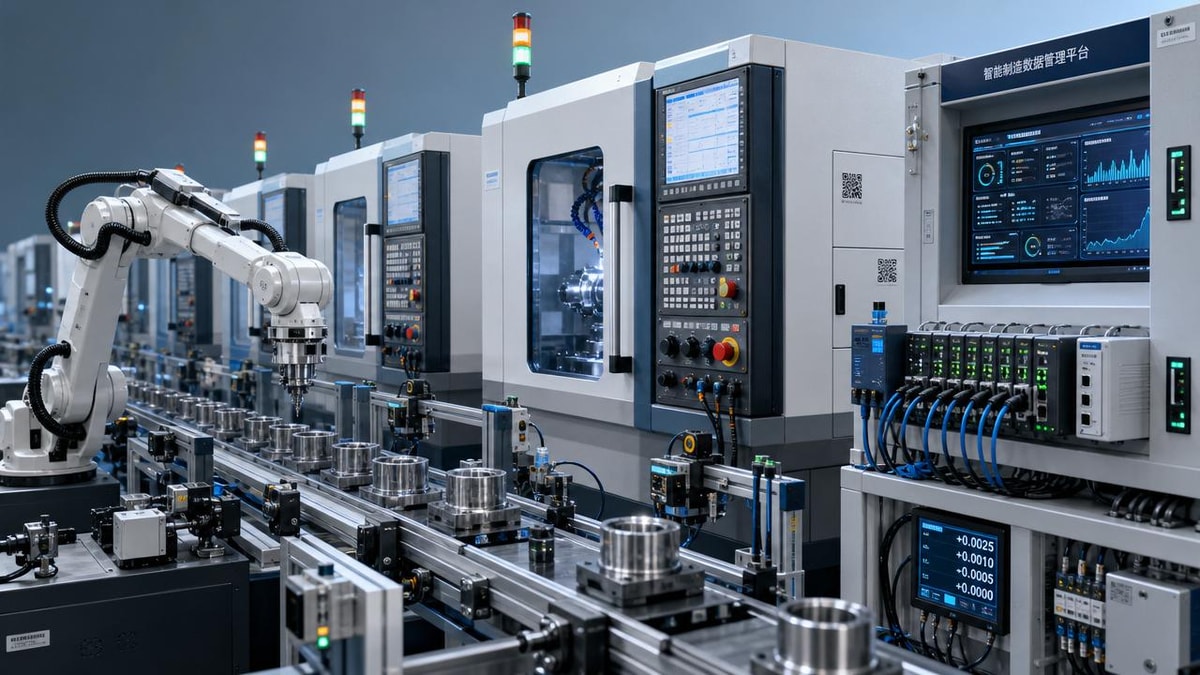
For both QC and safety teams, cross-functional review is essential. Surface finish problems are rarely solved by inspection alone. They require data from tooling, setup, maintenance, coolant management, and sometimes even incoming material quality. The best-performing manufacturers usually create a feedback loop where defects are classified by pattern, linked to process conditions, and corrected before they spread across batches.
FAQ: Practical Questions from Quality and Safety Teams
Is feed rate always the main factor in surface finish?
No. Feed rate strongly influences visible tool marks, but in CNC metalworking it may not be the main cause of poor finish. Tool wear, chatter, fixture instability, and material smearing can be more important depending on the application.
Can a part pass roughness inspection and still be risky?
Yes. A part can meet Ra targets and still contain burrs, waviness, torn metal, thermal damage, or an unfavorable lay pattern. That is why function-based inspection matters, especially in sealing, fatigue, or safety-related parts.
What should be checked first when finish quality suddenly drops?
Start with recent changes: tool life status, insert edge condition, fixture cleanliness, coolant delivery, machine vibration, and material lot variation. In many CNC metalworking cases, sudden deterioration comes from one of these basic process changes.
Final Takeaway for Better Process Decisions
What affects surface finish most in CNC metalworking is not identical across every shop or every part. The dominant factor changes with the application scenario, material, geometry, production volume, and risk level. For quality control teams, the right approach is to connect finish requirements to actual function instead of relying on roughness numbers alone. For safety managers, the right approach is to treat finish-related instability, burrs, and heat damage as process risks, not just cosmetic defects.
If your organization wants more consistent CNC metalworking results, begin by classifying parts by use case, then match inspection and process controls to those scenarios. That is the fastest way to reduce rework, prevent hidden failures, and improve confidence in both product quality and production safety.
Recommended for You
 Industrial Machining Equipment Lead Times Are Changing AgainManufacturing Market Research Center
 Where Industrial Robotics Adds Value Beyond Simple Labor SavingsMachine Tool Industry Editorial Team
 Shaft Parts Machining Problems That Show Up After Final InspectionCNC Machining Technology Center
 Production Process Variations That Quietly Raise Scrap RatesCNC Machining Technology Center
 Industrial Automation Projects Fail When Data Is Added Too LateCNC Machining Technology Center
 CNC Metal Cutting Quality Drops Often Start With ClampingMachine Tool Industry Editorial Team

Aris Katos
Future of Carbide Coatings
15+ years in precision manufacturing systems. Specialized in high-speed milling and aerospace grade alloy processing.
▶
Shaft Parts Machining Problems That Show Up After Final InspectionCNC Machining Technology Center▶
Metal Machining Bottlenecks That Slow Delivery More Than CapacityCNC Machining Technology Center▶
What Affects Surface Finish Most in CNC Metalworking?CNC Machining Technology Center▶
Shaft Parts machining problems that show up only after assemblyCNC Machining Technology Center▶
Industrial turning costs more than expected when chip control is ignoredCNC Machining Technology Center
Mastering 5-Axis Workholding Strategies
Join our technical panel on Nov 15th to learn about reducing vibrations in thin-wall components.

Providing you with integrated sanding solutions
Before-sales and after-sales services
Comprehensive technical support