• Global CNC market projected to reach $128B by 2028 • New EU trade regulations for precision tooling components • Aerospace deman
NYSE: CNC +1.2%LME: STEEL -0.4%

Metal machining bottlenecks that slow down small batch output
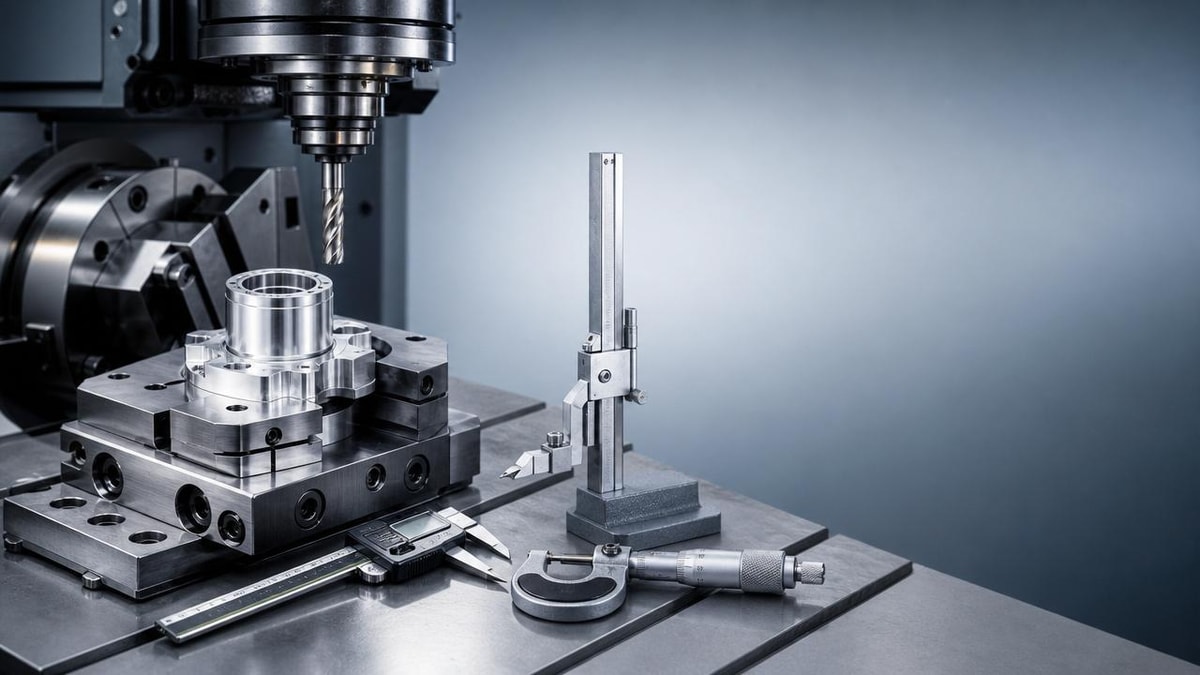
Small-batch manufacturing promises flexibility, faster response to custom orders, and lower inventory risk. In practice, however, many project teams discover that small-volume metal machining creates a different kind of pressure: setup time starts to dominate runtime, engineering changes disrupt schedules, and quality variation becomes more expensive because there are fewer parts over which to absorb mistakes.
For project managers and engineering leaders, the real issue is not simply that output is small. The issue is that small-batch work exposes every weakness in planning, programming, tooling, machine allocation, and inspection. When these weak points are not controlled, lead times stretch, urgent jobs interrupt stable flow, and delivery commitments become harder to trust.
In most cases, the biggest bottlenecks in metal machining for small batches are not caused by spindle speed alone. They come from long changeovers, incomplete process preparation, unstable workholding, fragmented communication between engineering and production, and inspection loops that catch problems too late. The good news is that these bottlenecks are visible and manageable if teams know where to look.
This article focuses on what project managers need most: how to identify the bottlenecks that slow down small-batch output, how to judge their business impact, and which improvement priorities usually deliver the fastest gains in throughput, cost control, and schedule reliability.
Why small-batch metal machining feels slow even when machines are available
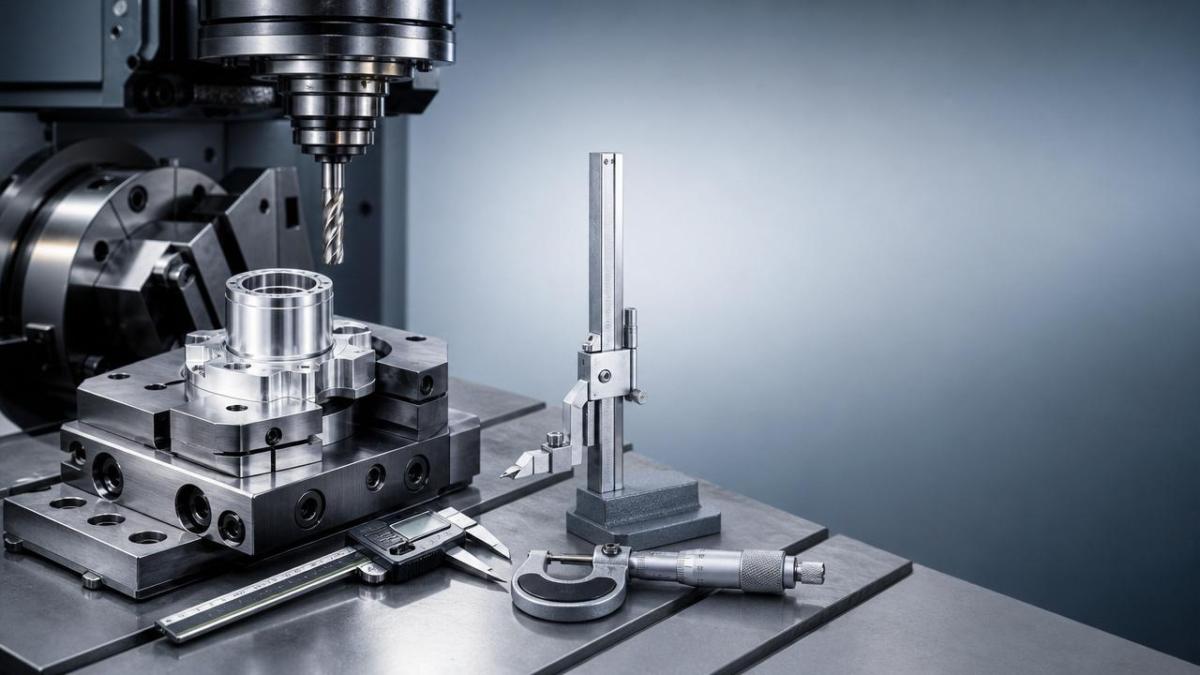
A common frustration in metal machining is seeing machines on the shop floor that appear open, while orders still move slowly. For small-batch production, machine availability does not automatically mean production readiness. A machine may be technically free, but the correct fixture, program revision, cutting tools, inspection method, or approved setup sheet may not be ready at the same time.
This is why small-batch environments often suffer from hidden waiting time. Operators wait for clarified drawings. Programmers wait for final part models. Quality staff wait for first-article completion. Purchasing waits for nonstandard tooling. Each delay may seem small on its own, but together they create a stop-start production pattern that hurts output far more than many managers expect.
From a project perspective, this matters because small batches offer less room to recover. In a high-volume order, one difficult setup can be spread across hundreds or thousands of parts. In a batch of 10, 20, or 50 pieces, setup time, proving-out time, and quality verification may account for a large share of total production cost and schedule risk.
That is why the first management judgment should be simple: do not evaluate small-batch metal machining only by cycle time per part. Evaluate it by total elapsed time from release to shipment, including engineering preparation, setup, first-piece approval, in-process interruptions, and final inspection. This broader view usually reveals the true bottlenecks.
Setup and changeover are often the biggest capacity killers
In many small-batch operations, setup is the single largest bottleneck. Every job change may require a new fixture arrangement, tool length offsets, work coordinate verification, chuck or vise adjustments, material handling preparation, and first-piece tuning. If these tasks are inconsistent or poorly documented, setup time expands unpredictably.
For project managers, the operational consequence is serious: production capacity becomes hard to plan because the same machine can require very different preparation times for different jobs. A schedule may look reasonable on paper, yet fail in execution because setup time estimates were too optimistic or based on informal tribal knowledge rather than standard practice.
There are several warning signs. One is high variation between operators setting up the same family of parts. Another is repeated dry runs or trial cuts because process parameters are not trusted. A third is frequent searching for tools, clamps, gauges, or reference documents during setup. These are not minor housekeeping issues. They directly reduce effective output.
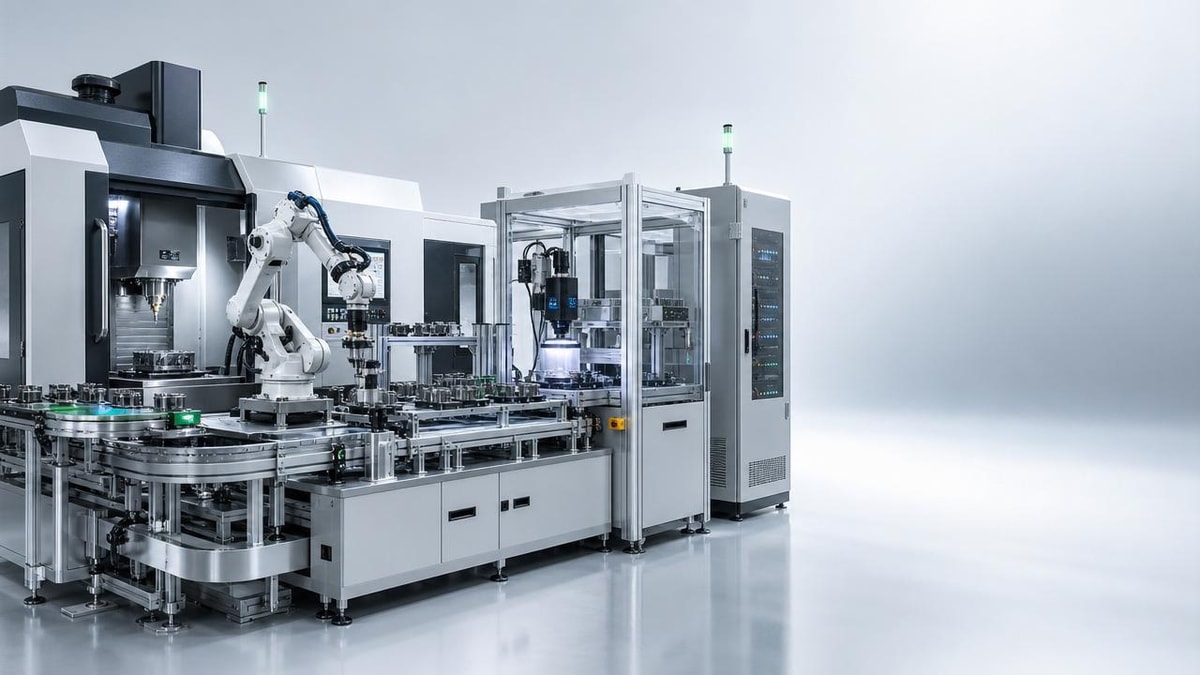
The most useful response is to treat setup reduction as a cross-functional productivity project, not just an operator issue. Standardized setup sheets, modular fixtures, pre-set tooling, offline tool preparation, and machine-side document control can reduce changeover time significantly. Even more important, they make setup duration more predictable, which is critical for project delivery planning.
Programming delays and engineering handoff gaps create avoidable idle time
Another major bottleneck in small-batch metal machining is the programming and process planning stage. For complex parts, CAM programming, toolpath verification, post-processing, simulation, and revision control can consume more time than actual machining. When engineering data is incomplete or changes late, the delay moves directly downstream into production.
This is especially common in custom manufacturing, prototype work, and jobs that involve frequent design updates. Project leaders may assume that once a drawing is released, the order is ready for machining. In reality, manufacturability questions, tolerance conflicts, unclear datums, or missing material details can hold up programming or force multiple revisions after release.
These issues become more damaging when departments work in sequence rather than in parallel. If design finishes, then process engineering starts, then programming starts, then tooling is ordered, then setup begins, the total lead time grows quickly. Small-batch environments perform better when manufacturability review, fixture planning, tool selection, and inspection planning begin early.
To improve flow, managers should focus on engineering handoff quality. That means checking whether the shop receives complete and stable part models, process-critical dimensions, tolerance priorities, surface finish requirements, and fixture constraints before the job reaches the machine. The earlier these items are clarified, the less idle time appears later in production.
Tooling and workholding problems scale badly in low-volume production
Tooling bottlenecks are easy to underestimate because they are often treated as routine shop-floor details. In small-batch metal machining, however, special tools, worn cutters, missing holders, and unstable fixtures can quickly derail output. Since lot sizes are small, there is little tolerance for tool-related experimentation once the job has already reached production.
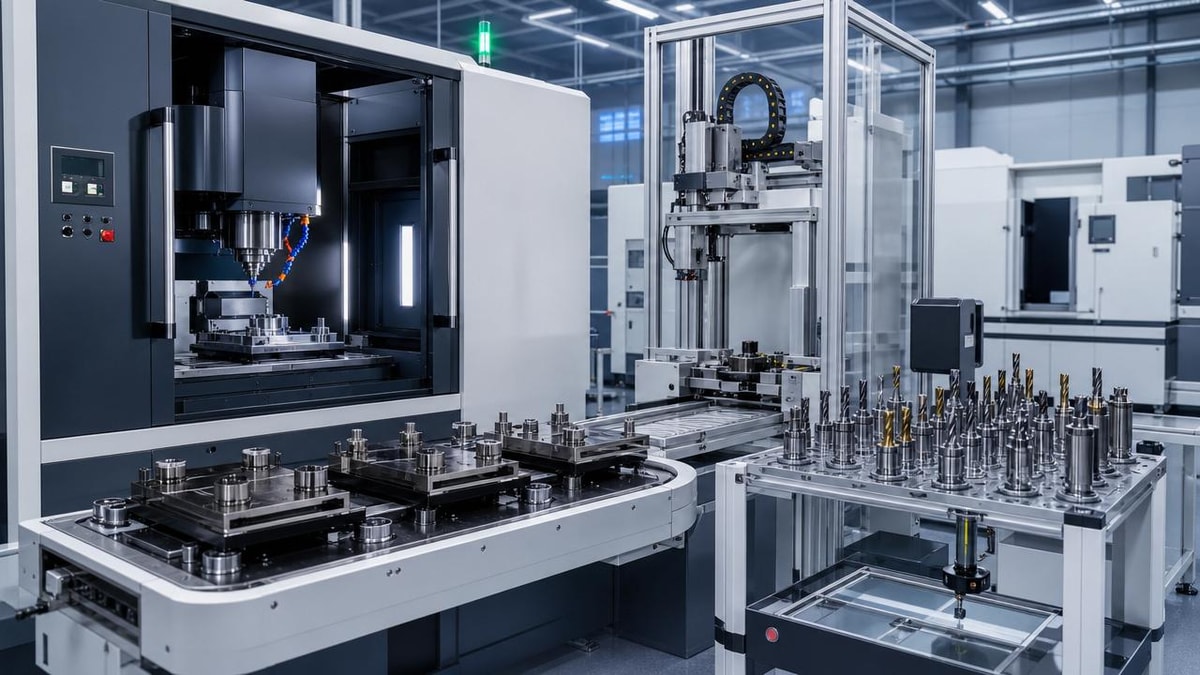
Workholding is especially important. If a part requires custom clamping, soft jaws, multi-face access, or thin-wall support, fixture preparation can become a major schedule driver. Poor fixture design also affects quality and cycle time by increasing vibration, reducing repeatability, or forcing conservative cutting conditions.
For project managers, the key question is whether tooling and fixturing are being managed proactively or reactively. A reactive approach waits until the job is on the machine before discovering that a holder is unavailable, a tool stick-out is too long, or a fixture cannot support the required tolerance. That approach is expensive because it converts planning errors into shop-floor downtime.
A better model is to classify parts by tooling risk before release. Jobs that require nonstandard cutters, special inspection gauges, or dedicated fixturing should be flagged early in the project timeline. This allows realistic lead-time commitments and prevents a common mistake: promising short delivery on a part whose tooling ecosystem is not yet ready.
Quality checkpoints can become a bottleneck if they happen too late
In small batches, quality problems are more painful because there are fewer parts to buffer scrap or rework. A first-piece issue can stop the entire job. If the problem is discovered only at final inspection, the team may lose both machining time and delivery confidence at once. This is why delayed quality feedback is one of the most costly bottlenecks in metal machining.
Many factories still depend too heavily on end-of-process inspection. That model may work for stable, repetitive production, but it is risky for short runs with frequent part changes. Small-batch jobs need earlier validation of critical dimensions, datum strategy, and process capability so that problems are caught before the full lot is completed.
Project leaders should pay attention to the time between first-piece completion and first-piece approval. If this interval is long, machines may sit idle waiting for quality sign-off, or worse, operators may continue production without full confirmation. Both situations create risk: one hurts output, the other hurts quality.
Practical improvements include in-process inspection plans, clear identification of critical-to-function features, digital measurement data capture, and better alignment between process engineering and quality teams on what must be checked first. The objective is not more inspection everywhere. It is faster, earlier, and more targeted confirmation where risk is highest.
Scheduling logic often breaks down because small batches compete with urgent work
Even when machining processes are technically capable, poor scheduling can create chronic bottlenecks. Small-batch production often shares capacity with prototype jobs, rework orders, spare parts, and urgent customer requests. Because each order looks important and setup times are high, managers are tempted to resequence jobs frequently. This creates schedule instability.
Every time a machine is interrupted for a rush order, there is a cost beyond the visible delay. Tools may need to be changed, setups may be partially lost, operators may need to reorient themselves, and first-piece validation may need to be repeated. The result is that too many jobs are “in progress” but too few are actually completed and shipped.
From a project management viewpoint, this is a prioritization problem rather than just a shop-floor problem. If all orders are treated as urgent, the factory loses flow efficiency. One of the most useful controls is to define clear scheduling rules for small-batch work, such as grouping similar materials, part families, or fixture requirements to reduce changeovers.
Managers should also track schedule adherence at the operation level, not only at final delivery. If jobs are repeatedly slipping between programming, setup, machining, and inspection, the organization needs more than a revised due date. It needs a more disciplined production control method that protects machine time from constant disruption.
Where project managers should focus first to unlock faster output
For most organizations, the best improvement path is not to attack every bottleneck at once. It is to identify which constraint most often delays order completion. In small-batch metal machining, this is usually one of five areas: setup, programming readiness, tooling availability, inspection response time, or schedule disruption from priority changes.
A practical first step is to map the actual lead time of several recent jobs. Break the timeline into engineering release, CAM programming, tooling preparation, setup, first-piece approval, machining, inspection, and shipment. This exercise often shows that the machine-cutting portion is much smaller than expected, while waiting and coordination consume most of the elapsed time.
Once the main delay pattern is clear, improvement actions become easier to justify. If setup dominates, invest in standardization and quick-change fixturing. If programming delays dominate, improve design handoff and offline simulation. If quality approval dominates, move inspection closer to the process. If schedule instability dominates, tighten job release and priority control.
Most importantly, measure success in terms that matter to project outcomes: shorter average lead time, better on-time delivery, fewer schedule changes, lower setup hours per order, reduced first-piece approval delay, and less rework. These indicators speak directly to management concerns and make it easier to align engineering, production, and commercial teams.
What a more resilient small-batch machining operation looks like
A resilient small-batch machining operation is not one with no variation. It is one that can absorb variation without losing control of lead time, cost, or quality. That usually means process preparation happens earlier, setup methods are repeatable, tooling status is visible, programming revisions are controlled, and quality checks are aligned with risk instead of delayed until the end.
For project managers, this resilience translates into better quoting confidence, more reliable scheduling, and fewer last-minute escalations. It also supports stronger customer communication. When teams understand where bottlenecks really occur, they can set realistic commitments instead of depending on optimistic assumptions about machine availability.
In the current manufacturing environment, where customization, shorter product cycles, and supply-chain pressure continue to grow, small-batch metal machining will remain strategically important. Companies that manage its bottlenecks well can respond faster to specialized demand and engineering changes. Those that do not will keep losing margin and delivery performance in ways that are difficult to explain from standard production reports alone.
The central lesson is clear: when small-batch output slows down, the real problem is rarely just machining speed. It is the accumulation of preparation losses, handoff gaps, tooling friction, delayed quality feedback, and unstable scheduling. Solve those issues systematically, and small-batch production becomes not only faster, but more predictable and more profitable.
Recommended for You
 Industrial Robotics payback depends on more than labor savingsManufacturing Market Research Center
 Shaft Parts machining problems that show up after final inspectionCNC Machining Technology Center
 Which Production Process changes bring the fastest output gains?CNC Machining Technology Center
 Industrial Automation projects fail when integration is underestimatedCNC Machining Technology Center
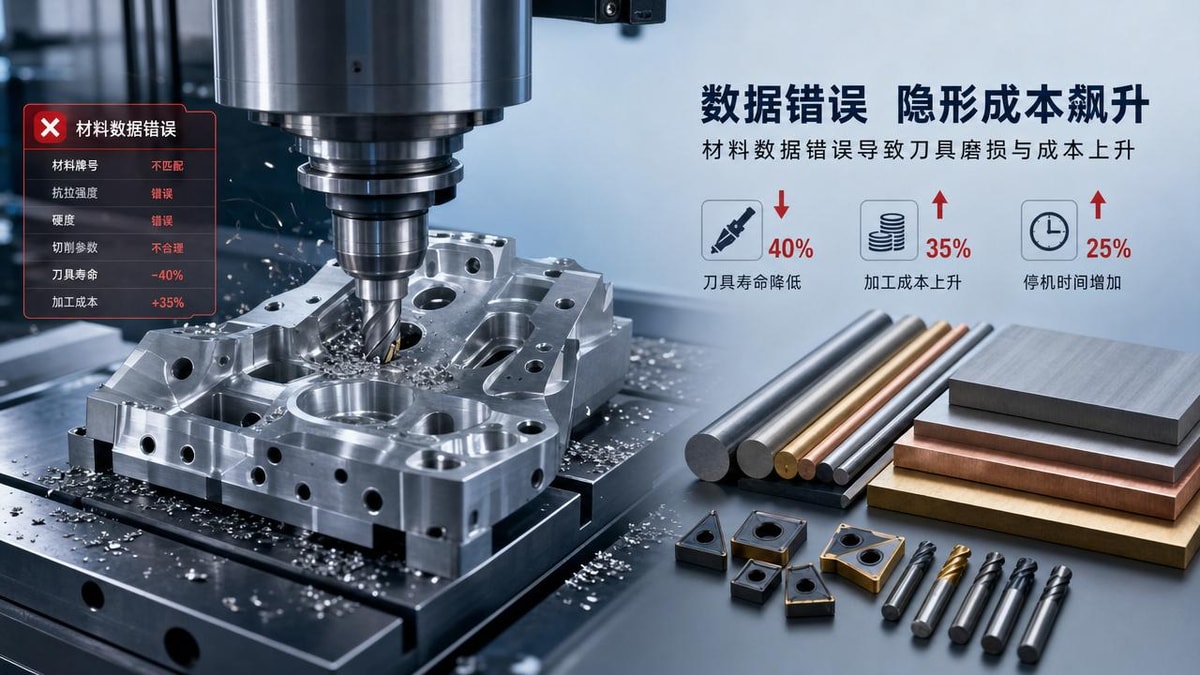
 CNC metal cutting costs rise fast when material data is wrongCNC Machining Technology Center
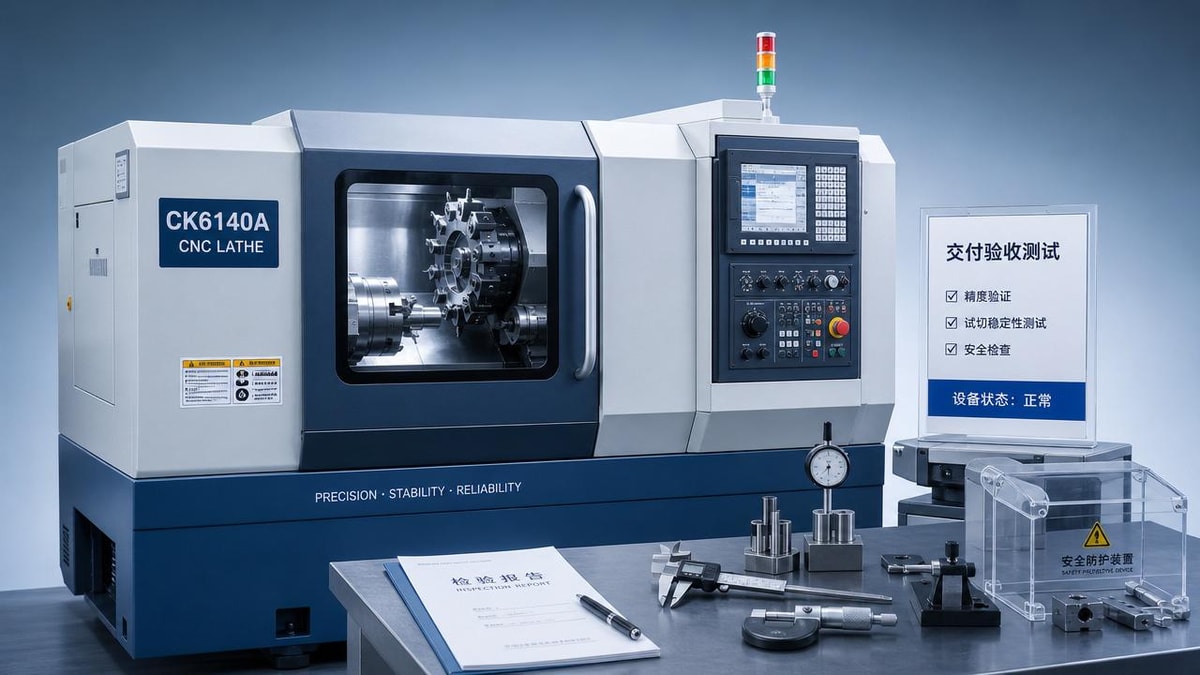
 High precision lathe claims to verify before accepting deliveryMachine Tool Industry Editorial Team

Aris Katos
Future of Carbide Coatings
15+ years in precision manufacturing systems. Specialized in high-speed milling and aerospace grade alloy processing.
▶
Shaft Parts machining problems that show up after final inspectionCNC Machining Technology Center▶
Which Production Process changes bring the fastest output gains?CNC Machining Technology Center▶
Metal machining bottlenecks that slow down small batch outputCNC Machining Technology Center▶
Shaft Parts Machining Problems That Show Up After Final InspectionCNC Machining Technology Center▶
Metal Machining Bottlenecks That Slow Delivery More Than CapacityCNC Machining Technology Center
Mastering 5-Axis Workholding Strategies
Join our technical panel on Nov 15th to learn about reducing vibrations in thin-wall components.

Providing you with integrated sanding solutions
Before-sales and after-sales services
Comprehensive technical support