• Global CNC market projected to reach $128B by 2028 • New EU trade regulations for precision tooling components • Aerospace deman
NYSE: CNC +1.2%LME: STEEL -0.4%

What Is CNC Manufacturing and When Is It the Right Choice for Custom Parts?
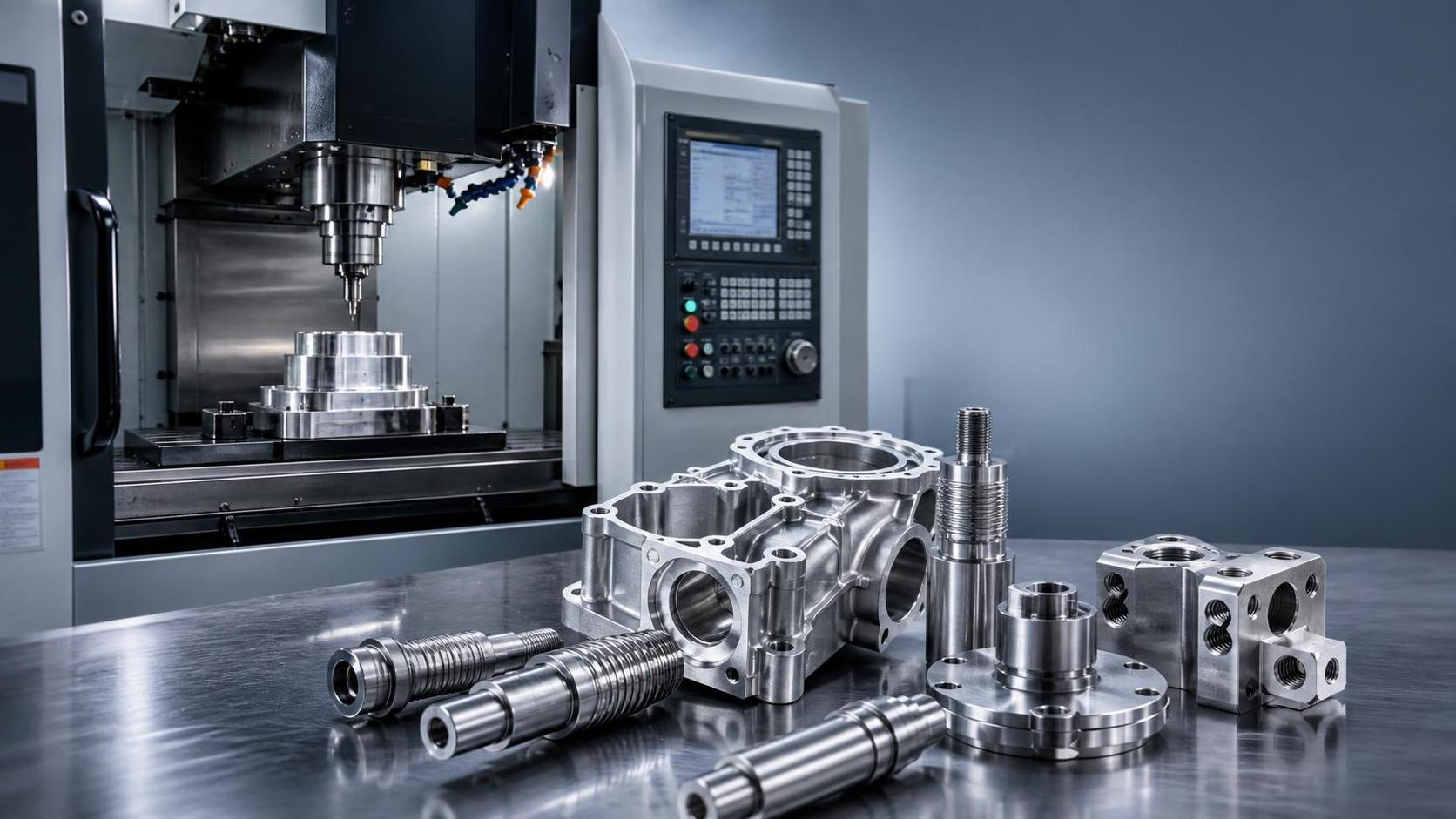
CNC manufacturing is often the right choice for custom parts when you need tight tolerances, repeatable quality, reliable materials, and a production method that can scale from prototypes to low- or medium-volume runs. For information researchers evaluating suppliers, processes, or manufacturing options, the real question is not simply what CNC machining is, but when its benefits outweigh its higher setup and machining costs compared with casting, molding, fabrication, or additive manufacturing.
This article explains how CNC manufacturing works in practical terms, what kinds of parts it suits best, where it creates clear business value, and how buyers, engineers, and sourcing teams can judge whether it is the right process for a specific custom part requirement.
What CNC Manufacturing Actually Means in Custom Part Production
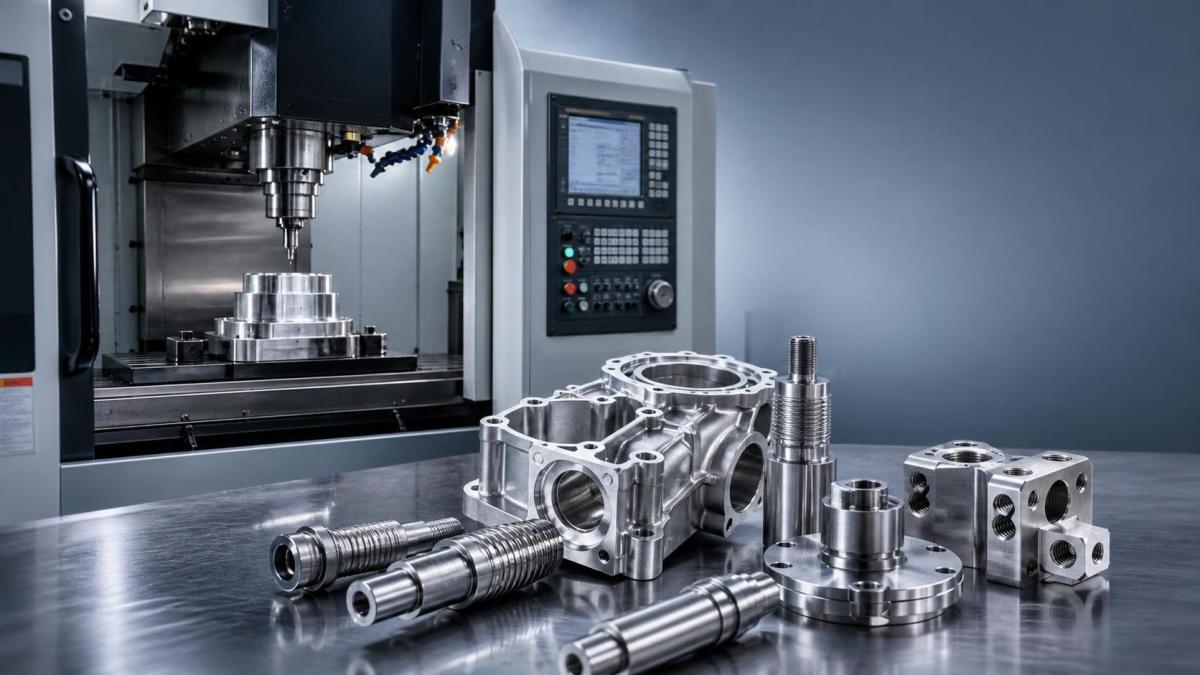
CNC manufacturing refers to computer numerical control machining, a process in which pre-programmed software directs machine tools to remove material from a solid workpiece. Common CNC equipment includes lathes, milling machines, machining centers, and multi-axis systems.
In custom parts production, CNC manufacturing is valued because it combines digital control with physical accuracy. Once a part program is prepared, the machine can repeatedly produce the same geometry with high consistency, which is essential for industrial components.
Unlike manual machining, CNC processes reduce operator variability and support more complex shapes. Compared with less precise production methods, CNC machining offers tighter dimensional control, better surface finishes, and broader material compatibility for metal and engineered plastic parts.
For many buyers, the most useful definition is simple: CNC manufacturing is a subtractive process best suited to parts that require precision, structural integrity, and repeatable quality, especially when those parts must be made from production-grade materials.
When Is CNC Manufacturing the Right Choice for Custom Parts?
CNC manufacturing is the right choice when part accuracy matters to product performance, assembly fit, safety, or service life. That includes housings, brackets, shafts, flanges, fixtures, tooling components, connectors, and other precision structural parts.
It is especially suitable when a part design includes critical tolerances, threads, flatness requirements, concentric features, or machined sealing surfaces. These details are difficult to achieve consistently with simpler manual processes or lower-precision fabrication methods.
CNC is also a strong option when the part material itself is important. If the application requires aluminum, stainless steel, titanium, brass, POM, PEEK, or other specific engineering materials, machining allows you to preserve the mechanical properties of the stock.
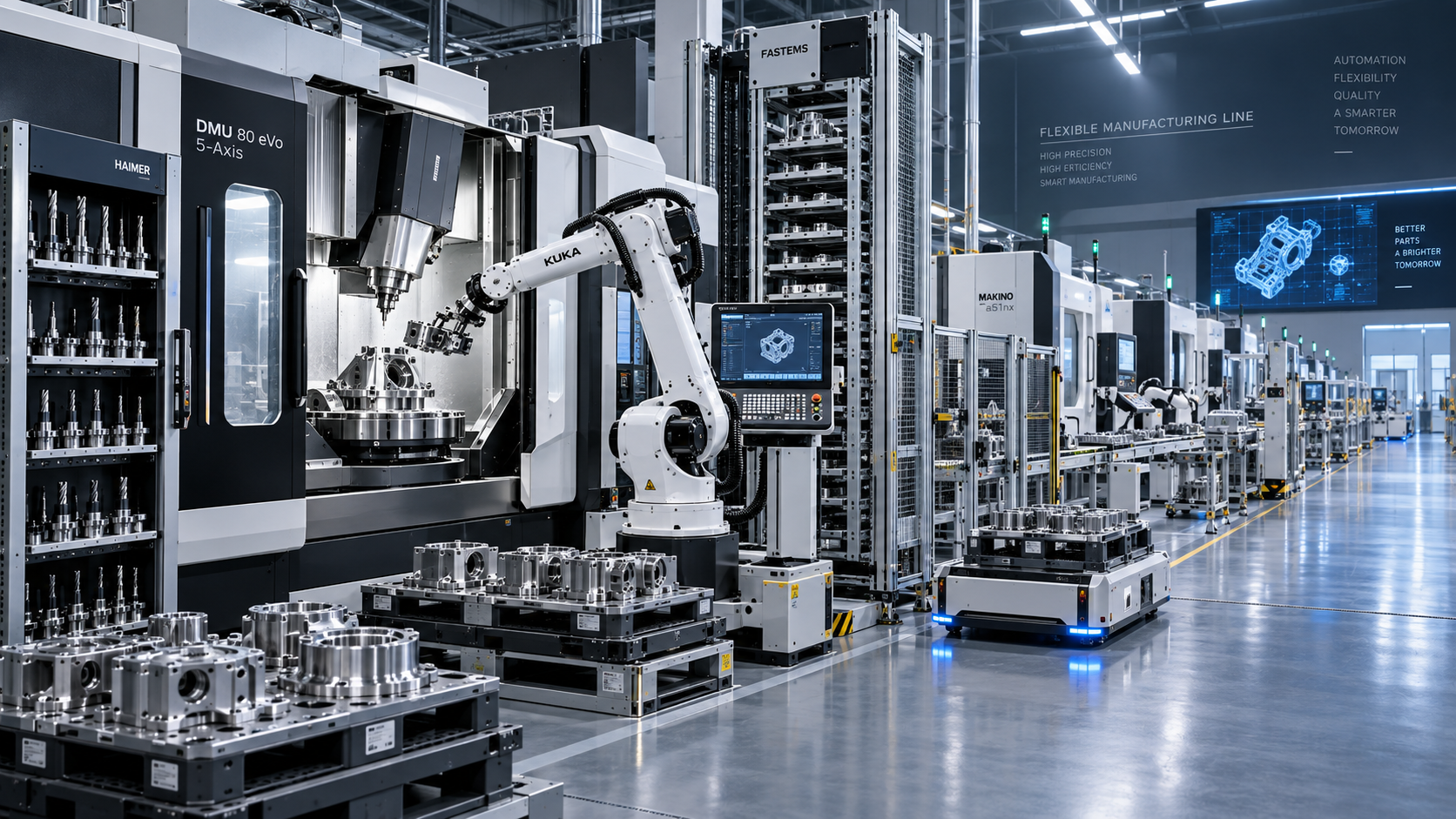
Another good fit is low- to medium-volume production. CNC manufacturing can be economical for prototypes, pilot runs, bridge production, spare parts, and specialized industrial orders where tooling costs for molding or casting would be too high.
It is also the preferred route when design changes are still likely. Because CNC machining relies on digital programming rather than hard tooling, updates can usually be made faster and with lower risk than changing molds or dies.
Where CNC Manufacturing Delivers the Most Value
For decision-makers, the value of CNC manufacturing is not only precision. Its broader value lies in predictability. Buyers need to know whether a supplier can deliver the same part again, in the same material, to the same standard, without hidden variation.
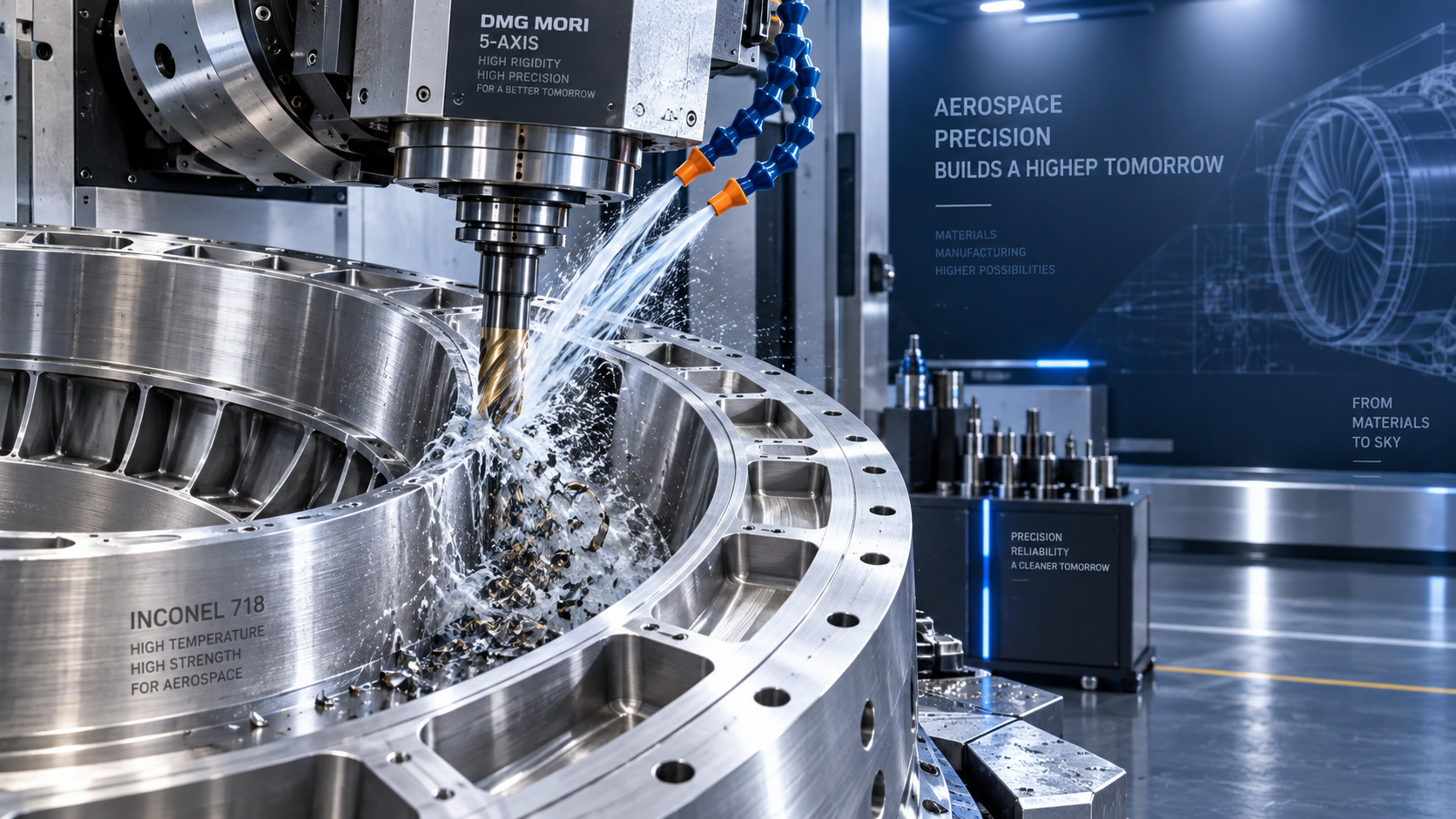
That predictability matters across industries such as automotive, aerospace, electronics, energy equipment, and industrial automation. In these sectors, a small dimensional error can affect assembly speed, vibration performance, sealing reliability, or downstream system stability.
CNC manufacturing also supports faster validation. A team can move from CAD drawing to physical sample quickly, inspect the result, adjust dimensions if needed, and continue iterating without waiting for expensive production tooling to be developed.
For sourcing teams, this shortens product development cycles and reduces uncertainty before larger production commitments. For engineers, it provides a realistic path to proving form, fit, and function using production-grade materials instead of approximation materials.
There is also a supply chain benefit. CNC machining is widely available across global manufacturing regions, including major industrial clusters in China, Germany, Japan, and South Korea. That broad supplier base gives buyers more sourcing flexibility for custom parts.
What Types of Custom Parts Are Best Suited to CNC Machining?
The best candidates for CNC manufacturing usually share a few characteristics. They often have defined geometries, important functional surfaces, and performance requirements that depend on dimensional accuracy rather than decorative appearance alone.
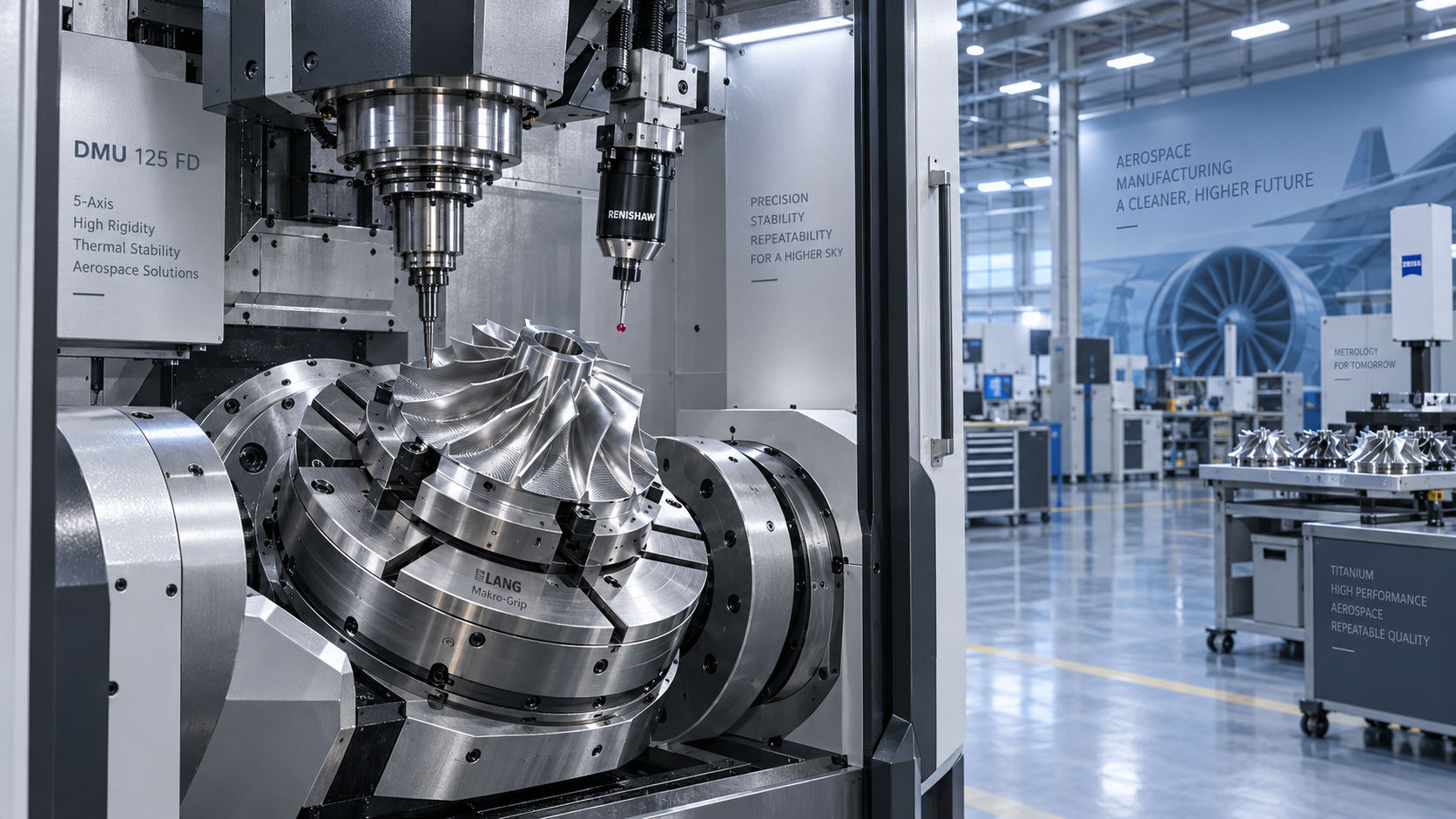
Examples include precision shafts, valve components, heat sink bases, mounting plates, mechanical housings, machine frames, brackets, manifolds, sensor mounts, impellers, and custom fixtures. These parts benefit from accurate machining and dependable material behavior.
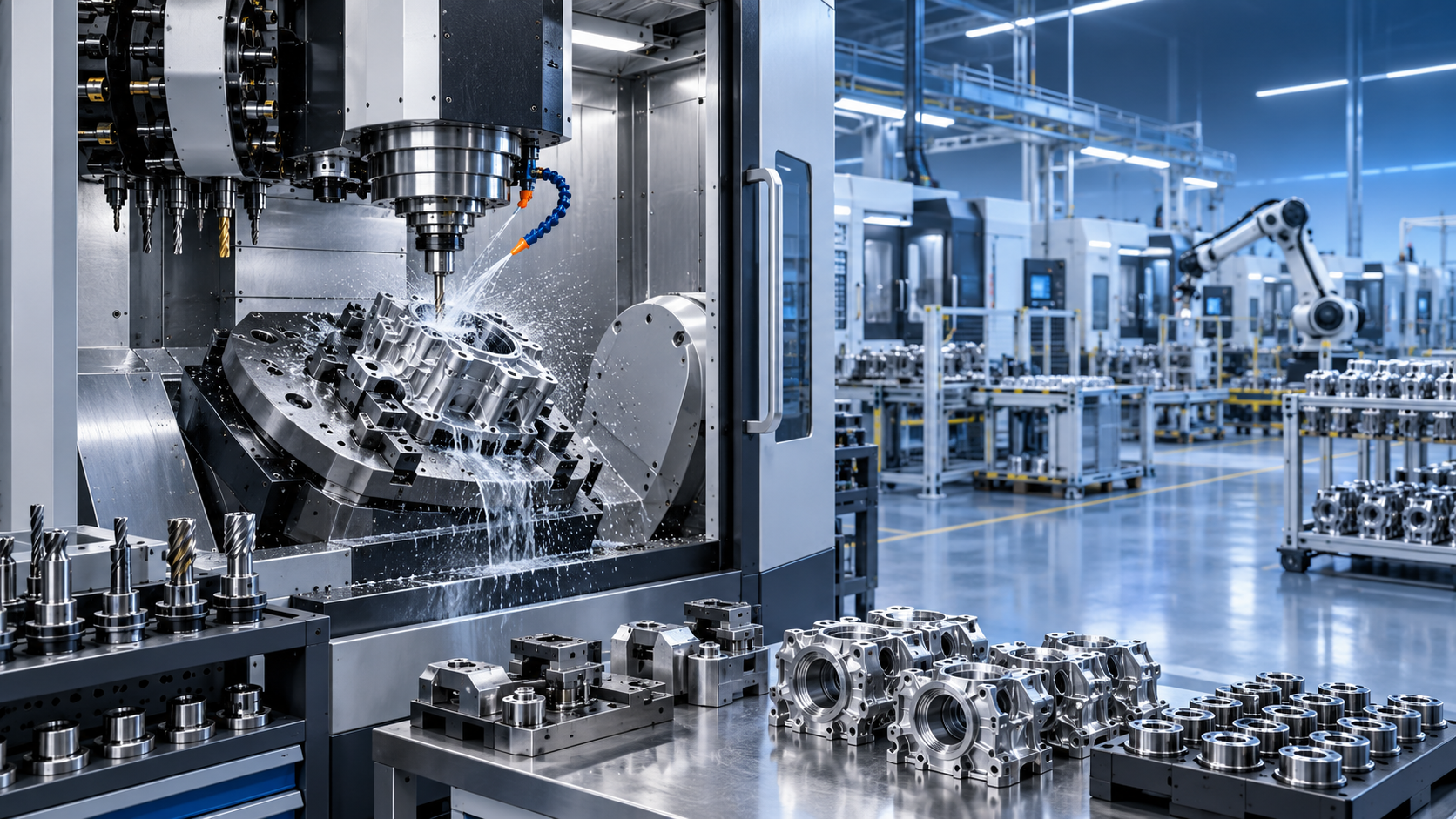
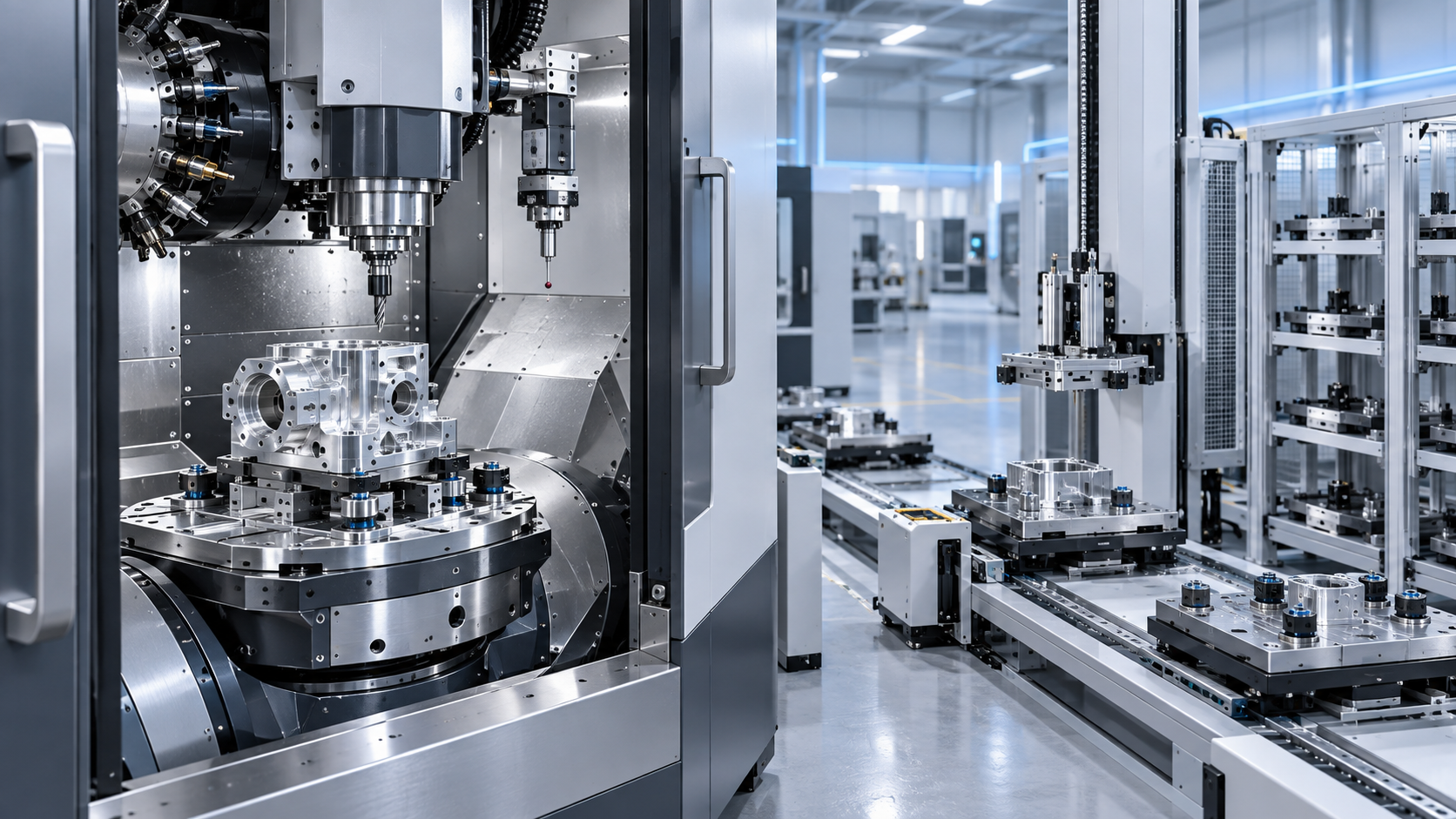
Parts with complex but measurable features are also a good fit. Multi-axis CNC equipment can machine angled surfaces, pockets, contours, and intricate profiles that would be labor-intensive or inconsistent with manual machining approaches.
Custom parts used in testing, automation systems, or specialty equipment are especially well aligned with CNC production. These applications often need small batches, drawing revisions, or non-standard geometries that do not justify dedicated mass-production tooling.
In contrast, very simple sheet-based parts may be better produced by laser cutting and forming, while extremely high-volume plastic components are often more economical in injection molding once the design is stable.
How to Judge Whether CNC Manufacturing Is Cost-Effective
One common misconception is that CNC manufacturing is expensive in all cases. In reality, its cost-effectiveness depends on volume, geometry, tolerance requirements, material choice, and the cost of alternative processes.
For low-volume custom parts, CNC is often cost-effective because there is little or no hard tooling investment. You pay mainly for programming, machine time, tooling wear, setup, raw material, and inspection rather than for dedicated molds or dies.
That makes CNC attractive for prototypes and specialized orders. If you only need ten, fifty, or a few hundred units, the total project cost may be lower than tooling-based methods even if the per-part machining cost appears higher.
However, once volumes rise significantly, other processes may become more competitive. Injection molding, die casting, stamping, or forging may reduce unit cost at scale if the part geometry and material requirements allow them.
The correct comparison is not just piece price. Buyers should compare total landed cost, lead time, change flexibility, scrap risk, secondary finishing needs, and the financial impact of dimensional failures or delayed revisions.
What Buyers and Engineers Should Confirm Before Choosing CNC
To decide whether CNC manufacturing fits a custom part, start with the drawing. The most important questions are whether the tolerances are realistic, which dimensions are truly critical, and whether the geometry matches common machining practices.
Material selection comes next. Different metals and plastics affect machinability, surface finish, strength, corrosion resistance, and cost. A supplier may recommend an equivalent grade that improves manufacturability without compromising performance.
It is also important to define quantity and lifecycle expectations. A one-time prototype, a recurring spare part, and a six-month bridge production order may all use CNC machining, but the sourcing strategy and pricing logic will differ.
Surface treatment and post-processing should be clarified early. Anodizing, plating, heat treatment, passivation, grinding, bead blasting, marking, or assembly steps can influence lead time, tolerance stack-up, and final inspection requirements.
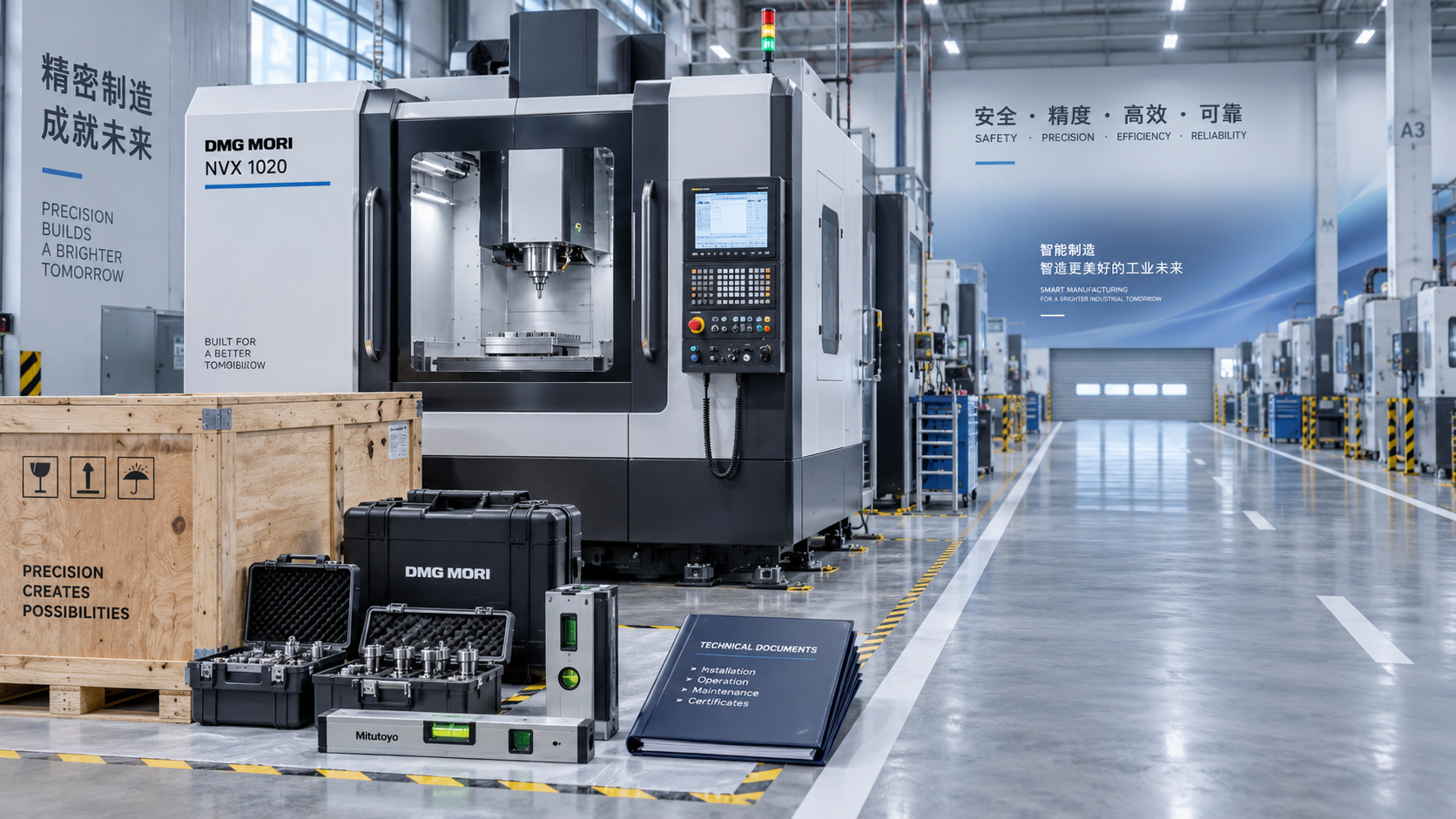
Finally, buyers should confirm quality documentation needs in advance. First article inspection, material certificates, dimensional reports, process traceability, and packaging standards are often as important as machining capability for industrial procurement.
Common Concerns About CNC Manufacturing and How to Think About Them
One concern is lead time. CNC production can be fast, but speed depends on material availability, programming complexity, machine loading, and finishing requirements. A simple aluminum bracket and a five-axis titanium component are very different cases.
Another concern is design complexity. While CNC can produce complex features, not every shape is equally efficient to machine. Deep cavities, thin walls, difficult undercuts, and tight internal corners can increase cost or require design adjustments.
Buyers also worry about consistency across batches or suppliers. This is a valid concern, which is why capability review matters. Process control, tool management, inspection systems, and operator discipline strongly influence repeatability.
There is also the issue of minimum order quantity. Compared with molding or casting, CNC suppliers are usually more flexible on low order quantities, but very small batches may still carry setup costs that affect unit pricing.
The most practical response to these concerns is early technical communication. Sharing drawings, tolerances, material requirements, end-use conditions, and annual demand estimates helps a supplier identify risks before production begins.
CNC Manufacturing vs. Other Custom Part Processes
For information researchers, CNC manufacturing is easier to evaluate when compared directly with alternatives. Compared with 3D printing, CNC usually offers better material strength, tighter tolerances, and more predictable surfaces for end-use parts.
Compared with sheet metal fabrication, CNC is better for solid components with three-dimensional features, precision bores, or machined interfaces. Fabrication may still be better for enclosures or brackets made from bent sheet.
Compared with casting, CNC offers greater accuracy and faster design iteration, especially in smaller volumes. Casting becomes more attractive when the part is large, shape complexity favors near-net formation, and production volume supports tooling investment.
Compared with injection molding, CNC has much lower startup cost and far more flexibility for engineering changes. Injection molding usually wins only when plastic part volumes are high enough to justify mold cost and stable product demand.
In practice, CNC manufacturing often serves as the bridge between concept and scale. It helps teams validate part design, support early production, and supply custom or specialized components even when other processes are used later.
How to Make a Better CNC Sourcing Decision
If you are evaluating CNC manufacturing for custom parts, begin with the end-use requirement rather than the process itself. Ask what the part must do, what dimensions are truly functional, and what risks matter if the part varies.
Then assess whether CNC’s core strengths align with those needs: precision, repeatability, material flexibility, and moderate production agility. If those strengths directly reduce technical or supply risk, CNC is likely a rational choice.
Next, request feedback from suppliers on design for manufacturability. A capable machining partner can often suggest tolerance rationalization, feature simplification, alternative materials, or batch planning that lowers cost without reducing performance.
It is also wise to compare more than one production scenario. For example, CNC may be ideal for prototype and bridge quantities, while another process becomes more economical later. Good sourcing decisions often involve phased manufacturing strategies.
Most importantly, treat CNC manufacturing as a decision about fit, not just capability. The fact that a part can be machined does not automatically mean it should be. The right question is whether machining is the best match for function, volume, timeline, and cost.
Conclusion
CNC manufacturing is one of the most important methods for producing custom parts because it offers a rare combination of accuracy, repeatability, material versatility, and responsiveness to design changes. It is especially valuable when part quality directly affects performance or assembly.
For buyers, engineers, and sourcing teams, the right choice depends on application needs rather than process popularity. If your custom part requires production-grade materials, controlled tolerances, and flexible quantities, CNC manufacturing is often the strongest option.
When evaluated carefully against volume, geometry, material, and quality requirements, CNC machining becomes more than a technical process. It becomes a practical manufacturing strategy for reducing risk and improving confidence in custom part production.
Recommended for You
 Is Learning CNC Programming Worth It for Shop Owners Seeking Higher Margins?CNC Machining Technology Center
 CNC Machine Arrival Inspection: Check Shipping Damage, Accuracy, Safety, and DocumentsCNC Machining Technology Center
 How to Select a Machine Tool for Aerospace Parts with Tight Tolerances?Machine Tool Industry Editorial Team
 How to Select CNC Equipment for High-Mix, Low-Volume ProductionCNC Machining Technology Center
 Can CNC Machining Inconel Control Tool Wear in High-Temperature Aerospace Parts?CNC Machining Technology Center
 Machine Tool Market Outlook: Demand Drivers, Capacity Shifts, and Investment RisksManufacturing Market Research Center

Aris Katos
Future of Carbide Coatings
15+ years in precision manufacturing systems. Specialized in high-speed milling and aerospace grade alloy processing.
▶
Is Learning CNC Programming Worth It for Shop Owners Seeking Higher Margins?CNC Machining Technology Center▶
How to Select CNC Equipment for High-Mix, Low-Volume ProductionCNC Machining Technology Center▶
Can CNC Machining Inconel Control Tool Wear in High-Temperature Aerospace Parts?CNC Machining Technology Center▶
How Automated Precision Machining Maintains Tolerance in High-Mix ProductionCNC Machining Technology Center▶
CNC Programming Explained: From CAD Models to Reliable Shop-Floor ToolpathsCNC Machining Technology Center
Mastering 5-Axis Workholding Strategies
Join our technical panel on Nov 15th to learn about reducing vibrations in thin-wall components.

Providing you with integrated sanding solutions
Before-sales and after-sales services
Comprehensive technical support