• Global CNC market projected to reach $128B by 2028 • New EU trade regulations for precision tooling components • Aerospace deman
NYSE: CNC +1.2%LME: STEEL -0.4%

How to Compare Machine Tool Suppliers Beyond Price
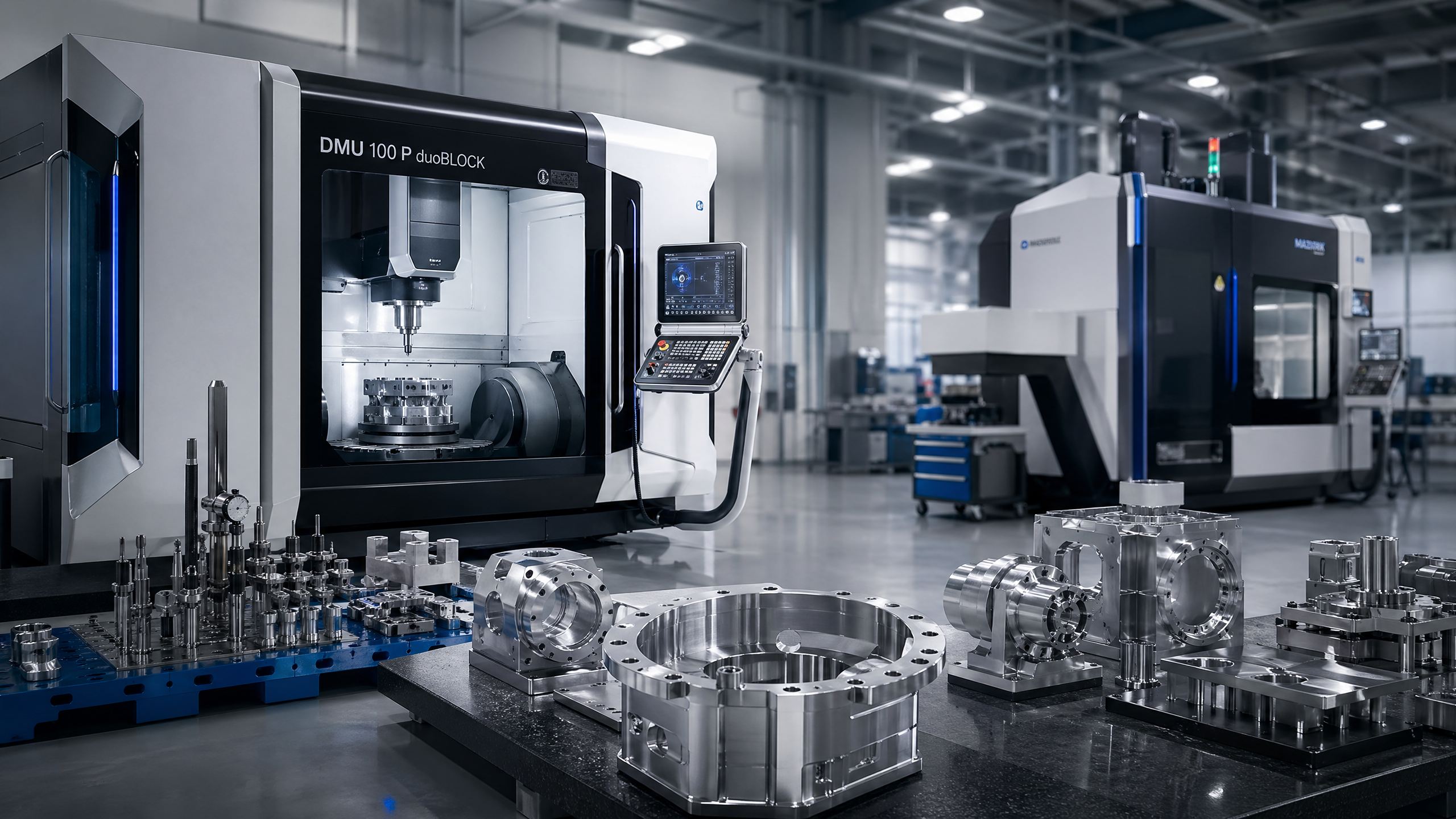
Choosing a CNC manufacturing supplier or machine tool supplier based only on machine tool price can increase long-term costs, downtime, and quality risks. Whether you need high precision CNC manufacturing, a multi-axis machine tool, or a CNC machine tool manufacturer for aerospace, automotive, electronics, or energy equipment, the right comparison should include technical capability, delivery stability, service response, and smart factory integration. This guide shows how to evaluate suppliers beyond price for better performance and lasting value.
For researchers, operators, buyers, and business evaluators, the challenge is not simply finding a lower quote. It is finding a supplier that can keep tolerance stable, deliver on time, support installation, and reduce lifecycle risk over 3 to 7 years of operation. In CNC machining and precision manufacturing, a machine that appears 8% cheaper upfront can create 15% to 30% higher ownership cost if maintenance delays, poor spindle reliability, or weak process support affect output.
That is why supplier comparison should be structured. Instead of focusing on unit price alone, decision-makers should review machining capability, automation compatibility, after-sales response, spare parts access, and production consistency. In global sourcing markets such as China, Germany, Japan, and South Korea, these factors often determine whether the machine tool investment supports stable throughput or becomes an operational bottleneck.
Price Is Only One Part of Total Cost
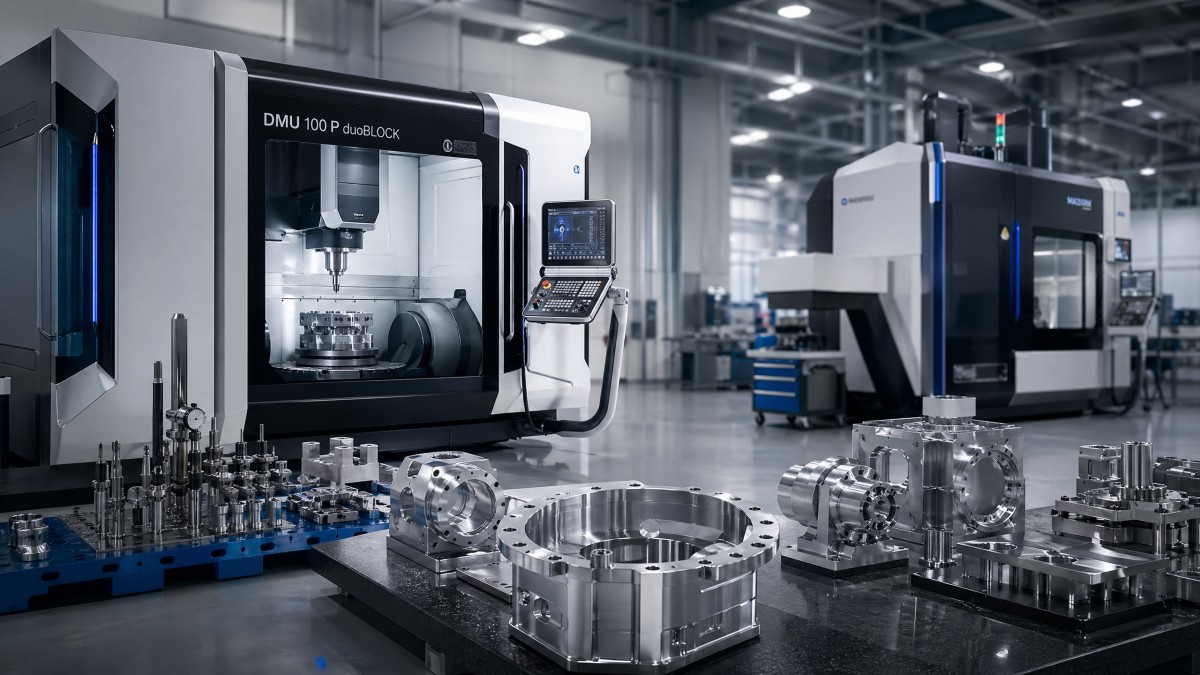
A CNC machine tool quote usually covers the base machine, standard controller, and basic commissioning scope. However, real manufacturing cost also includes tooling compatibility, preventive maintenance frequency, training time, unplanned stoppage, and process optimization support. For a machining center or CNC lathe used in two-shift production, even 6 hours of monthly downtime can erase the savings from a lower purchase price within the first 12 to 18 months.
Buyers in aerospace, automotive, and electronics manufacturing often compare suppliers on capital expenditure first. That is understandable, but a lower machine tool price does not always mean better value. If the spindle warm-up cycle is longer, the repeatability drifts under heavy load, or local service is unavailable for 5 to 10 working days, production planning becomes harder and scrap rates may rise.
A better method is to calculate total cost of ownership over 36 to 60 months. This should include installation, acceptance, operator training, software licensing if required, annual spare parts budget, and expected maintenance intervals. In precision manufacturing, a machine with stronger stability may lower fixture rework, reduce first-article adjustment time, and protect delivery performance for customer orders.
What should be included in a real supplier comparison
A practical supplier review should go beyond the quotation sheet and look at production impact. The following cost factors are usually measurable within the first year of operation:
- Machine uptime target, such as 92% to 98% under standard production load
- Preventive maintenance interval, often every 500 to 2,000 operating hours depending on subsystem
- Spare parts lead time, ideally 24 to 72 hours for critical electrical or motion components
- Application engineering support during process launch, especially for multi-axis machining
- Training duration for operators and maintenance staff, commonly 1 to 5 days
The table below shows why price should be separated from overall lifecycle performance when comparing a CNC machine tool supplier.
The key takeaway is simple: the lower quote often excludes hidden costs that appear after delivery. For serious procurement, value should be measured by output quality, serviceability, and production continuity rather than sticker price alone.
Evaluate Technical Capability for Your Real Production Scenario
A machine tool supplier may look strong on paper, but the real test is whether the equipment matches your component geometry, material range, batch size, and automation goals. A supplier that performs well for standard steel shafts may not be the right choice for aluminum housings, thin-wall aerospace parts, or high-mix low-volume electronics components. Technical fit should be evaluated at process level, not just product catalog level.
For users and operators, machine rigidity, thermal stability, controller usability, and chip evacuation matter every day. For procurement teams, standardization of parts, controller brand familiarity, and tooling ecosystem may be just as important. In many plants, a machine that reduces setup time by 20 to 40 minutes per batch has a stronger business case than one with a lower purchase price but longer adjustment cycles.
Ask suppliers to show evidence of application fit. This can include sample part ranges, tolerance capability by process type, spindle and axis configuration, material removal expectations, and automation interface options. If your project involves lights-out production or robot loading, compatibility with probes, tool life monitoring, and data interfaces should be reviewed before contract signing.
Core technical checkpoints
The following checkpoints help separate generic suppliers from suppliers that understand precision manufacturing requirements.
- Verify achievable tolerance range for your part family, such as ±0.01 mm, ±0.005 mm, or better where required.
- Review spindle speed, torque band, and feed rate suitability for the materials you process most often.
- Confirm axis travel, table load, tool magazine capacity, and fixture envelope for present and future products.
- Check controller openness for MES, ERP, robot, or smart factory connection if digital integration is planned within 12 to 24 months.
- Assess repeatability over batch production, not only a single demo part.
Typical fit criteria by application
Different industries prioritize different machine characteristics. A business evaluating a CNC machine tool manufacturer should align technical requirements with actual production outcomes, not broad marketing claims.
This comparison shows that the best supplier depends on application detail. A strong evaluation process should always connect machine capability to part type, output target, and future expansion needs.
Check Delivery Reliability, Project Management, and Service Depth
In global CNC equipment procurement, delivery performance often matters as much as machine performance. A technically capable supplier can still create serious production problems if lead times are unstable, export documentation is incomplete, or installation resources are delayed. For factories with launch deadlines, a 2-week delay in machine arrival can turn into 4 to 6 weeks of production disruption once foundation work, acceptance, and programming dependencies are considered.
Procurement teams should ask for a delivery roadmap rather than just a promised shipment date. That roadmap should cover design freeze, manufacturing, inspection, packaging, transport, customs, installation, trial cutting, and final acceptance. When a supplier can clearly define each stage, risk becomes easier to manage and internal planning becomes more accurate.
Service depth is equally important. Some suppliers offer only warranty replacement, while others provide process support, remote diagnostics, preventive maintenance plans, and operator retraining. For multi-axis machine tools or integrated automated production lines, after-sales capability can significantly affect ramp-up speed during the first 30 to 90 days.
Questions that reveal supplier reliability
- What is the standard lead time range for this machine category, such as 8 to 16 weeks or 12 to 24 weeks?
- Which components are sourced externally, and which of those have the longest replacement cycle?
- Is remote fault diagnosis available within 4 to 24 hours?
- Can the supplier provide local or regional service support for installation and urgent breakdowns?
- What are the acceptance criteria for accuracy, cycle validation, and operator handover?
The following table can help buyers compare supplier execution capability in a more structured way.
A supplier with clearer project control usually reduces commissioning friction, especially when machine tools are part of a larger automated cell or smart factory upgrade. Reliability is not a slogan; it is visible in planning detail, response speed, and support readiness.
Assess Digital Integration and Smart Factory Readiness
Machine tool buying decisions increasingly affect digital manufacturing strategy. Even if your current requirement is a single machining center or CNC lathe, the equipment may later need to connect with robots, tool monitoring systems, MES platforms, or centralized production dashboards. A supplier that cannot support data integration may force expensive retrofits 12 to 36 months later.
For business evaluators, smart factory readiness is not only about advanced marketing language. It is about practical interfaces, alarm visibility, production data collection, and interoperability with existing systems. In flexible manufacturing, the ability to track machine status, tool wear, and part count in near real time can improve scheduling and reduce idle capacity.
Operators also benefit. Better HMI design, alarm logs, digital manuals, and remote support tools can reduce troubleshooting time. In some plants, a connected machine environment cuts diagnosis time from several hours to less than 30 minutes when issues are traceable through controller logs and service guidance.
Digital capability checklist
When comparing machine tool suppliers, check whether the equipment supports present operations and future integration in at least 4 areas:
- Controller communication protocols for data export and external monitoring
- I/O capacity and interface preparation for robot loading, probing, and peripheral automation
- Maintenance diagnostics, including alarm history, predictive indicators, or remote access options
- Software and documentation support for training, parameter backup, and process repeatability
Common evaluation mistake
One of the most common mistakes is buying a machine purely for current part demand without considering expansion. A plant may begin with 1 machine and add 3 to 5 more units within 2 years. If the first supplier does not offer consistent control architecture, spare parts commonality, or connection logic, scaling becomes slower and more expensive. In that situation, the lowest initial machine tool price can become a barrier to standardization.
A stronger supplier comparison therefore includes questions about software updates, remote support tools, controller family continuity, and integration support scope. This is especially relevant in automotive, electronics, and energy equipment production where traceability and automated workflow are expanding quickly.
Build a Practical Supplier Scorecard for Procurement Decisions
A supplier scorecard helps teams avoid subjective decisions and compare offers on a weighted basis. This is useful when researchers focus on information depth, operators focus on usability, buyers focus on budget, and management focuses on payback and supply stability. A balanced framework usually includes 5 to 7 scoring categories, with each category weighted according to your production priorities.
For example, a plant producing precision structural parts may assign 30% to technical fit, 20% to delivery and project management, 20% to after-sales support, 15% to automation and digital readiness, and 15% to commercial terms. A job shop handling varied batches may place more weight on flexibility, training, and setup efficiency.
The most effective scorecards are evidence-based. Instead of writing “good service” or “high quality,” specify measurable criteria such as response within 24 hours, documented acceptance process, tolerance capability, training scope, or spare parts lead time. This makes internal approval easier and reduces sourcing disputes later.
Sample scorecard structure
The table below provides a simple framework that procurement teams can adapt for CNC machine tool evaluation.
This kind of scorecard keeps procurement disciplined. It also helps cross-functional teams align on what matters most before negotiating final terms with a machine tool supplier.
FAQ for buyers and evaluators
How many suppliers should you compare?
In most industrial sourcing projects, 3 to 5 qualified suppliers is enough. Fewer than 3 may limit benchmark quality, while more than 5 often slows evaluation without improving decision accuracy.
What is a reasonable service response expectation?
For production-critical equipment, remote technical response within 24 hours is a practical baseline. If onsite support is required, the target depends on region, but buyers should ask for a defined escalation path and parts dispatch timeline.
Should a cheaper supplier always be rejected?
No. A lower-price supplier can still be competitive if technical fit, service depth, and delivery control are proven. The problem is not low price itself; the problem is choosing based on price without validating performance risk.
Comparing machine tool suppliers beyond price leads to better sourcing decisions, especially in CNC machining, precision manufacturing, and automated production environments where output stability matters more than a short-term discount. The strongest suppliers are the ones that combine process capability, realistic lead times, dependable support, and readiness for digital manufacturing growth.
If you are evaluating a CNC machine tool manufacturer, a multi-axis machine tool supplier, or a partner for smart factory expansion, build your comparison around measurable criteria and lifecycle value. To discuss your application, get a tailored supplier evaluation framework, or review suitable machine configurations for your production goals, contact us today and explore more precision manufacturing solutions.
PREVIOUS ARTICLE
NEXT ARTICLE
Recommended for You
![]() Zhongshan Xiaolan Machinery Exhibition Opens With Global Product DebutsMachine Tool Industry Editorial Team
 Automated Production Machining: Which Parts and Batch Sizes Are a Good Fit?Machine Tool Industry Editorial Team
![]() FANUC Links FIELD System Data with Copilot to Advance Shop-Floor Data UseCNC Machining Technology Center
 Smart Manufacturing for Aerospace: Building Traceability Across CNC OperationsCNC Machining Technology Center
![]() Mitsubishi Electric Announces Physical AI System Linking Humanoid Robots and CNC MachinesMachine Tool Industry Editorial Team
 Precision Machining for Defense: Supplier Quality and Traceability ChecksManufacturing Market Research Center


Aris Katos
Future of Carbide Coatings
15+ years in precision manufacturing systems. Specialized in high-speed milling and aerospace grade alloy processing.
▶
What proves a precision tool factory in China can hold tolerances?Global Machine Tool Trade Research Center▶
How to Evaluate a Machine Tool Factory Before Sourcing CNC EquipmentGlobal Machine Tool Trade Research Center▶
How to Evaluate a CNC Machine Tool Manufacturer for Precision and Service SupportGlobal Machine Tool Trade Research Center▶
What Affects Cost-Effective CNC Manufacturing? Key Drivers Behind Part Price and Lead TimeGlobal Machine Tool Trade Research Center▶
How to Evaluate a CNC Tooling System Supplier in Germany for Quality, Lead Time, and CostGlobal Machine Tool Trade Research Center
▶
Mastering 5-Axis Workholding Strategies
Join our technical panel on Nov 15th to learn about reducing vibrations in thin-wall components.

Providing you with integrated sanding solutions
Before-sales and after-sales services
Comprehensive technical support