• Global CNC market projected to reach $128B by 2028 • New EU trade regulations for precision tooling components • Aerospace deman
NYSE: CNC +1.2%LME: STEEL -0.4%

Is Learning CNC Programming Worth It for Shop Owners Seeking Higher Margins?
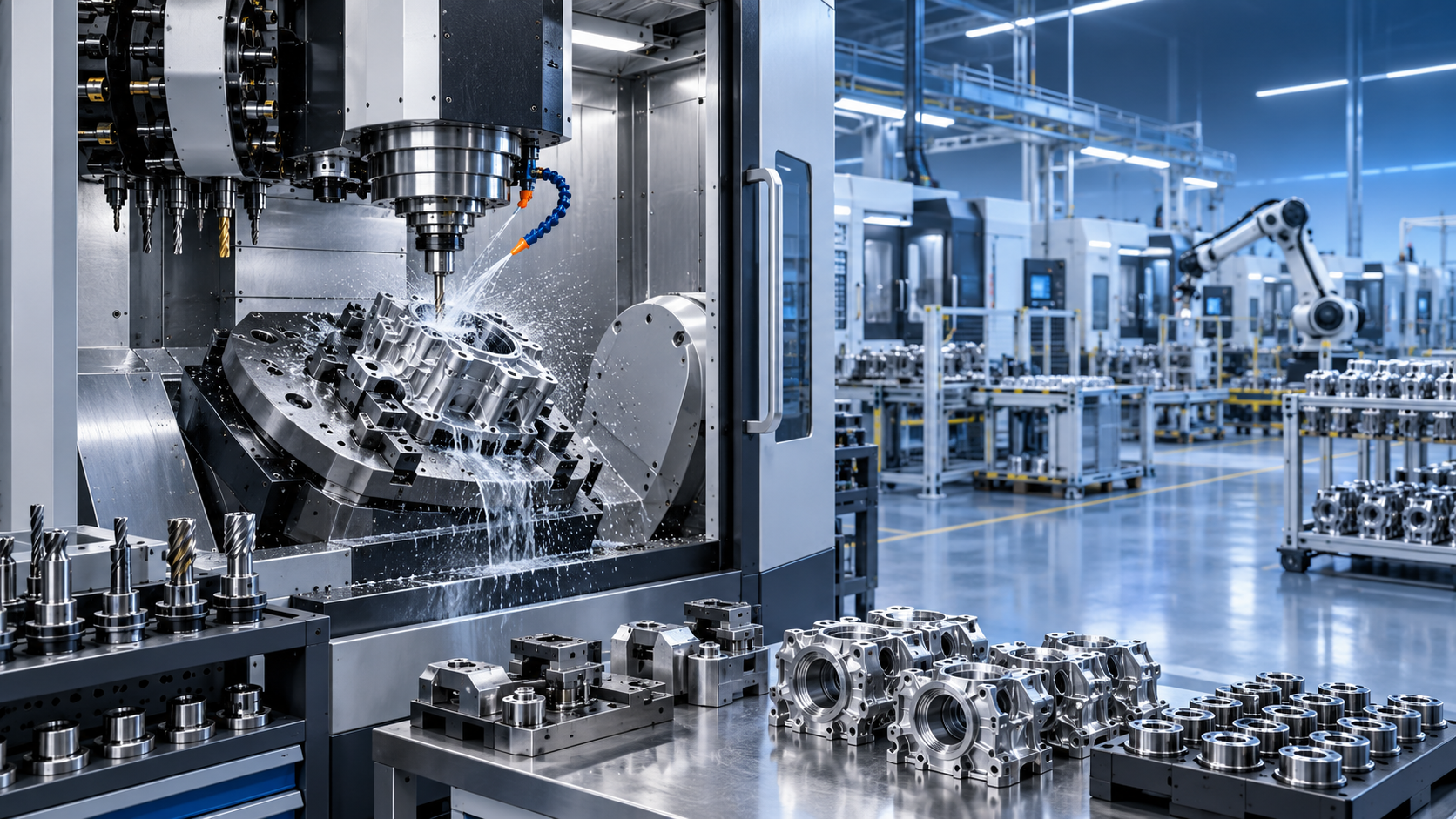
Is Learning CNC Programming Worth It for Shop Owners Seeking Higher Margins?
For manufacturers trying to protect margins, shorten lead times, and quote work with more confidence, the question is learning CNC programming worth it for shop owners is no longer just a training question. It is a business-control question.
A shop owner does not need to become the fastest programmer on the floor or replace an experienced CAM specialist. But having a working grasp of G-code, CAM strategy, tooling logic, work offsets, and cycle-time drivers can change how the business buys equipment, prices parts, responds to problems, and manages people. In many shops, margin does not disappear because the machine was too expensive. It disappears in the less visible places: an underestimated setup, an overly cautious toolpath, repeated proving-out, a fixture that was never challenged, or a job accepted without recognizing its programming burden.
That said, programming knowledge is not automatically a good investment for every owner. A high-mix prototype shop, a production lathe operation, and a multi-axis aerospace supplier face very different decisions. The useful question is not whether CNC programming is valuable in principle. It is whether the owner’s time spent learning it will improve decisions enough to justify the opportunity cost.
The real margin problem is usually upstream of the spindle
When a job runs badly, it is tempting to focus on feed rates or machine utilization. Those matter, but they are often downstream symptoms. A program may be slow because the original quote assumed an unrealistically simple setup. A tool may break because the fixture leaves poor support around a thin-wall feature. An operator may add manual intervention because the program does not account for burr control, chip evacuation, or variation in incoming material.
Owners who understand the programming process can see these issues before the purchase order is accepted. They are better able to ask useful questions during quoting: How many operations are genuinely required? Can the part be turned complete in one clamping? Does the tolerance callout require probing, in-process measurement, or a different finishing strategy? Is a complex 3D surface actually a five-axis requirement, or can it be machined economically with a well-planned three-axis setup and a fixture?
This matters across automotive, energy equipment, electronics, and general industrial work. A precision disc, shaft, manifold, enclosure, or structural component can look straightforward on a drawing while carrying hidden programming and workholding costs. Shop owners who only see the final cycle time may underestimate the engineering effort needed to reach a stable process.
What an owner should learn—and what can remain delegated
There is a large gap between being CNC-literate and becoming a full-time programmer. For most owners, the first goal should be literacy strong enough to challenge assumptions and recognize risk. That normally includes reading a basic program, understanding coordinate systems and offsets, recognizing common canned cycles, following tool lists, and knowing why certain tools, holders, or machining sequences were selected.
CAM knowledge is equally useful, particularly for shops considering new machining centers, mill-turn machines, or multi-axis systems. An owner should understand the difference between a toolpath that looks impressive in simulation and one that is practical on the shop floor. Simulation may verify collisions within the digital model, but it cannot automatically solve poor clamping, inconsistent stock, inaccessible probing, or the need for an operator to remove chips from a deep pocket.
The owner does not necessarily need advanced expertise in simultaneous five-axis finishing, post-processor editing, macro programming, or complex automated pallet scheduling. Those skills can remain with capable programmers, applications engineers, or specialist partners. However, delegating technical work is very different from delegating technical judgment. The owner should still be able to assess whether a proposed process fits the shop’s equipment, workforce, delivery commitments, and target profit.
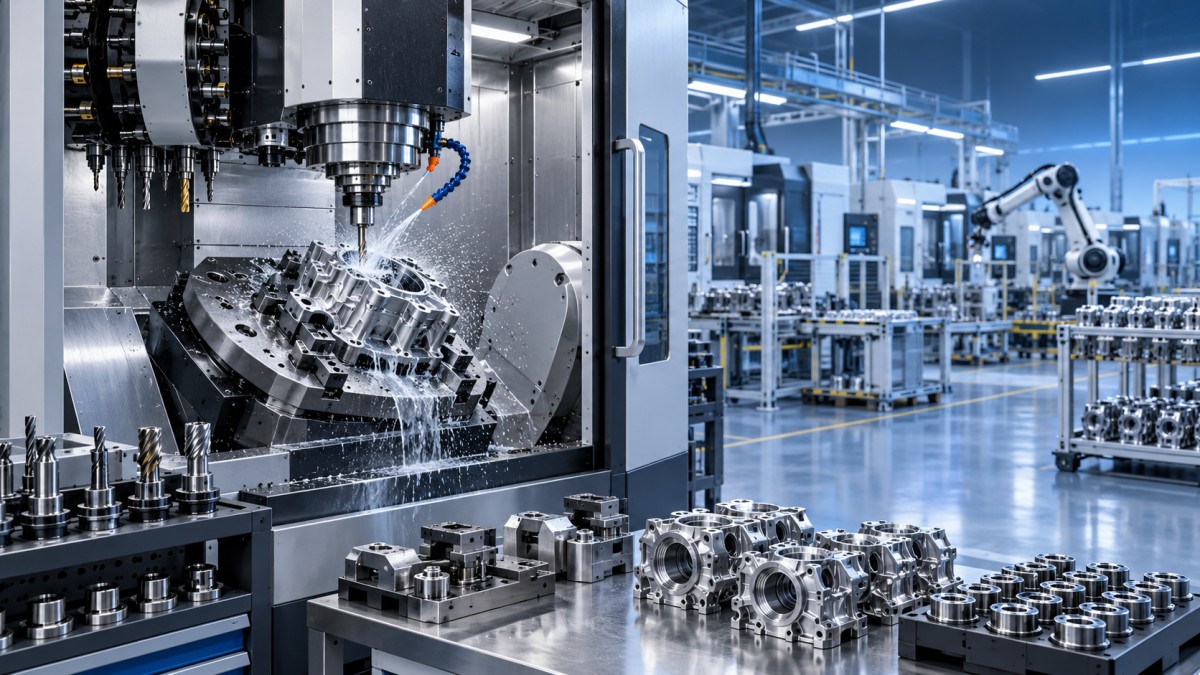
Where programming knowledge produces the clearest financial return
The return is rarely a single dramatic saving. More often, it comes from a series of better calls made throughout the month. One avoided underquoted job, one reduced setup, or one decision not to buy an unsuitable machine can outweigh a considerable amount of training time.
Consider a common situation in a job shop: a customer sends a low-volume part with several machined faces, threaded holes, tight positional requirements, and a delivery request that leaves little room for trial and error. An owner with programming awareness will not only ask for material cost and machine time. They will ask how the datum structure flows through the operations, whether the fixture can repeat the datum after a second clamping, which features need inspection before the part moves, and whether the chosen machine can hold the tools required without excessive manual changes.
Those questions protect margin because they reveal the real cost of making the part reliably, not merely once.
CNC programming is especially valuable when the shop is buying technology
Equipment purchasing is where limited programming knowledge can become expensive. CNC machine tools are increasingly sold with compelling combinations of automation, digital connectivity, probing, high-speed options, tool monitoring, and multi-axis capability. These features can be productive, but only when they solve a recurring production constraint.
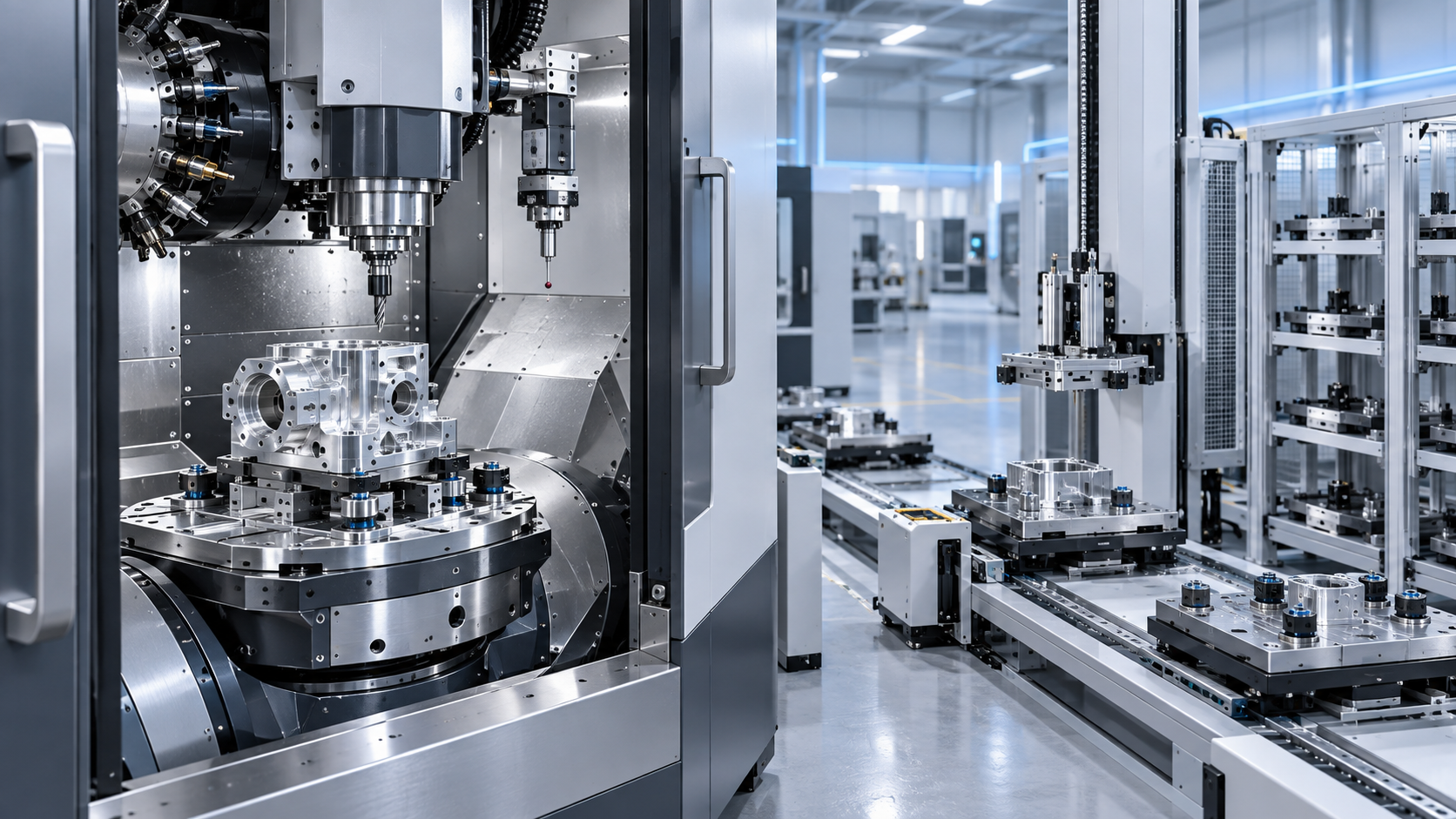
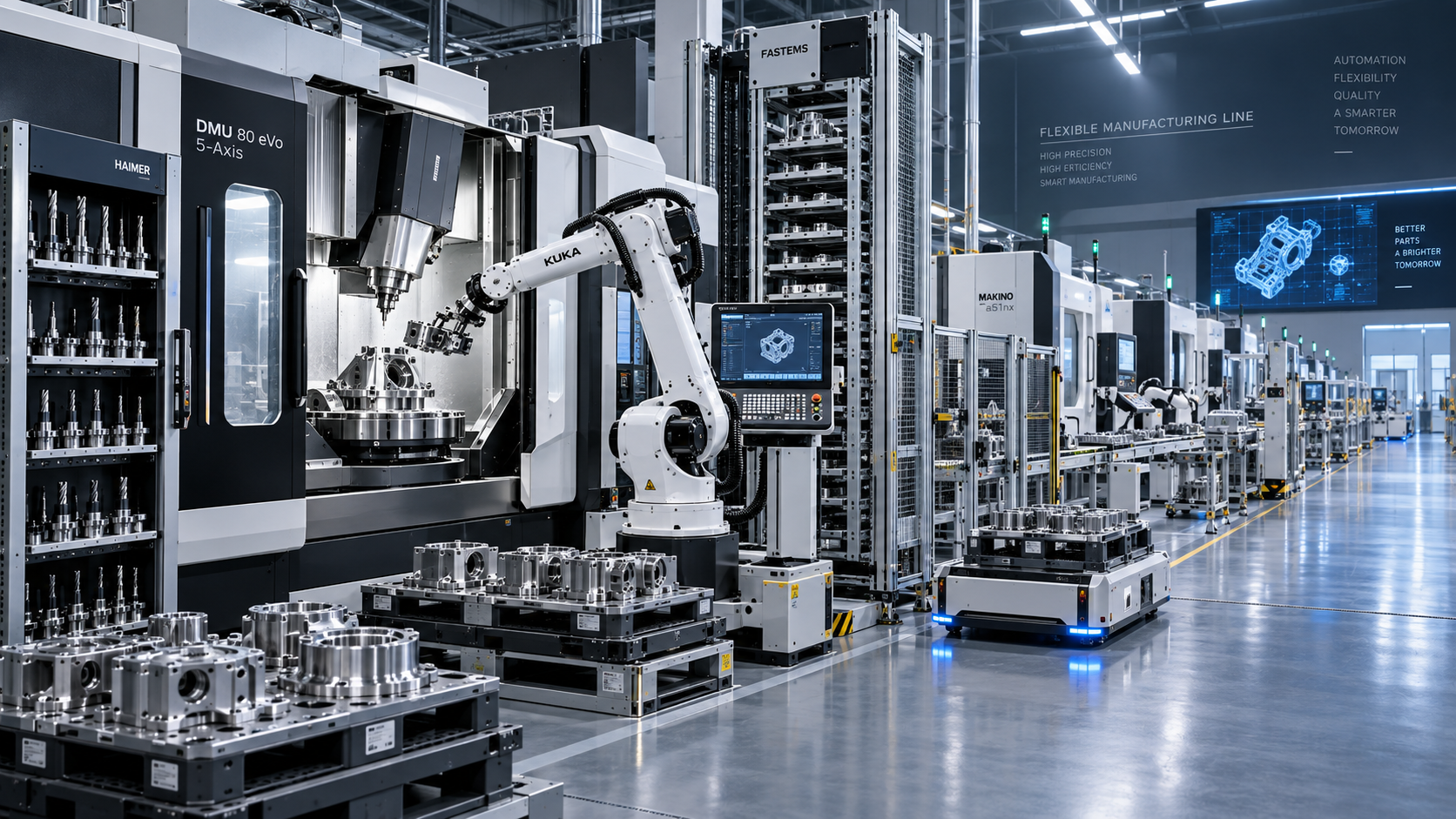
For example, a fourth or fifth axis may reduce setups and improve feature access. It may also introduce new demands for workholding, collision control, post-processing, operator training, and programming verification. A pallet system can extend unattended running, yet it will not fix a process that requires frequent tool adjustments or inconsistent incoming blanks. A robot tending a machine can be sensible for stable part families, but it adds little value when every batch requires a different fixture and lengthy manual setup.
Shop owners do not need to reject advanced equipment. The global machine tool market is moving toward greater precision, automation, and digital integration for good reasons. Manufacturers in established clusters across China, Germany, Japan, South Korea, and other production regions continue to develop capable platforms for turning, milling, multi-axis machining, and flexible automation. But the buying decision should begin with the part mix and process flow, not the machine brochure.
Before approving a capital purchase, it is worth reviewing a representative group of profitable, difficult, and frequently quoted parts with the programmer and production lead. Look at the number of setups, tool changes, idle moves, inspection stops, and manual handling points. That exercise often shows whether the constraint is machine capability, programming capacity, fixture design, tooling availability, or simply weak scheduling discipline.
The uncomfortable issue: owner training has an opportunity cost
Learning CNC programming takes time, and that time has a cost. An owner who is already responsible for sales, supplier negotiations, cash flow, quality issues, and customer escalations may not be best served by spending months trying to master every CAM feature. There is a point where deeper technical learning becomes less valuable than hiring or retaining the right programming talent.
The warning sign is simple: if the owner is regularly stepping in to write production programs because no one else can, the business may have a staffing or process-documentation problem. Owner involvement is useful during early process development, difficult quoting reviews, new-machine commissioning, or root-cause investigations. It is less healthy when it becomes the only way the shop can keep spindles running.
A practical approach is to set a learning boundary. Learn enough to review process plans, understand CAM output, participate in machine demonstrations, and ask informed questions about tooling and cycle time. Then decide whether the next dollar is better spent on advanced training, a stronger programmer, a fixture specialist, a CAM support arrangement, or more disciplined setup documentation.
Do not confuse faster code with a better process
One of the more persistent mistakes in CNC operations is treating cycle time as the only metric that matters. Reducing a few seconds from a toolpath may be useful in high-volume production. In lower-volume work, reducing setup complexity or eliminating one inspection-related interruption can be worth far more. A program that is slightly slower but robust, easy to prove out, and understandable to the next operator may be the more profitable program.
This is particularly relevant where labor availability is tight. A highly optimized program that only one person can safely modify creates operational risk. Good programming practice includes clear tooling records, controlled revisions, reliable work offsets, setup sheets that match the machine reality, and an inspection plan aligned with critical features. Digital manufacturing tools can support this discipline, but they do not replace it.
Owners should also be careful with quoted cycle times from machine demonstrations or CAM simulations. They may be based on ideal stock, fresh tools, uninterrupted cutting, and an experienced applications engineer. Ask what has been included: loading, probing, tool measurement, chip clearing, part flipping, inspection, warm-up behavior, and recovery after an alarm. The answer is often more revealing than the headline cycle time.
A sensible decision rule for shop owners
Learning CNC programming is usually worth it when the owner is making recurring decisions about quotes, new machinery, automation, outsourced programming, or complex customer parts. It is also valuable in a growing shop where programming knowledge is concentrated in one employee and the owner needs enough technical visibility to manage risk.
It is less urgent when the shop has a stable, well-documented process, experienced technical leadership, narrow and predictable part families, and no immediate equipment or automation decisions. Even then, a basic working knowledge remains useful; it helps an owner recognize whether a supplier, programmer, or machine builder is discussing a genuine production constraint or merely selling capability.
The best outcome is not an owner who personally programs every CNC lathe and machining center. It is an owner who can connect programming choices to commercial consequences: what the job really costs, where quality can fail, which machine features will earn their keep, and when a seemingly attractive order should be repriced or declined. That level of understanding tends to protect margins long before the first tool enters the cut.
PREVIOUS ARTICLE
NEXT ARTICLE
Recommended for You
 Is Learning CNC Programming Worth It for Shop Owners Seeking Higher Margins?CNC Machining Technology Center
 CNC Machine Arrival Inspection: Check Shipping Damage, Accuracy, Safety, and DocumentsCNC Machining Technology Center
 How to Select a Machine Tool for Aerospace Parts with Tight Tolerances?Machine Tool Industry Editorial Team
 How to Select CNC Equipment for High-Mix, Low-Volume ProductionCNC Machining Technology Center
 Can CNC Machining Inconel Control Tool Wear in High-Temperature Aerospace Parts?CNC Machining Technology Center
 Machine Tool Market Outlook: Demand Drivers, Capacity Shifts, and Investment RisksManufacturing Market Research Center

Aris Katos
Future of Carbide Coatings
15+ years in precision manufacturing systems. Specialized in high-speed milling and aerospace grade alloy processing.
▶
Is Learning CNC Programming Worth It for Shop Owners Seeking Higher Margins?CNC Machining Technology Center▶
How to Select CNC Equipment for High-Mix, Low-Volume ProductionCNC Machining Technology Center▶
Can CNC Machining Inconel Control Tool Wear in High-Temperature Aerospace Parts?CNC Machining Technology Center▶
How Automated Precision Machining Maintains Tolerance in High-Mix ProductionCNC Machining Technology Center▶
CNC Programming Explained: From CAD Models to Reliable Shop-Floor ToolpathsCNC Machining Technology Center
Mastering 5-Axis Workholding Strategies
Join our technical panel on Nov 15th to learn about reducing vibrations in thin-wall components.

Providing you with integrated sanding solutions
Before-sales and after-sales services
Comprehensive technical support