• Global CNC market projected to reach $128B by 2028 • New EU trade regulations for precision tooling components • Aerospace deman
NYSE: CNC +1.2%LME: STEEL -0.4%

Machine Tool Wholesaler vs Direct Manufacturer: Which Buying Channel Fits Your Business?
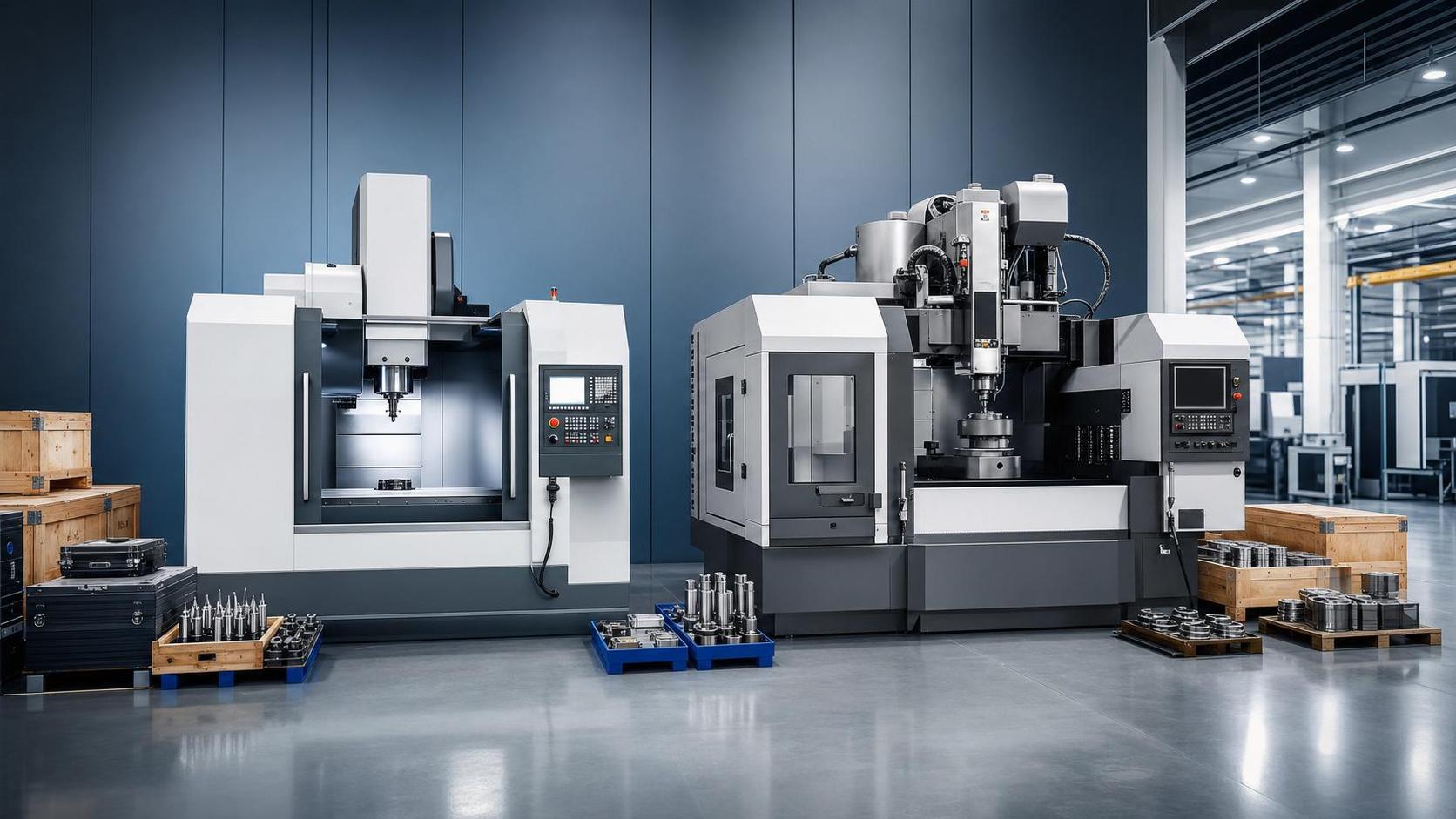
Machine Tool Wholesaler vs Direct Manufacturer: Which Buying Channel Fits Your Business?
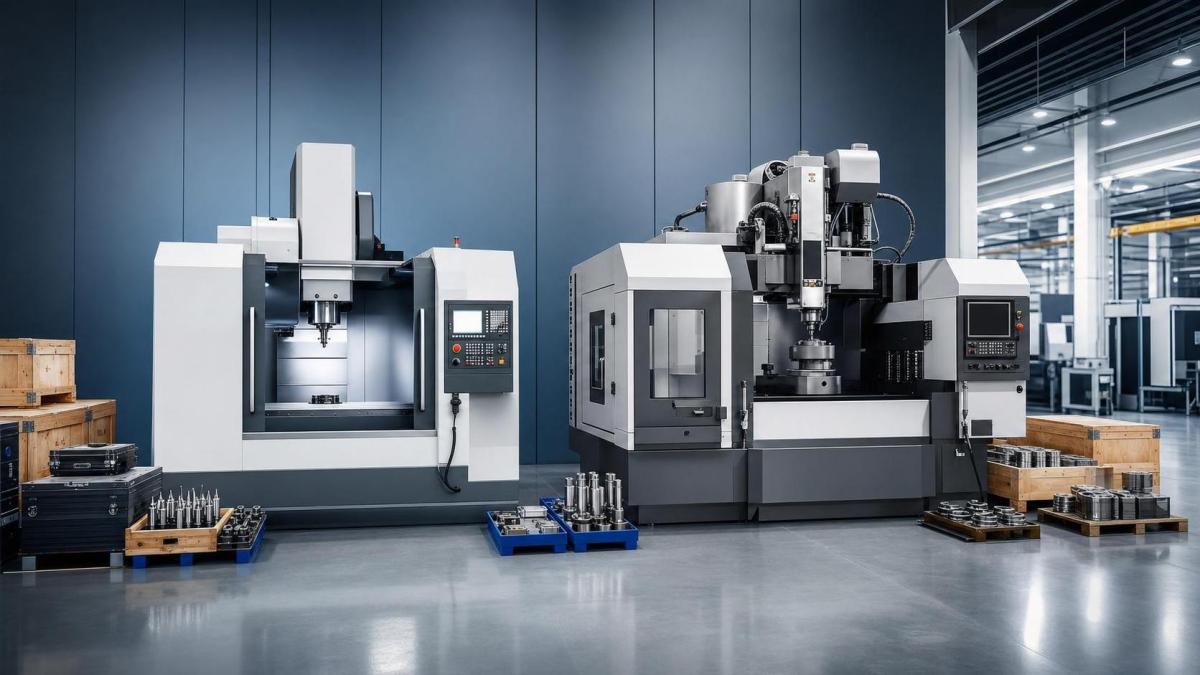
Choosing the right buying channel shapes cost, delivery speed, and project stability.
In CNC sourcing, that choice often comes down to a machine tool wholesaler or a direct manufacturer.
At first glance, both can supply similar equipment.
In practice, the differences can be substantial once pricing, service, and risk enter the conversation.
This matters even more as CNC machine tools become smarter, faster, and more integrated.
A poor channel choice can delay installation, inflate hidden costs, and complicate after-sales support.
A better choice can improve uptime, shorten procurement cycles, and protect long-term margins.
So the key question is not which channel is universally better.
The smarter question is which channel fits your actual purchasing goals.
What a machine tool wholesaler usually offers
A machine tool wholesaler acts as an intermediary between manufacturers and end buyers.
Some wholesalers represent several brands.
Others focus on one region, one product range, or one application segment.
In many cases, a machine tool wholesaler provides easier access to inventory and faster commercial response.
This is especially useful when a factory needs standard machines quickly.
For example, buyers looking for CNC lathes, vertical machining centers, or common tooling packages often benefit from local stock.
A good machine tool wholesaler may also simplify communication across time zones and languages.
That can reduce friction during quotation, document review, and delivery coordination.
Typical strengths of a wholesaler
- Faster access to ready-stock or near-stock models.
- Broader brand comparison in one buying conversation.
- Local service contacts in some export markets.
- More flexible order sizes for mixed equipment needs.
- Less pressure to commit to one factory relationship.
That said, not every machine tool wholesaler delivers the same value.
The real difference often lies in technical support depth, pricing transparency, and spare parts capability.
What buying direct from a manufacturer changes
A direct manufacturer sells equipment without an extra distribution layer.
This channel often makes sense for technical projects with unique requirements.
If your production line needs special spindle speed, automation interfaces, or custom fixturing, direct contact matters.
The manufacturer usually understands design limits, upgrade paths, and engineering trade-offs better than anyone else.
This can shorten technical clarification during pre-sales discussions.
It can also improve accuracy when defining tooling, software, and training requirements.
For larger capital purchases, buying direct may also support stronger control over specifications and documentation.
Typical strengths of direct sourcing
- Better support for custom machine configurations.
- Clearer engineering communication during project development.
- Potentially lower ex-factory pricing on large orders.
- Closer access to factory testing and quality records.
- Stronger long-term collaboration on upgrades and repeat orders.
Still, direct buying is not automatically cheaper or easier.
Longer lead times, export procedures, and limited local service can offset the apparent price advantage.
Cost comparison: headline price versus total procurement cost
Cost is usually the first issue, but it should never be the only one.
A machine tool wholesaler may quote a higher unit price than a direct manufacturer.
However, that higher price can include local warehousing, installation coordination, and faster spare parts response.
Those extras often reduce downtime costs after delivery.
Direct manufacturers may offer attractive factory pricing, especially for bulk purchases or repeat projects.
But the final landed cost can rise once freight, customs, commissioning, and training are added.
In real purchasing work, total cost of ownership gives a much clearer picture.
Check these cost items before deciding
- Base equipment price and payment terms.
- Shipping, duties, and inland transport.
- Installation, training, and test-cut support.
- Spare parts availability and service response time.
- Downtime risk during warranty claims.
- Future retrofit or automation integration costs.
This is where a reliable machine tool wholesaler can outperform a cheaper initial quote.
Lead time, flexibility, and project urgency
Lead time becomes critical when production expansion cannot wait.
In urgent cases, a machine tool wholesaler often has the advantage.
Stocked or pre-booked machines can move faster than factory-built units.
That can be valuable for replacement purchases after equipment failure.
It also helps when seasonal demand requires quick capacity additions.
Direct manufacturers usually need more time for production scheduling and testing.
Yet they offer more flexibility when the machine must match a precise process requirement.
Service quality and risk control matter more than many expect
Buying CNC equipment is not a one-time transaction.
It is an ongoing operational relationship.
That is why after-sales support should carry serious weight in channel selection.
A machine tool wholesaler with local technicians can accelerate troubleshooting and spare parts replacement.
This is especially helpful for plants without strong in-house maintenance teams.
Direct manufacturers may offer deeper technical knowledge, but response speed depends on their overseas support network.
So risk control depends on matching service depth with service access.
Ask these questions before issuing a PO
- Who handles commissioning and operator training?
- Where are critical spare parts stored?
- What is the average response time for breakdown service?
- Who approves technical modifications during warranty?
- Can the supplier support future automation upgrades?
These questions quickly reveal whether a machine tool wholesaler is truly value-added or simply reselling inventory.
When each buying channel makes the most sense
The best option depends on your sourcing scenario, not on market slogans.
A machine tool wholesaler is often the better fit when speed, standardization, and local service are priorities.
Direct manufacturers usually fit better when the project is technical, strategic, or heavily customized.
That distinction has become more relevant as smart manufacturing projects grow more complex.
Choose a machine tool wholesaler if you need
- Fast delivery for standard CNC equipment.
- A local contact for service and logistics.
- Multi-brand comparison before commitment.
- Lower coordination workload on smaller projects.
Choose a direct manufacturer if you need
- Custom specifications or process integration.
- Factory-level engineering communication.
- Better control over large long-term sourcing programs.
- Closer alignment with future expansion plans.
In some cases, a hybrid strategy works best.
You might buy standardized machines through a machine tool wholesaler and source custom production cells directly from the factory.
That approach balances speed, cost control, and technical precision.
Final takeaway for smarter sourcing
The machine tool wholesaler versus direct manufacturer debate has no one-size-fits-all answer.
The right decision depends on urgency, budget structure, technical complexity, and support expectations.
If you compare channels only by sticker price, you may miss the real procurement risk.
If you compare them by total value, the better option becomes much clearer.
Start with your production goals, service requirements, and acceptable downtime exposure.
Then evaluate whether a machine tool wholesaler or a direct manufacturer supports those priorities more effectively.
A disciplined sourcing checklist, not habit, should drive the choice.
That is usually where better ROI and fewer purchasing surprises begin.
Recommended for You
 How to Select a Slant Bed Lathe for High-Precision Shaft and Chuck WorkCNC Machining Technology Center
 Smart Manufacturing for Small Businesses: Where Automation Delivers the Fastest ROIMachine Tool Industry Editorial Team
 How to Specify a CNC Lathe for High-Volume Automotive Shaft ProductionCNC Machining Technology Center
 How Automated Precision Machining Maintains Tolerance in High-Mix ProductionCNC Machining Technology Center
 How to Evaluate a Machine Tool Factory Before Sourcing CNC EquipmentGlobal Machine Tool Trade Research Center
 CNC Programming Explained: From CAD Models to Reliable Shop-Floor ToolpathsCNC Machining Technology Center



Aris Katos
Future of Carbide Coatings
15+ years in precision manufacturing systems. Specialized in high-speed milling and aerospace grade alloy processing.
▶
How to Evaluate a Machine Tool Factory Before Sourcing CNC EquipmentGlobal Machine Tool Trade Research Center▶
How to Evaluate a CNC Machine Tool Manufacturer for Precision and Service SupportGlobal Machine Tool Trade Research Center▶
What Affects Cost-Effective CNC Manufacturing? Key Drivers Behind Part Price and Lead TimeGlobal Machine Tool Trade Research Center▶
How to Evaluate a CNC Tooling System Supplier in Germany for Quality, Lead Time, and CostGlobal Machine Tool Trade Research Center▶
How to Evaluate a CNC Tooling System Supplier in Germany for Quality, Lead Time, and SupportGlobal Machine Tool Trade Research Center
Mastering 5-Axis Workholding Strategies
Join our technical panel on Nov 15th to learn about reducing vibrations in thin-wall components.

Providing you with integrated sanding solutions
Before-sales and after-sales services
Comprehensive technical support