• Global CNC market projected to reach $128B by 2028 • New EU trade regulations for precision tooling components • Aerospace deman
NYSE: CNC +1.2%LME: STEEL -0.4%

Multi-axis Machining System Cost Breakdown: 7 Factors That Impact Total Investment
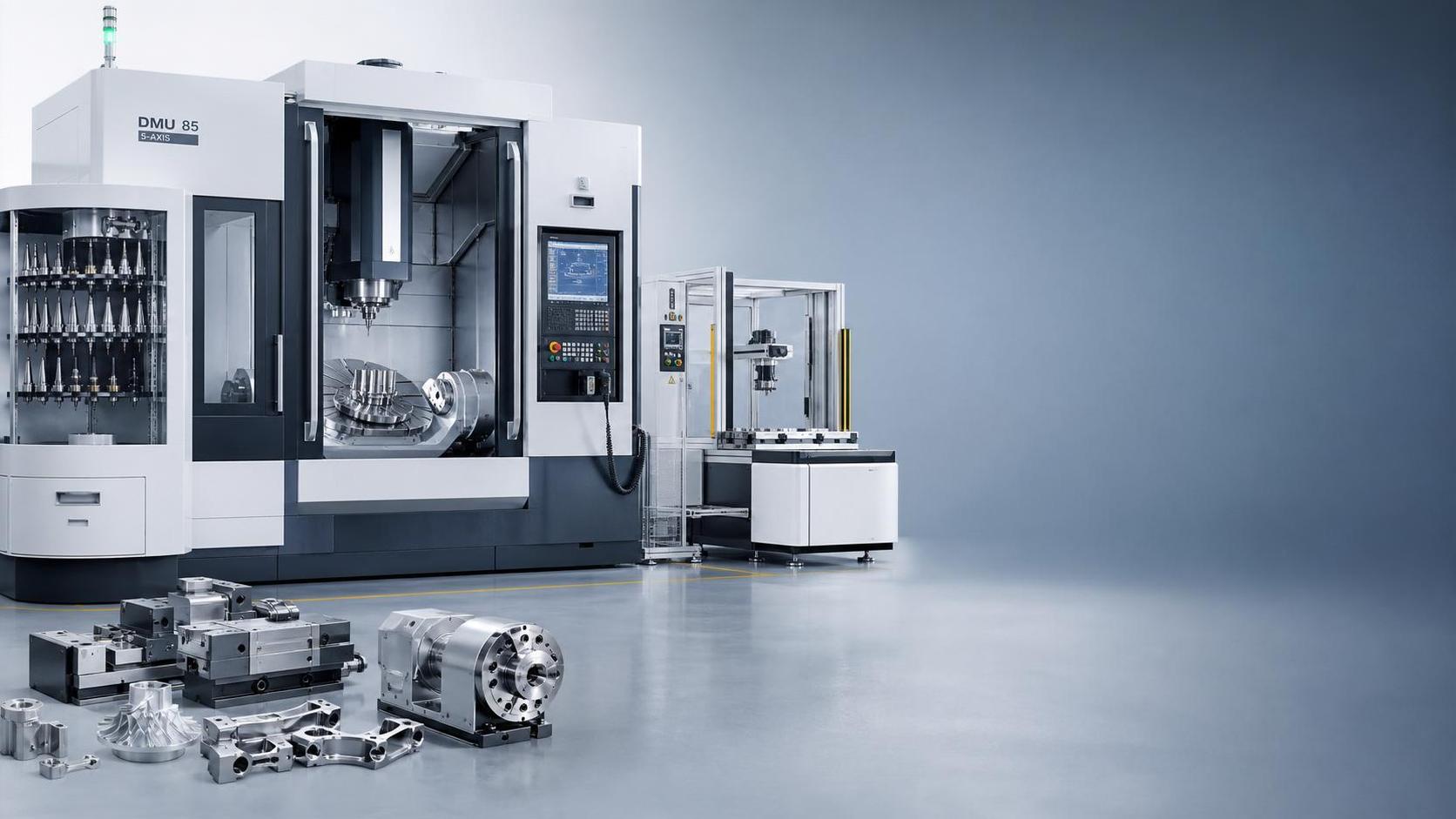
Why does Multi-axis Machining System Cost vary so much from one quote to another?
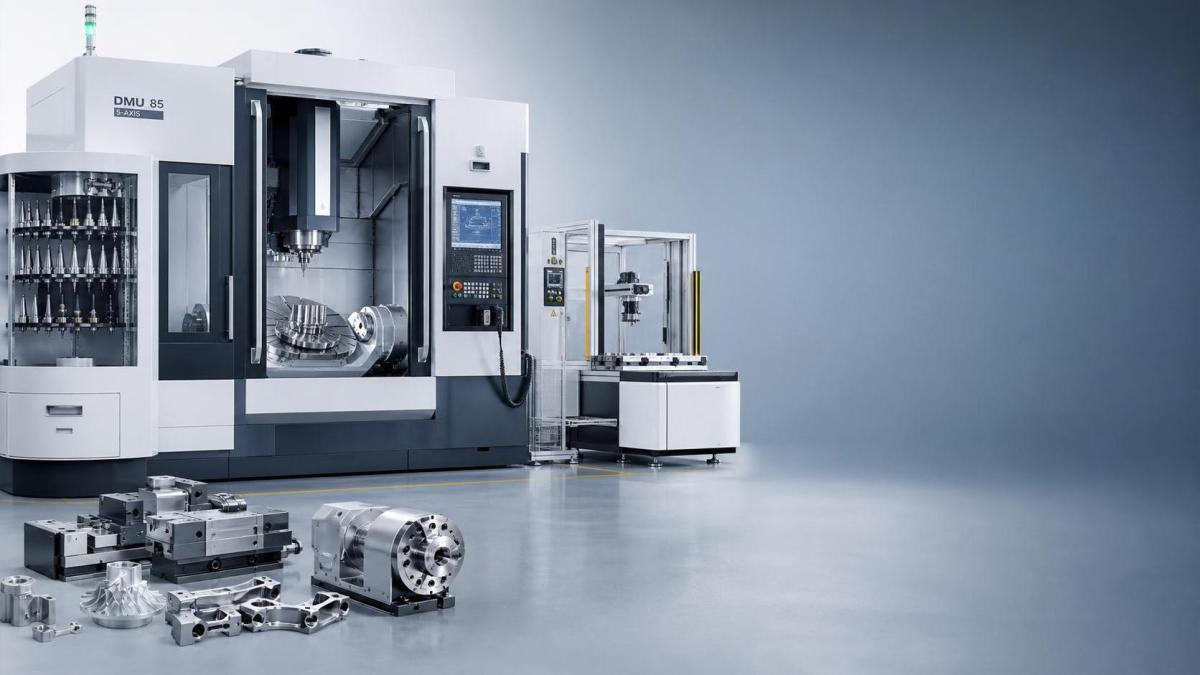
Understanding Multi-axis Machining System Cost starts with one simple point: the machine price is only the visible layer.
In precision manufacturing, total investment is shaped by technical scope, production targets, automation choices, and long-term operating demands.
That is why two systems with similar travel ranges can produce very different budget approvals.
In automotive, aerospace, energy equipment, and electronics production, multi-axis platforms are often expected to deliver speed, accuracy, and process consolidation.
More commonly, the real question is not whether the system is expensive, but whether the cost structure matches output, tolerance, and future capacity plans.
A realistic Multi-axis Machining System Cost review usually includes seven cost drivers: base configuration, spindle and axis performance, automation, software, tooling and fixturing, installation and training, and lifecycle support.
When these elements are evaluated together, budget control becomes more disciplined and capital planning becomes easier to defend.
Is the base machine price still the main cost driver?
Yes, but only up to a point.
The base machine usually represents the largest single line item, yet it does not explain total Multi-axis Machining System Cost on its own.
Five-axis or multi-axis systems can vary widely by casting quality, thermal stability, control brand, spindle power, rotary table design, and enclosure standard.
A lower initial quote may exclude probing, higher coolant pressure, chip evacuation upgrades, or advanced safety functions.
Those exclusions often reappear later as change orders or process limitations.
In actual comparisons, three questions help clarify value:
- Is the quoted machine sized for current parts only, or also for next-stage programs?
- Does the standard package include the precision level required for complex structural parts?
- Will cycle-time assumptions hold under full production conditions?
If the answer to any of these is unclear, the lower base price may be misleading rather than economical.
Which technical specifications push Multi-axis Machining System Cost higher fastest?
The fastest cost increases usually come from performance-related specifications, especially when tolerance and throughput must improve at the same time.
High-speed spindles, stronger torque curves, tighter positional accuracy, larger tool magazines, and premium CNC controls all add cost quickly.
Rotary axes are another major factor.
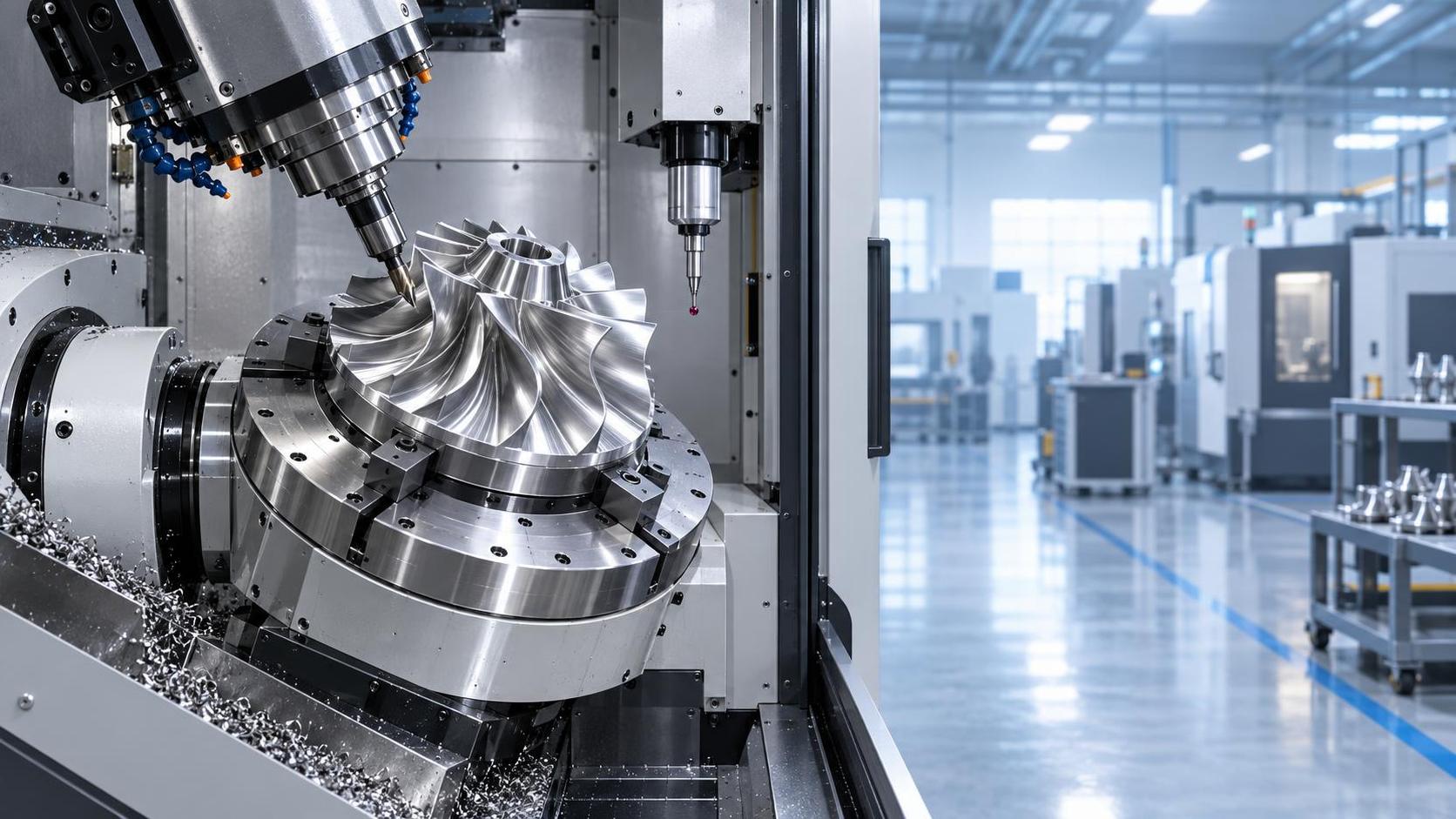
A trunnion-style table, direct-drive rotary axis, or advanced swivel head can dramatically improve part access, but each changes the investment profile.
For industries processing complex shafts, turbine elements, housings, or precision discs, those upgrades may reduce setups and improve consistency.
Still, paying for top-tier motion performance without a matching production need can stretch payback unnecessarily.
A useful way to judge this is to compare the cost premium with expected gains in:
- setup reduction per part family
- scrap avoidance on high-value materials
- unattended machining hours
- future compatibility with digital production systems
That last point matters more now, because smart factory integration is no longer optional in many global manufacturing environments.
How much do automation and software change the total investment picture?
Often more than expected.
Automation can turn a capable machine into a scalable production asset, but it also expands Multi-axis Machining System Cost beyond the machine tool itself.
Common add-ons include pallet changers, robotic loading, part identification, in-process measurement, tool monitoring, and central chip handling.
These features raise capital spending, yet they can stabilize labor use and extend spindle utilization.
Software follows the same pattern.
CAM packages, digital twin simulation, post-processor customization, production monitoring, and data connectivity licenses are frequently underestimated during approval review.
The difference is that software costs may arrive in recurring form, not just as a one-time purchase.
The table below helps separate cost items that are essential from those that depend on production maturity.
A practical takeaway is this: automation and software should be justified by throughput stability, not by feature appeal alone.
Why are tooling, fixturing, and setup costs so often missed in early budgeting?
Because they are rarely presented as one clean number at the start.
Yet in many projects, they make the difference between a workable investment and a strained one.
Multi-axis systems need more than machine capacity.
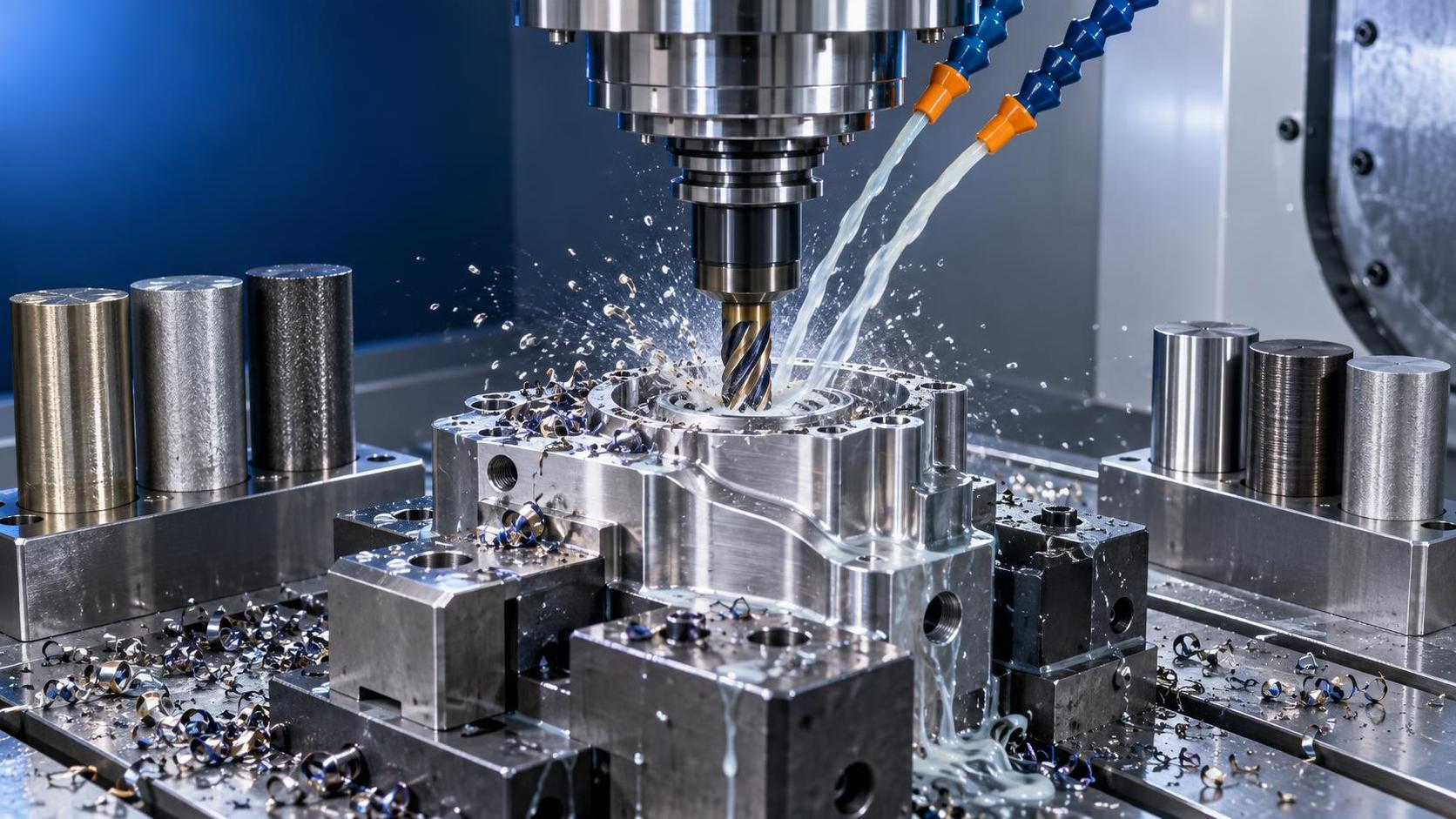
They require tool holders, cutting strategies, precision fixtures, probing routines, and sometimes custom clamping for complex geometries.
When production involves aerospace alloys, hardened materials, or thin-wall components, tool life and vibration control become critical cost variables.
In practical terms, underestimated setup costs tend to appear in three places:
- initial tool package requirements for launch production
- custom fixtures for repeatability and collision clearance
- process prove-out time before stable output is reached
This is also where supplier comparisons can become distorted.
One quote may include turnkey application support, while another assumes internal engineering will absorb that work.
So, a sound Multi-axis Machining System Cost review should always ask what launch readiness actually includes.
What hidden costs show up after installation?
The hidden costs usually begin once the machine is technically installed but not yet fully productive.
Foundation work, power conditioning, coolant systems, compressed air quality, and plant layout adjustments can all affect final spending.
Training is another overlooked area.
A multi-axis platform may need different programming logic, setup discipline, collision verification, and preventive maintenance habits.
Without that capability, the machine may run below its intended value for months.
After commissioning, ongoing costs typically include spare parts inventory, calibration, software renewals, service response agreements, and periodic accuracy checks.
Global sourcing also affects the picture.
Machines from established clusters in China, Germany, Japan, or South Korea may offer different strengths in lead time, service network, and component availability.
The hidden risk is not simply higher maintenance cost.
It is production interruption when support speed does not match plant requirements.
How can total Multi-axis Machining System Cost be judged before approval?
The most reliable approach is to move from price comparison to cost structure comparison.
That means reviewing not only the quote, but also utilization assumptions, process risk, launch timing, and scalability.
A disciplined review often includes the following checks:
- Confirm part families, annual volume, material type, and tolerance targets.
- Separate required features from optional upgrades with weak payback.
- Model tooling, fixturing, software, and training outside the base quote.
- Test whether automation improves spindle hours enough to justify itself.
- Check service coverage, spare part access, and digital integration readiness.
If needed, compare scenarios rather than single numbers.
For example, a standard machine with limited automation may win on short-term budget, while a better-integrated system may lower cost per qualified part over three to five years.
That is often the more meaningful approval lens in high-precision manufacturing.
What is the smartest next step if the quote still feels difficult to judge?
Start by converting the quote into a decision worksheet.
List the seven cost factors, then mark each one as included, optional, recurring, or still undefined.
That exercise usually reveals where Multi-axis Machining System Cost is clear and where assumptions are still hiding.
It also helps compare suppliers more fairly across global machine tool markets that are becoming more automated, more digital, and more performance-driven.
A strong decision rarely comes from chasing the lowest figure.
It comes from matching total investment to part complexity, production stability, service support, and expansion potential.
If the next step is still uncertain, refine the requirement set, request a cost breakdown by subsystem, and validate what must be ready on day one versus what can be phased later.
That approach keeps capital discipline intact while protecting output quality, delivery confidence, and long-term manufacturing value.
Recommended for You
 How to Specify a CNC Lathe for High-Volume Automotive Shaft ProductionCNC Machining Technology Center
 How Automated Precision Machining Maintains Tolerance in High-Mix ProductionCNC Machining Technology Center
 How to Evaluate a Machine Tool Factory Before Sourcing CNC EquipmentGlobal Machine Tool Trade Research Center
 CNC Programming Explained: From CAD Models to Reliable Shop-Floor ToolpathsCNC Machining Technology Center
 How Multi-Axis Machining Produces Complex Components With Fewer SetupsCNC Machining Technology Center
 Which Metals Are Hardest to Machine With Standard Tools?CNC Machining Technology Center



Aris Katos
Future of Carbide Coatings
15+ years in precision manufacturing systems. Specialized in high-speed milling and aerospace grade alloy processing.
▶
How to Evaluate a Machine Tool Factory Before Sourcing CNC EquipmentGlobal Machine Tool Trade Research Center▶
How to Evaluate a CNC Machine Tool Manufacturer for Precision and Service SupportGlobal Machine Tool Trade Research Center▶
What Affects Cost-Effective CNC Manufacturing? Key Drivers Behind Part Price and Lead TimeGlobal Machine Tool Trade Research Center▶
How to Evaluate a CNC Tooling System Supplier in Germany for Quality, Lead Time, and CostGlobal Machine Tool Trade Research Center▶
How to Evaluate a CNC Tooling System Supplier in Germany for Quality, Lead Time, and SupportGlobal Machine Tool Trade Research Center
Mastering 5-Axis Workholding Strategies
Join our technical panel on Nov 15th to learn about reducing vibrations in thin-wall components.

Providing you with integrated sanding solutions
Before-sales and after-sales services
Comprehensive technical support