• Global CNC market projected to reach $128B by 2028 • New EU trade regulations for precision tooling components • Aerospace deman
NYSE: CNC +1.2%LME: STEEL -0.4%

Thai Expo Signals Shift to Turnkey Machine Tool Buying

At the opening of Thailand Industry Expo 2026 on June 18, 2026, the strong order intake for Chinese five-axis machine tools and the widespread preference among ASEAN buyers for bundled engineering support point to more than a sales trend. From an industry perspective, this is a practical shift in procurement expectations: suppliers are increasingly being assessed not only on equipment performance, but also on their ability to deliver process-ready packages covering fixture design, tool selection, and first-piece trial cutting. That matters for exporters, manufacturers, sourcing teams, service providers, and delivery managers because it changes what may be treated as a complete and acceptable offer in cross-border industrial equipment transactions.
What the Expo Data Clearly Shows
According to the event information provided, contracts signed by the Chinese delegation at Thailand Industry Expo 2026 exceeded US$120 million. Five-axis machining centers and mill-turn machine tools accounted for 67% of that total. The same event summary also states that more than 80% of ASEAN buyers explicitly required suppliers to provide fixture design, cutting tool selection, and first-piece trial cutting together with the machine purchase. In this context, a turnkey solution has emerged as a new standard configuration in procurement discussions at the exhibition.
Where the Procurement Shift Starts to Affect Execution
Machine exporters face a broader delivery scope
Analysis shows that exporters of high-end machine tools may be affected first because the purchasing requirement is no longer limited to the machine itself. The impact is likely to appear in quotation structure, contract scope, technical document preparation, delivery commitments, and after-sales coordination. What deserves closer attention is whether the supplier's commercial offer, technical annexes, and acceptance conditions are aligned with the buyer's expectation of an integrated package rather than a standalone unit.
Manufacturing teams may be judged on process capability, not only product output
For machine builders and application engineering teams, the change matters because fixture design, tool selection, and first-piece trial cutting all sit at the intersection of manufacturing know-how and delivery responsibility. Observably, this can affect internal coordination between design, process, assembly, testing, and service functions. Companies involved in export manufacturing may therefore need to pay closer attention to how technical specifications, process verification records, and handover materials are prepared for external buyers.
Buyers and sourcing teams may tighten technical bid requirements
For procurement teams, the new preference suggests that bid evaluation may increasingly focus on whether a supplier can support faster production ramp-up after installation. The effect may show up in technical bid alignment, supplier qualification review, and pre-delivery validation requirements. From an industry perspective, buyers may pay more attention to document completeness, service boundaries, and traceability of the process package included in the purchase.
Service and support providers may become part of the commercial threshold
For after-sales teams and supply-chain service providers, the event indicates that service capability is moving closer to a market-access condition in practical terms. The likely impact is on installation planning, trial production support, and issue resolution during early-stage operation. What deserves closer attention is that delivery readiness may increasingly depend on whether service resources and technical response mechanisms can be presented as part of the original supply commitment.
What Companies Should Watch in Current Deals
Check whether the offer package matches the buyer's implied baseline
Analysis shows that companies should review whether their current quotations and tender responses clearly define the inclusion or exclusion of fixture design, tool selection, and first-piece trial cutting. If these items are omitted or left vague, the supplier may face later scope disputes or extended negotiation cycles.
Prepare technical and acceptance documents with greater precision
Where turnkey expectations are rising, companies should pay closer attention to technical files, process descriptions, test records, and acceptance language used in commercial documents. This is not yet proof of a uniform rule across the market, but it is a visible signal that documentation quality may increasingly influence purchasing decisions and delivery acceptance.
Track how service commitments affect lead time and fulfillment risk
Observably, adding engineering support to the machine sale can affect scheduling, staffing, and delivery sequencing. Companies should therefore review whether sales commitments, production planning, and field-service resources are consistent, especially when the promised package includes trial cutting or process support before final handover.
Pay attention to evolving procurement language in future tenders
It is more appropriate to understand the expo signal as an operational change in buyer expectation rather than a fully codified market rule. Even so, exporters and suppliers should monitor whether future tender documents, purchase specifications, and qualification requirements increasingly embed bundled service expectations in more explicit wording.
Why This Looks More Like an Execution Signal Than a Formal Rule
Analysis shows that the most meaningful point in this event is not simply the increase in orders, but the visible standardization of a broader supply expectation among buyers. Based on the confirmed facts, this should be read primarily as an execution signal coming from the market side: the definition of a competitive machine-tool offer may be expanding from equipment delivery to application-ready delivery. At the same time, it remains necessary to observe whether this preference will be reflected consistently in procurement documents, qualification criteria, service acceptance terms, and wider market practice.
How to Read the Market Meaning of This Event
From an industry perspective, the June 18 development is best understood as a clear sign that cross-border industrial equipment procurement in ASEAN-facing business is placing more weight on integrated delivery capability. It does not by itself establish a formal regulatory requirement, nor does it confirm a uniform purchasing rule across all transactions. A more neutral reading is that the market is sending a stronger practical threshold: suppliers that can combine machine performance with process support may be better aligned with current buying expectations, while the full extent of this shift still requires continued observation through tender practice, contract language, and delivery feedback.
Basis of This Article and What Still Needs Verification
This article is generated based on the user-provided news title, event date, and event summary. The specific official source link was not provided in the input, so further verification is still needed against materials such as official event releases, regulatory or trade authority information, industry association updates, standard-related documents, customs or trade administration disclosures, and reporting by authoritative media. What still deserves ongoing attention includes whether later procurement documents formalize bundled service requirements, whether acceptance standards become more explicit, how market participants interpret turnkey scope, and how companies adjust execution in response to buyer feedback.
Recommended for You
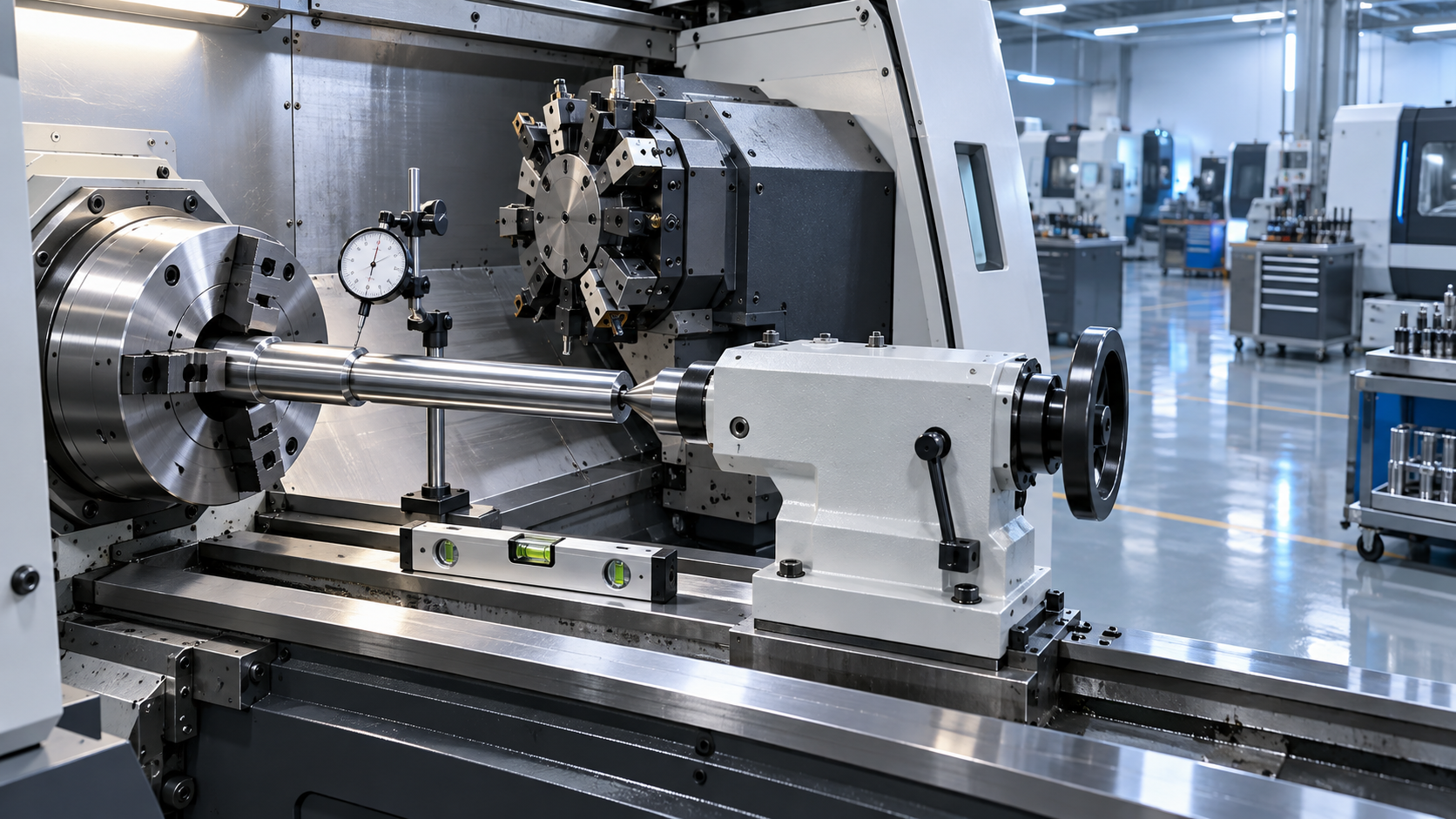
 CNC Lathe Quick Installation Guide: Alignment Checks Before First Production RunCNC Machining Technology Center
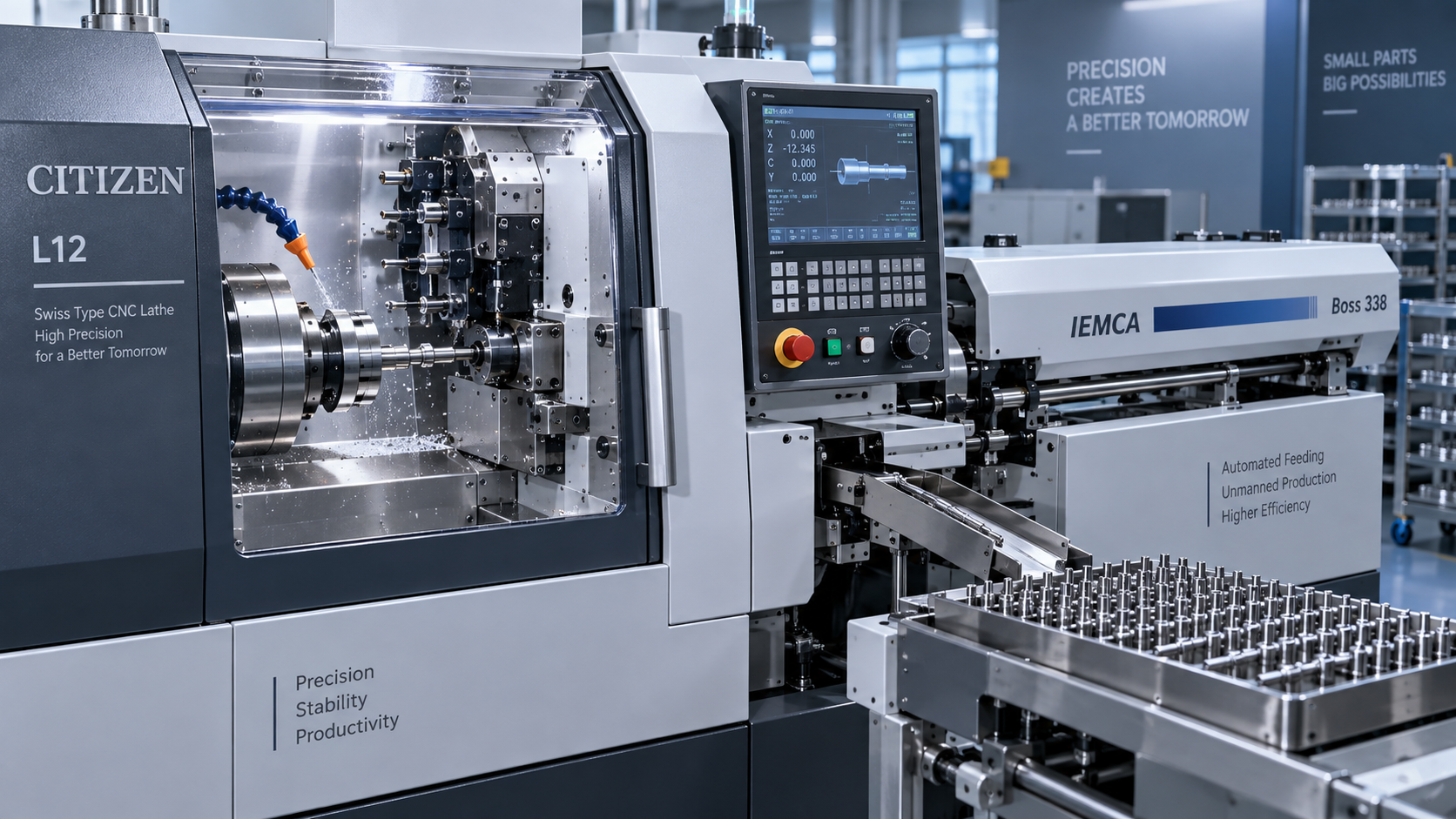
 How to Select a CNC Lathe for Small Parts Without Sacrificing Accuracy or Cycle TimeCNC Machining Technology Center
 How to Select a Slant Bed Lathe for High-Precision Shaft and Chuck WorkCNC Machining Technology Center
 Smart Manufacturing for Small Businesses: Where Automation Delivers the Fastest ROIMachine Tool Industry Editorial Team
 How to Specify a CNC Lathe for High-Volume Automotive Shaft ProductionCNC Machining Technology Center
 How Automated Precision Machining Maintains Tolerance in High-Mix ProductionCNC Machining Technology Center





Aris Katos
Future of Carbide Coatings
15+ years in precision manufacturing systems. Specialized in high-speed milling and aerospace grade alloy processing.
▶
How to Evaluate a Machine Tool Factory Before Sourcing CNC EquipmentGlobal Machine Tool Trade Research Center▶
How to Evaluate a CNC Machine Tool Manufacturer for Precision and Service SupportGlobal Machine Tool Trade Research Center▶
What Affects Cost-Effective CNC Manufacturing? Key Drivers Behind Part Price and Lead TimeGlobal Machine Tool Trade Research Center▶
How to Evaluate a CNC Tooling System Supplier in Germany for Quality, Lead Time, and CostGlobal Machine Tool Trade Research Center▶
How to Evaluate a CNC Tooling System Supplier in Germany for Quality, Lead Time, and SupportGlobal Machine Tool Trade Research Center
Mastering 5-Axis Workholding Strategies
Join our technical panel on Nov 15th to learn about reducing vibrations in thin-wall components.

Providing you with integrated sanding solutions
Before-sales and after-sales services
Comprehensive technical support