• Global CNC market projected to reach $128B by 2028 • New EU trade regulations for precision tooling components • Aerospace deman
NYSE: CNC +1.2%LME: STEEL -0.4%

How Low Maintenance CNC Manufacturing Reduces Downtime and Service Costs
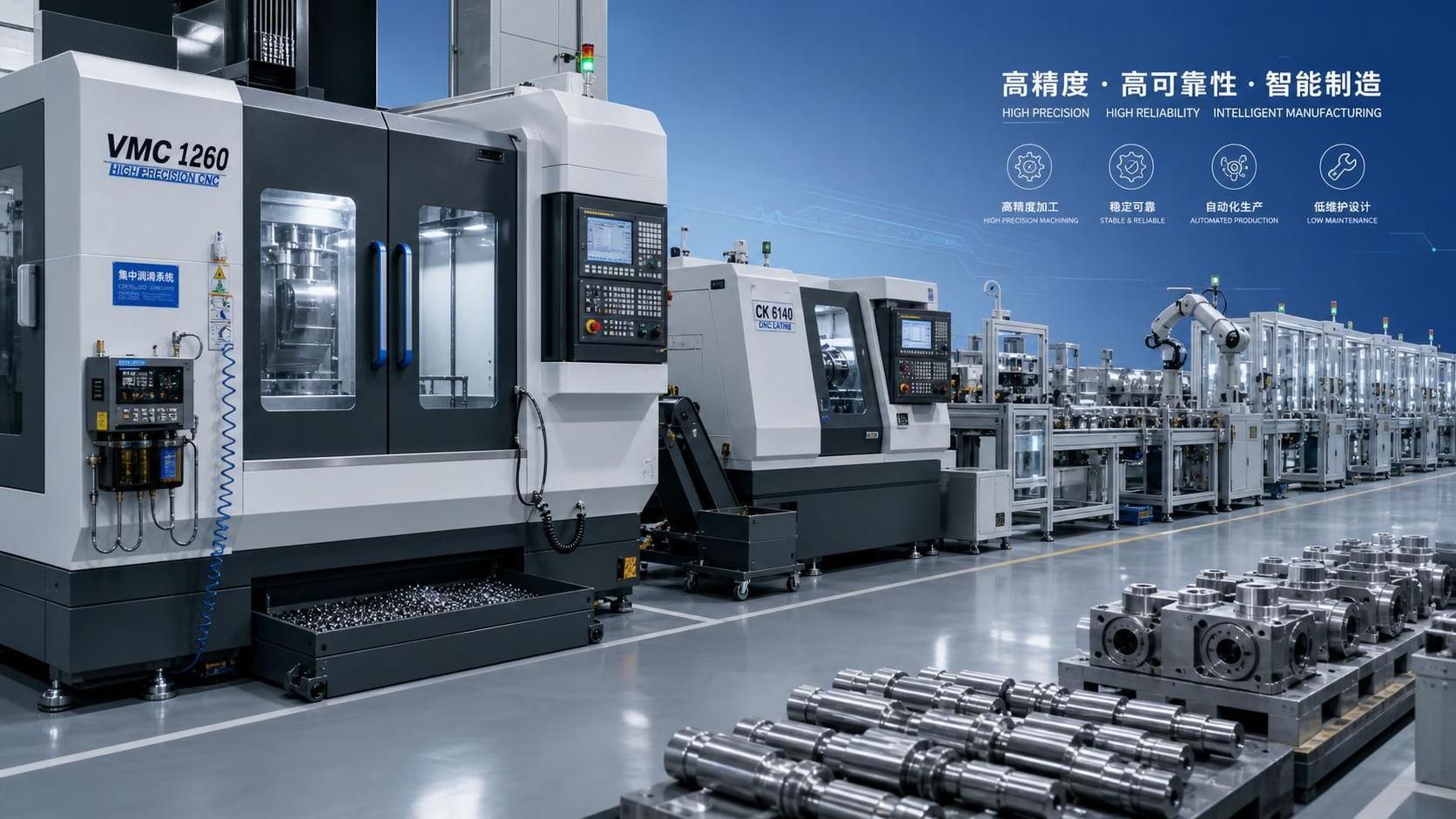
Why is low maintenance CNC manufacturing getting so much attention?
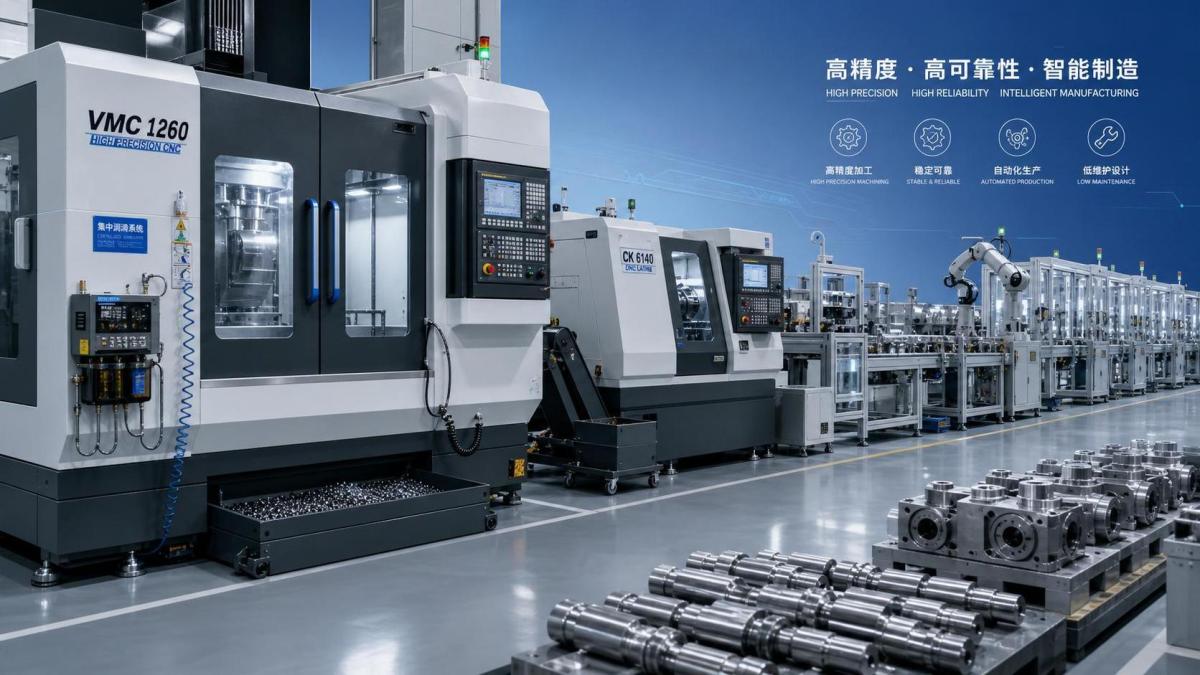
Low maintenance CNC manufacturing matters because downtime is no longer a minor interruption. In many factories, one machine stoppage can delay tooling, inspection, assembly, and shipping.
That pressure is visible across automotive, aerospace, energy equipment, and electronics production. These sectors rely on CNC lathes, machining centers, and multi-axis systems for stable, repeatable output.
As machine tools become more automated and digitally connected, service expectations also change. The goal is not only precision, but also easier upkeep, faster recovery, and fewer unplanned interventions.
In practical terms, low maintenance CNC manufacturing means equipment and process choices that reduce wear points, simplify access, improve diagnostics, and support predictable maintenance cycles.
This matters even more in globally connected production networks. Suppliers in China, Germany, Japan, and South Korea compete not only on machine performance, but also on lifecycle reliability and service efficiency.
For operations tracking service costs, the key question is simple. Does the machine keep running with fewer emergency visits, fewer spare parts surprises, and less production disruption?
What does low maintenance really mean in a CNC environment?
It does not mean a machine never needs service. A better definition is this: the machine is designed so routine care is easier, failures are less frequent, and repairs are more predictable.
In real workshops, the difference often shows up in small details. Lubrication points are centralized. Filters are easier to replace. Diagnostic alarms are clearer. Cable routing is cleaner. Critical components are easier to inspect.
Low maintenance CNC manufacturing also depends on process stability. If spindle load, coolant delivery, chip evacuation, and thermal control remain consistent, service intervals usually become easier to plan.
Another overlooked factor is system integration. When tooling, fixtures, software, and automation match the machine’s capacity, there is less stress on the structure and fewer avoidable breakdowns.
That is why low maintenance CNC manufacturing is not just about hardware. It includes machine design, component quality, control systems, production discipline, and the service logic behind the whole line.
A quick way to judge the concept
A machine can be called low maintenance when routine servicing takes less time, troubleshooting is clearer, and recurring faults do not return every few weeks under normal load.
This kind of checklist gives a more useful answer than marketing claims. It connects low maintenance CNC manufacturing directly to service reality.
Where does it reduce downtime most clearly?
The biggest savings usually appear in repeat production. When the same shafts, discs, housings, or structural parts run daily, even small reliability gains compound quickly.
Machining centers serving automated lines benefit heavily. A stoppage there can affect robots, pallet systems, inspection stations, and downstream assembly. Fewer maintenance interruptions protect the entire sequence.
Multi-axis systems also show strong value. These machines handle complex geometries with higher setup costs. When they go offline unexpectedly, the loss is not just machine time. It includes setup recovery and scheduling disruption.
In electronics and precision component production, consistency is critical. A low maintenance CNC manufacturing approach helps reduce micro-stoppages caused by coolant contamination, unstable thermal behavior, or repeated sensor faults.
Energy equipment is another good example. Larger parts often mean longer cycles and heavier cutting loads. Here, accessible maintenance points and better wear monitoring can prevent costly service delays.
The common pattern is easy to see. The more a machine is tied to continuous output, high precision, or line integration, the more downtime reduction matters.
How does low maintenance CNC manufacturing lower service costs over time?
Service cost is not only the technician invoice. It includes lost production, urgent logistics, overtime, scrap risk, and the hidden cost of unstable scheduling.
Low maintenance CNC manufacturing cuts these costs by reducing emergency events. Planned service is almost always cheaper than unplanned repair during a full production week.
Another saving comes from simpler troubleshooting. If the control system isolates faults clearly, recovery time drops. That reduces both labor hours and the chance of replacing the wrong component.
Parts life also becomes more predictable. Stable lubrication, cleaner chip management, and better thermal control can extend the service life of spindles, guides, sensors, and coolant-related components.
In actual cost reviews, the following items usually change first:
- Fewer urgent site visits and lower overtime pressure
- Lower spare parts waste from misdiagnosis
- Less scrap after restart or process drift
- Shorter machine recovery after planned maintenance
- More accurate annual maintenance budgeting
This is why low maintenance CNC manufacturing often supports procurement decisions. The initial price may not tell the whole story, but lifetime service behavior usually does.
What should be checked before choosing a low-maintenance setup?
A common mistake is judging only by machine specifications. Speed, axis count, and accuracy matter, but they do not reveal how easy the machine will be to maintain in daily production.
A more practical review starts with service structure. Check whether common wear parts are standardized, whether diagnostics support remote analysis, and whether documentation is detailed enough for repeatable service work.
It is also worth checking how the machine behaves under real contamination conditions. Fine chips, coolant mist, thermal fluctuation, and heavy cutting loads expose maintenance weaknesses very quickly.
Where automation is involved, ask how the machine interacts with robots, tool changers, probing systems, and conveyors. Good integration often reduces false alarms and repeated restart issues.
The most useful selection questions are usually these:
- How long do routine service tasks actually take?
- Which faults appear most often after one year?
- Can key components be inspected without long shutdowns?
- Are spare parts available across regions?
- Does the supplier provide usable maintenance data, not just manuals?
These points fit the current direction of smart manufacturing. Digital integration is valuable when it helps predict wear, standardize service records, and improve response time across facilities.
Are there common misconceptions that lead to higher downtime anyway?
Yes, and they are surprisingly common. One misconception is that newer machines automatically mean lower maintenance. Advanced systems can still create service complexity if design access and diagnostics are weak.
Another mistake is separating maintenance from process decisions. Aggressive cutting parameters, unsuitable tooling, or unstable fixtures can create repeated alarms that look like machine defects.
Some operations also underestimate environment control. Poor coolant quality, dirty enclosures, and inconsistent air supply can erase the benefits of low maintenance CNC manufacturing.
It is also risky to focus only on purchase savings. A lower-cost machine with frequent stoppages can become more expensive than a better-designed option within a short operating period.
A more reliable approach is to compare total service burden, not just component price. In many cases, the best choice is the one that reduces intervention frequency and restores production faster.
A practical closing question
When evaluating low maintenance CNC manufacturing, ask whether the setup makes daily service simpler under real production pressure, not just under ideal showroom conditions.
If the answer is yes, downtime usually falls, service costs become easier to control, and planning becomes more stable across the wider manufacturing chain.
The next step is straightforward. Review failure history, compare service access and diagnostics, and match maintenance requirements to actual production loads before making any long-term decision.
PREVIOUS ARTICLE
Recommended for You
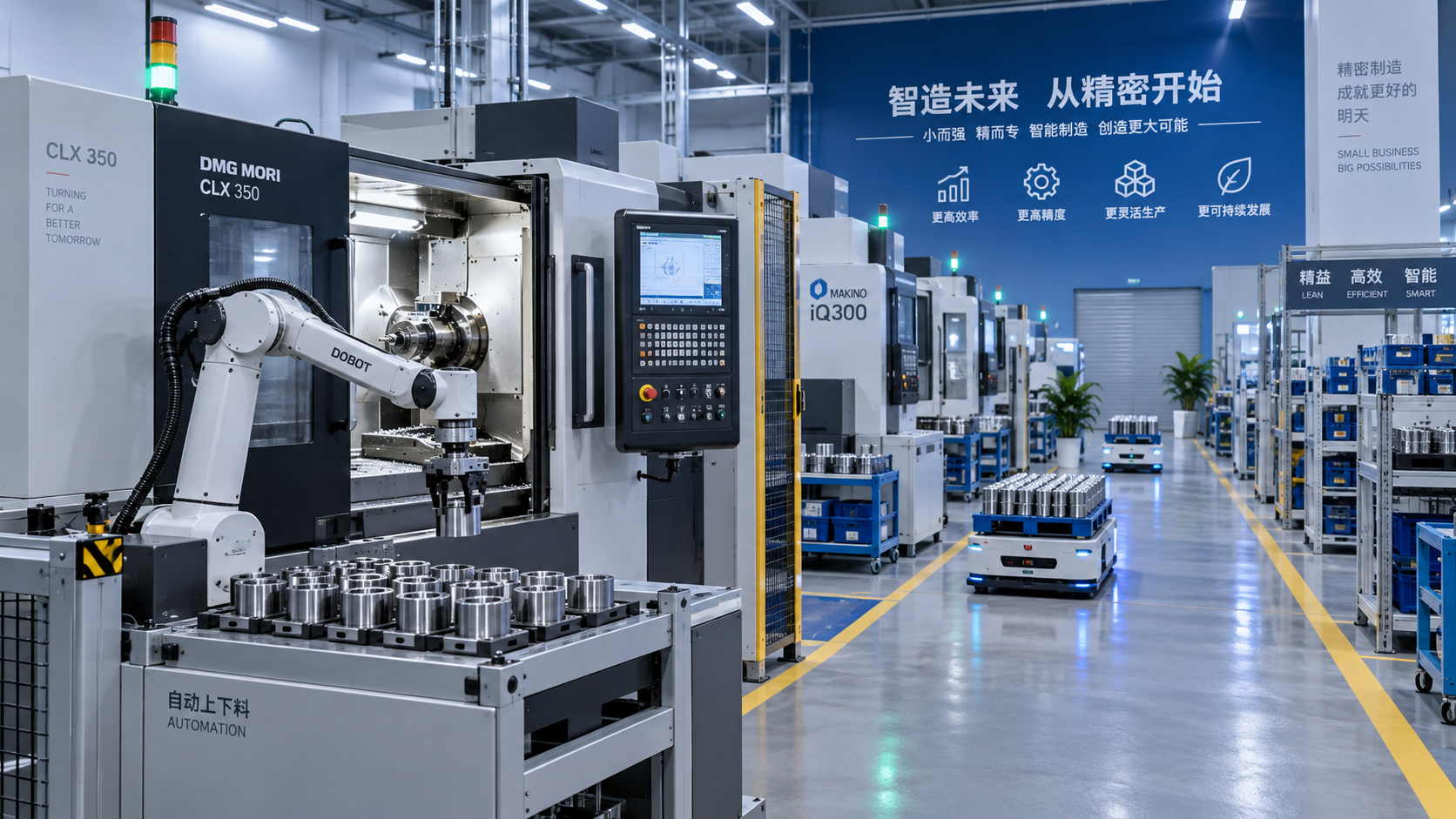
 Smart Manufacturing for Small Businesses: Where Automation Delivers the Fastest ROIMachine Tool Industry Editorial Team
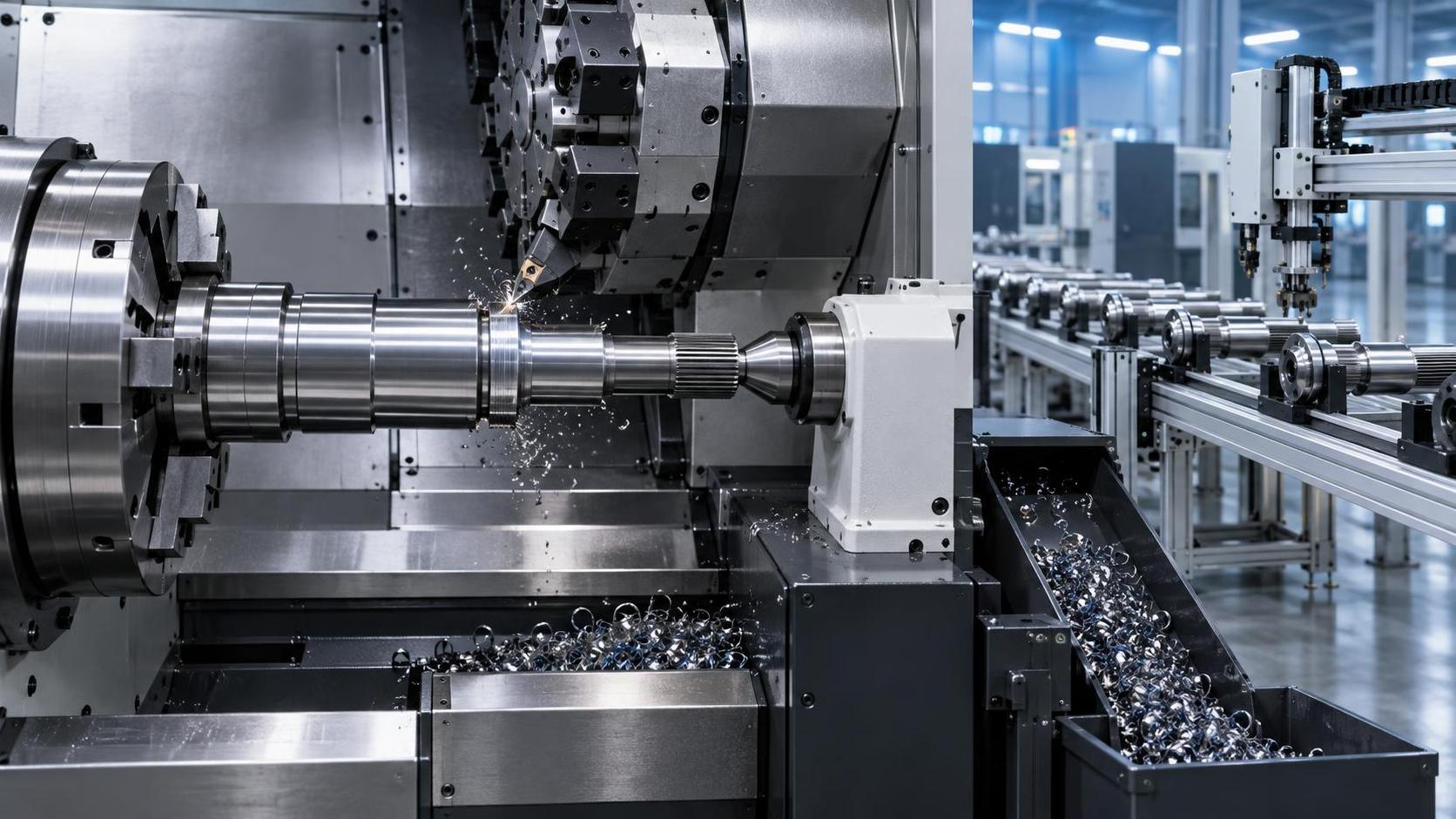
 How to Specify a CNC Lathe for High-Volume Automotive Shaft ProductionCNC Machining Technology Center
 How Automated Precision Machining Maintains Tolerance in High-Mix ProductionCNC Machining Technology Center
 How to Evaluate a Machine Tool Factory Before Sourcing CNC EquipmentGlobal Machine Tool Trade Research Center
 CNC Programming Explained: From CAD Models to Reliable Shop-Floor ToolpathsCNC Machining Technology Center
 How Multi-Axis Machining Produces Complex Components With Fewer SetupsCNC Machining Technology Center



Aris Katos
Future of Carbide Coatings
15+ years in precision manufacturing systems. Specialized in high-speed milling and aerospace grade alloy processing.
▶
How to Compare Machine Tools for Small-Batch vs Mass Production JobsMachine Tool Industry Editorial Team▶
Multi-Axis Machine Tool Selection Guide: Travel, Spindle, Accuracy, and Control SystemMachine Tool Industry Editorial Team▶
How to Evaluate Precision Equipment for Tight-Tolerance Parts and Stable OutputMachine Tool Industry Editorial Team▶
KATS Tightens CNC Grinder Import Test RulesMachine Tool Industry Editorial Team▶
Precision Lathe Types Compared: Swiss-Type, Slant Bed, and Flat Bed DifferencesMachine Tool Industry Editorial Team
Mastering 5-Axis Workholding Strategies
Join our technical panel on Nov 15th to learn about reducing vibrations in thin-wall components.

Providing you with integrated sanding solutions
Before-sales and after-sales services
Comprehensive technical support