• Global CNC market projected to reach $128B by 2028 • New EU trade regulations for precision tooling components • Aerospace deman
NYSE: CNC +1.2%LME: STEEL -0.4%

How to Choose a Machine Tool for Automotive Industry Parts Production
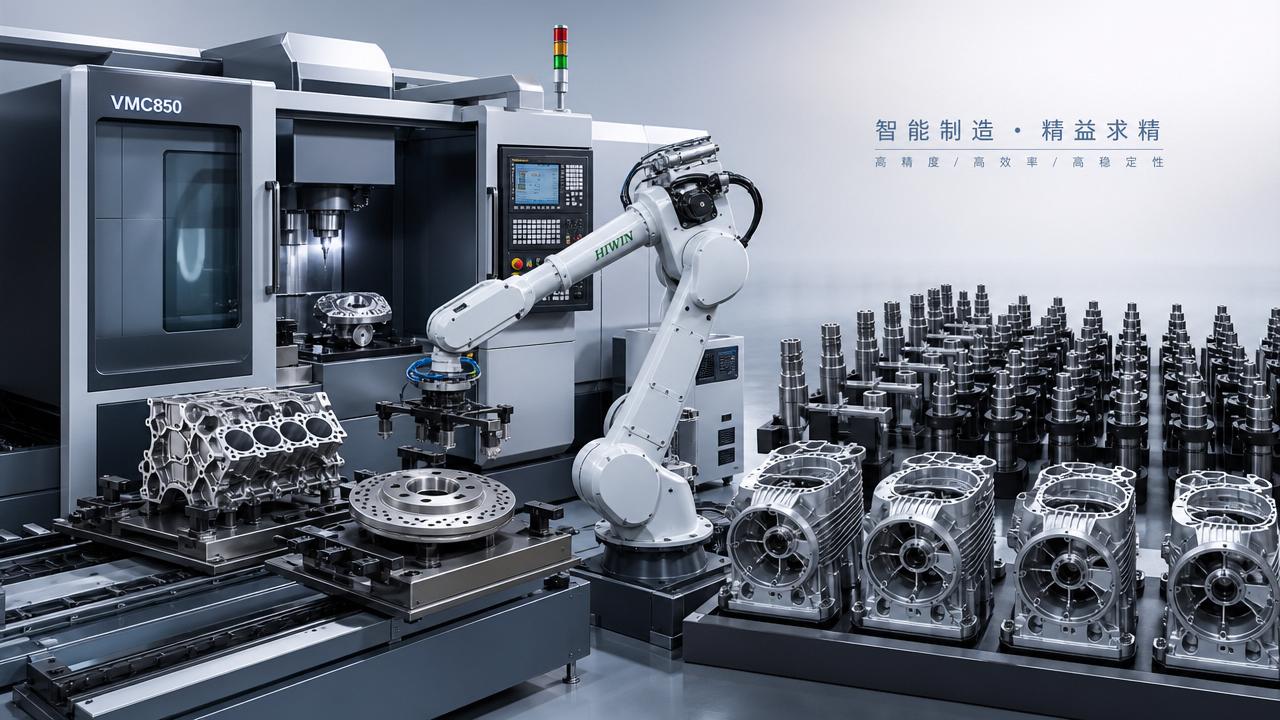
Selecting the right machine tool for automotive industry parts production directly affects precision, throughput, cost control, and long-term competitiveness.
As automotive components become more complex, the machine tool for automotive industry applications must support accuracy, automation, flexibility, and stable production.
Machine Tool Selection in Automotive Parts Production
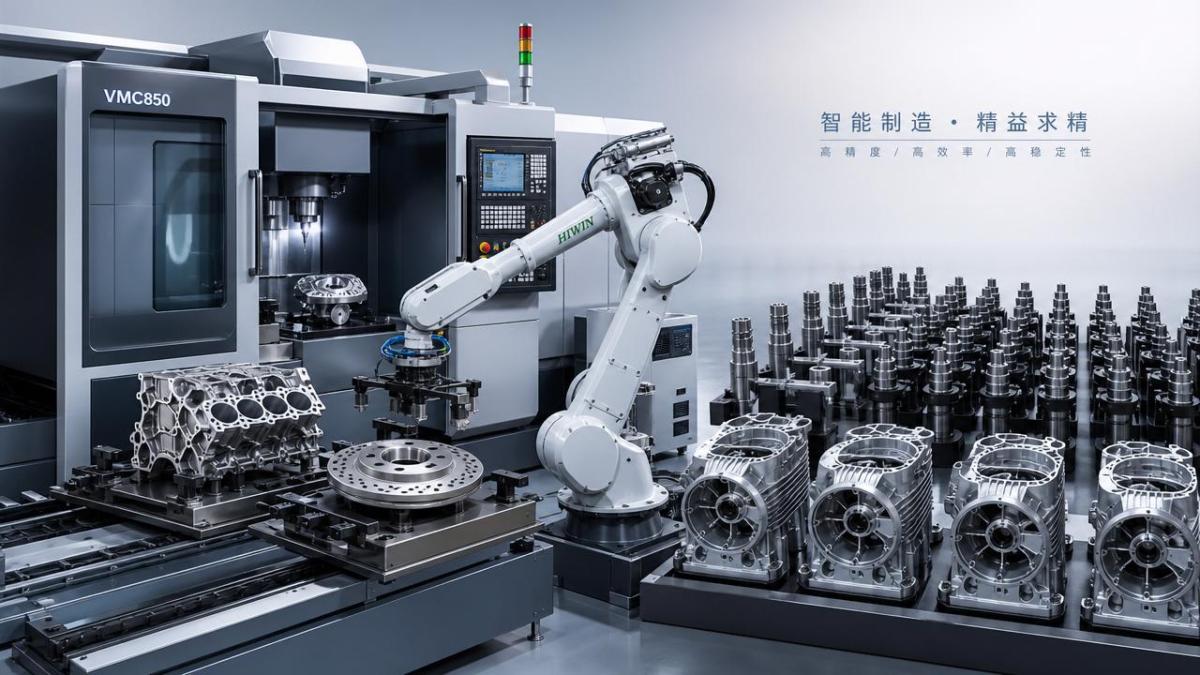
A machine tool for automotive industry production is not only a cutting device. It is part of a complete manufacturing system.
It may include CNC lathes, vertical machining centers, horizontal machining centers, grinding machines, gear machines, and multi-axis systems.
These machines process engine parts, transmission parts, chassis structures, brake components, steering parts, and electric vehicle components.
The right machine tool for automotive industry production must match part geometry, material, tolerance, cycle time, and automation requirements.
A poor selection may create bottlenecks, unstable quality, high tool consumption, or excessive maintenance costs.
A suitable selection improves process reliability, reduces scrap, and supports scalable production across different automotive platforms.
Core Requirements of Automotive Machining
Automotive production usually combines high volume, strict tolerance, repeatability, and short changeover pressure.
A machine tool for automotive industry use must remain stable during continuous operation and frequent production scheduling changes.
Precision is essential because small dimensional variation can affect assembly, sealing, noise, vibration, and component life.
Productivity is equally important, especially for shafts, housings, brake discs, hubs, and powertrain components.
These factors should be evaluated together, not separately, when selecting a machine tool for automotive industry parts production.
Part Type and Process Matching
Part geometry is the first practical reference for machine selection.
Rotational parts usually require CNC lathes, turning centers, or turn-mill machines with stable chucking and efficient chip removal.
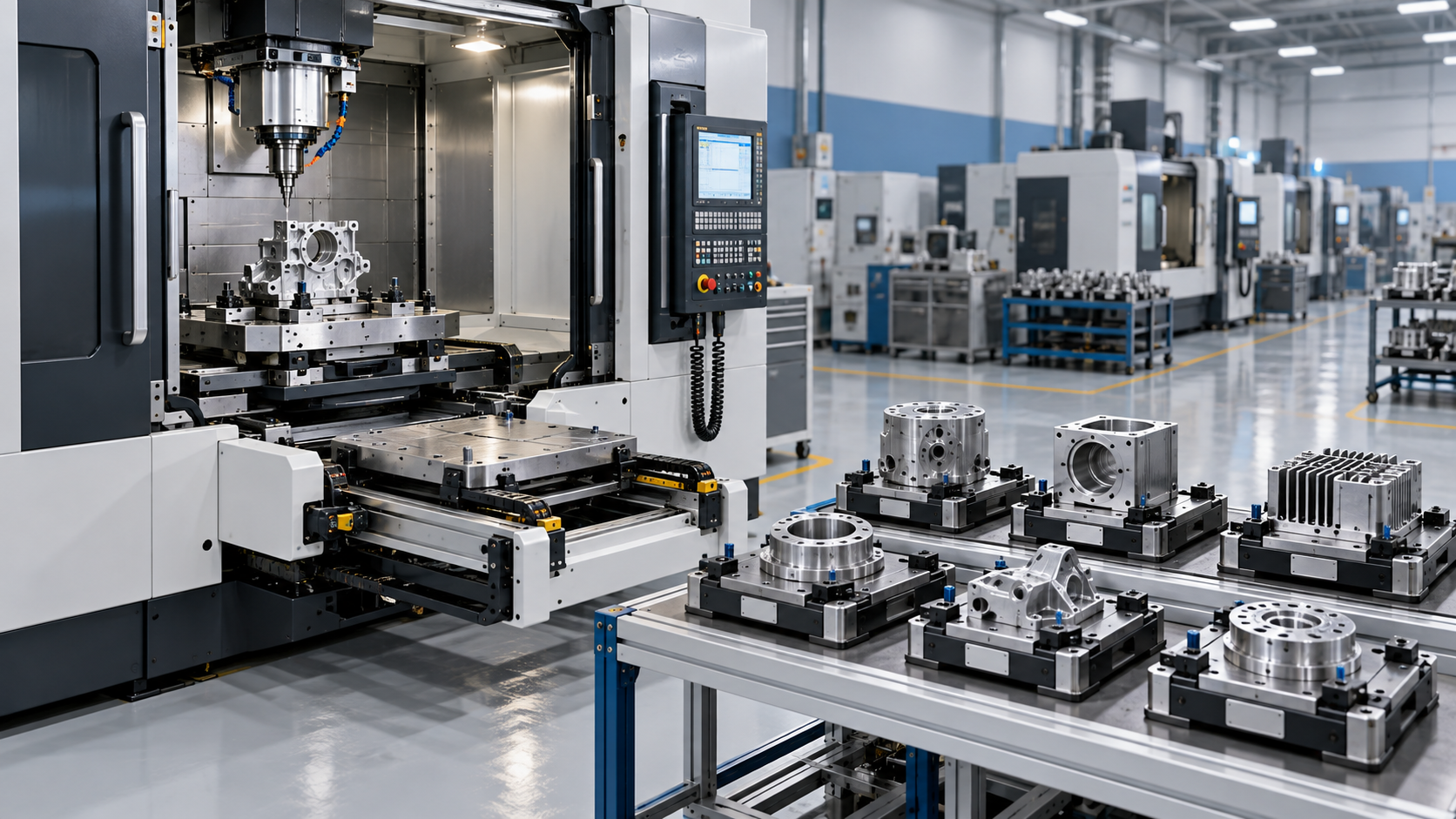
Box-type parts often require machining centers with high rigidity, multiple pallets, and accurate multi-face machining capability.
Complex components may require five-axis machining, compound machining, or flexible manufacturing cells.
For any machine tool for automotive industry production, the process route should be confirmed before machine specifications are finalized.
This matching approach prevents overinvestment in unnecessary machine functions and avoids undercapacity in critical operations.
Accuracy, Rigidity, and Thermal Stability
Accuracy is a core selection factor for any machine tool for automotive industry manufacturing.
Important indicators include positioning accuracy, repeatability, spindle runout, guideway structure, and ball screw performance.
Rigidity affects cutting stability, surface quality, tool life, and dimensional consistency during heavy machining.
Thermal stability is especially important in long production shifts and automated lines.
Temperature changes can shift dimensions, reduce process capability, and increase inspection pressure.
- Check machine casting structure and vibration resistance.
- Review spindle cooling and thermal compensation functions.
- Confirm repeatability under actual production conditions.
- Evaluate cutting tests using representative automotive materials.
A machine tool for automotive industry use should deliver stable accuracy after warm-up, not only during acceptance testing.
Productivity and Automation Capability
Automotive machining often requires predictable takt time and stable output.
Spindle performance, rapid traverse speed, tool change time, pallet exchange, and loading method affect total productivity.
A machine tool for automotive industry production should also support automation interfaces and data communication.
Robotic loading, gantry systems, automatic tool monitoring, and in-process measurement can reduce manual intervention.
Automation should not be added only for appearance. It must improve stability, utilization, and quality traceability.
- Confirm compatibility with robots, conveyors, and bar feeders.
- Check CNC system support for production data output.
- Review fixture change time and error-proofing design.
- Estimate machine utilization, not only theoretical cycle time.
When demand varies, flexible automation can make a machine tool for automotive industry lines more adaptable.
Material Considerations and Cutting Conditions
Automotive parts use cast iron, aluminum alloys, forged steel, stainless steel, powder metallurgy, and new energy vehicle materials.
Each material creates different requirements for spindle torque, cutting fluid, chip evacuation, and tool selection.
Aluminum parts usually require high spindle speed and excellent chip removal.
Steel and forged components demand torque, rigidity, and tool holding strength.
Cast iron applications require dust control, wear resistance, and reliable sealing.
A machine tool for automotive industry applications should be reviewed against the actual material mix and future product roadmap.
This prevents early performance limitations when part programs change or new vehicle platforms enter production.
Quality Control and Digital Integration
Modern automotive machining increasingly depends on data-driven control.
A machine tool for automotive industry environments should support inspection feedback, tool life monitoring, and process traceability.
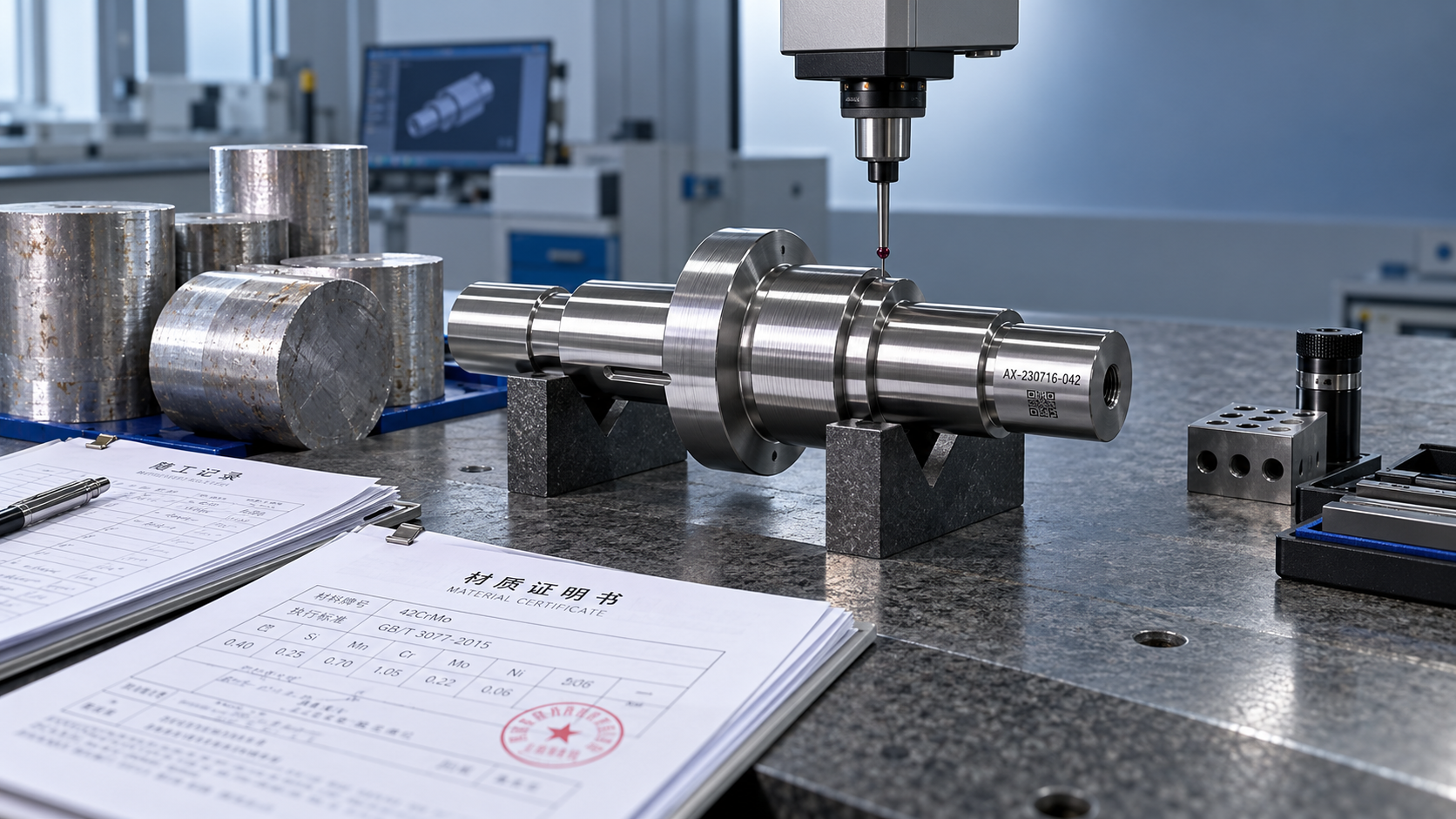
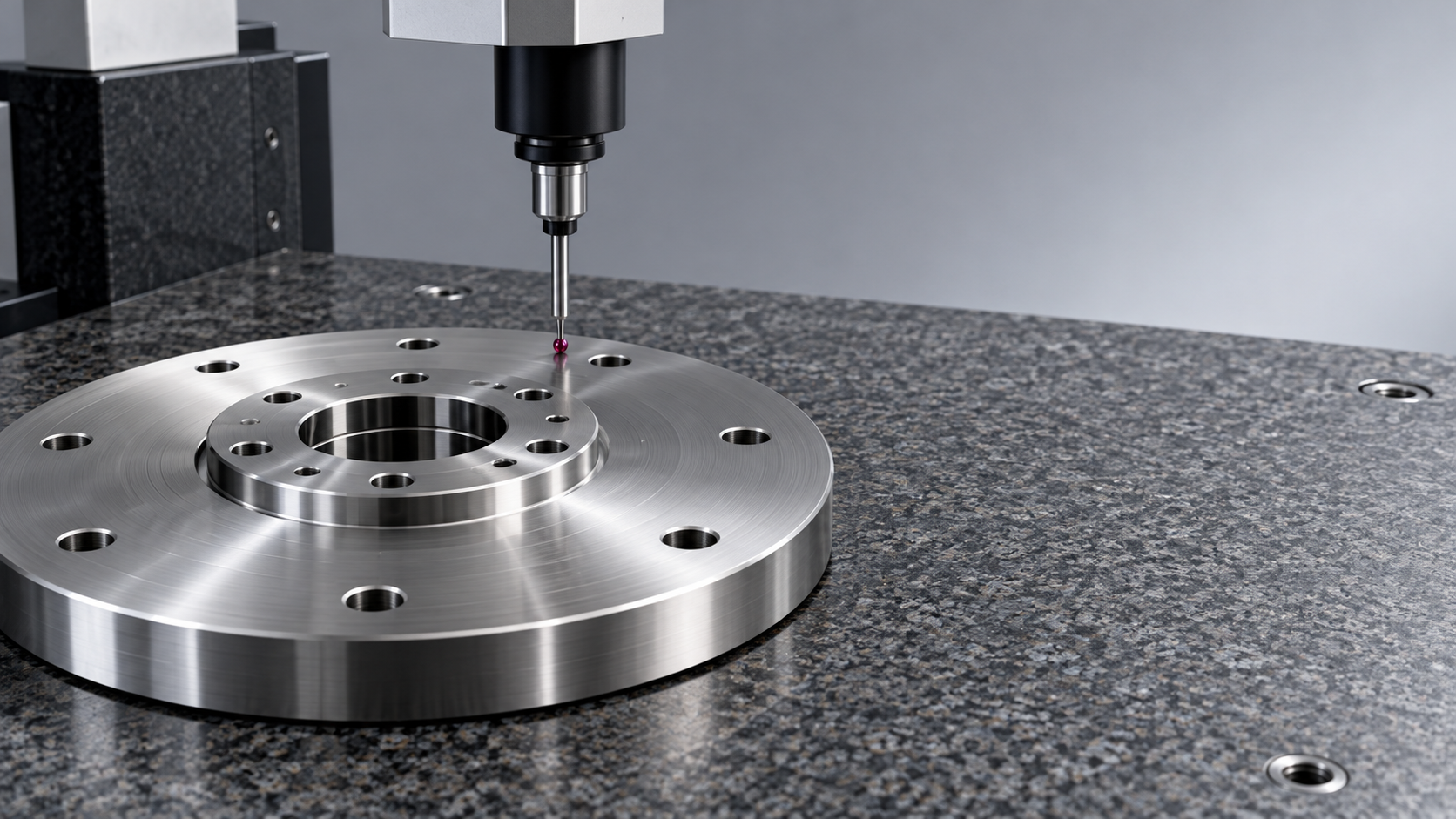
In-process probing can reduce setup errors and detect dimensional drift before scrap increases.
Tool monitoring helps avoid sudden breakage, poor surface quality, and unplanned downtime.
Connectivity with MES, ERP, or smart factory platforms supports production planning and quality records.
Digital capability should be evaluated as part of lifecycle value, not as an optional feature.
Lifecycle Cost and Supplier Support
Initial price is only one part of machine selection.
A machine tool for automotive industry production should be assessed by total lifecycle cost.
This includes tooling, fixtures, energy use, maintenance, spare parts, downtime, training, and software updates.
Supplier capability also affects long-term performance.
Important support factors include application engineering, process validation, installation service, spare parts availability, and response speed.
- Request machining trials using real or equivalent parts.
- Confirm acceptance standards before contract approval.
- Review preventive maintenance requirements and costs.
- Check local service coverage and spare parts lead time.
A lower-cost machine can become expensive if service delays stop production or process support is limited.
Practical Selection Checklist
A structured checklist helps compare different machine tool for automotive industry options with less subjective judgment.
- Define part drawings, tolerances, annual volume, and material specifications.
- Confirm the complete process route and critical machining features.
- Select the machine structure based on part geometry and clamping needs.
- Evaluate accuracy, rigidity, thermal behavior, and spindle performance.
- Assess automation readiness and digital integration requirements.
- Compare lifecycle cost, service support, and upgrade potential.
- Run a trial cut and verify cycle time, quality, and tool wear.
This method supports more reliable investment decisions and reduces technical uncertainty before installation.
Common Selection Mistakes to Avoid
One common mistake is selecting a machine based mainly on spindle power or catalog specifications.
Real performance depends on the complete combination of machine structure, fixture, tool, program, and operator workflow.
Another mistake is ignoring future product changes.
A machine tool for automotive industry production should allow reasonable flexibility for model updates and volume changes.
Insufficient attention to chip management, coolant filtration, and maintenance access can also reduce uptime.
The best specification is not always the most advanced specification. It is the one that fits the production task.
Action Plan for Better Equipment Decisions
Choosing a machine tool for automotive industry parts production requires technical clarity and commercial discipline.
Start with the part family, process requirements, quality targets, and expected production volume.
Then compare machine structure, automation capability, digital functions, service support, and lifecycle cost.
A documented evaluation process makes supplier comparison easier and reduces hidden risks.
For high-volume or safety-critical parts, practical cutting tests and acceptance data should guide final approval.
With the right machine tool for automotive industry production, machining operations can achieve stable quality, efficient output, and stronger manufacturing resilience.
NEXT ARTICLE
Recommended for You
![]() Mitsubishi Electric Announces Physical AI System Linking Humanoid Robots and CNC MachinesMachine Tool Industry Editorial Team
Mitsubishi Electric Announces Physical AI System Linking Humanoid Robots and CNC MachinesMachine Tool Industry Editorial Team Precision Machining for Defense: Supplier Quality and Traceability ChecksManufacturing Market Research Center
![]() Nidec Machine Tool Launches MVR-5X Five-Axis Gantry MachineMachine Tool Industry Editorial Team
Nidec Machine Tool Launches MVR-5X Five-Axis Gantry MachineMachine Tool Industry Editorial Team Choosing a Precision Disc Parts Manufacturer in China: Tolerances and Quality ChecksManufacturing Market Research Center
![]() Siemens Executive Says AI Could Raise Factory Automation to 80%Manufacturing Market Research Center
Siemens Executive Says AI Could Raise Factory Automation to 80%Manufacturing Market Research Center Choosing Automated Machine Tools for High-Mix, Low-Volume ProductionMachine Tool Industry Editorial Team


Aris Katos
Future of Carbide Coatings
15+ years in precision manufacturing systems. Specialized in high-speed milling and aerospace grade alloy processing.
▶
Nidec Machine Tool Launches MVR-5X Five-Axis Gantry MachineMachine Tool Industry Editorial Team▶
How to Select a Machine Tool for Aerospace Parts with Tight Tolerances?Machine Tool Industry Editorial Team▶
How to Compare Machine Tools for Small-Batch vs Mass Production JobsMachine Tool Industry Editorial Team▶
Multi-Axis Machine Tool Selection Guide: Travel, Spindle, Accuracy, and Control SystemMachine Tool Industry Editorial Team▶
How to Evaluate Precision Equipment for Tight-Tolerance Parts and Stable OutputMachine Tool Industry Editorial Team
▶
Mastering 5-Axis Workholding Strategies
Join our technical panel on Nov 15th to learn about reducing vibrations in thin-wall components.

Providing you with integrated sanding solutions
Before-sales and after-sales services
Comprehensive technical support