• Global CNC market projected to reach $128B by 2028 • New EU trade regulations for precision tooling components • Aerospace deman
NYSE: CNC +1.2%LME: STEEL -0.4%

Industrial Machining Equipment Selection Guide: Key Specs for Capacity, Accuracy, and ROI
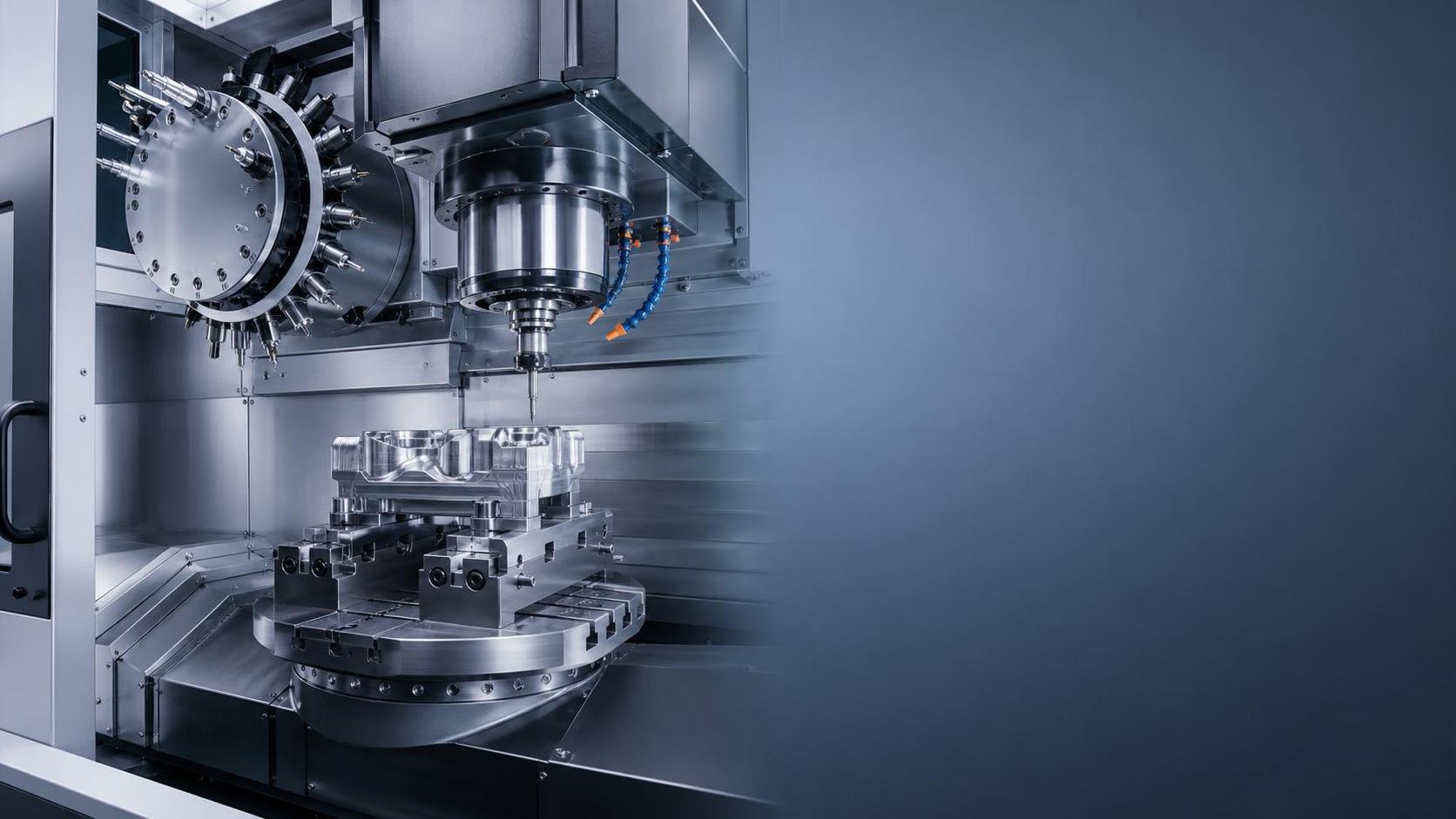
Industrial Machining Equipment Selection Guide: Key Specs for Capacity, Accuracy, and ROI
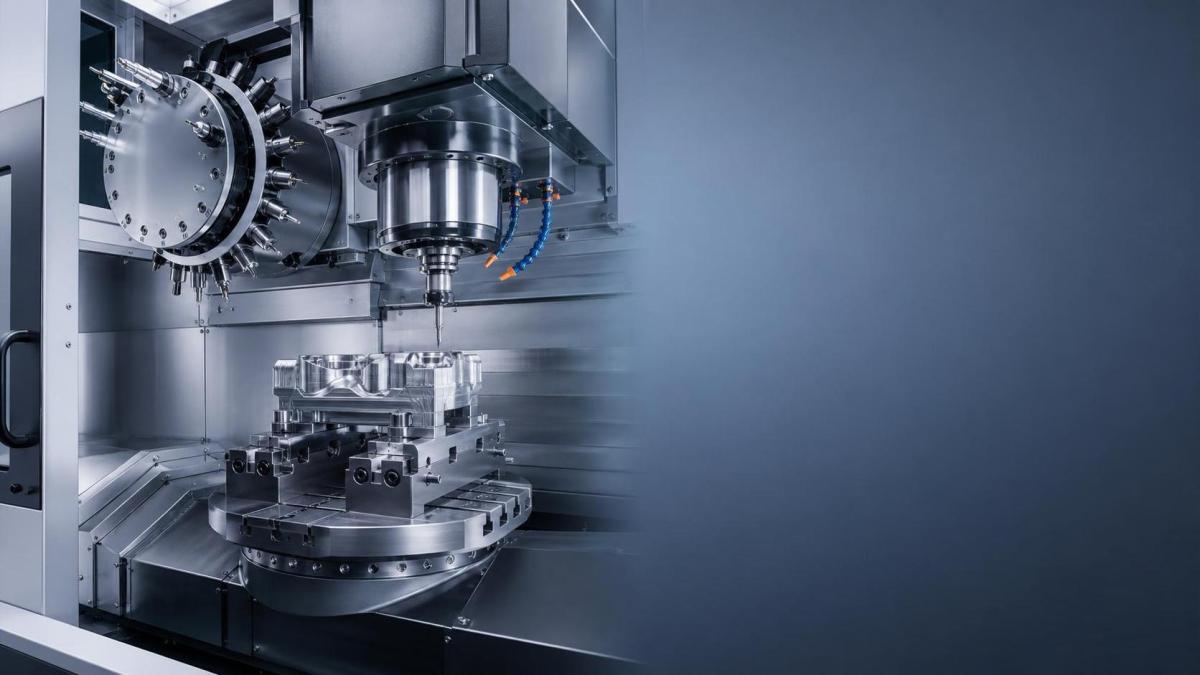
Selecting the right industrial machining equipment shapes output, quality, lead time, and cost control.
It is not only a technical purchase. It is a capital decision with long-term operational consequences.
For manufacturers under pressure to scale faster, equipment choices now affect competitiveness more directly than before.
That is especially true in automotive, aerospace, electronics, and energy equipment production.
In practical terms, the best industrial machining equipment matches three things at once.
It must fit production volume, hold required tolerances, and support a strong return on investment.
This guide focuses on the specifications that matter most when comparing machine tools and automated production assets.
Start with Production Reality, Not Machine Catalog Claims
Many equipment reviews begin with spindle speed, axis count, or control brand.
That is useful, but it should not be the starting point.
First define the job mix, annual volume, material types, and expected part complexity.
A machine that looks advanced on paper may still be the wrong industrial machining equipment for your floor.
A clear evaluation usually starts with four baseline questions:
- What parts generate the highest revenue or the biggest bottleneck?
- Which tolerances drive rejection, rework, or customer risk?
- How much setup changeover happens each week?
- Will demand stay stable, or move toward higher mix and lower volume?
These answers narrow the field faster than generic brochures.
They also help avoid overspending on features that never improve throughput.
Capacity Specs That Actually Affect Throughput
When assessing industrial machining equipment, production capacity should be measured in usable output, not theoretical speed.
Cycle time matters, but it is only one part of the picture.
The most relevant capacity specifications usually include the following.
Spindle Power and Torque
High spindle speed sounds attractive, but torque often matters more in real cutting conditions.
For hard materials or larger tools, low-end torque determines metal removal efficiency.
Travel Range and Work Envelope
Check axis travel against the largest workpiece, fixture size, and tool clearance requirement.
A tight work envelope can slow setup and limit future parts.
Tool Magazine Capacity
More tools can reduce changeover and support unattended machining.
This becomes valuable when part families need multiple operations in one setup.
Rapid Traverse and Tool Change Time
Small delays add up across thousands of cycles.
For high-volume production, non-cutting time can decide whether an equipment upgrade pays back.
Automation Compatibility
Modern industrial machining equipment should support robots, bar feeders, pallet changers, or flexible loading systems.
This is one of the clearest paths to capacity growth without adding labor linearly.
A useful comparison method is to convert specifications into expected parts per shift.
That keeps the evaluation grounded in business output.
Accuracy Specs That Protect Quality and Customer Confidence
Accuracy is often where machine selection becomes expensive, but also where mistakes become costly.
Not every application needs ultra-high precision industrial machining equipment.
However, under-specifying accuracy leads to scrap, unstable quality, and contract risk.
Positioning Accuracy and Repeatability
These are related, but not identical.
Positioning accuracy shows how closely the machine reaches the commanded point.
Repeatability shows how consistently it returns to that point over time.
For production consistency, repeatability often deserves greater attention.
Thermal Stability
Machines do not operate in perfect lab conditions.
Heat from spindle load, ambient change, and long shifts affects dimensional control.
Thermal compensation systems and stable structural design reduce drift during long runs.
Machine Rigidity
Rigid construction improves surface finish, tool life, and dimensional stability.
This matters even more for tough alloys, deep cuts, or multi-axis contouring.
Control System and Feedback Resolution
Advanced CNC controls support smoother interpolation and better process consistency.
High-resolution feedback systems also improve the real capability of industrial machining equipment.
In actual sourcing, ask suppliers for inspection samples, tolerance studies, and long-run stability data.
A demo part tells more than a specification sheet.
ROI Depends on the Full Cost Structure
The purchase price is only the visible part of the decision.
Real ROI comes from total cost of ownership and the value created over time.
When comparing industrial machining equipment, review these cost drivers carefully.
A lower-cost machine is not automatically the better investment.
If it creates scrap, downtime, or labor inefficiency, ROI drops fast.
The stronger question is simple.
Which industrial machining equipment generates the most stable margin over its working life?
How to Compare Suppliers Beyond the Machine Itself
Supplier capability often determines whether a technically strong machine performs well after installation.
This is becoming more important as industrial machining equipment grows more digital and interconnected.
Evaluate the supplier on both equipment and execution support.
- Installation experience in similar industries and part types.
- Local service response time and spare parts availability.
- Application engineering support for tooling, fixtures, and programming.
- Integration ability with MES, ERP, automation, or smart factory systems.
- Willingness to provide trial cuts, reference visits, and performance benchmarks.
In recent market shifts, digital visibility has become a bigger selection factor.
Machine monitoring, predictive maintenance, and production traceability now contribute directly to decision quality.
A Practical Evaluation Framework for Industrial Machining Equipment
A structured review process reduces bias and makes internal approval easier.
Use a weighted scorecard tied to real production priorities.
A practical framework may include these dimensions:
- Capacity fit for current and forecast demand
- Accuracy and process stability for critical parts
- Automation readiness and digital integration potential
- Operator skill match and training burden
- Lifecycle cost and expected payback period
- Supplier reliability and post-sale support strength
This approach also helps when comparing CNC lathes, machining centers, and multi-axis systems together.
Instead of debating features endlessly, teams can compare impact on output and profitability.
Final Decision: Choose for Fit, Stability, and Growth
The best industrial machining equipment is rarely the cheapest or the most complex option.
It is the one that matches part requirements, production rhythm, and expansion plans with the least friction.
When capacity, accuracy, and ROI are reviewed together, selection decisions become much clearer.
That also lowers the chance of buying equipment that looks impressive but underperforms in daily operations.
Build the shortlist around measurable output, tolerance control, total ownership cost, and supplier execution.
Then validate each option with sample parts, process data, and a realistic payback model.
That is the most reliable way to select industrial machining equipment that supports stronger margins and future-ready manufacturing.
Recommended for You
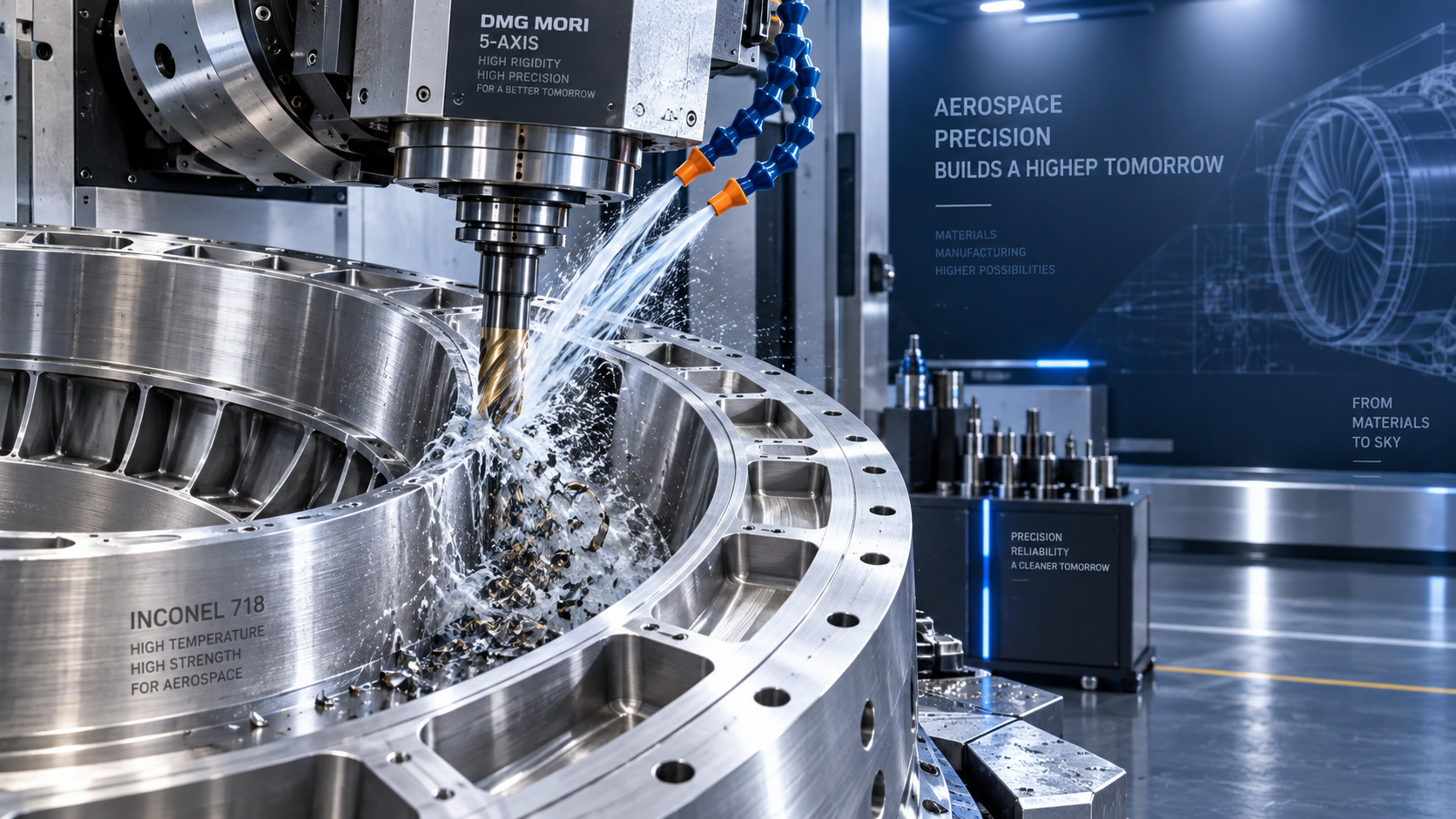
 Can CNC Machining Inconel Control Tool Wear in High-Temperature Aerospace Parts?CNC Machining Technology Center
 Machine Tool Market Outlook: Demand Drivers, Capacity Shifts, and Investment RisksManufacturing Market Research Center
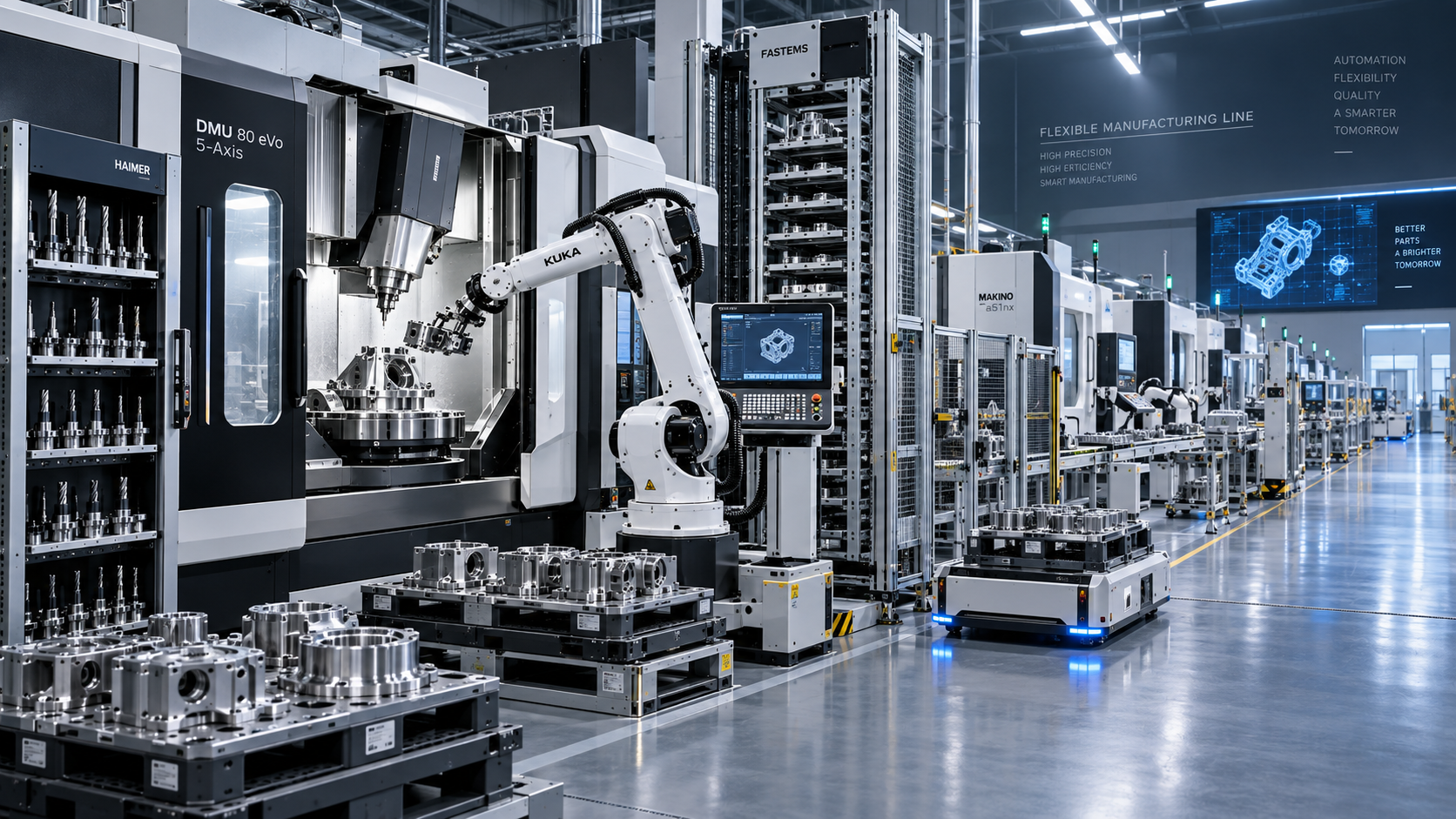
 Zero-Point Clamping or Modular Fixtures? Choosing a Faster CNC Changeover SystemCNC Machining Technology Center
 How to Cut CNC Fixture Changeover Time Without Sacrificing Part AccuracyCNC Machining Technology Center
 When Does CNC Turning Pay Off? A Break-Even Guide by Annual Part VolumeMachine Tool Industry Editorial Team
 Machine Tool Standards by Country: What Importers Must Verify Before PurchaseManufacturing Policy Research Center

Aris Katos
Future of Carbide Coatings
15+ years in precision manufacturing systems. Specialized in high-speed milling and aerospace grade alloy processing.
▶
How to Compare Machine Tools for Small-Batch vs Mass Production JobsMachine Tool Industry Editorial Team▶
Multi-Axis Machine Tool Selection Guide: Travel, Spindle, Accuracy, and Control SystemMachine Tool Industry Editorial Team▶
How to Evaluate Precision Equipment for Tight-Tolerance Parts and Stable OutputMachine Tool Industry Editorial Team▶
KATS Tightens CNC Grinder Import Test RulesMachine Tool Industry Editorial Team▶
Precision Lathe Types Compared: Swiss-Type, Slant Bed, and Flat Bed DifferencesMachine Tool Industry Editorial Team
Mastering 5-Axis Workholding Strategies
Join our technical panel on Nov 15th to learn about reducing vibrations in thin-wall components.

Providing you with integrated sanding solutions
Before-sales and after-sales services
Comprehensive technical support