• Global CNC market projected to reach $128B by 2028 • New EU trade regulations for precision tooling components • Aerospace deman
NYSE: CNC +1.2%LME: STEEL -0.4%

High Precision CNC Machine Tool Maintenance: Common Accuracy Issues and How to Prevent Them

Why does accuracy loss in a High Precision CNC Machine Tool matter so much?

Accuracy loss rarely starts with a dramatic failure. More often, it begins with small deviations that slowly affect surface finish, repeatability, and dimensional stability.
In a High Precision CNC Machine Tool, those small shifts can spread across an entire production batch. That is why maintenance is tied directly to quality control and customer confidence.
This matters across automotive, aerospace, electronics, and energy equipment manufacturing, where tight tolerances are normal and rework is expensive.
In actual service work, the bigger issue is not only part rejection. It is unstable output, longer setup time, and recurring complaints that seem difficult to trace.
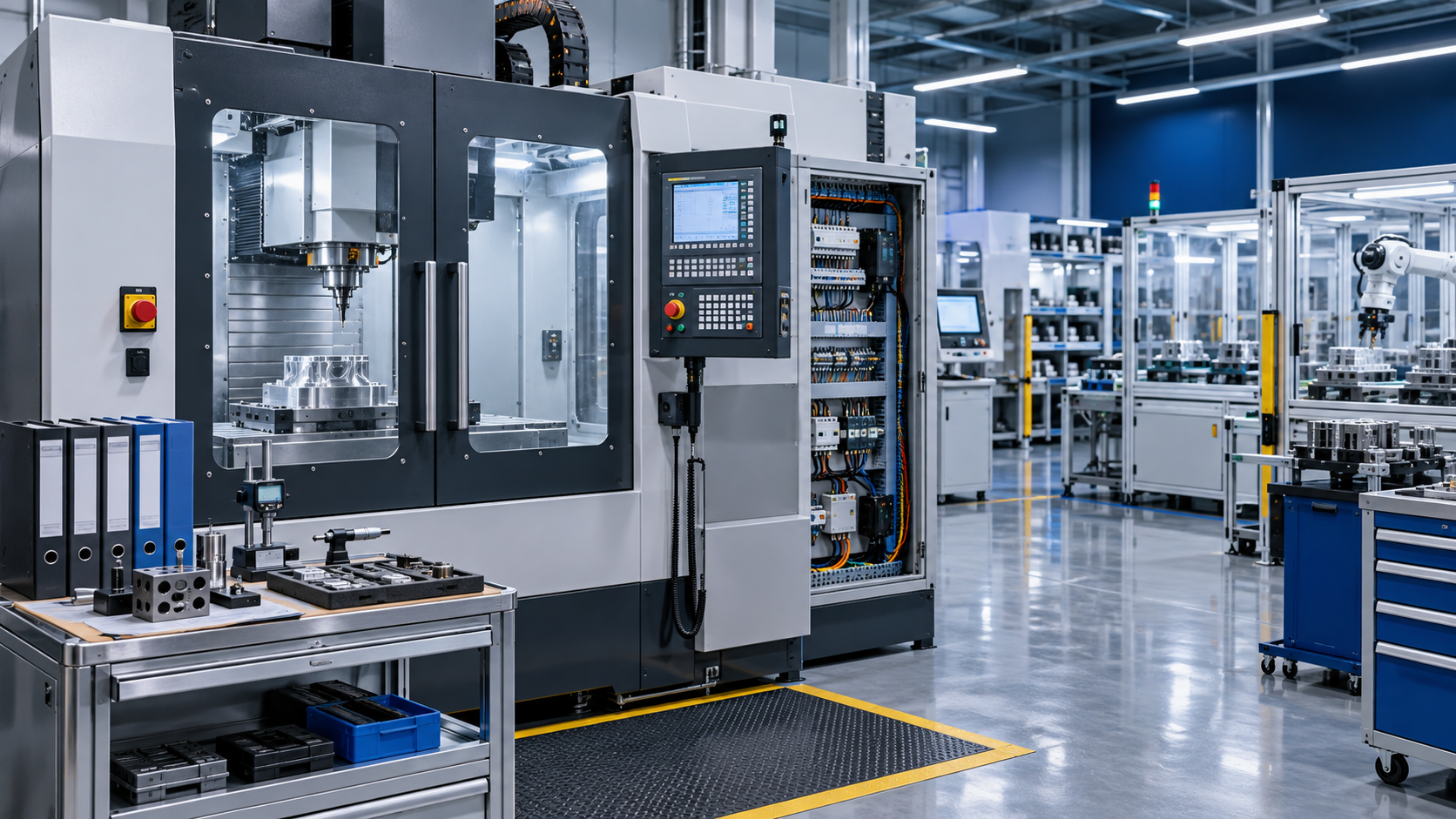
A High Precision CNC Machine Tool depends on alignment, thermal balance, spindle condition, servo response, tooling, and machine foundation working together. When one element drifts, the whole process becomes less predictable.
Global manufacturing is also moving toward smarter, more integrated production lines. That makes preventive maintenance more valuable, because one machine accuracy issue can disturb robots, fixtures, inspection stations, and downstream assembly.
Which accuracy problems show up most often in the field?
The most common problems are usually not mysterious. They tend to repeat from site to site, even when machine brands and applications differ.
A practical way to read machine behavior is to connect the symptom with the likely source before disassembly starts.
This kind of table helps separate accuracy loss from process mistakes. In many cases, the machine is blamed first, while tooling or clamping is the real trigger.
When positioning errors appear, what is usually behind them?
Positioning error is one of the most searched and most misunderstood issues in any High Precision CNC Machine Tool. It can come from mechanical wear, control drift, or a weak setup routine.
Backlash is the familiar starting point, but it is not the only one. Loose couplings, worn ballscrews, contaminated guideways, and unstable servo parameters can create similar symptoms.
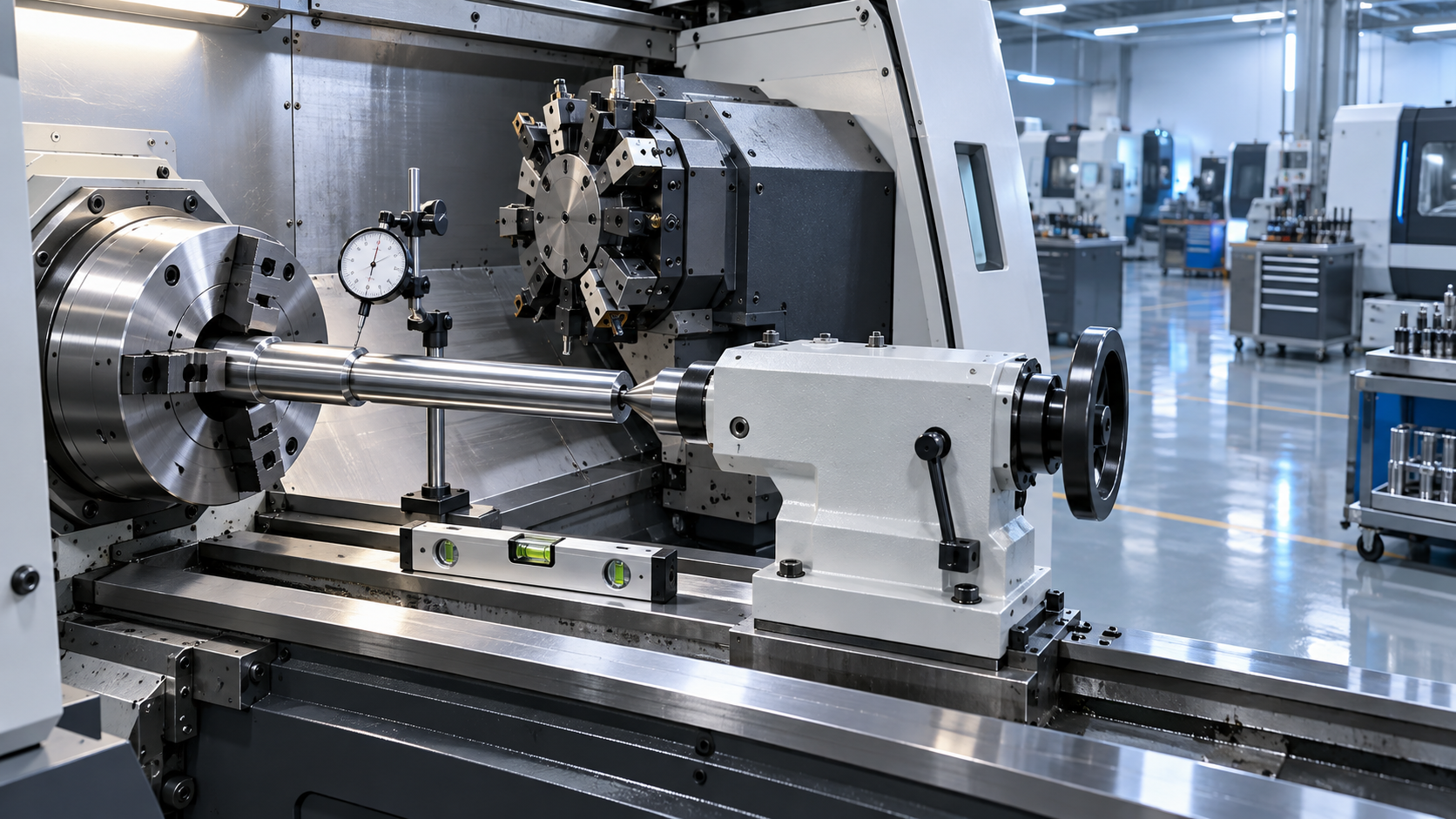
A useful judgment method is to compare one-way positioning with bidirectional repeatability. If the error changes with direction, backlash or transmission looseness becomes more likely.
If the deviation grows over travel distance, axis scale issues, screw wear, or compensation mismatch should be reviewed carefully.
- Check axis lubrication status before deeper calibration work.
- Inspect couplings, bearing seats, and ballscrew support tension.
- Review parameter backups before changing servo compensation values.
- Confirm the fixture and datum strategy used during testing.
More than a few service calls end with a simple finding: the machine passed geometric checks, but the reference surface or clamping condition during verification was unstable.
Why do spindle deviation and thermal distortion keep returning?
These two issues often travel together. A spindle that heats unevenly will shift cutting behavior, and that shift may look like a mechanical alignment fault.
In a High Precision CNC Machine Tool, spindle condition is not only about rotation. It is also about bearing preload, lubrication quality, taper cleanliness, and warm-up consistency.
Thermal distortion becomes more visible in high-speed machining centers, multi-axis systems, and long production cycles. Smart factories increase utilization, which means machines spend more time in heat-generating states.
Needless to say, a cold machine and a fully loaded machine do not behave the same way. That is why short test runs can hide a real production problem.
The better approach is to test accuracy at the operating condition that customers actually use. That includes spindle speed, ambient temperature, coolant flow, and cycle duration.
What usually helps most?
- Keep taper, holder, and contact surfaces free from chips and oil film.
- Use a defined warm-up routine after shutdown or transport.
- Track spindle temperature trend, not only peak temperature.
- Inspect cooling units, fans, and lubricant delivery intervals.
- Recheck alignment after major bearing or spindle cartridge work.
When thermal behavior is ignored, repeated adjustments may only mask the root cause. The machine appears corrected, then drifts again after several shifts.
How can wear be spotted before it becomes a costly accuracy failure?
Wear rarely announces itself clearly. It usually appears as slower cycle stabilization, worsening finish, noisy travel, and compensation values that keep creeping upward.
For a High Precision CNC Machine Tool, preventive inspection works best when mechanical signs are paired with data trends. Servo load, vibration history, and repeatability records are useful together.
In practical terms, some components deserve closer attention than others because they affect geometry directly.
This is especially relevant in global production environments, where machine uptime is pushed hard and spare parts may involve lead times across countries and suppliers.
What maintenance habits prevent repeat complaints better than emergency repairs?
The best results usually come from a stable routine, not from heroic troubleshooting after a breakdown. Accuracy protection is a system, not a one-time adjustment.
A High Precision CNC Machine Tool should have a maintenance rhythm tied to usage intensity, material type, operating temperature, and tolerance demands.
More advanced sites already combine manual inspection with controller data, spindle monitoring, and periodic laser or ball-bar checks. Even without full smart factory integration, the logic still applies.
A practical prevention routine usually includes:
- Daily cleaning of taper surfaces, covers, and exposed guide areas.
- Scheduled verification of backlash, runout, and repeatability values.
- Regular review of lubrication flow and coolant concentration.
- Periodic checks of foundation bolts, leveling, and vibration sources nearby.
- Documented warm-up and restart procedures after idle periods.
- Trend records for offsets, alarm frequency, and dimensional drift.
One useful habit is to treat repeated offset correction as a symptom, not a solution. When offsets keep changing, the machine or process is already sending a warning.
How should the next inspection or service plan be prioritized?
Not every deviation deserves the same response. A sensible plan starts by separating urgent geometric risks from manageable process variation.
If the High Precision CNC Machine Tool shows unstable repeatability, spindle runout growth, or heat-related dimension drift, inspection should move quickly from symptoms to root cause verification.
If the issue is limited to one part family, then tooling, clamping, and program logic should be reviewed alongside machine condition.
The strongest maintenance decisions usually come from three records kept together: machine accuracy history, operating condition history, and actual part deviation history.
In the broader CNC machine tool industry, higher precision and digital integration are raising expectations everywhere. That makes disciplined maintenance a competitive requirement, not just a repair function.
Before the next service cycle, it is worth confirming four things clearly: which error appears first, under what load it appears, whether it repeats by direction or temperature, and which component changed most recently.
That approach keeps maintenance focused, reduces repeated downtime, and helps a High Precision CNC Machine Tool return to stable, predictable performance with fewer trial-and-error adjustments.
Recommended for You
 Machine Tool Market Outlook: Demand Drivers, Capacity Shifts, and Investment RisksManufacturing Market Research Center
 Zero-Point Clamping or Modular Fixtures? Choosing a Faster CNC Changeover SystemCNC Machining Technology Center
 How to Cut CNC Fixture Changeover Time Without Sacrificing Part AccuracyCNC Machining Technology Center
 When Does CNC Turning Pay Off? A Break-Even Guide by Annual Part VolumeMachine Tool Industry Editorial Team
 Machine Tool Standards by Country: What Importers Must Verify Before PurchaseManufacturing Policy Research Center
 CNC Lathe Quick Installation Guide: Alignment Checks Before First Production RunCNC Machining Technology Center

Aris Katos
Future of Carbide Coatings
15+ years in precision manufacturing systems. Specialized in high-speed milling and aerospace grade alloy processing.
▶
How to Compare Machine Tools for Small-Batch vs Mass Production JobsMachine Tool Industry Editorial Team▶
Multi-Axis Machine Tool Selection Guide: Travel, Spindle, Accuracy, and Control SystemMachine Tool Industry Editorial Team▶
How to Evaluate Precision Equipment for Tight-Tolerance Parts and Stable OutputMachine Tool Industry Editorial Team▶
KATS Tightens CNC Grinder Import Test RulesMachine Tool Industry Editorial Team▶
Precision Lathe Types Compared: Swiss-Type, Slant Bed, and Flat Bed DifferencesMachine Tool Industry Editorial Team
Mastering 5-Axis Workholding Strategies
Join our technical panel on Nov 15th to learn about reducing vibrations in thin-wall components.

Providing you with integrated sanding solutions
Before-sales and after-sales services
Comprehensive technical support