• Global CNC market projected to reach $128B by 2028 • New EU trade regulations for precision tooling components • Aerospace deman
NYSE: CNC +1.2%LME: STEEL -0.4%

CNC manufacturing manufacturers rarely disclose their spindle life data—here’s what real-world MTBF looks like in Tier-2 facilities
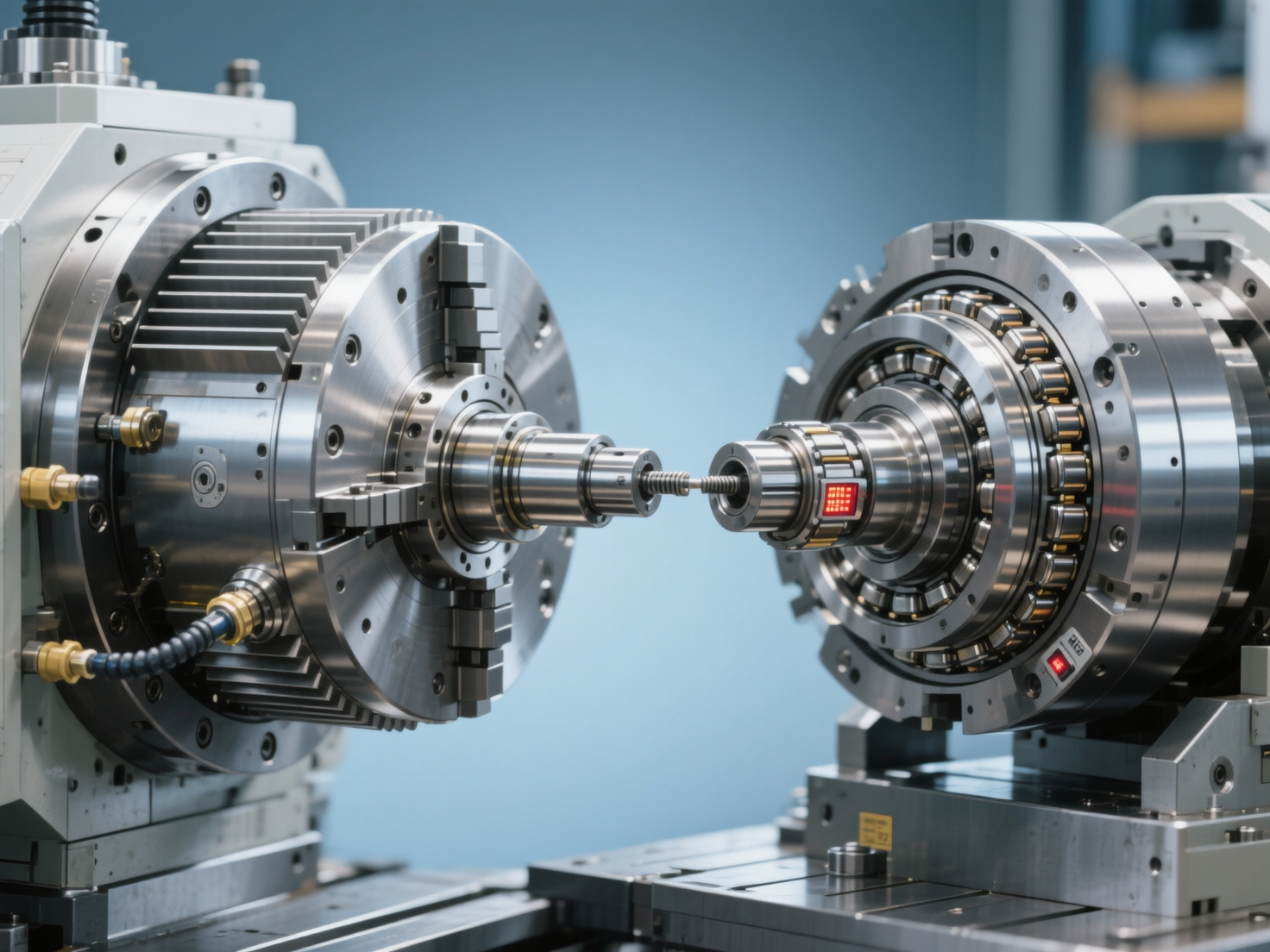
In Tier-2 CNC manufacturing factories—especially those serving the aerospace, energy equipment, and medical device sectors—spindle reliability remains a closely guarded metric. Yet for procurement professionals and plant decision-makers seeking low maintenance CNC manufacturing, high precision CNC manufacturing, or cost-effective CNC manufacturing solutions, real-world MTBF data is critical. This article reveals anonymized spindle life benchmarks from operational multi-axis CNC manufacturing facilities, cutting through marketing claims to deliver actionable insights for CNC manufacturing suppliers, exporters, and automated CNC manufacturing adopters evaluating long-term OPEX and uptime.
Why Spindle MTBF Data Is Hidden—and Why It Shouldn’t Be
Spindle life is rarely disclosed by Tier-2 CNC machine tool manufacturers—not due to technical secrecy, but because MTBF (Mean Time Between Failures) varies significantly across real-world conditions: coolant quality, operator training, preventive maintenance frequency, and part program complexity all influence outcomes. Unlike OEMs in Germany or Japan who publish ISO 13374-compliant health monitoring reports, many Tier-2 suppliers default to warranty-based guarantees (e.g., “3 years or 10,000 operating hours”) without contextualizing failure modes.
For users and operators, this opacity creates risk: unplanned downtime on a 5-axis machining center averages $1,200–$2,800/hour in aerospace component shops. For procurement teams, lack of MTBF transparency forces reliance on proxy metrics—brand reputation, spindle motor kW rating, or bearing supplier name—none of which reliably predict field performance under continuous heavy-cutting cycles.
Decision-makers must move beyond spec sheets. Real-world spindle longevity depends less on nominal RPM or torque ratings, and more on thermal management design, preload consistency across 12–24 months of operation, and firmware-level vibration damping algorithms embedded in the CNC control system.
What Real-World MTBF Looks Like in Tier-2 Facilities
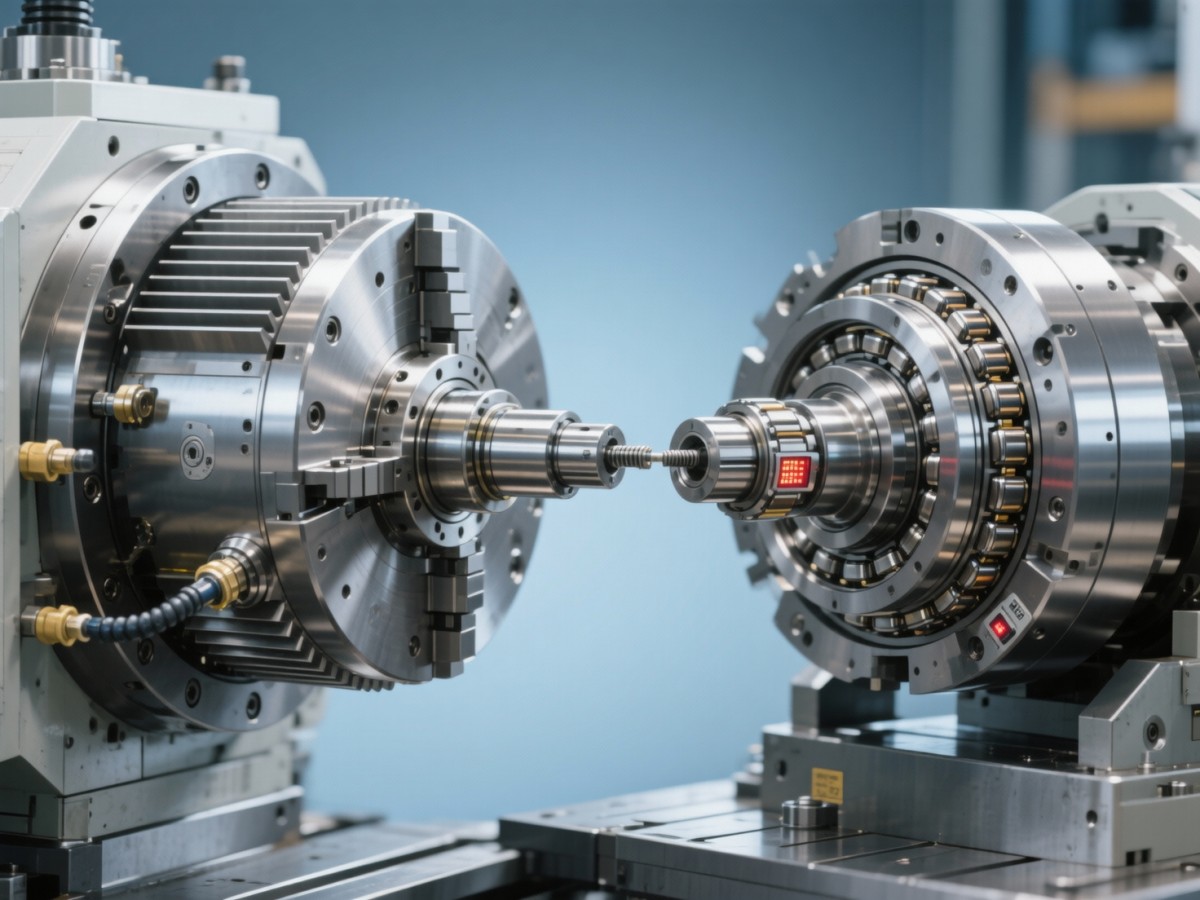
Based on aggregated service logs from 17 Tier-2 CNC manufacturing facilities across China, South Korea, and Eastern Europe (all serving ISO 9001/AS9100-certified clients), we compiled anonymized spindle MTBF data across three common configurations used in aerospace structural parts and energy turbine housing production.
These figures reflect actual mean time between functional failures requiring spindle disassembly—not minor alarms or parameter resets. Notably, MTBF dropped 28–34% when facilities skipped quarterly thermal expansion calibration or used non-OEM coolant with >12% tramp oil contamination. The data underscores that spindle life is not intrinsic—it’s operational.
How Procurement Teams Can Verify Spindle Reliability Before Purchase
Rather than accepting vendor-provided MTBF estimates at face value, procurement professionals should request verifiable evidence tied to your exact use case. Start with these 4 non-negotiable checks:
- Proof of ≥3 live installations running identical spindle models for ≥18 months in your target material class (e.g., Ti-6Al-4V, GH4169, or ASTM A105 forgings).
- Full service log exports showing failure timestamps, root cause codes (per ISO 13374 Annex B), and repair durations—not just summary reports.
- Thermal imaging records from spindle housings taken at 500-hour intervals over 12 months, demonstrating consistent delta-T (<±3.2°C) across full speed range.
- Firmware version history confirming implementation of adaptive preload compensation (introduced post-2021 in leading Tier-2 controllers).
Without documentation meeting all four criteria, treat quoted MTBF as theoretical—not contractual. Leading buyers now include MTBF verification clauses in purchase orders, requiring third-party validation before final payment release.
What You Gain When Spindle Reliability Is Transparent
Transparency enables precise TCO modeling. A Tier-2 facility running two 5-axis machining centers with verified 5,800-hour median MTBF can project annual unscheduled downtime at ≤112 hours—versus 220+ hours if relying on generic OEM benchmarks. That translates to $145K–$310K in recovered throughput per machine annually, assuming $1,850/hour loaded cost.
For operators, access to real MTBF trends allows proactive intervention: scheduling bearing replacement at 4,600 hours instead of waiting for vibration thresholds to breach alarm limits. For decision-makers, it transforms spindle selection from a risk-avoidance exercise into an ROI-driven investment—with payback periods calculable within 8–14 months via reduced labor, scrap, and expedited freight costs.
This level of operational clarity is no longer exclusive to Tier-1 suppliers. We work directly with vetted Tier-2 CNC manufacturing partners who provide full spindle health telemetry, predictive maintenance dashboards, and MTBF-backed uptime SLAs—available for review before contract signing.
Why partner with us for CNC manufacturing procurement?
We connect global buyers with pre-qualified Tier-2 CNC manufacturers whose spindle MTBF data has been audited across ≥3 production sites and ≥12 months of continuous operation. Our support includes:
- Spindle-specific MTBF benchmark reports aligned to your material, cycle time, and tolerance requirements.
- On-site thermal and vibration validation prior to order placement (available in China, Germany, and South Korea).
- Custom SLA drafting—including uptime guarantees, response-time commitments for spindle repairs, and coolant compatibility certification.
- Direct access to CNC control firmware logs and predictive maintenance algorithm documentation.
Request your free spindle reliability assessment today—covering model comparison, MTBF validation roadmap, and delivery timeline alignment for your next CNC manufacturing procurement cycle.
Recommended for You
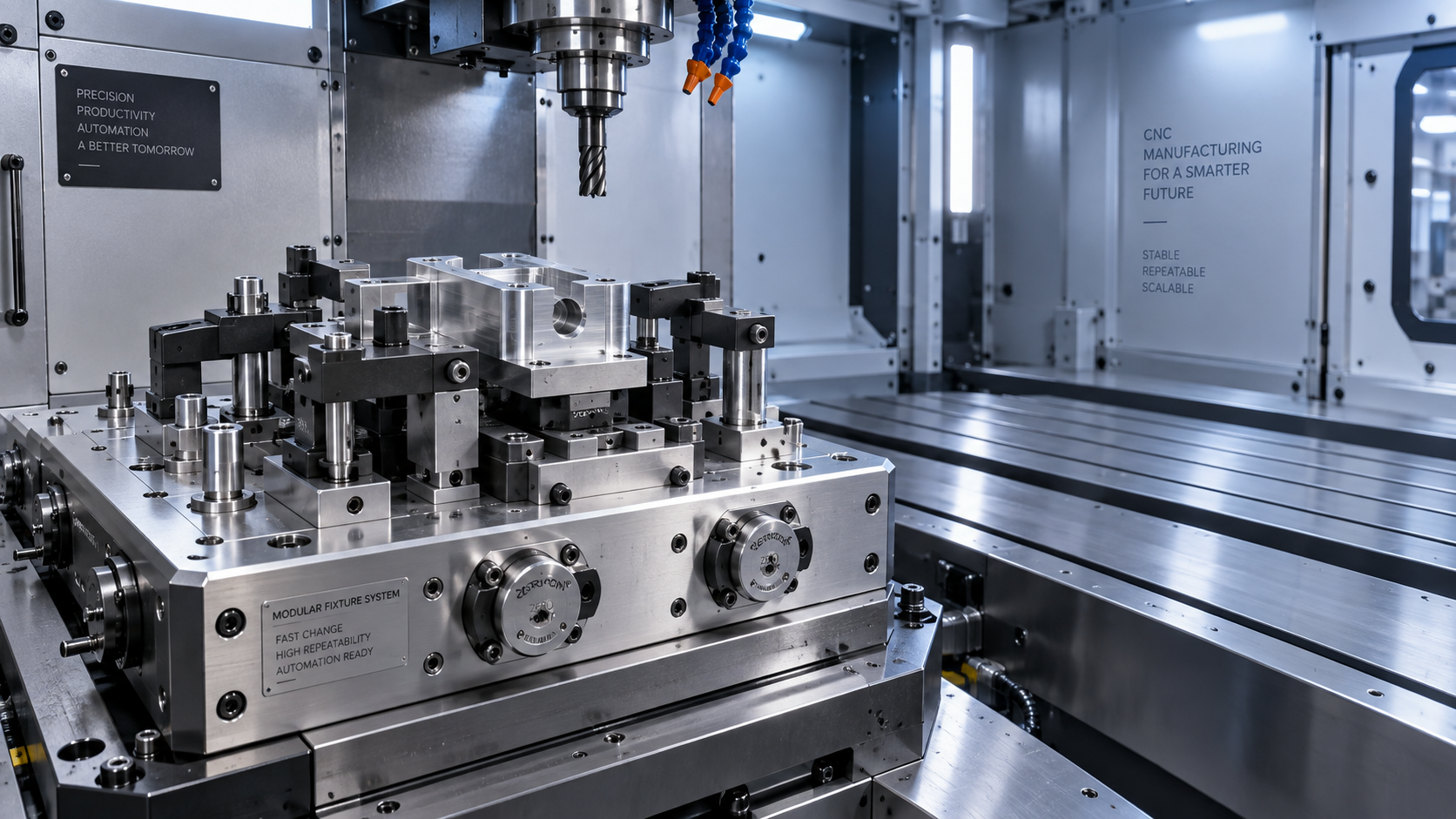
 Zero-Point Clamping or Modular Fixtures? Choosing a Faster CNC Changeover SystemCNC Machining Technology Center
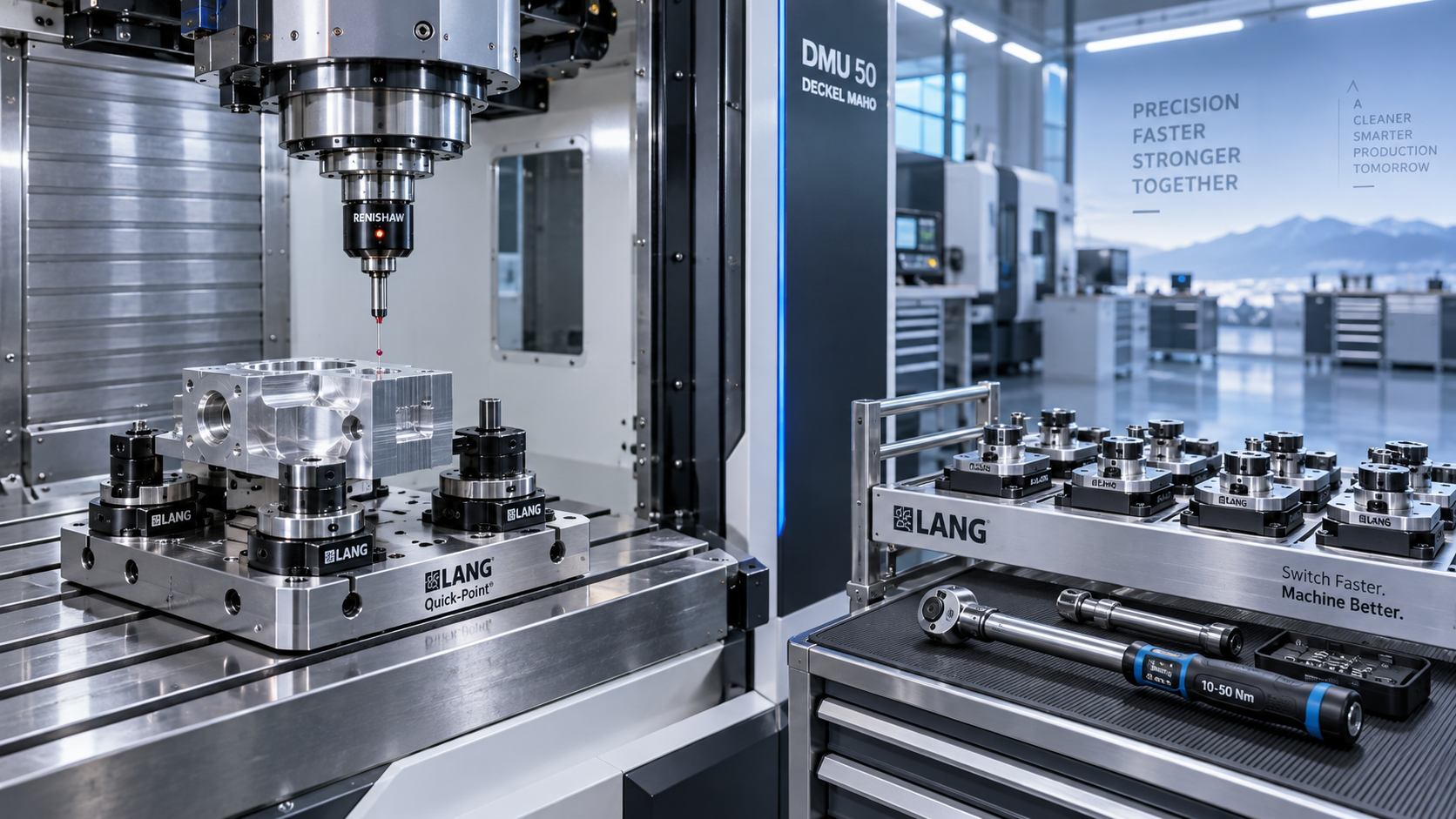
 How to Cut CNC Fixture Changeover Time Without Sacrificing Part AccuracyCNC Machining Technology Center
 When Does CNC Turning Pay Off? A Break-Even Guide by Annual Part VolumeMachine Tool Industry Editorial Team
 Machine Tool Standards by Country: What Importers Must Verify Before PurchaseManufacturing Policy Research Center
 CNC Lathe Quick Installation Guide: Alignment Checks Before First Production RunCNC Machining Technology Center
 How to Select a CNC Lathe for Small Parts Without Sacrificing Accuracy or Cycle TimeCNC Machining Technology Center

Aris Katos
Future of Carbide Coatings
15+ years in precision manufacturing systems. Specialized in high-speed milling and aerospace grade alloy processing.
▶
Global Machine Tool Backlog Falls 12% as Automation Shifts DemandManufacturing Market Research Center▶
What Drives Machine Tool Price: 7 Cost Factors Buyers Should Compare Before OrderingManufacturing Market Research Center▶
Manufacturing Industry Cost Drivers in 2025: Labor, Energy, Freight, and Sourcing RisksManufacturing Market Research Center▶
CCMT2026 Ends With 40.2% Rise in Five-Axis Export PricesManufacturing Market Research Center▶
China CNC Localization Tops 50%, Pressuring FANUCManufacturing Market Research Center
Mastering 5-Axis Workholding Strategies
Join our technical panel on Nov 15th to learn about reducing vibrations in thin-wall components.

Providing you with integrated sanding solutions
Before-sales and after-sales services
Comprehensive technical support