• Global CNC market projected to reach $128B by 2028 • New EU trade regulations for precision tooling components • Aerospace deman
NYSE: CNC +1.2%LME: STEEL -0.4%

Industrial machining equipment orders spiked—but delivery timelines stretched by 14 weeks. Why?
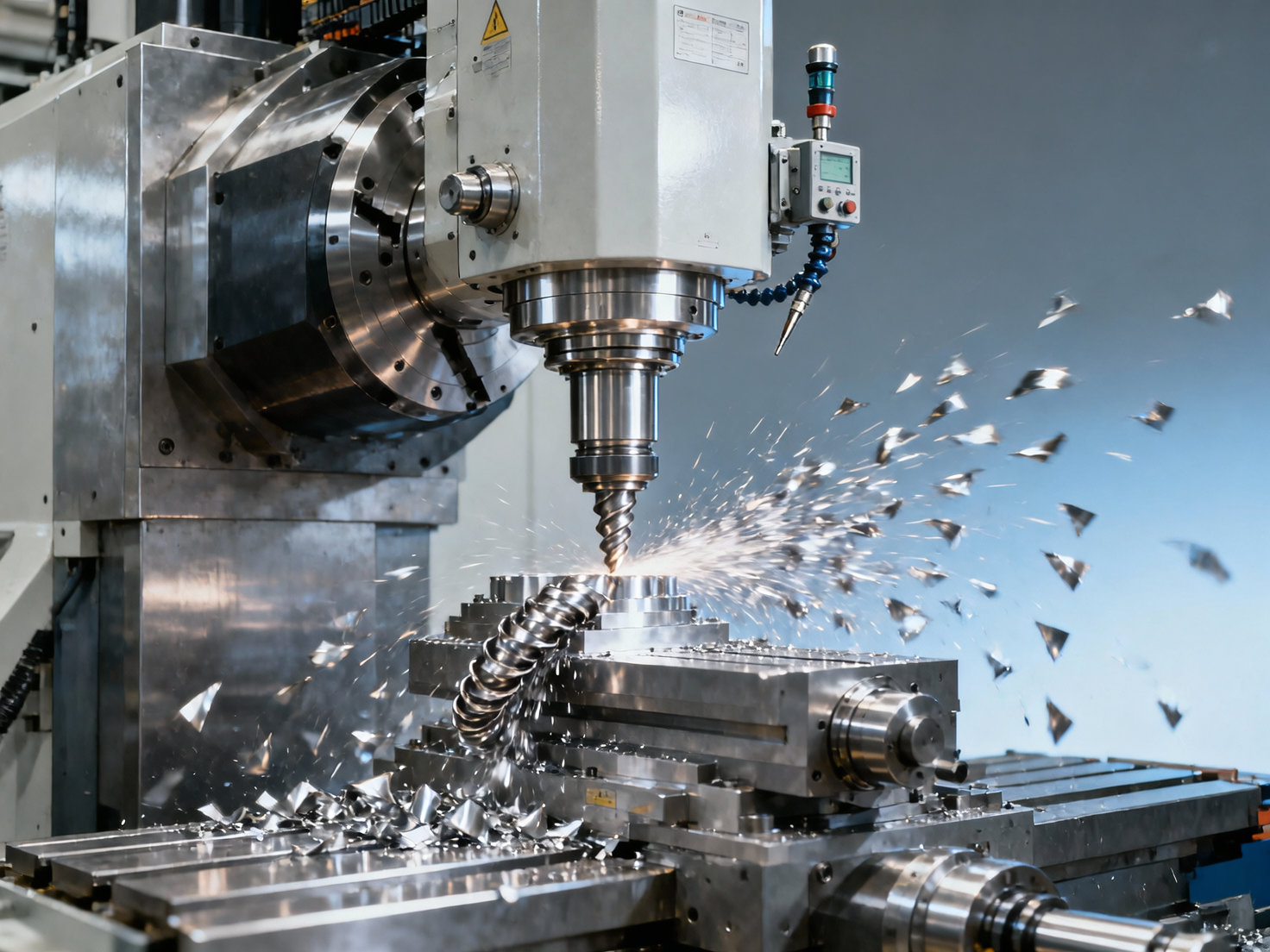
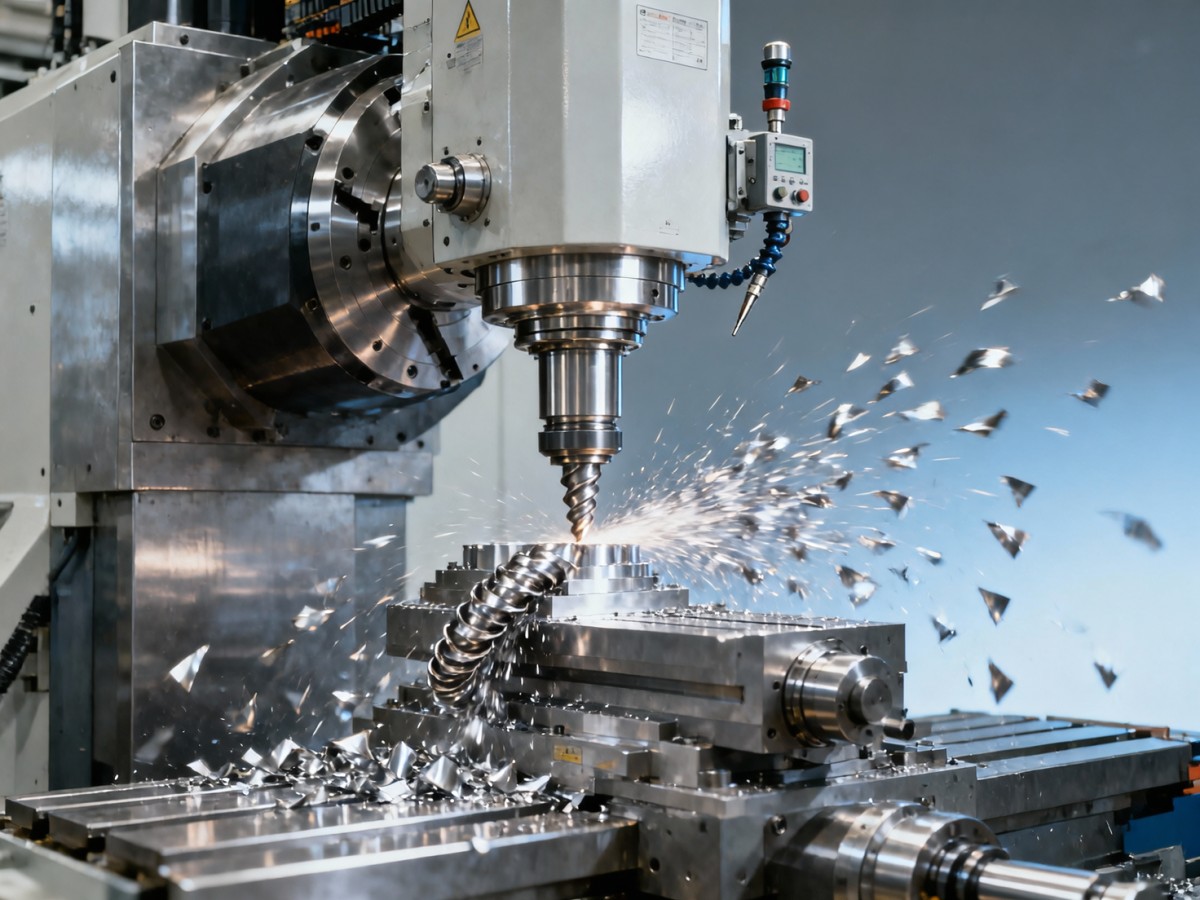
Industrial machining equipment orders surged globally—yet average delivery timelines now stretch 14 weeks. Why this growing gap between demand and delivery? As CNC industrial machines, automated industrial systems, and high-precision lathes face unprecedented order volumes—from automotive to aerospace—supply chain bottlenecks, component shortages, and surging demand for CNC metal cutting and automated production solutions are straining capacity. For procurement teams, operators, and decision-makers alike, understanding the drivers behind this delay is critical to planning CNC production equipment investments, optimizing metal machining workflows, and securing reliable industrial CNC supply. Let’s break down what’s really happening—and what it means for your operations.
Global Demand Surge: From Recovery to Overcapacity Pressure
CNC machine tool orders jumped 32% YoY in Q1 2024 across major export markets—including Germany (+28%), Japan (+35%), South Korea (+41%), and China (+39%). This isn’t cyclical rebound—it’s structural acceleration driven by reshoring initiatives, EV powertrain scaling, and aerospace component requalification programs requiring tight-tolerance multi-axis machining centers.
Automotive OEMs alone placed over 1,800 new CNC lathe and 5-axis machining center orders in early 2024—representing a 47% increase over 2023’s first half. Meanwhile, energy sector demand for large-bore vertical turning lathes (≥Φ3,200 mm) rose 29%, with lead times for heavy-duty gantry milling systems now averaging 22 weeks.
What’s amplifying pressure is not just volume—but specification intensity. Over 68% of new orders specify ≥IT5 geometric tolerance, integrated probing cycles, and real-time thermal compensation—features that extend engineering validation and assembly time by 3–5 weeks per unit.
The table above reveals a pattern: sectors demanding highest precision and process traceability face longest delays—not because of raw material scarcity alone, but due to extended software integration, custom fixture validation, and post-assembly metrology certification cycles. Procurement teams must now treat “delivery timeline” as a technical specification—not just a commercial term.
Critical Component Shortages: Where Bottlenecks Really Reside
While headlines cite chip shortages, the deeper constraint lies in motion control subsystems. High-resolution linear encoders (±0.1 µm repeatability), torque motors for direct-drive rotary tables, and dual-channel CNC controllers with ISO 230-6 compliance are experiencing 12–18 week backlogs from Tier-1 suppliers in Germany and Japan.
Ball screw assemblies rated for ≥10 million km service life—a requirement for automotive high-mix production lines—are delayed an average of 14 weeks. Similarly, high-pressure coolant manifolds (≥100 bar) compatible with advanced MQL systems now require pre-order deposits and 11-week minimum lead time.
These aren’t commodity parts. They’re calibrated, serialized, and traceable components—each requiring individual calibration certificates and firmware version matching. A single mismatched encoder model can stall final commissioning for up to 9 days while awaiting recalibration or replacement.
Top 4 Delay-Prone Subsystems (2024 Data)
- High-bandwidth servo drives with EtherCAT G interface (avg. wait: 13 weeks)
- Integrated spindle monitoring modules with vibration spectrum analysis (11–15 weeks)
- Custom hydraulic clamping fixtures with ISO 50001-compliant energy recovery (12 weeks)
- AI-enabled edge controllers supporting OPC UA over TSN (16 weeks, limited to 3 vendors globally)
Procurement Strategy Shifts: Beyond Lead Time Negotiation
Smart buyers are moving past “can you ship faster?” to structured risk mitigation. Leading manufacturers now apply a 4-tier qualification framework before placing CNC equipment orders:
- Supply Chain Transparency Audit: Require real-time visibility into sub-tier supplier inventory levels and wafer fab allocation schedules for motion control ICs.
- Modular Configuration Lock: Finalize mechanical base, electrical cabinet, and coolant system specs before software integration begins—reducing late-stage change orders by up to 63%.
- Phased Commissioning Agreement: Accept partial delivery—e.g., machine base + gantry installed in Q3, while spindle module and probing kit arrive Q4—with staged payment terms aligned to verified milestones.
- Local Support Readiness Verification: Confirm on-site technician certification status, spare part buffer stock (min. 72 hrs of critical consumables), and remote diagnostics SLA prior to PO issuance.
This shift transforms procurement from transactional negotiation to collaborative capacity planning—where buyers co-develop build schedules with OEMs and share demand signals upstream.
Operational Mitigation: What Shops Can Do Today
While waiting for new machines, forward-looking shops deploy three proven tactics:
- Digital Twin Optimization: Run offline simulations of existing CNC fleets using actual part programs to identify underutilized axes and unlock 12–18% additional throughput without capital spend.
- Cutting Tool Intelligence Upgrades: Retrofit legacy spindles with smart tool holders (ISO 26623-compliant) to reduce setup time by 22 minutes per job and extend insert life by 17%—effectively compressing cycle time.
- Multi-Machine Monitoring Hubs: Deploy edge-based MES gateways that aggregate data from CNCs, CMMs, and shop-floor sensors—cutting root-cause diagnosis time from hours to <8 minutes.
These measures don’t replace new equipment—but they buy operational breathing room. In one Tier-1 automotive supplier, such interventions deferred 3 new machining center purchases by 11 months while increasing OEE from 68% to 79%.
Looking Ahead: When Will Timelines Normalize?
Industry consensus points to mid-2025 as the earliest inflection point—driven by three converging factors: expanded encoder production in Dresden (operational Q3 2024), new ball screw capacity in Nagoya (ramping Q1 2025), and adoption of modular CNC controller architectures that decouple hardware delivery from software certification.
Until then, success hinges on proactive alignment—not passive waiting. That means treating delivery timelines as dynamic KPIs tied to engineering readiness, supplier capacity signals, and internal production ramp plans.
For procurement professionals, operators, and decision-makers navigating today’s constrained market: clarity starts with transparency—not just in quoting, but in shared visibility across the entire value chain.
If your team is evaluating CNC equipment investments amid extended lead times, contact our global CNC advisory team for a free capacity-readiness assessment—including supplier lead time benchmarking, modular configuration guidance, and phased commissioning roadmaps tailored to your production schedule.
Recommended for You
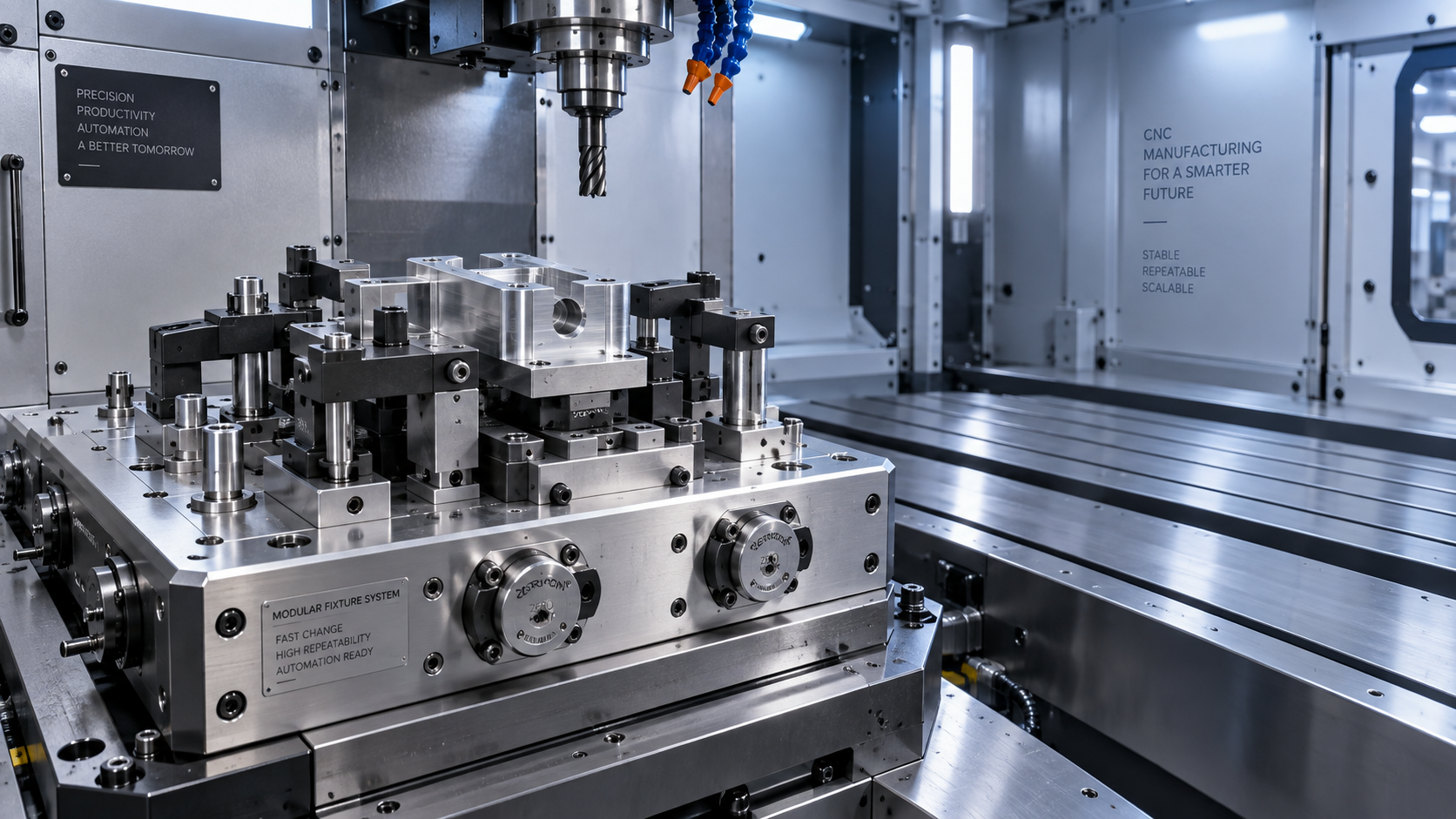
 Zero-Point Clamping or Modular Fixtures? Choosing a Faster CNC Changeover SystemCNC Machining Technology Center
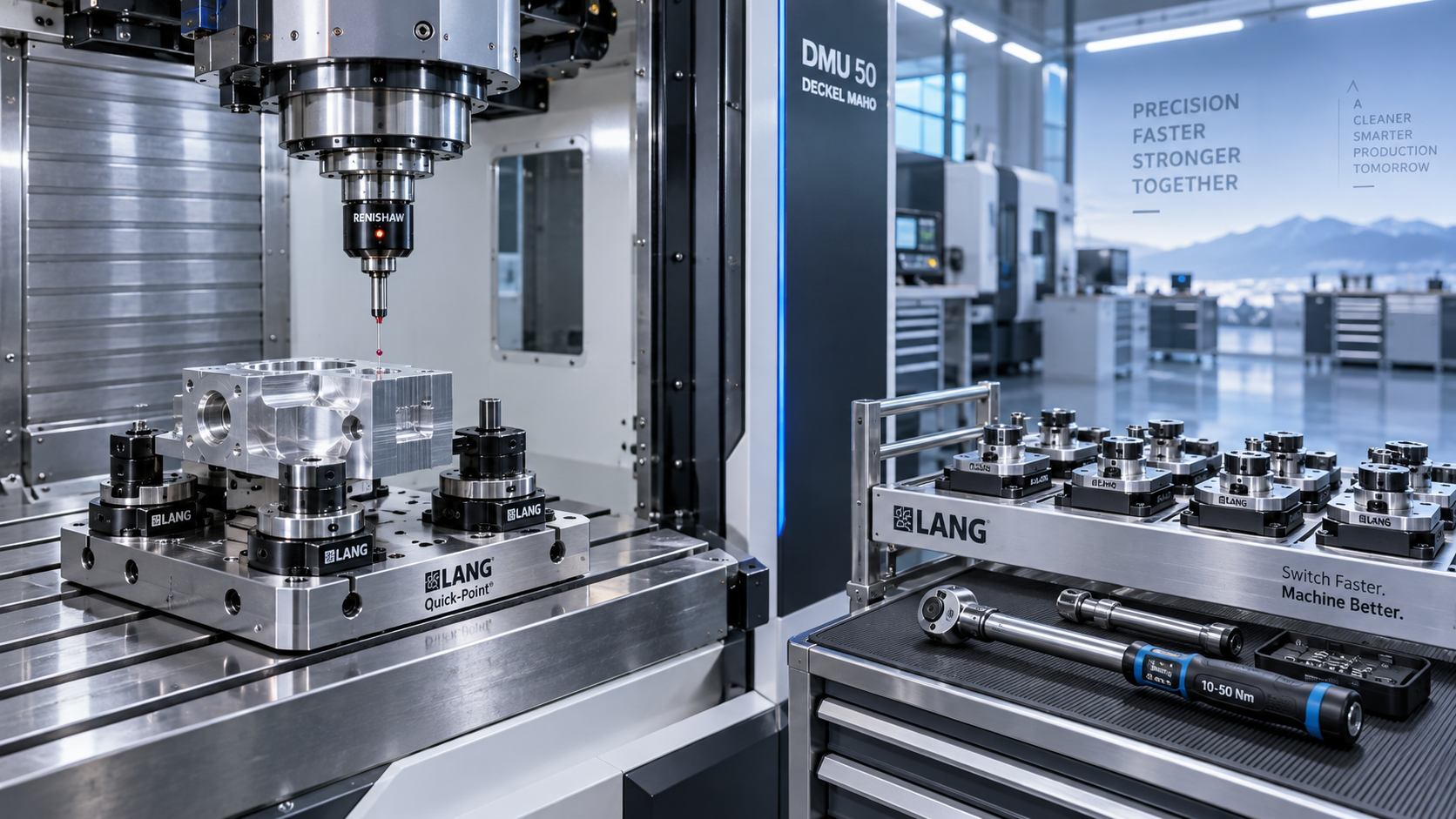
 How to Cut CNC Fixture Changeover Time Without Sacrificing Part AccuracyCNC Machining Technology Center
 When Does CNC Turning Pay Off? A Break-Even Guide by Annual Part VolumeMachine Tool Industry Editorial Team
 Machine Tool Standards by Country: What Importers Must Verify Before PurchaseManufacturing Policy Research Center
 CNC Lathe Quick Installation Guide: Alignment Checks Before First Production RunCNC Machining Technology Center
 How to Select a CNC Lathe for Small Parts Without Sacrificing Accuracy or Cycle TimeCNC Machining Technology Center

Aris Katos
Future of Carbide Coatings
15+ years in precision manufacturing systems. Specialized in high-speed milling and aerospace grade alloy processing.
▶
Global Machine Tool Backlog Falls 12% as Automation Shifts DemandManufacturing Market Research Center▶
What Drives Machine Tool Price: 7 Cost Factors Buyers Should Compare Before OrderingManufacturing Market Research Center▶
Manufacturing Industry Cost Drivers in 2025: Labor, Energy, Freight, and Sourcing RisksManufacturing Market Research Center▶
CCMT2026 Ends With 40.2% Rise in Five-Axis Export PricesManufacturing Market Research Center▶
China CNC Localization Tops 50%, Pressuring FANUCManufacturing Market Research Center
Mastering 5-Axis Workholding Strategies
Join our technical panel on Nov 15th to learn about reducing vibrations in thin-wall components.

Providing you with integrated sanding solutions
Before-sales and after-sales services
Comprehensive technical support