• Global CNC market projected to reach $128B by 2028 • New EU trade regulations for precision tooling components • Aerospace deman
NYSE: CNC +1.2%LME: STEEL -0.4%

Global Manufacturing Trends: What Is Reshaping Supply Chains and Production Costs
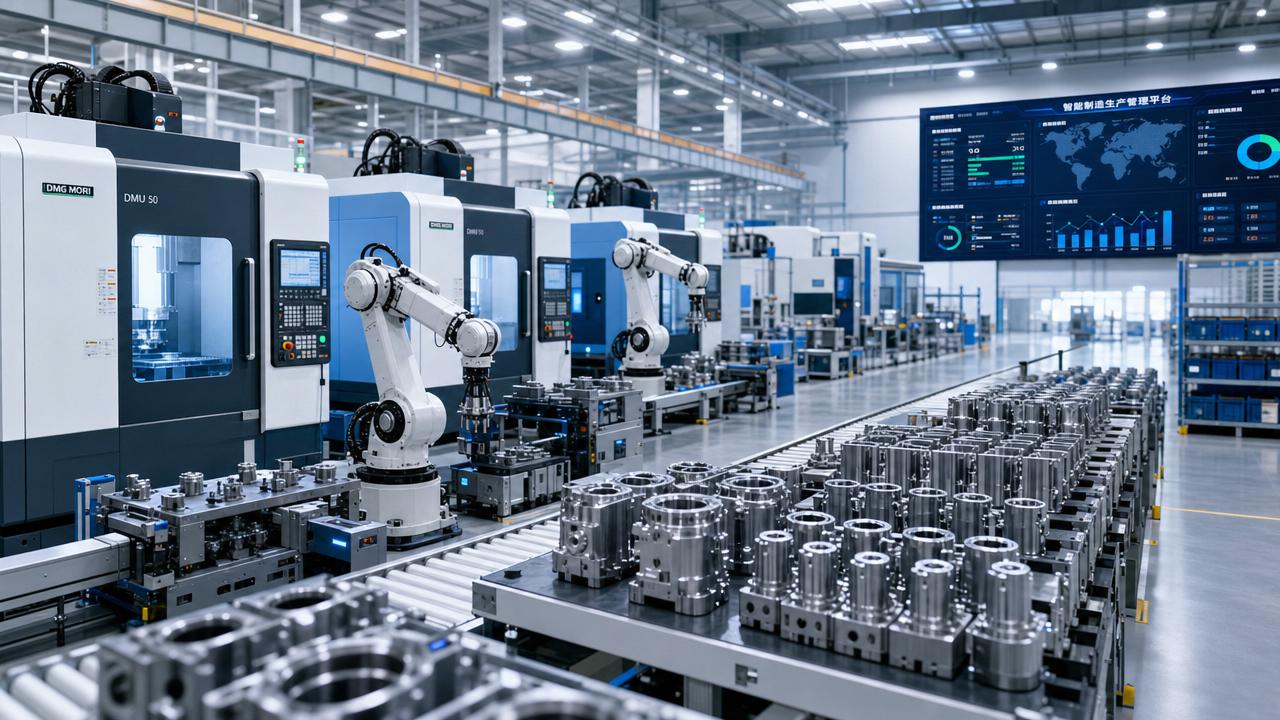
Global Manufacturing is entering a more complex phase. Production is no longer shaped only by wage differences or shipping rates. It is now influenced by automation maturity, regional policy, energy exposure, supply security, and the ability to respond faster to demand shifts.
That shift matters because supply chains are being redesigned at the same time that production costs are becoming harder to predict. For industrial businesses, especially those tied to CNC machining, machine tools, and precision components, the question is no longer where to produce at the lowest nominal cost, but where to build resilient and scalable capacity.
Why Global Manufacturing is being rebalanced
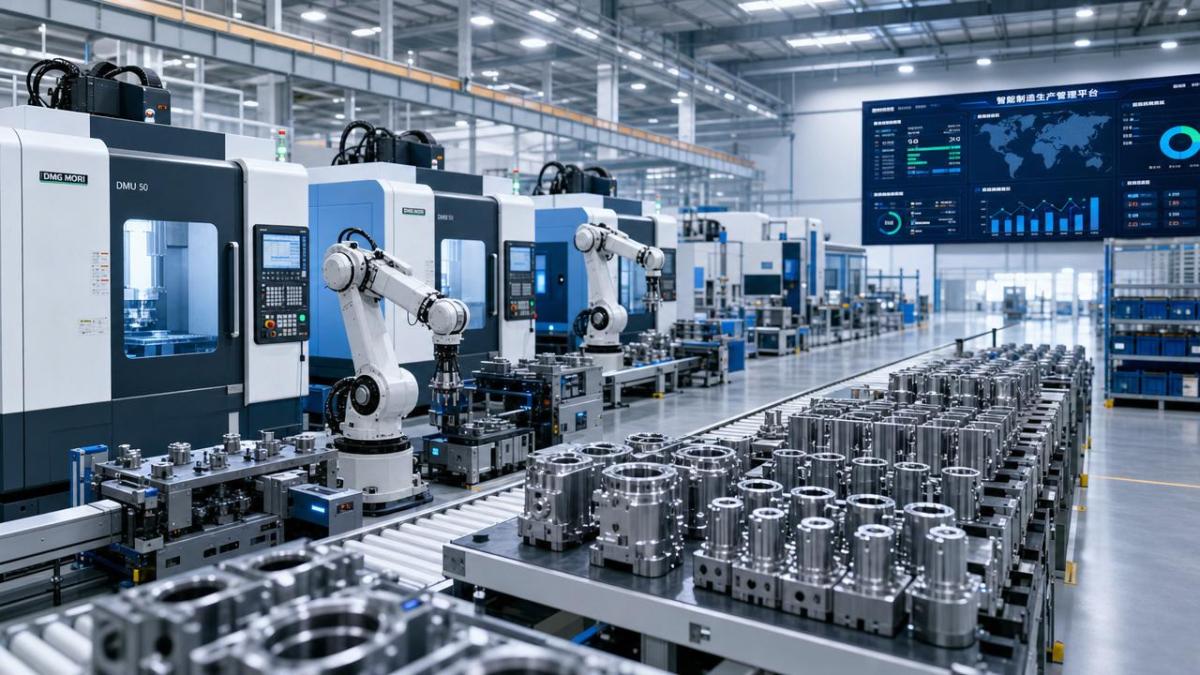
A few years ago, many sourcing strategies were optimized for efficiency under stable trade conditions. That logic has weakened. Freight volatility, tariff exposure, export controls, and regional conflicts have made long supply chains more fragile than they appear on spreadsheets.
At the same time, labor costs have risen across both developed and emerging markets. This has narrowed the gap between offshore and nearshore production, especially in sectors where automation can offset labor intensity.
Global Manufacturing is therefore being rebalanced, not fully reversed. Reshoring is part of the story, but so is the growth of dual sourcing, regional manufacturing hubs, and distributed production networks built for speed and continuity.
The cost equation now goes beyond direct labor
Production cost analysis has become more layered. Direct wages still matter, but they rarely explain total manufacturing economics on their own. In many industrial categories, the larger question is how stable output can remain when demand, logistics, or regulation changes abruptly.
This is especially visible in precision manufacturing. CNC lathes, machining centers, multi-axis systems, cutting tools, fixtures, and automated lines require capital, skilled programming, reliable power, and tightly managed maintenance schedules.
When those elements are well integrated, higher wage regions can remain competitive. When they are not, lower labor cost locations may still produce higher total costs through scrap, delays, inconsistent tolerances, or slow changeovers.
Key cost drivers gaining weight
- Energy prices, especially for metalworking, heat treatment, and high-duty automated lines.
- Inventory buffering needed to protect against shipping delays and component shortages.
- Capital spending on automation, robotics, and digital monitoring systems.
- Compliance costs tied to trade rules, traceability, and sustainability reporting.
- Downtime risk caused by weak supplier ecosystems or unstable technical support.
Automation is changing location strategy
Automation is not only a productivity tool. It is also a location strategy. As industrial robots, smart factory systems, and flexible production cells improve, the importance of labor arbitrage declines in several manufacturing segments.
For Global Manufacturing, this creates a different decision framework. A factory with advanced CNC systems, real-time machine data, automated material handling, and predictable process control can justify production closer to end markets.
This is one reason industrial clusters remain important. China, Germany, Japan, and South Korea continue to lead in machine tool capability because they combine equipment expertise, supplier depth, engineering talent, and process discipline.
In practice, automation favors locations that can support uptime, calibration, software integration, and spare parts availability. A highly automated plant without local technical support may still face hidden operational risk.
What this means for CNC and precision production
The CNC machine tool industry sits near the center of these changes because it enables the production of parts that other industries depend on. Automotive systems, aerospace assemblies, energy equipment, and electronics all rely on accurate, repeatable machining capacity.
Global Manufacturing trends are pushing precision producers toward higher integration. The machine itself is no longer the full investment case. The wider production environment now matters just as much.
That wider view includes tooling life, fixture consistency, programming efficiency, digital traceability, and operator support. It also includes whether a site can scale output without compromising tolerance control.
Regionalization is becoming more practical than full relocation
Many businesses are not moving everything back to one country. Instead, they are splitting production by product family, risk profile, and lead-time sensitivity. This creates a more practical model for Global Manufacturing.
High-volume, stable parts may remain in established export hubs. Precision assemblies with tighter delivery requirements may shift closer to final markets. Prototype work and engineering-intensive production often stay near design teams.
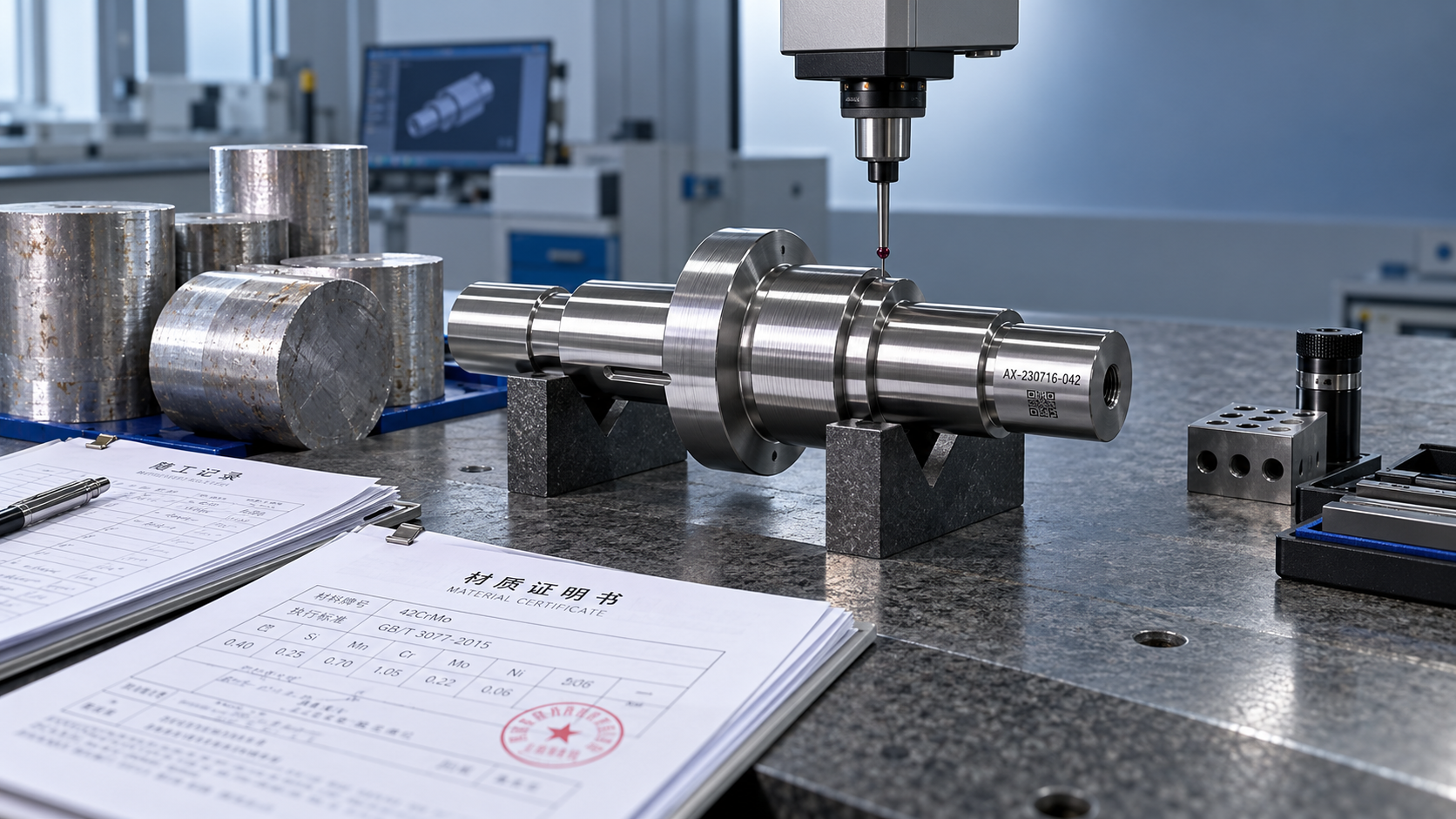
This approach is especially relevant for sectors using machining centers and multi-axis systems. Complex shaft parts, precision discs, and structural components often have very different cost and risk profiles, even within the same supply chain.
Signals that support regional manufacturing decisions
- Frequent engineering changes that punish long lead times.
- Products with high service expectations or strict traceability needs.
- Exposure to customs delays, sanctions, or supplier concentration risk.
- Demand volatility that requires shorter planning cycles.
How to evaluate supply chain resilience without losing cost discipline
The main challenge is balancing resilience with return on capital. Overreacting to disruption can create excess fixed cost. Underreacting can leave production exposed to delays that damage revenue, quality, and customer confidence.
A practical review starts with process criticality. Not every component needs the same sourcing structure. The most important parts are usually those with complex machining steps, limited supplier alternatives, or high compliance consequences.
For Global Manufacturing planning, three questions usually clarify the situation. Where does production depend on a single geography? Which operations rely on scarce technical capability? Which disruptions would be expensive even if they last only a few weeks?
Useful evaluation criteria
- Total landed cost rather than quoted unit price alone.
- Depth of local machine tool service and replacement part support.
- Ability to maintain quality across multiple sites or suppliers.
- Time needed to ramp alternate capacity under stress.
- Data visibility across planning, machining, and logistics stages.
What deserves attention over the next planning cycle
The next phase of Global Manufacturing will likely reward businesses that combine operational flexibility with technical depth. That means tracking labor and energy costs, but also following machine tool innovation, industrial policy, and digital integration trends.
More attention should also go to industrial ecosystem quality. A region with strong CNC capability, automation suppliers, tooling expertise, and maintenance infrastructure may offer better long-term economics than a cheaper but thinner production base.
For companies reviewing sourcing and production strategy, the next useful step is not a broad relocation decision. It is a structured comparison of product categories, process risks, automation readiness, and regional support capacity. That is usually where better supply chain choices become visible.
Recommended for You
![]() Zhongshan Xiaolan Machinery Exhibition Opens With Global Product DebutsMachine Tool Industry Editorial Team
Zhongshan Xiaolan Machinery Exhibition Opens With Global Product DebutsMachine Tool Industry Editorial Team Automated Production Machining: Which Parts and Batch Sizes Are a Good Fit?Machine Tool Industry Editorial Team
![]() FANUC Links FIELD System Data with Copilot to Advance Shop-Floor Data UseCNC Machining Technology Center
FANUC Links FIELD System Data with Copilot to Advance Shop-Floor Data UseCNC Machining Technology Center Smart Manufacturing for Aerospace: Building Traceability Across CNC OperationsCNC Machining Technology Center
![]() Mitsubishi Electric Announces Physical AI System Linking Humanoid Robots and CNC MachinesMachine Tool Industry Editorial Team
Mitsubishi Electric Announces Physical AI System Linking Humanoid Robots and CNC MachinesMachine Tool Industry Editorial Team Precision Machining for Defense: Supplier Quality and Traceability ChecksManufacturing Market Research Center


Aris Katos
Future of Carbide Coatings
15+ years in precision manufacturing systems. Specialized in high-speed milling and aerospace grade alloy processing.
▶
Siemens Executive Says AI Could Raise Factory Automation to 80%Manufacturing Market Research Center▶
Manufacturing Technology Trends That Improve Throughput and Quality ControlManufacturing Market Research Center▶
Global Manufacturing Trends: How Supply Chains and Regional Shifts Affect SourcingManufacturing Market Research Center▶
Small-Batch Production and Smart Manufacturing for Small Businesses: Where to Start FirstManufacturing Market Research Center▶
What Smart Manufacturing Technology for Industry 4.0 Means for Mid-Sized FactoriesManufacturing Market Research Center
▶
Mastering 5-Axis Workholding Strategies
Join our technical panel on Nov 15th to learn about reducing vibrations in thin-wall components.

Providing you with integrated sanding solutions
Before-sales and after-sales services
Comprehensive technical support