• Global CNC market projected to reach $128B by 2028 • New EU trade regulations for precision tooling components • Aerospace deman
NYSE: CNC +1.2%LME: STEEL -0.4%

Manufacturing Technology Trends in 2025: Automation, Tooling, and Supply Chain Shifts
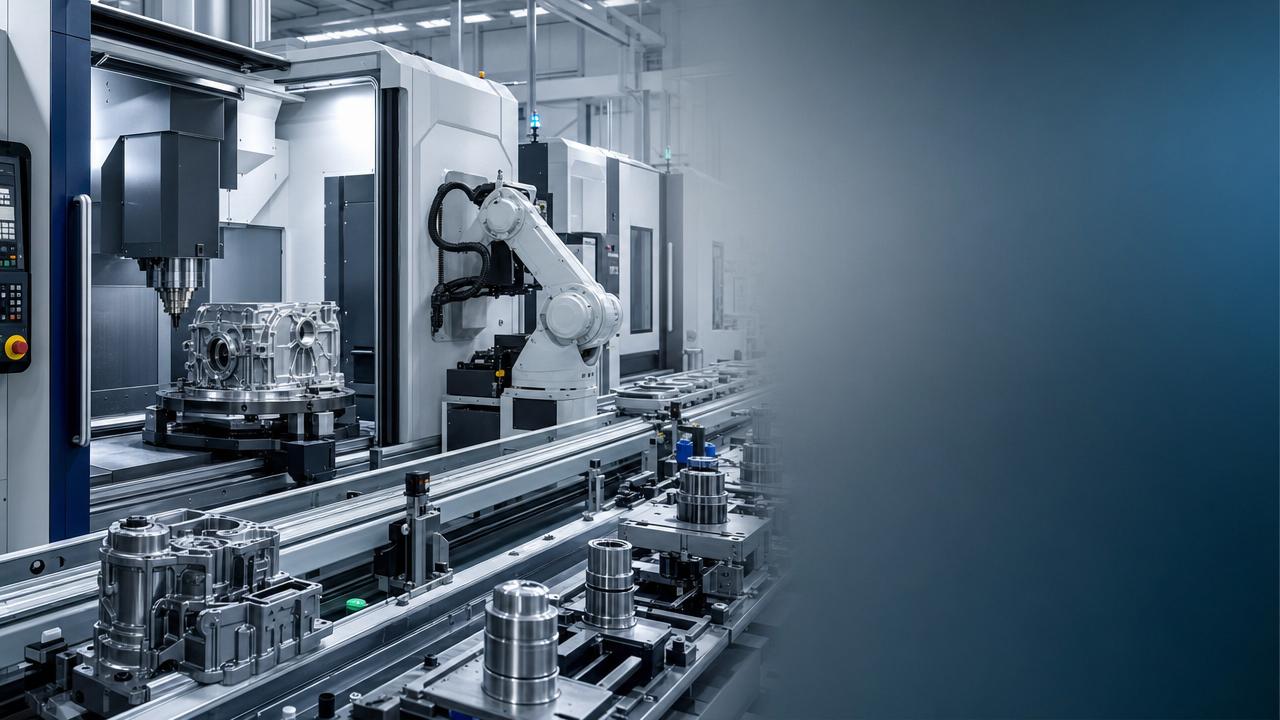
Manufacturing Technology in 2025 is becoming a competitive filter
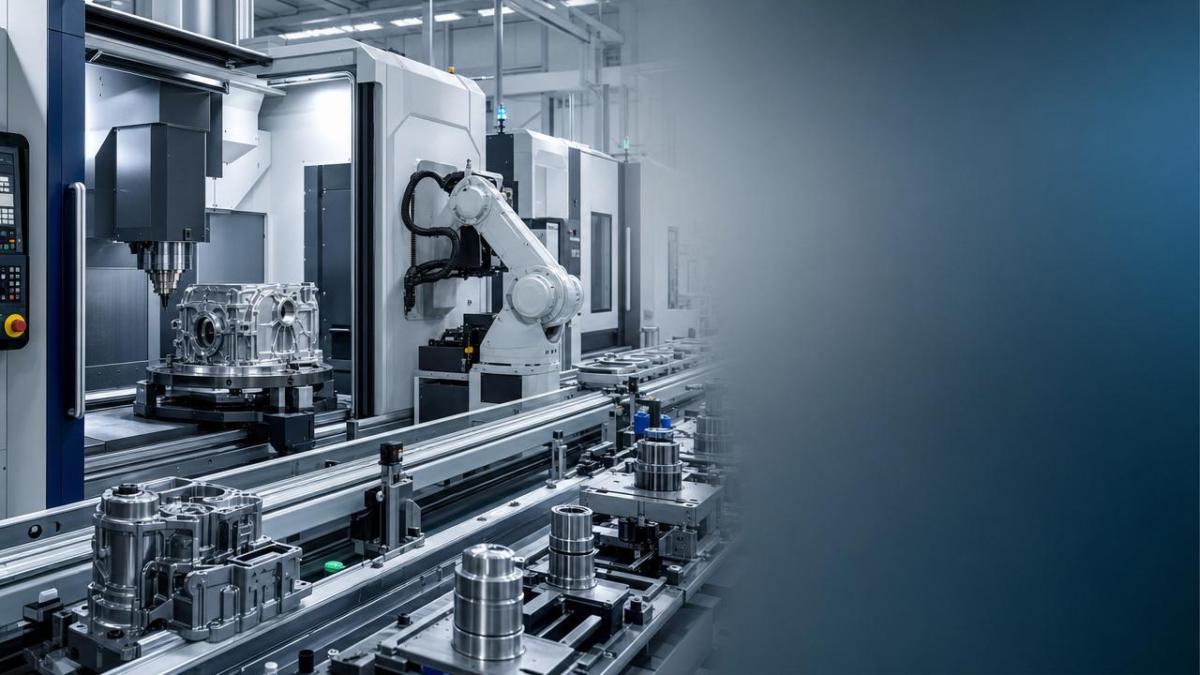
Manufacturing Technology is no longer a background function in global industry. In 2025, it is shaping how production capacity is allocated, protected, and scaled.
The shift is especially visible in CNC machining, precision manufacturing, and automated production lines. What used to be a productivity upgrade is now a resilience strategy.
Across automotive, aerospace, electronics, and energy equipment, factories are under pressure to produce more complex parts with tighter tolerances and shorter delivery windows.
That pressure is pushing Manufacturing Technology toward three connected priorities: deeper automation, smarter tooling, and more flexible supply chain design.
The important point is not that these themes are new. It is that they are now moving from pilot projects into core operating decisions.
Why the current changes are showing up more clearly
Recent market behavior suggests that manufacturers are no longer optimizing for one variable at a time. Cost, throughput, labor availability, and supply security are now linked.
This is why Manufacturing Technology investment is broadening beyond machine acquisition. The focus is moving toward system compatibility, data visibility, and process stability.
Machine tool clusters in China, Germany, Japan, and South Korea continue to influence global production strategy. Their ecosystems combine equipment, tooling, controls, and service networks.
That matters because buyers are comparing not only machine specifications, but also delivery reliability, parts support, software integration, and upgrade paths.
In practical terms, Manufacturing Technology decisions now sit closer to broader business planning. They affect inventory design, order flexibility, export readiness, and customer lead times.
The main forces behind the shift
- Higher part complexity is increasing demand for multi-axis machining, stable fixturing, and advanced cutting strategies.
- Labor constraints are accelerating interest in robotic loading, automated inspection, and unattended machining windows.
- Digital production targets require machine data, tool life tracking, and process monitoring to connect across departments.
- Supply chain volatility is encouraging regional diversification and closer evaluation of local machining capacity.
- Energy and material costs are making scrap reduction, spindle efficiency, and process repeatability more financially important.
Automation is moving from isolated cells to coordinated production logic
One of the clearest Manufacturing Technology trends in 2025 is the changing role of automation. The market is moving beyond stand-alone robots and single-purpose cells.
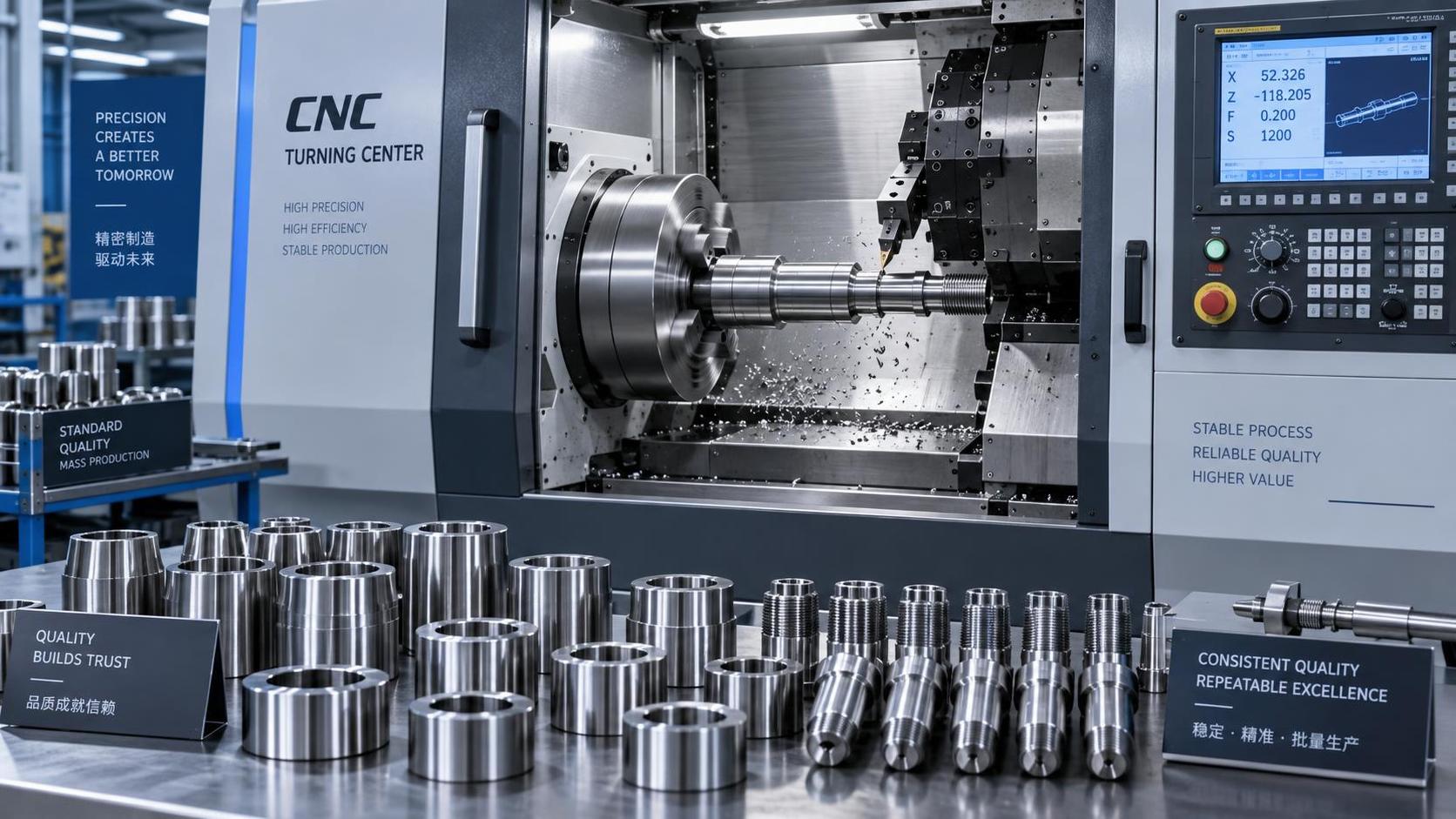
More facilities are connecting CNC lathes, machining centers, conveyors, probing systems, and scheduling software into flexible production flows.
This matters because mixed-volume manufacturing is becoming more common. Production lines must switch between part families without excessive downtime or fixture changes.
A more coordinated automation model also changes how performance is measured. The key metric is no longer machine speed alone, but stable output across the full process chain.
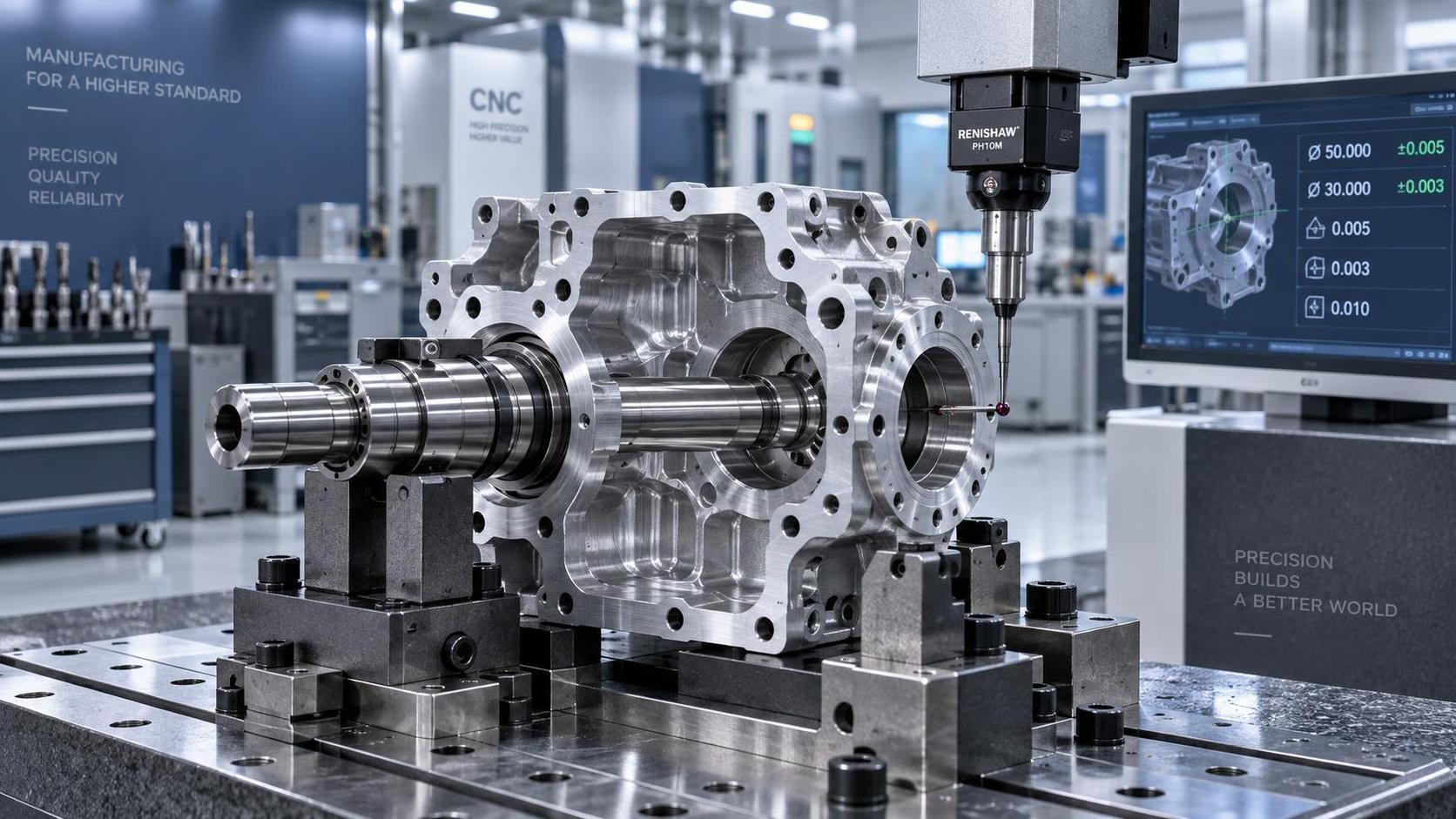
For sectors handling shafts, discs, housings, and precision structural parts, this improves consistency while reducing dependence on manual transfer and rework.
Where automation is creating the strongest advantage
The stronger signal is that automation is being judged by adaptability. A rigid system can still become a bottleneck if product variety keeps increasing.
Tooling decisions are becoming more strategic than before
Advanced tooling is another area where Manufacturing Technology is changing quickly. Cutting tools, fixtures, and tool management systems are now tied directly to profitability.
In the past, tooling was often treated as a consumable category. That view is becoming outdated in high-precision and high-mix production environments.
Shorter product cycles and harder materials require tooling that supports stable machining under changing conditions. That includes coating performance, vibration control, and setup repeatability.
More companies are also evaluating fixture design earlier in project planning. The reason is simple: poor workholding can erase the value of a high-end machine.
This is where Manufacturing Technology becomes practical rather than abstract. Better tooling choices reduce tool breakage, improve surface finish, and protect spindle utilization.
What deserves closer review in tooling strategy
- Tool life data should be linked to material type, machine condition, and batch variation.
- Fixture modularity matters more when order patterns change frequently.
- Tool presetting and offset control help reduce setup losses in multi-machine environments.
- Supplier capability should include application support, not just catalog breadth.
Supply chain shifts are changing where Manufacturing Technology creates value
Supply chain realignment is no longer only a logistics issue. It is shaping investment logic across machine tools, components, spare parts, and contract machining networks.
A more regionalized production map is emerging. Companies want backup capacity, shorter replenishment cycles, and better visibility into critical dependencies.
That shift benefits Manufacturing Technology platforms that support interoperability. Equipment must work within mixed ecosystems, often across different brands, software layers, and supplier regions.
For precision manufacturing, this affects more than sourcing. It changes qualification cycles, maintenance planning, and the economics of local versus offshore machining.
More importantly, supply chain shifts are raising the value of process transparency. If a part program, tooling standard, or inspection method cannot transfer easily, resilience remains limited.
The impact is spreading across the operating model
The effects are not confined to procurement. Production engineering, maintenance, quality control, and new project ramp-up are all being pulled into the same decision cycle.
This is why the strongest Manufacturing Technology strategies in 2025 are cross-functional. Equipment, tooling, software, and supply chain planning can no longer be assessed separately.
What to watch next as the market keeps adjusting
From here, the most useful signals will come from execution quality rather than headlines. Many technologies are already available. The real question is how effectively they are combined.
A practical next step is to review where Manufacturing Technology already supports growth, and where it still depends on fragile manual coordination.
It also makes sense to compare machine capability with tooling performance and supply continuity. Gaps often appear between installed capacity and actual usable output.
Another useful move is to track whether production complexity is increasing faster than current systems can absorb. That gap usually appears before visible delivery problems.
In 2025, Manufacturing Technology is not defined only by smarter machines. It is defined by how well automation, tooling, and supply chain decisions support each other under pressure.
The businesses that respond well will usually be the ones that map process risk early, standardize what can be transferred, and invest where flexibility creates lasting leverage.
That is the direction worth following now: monitor demand signals, reassess production assumptions, compare technical options carefully, and build a phased response before constraints become expensive.
Recommended for You
 How Automated Precision Machining Maintains Tolerance in High-Mix ProductionCNC Machining Technology Center
 How to Evaluate a Machine Tool Factory Before Sourcing CNC EquipmentGlobal Machine Tool Trade Research Center
 CNC Programming Explained: From CAD Models to Reliable Shop-Floor ToolpathsCNC Machining Technology Center
 How Multi-Axis Machining Produces Complex Components With Fewer SetupsCNC Machining Technology Center
 How Does Precision Machining Differ From Standard Machining?CNC Machining Technology Center
 What Production Volume Justifies a CNC Turning Investment?Manufacturing Market Research Center



Aris Katos
Future of Carbide Coatings
15+ years in precision manufacturing systems. Specialized in high-speed milling and aerospace grade alloy processing.
▶
Global Manufacturing Trends: How Supply Chains and Regional Shifts Affect SourcingManufacturing Market Research Center▶
Small-Batch Production and Smart Manufacturing for Small Businesses: Where to Start FirstManufacturing Market Research Center▶
What Smart Manufacturing Technology for Industry 4.0 Means for Mid-Sized FactoriesManufacturing Market Research Center▶
How Smart Manufacturing Benefits Reduce Downtime and Scrap in Metal Parts ProductionManufacturing Market Research Center▶
Advanced Manufacturing Technology for Energy Equipment: Key Processes and Use CasesManufacturing Market Research Center
Mastering 5-Axis Workholding Strategies
Join our technical panel on Nov 15th to learn about reducing vibrations in thin-wall components.

Providing you with integrated sanding solutions
Before-sales and after-sales services
Comprehensive technical support