• Global CNC market projected to reach $128B by 2028 • New EU trade regulations for precision tooling components • Aerospace deman
NYSE: CNC +1.2%LME: STEEL -0.4%

Digital Manufacturing Technology: Transforming Smart Factories
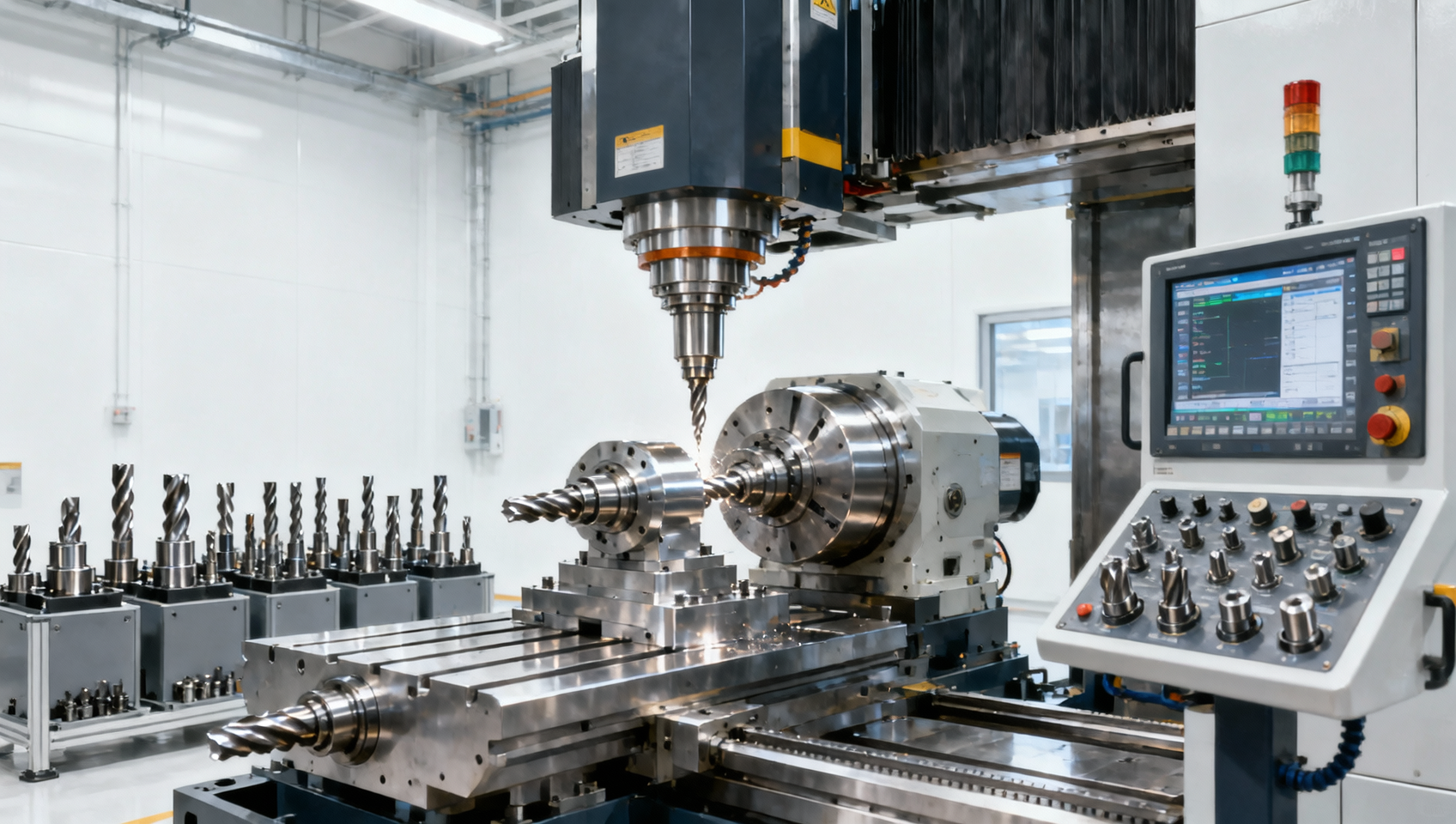
Digital Manufacturing Technology: Transforming Smart Factories
Digital Manufacturing Technology is revolutionizing smart factories with space-saving CNC manufacturing and automated production lines. From high-precision CNC manufacturing for aerospace to cost-effective solutions for automotive industries, modern machine tools combine energy-saving efficiency with multi-axis capabilities. Discover how compact machine tools, modular tooling systems, and 5-axis machining transform production for medical devices, electronics, and energy equipment manufacturers worldwide.
How Digital Manufacturing Reduces Production Costs While Improving Quality
For decision-makers evaluating smart factory investments, the primary concern is ROI. Digital manufacturing technologies like IoT-enabled CNC systems and AI-driven predictive maintenance deliver measurable cost savings:
- Energy efficiency: Modern CNC machines consume 30-50% less power than legacy systems through regenerative braking and smart power management
- Material optimization: Advanced CAM software reduces material waste by 15-25% through intelligent nesting algorithms
- Labor productivity: Automated production lines achieve 3-5x output with the same workforce
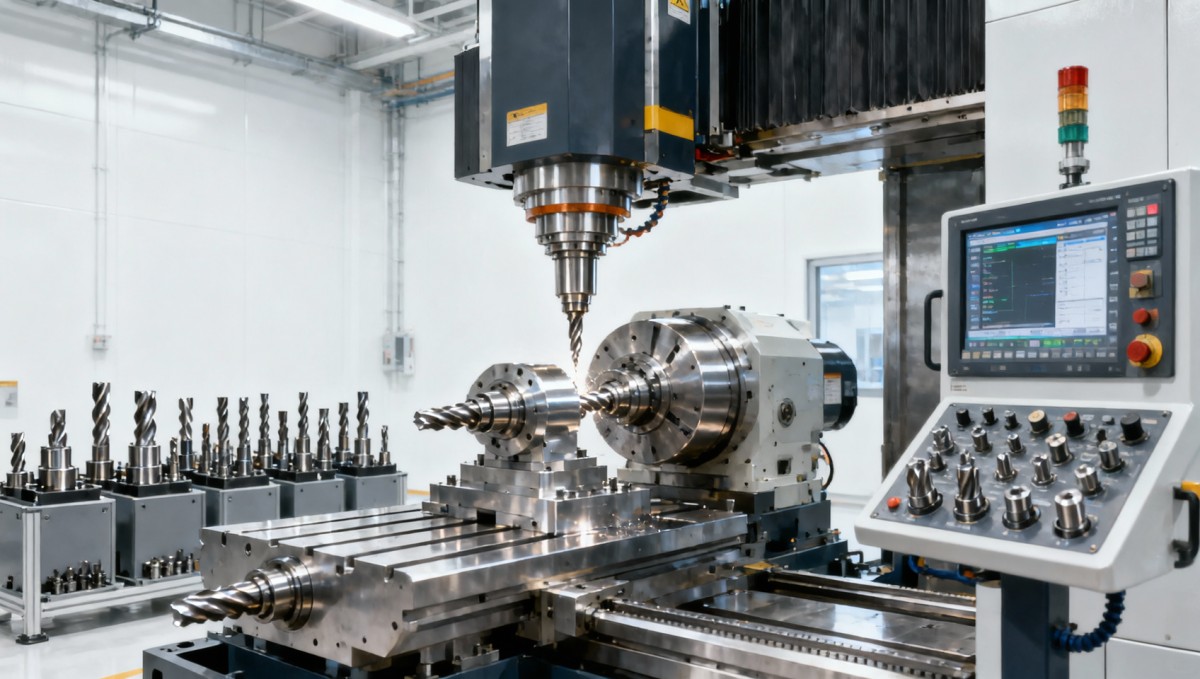
Key Technologies Driving the Smart Factory Revolution
Operational teams need to understand the practical implementation of these technologies:
- 5-axis CNC machining centers - Enable complex part production in single setups (critical for aerospace components)
- Modular tooling systems - Reduce changeover time by 70% for high-mix production
- Digital twins - Virtual simulations prevent costly errors in physical production
- Edge computing - Real-time data processing at machine level improves OEE by 12-18%
Industry-Specific Applications and Success Metrics
Procurement specialists should evaluate technology based on their sector's requirements:
Implementation Roadmap for Manufacturing Leaders
For executives planning digital transformation:
- Assessment phase: Conduct current state analysis with OEE metrics
- Pilot program: Start with one production line or cell
- Skills development: Partner with machine tool providers for operator training
- Full integration: Connect machines to MES/ERP systems
Conclusion: Digital manufacturing technology offers tangible benefits across precision, efficiency, and flexibility metrics. While implementation requires careful planning, early adopters in automotive, aerospace, and medical sectors consistently report 20-40% productivity gains within 18 months. The key is selecting technologies that align with your specific production requirements and workforce capabilities.
Recommended for You
![]() FANUC Links FIELD System Data with Copilot to Advance Shop-Floor Data UseCNC Machining Technology Center
FANUC Links FIELD System Data with Copilot to Advance Shop-Floor Data UseCNC Machining Technology Center Smart Manufacturing for Aerospace: Building Traceability Across CNC OperationsCNC Machining Technology Center
![]() Mitsubishi Electric Announces Physical AI System Linking Humanoid Robots and CNC MachinesMachine Tool Industry Editorial Team
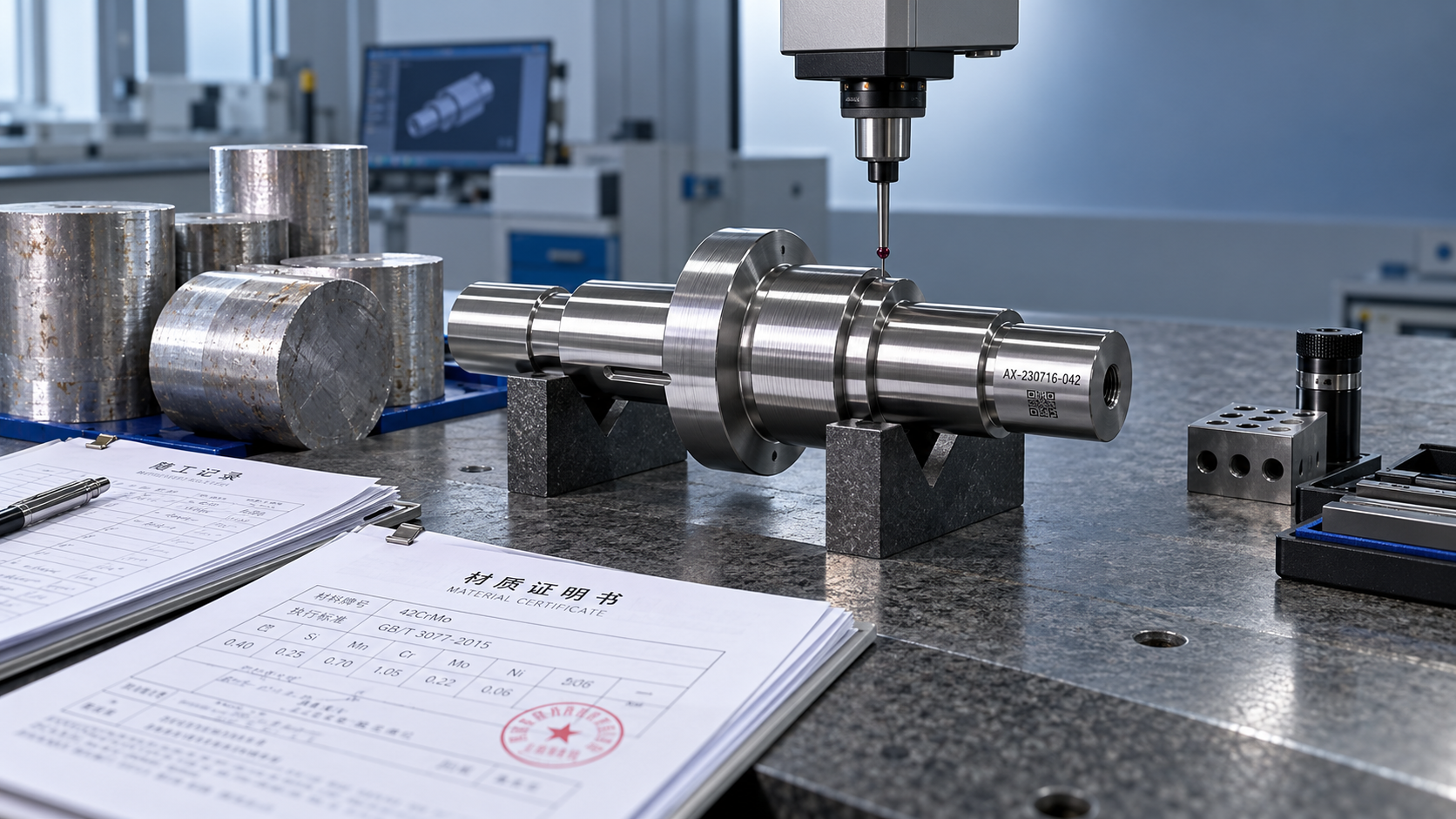
Mitsubishi Electric Announces Physical AI System Linking Humanoid Robots and CNC MachinesMachine Tool Industry Editorial Team Precision Machining for Defense: Supplier Quality and Traceability ChecksManufacturing Market Research Center
![]() Nidec Machine Tool Launches MVR-5X Five-Axis Gantry MachineMachine Tool Industry Editorial Team
Nidec Machine Tool Launches MVR-5X Five-Axis Gantry MachineMachine Tool Industry Editorial Team Choosing a Precision Disc Parts Manufacturer in China: Tolerances and Quality ChecksManufacturing Market Research Center


Aris Katos
Future of Carbide Coatings
15+ years in precision manufacturing systems. Specialized in high-speed milling and aerospace grade alloy processing.
▶
FANUC Links FIELD System Data with Copilot to Advance Shop-Floor Data UseCNC Machining Technology Center▶
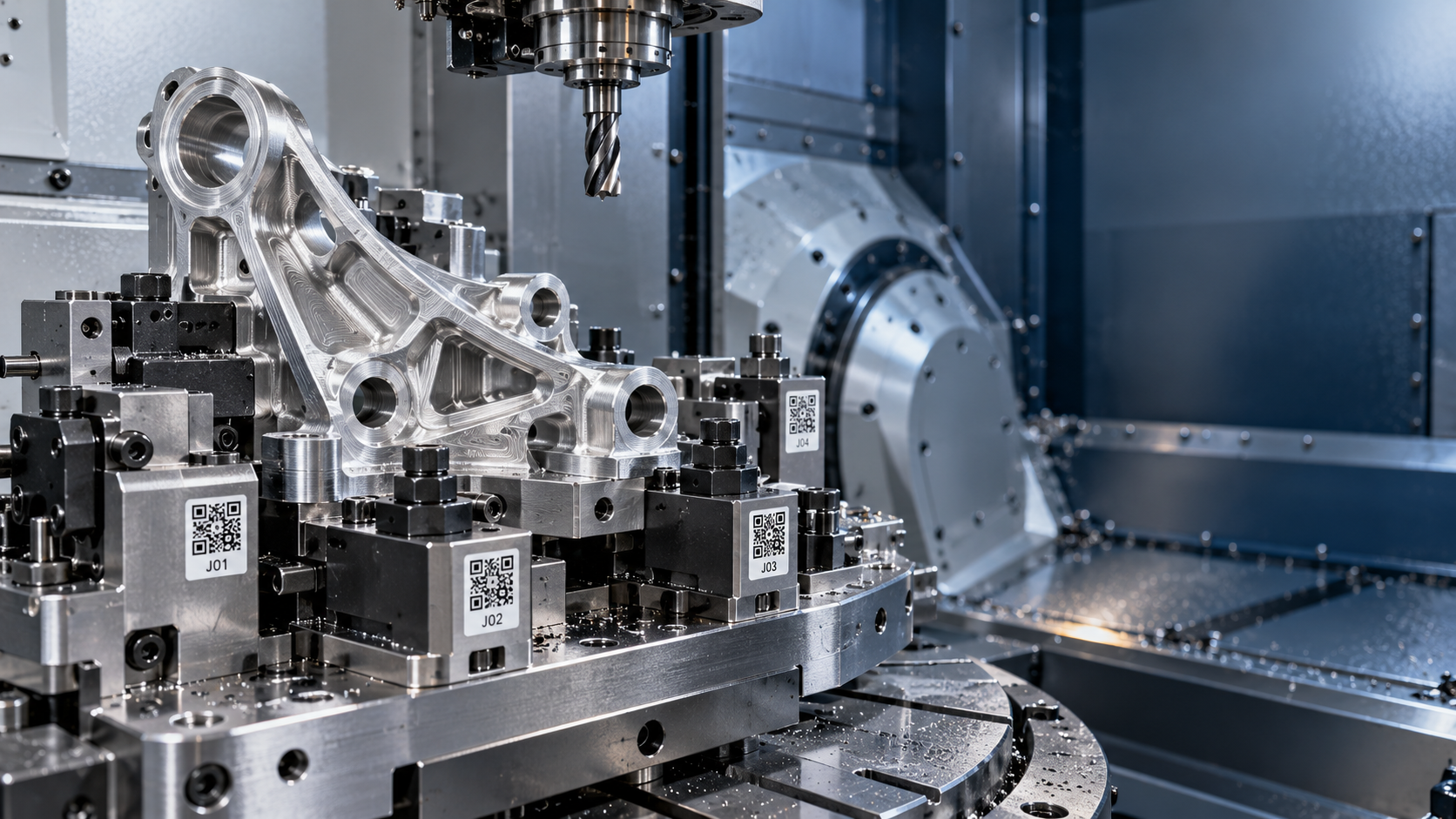
Smart Manufacturing for Aerospace: Building Traceability Across CNC OperationsCNC Machining Technology Center▶
Manual vs. CNC Lathe for Simple Parts: How Batch Size Affects the ChoiceCNC Machining Technology Center▶
Choosing a CNC Machine for Mold Making: Accuracy, Rigidity, and Surface FinishCNC Machining Technology Center▶
What Is Metal Processing? From Raw Material to Finished Machine PartsCNC Machining Technology Center
▶
Mastering 5-Axis Workholding Strategies
Join our technical panel on Nov 15th to learn about reducing vibrations in thin-wall components.

Providing you with integrated sanding solutions
Before-sales and after-sales services
Comprehensive technical support