• Global CNC market projected to reach $128B by 2028 • New EU trade regulations for precision tooling components • Aerospace deman
NYSE: CNC +1.2%LME: STEEL -0.4%

CNC Manufacturing for Automotive Industry: Which Parts Fit Which Processes?
CNC Manufacturing for Automotive Industry: Which Parts Fit Which Processes?
CNC manufacturing for automotive industry is less about “what machine do we have” and more about “which process fits this part best.” When geometry, tolerance, and production volume are matched early, teams avoid costly rework and keep launch schedules under control. That is why project leaders often focus on process selection as much as design readiness.
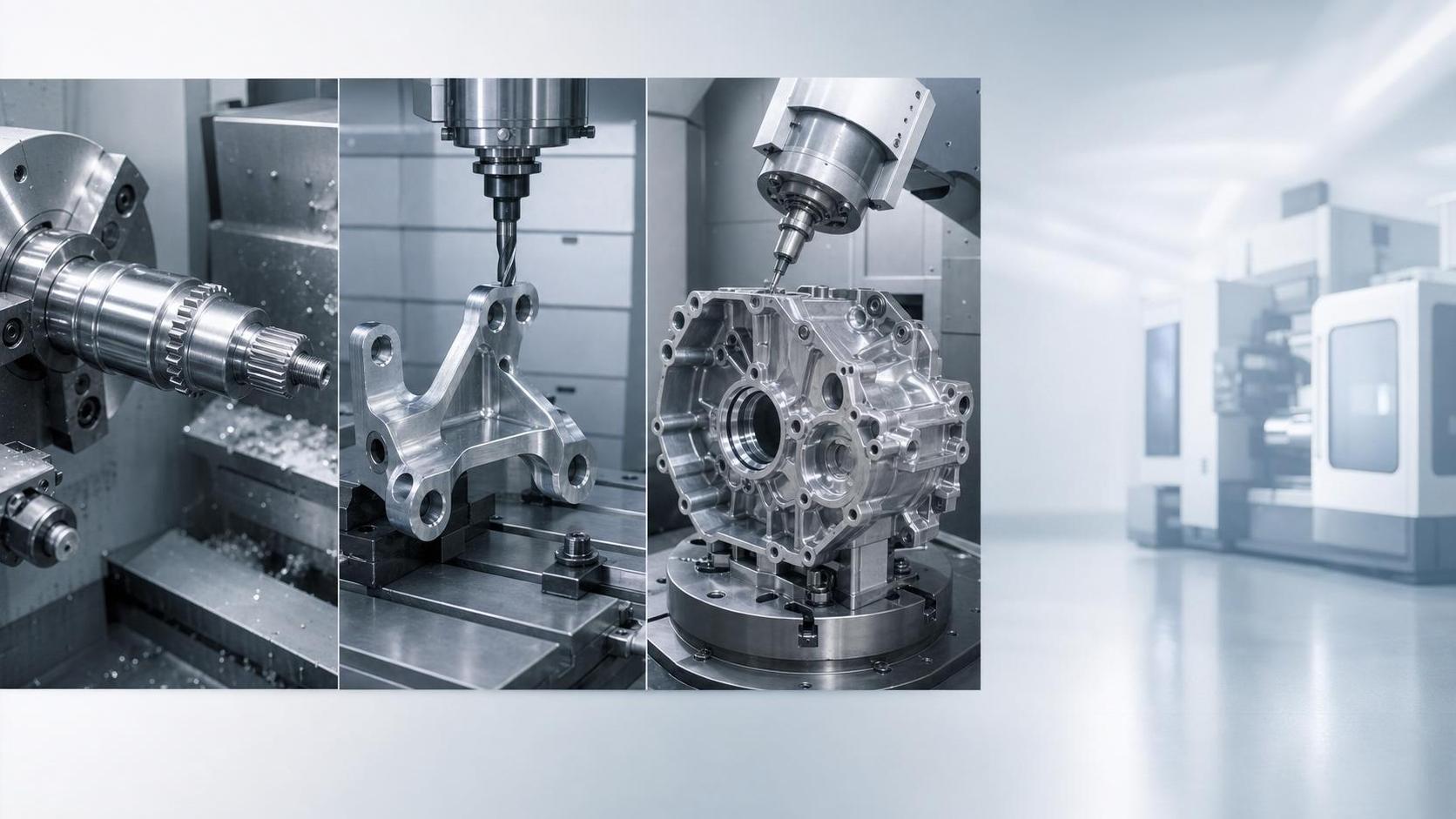
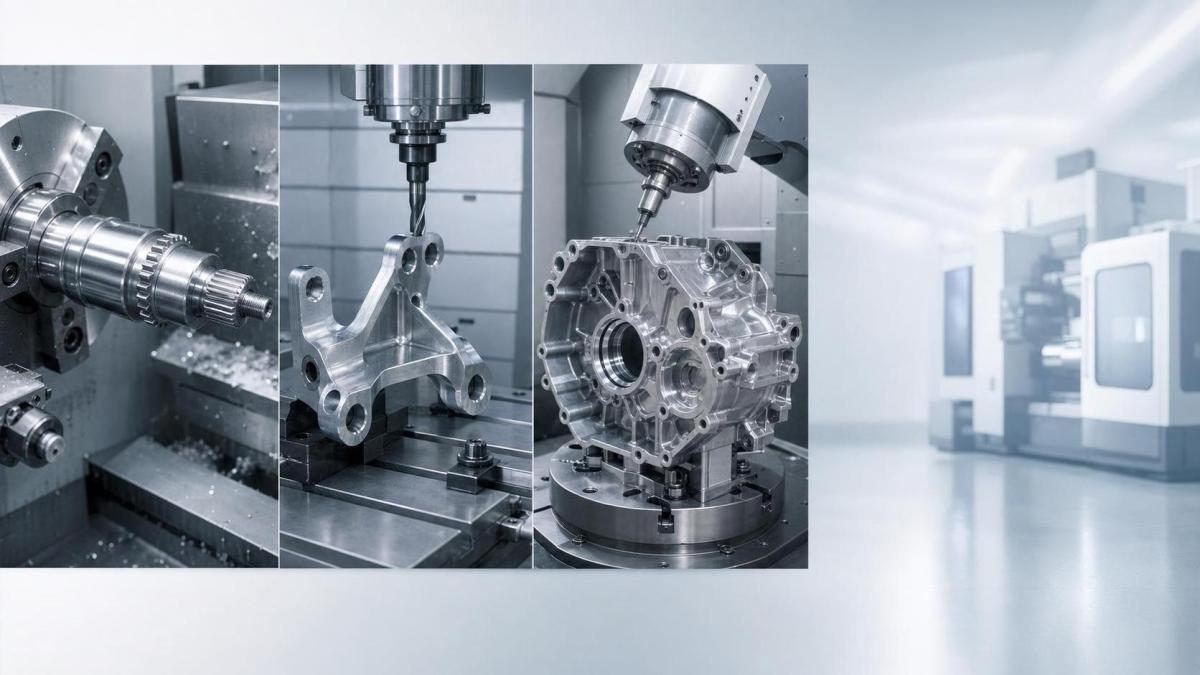
In automotive programs, the same part family can be made in very different ways. A shaft may suit turning, a bracket may need milling, and a complex housing may call for multi-axis machining. The right choice depends on function, material, accuracy, and the stability required in serial production.
Start with the part, not the machine
For CNC manufacturing for automotive industry, the first decision is usually part classification. Simple rotational parts, prismatic parts, thin-wall parts, and high-mix structural parts each behave differently in machining. If teams skip this step, they often over-specify the process and spend more than needed.
A practical rule is to look at three variables together: geometry, tolerance stack-up, and expected output. Low-volume prototypes can tolerate more setup time. High-volume programs need shorter cycles, stable fixturing, and repeatable tool paths. That is where process choice becomes a cost lever, not just a technical detail.
Best-fit process by part type
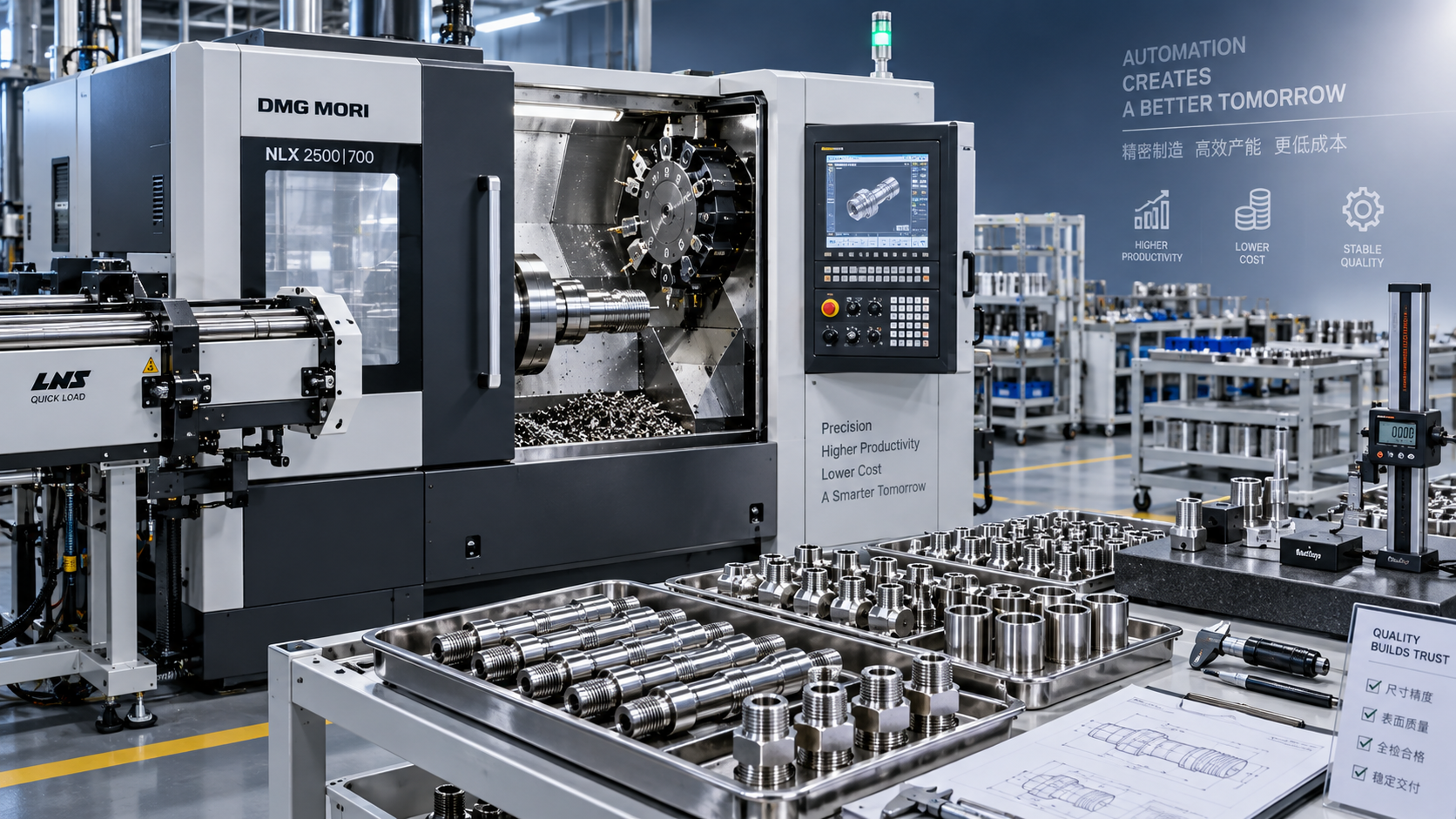
- Rotating parts such as shafts, bushings, and sleeves often fit turning best.
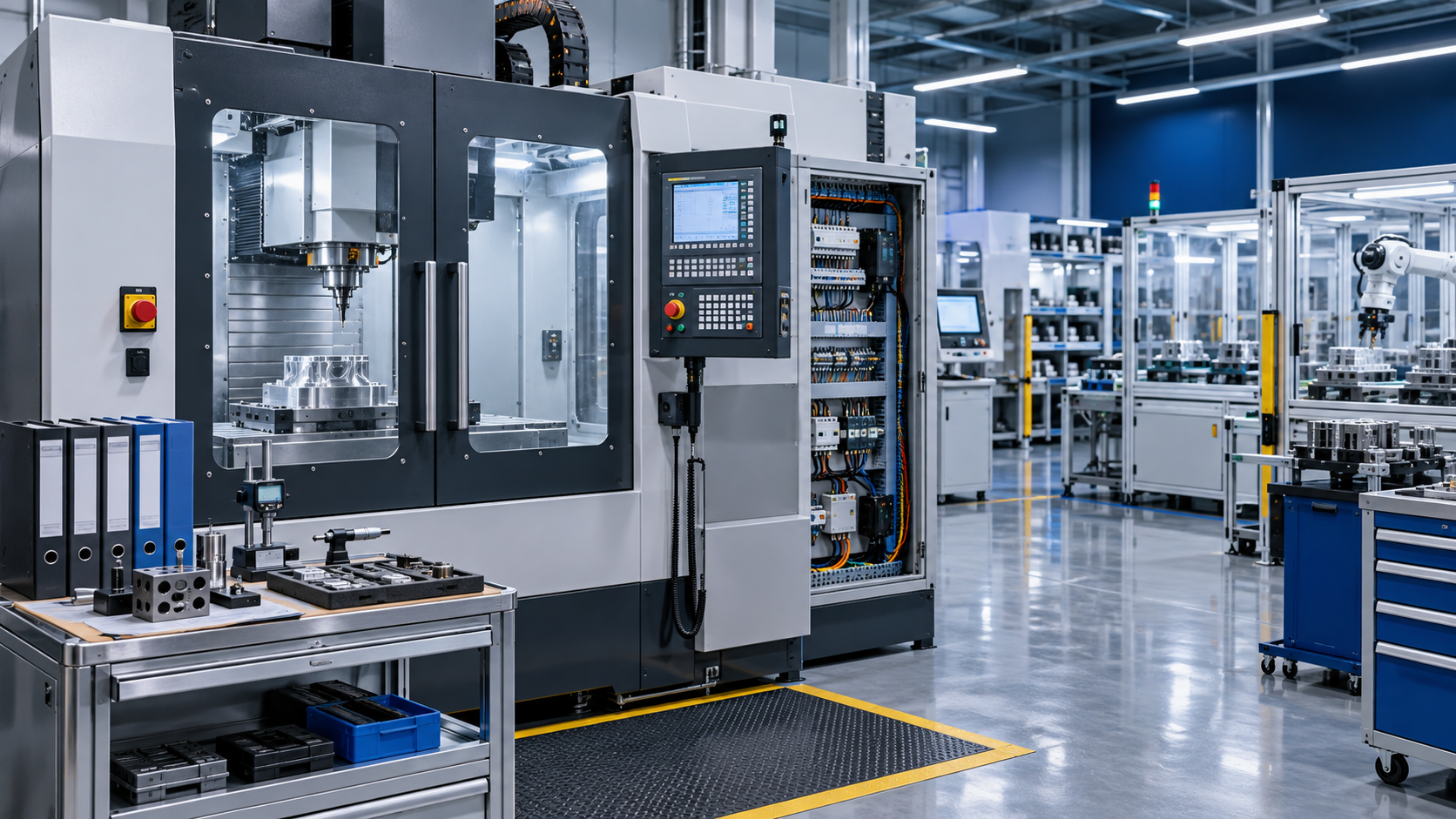
- Flat or pocketed parts such as brackets, covers, and plates usually suit milling.
- Complex geometry parts such as manifolds and housings often need multi-axis machining.
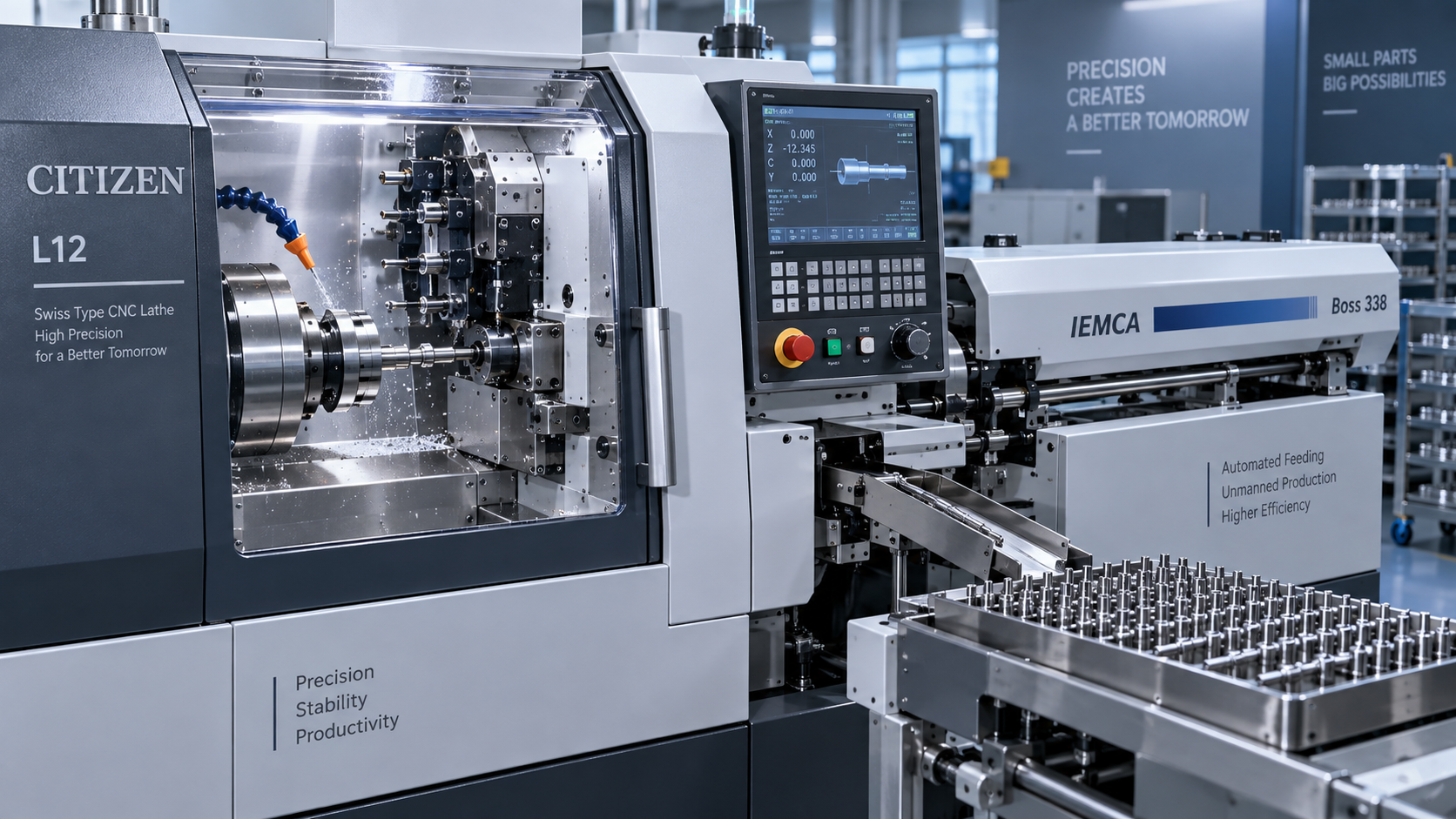
- High-volume simple parts may move to automated lines after the process is proven.
This mapping sounds basic, but it prevents many launch issues. In CNC manufacturing for automotive industry, the most expensive mistake is not a bad cut. It is choosing a process that cannot scale cleanly when production ramps up.
Common automotive parts and the processes that fit them
A closer look at common parts makes the picture clearer. Drive shafts, steering components, and transmission elements usually favor turning because symmetry is their strength. The process gives good concentricity and efficient stock removal, especially when tolerances are tight.
By contrast, engine brackets, sensor mounts, battery trays, and structural plates often need milling. These parts usually combine planes, holes, and pockets, so machining centers provide flexibility without excessive tooling complexity. For mixed-model production, that flexibility matters more than raw speed.
Multi-axis machining becomes valuable when the part has deep cavities, multiple angled features, or strict surface integrity requirements. Typical examples include turbocharger housings, complex valve bodies, and lightweight aluminum enclosures. In CNC manufacturing for automotive industry, multi-axis setups can reduce repositioning, which helps protect accuracy.
Automated production lines are strongest when the part family is stable and demand is predictable. Think of repetitive components like connectors, small precision discs, or standardized housings. Once the process is locked down, automation helps reduce labor variation and supports consistent output.
What project managers should evaluate early
The fastest programs usually make process decisions before tooling is frozen. That means reviewing GD&T, surface finish targets, and inspection methods alongside the CAD model. In CNC manufacturing for automotive industry, late changes often cause more disruption than the original design issue.
It also helps to review material choice early. Aluminum cuts differently from cast iron, steel, or engineered plastics. Tool wear, chip control, and thermal stability all shift with material. A part that looks simple on screen may need a very different fixturing strategy in production.
Another useful filter is takt time versus changeover time. If the program requires frequent part swaps, flexible CNC cells may outperform a dedicated line. If the part is stable and demand is high, automation can improve consistency and lower unit cost.
A quick decision checklist
- Confirm the part’s geometry and critical surfaces.
- Match tolerance needs to a realistic process capability.
- Estimate annual volume and future ramp-up risk.
- Check fixture access, tool reach, and inspection points.
- Compare total cost, not just machine time.
This checklist is simple, but it keeps decisions grounded. It also supports better communication between engineering, sourcing, and manufacturing teams, which is often where automotive launches either stay on track or slip.
Why process selection affects cost, quality, and delivery
The business impact is easy to see. If a part is forced into the wrong process, cycle time rises, scrap risk increases, and inspection becomes harder. That can push up cost even when the machine is fully utilized. In CNC manufacturing for automotive industry, utilization alone is not a success metric.
Good process selection also improves supplier control. When the part and process are aligned, quoting is clearer, quality plans are more stable, and delivery dates are more realistic. For project leaders, that means fewer surprises during PPAP, pilot runs, and volume release.
From recent industry changes, one clear signal is the move toward flexible, digitally monitored production. Machine data, tool-life tracking, and automated inspection help teams keep tighter control over mixed-model programs. That is especially important when vehicle platforms are changing faster than before.
The real advantage is balance. Turning, milling, multi-axis machining, and automation are not competing ideas. They are complementary tools. When each automotive part is matched to the right one, CNC manufacturing for automotive industry becomes more predictable and easier to scale.
A practical path forward
If your team is planning a new vehicle program or a redesign, start with a process map before ordering capacity. Group parts by geometry, tolerance, and volume, then assign the simplest process that can meet the requirement reliably. That approach usually delivers the best mix of cost and quality.
In CNC manufacturing for automotive industry, the smartest projects are rarely the most complex. They are the ones that choose the right process early, keep fixtures stable, and build for scale from the first prototype. That is how teams protect delivery and keep production decisions manageable.
Recommended for You
 Zero-Point Clamping or Modular Fixtures? Choosing a Faster CNC Changeover SystemCNC Machining Technology Center
 How to Cut CNC Fixture Changeover Time Without Sacrificing Part AccuracyCNC Machining Technology Center
 When Does CNC Turning Pay Off? A Break-Even Guide by Annual Part VolumeMachine Tool Industry Editorial Team
 Machine Tool Standards by Country: What Importers Must Verify Before PurchaseManufacturing Policy Research Center
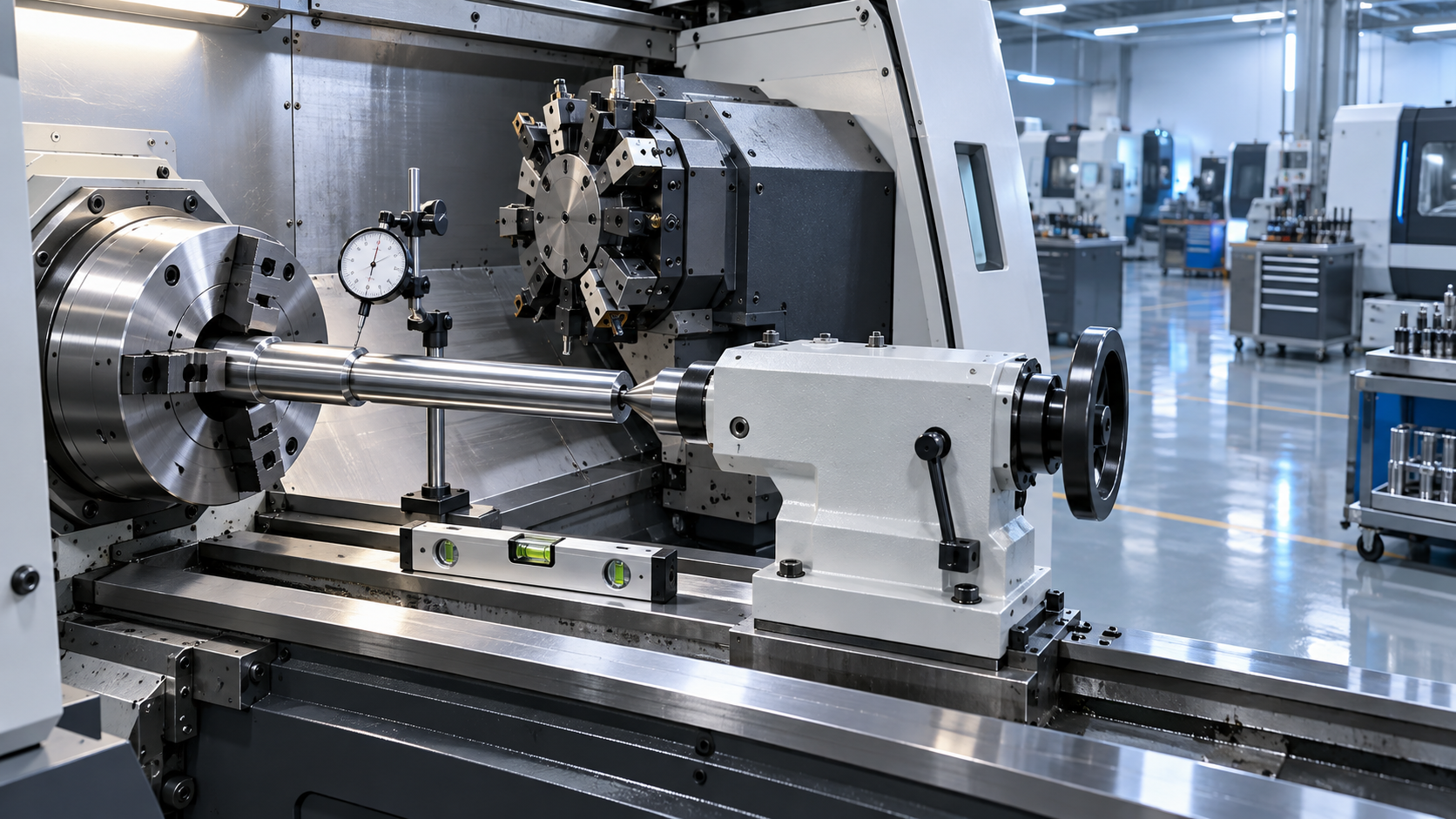
 CNC Lathe Quick Installation Guide: Alignment Checks Before First Production RunCNC Machining Technology Center
 How to Select a CNC Lathe for Small Parts Without Sacrificing Accuracy or Cycle TimeCNC Machining Technology Center

Aris Katos
Future of Carbide Coatings
15+ years in precision manufacturing systems. Specialized in high-speed milling and aerospace grade alloy processing.
▶
How Automated Precision Machining Maintains Tolerance in High-Mix ProductionCNC Machining Technology Center▶
CNC Programming Explained: From CAD Models to Reliable Shop-Floor ToolpathsCNC Machining Technology Center▶
How Multi-Axis Machining Produces Complex Components With Fewer SetupsCNC Machining Technology Center▶
How Much Does CNC Programming Software Cost in 2026?CNC Machining Technology Center▶
CNC Machining Explained: Processes, Tolerances, and Parts It Can ProduceCNC Machining Technology Center
Mastering 5-Axis Workholding Strategies
Join our technical panel on Nov 15th to learn about reducing vibrations in thin-wall components.

Providing you with integrated sanding solutions
Before-sales and after-sales services
Comprehensive technical support