• Global CNC market projected to reach $128B by 2028 • New EU trade regulations for precision tooling components • Aerospace deman
NYSE: CNC +1.2%LME: STEEL -0.4%

CNC Manufacturing for Automotive Industry: Key Quality Standards and Process Controls
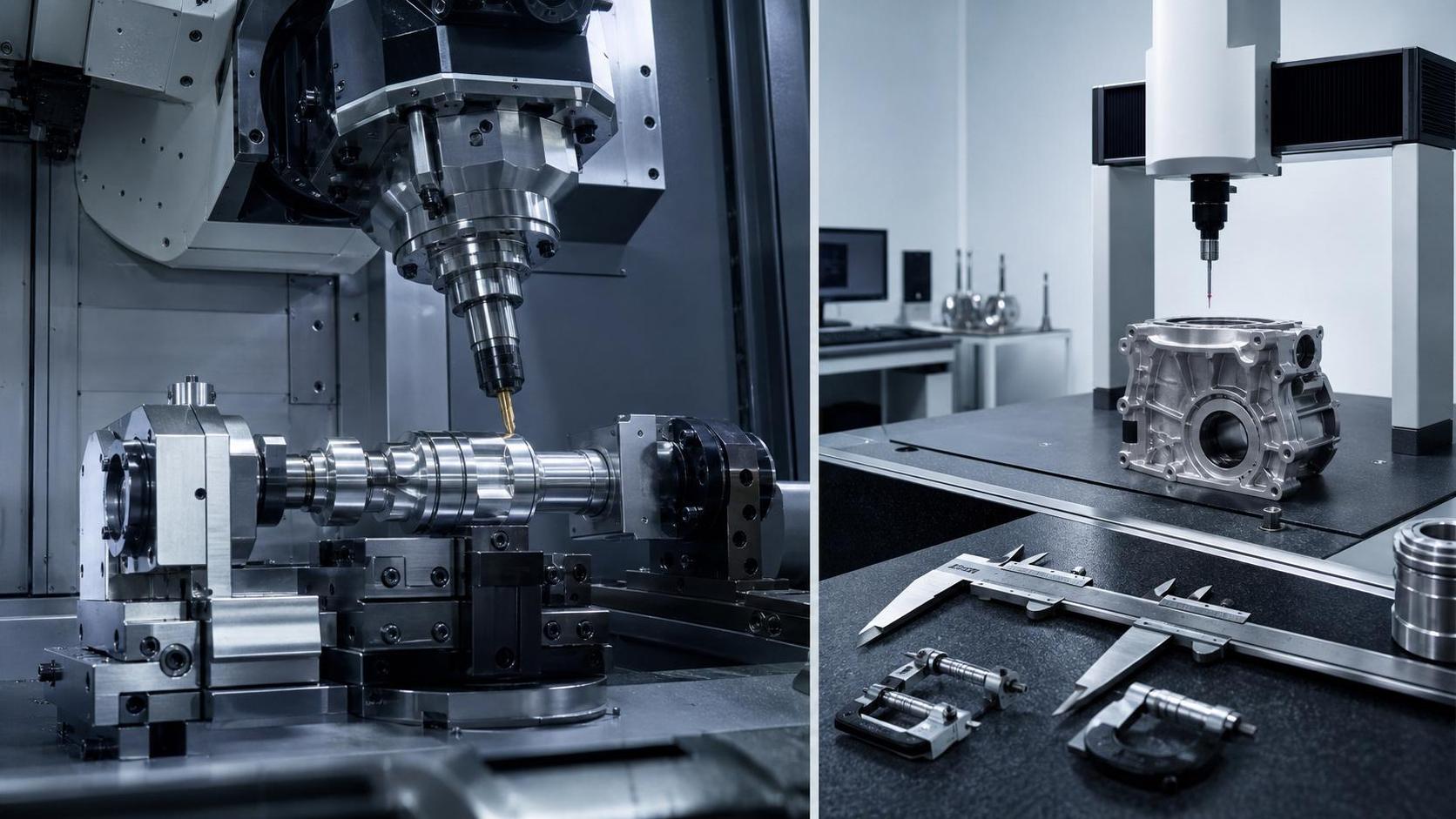
Why does CNC manufacturing for automotive industry need strict quality control?
CNC manufacturing for automotive industry is not only about making parts fast. It is about producing components that stay consistent under heat, vibration, load, and long service cycles. A small deviation in machining accuracy can affect fit, noise, wear, or even safety performance.
That is why quality standards and process controls sit at the center of automotive machining. In high-volume production, the real challenge is not one good part, but thousands of repeatable parts. Stable fixtures, verified tooling, controlled materials, and traceable inspection data all help keep the process under control.
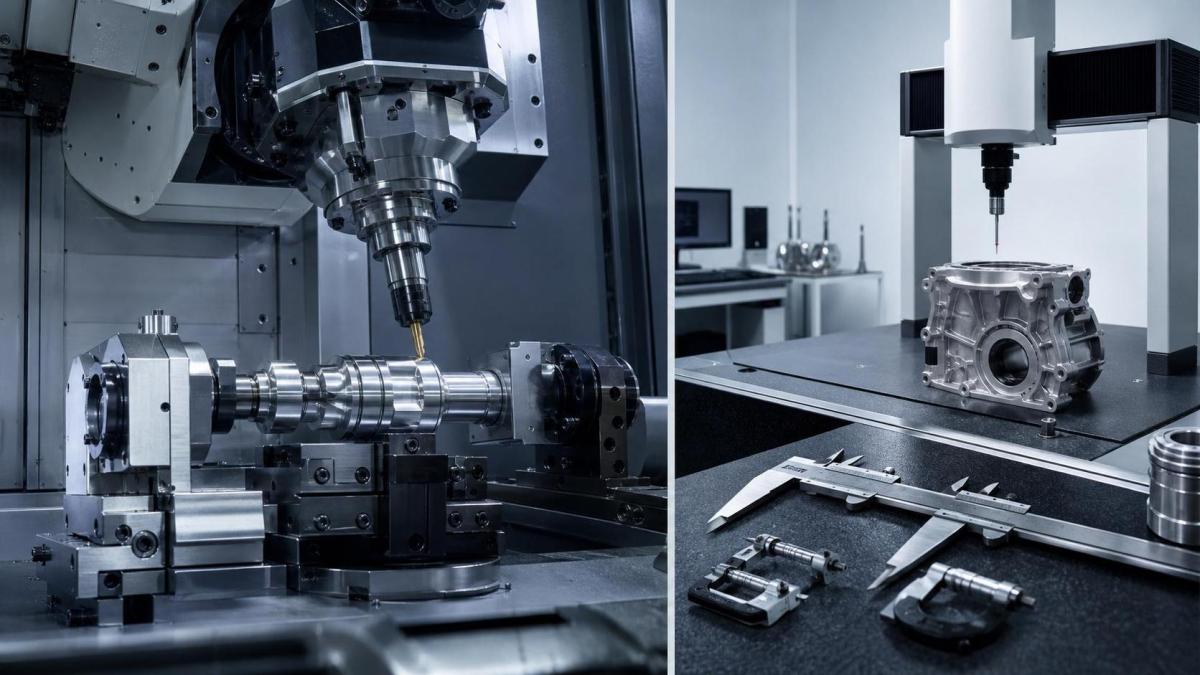
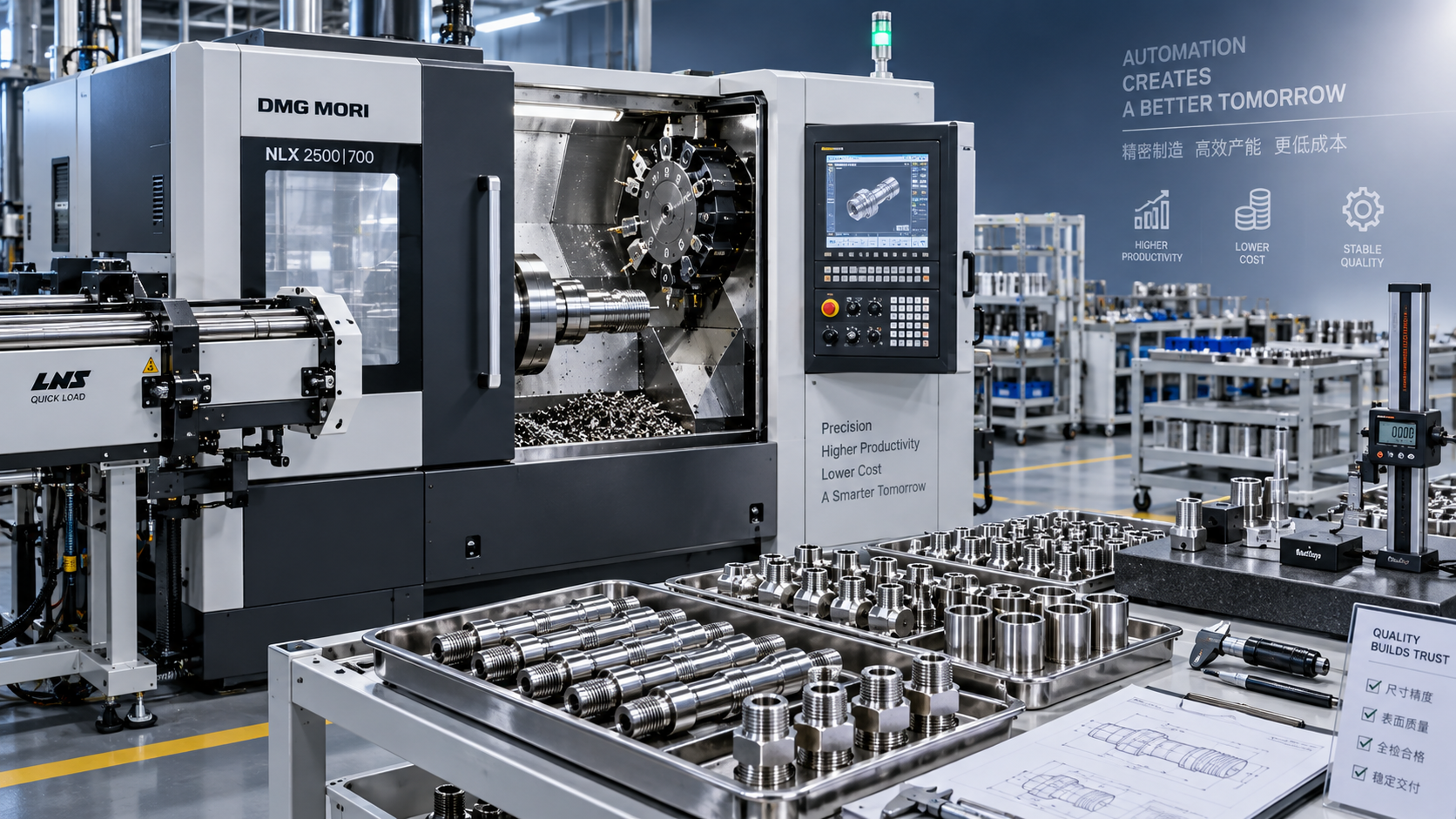
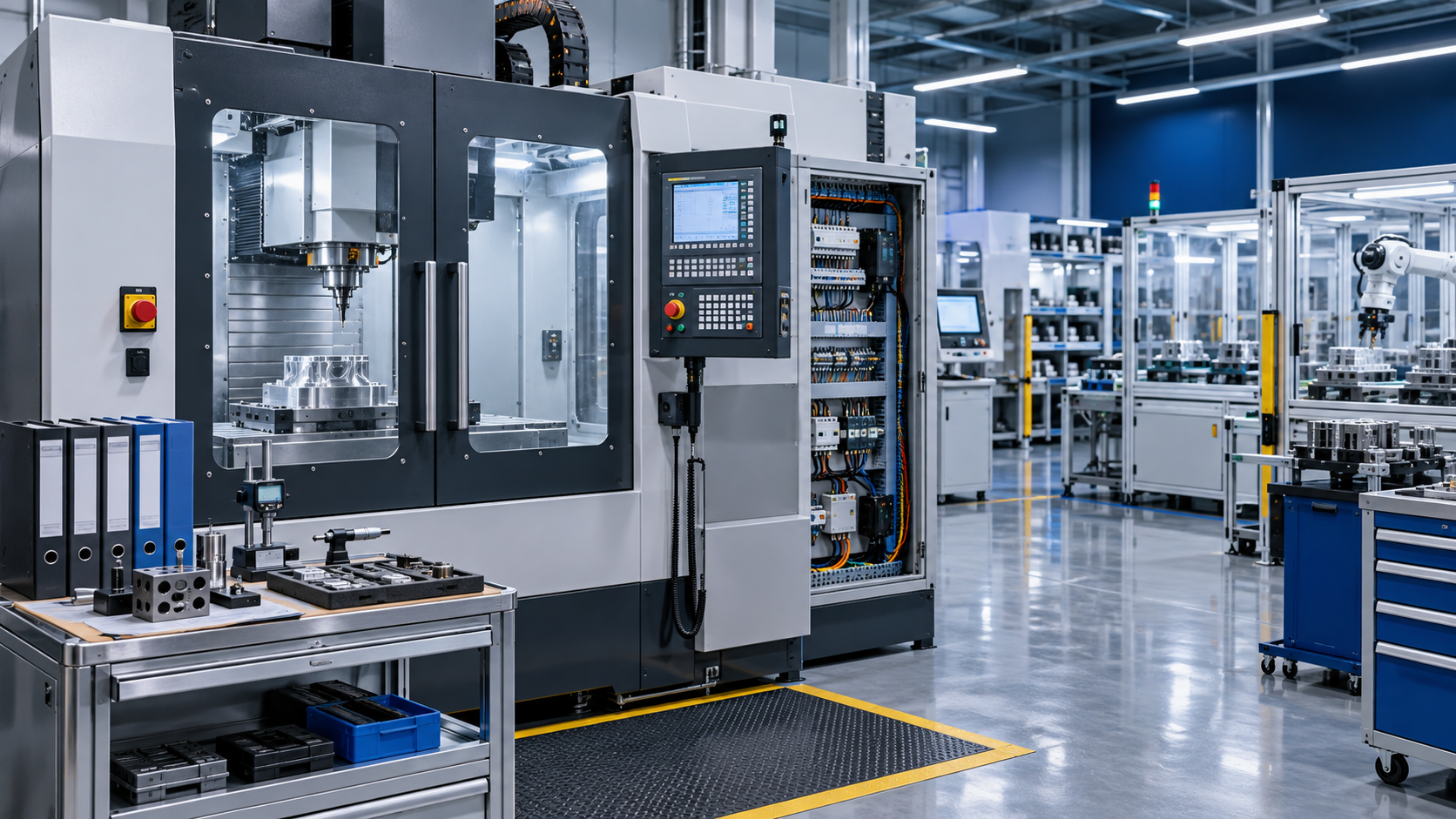
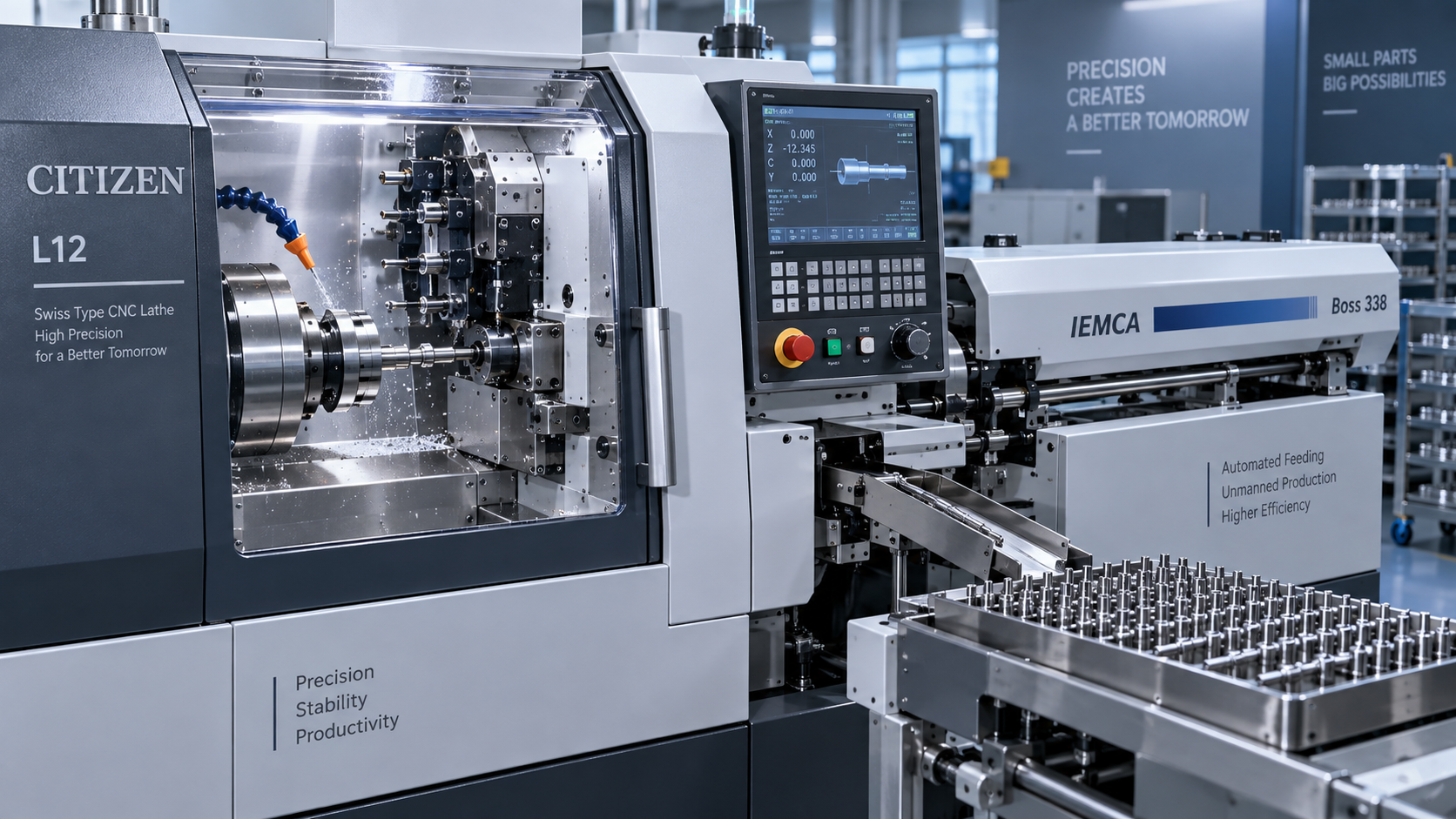
The machine tool industry has moved toward higher precision, automation, and digital integration. In automotive plants, CNC lathes, machining centers, multi-axis systems, and automated lines now work together to support shafts, housings, discs, and structural parts. The standard is simple: every critical dimension must be measurable, repeatable, and documented.
What quality standards usually matter most?
The answer depends on the part, but several standards appear again and again in automotive machining. ISO 9001 sets the basic quality management framework. IATF 16949 is more specific to automotive supply chains and focuses on process stability, risk prevention, and defect reduction.
For special characteristics, teams often rely on control plans, FMEA, PPAP documentation, and measurement system analysis. These tools do not replace machining skill; they make the result easier to verify and defend during audits or customer reviews.
A useful way to judge the requirements is to ask whether the part affects safety, drivability, or assembly fit. If the answer is yes, the acceptance criteria should be tighter, the inspection route clearer, and the traceability records easier to retrieve.
How do process controls keep parts stable in real production?
In actual CNC manufacturing for automotive industry, process control begins before the machine starts cutting. Incoming material should match the specification, tooling should be verified, and fixtures should be checked for clamping stability. If any of these steps are weak, the machine may still run well, but the output may not stay consistent.
During production, the most practical controls include tool life monitoring, in-process measurement, offset correction, coolant management, and alarm response rules. These controls are especially useful on multi-axis machining systems, where a small setup change can influence several surfaces at once.
A common mistake is to rely only on final inspection. By then, scrap and rework are already expensive. A better model is layered control: check the material, monitor the process, confirm key dimensions during production, and save the final data for trend analysis.
What should be watched most closely?
- Tool wear and cutting force changes.
- Fixture alignment after each setup.
- Temperature drift on tight-tolerance parts.
- Measurement repeatability across shifts.
Which inspection methods are most useful?
The best inspection method depends on the part and the risk level. For simple dimensions, gauges and calipers may be enough. For critical components, coordinate measuring machines, vision systems, and statistical process control give a clearer picture of variation.
More advanced plants also use automated inspection in line with machining cells. This is valuable for CNC manufacturing for automotive industry because it shortens feedback loops. If a trend appears, operators can adjust offsets before a batch moves out of tolerance.
Inspection data only helps when it is consistent. That means calibration records must be current, measurement methods must be standardized, and sampling logic must match the part’s critical features. Otherwise, the numbers may look precise while the process remains unstable.
Where do safety controls and quality controls overlap?
In many machining environments, safety and quality point to the same discipline: control the process before it controls you. Unsafe chip buildup, poor guarding, loose fixtures, or missed maintenance can create both injury risk and quality defects.
That overlap is why audits often review machine guarding, lockout procedures, coolant handling, tool change routines, and emergency response paths alongside quality records. A reliable process is usually a safer process.
This matters even more in automated production lines and smart factory setups. Robots and flexible cells improve efficiency, but they also make interlocks, access control, and abnormal-condition alarms non-negotiable.
A quick judgment guide
What does a strong implementation plan look like?
A practical plan does not start with software or equipment alone. It starts with the part family, the tolerance band, and the failure mode that matters most. From there, teams can decide how much automation, inspection depth, and traceability are actually needed.
For high-volume automotive parts, the most effective approach is usually a closed loop: machining, inspection, feedback, and adjustment. For lower-volume precision components, the emphasis may shift toward setup verification, batch documentation, and first-piece approval.
The key is alignment. Cutting tools, fixtures, measuring devices, and safety procedures should support the same quality target. When they do, CNC manufacturing for automotive industry becomes much easier to control and far more predictable over time.
What should be checked before moving forward?
A useful final check is to ask four questions: are the standards clear, are the measurements reliable, are the process controls traceable, and are the safety controls tied to daily operation rather than occasional audits? If any answer is weak, the process is still exposed.
For teams comparing methods or planning upgrades, the next step is usually to map critical features, review current variation, and match inspection and control points to real risk. That is the most practical way to improve quality without overcomplicating the line.
In short, CNC manufacturing for automotive industry performs best when standards, process discipline, and safety routines work as one system. That is what keeps production stable, audit-ready, and ready for scale.
Recommended for You
 Zero-Point Clamping or Modular Fixtures? Choosing a Faster CNC Changeover SystemCNC Machining Technology Center
 How to Cut CNC Fixture Changeover Time Without Sacrificing Part AccuracyCNC Machining Technology Center
 When Does CNC Turning Pay Off? A Break-Even Guide by Annual Part VolumeMachine Tool Industry Editorial Team
 Machine Tool Standards by Country: What Importers Must Verify Before PurchaseManufacturing Policy Research Center
 CNC Lathe Quick Installation Guide: Alignment Checks Before First Production RunCNC Machining Technology Center
 How to Select a CNC Lathe for Small Parts Without Sacrificing Accuracy or Cycle TimeCNC Machining Technology Center

Aris Katos
Future of Carbide Coatings
15+ years in precision manufacturing systems. Specialized in high-speed milling and aerospace grade alloy processing.
▶
How Automated Precision Machining Maintains Tolerance in High-Mix ProductionCNC Machining Technology Center▶
CNC Programming Explained: From CAD Models to Reliable Shop-Floor ToolpathsCNC Machining Technology Center▶
How Multi-Axis Machining Produces Complex Components With Fewer SetupsCNC Machining Technology Center▶
How Much Does CNC Programming Software Cost in 2026?CNC Machining Technology Center▶
CNC Machining Explained: Processes, Tolerances, and Parts It Can ProduceCNC Machining Technology Center
Mastering 5-Axis Workholding Strategies
Join our technical panel on Nov 15th to learn about reducing vibrations in thin-wall components.

Providing you with integrated sanding solutions
Before-sales and after-sales services
Comprehensive technical support