• Global CNC market projected to reach $128B by 2028 • New EU trade regulations for precision tooling components • Aerospace deman
NYSE: CNC +1.2%LME: STEEL -0.4%

CNC Metal Cutting vs Laser Cutting: Which Process Fits Tolerance, Speed, and Material Needs?
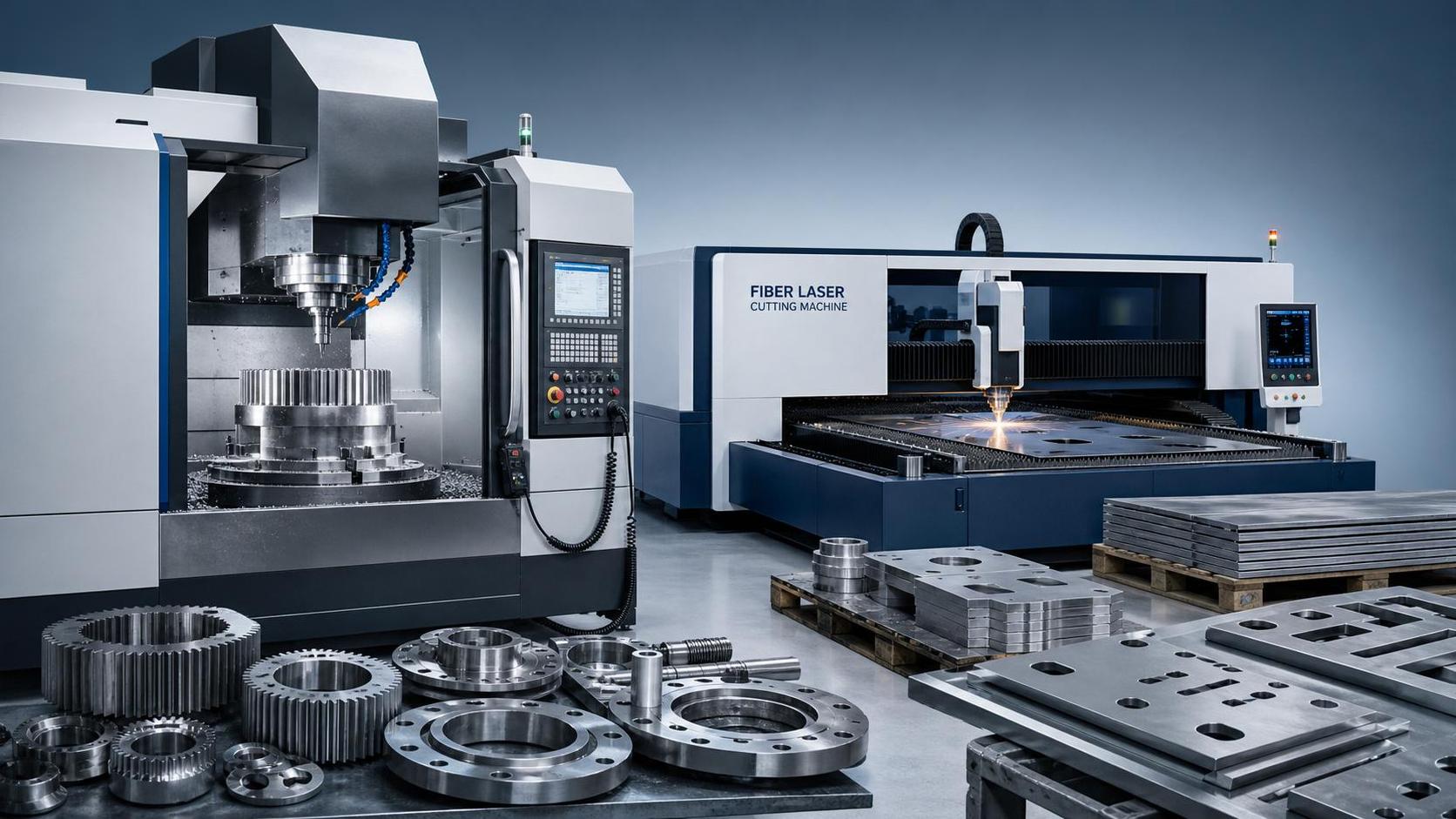
Choosing between CNC metal cutting and laser cutting is rarely a simple equipment decision. Tolerance targets, part geometry, cycle time, material behavior, and downstream finishing all shape the right answer.
That question matters more now because precision manufacturing is becoming more automated, more digital, and less tolerant of process mismatch. In sectors such as automotive, aerospace, energy equipment, and electronics, a poor cutting choice can affect cost, yield, and assembly performance at scale.
In practice, CNC metal cutting and laser cutting solve different problems. One is usually stronger when dimensional control, machined features, or complex edge preparation matter. The other often leads when flat-part throughput, nesting efficiency, and thin-sheet processing are the priority.
Why the Comparison Matters in Modern Production
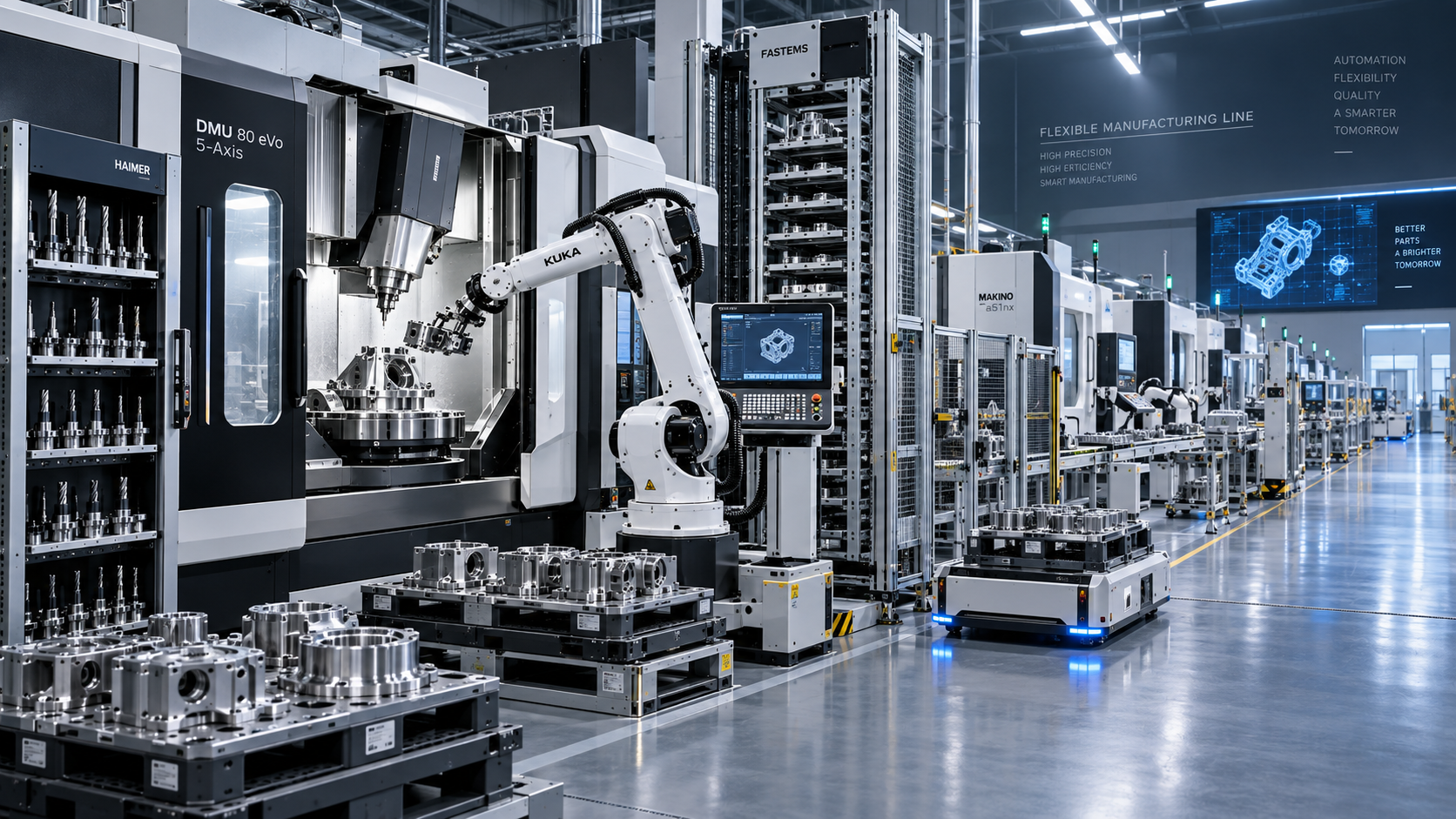
Machine tool strategy now sits inside larger production systems. Smart factories, flexible lines, and integrated inspection platforms depend on stable upstream cutting performance.
That is why CNC metal cutting is still central to many global manufacturing clusters, especially where high-accuracy structural parts and repeatable machining workflows are required.
Laser cutting has expanded quickly for similar reasons. It supports automation, fast changeovers, and efficient sheet utilization, which makes it attractive for mixed-volume production and shorter lead times.
The real issue is not which process is better in general. It is which process fits the technical and commercial conditions of a specific part family.
What Each Process Actually Does
CNC metal cutting removes material through mechanical action. Milling, turning, drilling, and related operations use programmed toolpaths to reach a required shape, surface, and dimension.
Laser cutting uses a focused thermal beam to cut through material, usually sheet or plate. It is especially effective for profiles, slots, holes, and contour-heavy flat parts.
This difference matters because CNC metal cutting can combine cutting with feature generation. Threads, pockets, chamfers, counterbores, and 3D surfaces can be machined in one controlled sequence.
Laser cutting is more specialized. It excels at separating parts quickly, but many components still need secondary machining when tight fits or functional surfaces are involved.
A practical comparison
Tolerance Is Usually the First Divider
When a drawing includes bearing seats, sealing surfaces, datums, or close-position holes, CNC metal cutting usually has the advantage. Tool engagement is more controlled, and final dimensions can be adjusted feature by feature.
Laser cutting can hold impressive profile accuracy, especially on modern systems with stable motion control. Still, thermal input, taper, and edge effects may complicate parts that must mate precisely without follow-up machining.
This is why many production lines combine both methods. Laser cutting blanks the shape quickly, then CNC metal cutting finishes critical interfaces where tolerance stack-up becomes risky.
For evaluation, the key question is not the overall tolerance of the machine. It is which features on the part actually carry functional risk.
Speed Depends on Part Type, Not Just Machine Rating
Laser cutting often wins headline speed comparisons, but only within the right use case. Simple contours in stainless steel, carbon steel, or aluminum sheet can move through very quickly.
Once a part requires pockets, stepped faces, precision bores, or non-flat geometry, CNC metal cutting becomes more time-efficient overall because the part can be completed closer to final condition.
Setup logic also matters. Laser systems favor nested sheet production and rapid program switching. CNC workflows may involve fixturing and tool changes, but they reduce handoff between separate operations.
So the relevant metric is not only cutting speed. It is total manufacturing time from raw material to accepted part.
Where delays usually appear
- Rework caused by edge distortion or burr control issues
- Secondary drilling, tapping, or face finishing after laser cutting
- Long fixturing time for low-repeat CNC parts
- Material handling inefficiency between separate workstations
Material Behavior Changes the Decision
Material compatibility is often discussed too broadly. Both processes can handle common industrial metals, but the response of each alloy and thickness range is not the same.
Laser cutting is highly effective on many sheet metals, especially where thickness is moderate and reflective behavior is manageable. It is widely used for enclosures, brackets, panels, covers, and flat support structures.
CNC metal cutting is stronger when stock arrives as block, bar, tube, forged blank, or cast form. It is also more dependable for parts that need controlled surface condition after substantial material removal.
Heat-sensitive applications deserve closer review. Laser processing may alter edge microstructure in some materials, while CNC metal cutting introduces mechanical loads, chip management concerns, and tool wear instead.
Neither issue is automatically disqualifying. The point is to match the process to the function of the finished part.
How Industry Applications Typically Split
In automotive production, laser cutting often supports high-volume sheet components, body-related parts, and fast prototype iteration. CNC metal cutting remains essential for engine, transmission, tooling, and precision fixture components.
In aerospace, the tolerance burden shifts more heavily toward CNC metal cutting. Structural brackets may start with laser profiles, but flight-critical interfaces still depend on precision machining.
Energy equipment uses both. Heavy-duty flanges, valve bodies, and sealing faces typically require CNC metal cutting, while panel parts and supporting frames may be better suited to laser processing.
Electronics production tends to favor laser cutting for thin, repeatable housings and shields. Yet fixtures, thermal management parts, and high-accuracy assembly elements often return to CNC workflows.
The broader manufacturing trend is clear: hybrid process planning is becoming more common than single-process thinking.
A Better Evaluation Framework
The strongest comparisons start with the part, not the machine brochure. A useful review usually tracks five questions before any sourcing or capital decision is made.
- Which dimensions are function-critical, and what happens if they drift?
- Is the component mainly a flat profile or a machined functional part?
- How much time is consumed after cutting by deburring, drilling, tapping, or finishing?
- Does the selected material react poorly to heat, reflection, or tool pressure?
- Will the production mix remain stable, or change frequently across sizes and geometries?
This approach keeps CNC metal cutting and laser cutting in business context. It also supports better alignment with automated cells, inspection planning, and digital traceability requirements.
What Usually Leads to the Right Choice
Choose CNC metal cutting when the part includes precision interfaces, multi-surface features, or higher-value material that cannot tolerate avoidable scrap. It is also the stronger path when one setup can replace several secondary steps.
Choose laser cutting when the job is dominated by flat geometry, fast throughput, frequent design changes, or strong nesting economics. It is often the cleaner answer for sheet-based manufacturing flow.
Where uncertainty remains, trial runs should compare total part acceptance cost, not just machine-hour cost. Edge quality, inspection results, fixture burden, and assembly fit tell the more useful story.
For many operations, the next step is to classify parts into profile-dominant, feature-dominant, and hybrid categories. That simple sorting method makes process selection faster and more defensible across future programs.
Recommended for You
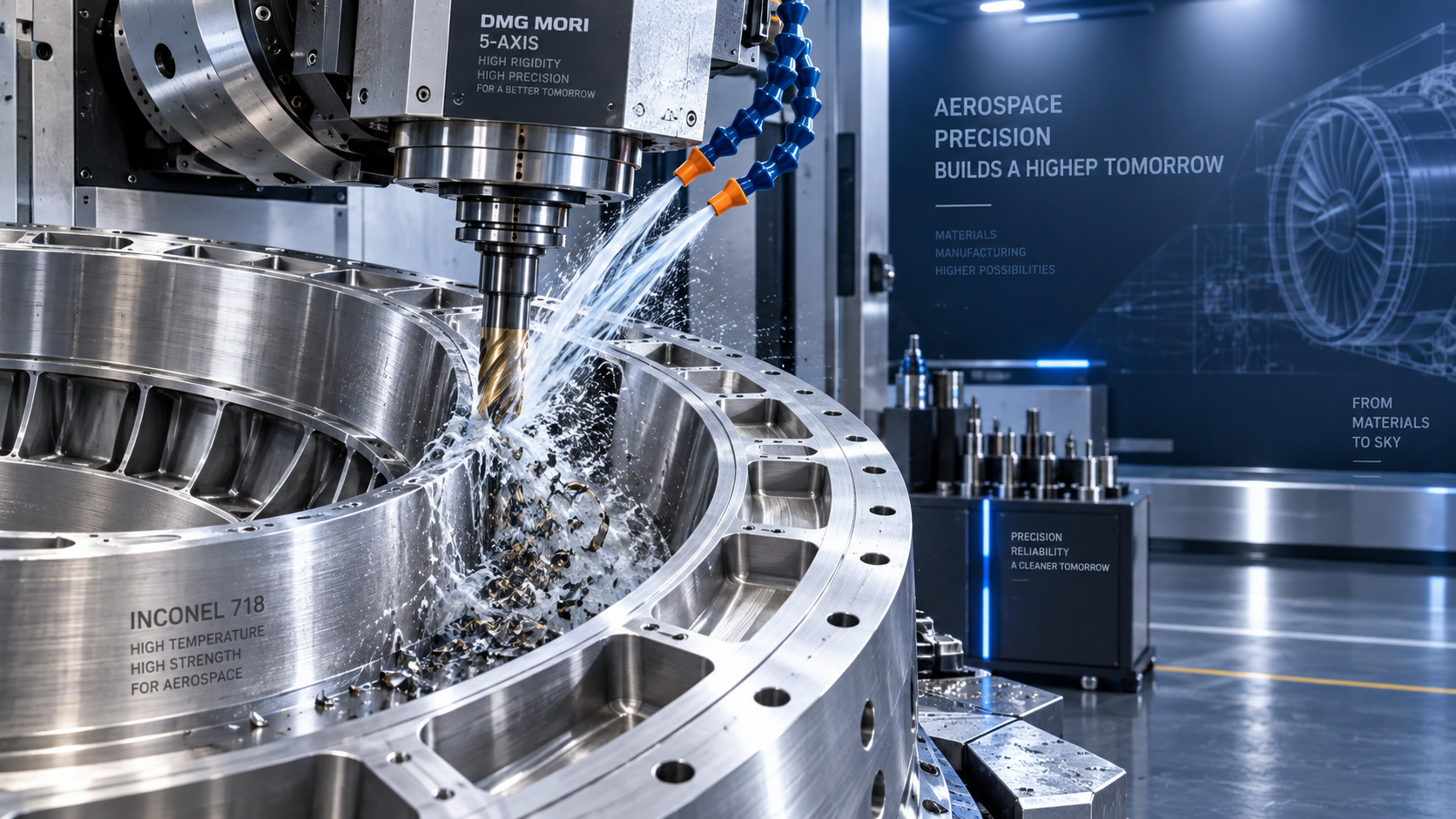
 Can CNC Machining Inconel Control Tool Wear in High-Temperature Aerospace Parts?CNC Machining Technology Center
 Machine Tool Market Outlook: Demand Drivers, Capacity Shifts, and Investment RisksManufacturing Market Research Center
 Zero-Point Clamping or Modular Fixtures? Choosing a Faster CNC Changeover SystemCNC Machining Technology Center
 How to Cut CNC Fixture Changeover Time Without Sacrificing Part AccuracyCNC Machining Technology Center
 When Does CNC Turning Pay Off? A Break-Even Guide by Annual Part VolumeMachine Tool Industry Editorial Team
 Machine Tool Standards by Country: What Importers Must Verify Before PurchaseManufacturing Policy Research Center

Aris Katos
Future of Carbide Coatings
15+ years in precision manufacturing systems. Specialized in high-speed milling and aerospace grade alloy processing.
▶
Can CNC Machining Inconel Control Tool Wear in High-Temperature Aerospace Parts?CNC Machining Technology Center▶
How Automated Precision Machining Maintains Tolerance in High-Mix ProductionCNC Machining Technology Center▶
CNC Programming Explained: From CAD Models to Reliable Shop-Floor ToolpathsCNC Machining Technology Center▶
How Multi-Axis Machining Produces Complex Components With Fewer SetupsCNC Machining Technology Center▶
How Much Does CNC Programming Software Cost in 2026?CNC Machining Technology Center
Mastering 5-Axis Workholding Strategies
Join our technical panel on Nov 15th to learn about reducing vibrations in thin-wall components.

Providing you with integrated sanding solutions
Before-sales and after-sales services
Comprehensive technical support