• Global CNC market projected to reach $128B by 2028 • New EU trade regulations for precision tooling components • Aerospace deman
NYSE: CNC +1.2%LME: STEEL -0.4%

CNC Metalwork Basics: Processes, Materials, and When Precision Machining Is Required
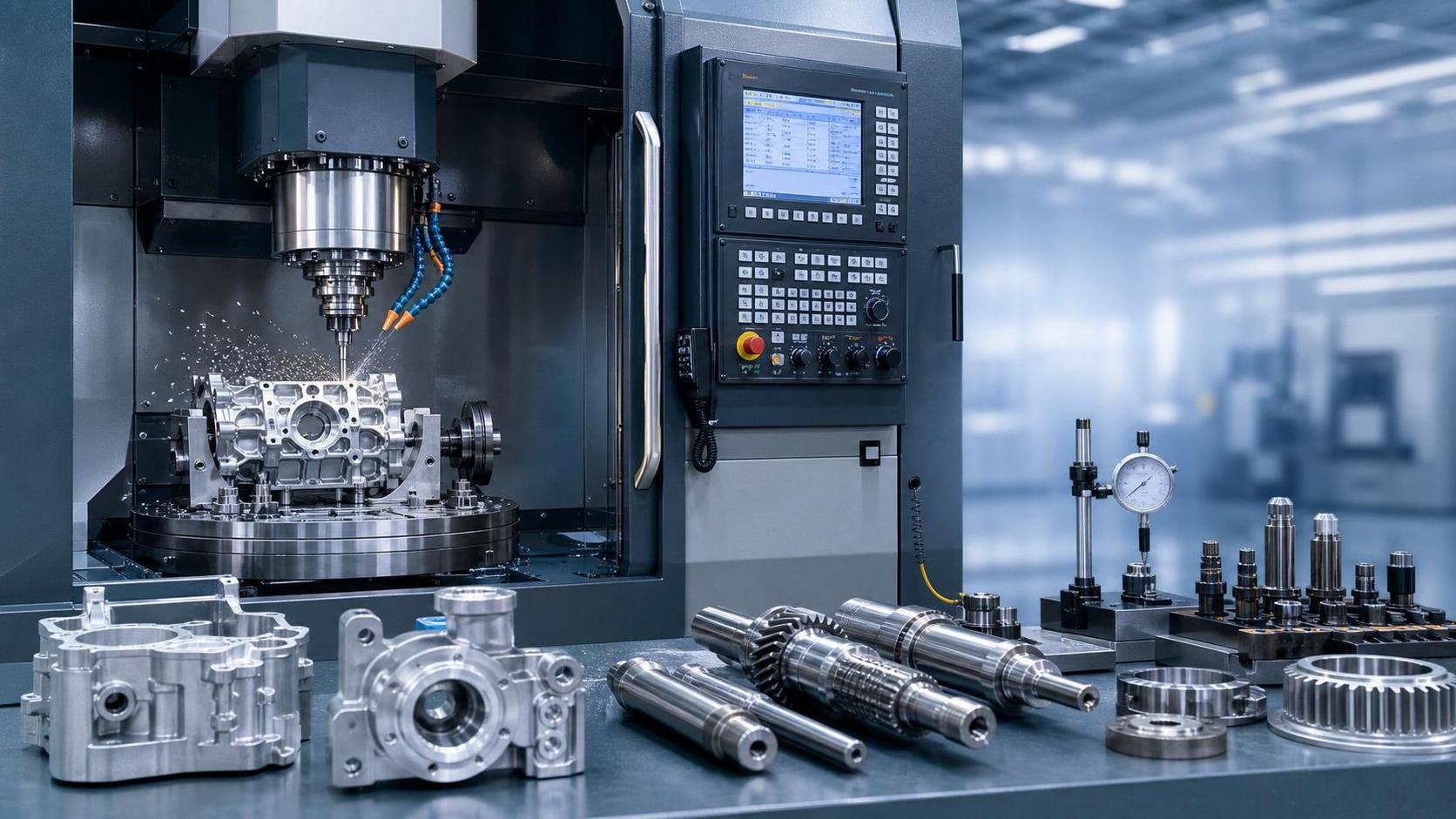
Why does CNC metalwork matter so much in modern manufacturing?
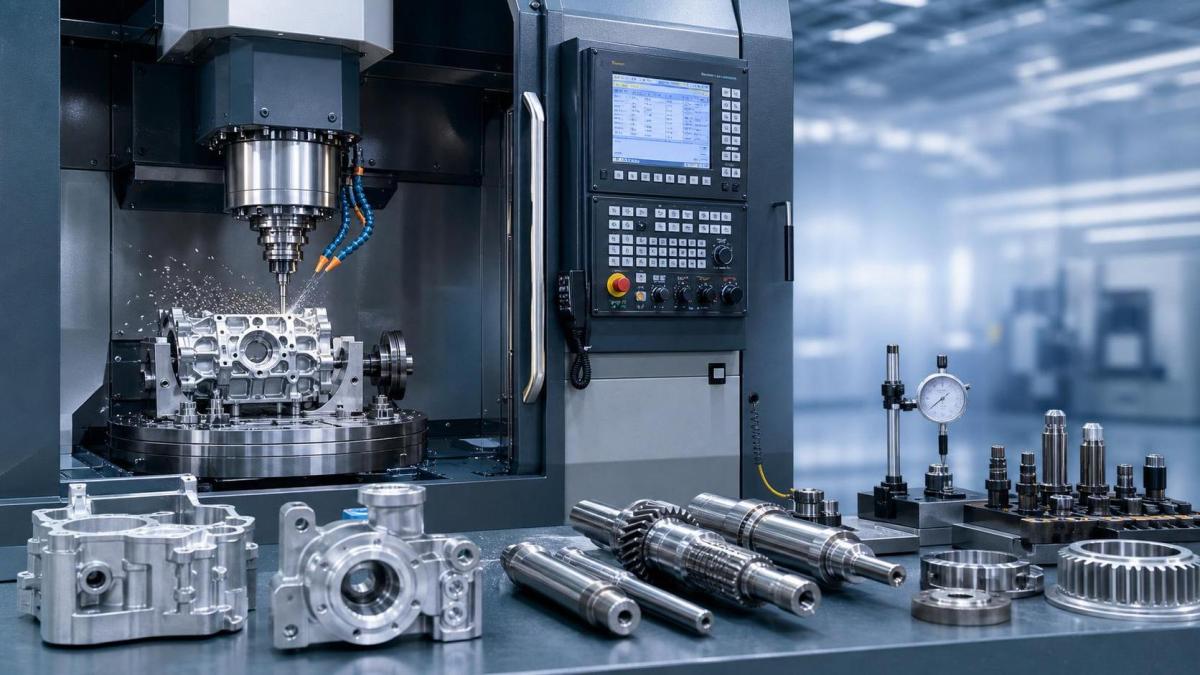
CNC metalwork is the bridge between digital design and real industrial parts.
It allows factories to produce repeatable, accurate components at scale, which is why it supports automotive, aerospace, electronics, and energy equipment.
In simple terms, CNC systems use programmed instructions to cut, shape, drill, and finish metal with controlled precision.
That precision becomes especially valuable when parts must fit perfectly, move smoothly, or survive high loads and tight safety standards.
The reason this topic draws attention now is practical.
Machine tools are no longer isolated machines.
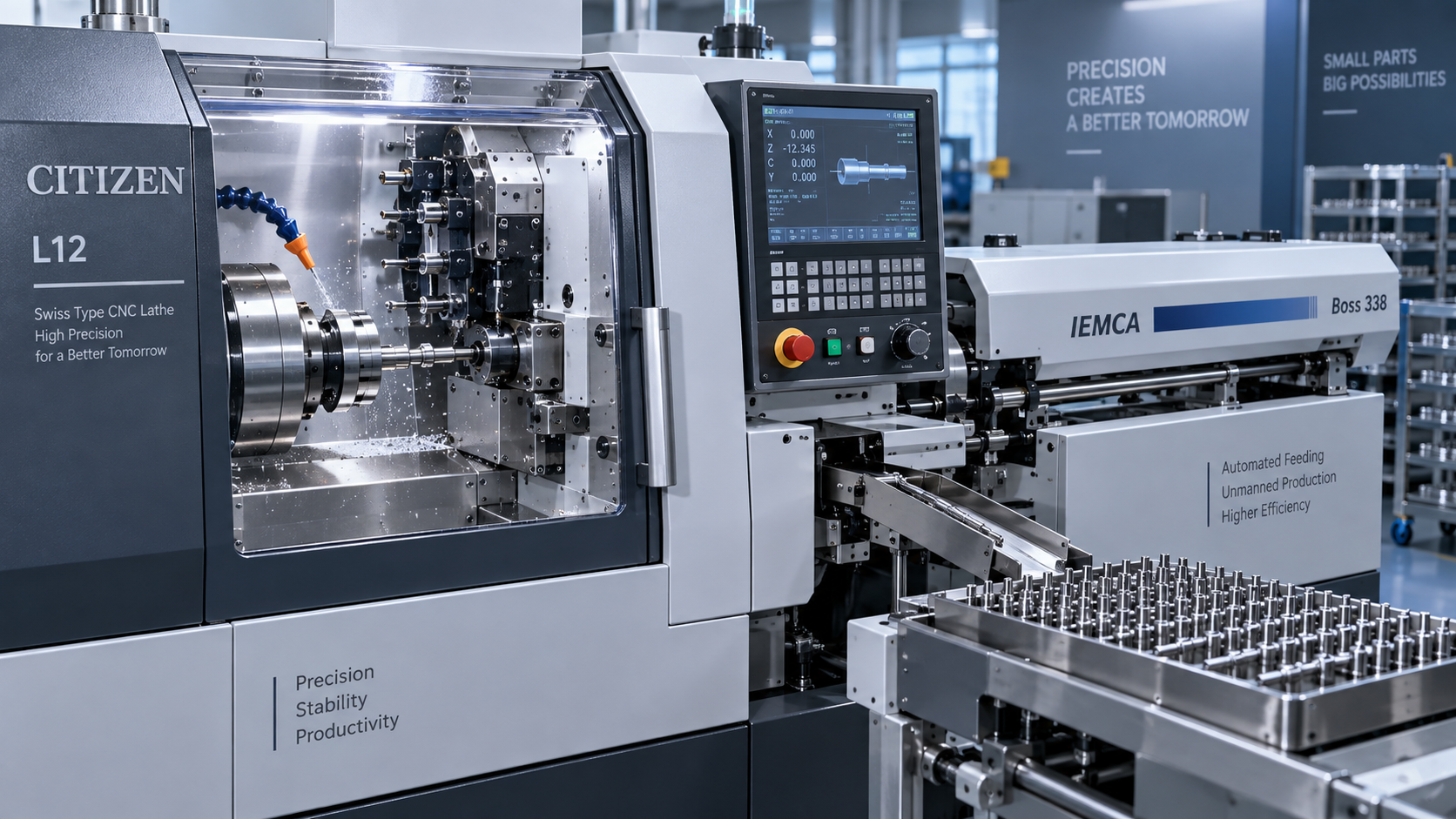
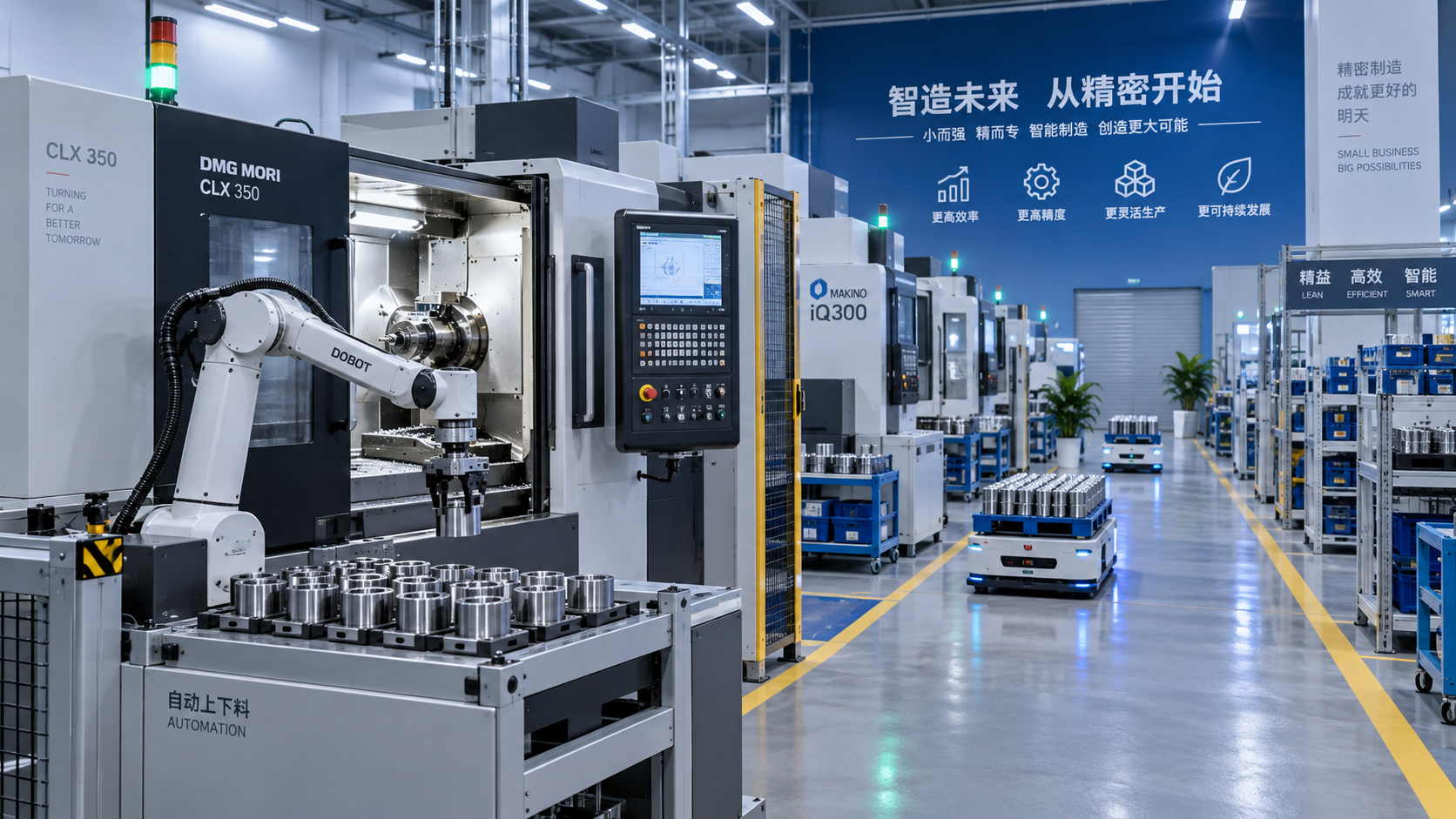
They are increasingly connected with automation, robotics, tooling systems, and smart factory workflows.
As global manufacturing moves toward higher accuracy and digital integration, understanding CNC metalwork helps clarify cost, quality, lead time, and production risk.
What exactly counts as CNC metalwork?
The term covers a range of machining operations performed on metal using computer-controlled equipment.
It is not limited to one machine or one process.
More often, CNC metalwork includes several steps that work together from rough cutting to final finishing.
Common processes include:
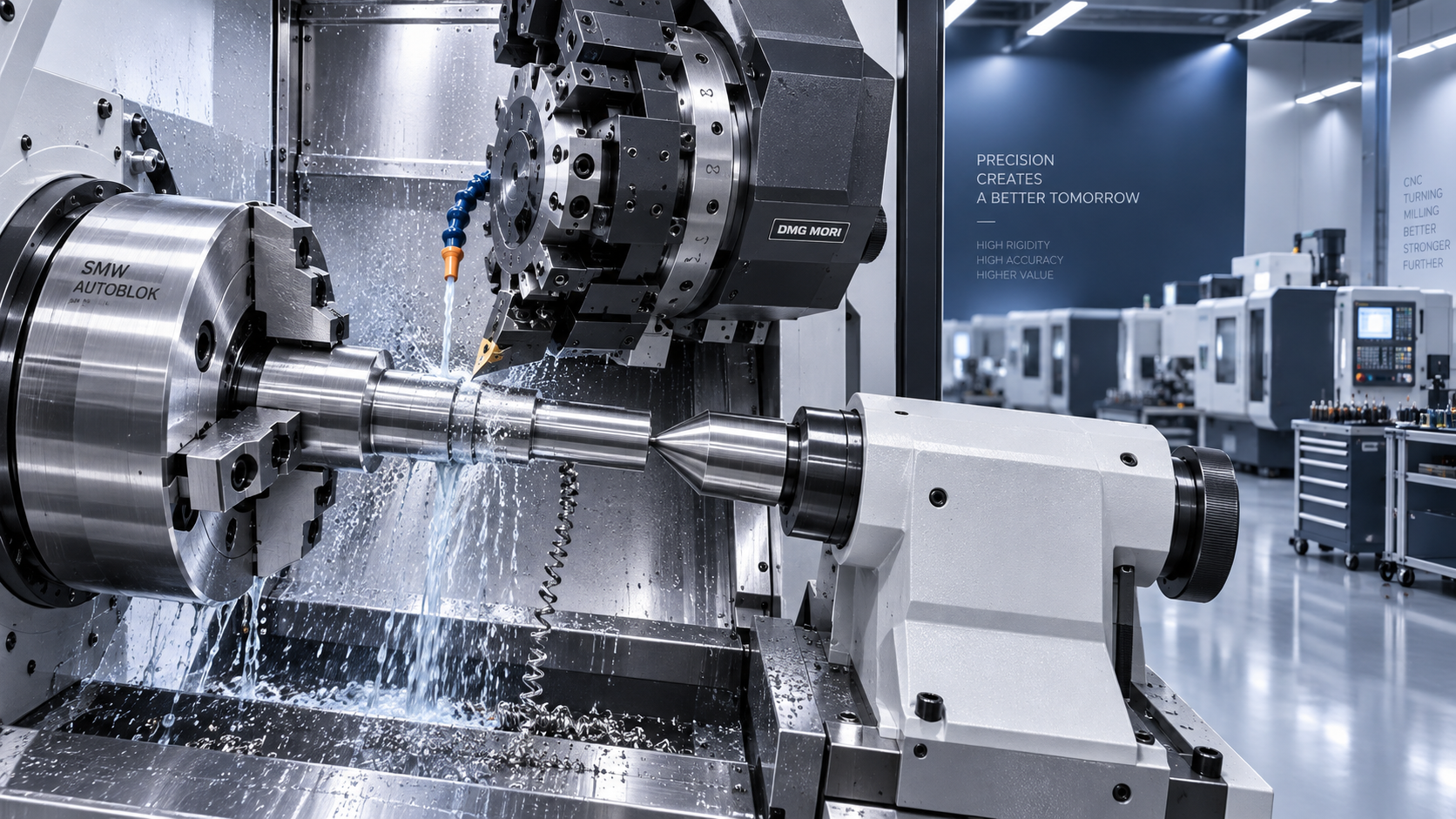
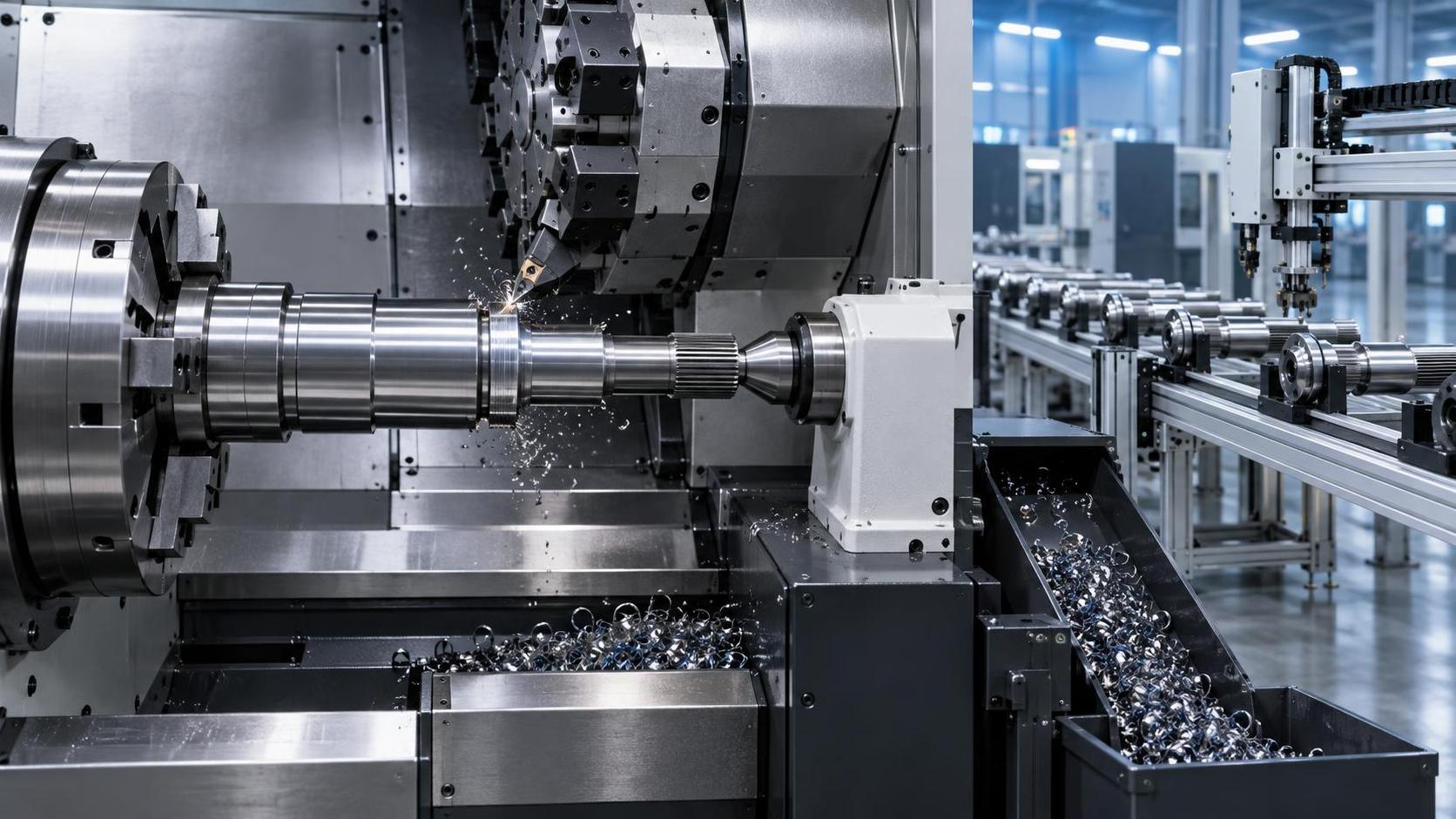
- Turning for shafts, pins, sleeves, and round parts
- Milling for slots, pockets, faces, and complex shapes
- Drilling and tapping for holes and threaded features
- Grinding for very fine tolerances and surface finish
- Multi-axis machining for parts with difficult angles or curved geometry
A useful way to think about CNC metalwork is by part function.
If a component must transmit motion, hold alignment, seal pressure, or connect with other precision parts, machining is often involved.
This is why CNC lathes and machining centers remain essential in global industrial clusters, from East Asia to Europe.
They support both prototype development and stable batch production.
Which materials are most common, and how do they change the process?
Material choice shapes almost every decision in CNC metalwork.
It affects cutting speed, tool wear, finishing options, mechanical performance, and total cost.
Several metals appear frequently because they balance machinability with real application needs.
In actual production, the best material is not always the strongest one.
A better choice is the material that meets load, environment, tolerance, and budget requirements without creating unnecessary machining difficulty.
That is where smart CNC metalwork planning begins.
When is precision machining truly required, not just preferred?
This is one of the most useful questions to ask.
Not every metal part needs extreme precision.
But some applications cannot function reliably without it.
Precision machining becomes necessary when small deviations create real performance problems.
- Mating parts require tight fit and repeatable assembly
- Rotating parts must stay balanced at high speed
- Sealing surfaces must prevent leakage under pressure
- Electronic or optical assemblies need exact positioning
- Safety-critical parts must meet strict certification standards
A common example is the difference between a simple bracket and a bearing seat.
The bracket may tolerate wider variation.
The bearing seat usually cannot.
In sectors such as aerospace, automotive drivetrains, and energy systems, precision machining is often linked directly to reliability, lifespan, and compliance.
The more complex the part geometry, the more likely CNC metalwork will need advanced setups, multi-axis paths, and careful inspection.
How can you judge whether a part is simple machining or a precision CNC metalwork job?
The better approach is to look at several indicators together rather than only one drawing dimension.
A part may seem basic at first, yet still require precision CNC metalwork because of assembly demands or material behavior.
If several items fall into the right column, the part likely needs more than routine machining.
This usually affects fixture design, tool choice, inspection planning, and production lead time.
What mistakes are common when evaluating CNC metalwork?
One frequent mistake is focusing only on unit price.
Lower initial cost can disappear quickly if scrap, rework, tool wear, or assembly issues appear later.
Another issue is over-specifying everything.
Very tight tolerances on non-critical features increase machining time without adding practical value.
There is also a growing gap between drawing intent and factory reality.
In smart manufacturing environments, CNC metalwork is influenced by software, fixture strategy, cutting conditions, automation, and inspection data.
Ignoring these links can lead to unrealistic expectations.
- Do not judge a process by machine type alone
- Do not choose material before confirming part function
- Do not treat prototype timing as mass production timing
- Do not skip inspection requirements in early planning
These points matter even more as machine tool networks become more global and supply chains span different regions and technical standards.
What should be reviewed before moving forward with a CNC metalwork project?
A practical review should connect drawing data with manufacturing reality.
That means checking more than geometry.
It also means understanding where precision machining is genuinely required and where standard machining is enough.
- Confirm the part’s functional surfaces and critical dimensions
- Match material choice with load, corrosion, weight, and finish needs
- Review whether tolerance targets support real performance goals
- Check if tooling, fixturing, and inspection plans are realistic
- Compare prototype, low-volume, and batch production assumptions
- Look at total cost, not machining price alone
CNC metalwork is no longer just about cutting metal.
It sits inside a larger manufacturing system shaped by automation, digital control, process stability, and global industrial capability.
That is why basic understanding pays off early.
If the next step is evaluation, start by listing the part’s function, material limits, tolerance priorities, and expected production volume.
From there, CNC metalwork decisions become clearer, more comparable, and much easier to verify.
NEXT ARTICLE
Recommended for You
 Machine Tool Standards by Country: What Importers Must Verify Before PurchaseManufacturing Policy Research Center
 CNC Lathe Quick Installation Guide: Alignment Checks Before First Production RunCNC Machining Technology Center
 How to Select a CNC Lathe for Small Parts Without Sacrificing Accuracy or Cycle TimeCNC Machining Technology Center
 How to Select a Slant Bed Lathe for High-Precision Shaft and Chuck WorkCNC Machining Technology Center
 Smart Manufacturing for Small Businesses: Where Automation Delivers the Fastest ROIMachine Tool Industry Editorial Team
 How to Specify a CNC Lathe for High-Volume Automotive Shaft ProductionCNC Machining Technology Center

Aris Katos
Future of Carbide Coatings
15+ years in precision manufacturing systems. Specialized in high-speed milling and aerospace grade alloy processing.
▶
How Automated Precision Machining Maintains Tolerance in High-Mix ProductionCNC Machining Technology Center▶
CNC Programming Explained: From CAD Models to Reliable Shop-Floor ToolpathsCNC Machining Technology Center▶
How Multi-Axis Machining Produces Complex Components With Fewer SetupsCNC Machining Technology Center▶
How Much Does CNC Programming Software Cost in 2026?CNC Machining Technology Center▶
CNC Machining Explained: Processes, Tolerances, and Parts It Can ProduceCNC Machining Technology Center
Mastering 5-Axis Workholding Strategies
Join our technical panel on Nov 15th to learn about reducing vibrations in thin-wall components.

Providing you with integrated sanding solutions
Before-sales and after-sales services
Comprehensive technical support