• Global CNC market projected to reach $128B by 2028 • New EU trade regulations for precision tooling components • Aerospace deman
NYSE: CNC +1.2%LME: STEEL -0.4%

How CNC Manufacturing for Energy Equipment Cuts Downtime
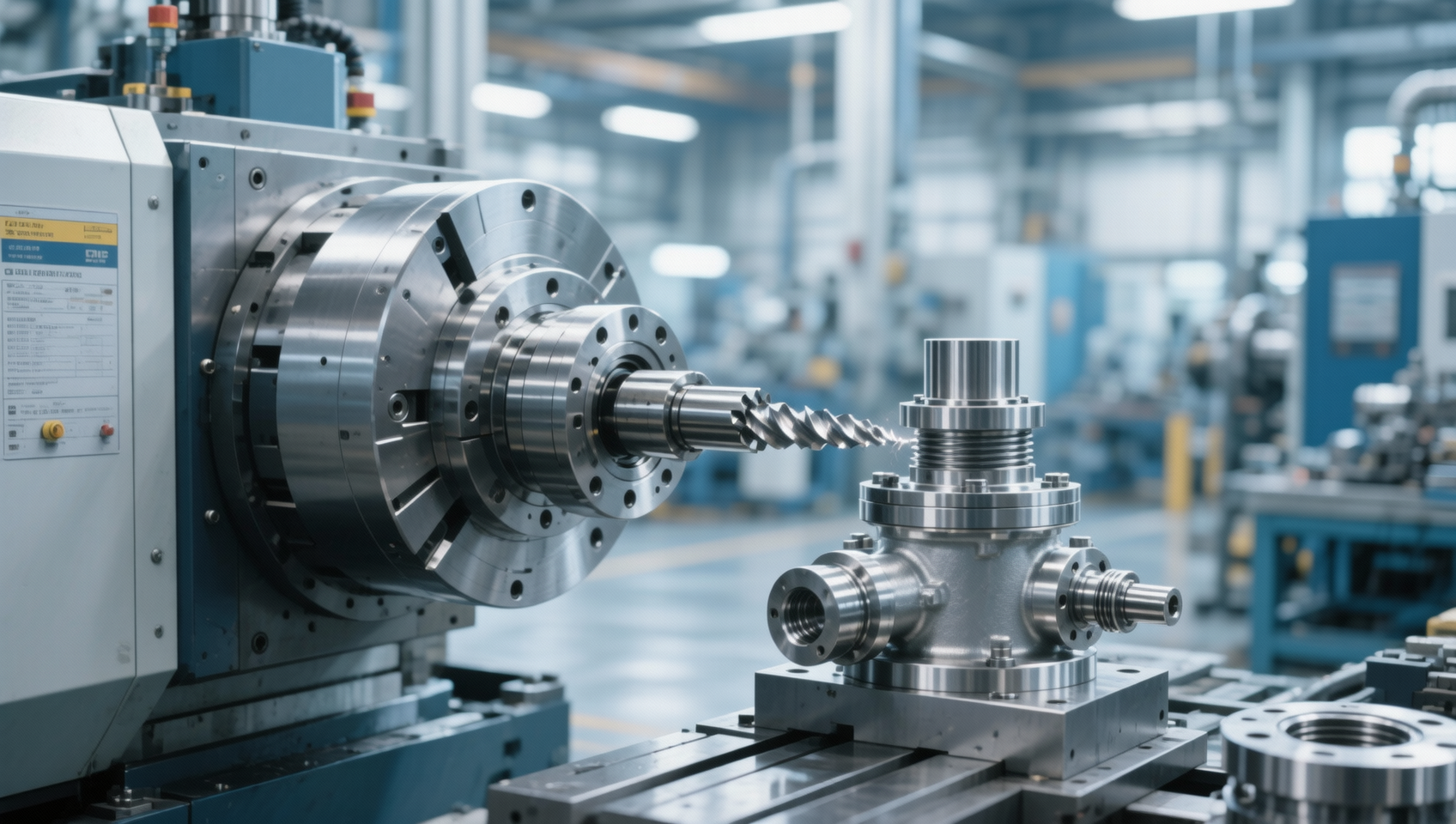
In the energy sector, every minute of downtime impacts output, safety, and cost. CNC manufacturing for energy equipment helps reduce disruptions through high precision CNC manufacturing, automated CNC manufacturing, and quick setup CNC manufacturing that keep critical parts consistent and production moving. This article explores how precision CNC manufacturing and modern machine tool solutions improve reliability, speed maintenance, and support smarter operations.
Why does CNC manufacturing matter so much for energy equipment uptime?
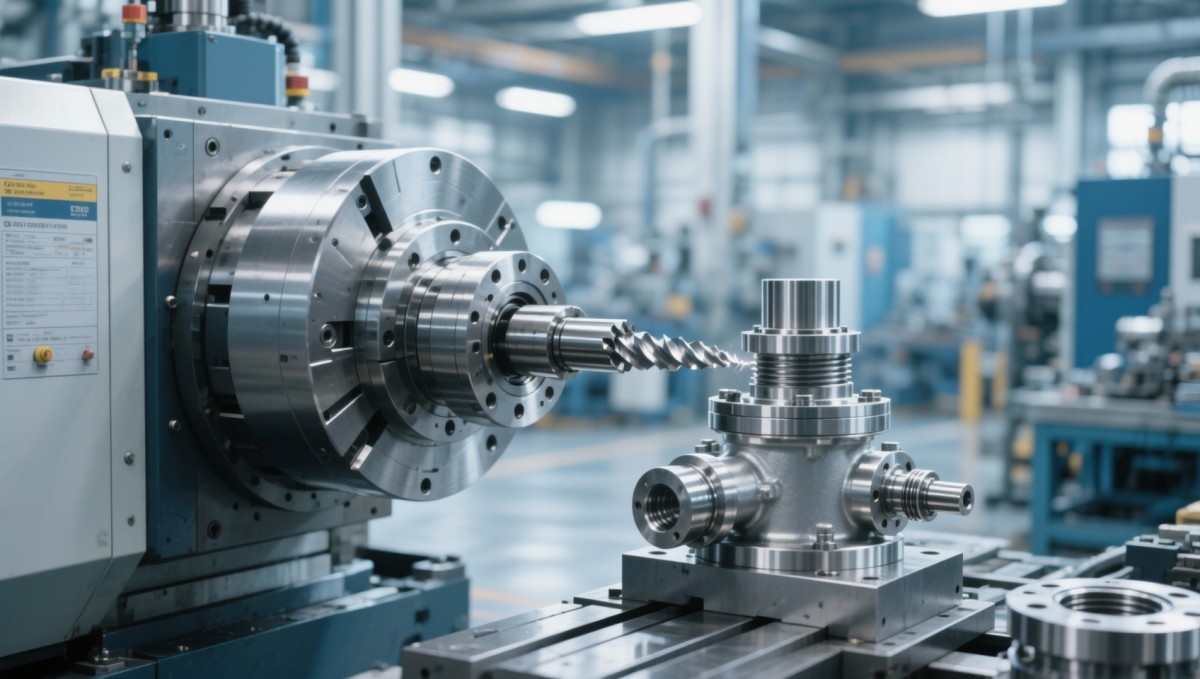
Energy equipment works under demanding conditions: high loads, continuous cycles, vibration, heat, pressure, and strict maintenance windows. In this environment, CNC manufacturing for energy equipment is not only about making parts accurately. It is about controlling the chain of events that leads either to reliable operation or to unplanned shutdowns. When a shaft, housing, seal surface, flange, or valve component falls outside tolerance, the result is often installation delay, leakage risk, unstable performance, or shorter service life.
For operators and maintenance teams, downtime usually begins long before a machine stops. It starts when replacement parts arrive late, require rework, or do not match the original dimensions. High precision CNC manufacturing helps avoid that problem by keeping dimensional repeatability within common machining ranges such as ±0.01 mm to ±0.05 mm, depending on part geometry, material, and process capability. That repeatability supports faster fit-up during planned shutdowns and reduces adjustment time on site.
For procurement teams and decision-makers, the value is broader. Automated CNC manufacturing shortens process variability, supports stable batch quality, and reduces dependence on manual intervention for every step. In practical terms, this can mean 3 core uptime benefits: fewer defective parts entering maintenance stock, shorter setup-to-production cycles for urgent orders, and more predictable lead times for spare and wear components across multiple facilities.
The machine tool industry has become central to these improvements because modern CNC lathes, machining centers, and multi-axis systems can process complex energy components in fewer setups. A part that once required 3–5 separate operations on different machines may now be completed in 1–2 coordinated machining stages, which reduces handling errors and accelerates turnaround for critical equipment support.
Where downtime usually starts in energy equipment manufacturing and maintenance
Most downtime drivers in energy equipment are linked to a few recurring issues rather than dramatic failures. Tolerance mismatch, poor surface finish, unstable concentricity, incorrect material machining parameters, and inconsistent batch quality can all extend maintenance windows. In high-value systems, even a small dimensional deviation on a sealing face or rotating interface can trigger repeated alignment checks and delayed restart.
This is why quick setup CNC manufacturing matters. During emergency replacement work, energy plants rarely have the luxury of long trial runs. They need suppliers that can move from drawing review to fixture preparation, machining, inspection, and shipment within a compressed window such as 7–15 days for conventional parts, or faster when stock material and process routes are already defined. The less setup friction there is, the lower the risk of maintenance overrun.
- Dimensional inconsistency causes repeated fitting, secondary machining, and delayed commissioning.
- Surface quality problems can increase wear, leakage, or friction in rotating and pressure-related assemblies.
- Long setup cycles reduce the ability to respond to urgent maintenance orders or spare-part shortages.
- Poor process traceability makes it harder for buyers to verify whether a part is suitable for critical service.
Which energy equipment applications benefit most from precision CNC manufacturing?
Not every part affects uptime in the same way. The highest-value applications for CNC manufacturing for energy equipment are usually the parts that directly influence sealing, rotation, fluid control, structural alignment, or thermal stability. These include pump shafts, turbine sleeves, bearing housings, valve bodies, impellers, couplings, manifolds, precision flanges, and high-accuracy mounting interfaces used in power generation, oil and gas systems, and renewable energy installations.
For information researchers comparing options, the key insight is that precision CNC manufacturing is especially useful where replacement parts must match legacy equipment or where assemblies cannot tolerate broad dimensional variation. In older plants, drawings may be incomplete or revised over time. A capable CNC machining workflow can support reverse engineering, sample-based verification, and controlled re-production of critical geometry without relying on trial-and-error fitting at the installation site.
For operators, applications differ by maintenance rhythm. Some wear parts are replaced every few months, while structural or rotating parts may stay in service for several years. The parts that matter most for downtime reduction are often those installed during narrow service windows such as 24–72 hour shutdowns. In these cases, part accuracy and readiness are more important than simply achieving the lowest purchase price.
The table below shows how different application types connect machining priorities to downtime impact. It can help purchasing teams and plant managers decide where to prioritize advanced CNC manufacturing, multi-axis machining, or stronger incoming inspection standards.
This comparison shows that downtime reduction is rarely about a single machine. It comes from matching machining capability to the function of the part. When buyers classify parts by risk level, they can assign tighter review, better process control, and faster replenishment plans to the items that most directly affect uptime.
How application type changes machining strategy
A rotating component often needs strong control of roundness, balance-related geometry, and shaft-to-bore fit. A fluid-control component needs stable sealing surfaces, thread accuracy, and internal passage consistency. A structural support part may tolerate wider general dimensions but still require accurate interfaces at mounting points. These distinctions matter because they influence machine selection, fixture design, toolpath planning, and inspection priorities from the first quotation stage.
In practical manufacturing terms, many energy equipment projects fall into 3 production categories: low-volume critical spares, medium-volume maintenance batches, and repeat production for OEM supply. Each category benefits from CNC processes differently. Low-volume urgent spares need flexible setup and engineering support. Medium-volume jobs need repeatability across batches. Repeat OEM work benefits most from automated CNC manufacturing and process standardization across months or quarters.
How do machine tool capability and process control cut delays?
When buyers evaluate CNC manufacturing for energy equipment, they often focus first on the final part. That is reasonable, but it misses a larger issue: uptime is strongly influenced by the process behind the part. A capable machine tool platform, supported by proper tooling, fixturing, measurement, and digital workflow control, reduces both production errors and scheduling uncertainty. This is where modern CNC machine tool suppliers create real operational value.
Multi-axis machining, for example, helps produce complex geometries in fewer clamping stages. Fewer setups usually mean fewer opportunities for datum shift, handling damage, or cumulative error. In many energy equipment components, reducing setups from 4 to 2 can simplify inspection and improve consistency between first-piece approval and the rest of the batch. Quick setup CNC manufacturing also benefits from modular fixtures, standardized tool libraries, and CAM programming practices that shorten preparation time for repeat orders.
Automation adds another layer. Automated loading, in-process probing, and digital offset management do not replace engineering judgment, but they help maintain process stability during medium and repeat production. For procurement teams, this can translate into lower quality variation across lots delivered over 3–12 months. For plant operators, it means replacement parts are more likely to install without unplanned adaptation work.
The following table gives a decision-oriented view of process factors that influence lead time and downtime risk. It is especially useful when comparing suppliers that appear similar on price but differ in production maturity.
The lesson is clear: a lower quoted part price can become expensive if the process behind it is weak. In energy equipment support, the most valuable suppliers are often those that can prove process repeatability, not just quote quickly. Stable machining routes reduce the hidden cost of downtime, expediting, and installation delay.
What technical checkpoints should users and buyers verify?
Whether you are sourcing a single urgent component or planning a quarterly spare-part program, it helps to review a short list of technical checkpoints before release. These checkpoints do not require deep design authority, but they significantly improve sourcing quality and reduce misunderstanding between engineering, purchasing, and production teams.
Five practical checks before placing an order
- Confirm critical dimensions and tolerances separately from general drawing notes, especially on sealing, fitting, and rotating interfaces.
- Define material condition, heat-treatment expectations, and any post-machining requirements before production begins.
- Ask which operations are completed in one setup and which require re-clamping, because this affects consistency.
- Request inspection points for 3–6 critical features rather than relying only on a general quality statement.
- Review realistic lead time by stage, such as engineering review, fixture preparation, machining, final inspection, and shipment.
What should procurement teams compare before choosing a CNC supplier?
Procurement for energy equipment often fails when buyers compare only unit price and nominal delivery date. A stronger method is to evaluate suppliers across at least 4 dimensions: machining capability, response speed, quality control depth, and communication clarity. This is especially important in global sourcing, where suppliers may operate in different manufacturing clusters and use different shop-floor systems even when they offer similar-looking services.
For enterprise decision-makers, the most useful comparison is total interruption risk rather than simple purchase cost. A supplier that handles drawing review in 1–3 working days, clarifies critical tolerances early, and provides stable process documentation can reduce procurement friction across repeated orders. This becomes more valuable when an organization manages multiple plants or mixed equipment generations across regions.
Lead time should also be separated into realistic stages. A promise of “fast delivery” means little without process detail. Buyers should ask how long each phase usually takes for low-complexity, medium-complexity, and urgent repair parts. For many standard-machining jobs, a practical review cycle may include 1–3 days for technical confirmation, several days for setup and raw material preparation, and 1–2 weeks for machining and inspection depending on complexity and batch size.
The checklist below is useful for RFQ comparison, supplier approval meetings, or internal discussions between maintenance, engineering, and sourcing teams. It helps convert broad claims into workable decision criteria.
A practical supplier comparison checklist
- Can the supplier machine the required geometry on suitable equipment such as CNC lathes, machining centers, or multi-axis systems without unnecessary subcontracting?
- Can they explain the control plan for the 3 most critical features that affect sealing, fit, or motion?
- Do they offer quick setup CNC manufacturing for repeat or urgent maintenance orders, and can they describe how setup time is reduced?
- Can they support traceable inspection records, material confirmation, and coordinated communication with your engineering or maintenance team?
- Do they understand international supply expectations, including export coordination, schedule updates, and packaging suitable for industrial components?
This type of evaluation is particularly relevant in the global machine tool market, where suppliers from China, Germany, Japan, South Korea, and other manufacturing regions may differ significantly in production style and support process. The best sourcing outcome usually comes from matching supplier strengths to the urgency, complexity, and risk level of the specific energy equipment parts you need.
Common questions: lead time, risk control, standards, and implementation
Many searchers want direct answers before moving to supplier discussions. The most common concerns are lead time, compliance expectations, repeatability for spare parts, and how to reduce mistakes during implementation. These questions matter because CNC manufacturing for energy equipment often supports mission-critical operations, not general commodity purchasing.
In most projects, compliance does not begin with a single certificate claim. It begins with drawing clarity, material definition, tolerances, and inspection discipline. Depending on the application, buyers may also reference general quality management expectations, customer-specific inspection plans, or industry norms for pressure-related, structural, or rotating components. What matters most is that requirements are identified before production, not after parts arrive.
Implementation is also a shared responsibility. Even high precision CNC manufacturing cannot solve missing dimensions, unclear revision control, or unrealistic delivery assumptions. The strongest projects usually follow a 4-step workflow: requirement review, manufacturability confirmation, production and inspection, then shipping and installation feedback. That loop improves future orders and helps establish faster repeat supply for critical parts.
How long does CNC manufacturing for energy equipment usually take?
Lead time depends on part complexity, material availability, inspection depth, and whether the job is new or repeat. For standard components with complete drawings, a common range can be 7–15 days after technical confirmation. More complex parts, multi-operation components, or items requiring special tooling may move into a 2–4 week range. Repeat orders with fixed tooling and approved process routes are usually faster than first-time builds.
What are the biggest mistakes buyers make?
Three mistakes appear often. First, buyers focus on price but do not separate critical features from general dimensions. Second, they assume all CNC suppliers offer the same process control, even when machine capability and inspection practice differ greatly. Third, they leave revision or installation details unclear, which creates avoidable delays. A short pre-order review meeting can prevent many of these issues.
Does automated CNC manufacturing really help low-volume spare parts?
Yes, but not in the same way it helps mass production. In low-volume spares, automation supports consistency, setup memory, tool control, and inspection repeatability rather than pure output volume. If a supplier stores verified programs, fixture references, and machining parameters, even small repeat orders can move faster and with less variation than ad hoc manual preparation each time.
Which standards or documents should be discussed early?
Discuss drawing revision level, material grade, dimensional tolerance scheme, inspection records, surface requirements, packaging expectations, and any customer-specific approval steps. If your internal process follows recognized quality management or traceability practices, share that at the RFQ stage. Early alignment is usually more important than broad claims about compliance made after production has started.
Why choose us for CNC manufacturing support in energy equipment projects?
We focus on the global CNC machining and precision manufacturing industry, with close attention to machine tools, automated production, multi-axis machining, and the real sourcing needs of industrial buyers. That means we do more than discuss general manufacturing theory. We help connect technical requirements, production capability, supply timing, and international trade understanding so your CNC manufacturing for energy equipment projects are easier to evaluate and execute.
If you are comparing suppliers or planning a new sourcing route, we can help you clarify the practical details that most affect downtime: which dimensions are truly critical, which process route best fits the part, what lead time is realistic, and how automated CNC manufacturing or quick setup CNC manufacturing may improve response speed. This is valuable for researchers building a supplier shortlist, for operators managing maintenance windows, and for procurement teams balancing budget with operational risk.
You can contact us to discuss specific topics such as parameter confirmation, part manufacturability review, material and tolerance questions, delivery cycle planning, customized machining solutions, inspection expectations, sample support, export coordination, and quotation communication. If your project includes urgent spares, repeat maintenance parts, or complex structural and rotating components, sharing drawings or application details early will allow for a more accurate technical discussion.
A good CNC partner helps reduce uncertainty before downtime becomes expensive. If you need a clearer basis for supplier selection, faster response for energy equipment parts, or a more structured review of machining options, reach out with your drawings, target schedule, batch size, and application scenario. That is the fastest way to turn precision CNC manufacturing into a practical uptime advantage.
PREVIOUS ARTICLE
Recommended for You
![]() US Decides Against New Tariffs on Robots, Industrial Machinery and PartsManufacturing Policy Research Center
![]() White House Section 232 Ruling: No New Machine Tool or Robot Tariffs, Calls for TalksManufacturing Policy Research Center
 How to Integrate Warehouse Palletizing Robots with Minimal DowntimeMachine Tool Industry Editorial Team
![]() AI Investment Lifts US September Equipment Demand; Core Capital Goods Orders Rise 0.5%Manufacturing Market Research Center
 Why Heavy Machinery Shafts Fail Under Cyclic Loads and How to Prevent ItCNC Machining Technology Center
![]() JTEKT Introduces G5 Series Large CNC Cylindrical Grinder, Sales Begin October 26, 2026Machine Tool Industry Editorial Team



Aris Katos
Future of Carbide Coatings
15+ years in precision manufacturing systems. Specialized in high-speed milling and aerospace grade alloy processing.
▶
FANUC Links FIELD System Data with Copilot to Advance Shop-Floor Data UseCNC Machining Technology Center▶
Smart Manufacturing for Aerospace: Building Traceability Across CNC OperationsCNC Machining Technology Center▶
Choosing a CNC Machine for Mold Making: Accuracy, Rigidity, and Surface FinishCNC Machining Technology Center▶
How to Cut CNC Machining Energy Use per Part Without Longer Cycle TimesCNC Machining Technology Center▶
Will a Mazak CNC retrofit work with your existing servo drives?CNC Machining Technology Center
▶
Mastering 5-Axis Workholding Strategies
Join our technical panel on Nov 15th to learn about reducing vibrations in thin-wall components.

Providing you with integrated sanding solutions
Before-sales and after-sales services
Comprehensive technical support