• Global CNC market projected to reach $128B by 2028 • New EU trade regulations for precision tooling components • Aerospace deman
NYSE: CNC +1.2%LME: STEEL -0.4%

How CNC milling cuts lead time without losing accuracy
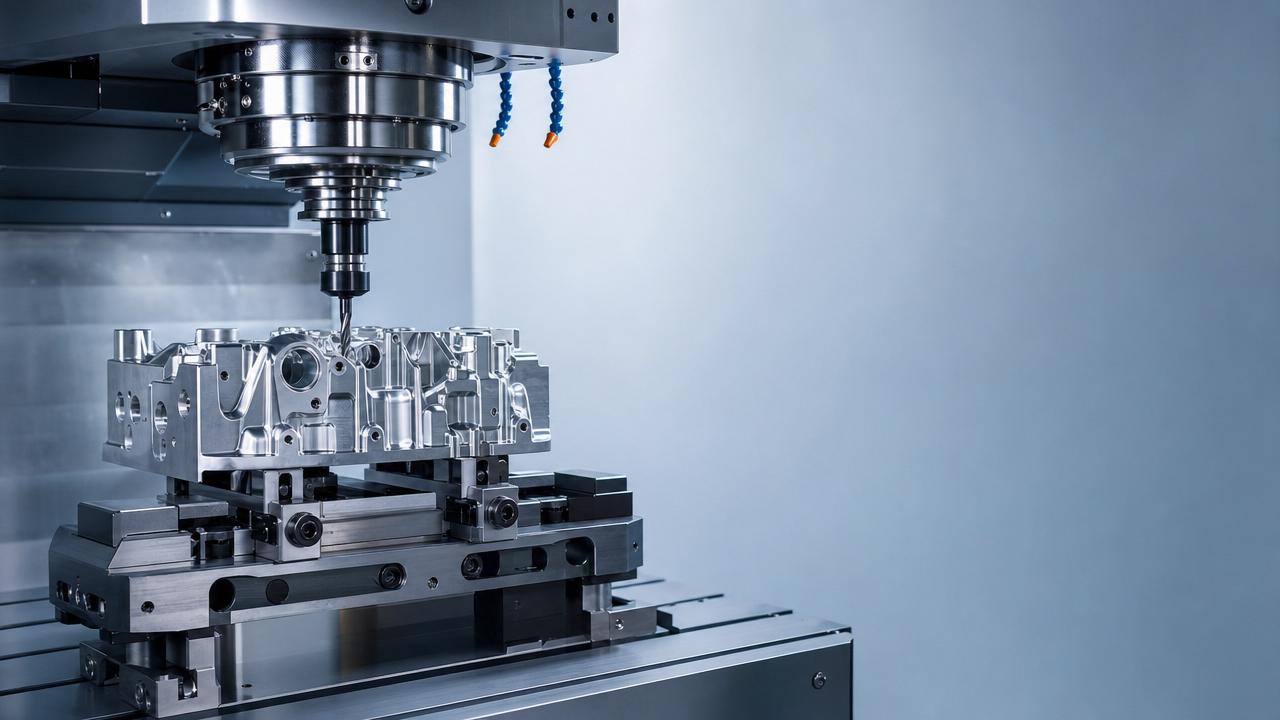
For project managers under pressure to shorten delivery cycles, CNC milling offers a practical way to reduce lead time without compromising dimensional accuracy or surface quality. By combining repeatable precision, faster setup strategies, and efficient multi-axis machining, manufacturers can keep complex parts on schedule while maintaining the consistency required across demanding industrial applications.
For most readers searching this topic, the real question is not whether CNC milling is precise. It is whether it can accelerate production in a measurable, low-risk way.
Project leaders usually need a clear answer on scheduling impact, cost tradeoffs, process reliability, supplier capability, and where CNC milling delivers the fastest time savings.
This article focuses on those decision points. Instead of repeating broad machining theory, it explains how CNC milling cuts lead time, where the biggest gains come from, and how to evaluate it.
Why project managers use CNC milling to shorten schedules
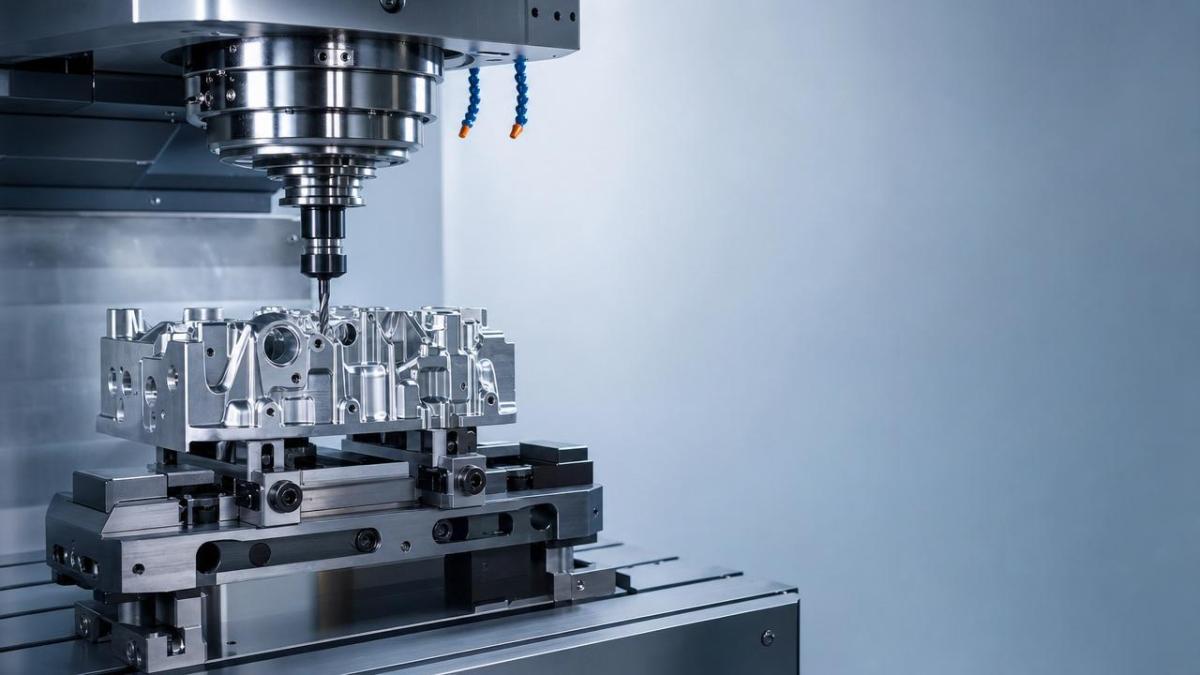
The main advantage of CNC milling is that it compresses multiple production steps into a controlled, repeatable machining process. That matters when delivery commitments are tight and part complexity is high.
In traditional workflows, complex parts may require several machines, repeated manual alignment, extra inspection stops, and frequent operator intervention. Each transition adds waiting time, variation risk, and coordination overhead.
CNC milling reduces those interruptions by automating tool movement, spindle control, feed rates, and positioning. Once the program and setup are validated, the process runs with far greater consistency.
For project managers, this means shorter queue times between operations, fewer rework loops, and more predictable throughput. Lead time improves not because one machine is magically faster, but because the process is cleaner.
That distinction is important. Schedule compression in manufacturing usually comes from removing handoffs, reducing uncertainty, and stabilizing quality, not simply increasing cutting speed.
Where lead time savings actually come from in CNC milling
If you are responsible for delivery dates, the most valuable question is where time savings happen in real projects. In CNC milling, they typically come from setup reduction, process consolidation, and lower correction rates.
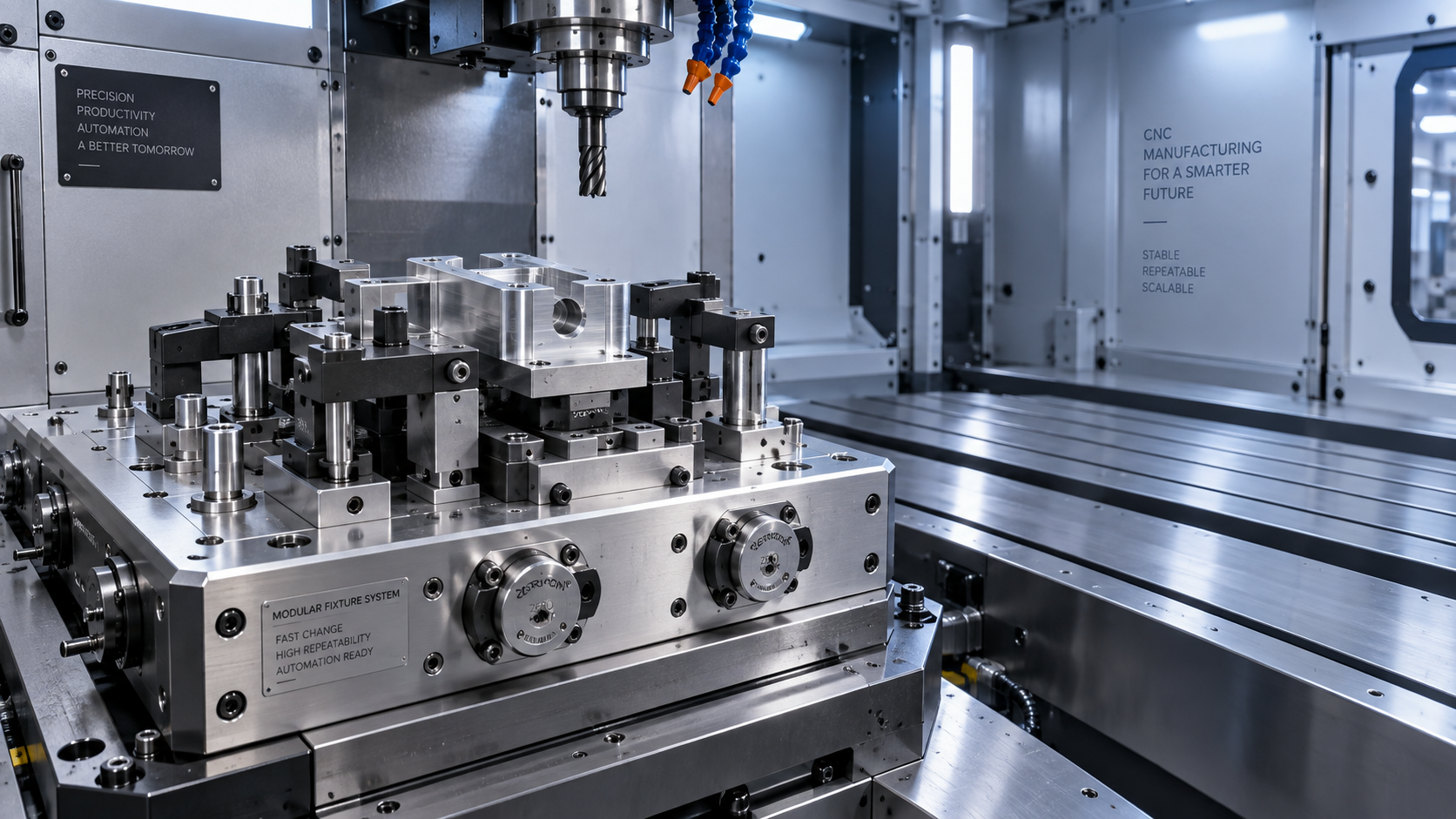
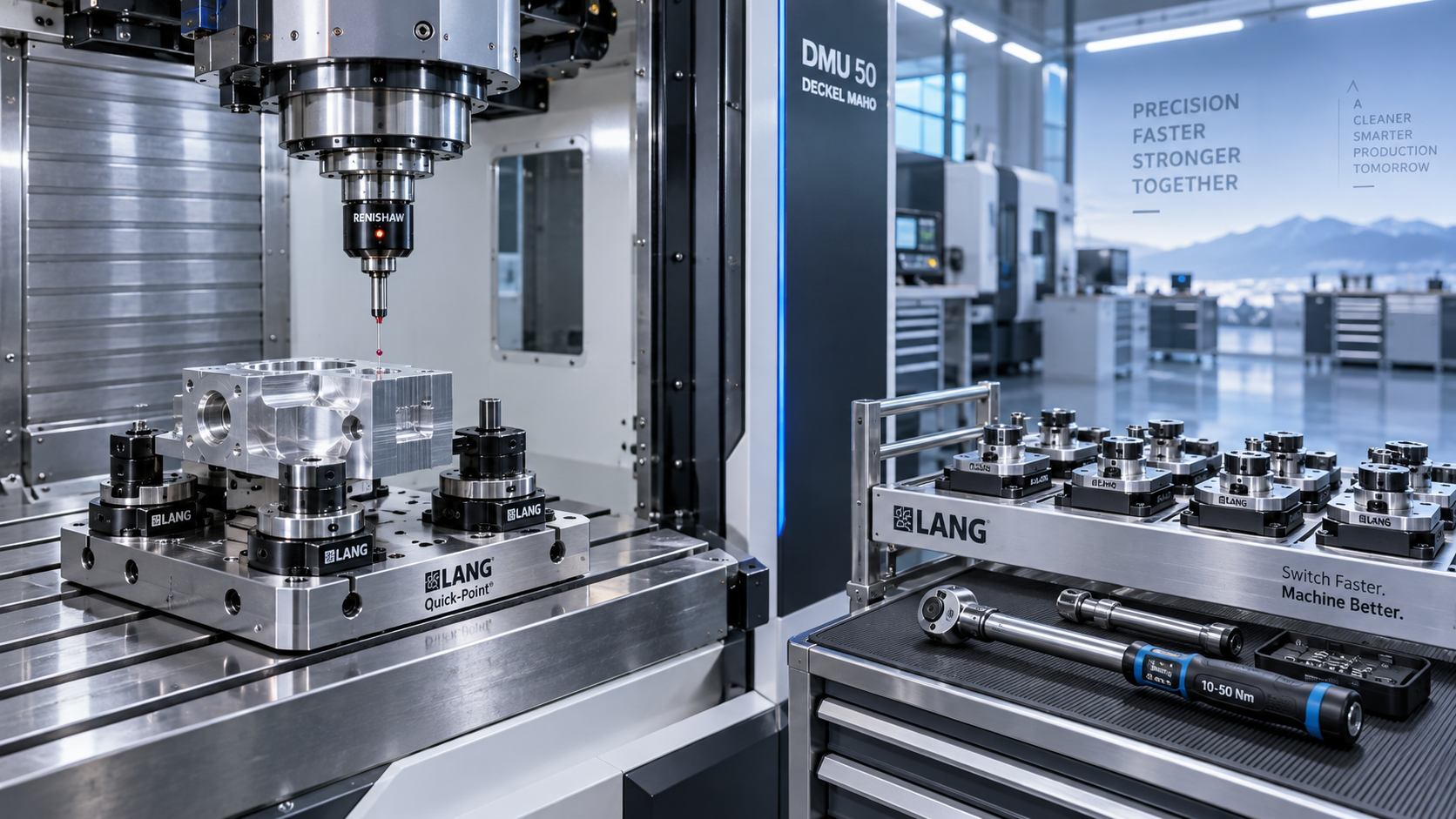
Setup time is often one of the largest hidden delays in precision manufacturing. Modern CNC milling systems reduce setup effort through digital tool libraries, fixture standardization, probing systems, and repeatable machine referencing.
Instead of manually dialing in each job from scratch, shops can use preset tooling and standardized workholding to move from one batch to the next more quickly. This improves machine utilization and scheduling flexibility.
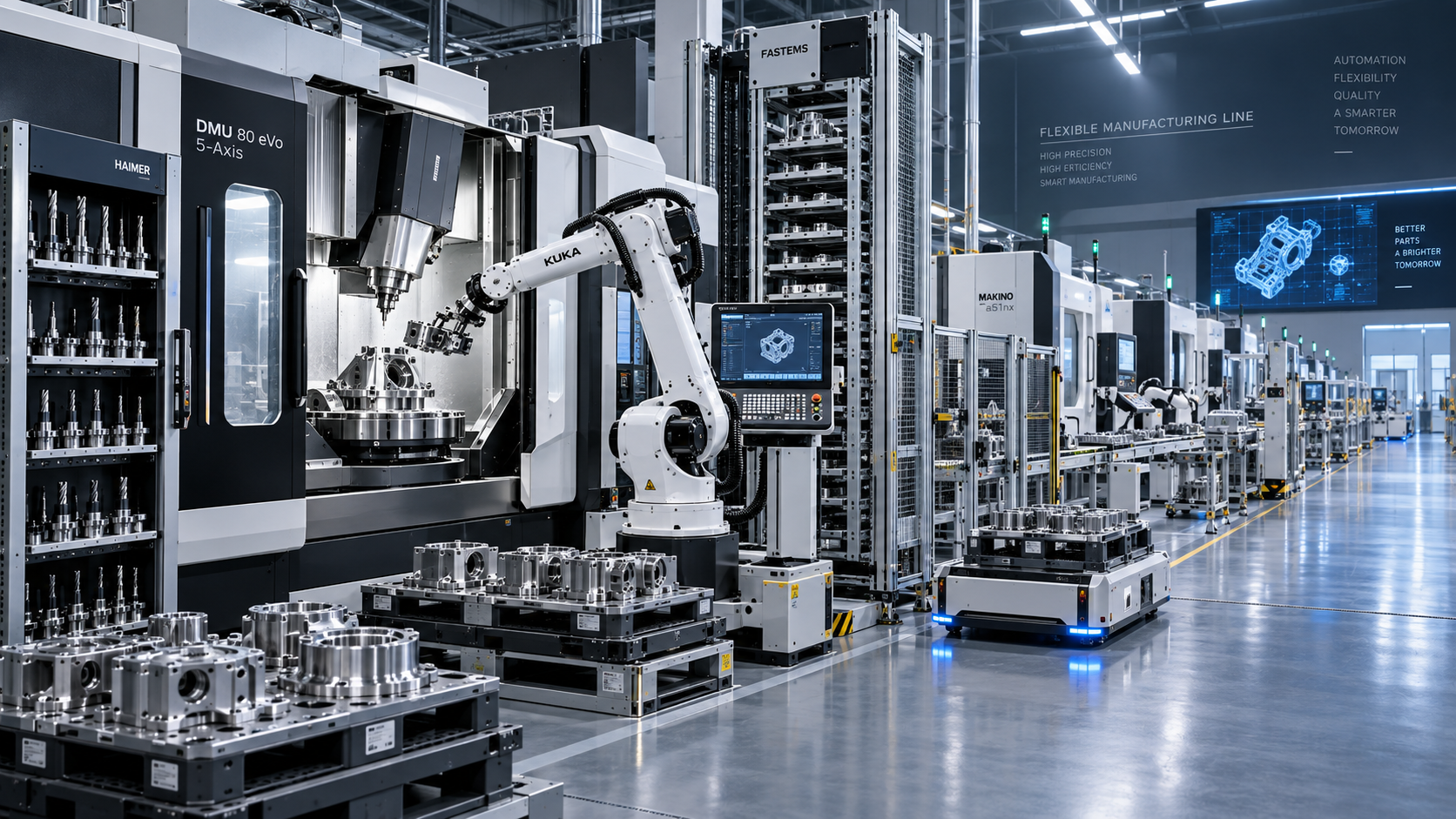
Another major gain comes from fewer operations. A part that once needed separate drilling, contouring, pocketing, and finishing stages can often be completed on one machining center.
When one platform performs more of the total work, transportation time between machines drops. So does the administrative delay associated with dispatching, queueing, and quality release between process steps.
Toolpath optimization also has a direct scheduling effect. High-efficiency roughing, adaptive clearing, and better tool engagement strategies remove material faster while controlling heat and tool wear.
Because these toolpaths are engineered in CAM software before production starts, process planning becomes more predictable. Project managers benefit from more accurate cycle time estimates and fewer surprises once machining begins.
Lead time also falls when fewer parts need rework. CNC milling supports tight tolerances, repeatable geometry, and stable surface finishes, which reduces the number of components that fail downstream inspection.
That is especially important in projects involving mating parts, assemblies, or customer validation samples. A single dimensional problem can delay not just one part, but an entire project milestone.
How CNC milling preserves accuracy while moving faster
Some teams assume that faster production inevitably means lower precision. In practice, CNC milling can reduce lead time and maintain accuracy at the same time when the process is engineered correctly.
The first reason is machine repeatability. CNC systems execute programmed paths consistently, which lowers dependence on manual operator adjustment and minimizes variation from one workpiece to the next.
The second reason is controlled cutting conditions. Spindle speed, feed rate, step-over, and depth of cut can be tuned for both productivity and part quality rather than improvised on the shop floor.
Modern machines also use rigid structures, thermal compensation, and precision ball screws or linear guides to maintain positional stability. These design features help preserve dimensional control across longer runs.
In-process probing further protects accuracy. Instead of waiting until the part is fully complete, the machine can verify offsets, detect alignment issues, and confirm key dimensions during production.
This matters for schedule risk. Catching an issue in the machine is much faster than discovering it after final inspection, after coating, or after shipment to the next production stage.
Multi-axis CNC milling adds another layer of accuracy benefit. By reaching more surfaces in fewer setups, it reduces the repositioning errors that often occur when parts are unclamped and realigned repeatedly.
That means faster throughput without sacrificing geometric consistency. For project managers, the result is not just speed, but confidence that accelerated production will not trigger hidden quality costs later.
Which types of projects benefit most from faster CNC milling
Not every manufacturing job gains equally from CNC milling. The strongest lead time advantage appears in projects where complexity, precision, and schedule pressure intersect.
Prototype and pre-production work is a common example. Teams often need functional parts quickly for testing, design validation, customer approval, or pilot assembly, and waiting for hard tooling is not practical.
CNC milling supports this need because it can produce parts directly from CAD data with limited preparation compared with processes that require molds, dies, or extensive manual fabrication steps.
Low- to medium-volume production also benefits. When part quantities are too high for manual machining but too low to justify expensive dedicated tooling, CNC milling often offers the best balance.
Projects involving aluminum housings, steel brackets, aerospace structures, energy equipment components, and precision fixtures are especially well suited to this approach. These parts frequently need tight tolerances and fast turnaround.
Engineering change environments are another strong fit. If dimensions, pockets, hole patterns, or mating features may change during the project, CNC milling is flexible enough to adapt with revised programs.
That flexibility can protect the schedule. A digital update to the machining program is far easier to absorb than redesigning fixed tooling or restarting a manual fabrication workflow from the beginning.
For project managers handling international supply chains, CNC milling also helps in urgent bridge production. It can fill short-term capacity gaps while larger sourcing plans or tooling programs are still being finalized.
What project managers should ask suppliers before relying on CNC milling for lead time
Choosing CNC milling as a schedule strategy only works if the supplier can execute reliably. Speed on paper means little if the shop lacks process discipline, capacity, or inspection control.
Start by asking where the supplier’s lead time advantage comes from. A credible manufacturer should explain its setup methods, machine availability, programming workflow, tooling management, and inspection process.
Ask whether the shop uses standardized fixtures, offline programming, in-process probing, and CAM simulation. These capabilities usually indicate a stronger ability to compress production without increasing avoidable risk.
Machine configuration matters too. Three-axis equipment may be sufficient for simpler prismatic parts, but more complex geometry may benefit from four-axis or five-axis CNC milling to reduce setups.
Request realistic cycle time and queue time estimates rather than broad promises. A useful supplier should separate programming time, setup time, machining time, inspection time, and any finishing requirements.
It is also wise to ask how first-article validation is handled. Quick delivery is only valuable if the first approved part arrives on time and does not trigger multiple rounds of dimensional correction.
Quality documentation should not be overlooked. If your project requires traceability, material certificates, inspection reports, or critical feature measurement, confirm that these steps are integrated into the timeline.
Finally, ask about schedule resilience. What happens if tools break, a machine goes down, or a revision arrives mid-run? Shops with backup capacity and mature planning systems are safer partners under deadline pressure.
How to evaluate the business value beyond machine time
One common mistake is evaluating CNC milling only by hourly machine rate. Project managers need a broader view because lead time affects launch dates, assembly continuity, inventory exposure, and customer commitments.
A process that costs slightly more per part may still create better project economics if it removes a week from the schedule, avoids premium freight, prevents assembly stoppages, or reduces engineering firefighting.
Look at total timeline impact. If CNC milling combines multiple operations and lowers rework, the gain may appear not just in machining, but in fewer internal approvals, less part handling, and smoother final integration.
Consider the cost of delay. In many industrial projects, the financial effect of missing a build milestone is much larger than the difference between two machining quotes.
There is also value in predictability. Stable CNC milling processes improve planning accuracy, which helps procurement, quality, assembly, and customer communication align around realistic dates.
That predictability becomes especially valuable in multi-supplier programs. If one precision component slips, the entire system integration schedule can move. Reliable machining lead times help protect the broader project plan.
Common risks and how to avoid losing time anyway
CNC milling is powerful, but it does not eliminate all schedule risk. In some cases, poor planning can cancel out the expected lead time benefit.
One frequent issue is design data that is not ready for production. Incomplete drawings, missing tolerance definitions, and unclear material specifications can delay programming and approval before machining even starts.
Another risk is unrealistic tolerance assignment. Overly tight dimensions on non-critical features increase cycle time, inspection burden, and rejection risk without improving actual product performance.
Tool access and part fixturing can also create hidden delays. A geometry that looks simple in CAD may require special workholding or multiple orientations unless manufacturability is reviewed early.
Late engineering changes are manageable in CNC milling, but they still carry cost. The earlier the machining team sees likely revisions, the easier it is to avoid scrap and planning disruption.
Material availability is another schedule factor. Even with efficient CNC milling, lead time can stretch if the required alloy, plate thickness, or certified stock is not available when production is released.
The best way to avoid these problems is early collaboration between engineering, sourcing, quality, and the machining supplier. Lead time reduction works best when manufacturing input starts before urgent production begins.
A practical decision framework for project leaders
If you need to decide whether CNC milling is the right route, use a simple framework. First, define whether your real constraint is machining speed, setup delay, quality instability, or supplier queue time.
Second, review part complexity. The more setups, contours, pockets, angles, and critical interfaces a part contains, the stronger the case for a well-managed CNC milling process.
Third, evaluate tolerance sensitivity. If dimensional accuracy and surface quality are essential for function or customer acceptance, CNC milling often provides better schedule security than less controlled alternatives.
Fourth, compare production volume against tooling logic. For prototypes, bridge production, and low- to medium-volume runs, CNC milling is often one of the most efficient ways to move quickly.
Fifth, confirm supplier readiness. Equipment alone is not enough. The real lead time advantage depends on process planning, programming quality, workholding strategy, inspection discipline, and available capacity.
When these conditions align, CNC milling becomes more than a machining method. It becomes a project control tool that helps teams shorten delivery cycles without trading away precision.
Conclusion
For project managers, the value of CNC milling lies in its ability to reduce total production friction. It shortens lead time by cutting setups, consolidating operations, improving repeatability, and lowering rework risk.
Just as importantly, it does this without automatically sacrificing dimensional accuracy or surface quality. In many applications, the same process changes that improve speed also make results more stable.
The smartest way to evaluate CNC milling is not to ask whether it is fast in general. Ask whether it removes the specific delays affecting your project while preserving the quality level your application demands.
When supported by capable suppliers, sound programming, and realistic design decisions, CNC milling is one of the most practical ways to accelerate industrial production and keep complex projects on schedule.
PREVIOUS ARTICLE
Recommended for You
 How to Select CNC Equipment for High-Mix, Low-Volume ProductionCNC Machining Technology Center
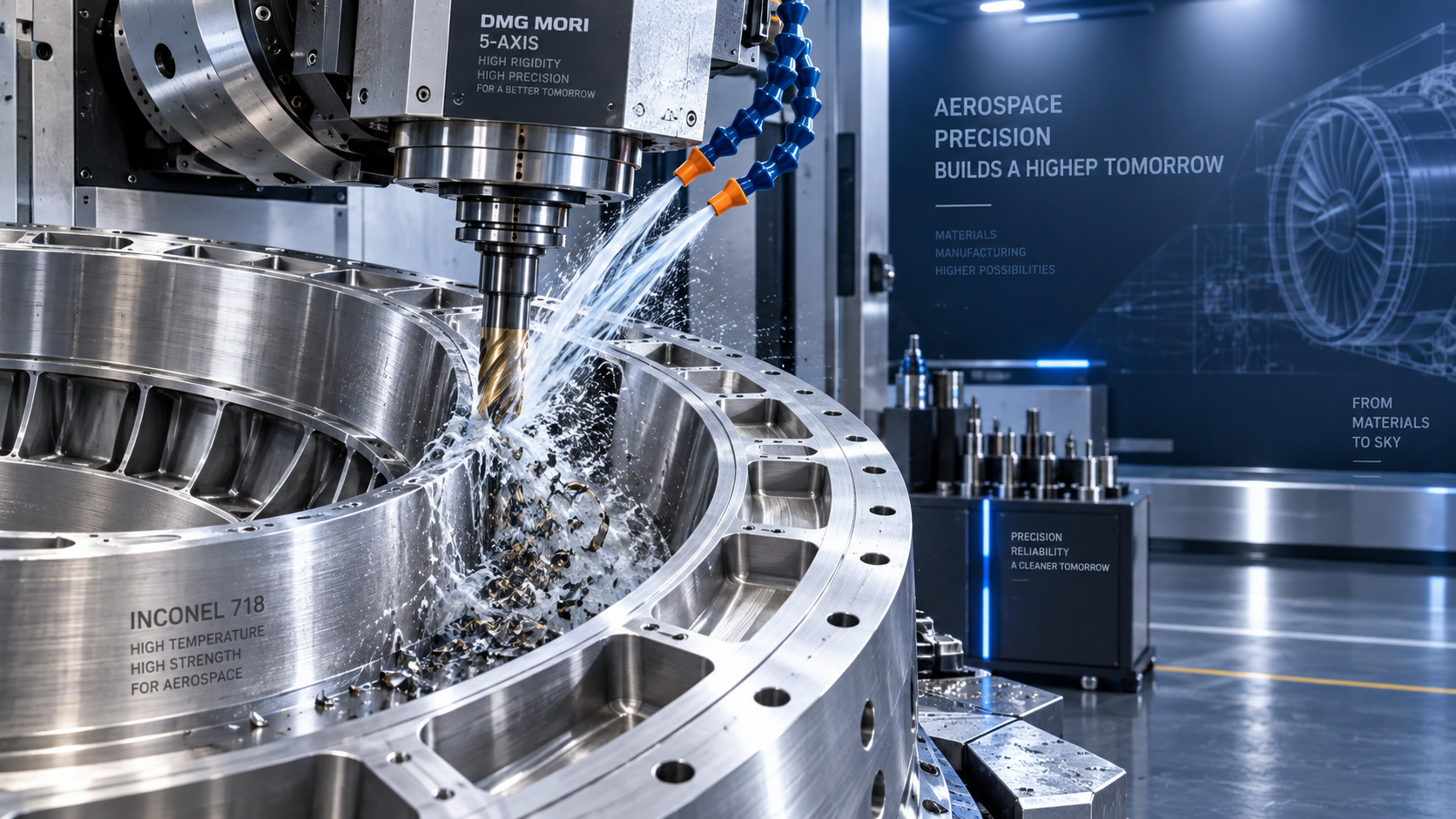
 Can CNC Machining Inconel Control Tool Wear in High-Temperature Aerospace Parts?CNC Machining Technology Center
 Machine Tool Market Outlook: Demand Drivers, Capacity Shifts, and Investment RisksManufacturing Market Research Center
 Zero-Point Clamping or Modular Fixtures? Choosing a Faster CNC Changeover SystemCNC Machining Technology Center
 How to Cut CNC Fixture Changeover Time Without Sacrificing Part AccuracyCNC Machining Technology Center
 When Does CNC Turning Pay Off? A Break-Even Guide by Annual Part VolumeMachine Tool Industry Editorial Team

Aris Katos
Future of Carbide Coatings
15+ years in precision manufacturing systems. Specialized in high-speed milling and aerospace grade alloy processing.
▶
How to Select CNC Equipment for High-Mix, Low-Volume ProductionCNC Machining Technology Center▶
Can CNC Machining Inconel Control Tool Wear in High-Temperature Aerospace Parts?CNC Machining Technology Center▶
How Automated Precision Machining Maintains Tolerance in High-Mix ProductionCNC Machining Technology Center▶
CNC Programming Explained: From CAD Models to Reliable Shop-Floor ToolpathsCNC Machining Technology Center▶
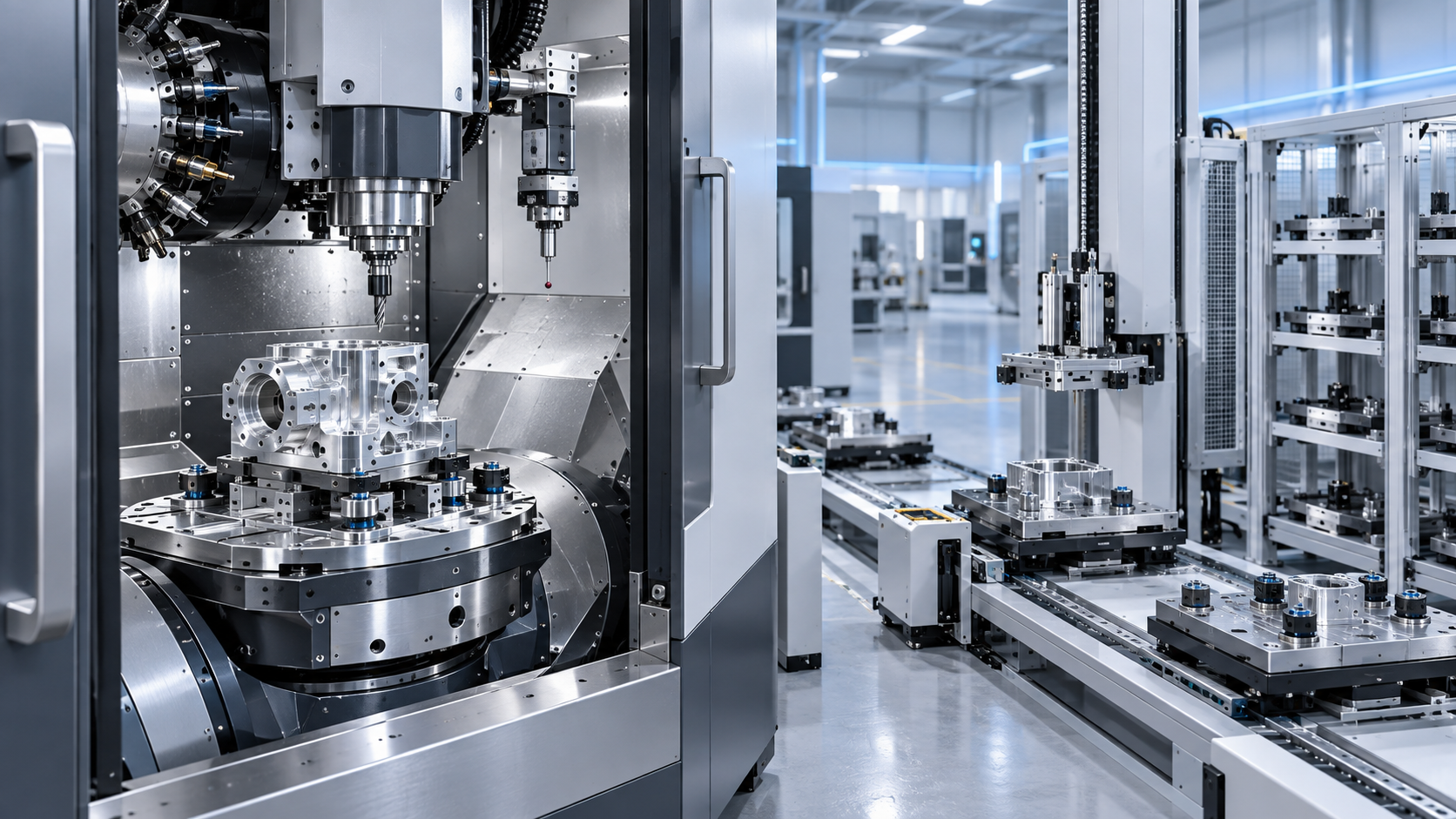
How Multi-Axis Machining Produces Complex Components With Fewer SetupsCNC Machining Technology Center
Mastering 5-Axis Workholding Strategies
Join our technical panel on Nov 15th to learn about reducing vibrations in thin-wall components.

Providing you with integrated sanding solutions
Before-sales and after-sales services
Comprehensive technical support