• Global CNC market projected to reach $128B by 2028 • New EU trade regulations for precision tooling components • Aerospace deman
NYSE: CNC +1.2%LME: STEEL -0.4%

How Does the Production Process Affect CNC Machine Selection?
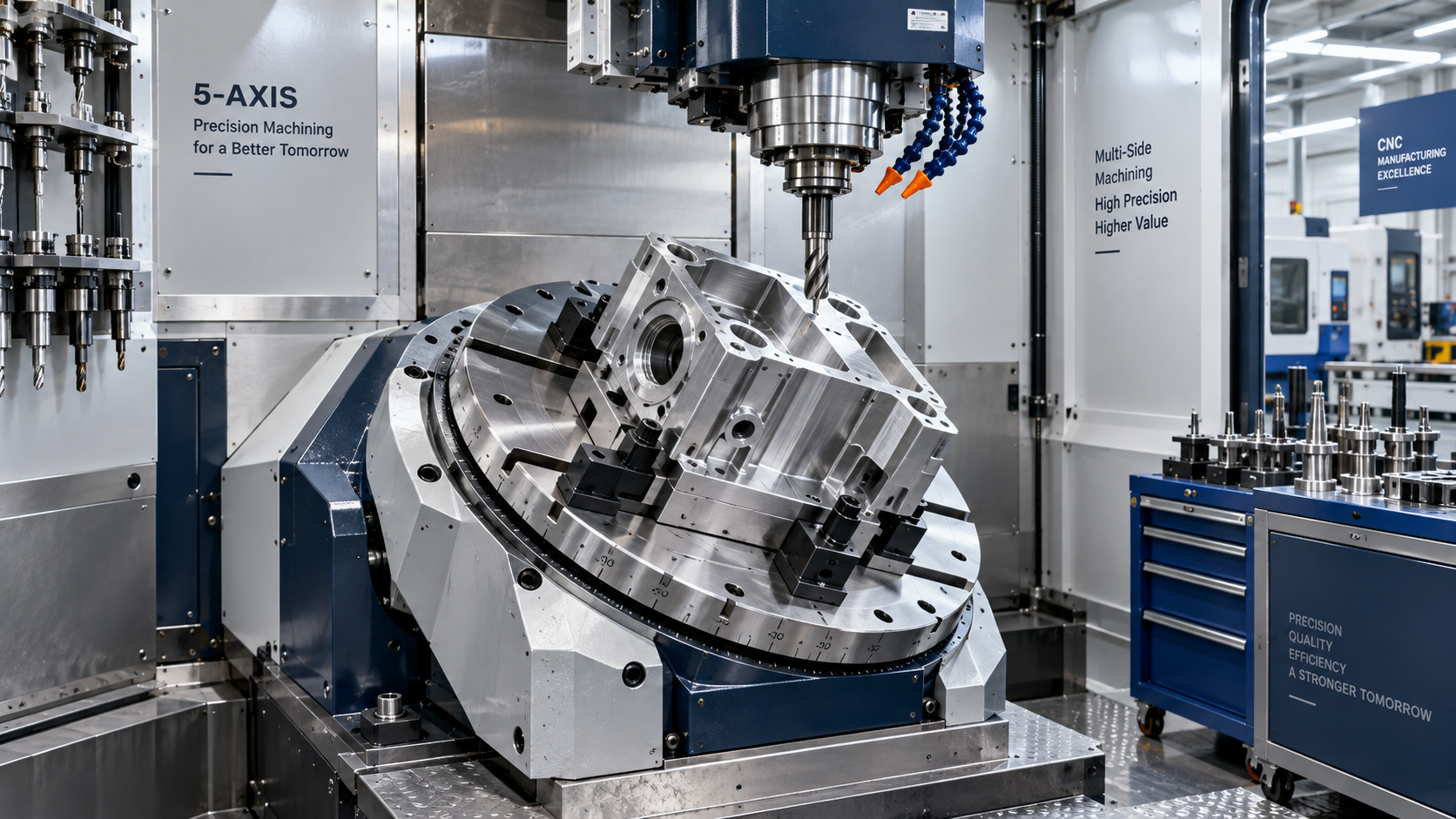
The production process determines which CNC machine can produce a finished part consistently, how many setups it requires, and whether it can keep pace with the rest of the production line. Material, geometry, tolerances, operation sequence, and batch size translate into requirements for spindle torque, machine rigidity, axis configuration, workholding, and automation. Selection starts with the complete machining route, including loading, inspection, and transfer between operations.
A machine that handles every individual cutting operation can still be a poor fit if repeated repositioning introduces alignment errors or if loading takes longer than machining. Conversely, a simpler machine can be the better choice when the process uses stable fixtures, accessible features, and a predictable production schedule.
Which parts of the production route define the machine configuration?
Begin with the condition of the incoming material and the features required on the finished component. Bar stock, castings, forgings, and plate blanks create different workholding and cutting demands. The route should identify where datums are established, which surfaces must remain aligned, and whether heat treatment or other processing separates roughing from finishing.
Rotational geometry generally points toward a CNC lathe. Prismatic parts with pockets, flat faces, and drilled patterns generally favor a machining center. Mixed geometry requires a closer look at how turning and milling relate to each other.
The table provides a starting point. A live-tool lathe, for example, needs enough milling capability for the actual feature. Adding a milling function does not automatically provide the rigidity, spindle performance, or tool access of a dedicated machining center.
When do fewer setups justify additional axes?
Additional axes become valuable when they remove a difficult transfer, improve access, or preserve relationships between features. A bore and an angled sealing face that must remain accurately aligned benefit from machining in one clamping. If those features are produced in separate fixtures, the tolerance budget must include locating variation and datum transfer error.
Distinguish indexed machining from simultaneous five-axis cutting. In indexed machining, rotary axes position the component and remain stationary during the cut. This is often sufficient for holes and pockets on angled faces. Simultaneous machining changes tool orientation during cutting and is relevant to surfaces where tool access, contact conditions, or interference require that motion.
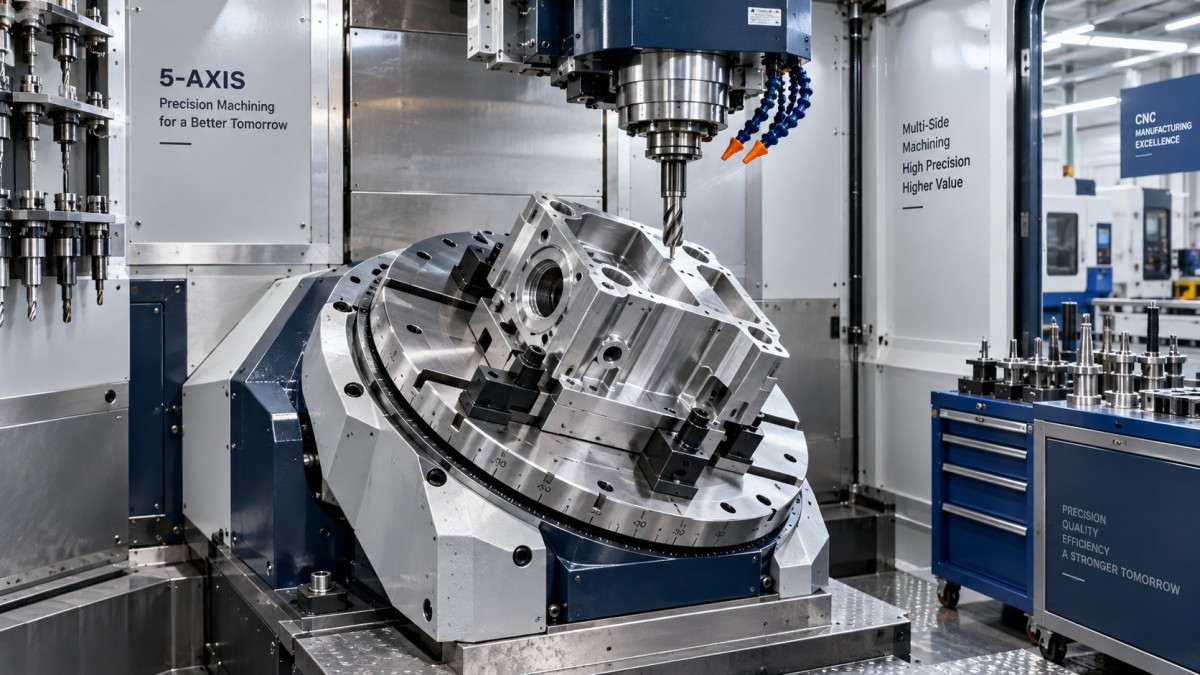
Rotary travel alone does not establish usable capacity. The fixture, component, spindle nose, and toolholder must clear one another throughout the required movement. A part that fits on the table can exceed the usable machining envelope once it is tilted. Long tools may restore access, but their reduced stiffness can compromise finish and accuracy.
Setup consolidation also concentrates operations on one resource. If a complex integrated machine becomes the longest stage in the route, moving a simple secondary operation elsewhere may produce better overall throughput.
How do material and cutting strategy affect spindle selection?
Material choice influences cutting speed, tool engagement, heat generation, and chip behavior. High-speed machining of aluminum with small tools creates different demands from heavy roughing of steel or machining a heat-resistant alloy. Comparing machines by maximum spindle speed alone misses these differences.
For heavy cuts at lower speeds, available torque at the intended operating speed matters. Peak power figures need to be read alongside the torque curve and continuous operating capability. A spindle with a high headline power rating may not deliver the required torque where the selected tool actually runs.
Small cutters and finishing operations can favor higher speed, low spindle runout, and controlled acceleration. Deep drilling adds requirements for coolant delivery and chip removal. Large face mills place greater demands on rigidity and load capacity. The proposed cutting strategy should therefore define representative tools, engagement, speed, and feed before machine specifications are compared.
Machine structure matters alongside the spindle. Long tool overhang, weak fixtures, and flexible workpieces can cause chatter even when spindle power is adequate. Increasing motor power will not correct a process whose limiting factor is stiffness.
Can one machine handle both roughing and finishing?
Yes, when its operating range and thermal behavior suit both stages. Combining them avoids transfers and extra workholding. However, aggressive roughing generates heat and can release residual stress in the blank. If the part distorts afterward, finishing immediately in the same clamping may not deliver the required geometry.
A route involving stress relief, heat treatment, or deliberate stabilization between stages needs separate allowances and renewed datum control. Machine selection should reflect the condition of the part at each stage, rather than assuming that a single uninterrupted cycle is always preferable.
What do tolerances reveal beyond positioning accuracy?
Drawing tolerances define the required result on the component. Machine positioning specifications describe particular aspects of machine behavior under stated test conditions. They do not, by themselves, establish finished-part capability.
Part accuracy also reflects spindle runout, tool deflection, thermal drift, fixture location, cutting forces, and measurement uncertainty. Repeatability is valuable, but a machine can repeat an offset position. Likewise, accurate axis positioning does not prevent a thin wall from bending under the cutter.
The relationship between features often determines the appropriate configuration. Tight coaxiality between turned diameters favors preserving a common setup. Accurate relationships between features on different faces increase the value of reliable rotary positioning and controlled datum transfer. Fine bore size introduces separate questions about tooling, temperature, and measurement.
Thermal conditions deserve particular attention when production runs for extended periods or starts from a cold machine. Warm-up behavior, spindle growth, coolant temperature, and ambient variation affect consistency. Thermal compensation should be assessed under a representative production cycle, including idle periods and changes in cutting load.
On-machine probing supports locating, offset adjustment, and selected process checks. Because it uses the machine's own motion system, it does not replace independent verification of every geometric requirement.
How do batch size and product mix change the preferred machine?
Small batches place greater weight on setup flexibility. Accessible workholding, straightforward tool changes, adequate tool storage, and reusable fixture interfaces reduce the effort required to switch between parts. A machine optimized for one component may lose its advantage when the production schedule changes frequently.
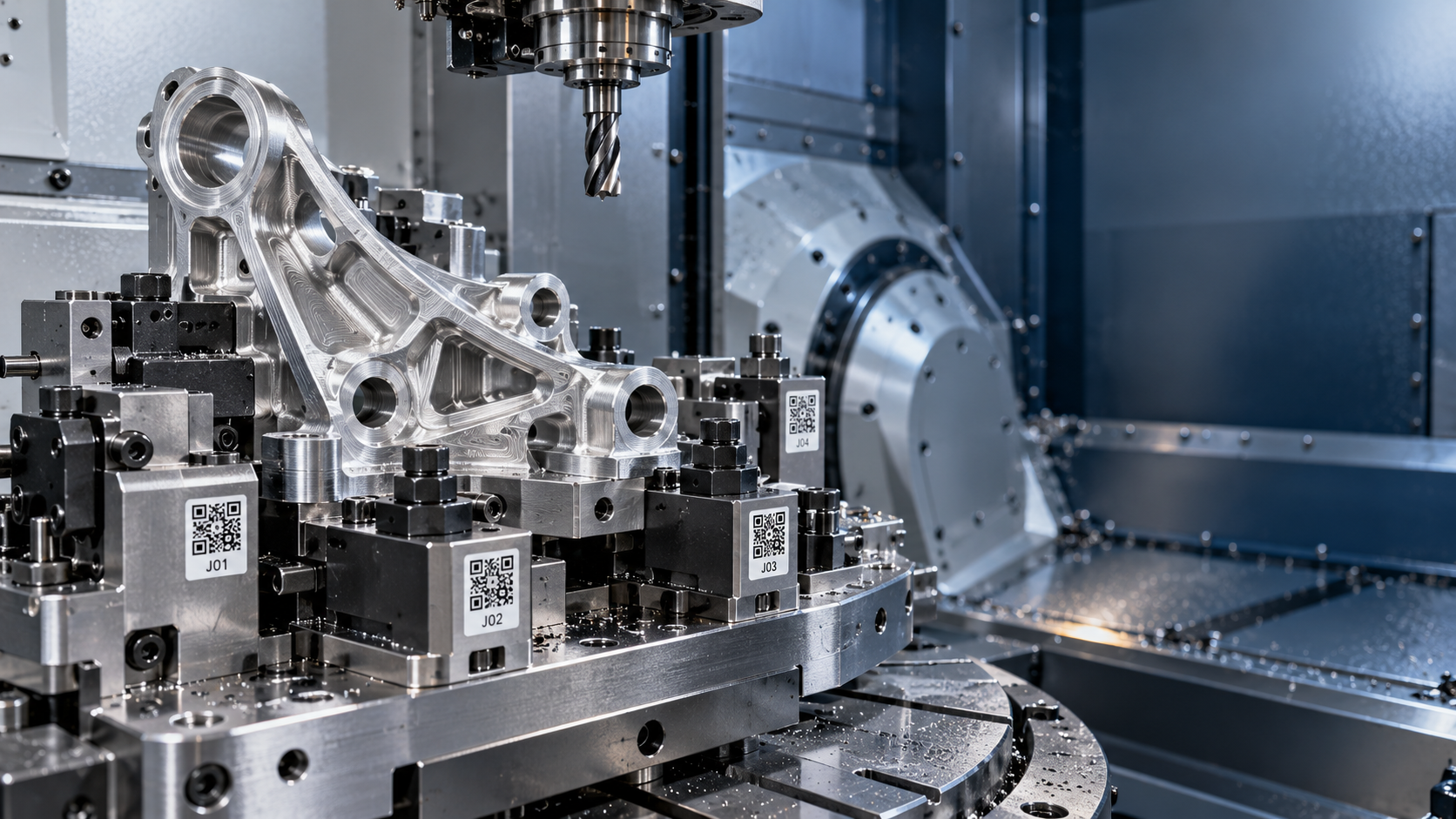
Repeated production shifts attention toward stable cycle time and reliable part handling. Bar feeders suit compatible turned components. Pallet systems allow fixtures to be prepared while another part is being machined. Robotic loading requires predictable gripping surfaces, clear access, and a repeatable relationship between the blank and the fixture.
Automation selection must account for variation in the incoming workpiece. Castings with inconsistent surfaces or blanks that need individual orientation create different loading demands from uniform bar stock. The time needed to clean locating surfaces, verify seating, and handle finished parts belongs in the production calculation.
Large batches do not automatically justify maximum integration. A dedicated arrangement can be effective for stable demand, while a flexible machining center is more adaptable when volumes or part families change. The useful comparison is output over the expected schedule, including changeovers and interruptions.
Where do tooling, fixtures, and chips constrain the choice?
The machine envelope must accommodate the complete working arrangement. Table travel should cover the component, fixture, tool approach, and any probing motion. On a lathe, chuck dimensions, jaw projection, turret clearance, and tailstock position affect usable capacity.
Workholding can determine whether a proposed process is feasible. Thin-wall components need support that limits deformation without blocking the cut. Slender shafts require suitable support and controlled clamping. Irregular blanks need locating features that remain stable as material is removed.
Tool storage should cover the intended route, including duplicate tools needed for longer unattended runs. A nominal magazine capacity is less useful if large tools occupy adjacent positions or if access restrictions require several specialized holders.
Chip management is equally process-specific. Deep pockets trap chips, while long turning chips can interfere with loading or wrap around the component. Conveyor design, enclosure layout, coolant delivery, and filtration should match the material and cutting operations. A short cutting cycle loses its value when frequent manual clearing interrupts production.
How should candidate machines be evaluated against the actual process?
A representative machining trial provides stronger evidence than an isolated demonstration cut. The trial should use relevant material, realistic stock allowance, intended tooling, and a fixture arrangement close to production. It should include the demanding features and the operations expected to consume the most time.
Useful comparisons include:
- Total occupied machine time: include loading, locating, tool changes, probing, cutting, and unloading. Record external preparation separately where it can occur during machining.
- Dimensional results across repeated parts and a meaningful operating period, with attention to feature relationships and thermal drift.
- Interventions: document chip clearing, tool adjustments, seating failures, and other interruptions that affect sustained output.
- For flexible production, perform an actual changeover. Fixture access and offset preparation often reveal constraints that a single-part demonstration misses.
Simulation helps confirm reach, collision clearance, and program behavior, but cutting trials establish how the machine, tooling, material, and fixture interact. When a full trial is unavailable, the unresolved process assumptions should remain explicit in the comparison.
The final selection should be traceable to the machining route: each important machine feature should address a specific operation, accuracy requirement, or production constraint. That connection makes it easier to identify both missing capability and features that add complexity without improving the required output.
Recommended for You
![]() FANUC Invests $18 Million in Largest U.S. Corporate Automation Training CenterMachine Tool Industry Editorial Team
 Southeast Asia Machine Tool Market: Comparing Automotive Demand by CountryManufacturing Market Research Center
![]() Zhongshan Xiaolan Machinery Exhibition Opens With Global Product DebutsMachine Tool Industry Editorial Team
 Automated Production Machining: Which Parts and Batch Sizes Are a Good Fit?Machine Tool Industry Editorial Team
![]() FANUC Links FIELD System Data with Copilot to Advance Shop-Floor Data UseCNC Machining Technology Center
 Smart Manufacturing for Aerospace: Building Traceability Across CNC OperationsCNC Machining Technology Center


Aris Katos
Future of Carbide Coatings
15+ years in precision manufacturing systems. Specialized in high-speed milling and aerospace grade alloy processing.
▶
FANUC Links FIELD System Data with Copilot to Advance Shop-Floor Data UseCNC Machining Technology Center▶
Smart Manufacturing for Aerospace: Building Traceability Across CNC OperationsCNC Machining Technology Center▶
Choosing a CNC Machine for Mold Making: Accuracy, Rigidity, and Surface FinishCNC Machining Technology Center▶
How to Cut CNC Machining Energy Use per Part Without Longer Cycle TimesCNC Machining Technology Center▶
Will a Mazak CNC retrofit work with your existing servo drives?CNC Machining Technology Center
▶
Mastering 5-Axis Workholding Strategies
Join our technical panel on Nov 15th to learn about reducing vibrations in thin-wall components.

Providing you with integrated sanding solutions
Before-sales and after-sales services
Comprehensive technical support