• Global CNC market projected to reach $128B by 2028 • New EU trade regulations for precision tooling components • Aerospace deman
NYSE: CNC +1.2%LME: STEEL -0.4%

Portable Machine Tool Applications: When On-Site Machining Is Better Than Workshop Repair
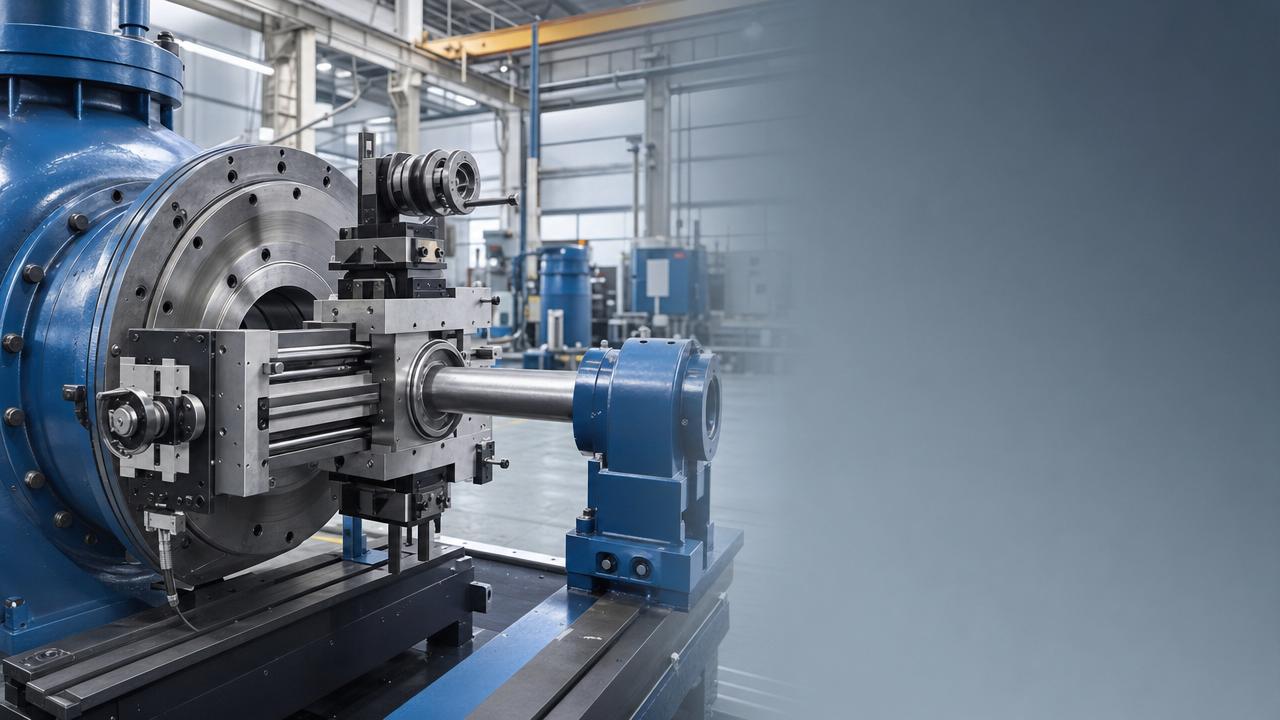
A portable machine tool can save critical time when large equipment cannot be removed or production stoppages are too costly. For operators and maintenance teams, on-site machining offers a practical way to restore accuracy, reduce downtime, and handle repairs directly in the field. This article explores when portable machining is the smarter choice over workshop repair and where it delivers the greatest operational value.
In CNC-driven industries, even a small alignment error can affect bearing life, seal performance, shaft concentricity, or flange sealing. When the damaged component is part of a turbine casing, kiln tire, press frame, large pump base, or line-boring assembly, removing it for workshop repair may take 2 to 7 days before machining even begins.
That is why the portable machine tool has become a practical asset for operators, plant maintenance teams, and field service crews. It brings machining capability directly to the asset, shortens outage windows, and reduces the lifting, transport, and reinstallation work that often adds hidden cost.
Why On-Site Machining Often Wins in Real Production Conditions
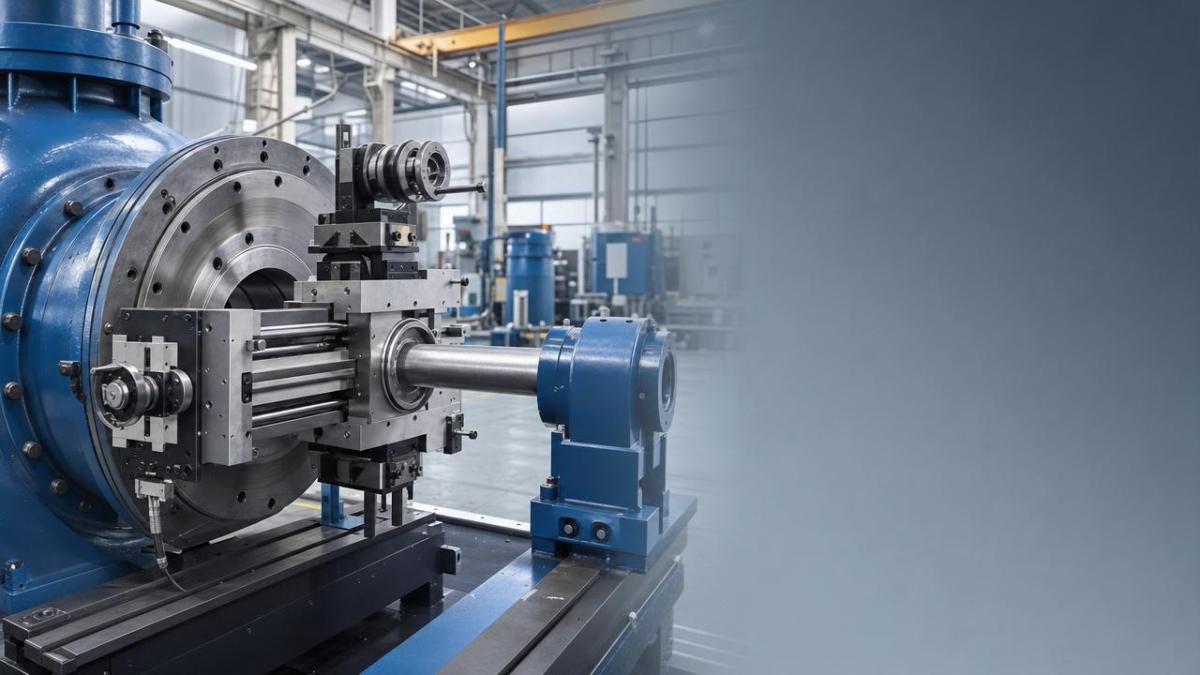
A workshop delivers controlled conditions, but field reality is different. In many plants, the main issue is not whether a part can be machined in theory. The issue is whether production can afford the time, logistics, and disassembly required to send that part away.
For operators, the decision usually comes down to 4 factors: downtime cost, component size, transport risk, and reassembly complexity. If a machine train needs crane removal, foundation checks, and realignment after repair, the total outage can easily become 3 to 5 times longer than the machining time itself.
Typical situations where a portable machine tool is the better option
On-site machining is especially valuable when the equipment is fixed in place, weighs several tons, or is integrated into a continuous production line. Common cases include damaged flange faces, worn bearing journals, out-of-round bores, corroded gasket seating surfaces, and misaligned mounting pads.
- Large rotating equipment that cannot be removed without major lifting plans
- Critical process lines where every 8 to 12 hours of stoppage affects output targets
- Remote sites such as mining, power generation, marine, or offshore facilities
- Assets that would require secondary alignment after workshop repair
- Emergency breakdowns where restoring function within 24 to 72 hours is the priority
What operators gain from field machining
The biggest benefit is control over downtime. A portable machine tool allows the repair team to machine only the damaged feature while leaving the rest of the assembly undisturbed. In practical terms, that may reduce disassembly steps from 10 or 12 down to 3 or 4, especially on pumps, compressors, gearbox housings, and heavy press structures.
Another advantage is measurement continuity. The repair team can inspect, machine, and verify in the same setup. That lowers the chance of tolerance loss caused by repeated handling. For bores, flange faces, and gasket seats, field tolerances such as flatness within 0.05 mm to 0.20 mm or bore alignment within a few hundredths of a millimeter are often achievable, depending on setup stability and tool condition.
The following comparison helps show when a portable machine tool creates stronger operational value than conventional workshop repair.
The key conclusion is simple: if logistics and downtime dominate the repair cost, a portable machine tool usually provides the stronger business case. Workshop repair still has value, but mainly when the part is easy to remove or when a broader rebuild is already planned.
Core Applications of Portable Machine Tools Across Industrial Equipment
The strength of a portable machine tool is versatility. Modern field machining systems support flange facing, line boring, shaft turning, keyway milling, drilling, tapping, and surface restoration. For operators, the main question is not the machine category alone, but whether the process can recover geometry without disturbing the full asset.
Flange facing and sealing surface restoration
Flange damage is common in energy, marine, petrochemical, and general process industries. Surface scoring, corrosion, and uneven bolt load can create leakage paths. A portable machine tool can re-machine the flange face in place, often within 4 to 12 hours depending on diameter, material, and stock removal.
For sealing performance, operators need to check surface finish, flatness, and bolt pattern condition. Restoring a damaged face on site avoids pipe spool removal and reduces the risk of fit-up errors during reassembly.
Line boring for bores, pivots, and bearing housings
Line boring is one of the most frequent applications for a portable machine tool. It is widely used on hinge bores, bucket linkages, crane structures, engine blocks, gearbox housings, and heavy equipment frames. Wear of 0.20 mm to 2.00 mm can be enough to create vibration, premature bearing failure, or load distribution problems.
In field conditions, line boring lets the technician align multiple bores to a single reference axis. That is often more efficient than removing a large housing and trying to reproduce the same installed condition in a distant workshop.
Shaft and journal machining in place
Some portable machine tool systems are built for turning shafts, journals, and seal areas directly on installed equipment. This is useful for turbine rotor support features, pump shaft repair zones, roll necks, and coupling areas where local damage does not justify complete shaft replacement.
When combined with metal spray, weld build-up, or sleeve installation, on-site turning can restore critical diameters while keeping the asset in place. In many maintenance plans, that can cut outage time from several shifts to a single planned stop.
The table below maps common applications to operational goals, helping operators match the portable machine tool process to the repair problem.
These applications show why the portable machine tool is now standard in many shutdown and turnaround plans. It supports targeted repair, not just emergency response, and it works well where production assets are too large or too integrated for convenient shop handling.
How to Decide Between Field Machining and Workshop Repair
Choosing the right method requires more than comparing machining price alone. Operators should assess the entire repair chain, from shutdown preparation to restart verification. A low workshop quote may become expensive once cranes, transport, packaging, inspection delays, and alignment labor are added.
A 5-point decision framework for operators
- Measure outage impact: estimate lost production for 12, 24, and 48 hours.
- Review removal complexity: count lifting steps, rigging needs, and isolation points.
- Define repair tolerance: identify whether flatness, concentricity, or surface finish is the key acceptance target.
- Check site access: confirm clearance, power supply, lighting, and safe mounting locations.
- Compare restart risk: include post-repair alignment, leak testing, and trial operation time.
When workshop repair still makes sense
Workshop machining remains the better choice in some situations. If the part is compact, already scheduled for replacement, or requires multi-stage heat treatment, grinding, or coordinate inspection beyond field scope, off-site repair may be more suitable. This is common for small spindles, precision tooling, and high-volume repeat parts.
The point is not that one method replaces the other. The right decision depends on part mobility, process urgency, and the level of geometry that must be restored.
Common operator mistakes during evaluation
- Comparing only machining rates while ignoring 2 to 4 secondary handling steps
- Assuming workshop conditions automatically guarantee better installed alignment
- Overlooking site preparation such as mounting surfaces, chip control, and weather protection
- Failing to define acceptance criteria before the portable machine tool arrives on site
A portable machine tool delivers best results when the repair scope, datum references, and final checks are agreed in advance. That planning may take 1 to 3 hours, but it can prevent a full shift of rework later.
Practical Selection, Safety, and Implementation Advice
For users and operators, successful on-site machining depends on machine capability, setup discipline, and safe execution. Even a well-designed portable machine tool will underperform if the mounting base is unstable or the repair team lacks a clear measurement plan.
What to check before choosing a portable machine tool solution
Start with the geometry. Verify diameter range, travel length, mounting method, and available access angle. Then review the drive system, feed control, and cutting tool compatibility. For many industrial repairs, setup rigidity matters more than raw motor power, especially when holding tolerance across long spans.
- Diameter or bore range required for the task
- Axial travel and radial adjustment limits
- Power source availability: electric, hydraulic, or pneumatic
- Mounting time and fixturing stability
- Measurement tools for in-process verification
- Operator access and chip management in confined spaces
Implementation steps on site
Most field machining jobs follow a 6-step workflow: inspection, setup, alignment, rough machining, finish machining, and final verification. Depending on job size, the full cycle may take 6 hours for a simple flange face or more than 2 days for multi-bore restoration with weld build-up.
Operators should document baseline measurements before cutting starts. After machining, they should recheck dimensions, runout, flatness, and interface condition. In rotating equipment, a final check of coupling alignment or bearing fit is often necessary before restart.
Risk control and service support
Field machining introduces environmental variables that the workshop does not. Vibration from nearby equipment, uneven access, poor lighting, and weather exposure can all affect quality. Good practice includes temporary guarding, chip containment, stable mounting, and clear lockout procedures.
From a service perspective, operators should ask 4 practical questions before booking a portable machine tool team: What tolerances are realistic on site? What measurement method will be used? What setup time is expected? What happens if extra material removal or weld repair is needed? Clear answers reduce delay and protect shutdown schedules.
Frequently Asked Questions from Operators and Maintenance Teams
Many users understand the idea of a portable machine tool, but they still want practical guidance before choosing field service over workshop repair. The questions below address common concerns seen in manufacturing, power, marine, mining, and heavy process environments.
Can on-site machining match workshop accuracy?
For many flange, bore, pad, and journal repairs, yes. Accuracy depends on setup rigidity, reference alignment, machine condition, and measurement method. While ultra-high precision grinding may still belong in the workshop, a portable machine tool can meet many field repair tolerances required for sealing, fit, and alignment.
Is a portable machine tool only for emergency jobs?
No. Emergency breakdowns are common use cases, but planned shutdown work is equally important. Many plants now schedule on-site machining during annual or semi-annual maintenance windows to avoid future failures and reduce the risk of extended outages.
What is the main limit of field machining?
The main limit is not always the machine itself. It is often access, setup space, or the need for a process outside field scope, such as large heat treatment, complex coating systems, or lab-based inspection. That is why pre-job review is essential.
A portable machine tool is most valuable when speed, access, and installed-condition accuracy matter more than the convenience of shop handling. For operators and maintenance teams, it offers a direct way to restore critical geometry, control outage duration, and avoid unnecessary removal of heavy equipment.
If your facility is evaluating repair options for flanges, bores, shafts, mounting pads, or other large fixed components, now is the right time to compare field machining against conventional workshop routes. Contact us to discuss your application, get a tailored solution, and learn more about portable machine tool options for on-site industrial repair.
Recommended for You
![]() Mitsubishi Electric Announces Physical AI System Linking Humanoid Robots and CNC MachinesMachine Tool Industry Editorial Team
Mitsubishi Electric Announces Physical AI System Linking Humanoid Robots and CNC MachinesMachine Tool Industry Editorial Team Precision Machining for Defense: Supplier Quality and Traceability ChecksManufacturing Market Research Center
![]() Nidec Machine Tool Launches MVR-5X Five-Axis Gantry MachineMachine Tool Industry Editorial Team
Nidec Machine Tool Launches MVR-5X Five-Axis Gantry MachineMachine Tool Industry Editorial Team Choosing a Precision Disc Parts Manufacturer in China: Tolerances and Quality ChecksManufacturing Market Research Center
![]() Siemens Executive Says AI Could Raise Factory Automation to 80%Manufacturing Market Research Center
Siemens Executive Says AI Could Raise Factory Automation to 80%Manufacturing Market Research Center Choosing Automated Machine Tools for High-Mix, Low-Volume ProductionMachine Tool Industry Editorial Team


Aris Katos
Future of Carbide Coatings
15+ years in precision manufacturing systems. Specialized in high-speed milling and aerospace grade alloy processing.
▶
What Is Metal Processing? From Raw Material to Finished Machine PartsCNC Machining Technology Center▶
How long does CNC machine delivery and installation usually take?CNC Machining Technology Center▶
CNC Machine Arrival Inspection: Check Shipping Damage, Accuracy, Safety, and DocumentsCNC Machining Technology Center▶
What Should You Check When a CNC Machine Arrives at Your Factory?CNC Machining Technology Center▶
What Safety Checks Are Required for CNC Cutting Operations?CNC Machining Technology Center
▶
Mastering 5-Axis Workholding Strategies
Join our technical panel on Nov 15th to learn about reducing vibrations in thin-wall components.

Providing you with integrated sanding solutions
Before-sales and after-sales services
Comprehensive technical support