• Global CNC market projected to reach $128B by 2028 • New EU trade regulations for precision tooling components • Aerospace deman
NYSE: CNC +1.2%LME: STEEL -0.4%

Shaft Parts Explained: Common Types, Materials, and Where Each Is Used
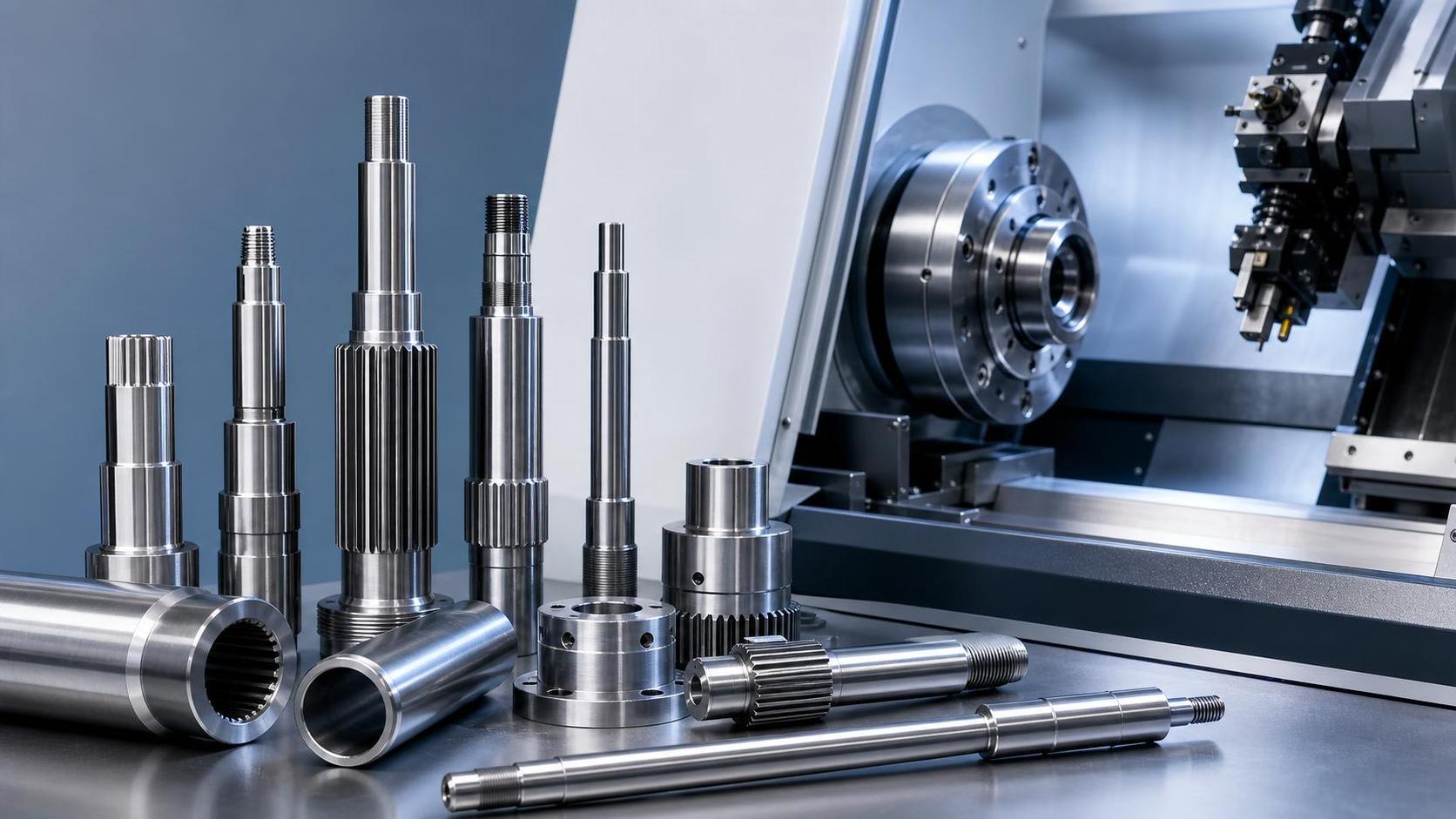
Shaft Parts sit at the center of countless mechanical systems, even when they are rarely noticed from the outside. In power transmission, motion control, and precision assembly, the shaft is often the component that keeps everything aligned, stable, and moving in the right direction. That is why Shaft Parts matter across automotive systems, CNC-machined equipment, industrial robots, energy equipment, and electronics production.
In the CNC machine tool industry, this topic deserves close attention. Higher precision, faster cycle times, and more automation all place heavier demands on rotating and load-bearing parts. A shaft that works well in one machine may fail in another if speed, torque, balance, surface finish, or fatigue resistance are not matched to the job. Understanding Shaft Parts is therefore less about theory and more about selecting the right component for the right operating condition.
Why Shaft Parts keep showing up in modern manufacturing
As automation expands, machine architectures become more compact and more demanding. That changes how Shaft Parts are designed and used. They are expected to transfer motion smoothly, support repeated loads, and maintain dimensional stability over long production runs.
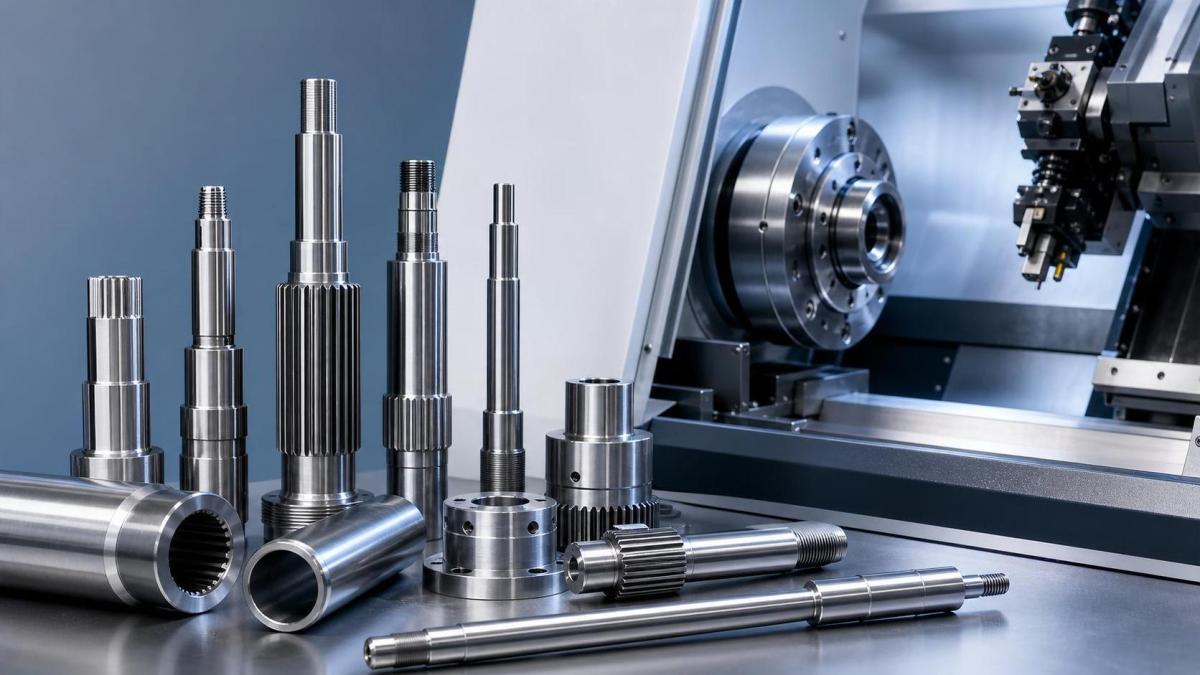
This is especially relevant in CNC lathes, machining centers, and multi-axis systems. These platforms rely on shafts in spindles, feed mechanisms, motors, gear trains, and tool-changing assemblies. Even small deviations in straightness or concentricity can affect vibration, wear, and final part quality.
For that reason, Shaft Parts are not judged only by geometry. Material choice, heat treatment, machining accuracy, and balancing all influence how well a shaft performs in service.
Common shaft types and where they fit best
The most practical way to understand Shaft Parts is by function. Different shaft types solve different mechanical problems, and the wrong choice can create unnecessary maintenance or performance loss.
Solid shafts
Solid shafts are simple, strong, and widely used where space is limited and torque demand is moderate to high. They appear in motors, pumps, conveyors, machine tools, and many automotive assemblies. Their strength comes from the continuous cross-section, which makes them suitable for stable transmission under repeated load.
Hollow shafts
Hollow shafts reduce weight without giving up too much stiffness. That balance makes them attractive in high-speed systems, robotics, and applications where inertia must stay low. In CNC equipment and automation lines, lighter rotating parts can improve responsiveness and reduce energy loss.
Drive shafts
Drive shafts transfer torque between separated components. They are common in vehicles, industrial gearboxes, and mobile machinery. Their design has to tolerate misalignment, vibration, and changing load conditions, which makes durability more important than appearance.
Precision shafts
Precision shafts are used when position accuracy matters as much as strength. They are often ground to tight tolerances and polished for smooth motion. Linear motion systems, automation guides, inspection devices, and semiconductor equipment often depend on this category of Shaft Parts.
Splined and keyed shafts
When torque must be transmitted without slippage, splines or keyways provide a mechanical lock between the shaft and mating part. These Shaft Parts are common in gear systems, machine tools, and heavy-duty drives where reliable coupling is essential.
Materials shape performance more than most people expect
A shaft’s material often decides whether it is suitable for light-duty motion or demanding industrial service. In practice, material selection follows load, environment, cost, and service life targets.
Carbon steel remains common because it is economical and easy to machine. It suits general-purpose Shaft Parts used in standard machinery and moderate-load drives. Alloy steel is chosen when higher strength, toughness, and fatigue resistance are needed, especially in automotive, aerospace, and heavy equipment systems.
Stainless steel becomes important in corrosive or hygiene-sensitive environments. It is often found in food processing, medical equipment, marine systems, and electronics-related equipment where surface stability matters. Aluminum is used less often for heavy torque transmission, but it helps in lightweight assemblies where reduced mass is a priority.
In demanding Shaft Parts applications, surface hardening, carburizing, nitriding, and precision grinding can be just as important as the base metal. These processes improve wear resistance and extend operating life without changing the entire design.
How CNC machining supports shaft quality
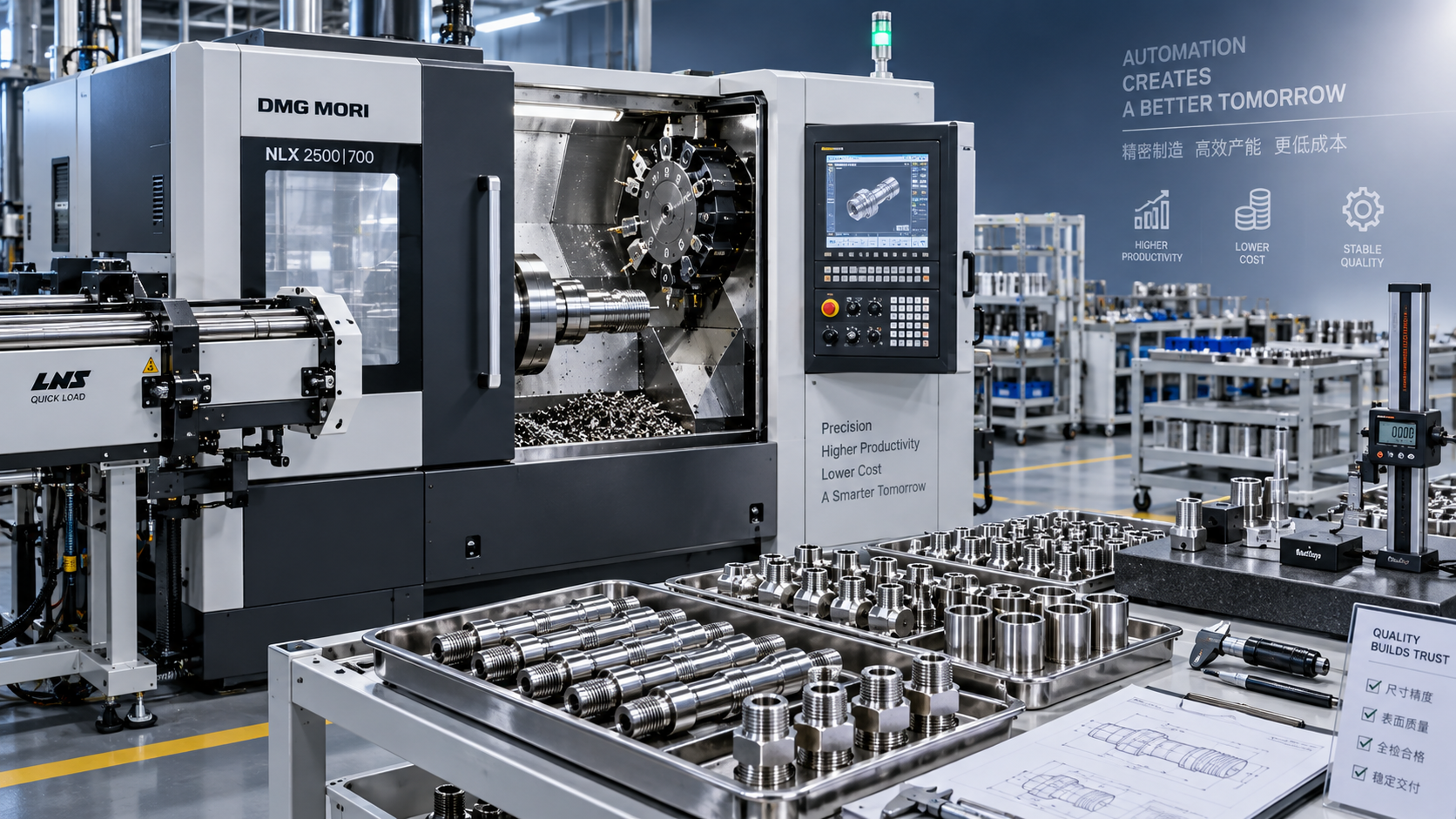
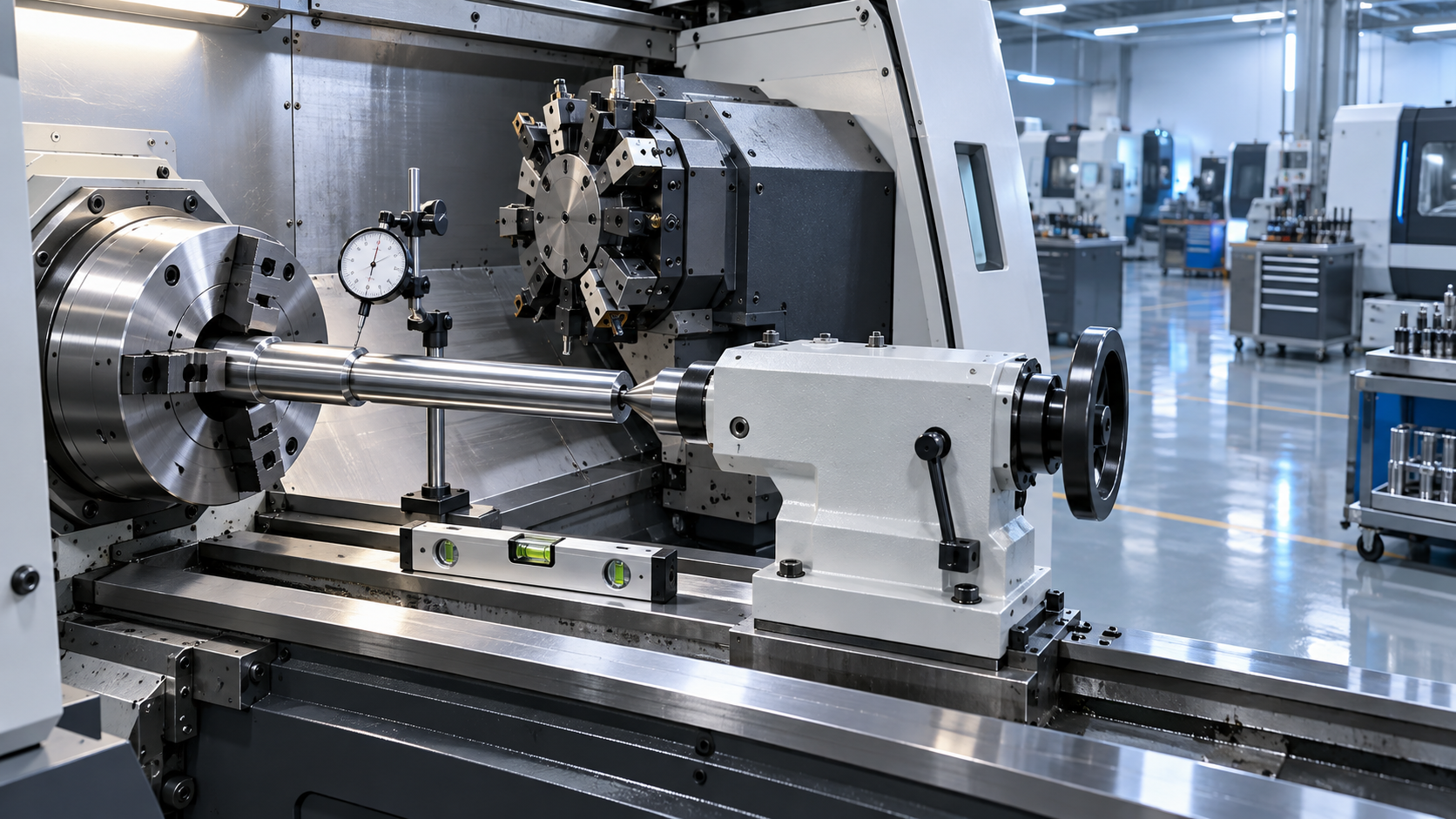
The rise of CNC machining has changed how Shaft Parts are produced and inspected. Turning, milling, drilling, grinding, and multi-axis finishing make it possible to hold tight tolerances across complex profiles. That matters when shafts must fit bearings, couplings, seals, or encoder systems with minimal runout.
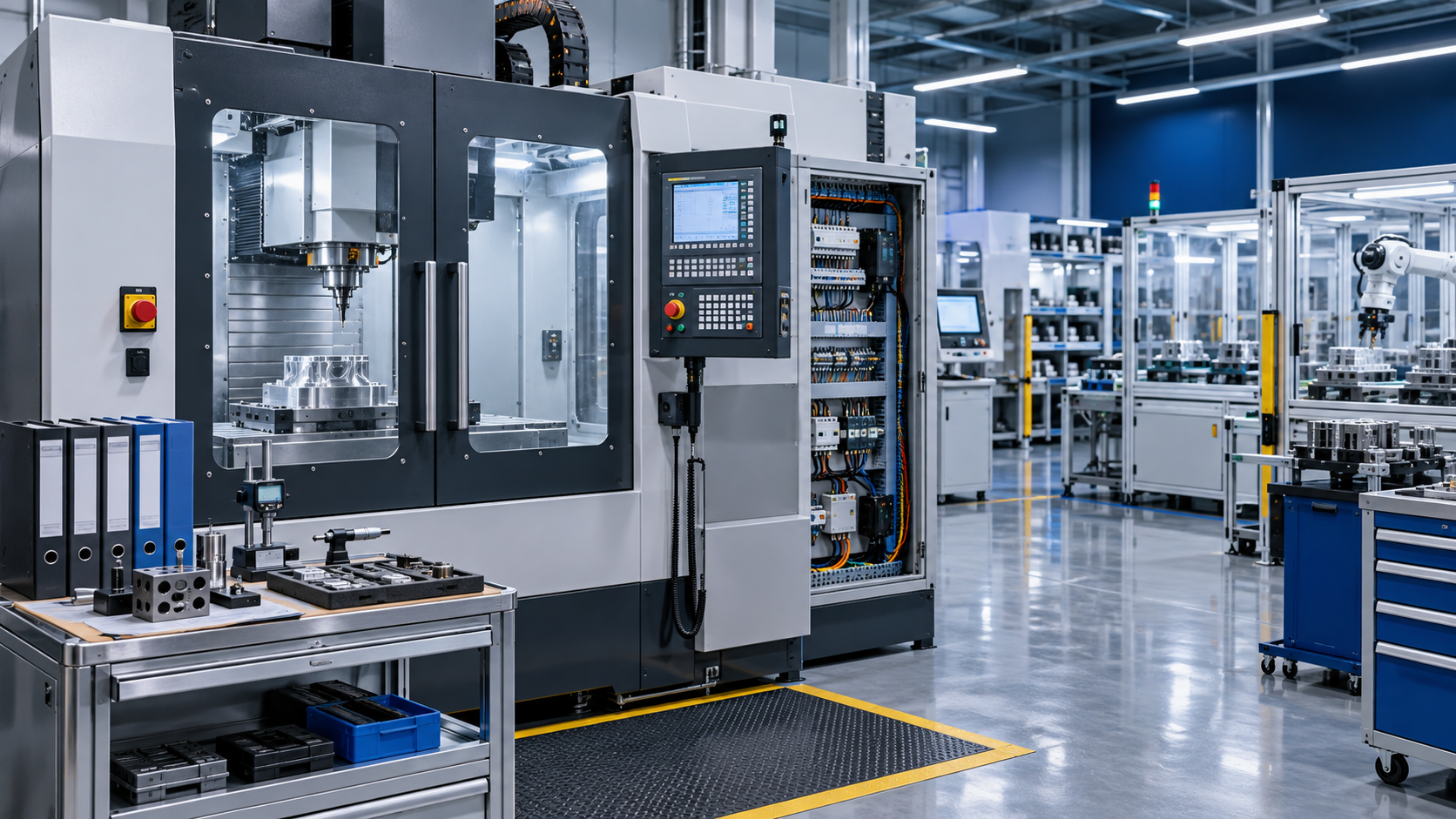
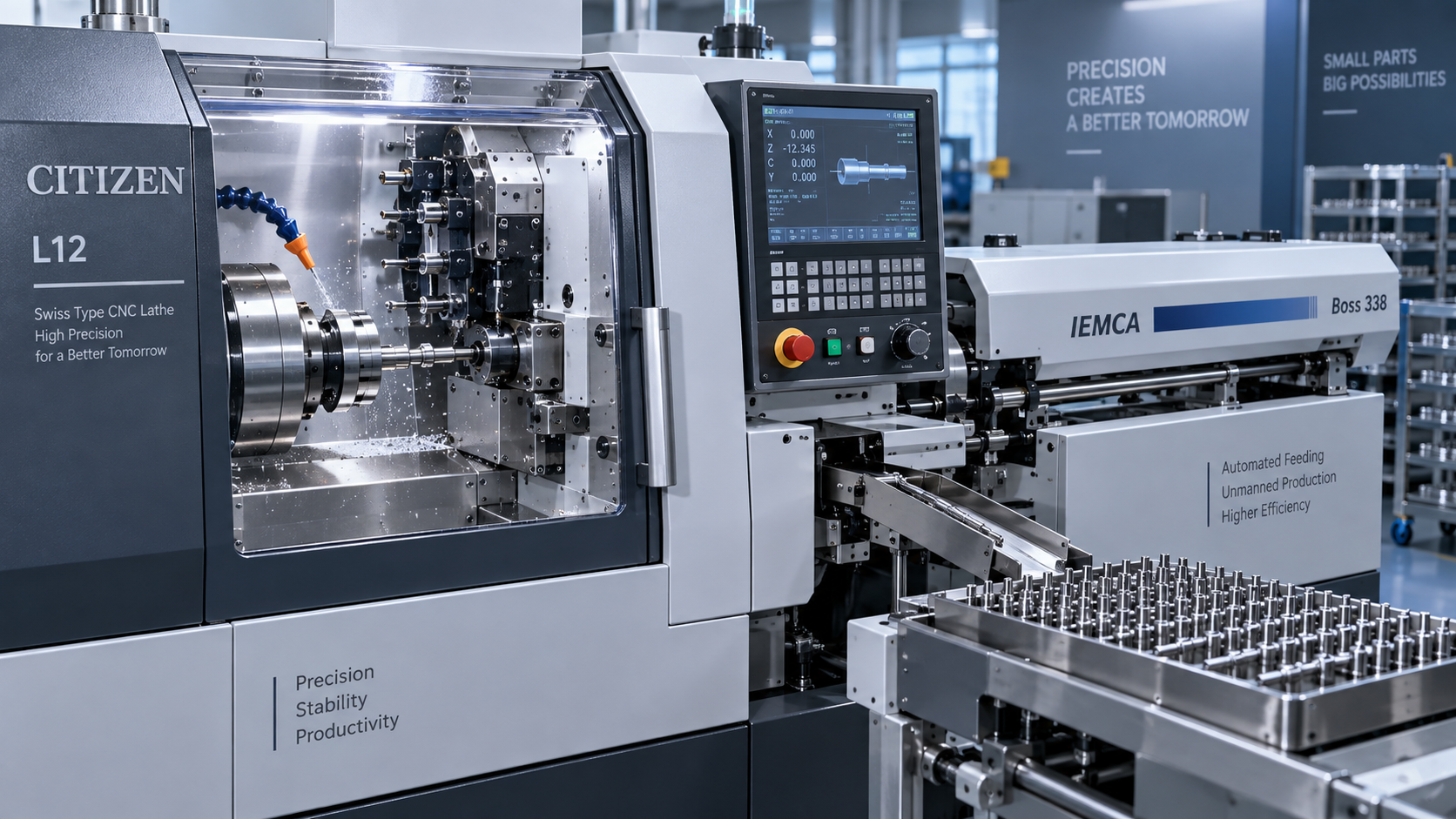
CNC lathes and machining centers are especially useful for repeatability. They help maintain consistency across batches, which is critical in global supply chains where component interchangeability is expected. In smart factories, automated inspection and digital process control make it easier to catch issues before parts leave the line.
This is one reason Shaft Parts remain a strong indicator of manufacturing capability. A supplier that can hold tight concentricity, stable finish quality, and reliable heat-treatment results is usually better positioned for advanced industrial work.
What to check before choosing Shaft Parts
Selection becomes easier when the operating conditions are clear. Load level, rotational speed, temperature, lubrication, corrosion exposure, and alignment tolerance all affect the final decision.
It also helps to look beyond the drawing. A shaft that meets size requirements may still underperform if surface finish is poor or if heat treatment is inconsistent. For high-volume production, dimensional stability across repeated batches matters as much as a single sample result.
- Match the shaft type to torque and speed.
- Check whether weight reduction is a priority.
- Confirm corrosion and wear requirements early.
- Review tolerance, straightness, and surface finish.
- Ask how the part will be inspected and verified.
These points matter in trade and sourcing as well. Across China, Germany, Japan, and South Korea, machine tool suppliers often compete not just on machine performance, but on how reliably they produce critical Shaft Parts for international customers.
A practical way to read the market
The market for Shaft Parts reflects broader manufacturing trends. More automation means tighter tolerance control. More digital integration means stronger traceability. More complex machinery means more demand for shafts that combine strength, precision, and long service life.
That also explains why shaft production remains closely tied to tooling, fixtures, and automated assembly systems. The part may be small, but its production method often reveals the maturity of an entire manufacturing line.
For anyone evaluating Shaft Parts in real projects, the best next step is to compare the operating environment with the shaft’s geometry, material, and finishing process. When those three factors line up, the result is usually better efficiency, lower wear, and fewer surprises in service.
If the application is still unclear, start with the load path and speed range, then narrow the material and surface-treatment options. That approach turns Shaft Parts from a generic component choice into a more reliable engineering decision.
Recommended for You
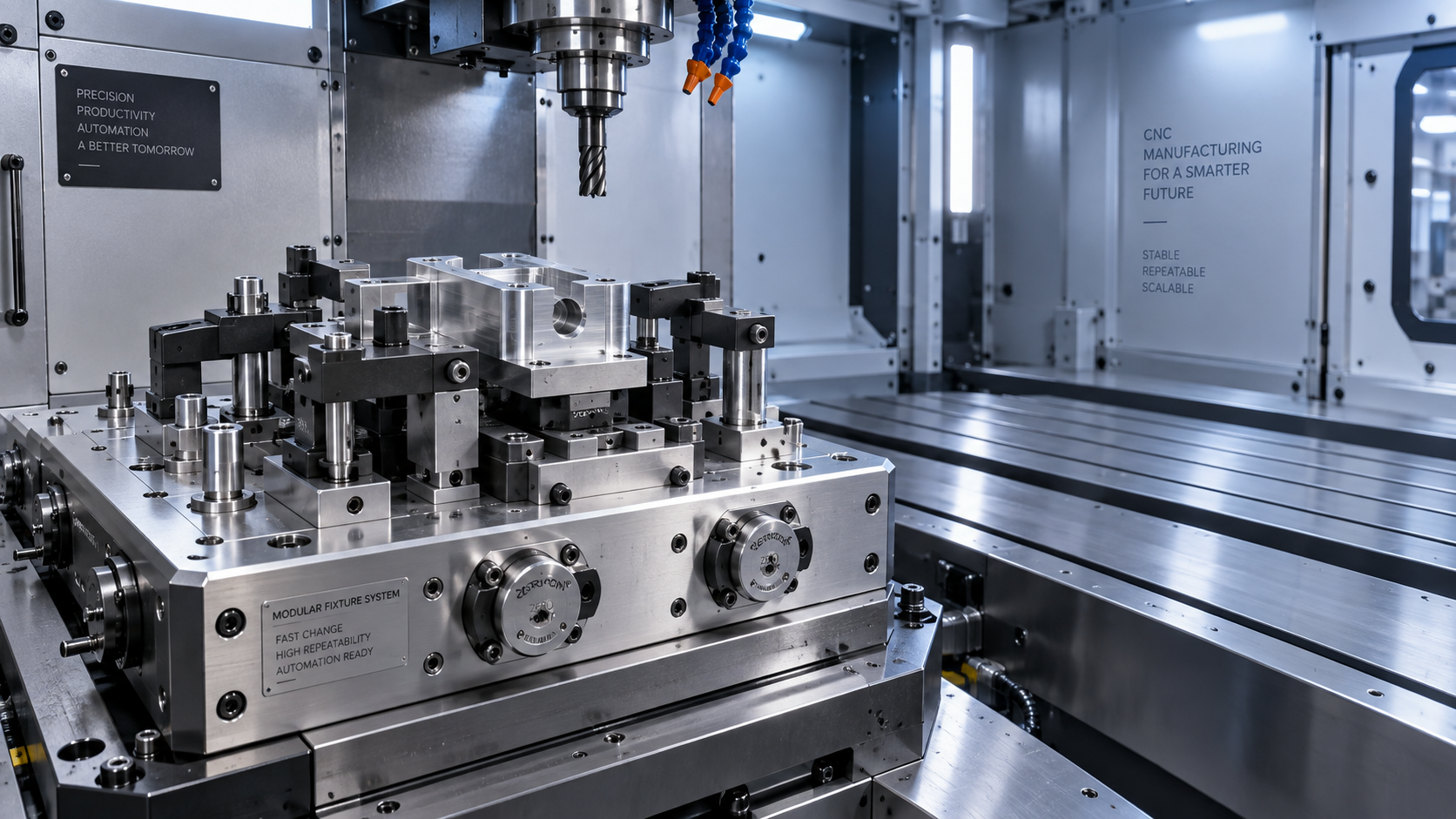
 Zero-Point Clamping or Modular Fixtures? Choosing a Faster CNC Changeover SystemCNC Machining Technology Center
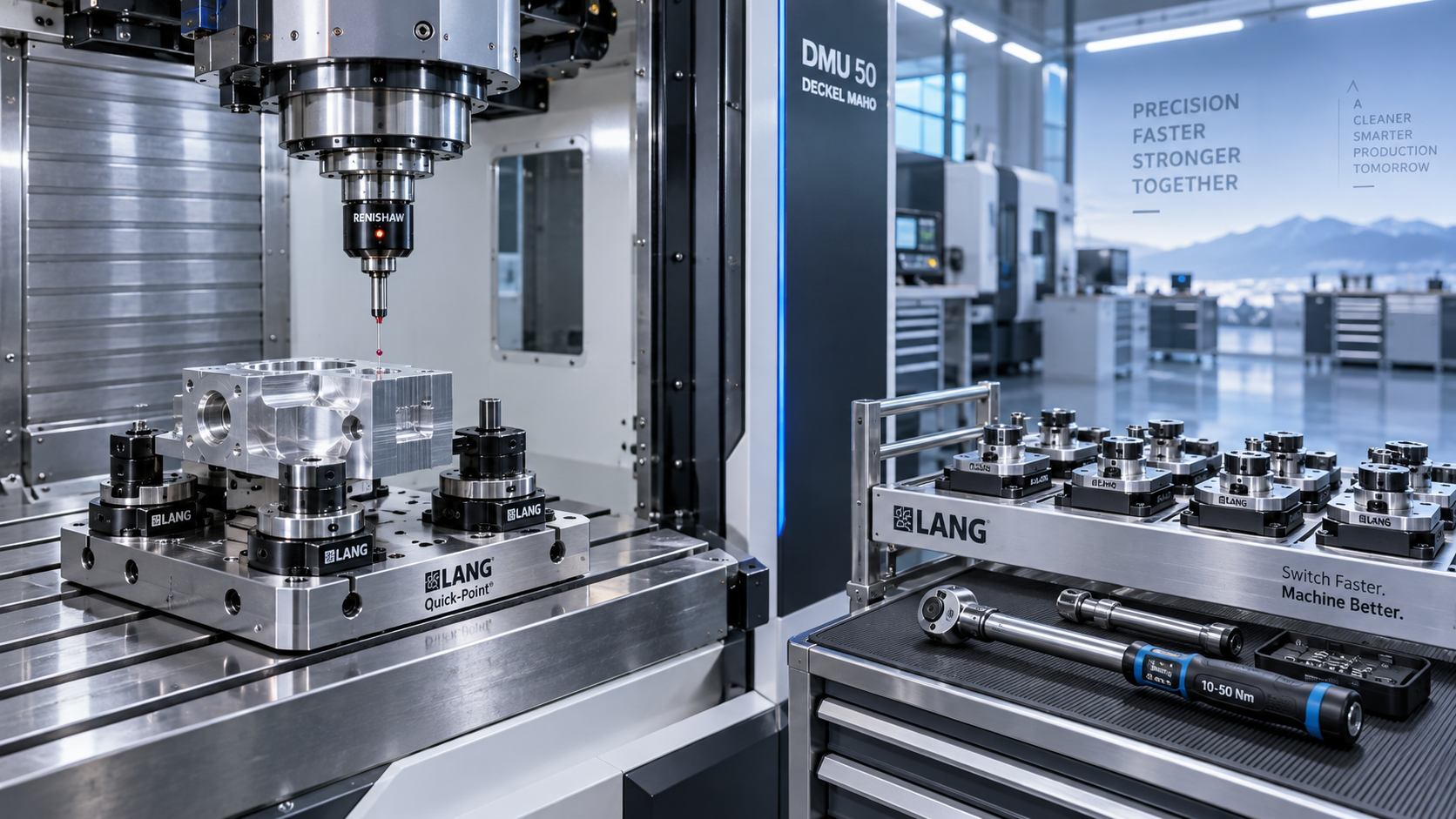
 How to Cut CNC Fixture Changeover Time Without Sacrificing Part AccuracyCNC Machining Technology Center
 When Does CNC Turning Pay Off? A Break-Even Guide by Annual Part VolumeMachine Tool Industry Editorial Team
 Machine Tool Standards by Country: What Importers Must Verify Before PurchaseManufacturing Policy Research Center
 CNC Lathe Quick Installation Guide: Alignment Checks Before First Production RunCNC Machining Technology Center
 How to Select a CNC Lathe for Small Parts Without Sacrificing Accuracy or Cycle TimeCNC Machining Technology Center

Aris Katos
Future of Carbide Coatings
15+ years in precision manufacturing systems. Specialized in high-speed milling and aerospace grade alloy processing.
▶
What Should You Check When a CNC Machine Arrives at Your Factory?CNC Machining Technology Center▶
What Safety Checks Are Required for CNC Cutting Operations?CNC Machining Technology Center▶
What Are Machine Tools? Common Types, Functions, and Typical Shop ApplicationsCNC Machining Technology Center▶
CNC Industrial Machines Maintenance Checklist: How to Reduce Downtime and Tool WearCNC Machining Technology Center▶
What Is Industrial Machining? Common Processes, Materials, and Typical UsesCNC Machining Technology Center
Mastering 5-Axis Workholding Strategies
Join our technical panel on Nov 15th to learn about reducing vibrations in thin-wall components.

Providing you with integrated sanding solutions
Before-sales and after-sales services
Comprehensive technical support