• Global CNC market projected to reach $128B by 2028 • New EU trade regulations for precision tooling components • Aerospace deman
NYSE: CNC +1.2%LME: STEEL -0.4%

What Is CNC Industrial Equipment? Key Machine Types and Where They Fit in Production
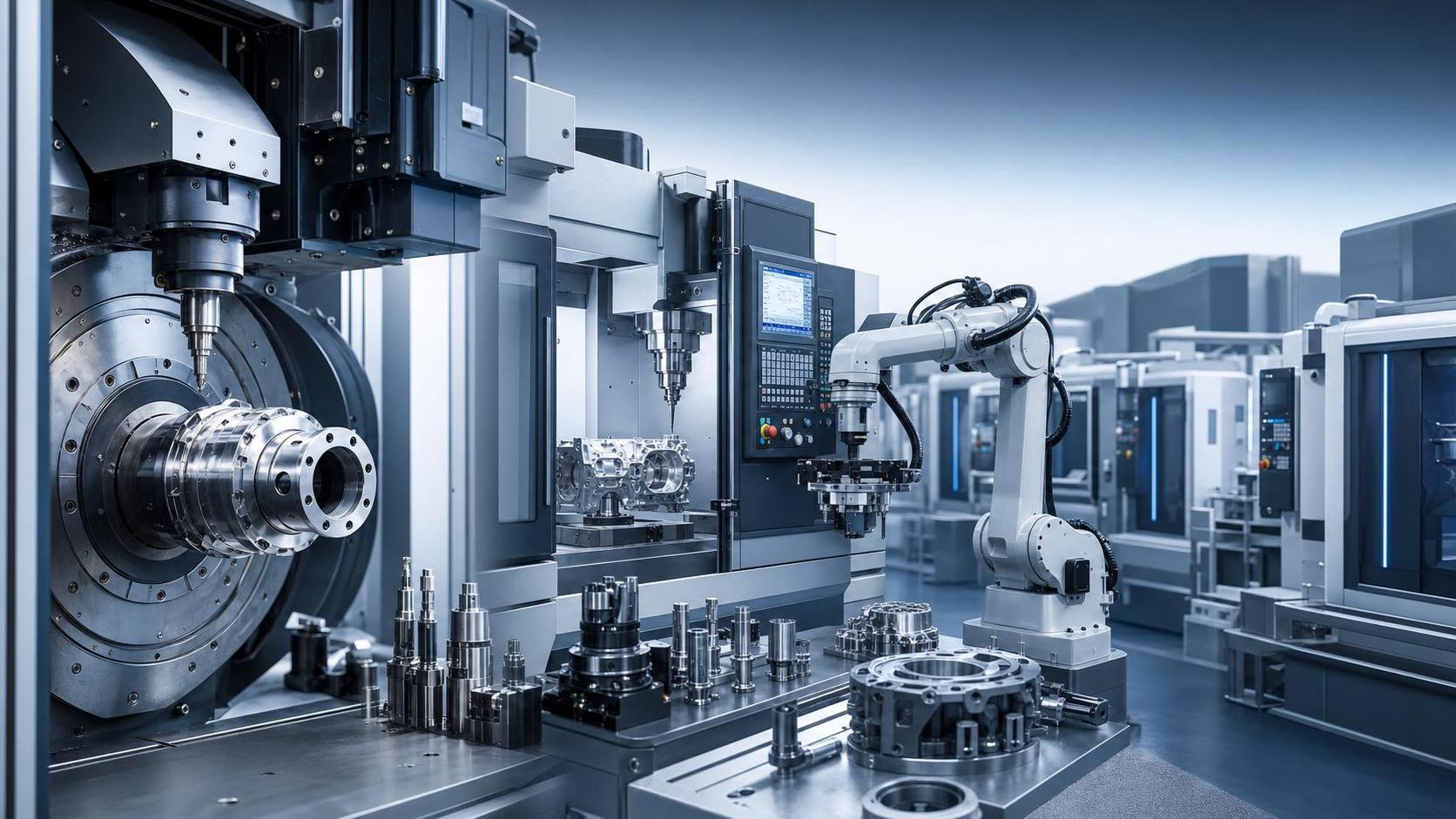
CNC industrial equipment sits at the center of modern production because it turns digital instructions into precise physical parts at scale. In sectors such as automotive, aerospace, energy, and electronics, that precision is not only about quality. It also affects throughput, repeatability, traceability, and the ability to manufacture increasingly complex components within tighter delivery windows.
The term covers more than a single machine. It includes CNC lathes, machining centers, multi-axis systems, grinding machines, tooling, fixtures, and connected automation. Understanding how these machines fit into a production flow makes it easier to compare options, interpret industry trends, and judge where digital manufacturing is creating real operational value.
What CNC industrial equipment really includes
At its core, CNC industrial equipment uses computer numerical control to guide machine motion, spindle speed, tool paths, and cutting sequences. Instead of relying on manual adjustment for every operation, the system executes programmed instructions with consistent accuracy.
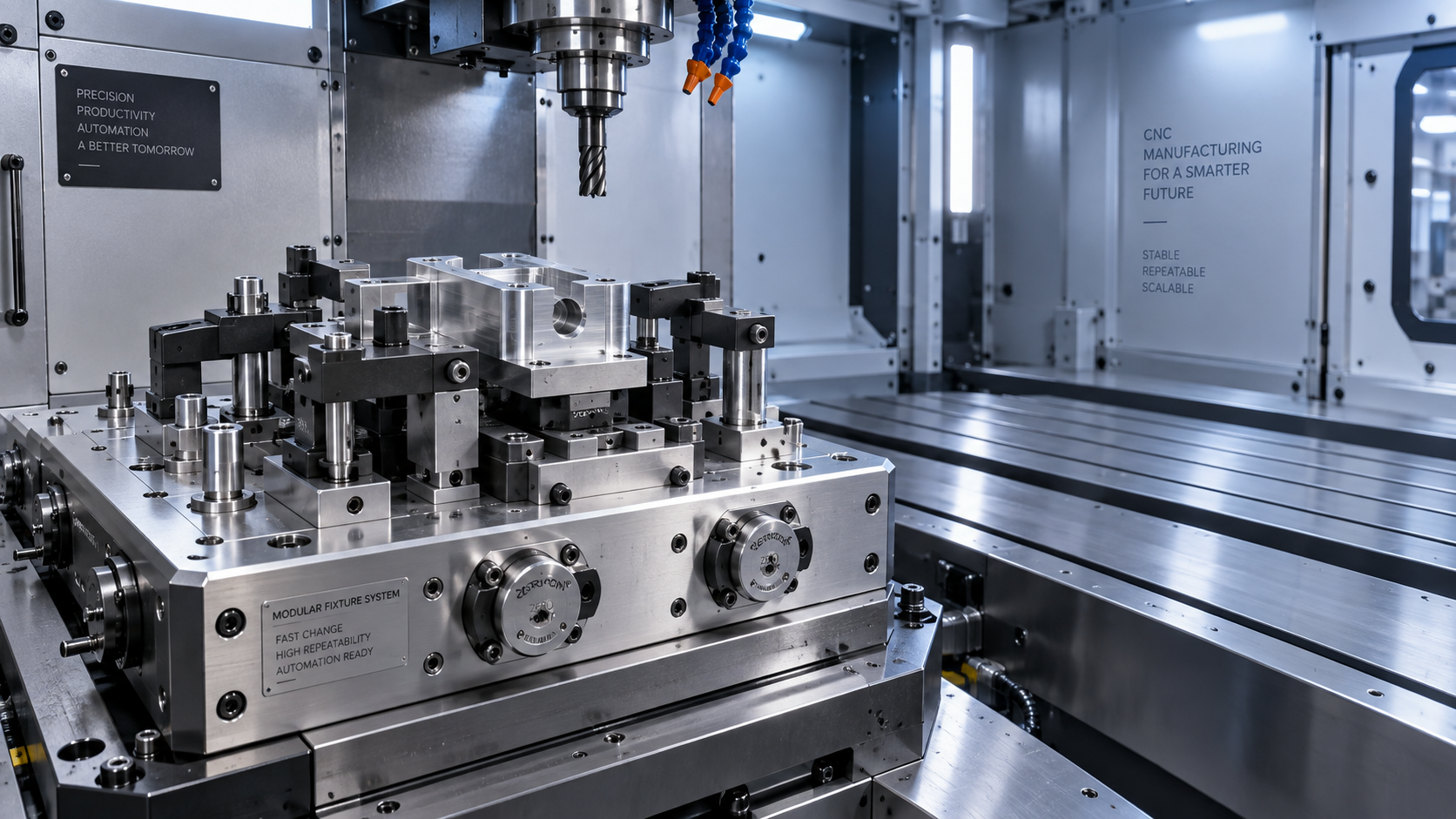
That basic definition matters, but it is only the starting point. In practical production, CNC industrial capability comes from a wider system. Tool holders, cutting tools, workholding, sensors, loading devices, and software all influence the final result.
This broader view is important because many performance gaps do not come from the machine frame alone. They come from poor setup stability, weak process integration, or a mismatch between machine type and part geometry.
Why the category keeps expanding
Production requirements are changing quickly. Parts are getting more complex, tolerances are getting tighter, and factories are under pressure to reduce downtime. As a result, CNC industrial systems now connect more closely with robotics, in-process inspection, and factory data platforms.
This is also why the global machine tool market is moving toward higher automation and digital integration. The machine is still the core asset, but its value increasingly depends on how well it works inside a connected production environment.
Key machine types and where they fit in production
Different CNC industrial machines solve different manufacturing problems. Choosing correctly starts with the part shape, material, batch size, and the number of operations that must happen in one setup.
CNC lathes and turning centers
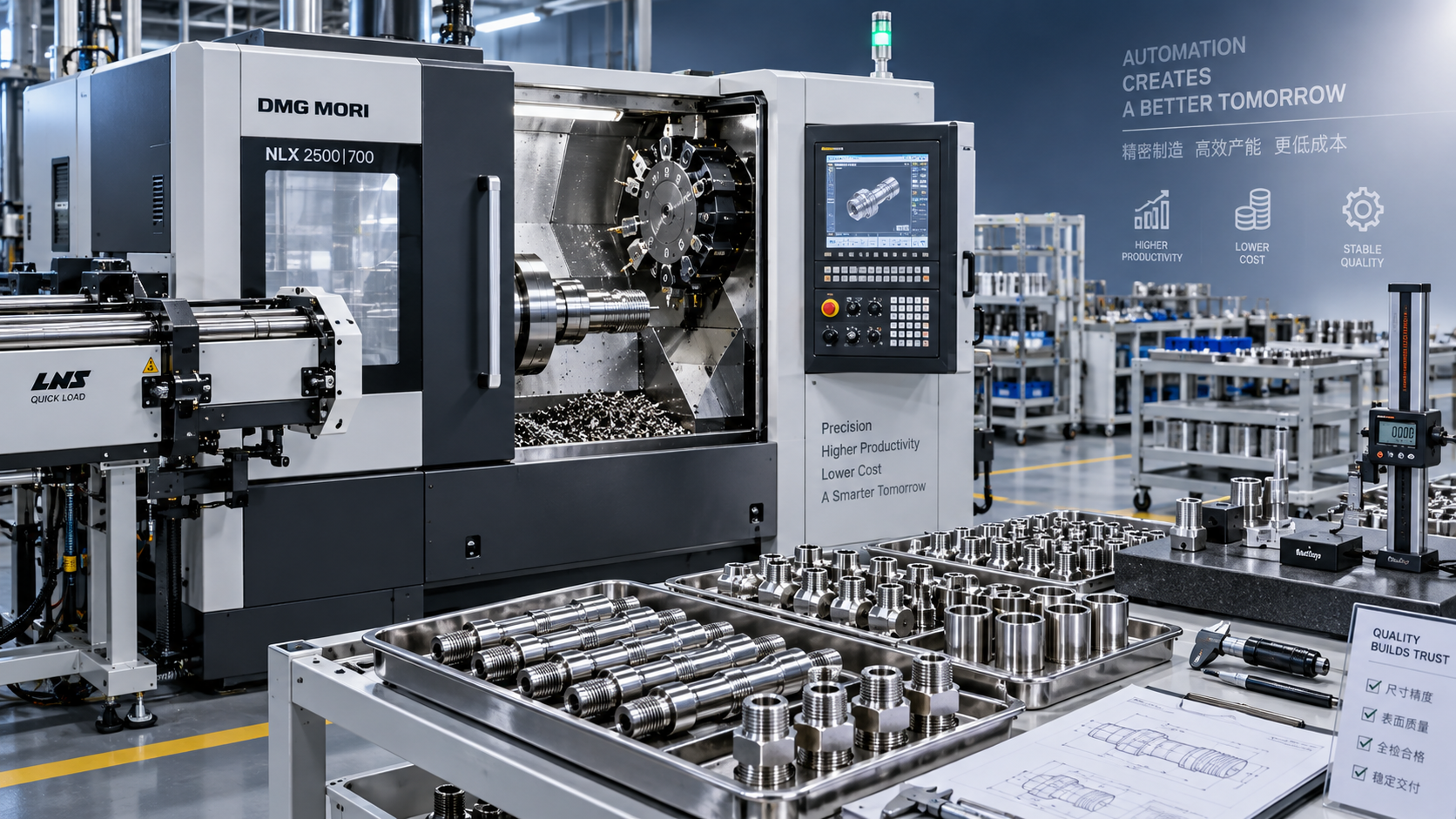
These machines are built for rotating workpieces. They are commonly used for shafts, bushings, threaded parts, rings, and many cylindrical components found in vehicles, pumps, valves, and energy equipment.
Turning centers often handle multiple operations in one cycle, including facing, drilling, boring, grooving, and threading. In medium to high-volume production, they are often the most efficient option for rotational parts.
Machining centers
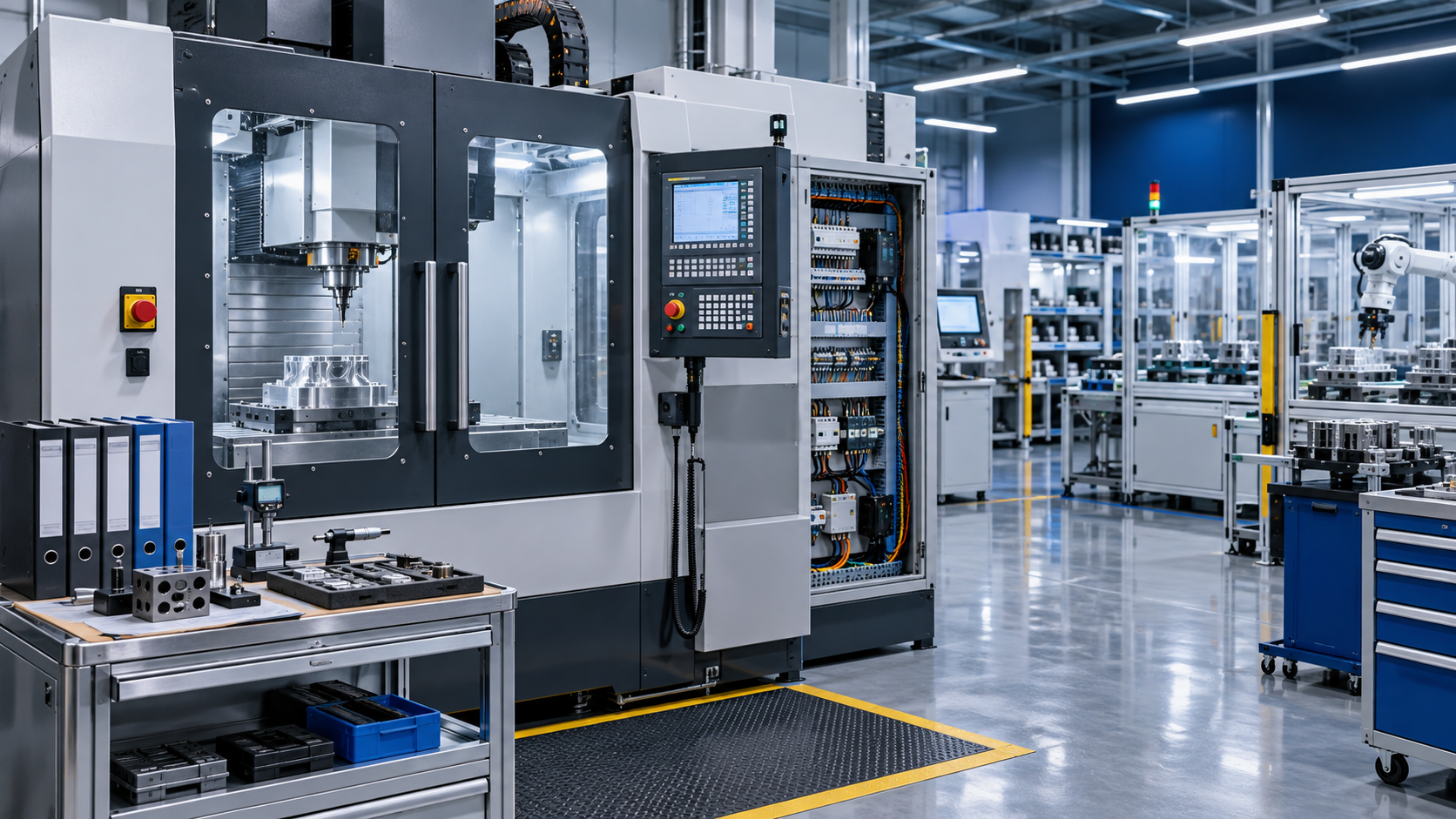
Vertical and horizontal machining centers are widely used for prismatic parts. Typical outputs include housings, brackets, molds, plates, and structural components that require milling, drilling, tapping, and contouring.
They fit well when multiple surfaces must be machined accurately and repeatedly. In many factories, machining centers form the backbone of CNC industrial production because they balance versatility with stable throughput.
Multi-axis machining systems
When parts have deep cavities, compound angles, or complex freeform surfaces, multi-axis equipment becomes more relevant. Aerospace structures, turbine components, medical parts, and precision molds often fall into this category.
The main advantage is not just geometric freedom. Multi-axis machining can reduce repositioning, improve surface consistency, and cut total handling time. That makes it valuable where quality and cycle efficiency must improve together.
Grinding, EDM, and finishing equipment
Some parts require more than cutting. Grinding supports high surface quality and tight dimensional control. EDM is useful for hard materials and intricate cavity shapes. These machines usually appear later in the process chain.
In other words, CNC industrial production is often a sequence rather than a single operation. The best results come from understanding how roughing, semi-finishing, finishing, and inspection connect across equipment types.
How CNC industrial equipment creates business value
The value of CNC industrial equipment is easier to see when it is linked to measurable production outcomes. Precision matters, but so do setup time, scrap rate, tool life, and scheduling reliability.
In sectors with strict quality demands, the ability to maintain repeatability across thousands of parts is often more valuable than headline spindle speed. In lower-volume environments, flexibility and fast changeover may matter more.
That is why CNC industrial decisions should be judged in context. A machine that looks advanced on paper may still be the wrong fit if the workflow, tooling strategy, or operator capability do not match.
Where current industry attention is shifting
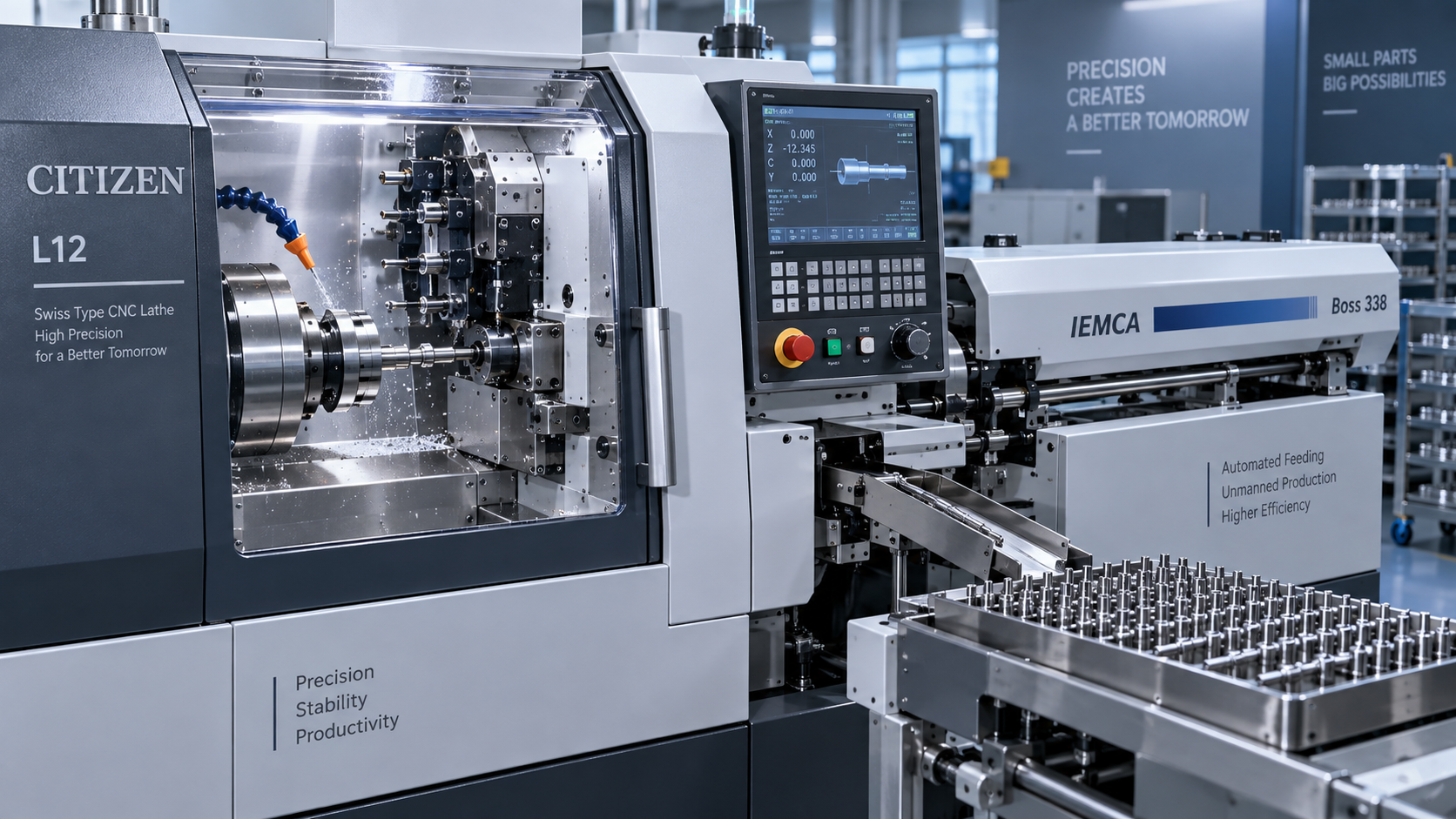
Several trends are shaping how CNC industrial equipment is evaluated today. The first is automation. Loading systems, pallet changers, robots, and flexible production cells are becoming more common because labor availability and uptime pressure are affecting almost every region.
The second is digital integration. Machine connectivity, condition monitoring, and production analytics are no longer side topics. They are becoming part of the purchasing discussion because unplanned downtime and hidden bottlenecks are expensive.
A third shift is geographic. China, Germany, Japan, and South Korea remain influential machine tool clusters, while suppliers across global markets continue expanding through technology partnerships, trade networks, and specialized manufacturing expertise.
For anyone following the sector, this means machine performance should be read alongside supply chain strength, after-sales support, software compatibility, and the pace of regional innovation.
How to assess machine fit in real production settings
A useful assessment starts with the part, not the brochure. Material type, tolerance level, feature complexity, batch frequency, and downstream inspection requirements usually reveal which CNC industrial configuration makes sense.
- Check whether the part is rotational, prismatic, or freeform before comparing machine categories.
- Map the full process route, including roughing, finishing, deburring, cleaning, and measurement.
- Review tooling, fixture stability, and chip control, not only spindle or axis specifications.
- Estimate changeover frequency and future part variation to judge flexibility needs.
- Consider data connectivity, maintenance access, and local technical support early.
This approach helps avoid a common mistake: selecting CNC industrial equipment by maximum capability alone. Production performance depends on the total process, and unnecessary complexity can raise cost without improving output.
A practical comparison mindset
For short runs and varied part families, setup efficiency may outweigh raw speed. For stable, repetitive demand, automation readiness and uptime performance usually deserve more weight. In high-precision work, thermal stability and measurement strategy become decisive.
Seen this way, CNC industrial equipment is less about buying a category and more about building a production capability that stays reliable as volume, complexity, and quality demands change.
What to watch next
The next step is usually not choosing a brand immediately. It is defining which production problem needs to be solved first. That may be cycle time, dimensional consistency, labor dependence, traceability, or the ability to machine more complex parts in fewer setups.
From there, compare machine types against real process conditions, not abstract specifications. Follow how tooling, fixtures, automation, and software support the same goal. For anyone tracking the global precision manufacturing market, that broader lens gives CNC industrial equipment its real meaning.
A strong starting point is to organize part requirements, process steps, and capacity targets into one decision framework. That makes future comparisons clearer and helps separate useful technology advances from features that add little practical value.
Recommended for You
 Zero-Point Clamping or Modular Fixtures? Choosing a Faster CNC Changeover SystemCNC Machining Technology Center
 How to Cut CNC Fixture Changeover Time Without Sacrificing Part AccuracyCNC Machining Technology Center
 When Does CNC Turning Pay Off? A Break-Even Guide by Annual Part VolumeMachine Tool Industry Editorial Team
 Machine Tool Standards by Country: What Importers Must Verify Before PurchaseManufacturing Policy Research Center
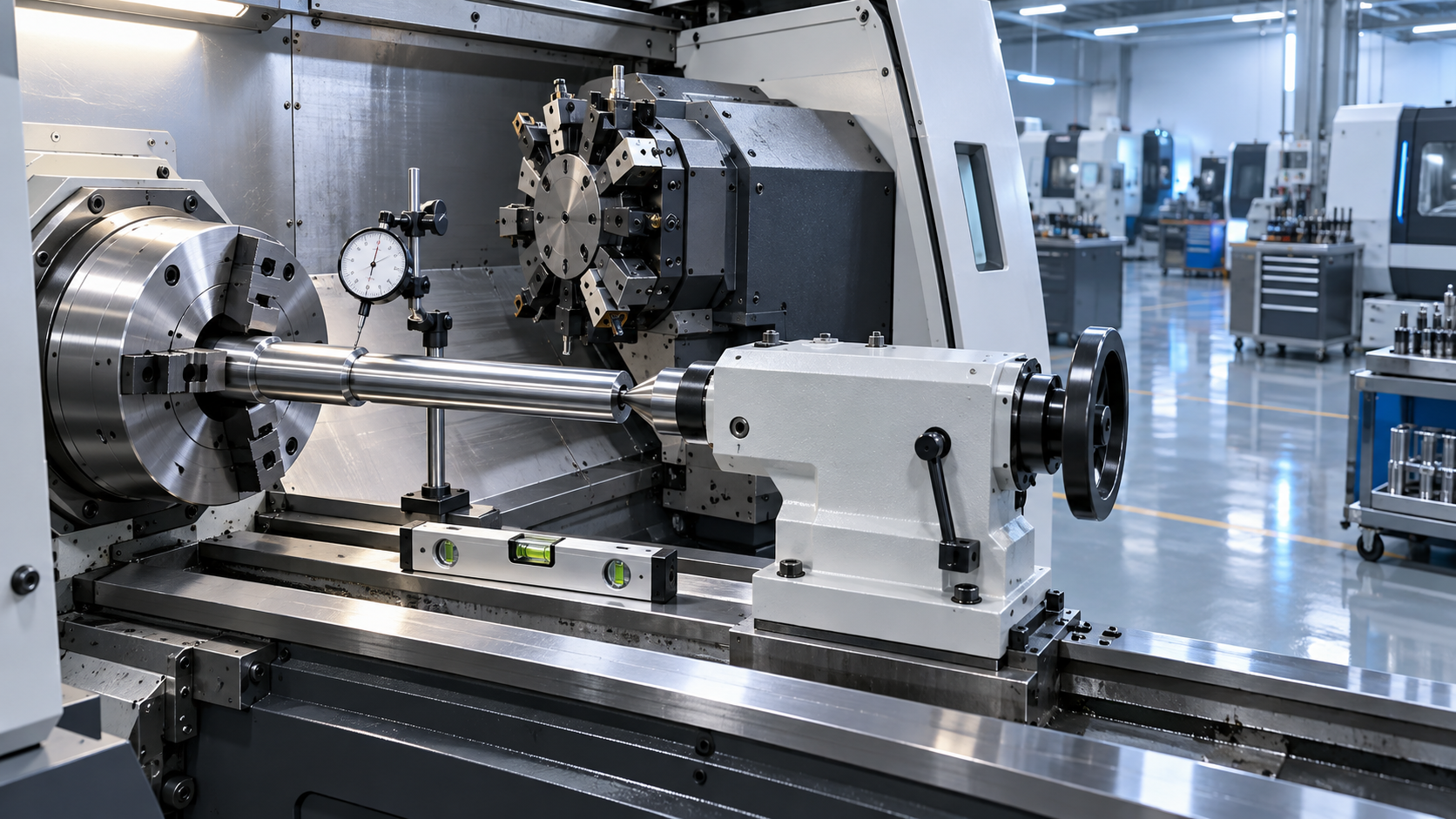
 CNC Lathe Quick Installation Guide: Alignment Checks Before First Production RunCNC Machining Technology Center
 How to Select a CNC Lathe for Small Parts Without Sacrificing Accuracy or Cycle TimeCNC Machining Technology Center

Aris Katos
Future of Carbide Coatings
15+ years in precision manufacturing systems. Specialized in high-speed milling and aerospace grade alloy processing.
▶
What Should You Check When a CNC Machine Arrives at Your Factory?CNC Machining Technology Center▶
What Safety Checks Are Required for CNC Cutting Operations?CNC Machining Technology Center▶
What Are Machine Tools? Common Types, Functions, and Typical Shop ApplicationsCNC Machining Technology Center▶
CNC Industrial Machines Maintenance Checklist: How to Reduce Downtime and Tool WearCNC Machining Technology Center▶
What Is Industrial Machining? Common Processes, Materials, and Typical UsesCNC Machining Technology Center
Mastering 5-Axis Workholding Strategies
Join our technical panel on Nov 15th to learn about reducing vibrations in thin-wall components.

Providing you with integrated sanding solutions
Before-sales and after-sales services
Comprehensive technical support