• Global CNC market projected to reach $128B by 2028 • New EU trade regulations for precision tooling components • Aerospace deman
NYSE: CNC +1.2%LME: STEEL -0.4%

What Is Industrial CNC? Core Machine Types, Capabilities, and Typical Factory Uses
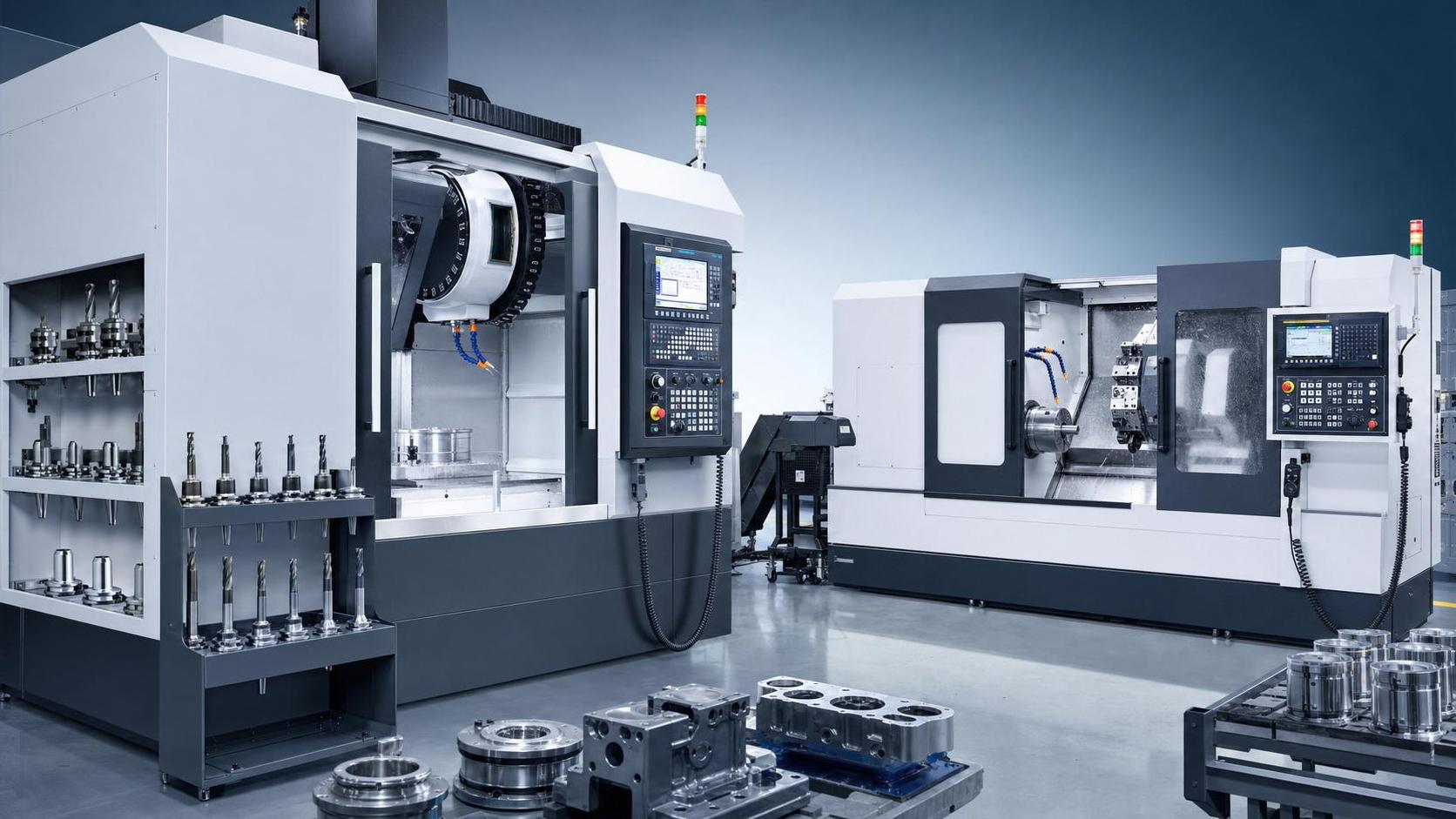
Industrial CNC sits at the center of modern production because it turns digital instructions into repeatable physical results. In factories that need tight tolerances, stable throughput, and traceable quality, industrial CNC is not just a machine category. It is a manufacturing system that links design data, tooling, fixturing, motion control, and process discipline into one controlled workflow.
That matters even more now. Automotive, aerospace, electronics, and energy equipment all demand more complex parts, shorter lead times, and better consistency. At the same time, global manufacturing is moving toward higher precision, automation, and digital integration, making industrial CNC a practical benchmark for production capability rather than a simple capital purchase.
Understanding what industrial CNC really covers
At a basic level, CNC stands for computer numerical control. In an industrial setting, it refers to machine tools that use programmed instructions to cut, drill, bore, mill, turn, grind, or finish a workpiece with high repeatability.
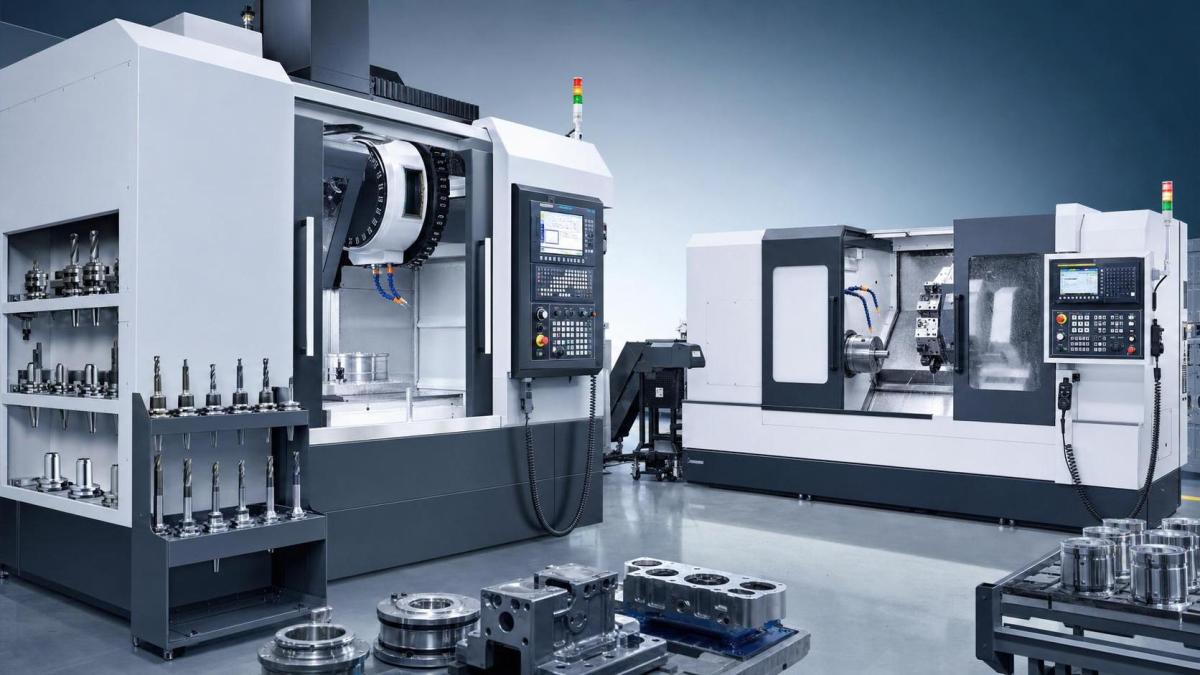
The industrial part is important. A workshop machine may support occasional production, but industrial CNC is built for sustained output, process control, predictable uptime, and integration with broader factory systems.
In practice, this includes the machine tool itself, the controller, spindle, feed axes, cutting tools, fixtures, probing, coolant management, and software links to CAD, CAM, MES, or quality systems.
The result is not only faster machining. It is the ability to hold dimensions across batches, reduce operator variation, and support production planning with much greater confidence.
Why industrial CNC keeps gaining strategic weight
Several industry shifts explain why industrial CNC remains under close attention. Product geometry is becoming more demanding, especially where lightweight structures, compact assemblies, and precision interfaces are required.
Factories are also under pressure to move from labor-dependent processes toward automated and data-driven production. That pushes machine tools to do more than remove material. They must support monitoring, fast changeovers, and stable performance over long production runs.
Another factor is supply chain flexibility. Regional manufacturing clusters in China, Germany, Japan, and South Korea continue to shape technology standards, yet many buyers now compare equipment by service access, software openness, and long-term application support as much as by machine size or power.
This is why discussions around industrial CNC increasingly include automation interfaces, digital diagnostics, and compatibility with flexible production lines. The machine is still central, but it now sits inside a wider manufacturing architecture.
Core machine types and what they are built to do
Different industrial CNC platforms solve different manufacturing problems. The most useful comparison starts with part geometry, material behavior, required tolerance, and production volume.
CNC lathes and turning centers
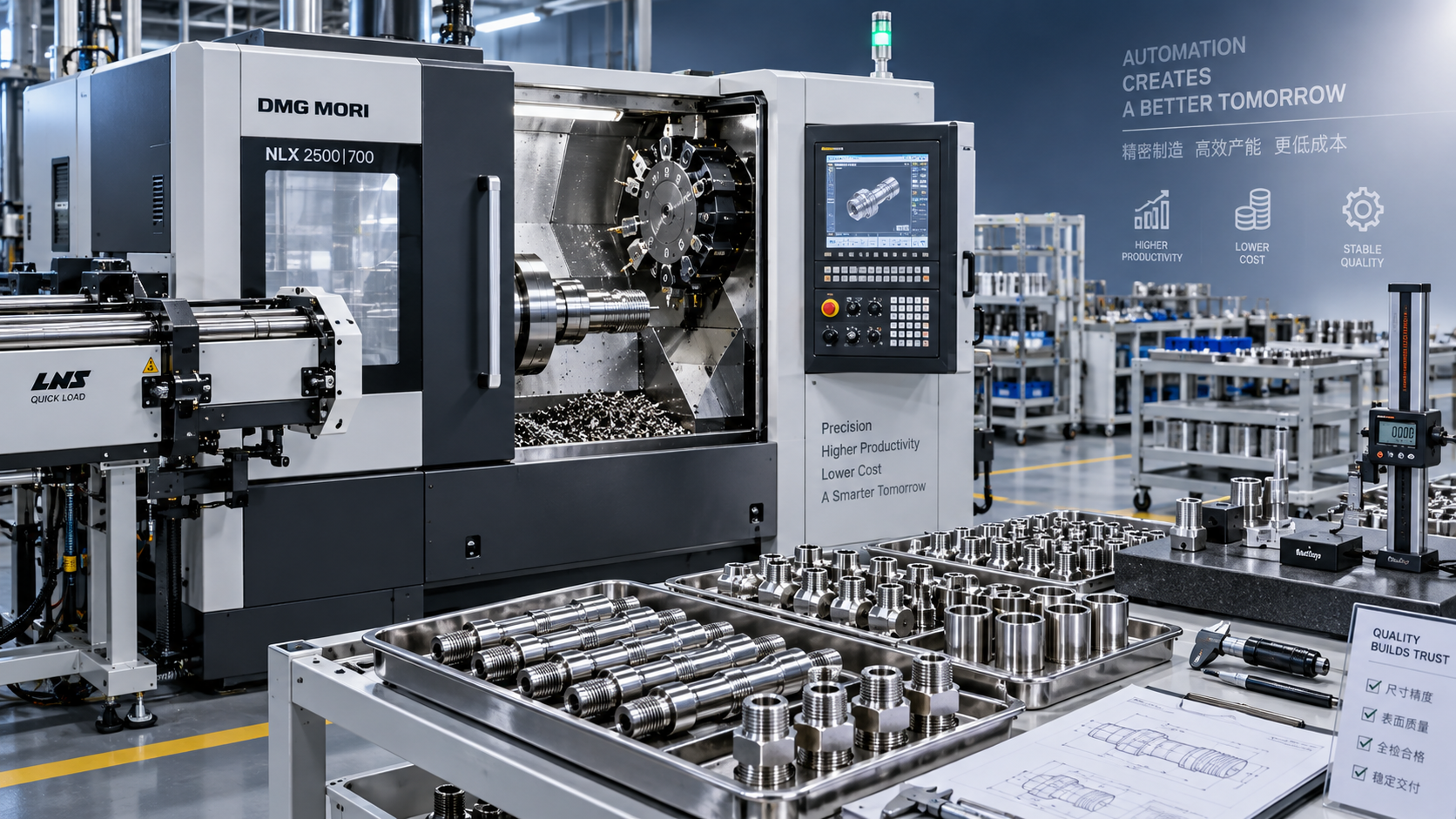
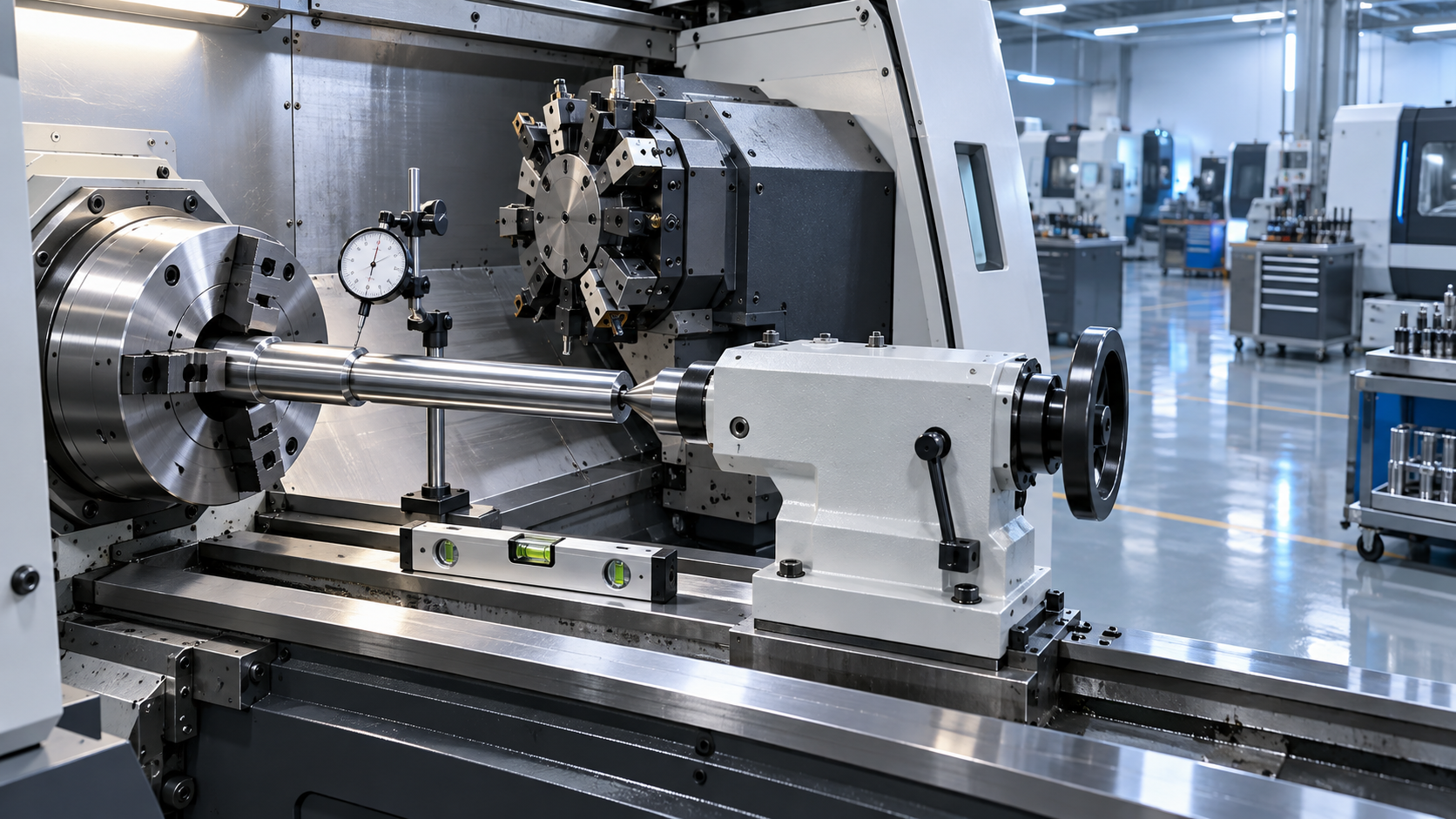
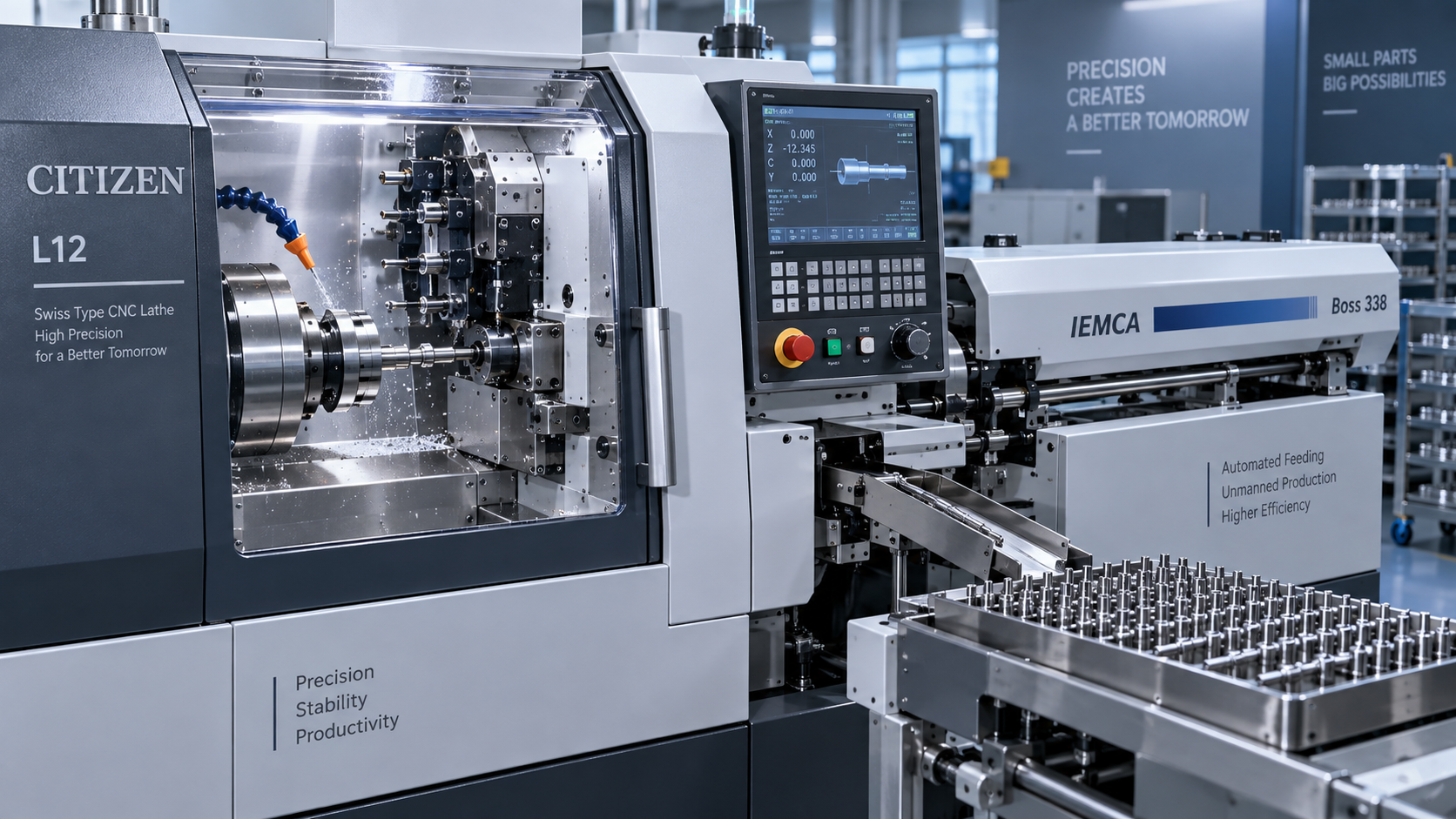
These machines rotate the workpiece while the tool removes material. They are well suited for shafts, bushings, threaded parts, valve bodies, and precision cylindrical features.
Turning centers often add live tooling, sub-spindles, and Y-axis capability. That allows one setup to include milling, drilling, and cross-hole operations, reducing handling time and alignment error.
Vertical and horizontal machining centers
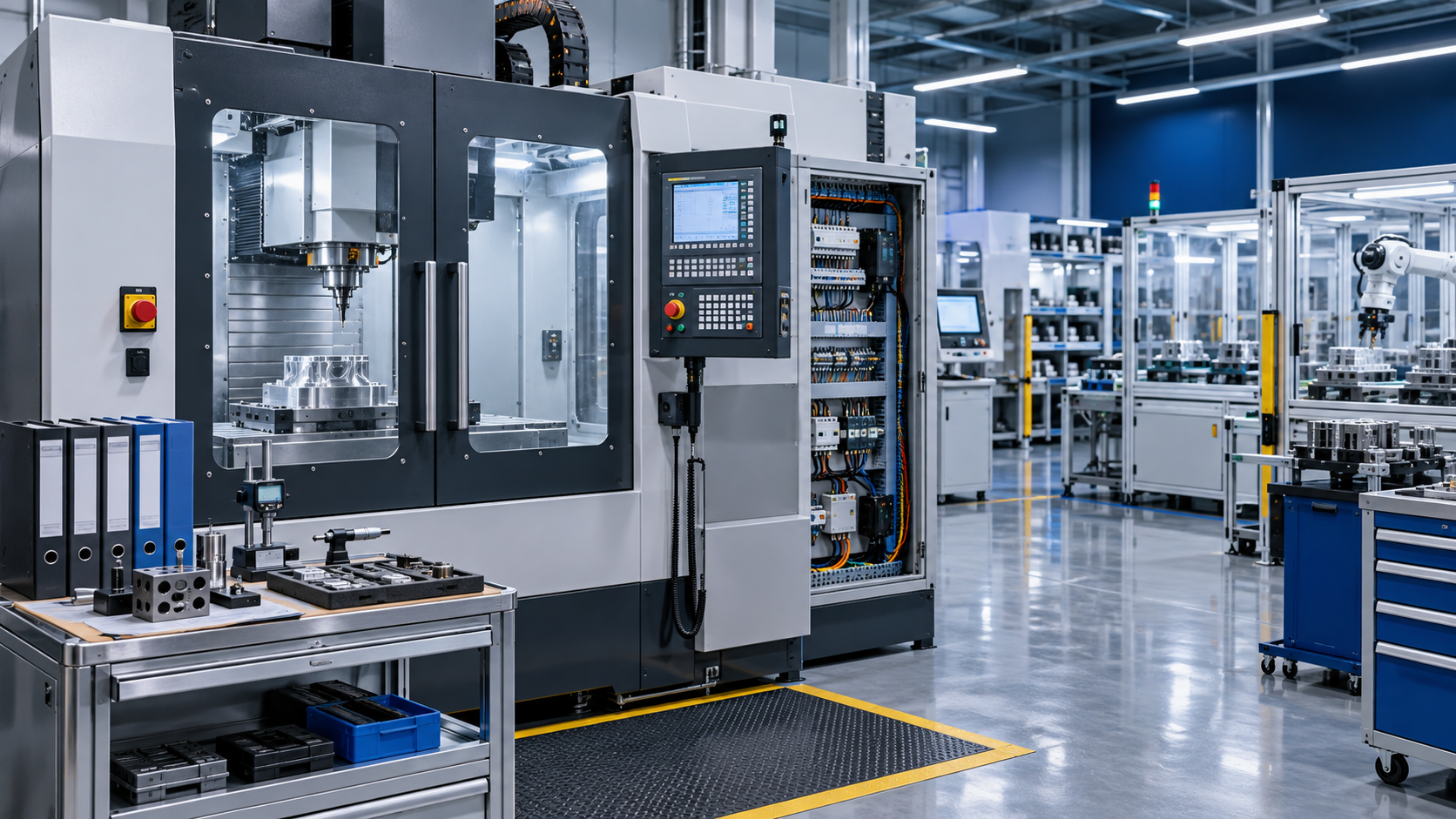
Machining centers are the workhorses of industrial CNC for prismatic parts. They handle faces, pockets, holes, slots, and complex contours in aluminum, steel, titanium, and engineering plastics.
Vertical machines are common for general work and easier setup visibility. Horizontal machines usually offer stronger chip evacuation and better productivity for multi-face machining in batch production.
Multi-axis CNC systems
Five-axis and more advanced multi-axis platforms are used when part geometry is complex, access is limited, or multiple angular surfaces must be machined without repeated repositioning.
They are especially relevant for aerospace structures, impellers, molds, medical-style precision forms, and high-value components where fewer setups can protect both accuracy and cycle time.
Grinding, EDM, and specialty equipment
Not all industrial CNC work is conventional cutting. CNC grinding supports very fine tolerances and surface finish requirements. EDM is valuable for hard materials, deep cavities, and fine internal features that are difficult to machine mechanically.
Capabilities that matter more than headline specifications
Machine travel, spindle speed, and axis count are easy to compare, but industrial CNC performance depends on a broader set of capabilities. Real output quality comes from how the whole process behaves under load, over time, and across different parts.
Positional accuracy and repeatability remain core metrics, yet thermal stability is often just as important. A machine that drifts during long cycles can create costly variation even when its catalog values look strong.
Rigidity affects chatter, surface finish, and tool life. Controller quality influences interpolation smoothness, feed consistency, and practical ease of optimization. Tool magazine design, probing functions, and fixture repeatability also shape actual throughput.
For many factories, the decisive question is whether industrial CNC can maintain capability at production speed, not whether it can produce one acceptable sample in a demonstration setting.
Where industrial CNC is used across modern factories
From an application perspective, industrial CNC supports both high-volume and high-mix manufacturing. The same technology base can serve very different environments depending on machine configuration and process design.
Automotive and transport
Production lines use industrial CNC for transmission parts, brake components, housings, steering elements, and tooling. The focus is usually cycle time, consistency, and integration with automated loading.
Aerospace and high-value structures
Here the priority shifts toward geometric complexity, traceability, and material control. Multi-axis machining, process verification, and in-cycle measurement often carry more weight than raw output volume.
Energy and heavy equipment
Large flanges, pump parts, turbine-related components, and structural interfaces rely on industrial CNC for durable accuracy on difficult materials and larger work envelopes.
Electronics and precision assemblies
Smaller enclosures, heat sinks, connector parts, and fixture components demand fine detail, clean surfaces, and predictable dimensions. In these settings, tooling strategy and burr control become especially important.
How to evaluate fit in real production conditions
A useful industrial CNC assessment starts with the part family rather than the brochure. Similar-looking machines can perform very differently once material type, lot size, tolerance stack-up, and takt requirements are defined.
- Map the dominant part geometry and identify setup count, access constraints, and critical datums.
- Check whether spindle power, torque curve, and rigidity match the actual material removal profile.
- Review automation readiness, including loaders, pallets, robots, and unattended operation logic.
- Look beyond machine accuracy to process capability, probing strategy, and quality feedback loops.
- Assess tool management, fixture repeatability, and maintenance access because these often drive uptime.
It is also worth examining the surrounding ecosystem. Cutting tools, workholding, software support, spare parts, and application engineering can determine whether industrial CNC reaches expected productivity after installation.
What deserves closer attention in the next comparison round
The next step is usually not choosing the most advanced machine on paper. It is narrowing the decision to the equipment architecture that best matches the manufacturing objective.
That means separating prototype flexibility from serial production stability, identifying which tolerances are truly critical, and testing how industrial CNC will operate inside the intended digital and automation environment.
A clear review matrix helps. Compare machine type, setup reduction potential, process risk, service support, and integration requirements side by side. With that structure, industrial CNC becomes easier to judge as a long-term production capability rather than a standalone asset.
For any organization tracking global precision manufacturing, that approach creates a stronger basis for following market developments, comparing technical options, and aligning future equipment decisions with actual factory needs.
Recommended for You
 Zero-Point Clamping or Modular Fixtures? Choosing a Faster CNC Changeover SystemCNC Machining Technology Center
 How to Cut CNC Fixture Changeover Time Without Sacrificing Part AccuracyCNC Machining Technology Center
 When Does CNC Turning Pay Off? A Break-Even Guide by Annual Part VolumeMachine Tool Industry Editorial Team
 Machine Tool Standards by Country: What Importers Must Verify Before PurchaseManufacturing Policy Research Center
 CNC Lathe Quick Installation Guide: Alignment Checks Before First Production RunCNC Machining Technology Center
 How to Select a CNC Lathe for Small Parts Without Sacrificing Accuracy or Cycle TimeCNC Machining Technology Center

Aris Katos
Future of Carbide Coatings
15+ years in precision manufacturing systems. Specialized in high-speed milling and aerospace grade alloy processing.
▶
What Should You Check When a CNC Machine Arrives at Your Factory?CNC Machining Technology Center▶
What Safety Checks Are Required for CNC Cutting Operations?CNC Machining Technology Center▶
What Are Machine Tools? Common Types, Functions, and Typical Shop ApplicationsCNC Machining Technology Center▶
CNC Industrial Machines Maintenance Checklist: How to Reduce Downtime and Tool WearCNC Machining Technology Center▶
What Is Industrial Machining? Common Processes, Materials, and Typical UsesCNC Machining Technology Center
Mastering 5-Axis Workholding Strategies
Join our technical panel on Nov 15th to learn about reducing vibrations in thin-wall components.

Providing you with integrated sanding solutions
Before-sales and after-sales services
Comprehensive technical support