• Global CNC market projected to reach $128B by 2028 • New EU trade regulations for precision tooling components • Aerospace deman
NYSE: CNC +1.2%LME: STEEL -0.4%

How to Evaluate Shaft Parts for Load, Tolerance, and Surface Finish Requirements
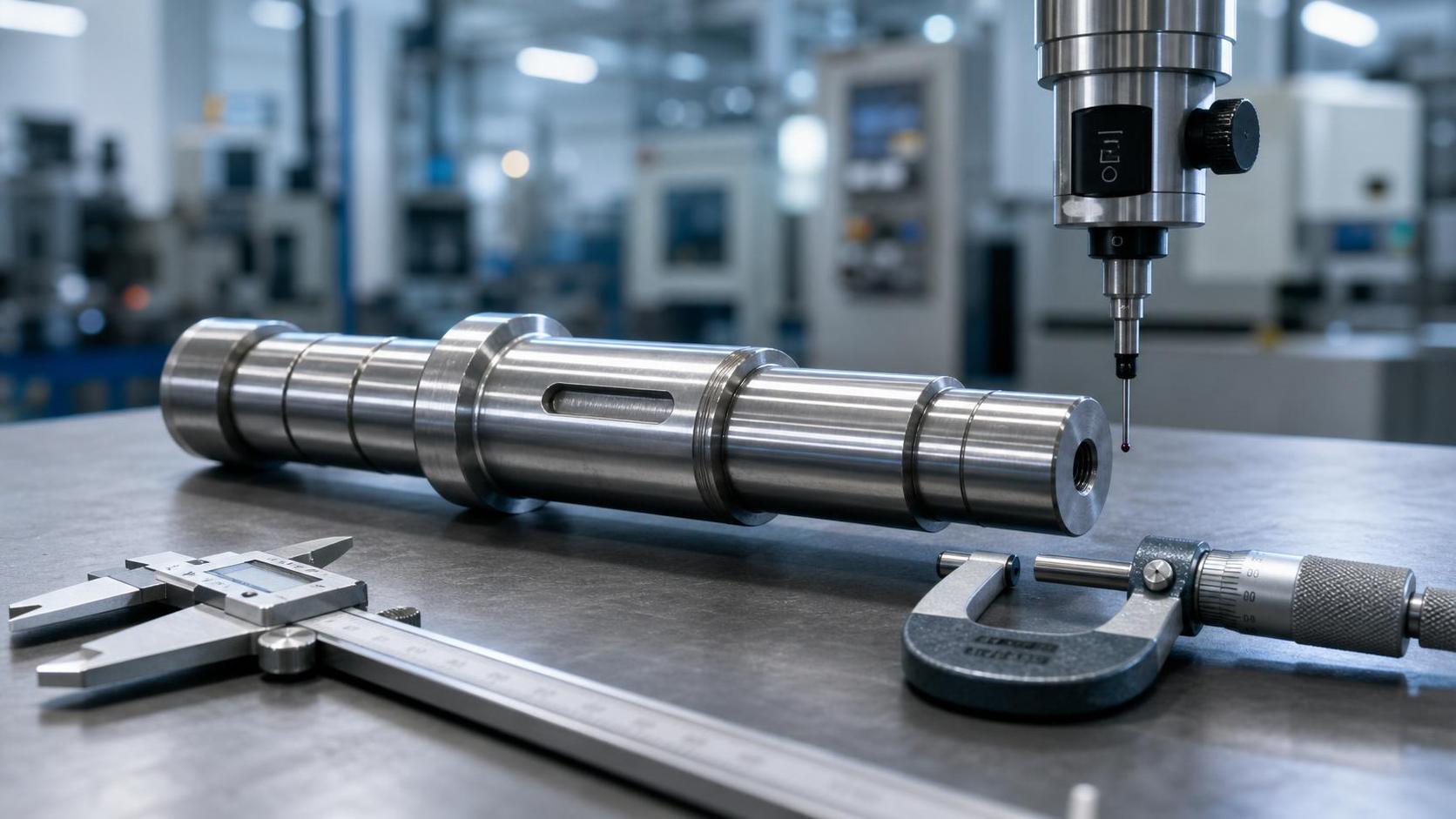
How to Evaluate Shaft Parts for Load, Tolerance, and Surface Finish Requirements
Evaluating Shaft Parts requires more than reading nominal dimensions.
A shaft may look simple on paper, yet fail early in service.
That usually happens when load, tolerance, and surface finish are reviewed separately.
In real manufacturing, these three factors are tightly linked.
A stronger load path may require a larger diameter.
A tighter tolerance may force a different process route.
A smoother finish may improve fatigue life but increase machining cost.
For Shaft Parts, good evaluation means balancing function, manufacturability, and risk.
This practical guide shows how to make that decision with more confidence.
Start with the Operating Load Profile
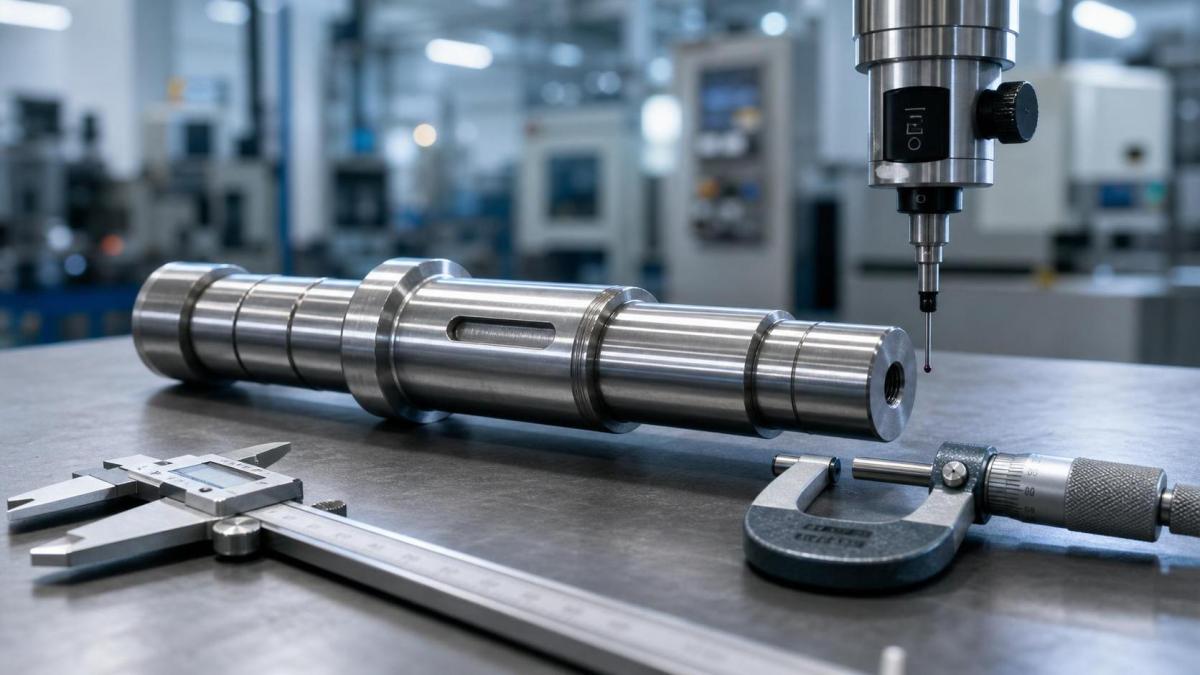
The first step in evaluating Shaft Parts is understanding the real load case.
Do not rely only on peak force listed in a specification.
You need to know how the shaft works during startup, steady operation, and shock events.
Most Shaft Parts see combined loading, not a single pure mode.
That often includes torsion, bending, axial force, vibration, and cyclic reversal.
From a decision standpoint, ask several basic questions early.
- Is the shaft transmitting torque, positioning components, or both?
- Is the load constant, intermittent, impact-driven, or highly cyclic?
- Where are the stress concentrations near shoulders, keyways, threads, or grooves?
- What is the expected service life and safety factor?
- Will temperature, lubrication, or corrosion change the load response?
These questions help separate functional need from drawing habit.
For example, some Shaft Parts are oversized because earlier designs added unnecessary margin.
Others are under-designed because nominal torque looked acceptable in static review.
A better approach is to map the load path, then compare it with geometry transitions and support conditions.
Check Geometry Against Strength and Deflection
Once the load is clear, review whether the shape of the Shaft Parts supports it.
Diameter alone is not enough.
Length, step changes, undercuts, fillet radii, and bearing seat locations all matter.
In practical assessment, two failure modes deserve early attention.
- Excess stress at local features.
- Excess deflection during operation.
Stress failure can cause cracking, permanent deformation, or sudden fracture.
Deflection can cause misalignment, noise, seal wear, and unstable rotation.
This is especially important in high-speed Shaft Parts used in CNC systems and automated equipment.
A part may survive the load and still fail the application.
That is why design review should include both strength and stiffness.
Where available, compare finite element analysis with shop-floor feedback.
Field data often reveals that critical Shaft Parts fail near transitions, not at the largest loaded section.
Evaluate Tolerance by Function, Not Habit
Tolerance review is where many Shaft Parts become unnecessarily expensive.
Tight values are often copied from legacy drawings without checking actual need.
A useful rule is simple.
Every tolerance on Shaft Parts should connect to assembly, motion, sealing, or load transfer.
Start by separating critical and noncritical dimensions.
- Critical fits include bearing journals, seal seats, coupling interfaces, and spline areas.
- Moderate-control features include shoulders, snap ring grooves, and spacer positions.
- General dimensions usually need process stability, not ultra-tight tolerance.
Then evaluate form and position requirements, not just size.
Roundness, concentricity, cylindricity, and runout often decide whether Shaft Parts perform well.
In rotating assemblies, runout can be more critical than diameter alone.
This also affects machining route selection.
For example, turning may hold one feature well.
Grinding may be needed for final fit, roundness, or coaxial control.
If tolerance is tighter than process capability, cost rises fast and delivery risk follows.
Good evaluation of Shaft Parts means asking whether each tolerance protects function or only preserves tradition.
Assess Surface Finish as a Performance Requirement
Surface finish is often treated as a final cosmetic check.
For Shaft Parts, that is a costly mistake.
Finish directly affects friction, wear, sealing, fatigue strength, and coating behavior.
The right finish depends on where the surface works.
- Bearing seats need controlled roughness for fit and long-term rotation.
- Seal contact zones need stable texture to prevent leakage and heat buildup.
- Threaded or clamped areas may accept rougher values if function allows.
- Fatigue-sensitive zones benefit from smoother transitions and low surface damage.
Do not specify the same roughness across all Shaft Parts surfaces.
That adds cost without improving performance.
Instead, match finish to functional contact and failure risk.
Also review how the finish is achieved.
Turning, grinding, superfinishing, polishing, and coating preparation create different surface conditions.
The numeric roughness value alone does not tell the full story.
Lay direction, residual stress, and micro-tearing can all influence how Shaft Parts behave in service.
Review Material and Process Capability Together
No evaluation of Shaft Parts is complete without checking material and process alignment.
This matters even more in precision manufacturing and global sourcing.
A design may be sound, yet still fail supplier execution.
For Shaft Parts, check whether the selected material supports both service and machining needs.
- Is hardness suitable for wear and fit retention?
- Will heat treatment distort key diameters or straightness?
- Does the material machine cleanly at the required tolerance?
- Are coating, plating, or induction hardening part of the route?
- Can the supplier inspect all critical features reliably?
This is where CNC capability becomes a decision factor, not just a production detail.
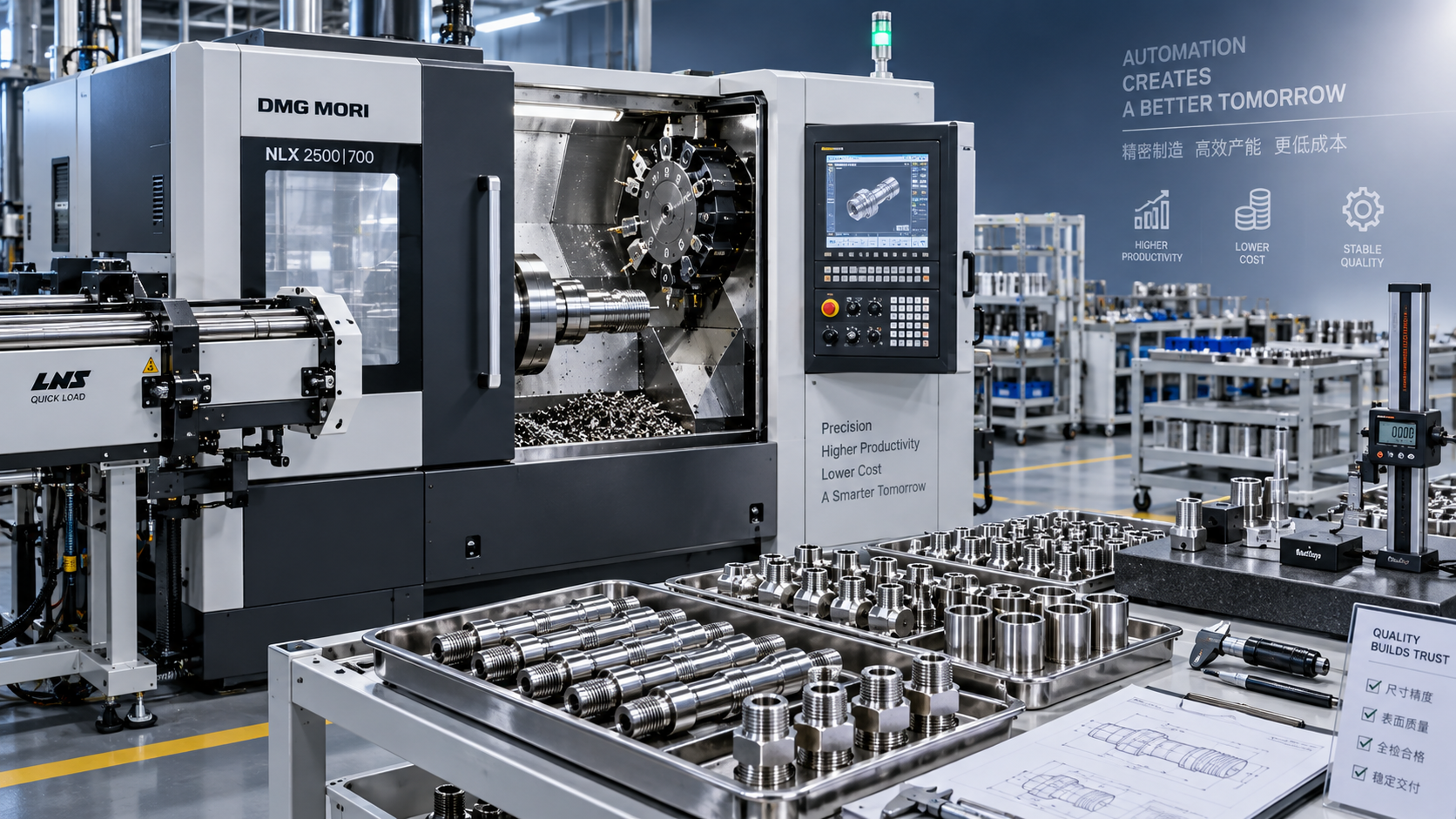
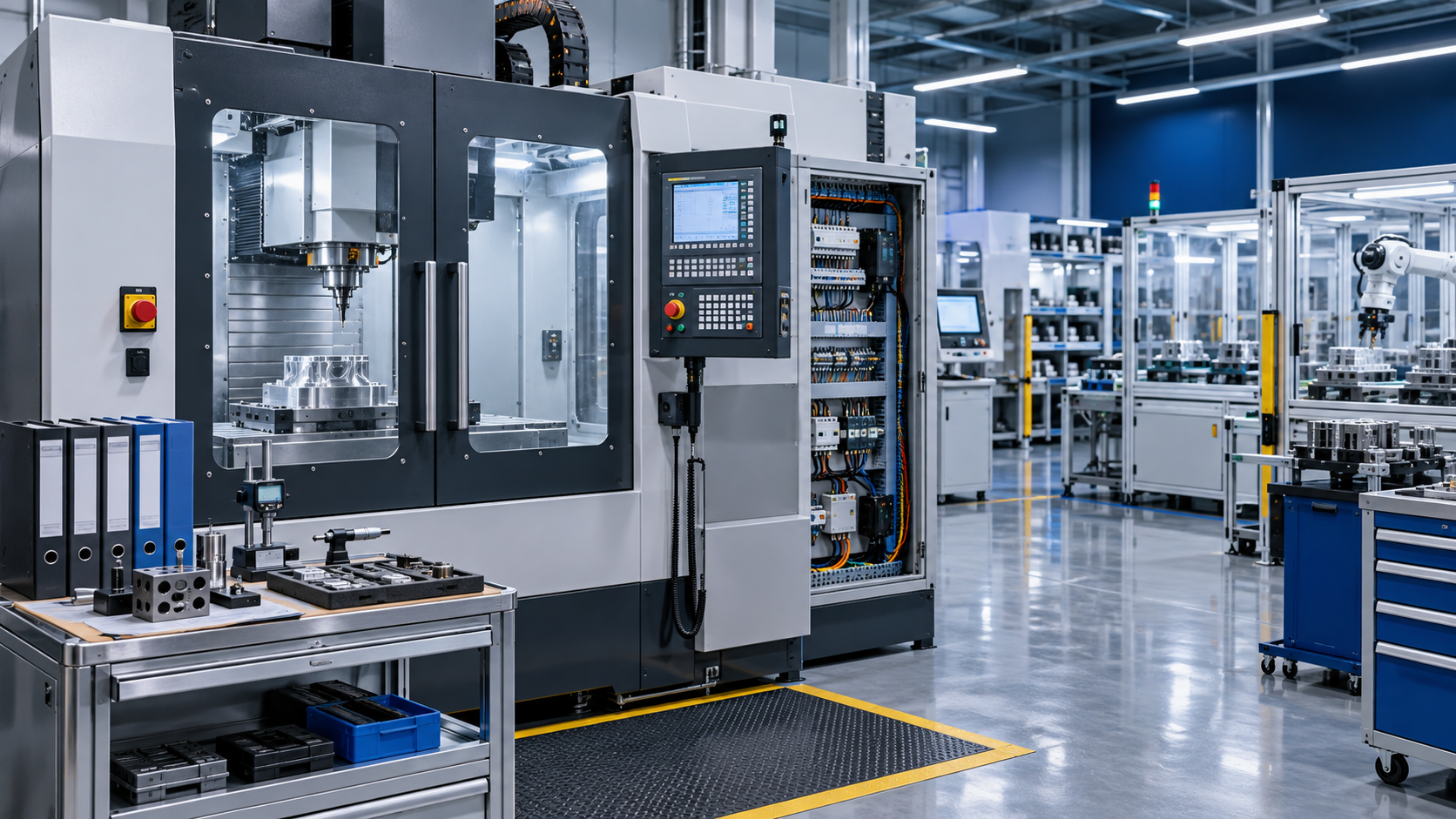
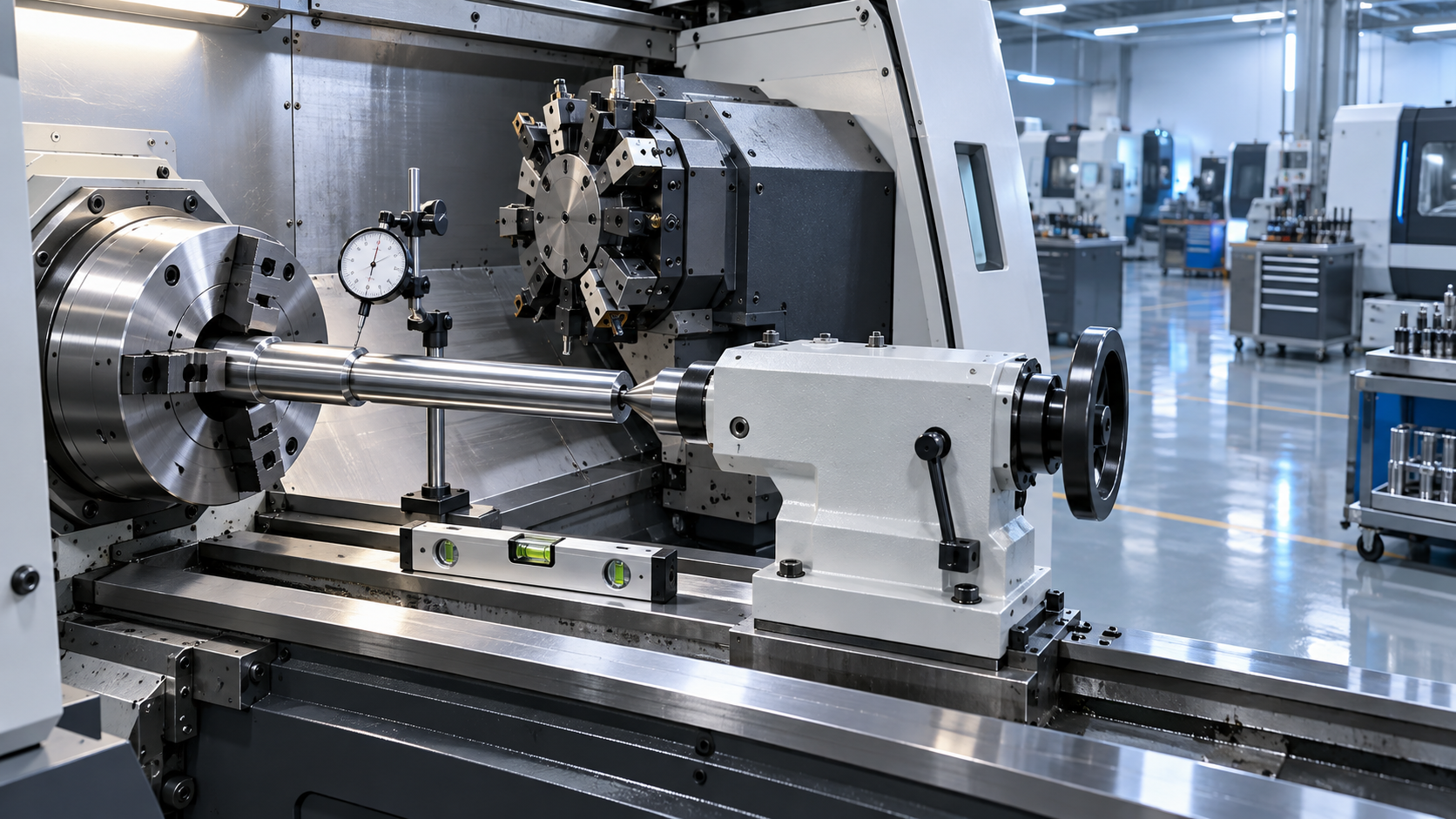
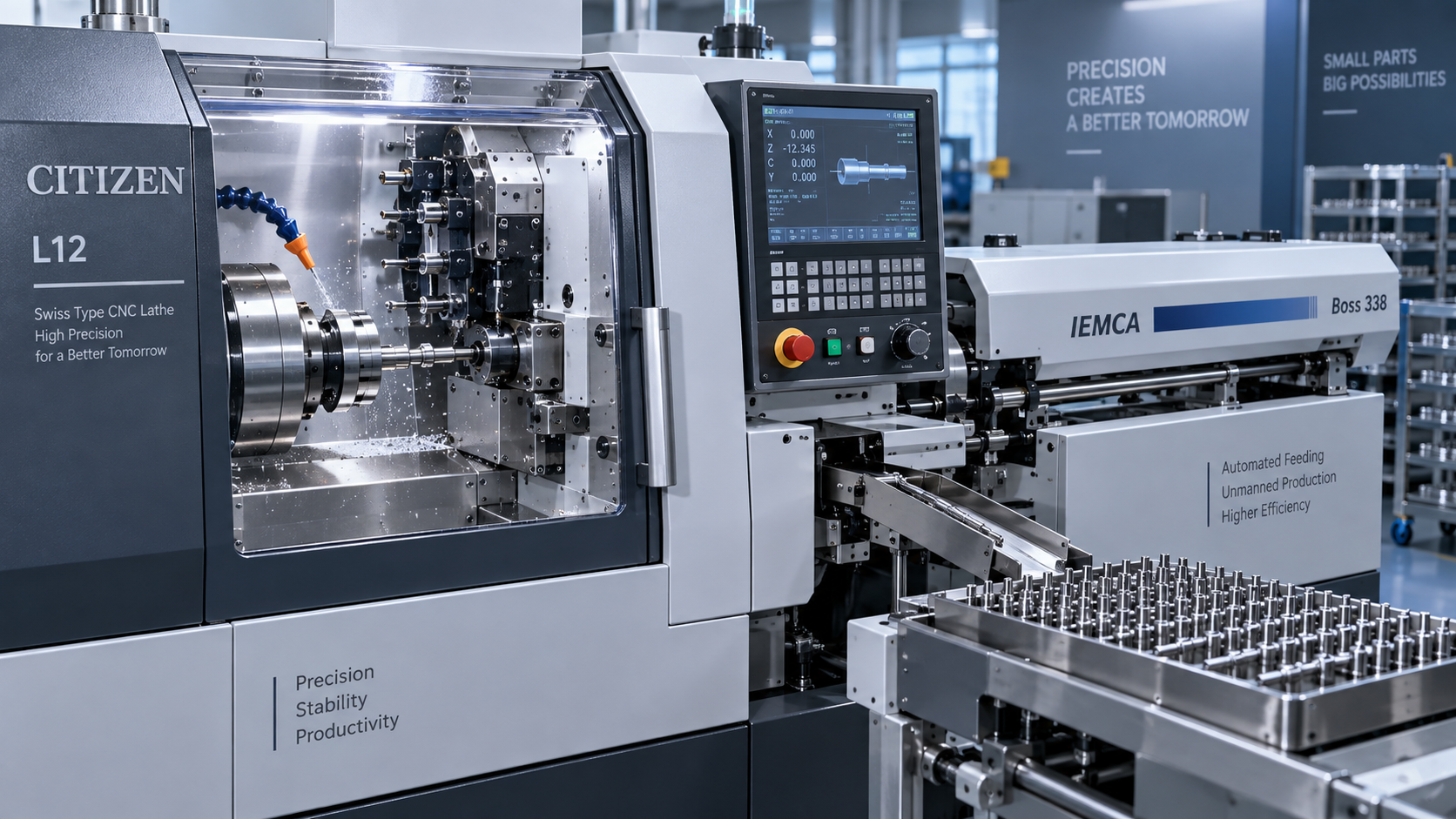
Modern CNC lathes, grinding systems, and multi-axis machining cells support complex Shaft Parts well.
Still, capability varies by fixturing, tooling, measurement, and operator discipline.
In actual sourcing decisions, process capability data is often more useful than general equipment lists.
Ask for evidence that the supplier can repeatedly hold the required standards on comparable Shaft Parts.
Use a Practical Evaluation Checklist
A structured checklist makes Shaft Parts evaluation faster and more consistent.
It also helps teams avoid late revisions between design, quality, and sourcing.
Use the following points during drawing review and supplier discussion.
This kind of review keeps Shaft Parts decisions grounded in measurable requirements.
It also creates a clear record for later cost, quality, and change discussions.
Common Mistakes That Raise Cost and Risk
Even experienced teams can misjudge Shaft Parts when schedules are tight.
Several mistakes appear again and again.
- Using overly tight tolerances on nonfunctional features.
- Ignoring runout and focusing only on diameter limits.
- Specifying very fine finish where contact function does not need it.
- Overlooking distortion after heat treatment or coating.
- Accepting static load review for parts facing cyclic fatigue.
- Choosing suppliers by machine list instead of proven capability.
These issues usually do not fail immediately in quotation review.
They show up later as scrap, unstable assembly, or field complaints.
That is why better evaluation of Shaft Parts is really a risk-control exercise.
A small review effort early can prevent much larger correction costs later.
Make Better Shaft Parts Decisions with a Functional View
The best Shaft Parts evaluation does not start from a drawing note.
It starts from function, load path, assembly behavior, and process reality.
When load, tolerance, and surface finish are reviewed together, decisions become clearer.
You can identify which Shaft Parts features truly protect performance.
You can also remove unnecessary precision that adds cost without adding value.
In precision manufacturing, that balance matters more than ever.
Global competition, tighter lead times, and higher reliability targets all raise the standard.
So the next time you assess Shaft Parts, use a functional checklist before approving the drawing.
Confirm the real load.
Match tolerance to fit and motion.
Set surface finish by performance zone.
That simple shift leads to stronger decisions, lower production risk, and better long-term part quality.
Recommended for You
 Zero-Point Clamping or Modular Fixtures? Choosing a Faster CNC Changeover SystemCNC Machining Technology Center
 How to Cut CNC Fixture Changeover Time Without Sacrificing Part AccuracyCNC Machining Technology Center
 When Does CNC Turning Pay Off? A Break-Even Guide by Annual Part VolumeMachine Tool Industry Editorial Team
 Machine Tool Standards by Country: What Importers Must Verify Before PurchaseManufacturing Policy Research Center
 CNC Lathe Quick Installation Guide: Alignment Checks Before First Production RunCNC Machining Technology Center
 How to Select a CNC Lathe for Small Parts Without Sacrificing Accuracy or Cycle TimeCNC Machining Technology Center

Aris Katos
Future of Carbide Coatings
15+ years in precision manufacturing systems. Specialized in high-speed milling and aerospace grade alloy processing.
▶
How Does Precision Machining Differ From Standard Machining?CNC Machining Technology Center▶
CNC Precision: Which Tolerances, Materials, and Processes Fit Your Part?CNC Machining Technology Center▶
How to Choose Metal Machining Processes for Tight Tolerances and Production VolumeCNC Machining Technology Center▶
Production Process Explained: Key Stages, Controls, and Quality CheckpointsCNC Machining Technology Center▶
How to Select a Machine Tool for Electronics Manufacturing with Tight Tolerance NeedsCNC Machining Technology Center
Mastering 5-Axis Workholding Strategies
Join our technical panel on Nov 15th to learn about reducing vibrations in thin-wall components.

Providing you with integrated sanding solutions
Before-sales and after-sales services
Comprehensive technical support