• Global CNC market projected to reach $128B by 2028 • New EU trade regulations for precision tooling components • Aerospace deman
NYSE: CNC +1.2%LME: STEEL -0.4%

High Precision CNC Manufacturing for Tight-Tolerance Parts: Key Processes and Limits
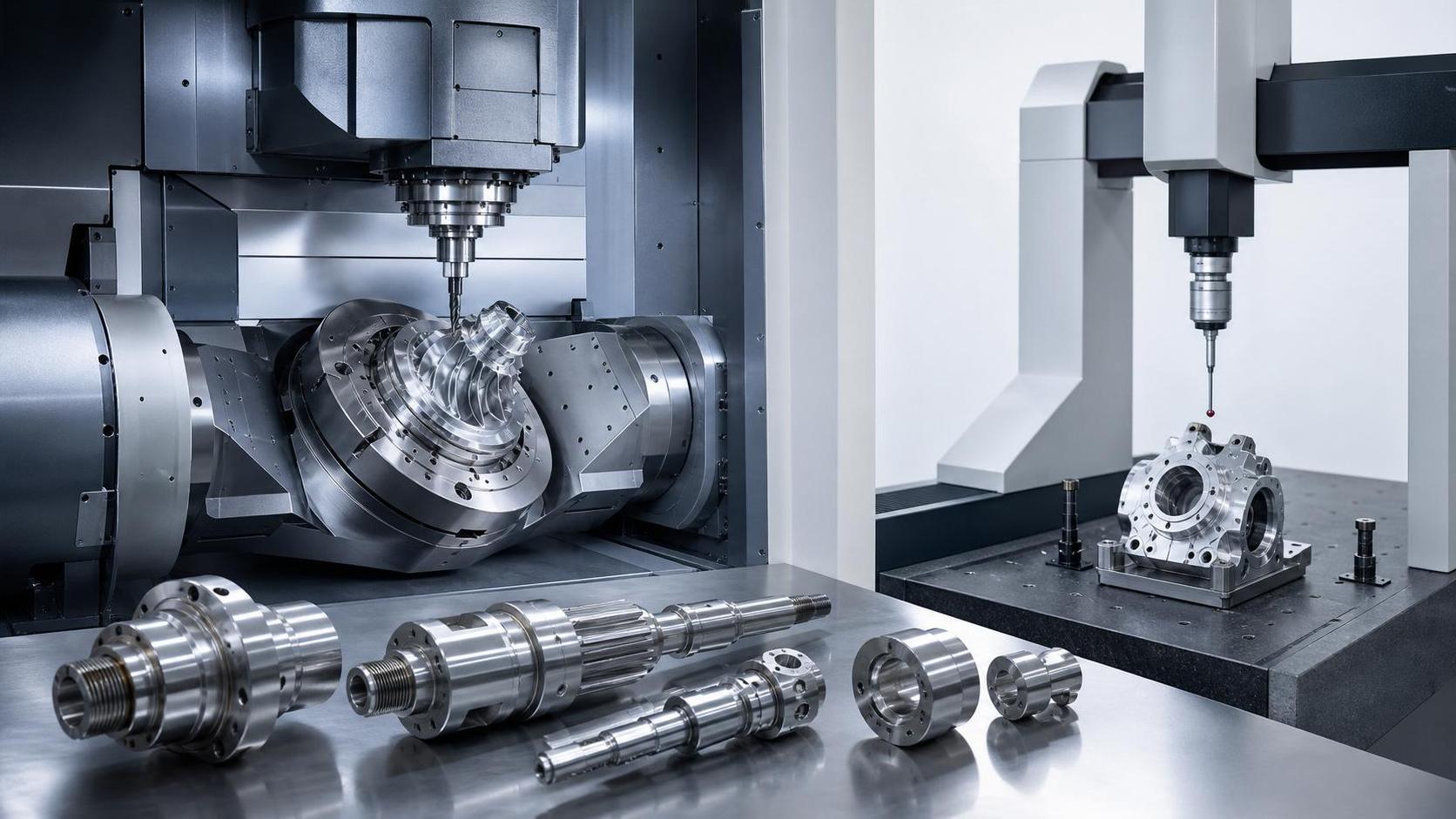
High precision CNC manufacturing sits at the center of tight-tolerance production, where parts must deliver repeatable fit, stable function, and predictable service life.
That matters across automotive, aerospace, energy equipment, medical devices, and electronics, where a few microns can affect sealing, vibration, heat transfer, or assembly accuracy.
In practice, evaluating tight-tolerance capability means looking beyond machine labels. Process choice, material behavior, tool condition, inspection discipline, and production scale all shape the real precision limit.
Where Tight-Tolerance CNC Work Creates Value
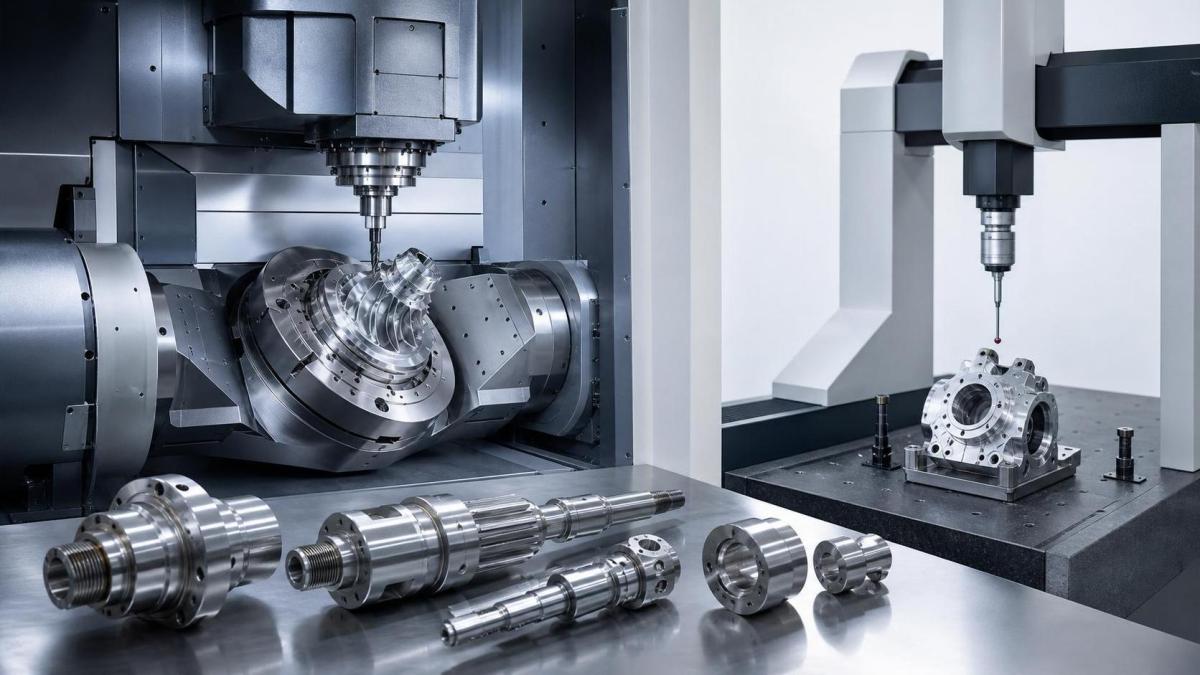
The global machine tool sector has moved toward finer precision, stronger automation, and closer digital control. That shift is not only about speed. It is about consistency under demanding manufacturing conditions.
High precision CNC manufacturing supports parts that must align with bearings, mate with housings, maintain concentricity, or hold geometric stability after thermal and mechanical loads.
This is why advanced CNC lathes, machining centers, and multi-axis systems remain essential in complex shaft production, precision discs, valve components, structural brackets, and miniature electronic hardware.
From an industry perspective, smart factories and flexible production lines have raised expectations. Buyers now expect precision, traceability, and production readiness to come together in one process chain.
What High Precision CNC Manufacturing Really Means
The term usually refers to CNC machining processes capable of holding very small dimensional variation while controlling form, position, and surface finish in a stable production environment.
It does not mean every feature on a part can reach the same tolerance. A turned outside diameter, a deep pocket, and a long thin wall behave very differently during machining.
For that reason, tight-tolerance evaluation should separate several layers of accuracy:
- Dimensional tolerance, such as diameter, thickness, or hole size.
- Geometric tolerance, such as flatness, roundness, position, or perpendicularity.
- Surface quality, including roughness and edge condition.
- Process capability over batch production, not just first-piece performance.
A supplier may machine one sample within tolerance. The harder question is whether the same result holds through tool wear, temperature drift, material variation, and multiple setups.
Core Processes Behind Tight-Tolerance Parts
No single method defines high precision CNC manufacturing. The practical route depends on part geometry, material, datum strategy, and the final tolerance stack.
Precision Turning
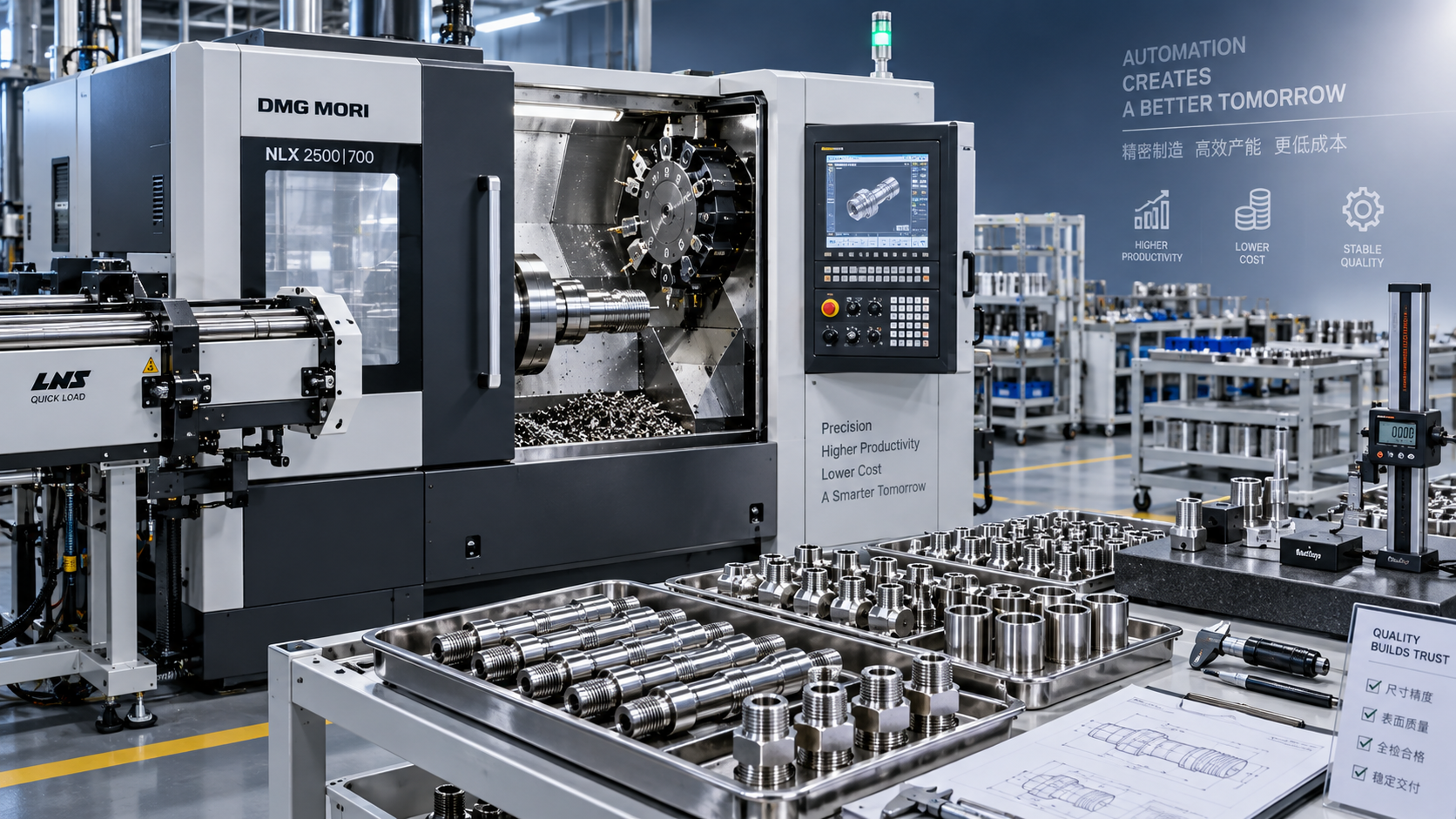
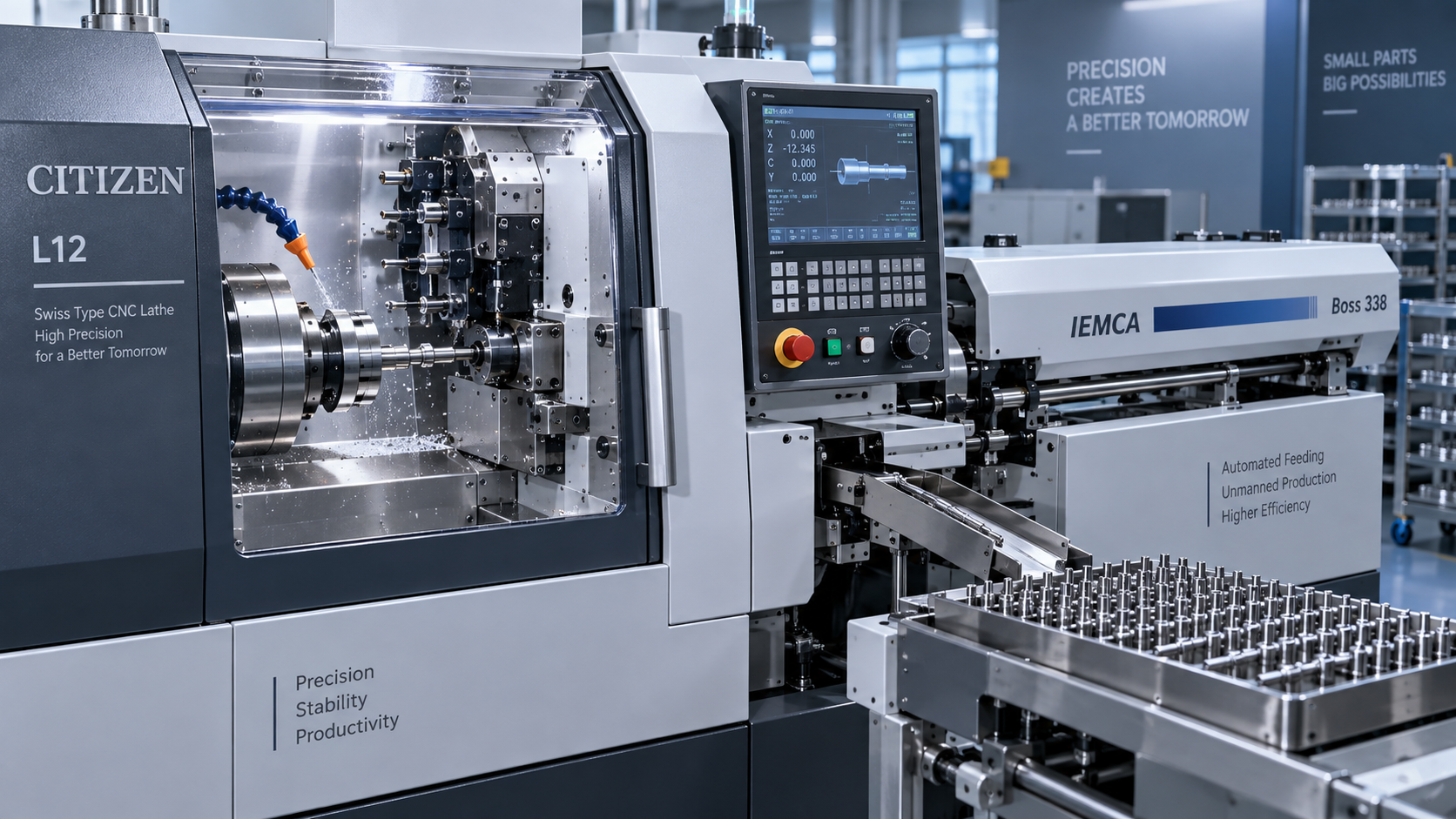
Precision CNC turning is effective for shafts, sleeves, threaded bodies, and concentric sealing features. It offers strong control of diameter, roundness, and coaxial relationships.
Live tooling and sub-spindle configurations can reduce re-clamping, which often improves positional accuracy by keeping more features inside one setup.
High-Accuracy Milling
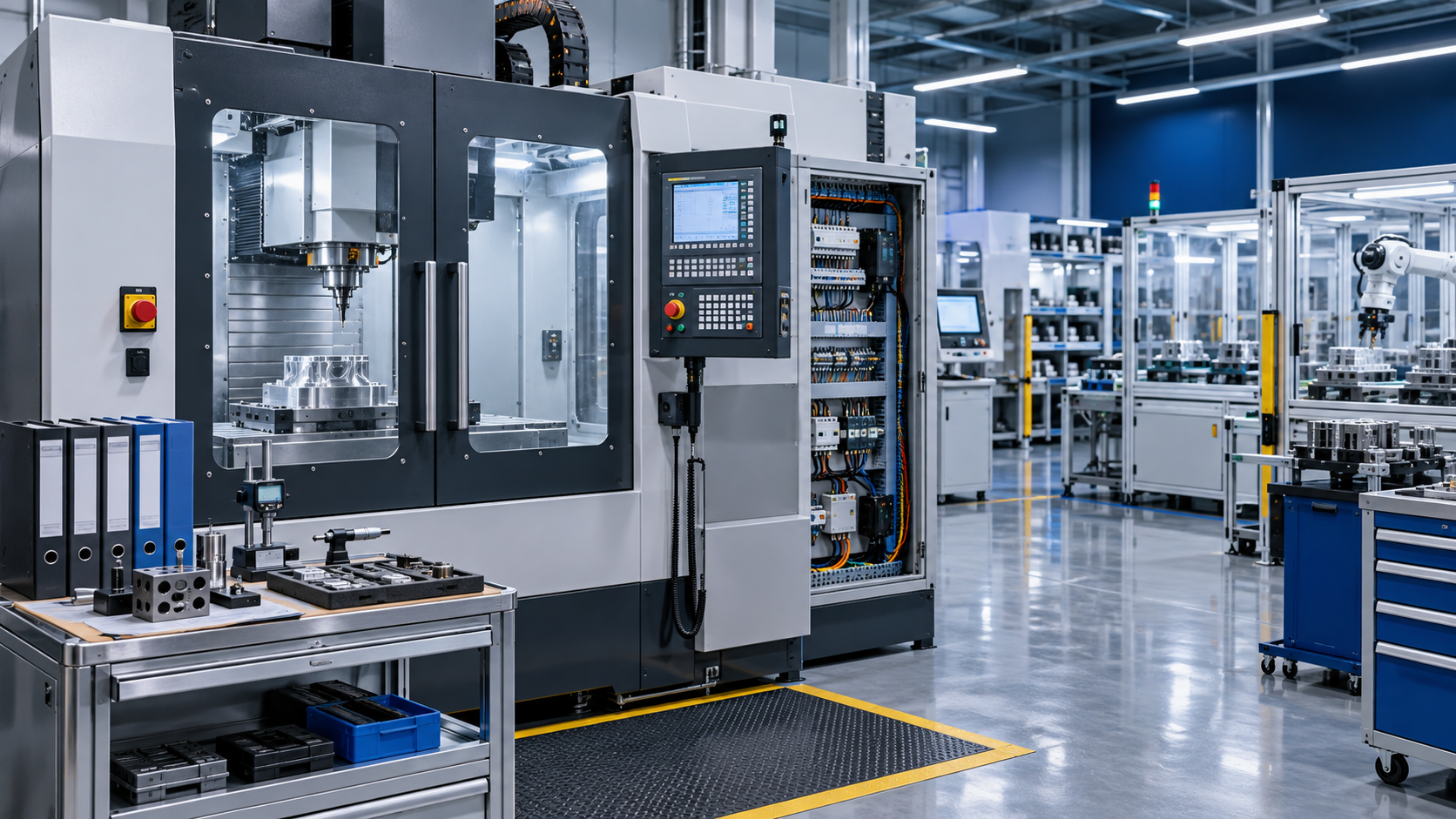
Three-axis and five-axis machining centers are widely used for housings, plates, impellers, brackets, and structural parts with multiple datum surfaces.
Five-axis machining becomes valuable when tight relationships must be maintained across angled features or when repositioning would add cumulative error.
Grinding, Honing, and Secondary Finishing
When standard cutting reaches its limit, secondary finishing often closes the gap. Grinding is common for bearing fits, sealing diameters, and surfaces needing superior roundness or finish.
Honing, lapping, and superfinishing are chosen when bore geometry, surface plateau structure, or friction behavior matters as much as nominal size.
Typical Tolerance Ranges and Their Practical Limits
Published tolerance claims can be misleading without context. Machine capability, part size, feature accessibility, and material stability all influence what is realistic.
These ranges are directional, not universal guarantees. The same tolerance on a 10 mm bore and a 600 mm rail-like part can imply very different manufacturing difficulty.
High precision CNC manufacturing also runs into economic limits. Some tolerances are technically achievable, yet unreasonable for the part function or production volume.
What Usually Controls the Final Accuracy
Machine specification matters, but process control matters more. Several variables usually decide whether tight-tolerance parts remain stable across repeated runs.
Material Response
Aluminum, stainless steel, titanium, hardened steel, and engineering plastics each react differently to cutting force and temperature. Residual stress can distort parts after roughing or heat treatment.
Tooling and Fixturing
Tool runout, wear progression, cutter balance, and clamping stiffness all affect dimensional repeatability. Even a capable machine can lose accuracy with weak fixture design.
Thermal Management
Spindle heat, coolant temperature, room variation, and part heating during long cycles can shift results. This becomes critical when tolerances move into single-digit microns.
Metrology and Data Feedback
Inspection is not only final checking. In-process probing, CMM verification, gauge studies, and statistical trend analysis allow offsets to be corrected before drift becomes scrap.
How to Judge Process Fit in Real Projects
A useful evaluation starts with the drawing, but it should not end there. The key is to connect tolerance requirements with actual part function and production context.
- Identify functional dimensions first, not every dimension equally.
- Check whether tight values apply to size, geometry, or surface behavior.
- Review datum strategy and the number of setups required.
- Ask whether tolerances reflect use conditions or legacy drawing habits.
- Confirm inspection methods match the tolerance being claimed.
This is especially important in global supply chains. Strong manufacturing clusters in China, Germany, Japan, and South Korea offer broad capability, but process discipline still varies by supplier.
For that reason, high precision CNC manufacturing should be assessed through sample history, process planning, control plans, and corrective action systems, not equipment lists alone.
Common Scenarios Where Limits Appear
Certain part conditions repeatedly create risk, even in advanced shops. Recognizing them early helps avoid unrealistic expectations and late redesign.
- Thin-wall parts that spring after unclamping.
- Deep cavities with long-reach tools and chatter risk.
- Mixed-material assemblies needing matched thermal behavior.
- Large parts requiring uniform accuracy over long distances.
- Micro-features where burr control becomes as important as size.
In these cases, a combination of staged machining, stress relief, custom workholding, or secondary finishing may be more reliable than forcing everything into one CNC cycle.
A Practical Next Step for Evaluation
The most effective next move is to turn the drawing into a process-based review. Separate critical features, assign realistic tolerance paths, and map each feature to a capable machining and inspection method.
That approach makes high precision CNC manufacturing easier to compare across suppliers, regions, and process options. It also clarifies where tighter control adds value and where it only adds cost.
When tight-tolerance parts are reviewed through function, process capability, and metrology together, decisions become more defensible and production outcomes become far more predictable.
Recommended for You
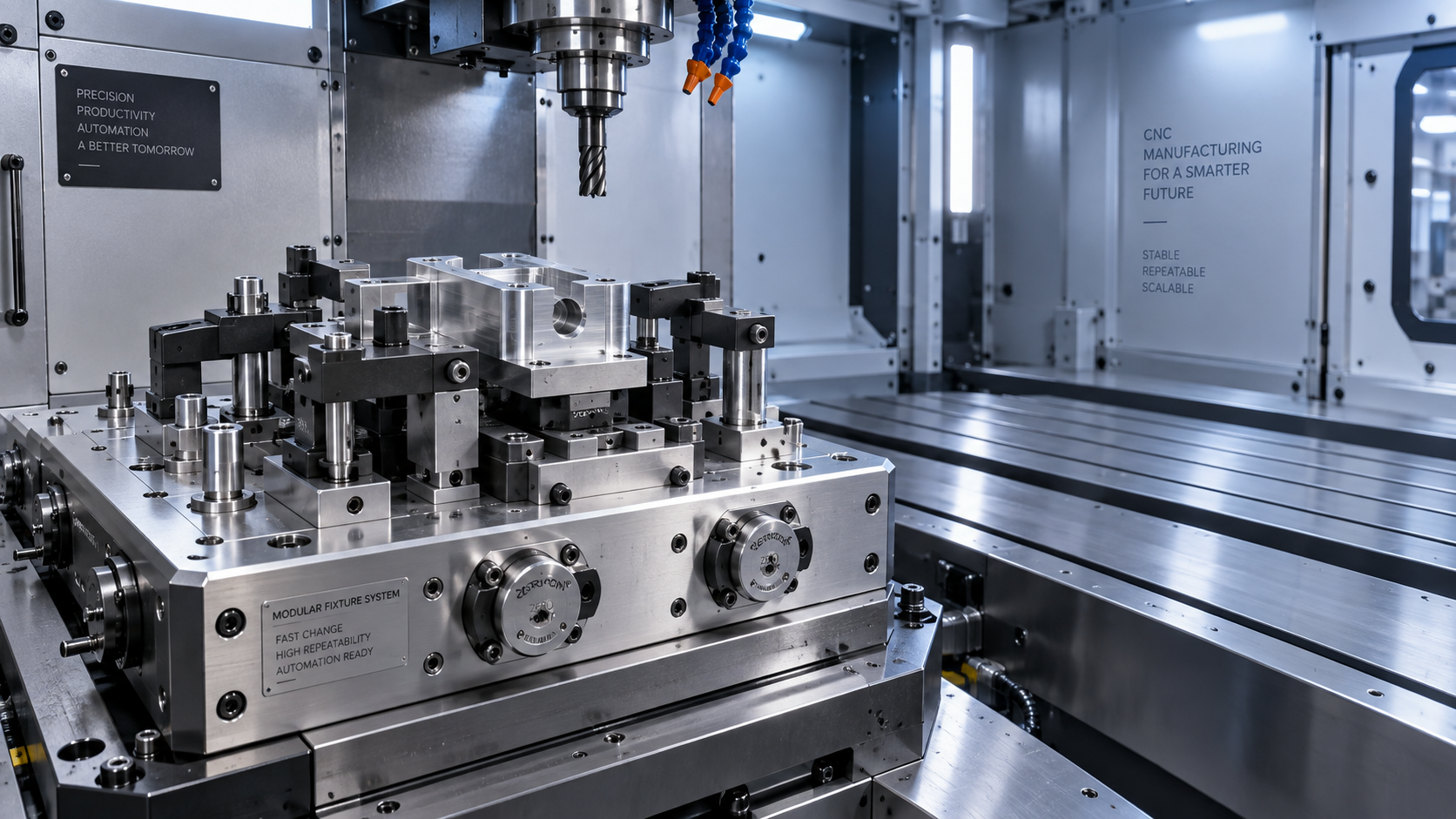
 Zero-Point Clamping or Modular Fixtures? Choosing a Faster CNC Changeover SystemCNC Machining Technology Center
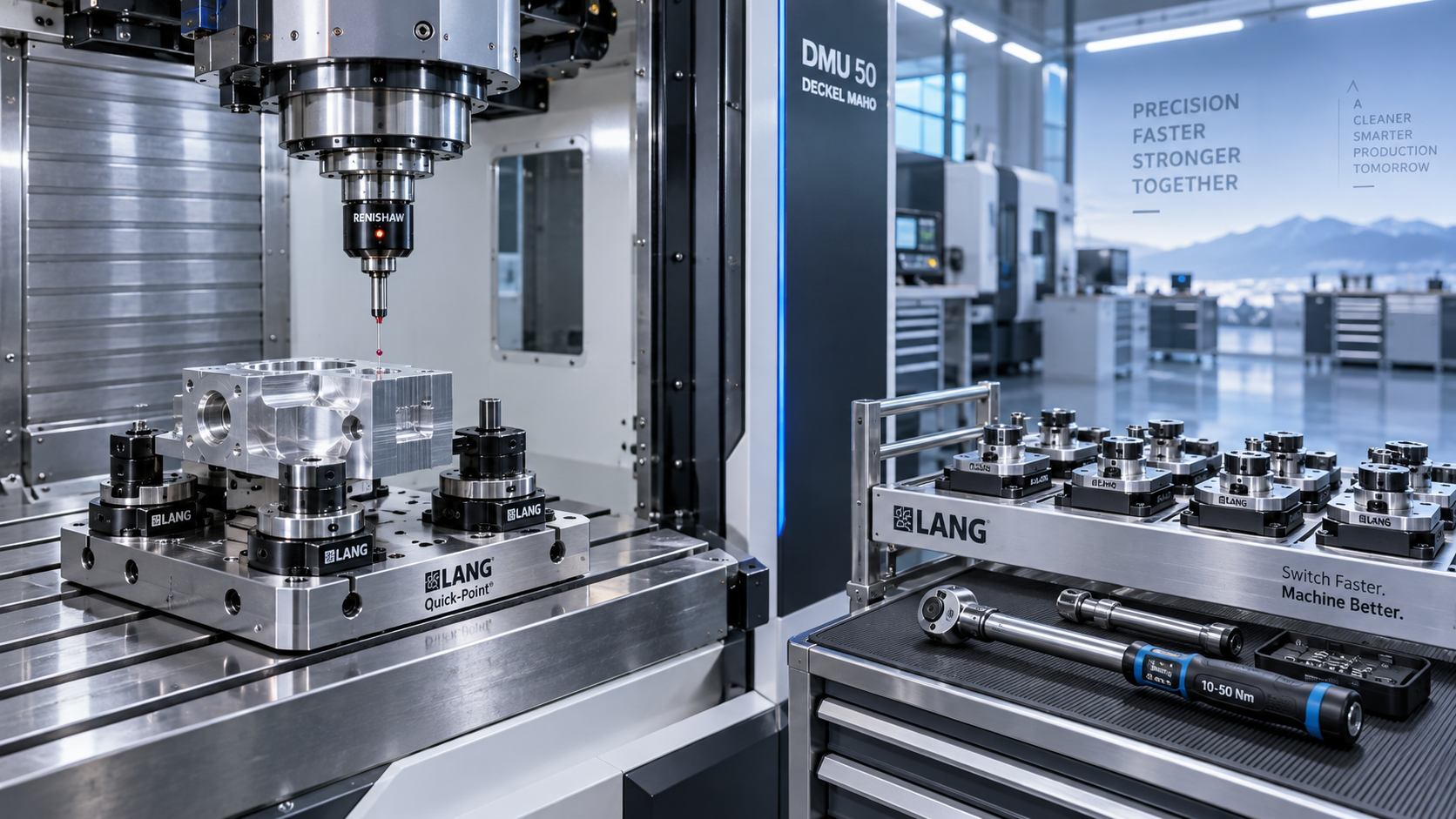
 How to Cut CNC Fixture Changeover Time Without Sacrificing Part AccuracyCNC Machining Technology Center
 When Does CNC Turning Pay Off? A Break-Even Guide by Annual Part VolumeMachine Tool Industry Editorial Team
 Machine Tool Standards by Country: What Importers Must Verify Before PurchaseManufacturing Policy Research Center
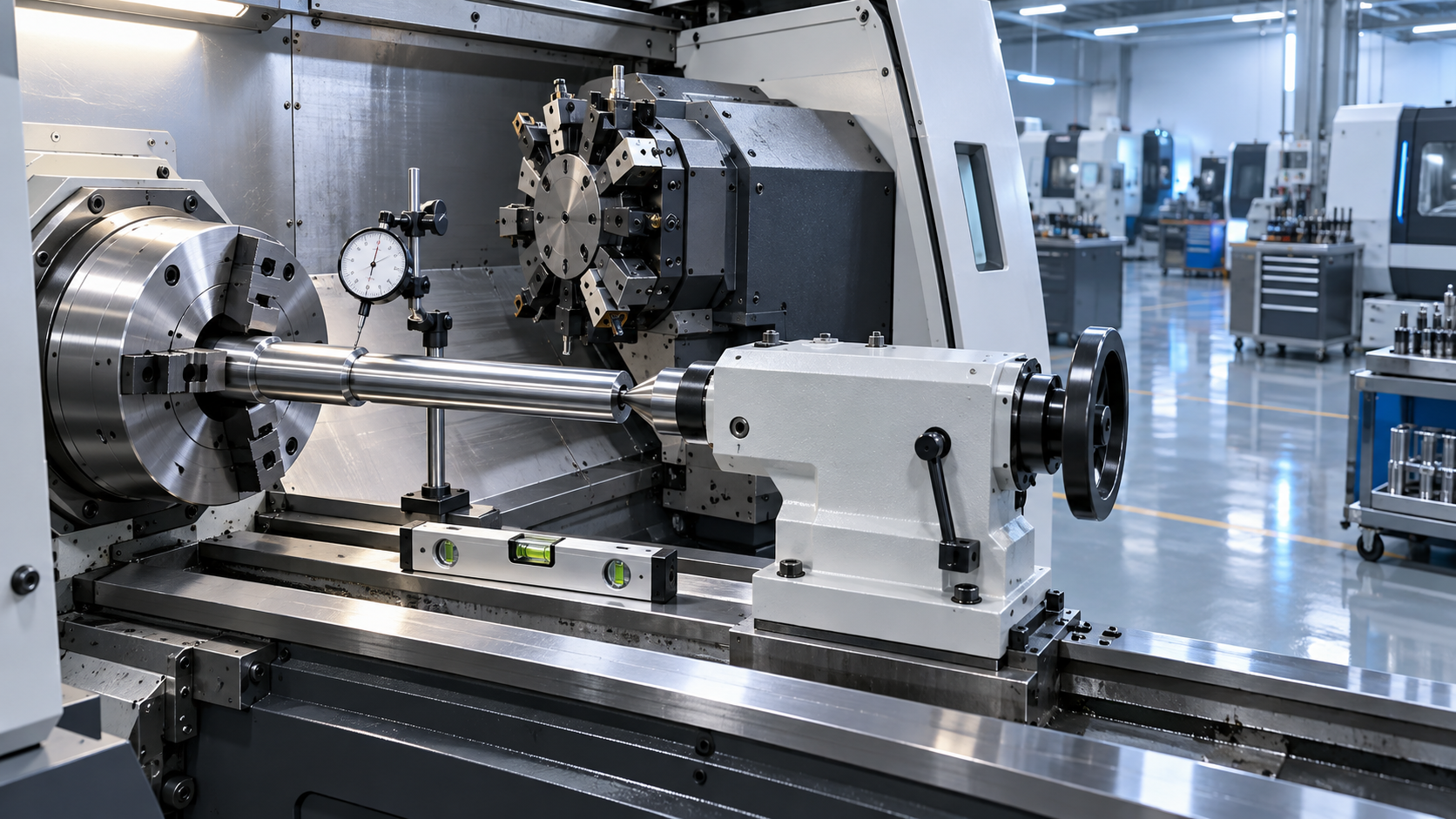
 CNC Lathe Quick Installation Guide: Alignment Checks Before First Production RunCNC Machining Technology Center
 How to Select a CNC Lathe for Small Parts Without Sacrificing Accuracy or Cycle TimeCNC Machining Technology Center

Aris Katos
Future of Carbide Coatings
15+ years in precision manufacturing systems. Specialized in high-speed milling and aerospace grade alloy processing.
▶
How Does Precision Machining Differ From Standard Machining?CNC Machining Technology Center▶
CNC Precision: Which Tolerances, Materials, and Processes Fit Your Part?CNC Machining Technology Center▶
How to Choose Metal Machining Processes for Tight Tolerances and Production VolumeCNC Machining Technology Center▶
Production Process Explained: Key Stages, Controls, and Quality CheckpointsCNC Machining Technology Center▶
How to Select a Machine Tool for Electronics Manufacturing with Tight Tolerance NeedsCNC Machining Technology Center
Mastering 5-Axis Workholding Strategies
Join our technical panel on Nov 15th to learn about reducing vibrations in thin-wall components.

Providing you with integrated sanding solutions
Before-sales and after-sales services
Comprehensive technical support