• Global CNC market projected to reach $128B by 2028 • New EU trade regulations for precision tooling components • Aerospace deman
NYSE: CNC +1.2%LME: STEEL -0.4%

What Materials and Tolerances Is High Precision CNC Manufacturing Best Suited For?
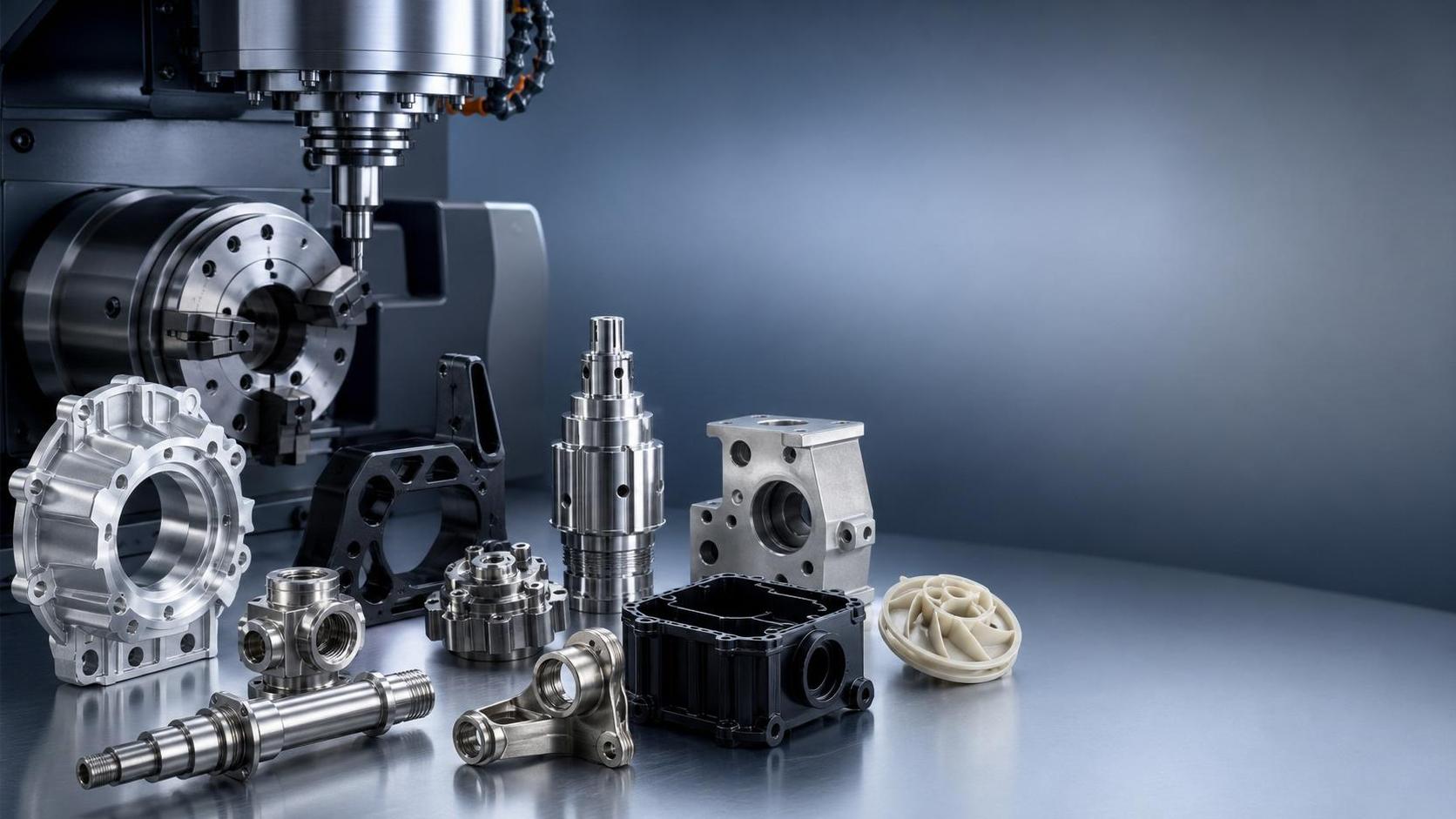
What Materials and Tolerances Is High Precision CNC Manufacturing Best Suited For?
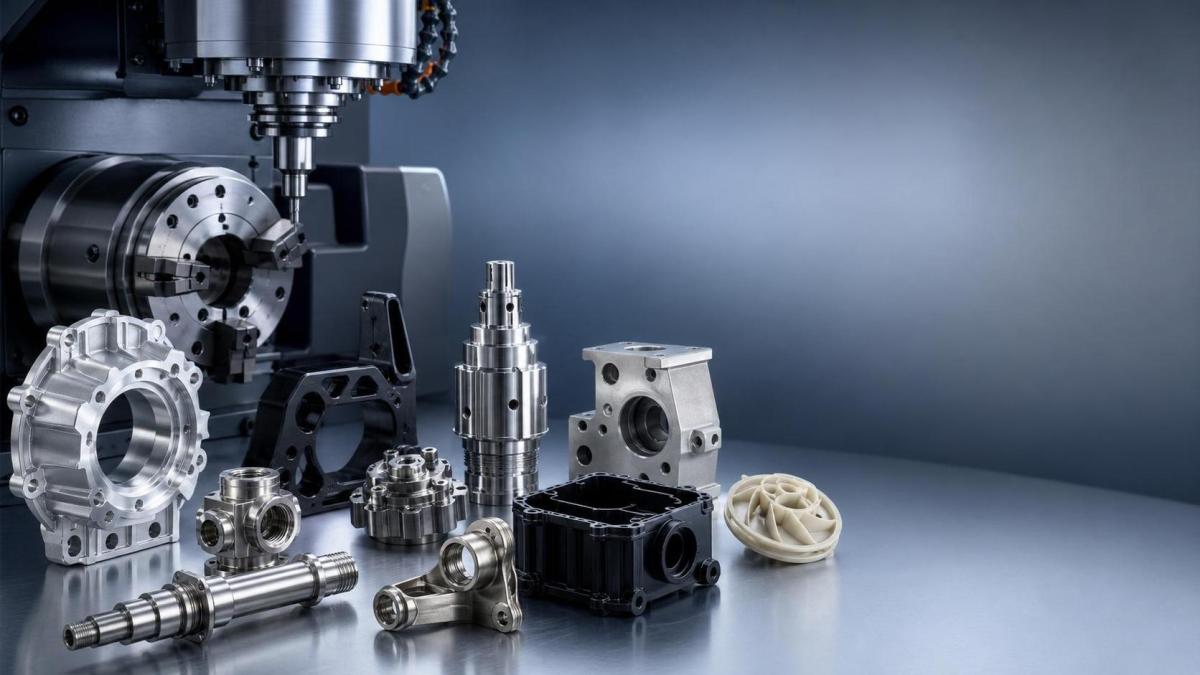
For many production teams, part quality is decided long before machining starts.
Material choice, tolerance targets, and process stability shape cost, lead time, and downstream risk.
That is where high precision CNC manufacturing becomes especially valuable.
It performs best when parts need repeatable dimensions, consistent surface quality, and dependable results across batches.
In practical terms, that includes aerospace brackets, medical housings, valve components, tooling inserts, electronic fixtures, and precision shafts.
The question is not whether CNC can machine them.
The real question is which materials and tolerances actually justify high precision CNC manufacturing.
That distinction matters because tighter control adds inspection, setup time, tooling demands, and process discipline.
Used well, it reduces scrap and protects assembly performance.
Used without a clear reason, it raises cost without improving function.
Where High Precision CNC Manufacturing Delivers the Most Value
High precision CNC manufacturing is best suited for components with strict fit, motion, sealing, or alignment requirements.
These parts usually interact with bearings, fasteners, mating faces, sensors, or fluid paths.
Even small variation can create vibration, leakage, rework, or assembly delays.
This is why high precision CNC manufacturing is common in regulated and performance-driven industries.
- Aerospace parts with weight, strength, and tolerance constraints
- Automotive powertrain and EV components with repeatability needs
- Energy equipment exposed to pressure, heat, or wear
- Electronics tooling and housings requiring accurate positioning
- Industrial automation parts that support multi-step assembly lines
From a planning standpoint, the best candidates share one trait.
Their dimensional accuracy directly affects product performance, not just cosmetic appearance.
Best Materials for High Precision CNC Manufacturing
Material behavior has a major impact on whether high precision CNC manufacturing will be efficient and reliable.
Some materials cut cleanly and hold dimensions well.
Others deform under heat, create burrs, or wear tools quickly.
Aluminum Alloys
Aluminum is one of the strongest matches for high precision CNC manufacturing.
Grades like 6061, 7075, and 2024 offer good machinability, strong strength-to-weight ratios, and stable performance.
They are widely used for housings, brackets, fixtures, frames, and structural components.
Aluminum also supports fast cycle times, which helps balance precision with production throughput.
Stainless Steel
Stainless steel is ideal when corrosion resistance and mechanical durability matter more than speed.
Common grades include 303, 304, 316, and 17-4 PH.
High precision CNC manufacturing handles these materials well, but process control becomes more important.
Heat buildup, tool wear, and work hardening can affect surface finish and tolerance consistency.
Titanium and High-Performance Alloys
Titanium, Inconel, and similar alloys are often chosen for demanding environments.
They offer excellent strength, heat resistance, and fatigue performance.
They are also harder to machine, so high precision CNC manufacturing must use optimized tools, stable fixturing, and conservative parameters.
These materials make sense when part failure is expensive and performance margins are tight.
Engineering Plastics
High precision CNC manufacturing is also well suited for plastics such as PEEK, PTFE, Delrin, nylon, and UHMW.
These materials are useful for insulators, wear parts, guides, seals, and lightweight assemblies.
However, plastics react more strongly to temperature and clamping pressure.
That means the machining strategy must account for expansion, creep, and moisture sensitivity.
Typical Tolerances That Make Sense
Not every part needs extreme tolerance control.
A practical tolerance strategy starts with function, then maps to process capability.
In many applications, standard CNC tolerance is enough for non-critical features.
High precision CNC manufacturing becomes the better choice when features must reliably hold tighter windows.
These numbers are only useful when tied to actual design intent.
For example, a ±0.005 mm callout on a cosmetic edge rarely creates value.
The same tolerance on a valve seat or sensor mount can be essential.
How Material Choice Affects Tolerance Performance
Material and tolerance should never be evaluated separately.
A tolerance that is routine in aluminum may be expensive in stainless steel and risky in plastic.
That is one reason high precision CNC manufacturing requires early engineering alignment.
- Soft materials may deflect during cutting or clamping
- Hard alloys can accelerate tool wear and drift
- Thin-wall parts are more likely to distort after machining
- Thermally sensitive plastics may change after inspection
In real manufacturing environments, capability depends on machine condition, tooling, coolant, fixture design, and inspection method.
So the best material for high precision CNC manufacturing is usually the one that meets performance needs without forcing unnecessary process risk.
A Practical Selection Framework
When evaluating a new part, a simple framework helps avoid overengineering.
- Identify which features affect fit, load, sealing, conductivity, or movement.
- Assign tighter tolerances only to those critical features.
- Choose materials with stable machining behavior and proven field performance.
- Review whether secondary finishing changes size or surface condition.
- Confirm inspection methods before release, not after production starts.
This approach keeps high precision CNC manufacturing focused on value-producing requirements.
It also improves quoting accuracy and lowers the chance of redesign during pilot builds.
More importantly, it gives sourcing, quality, and engineering teams a shared decision basis.
Common Mistakes That Increase Cost
Many avoidable cost problems come from tolerance decisions that are disconnected from function.
- Applying tight tolerances to every feature on the drawing
- Selecting exotic alloys when standard materials already meet requirements
- Ignoring thermal expansion in plastic or mixed-material assemblies
- Overlooking the effect of anodizing, coating, or heat treatment
- Assuming prototype capability will scale directly to production volumes
High precision CNC manufacturing can solve difficult production challenges, but it works best with disciplined requirements.
Clear feature priorities usually save more money than aggressive cost negotiation later.
Final Takeaway
High precision CNC manufacturing is best suited for parts where material performance and dimensional control directly affect function.
Aluminum, stainless steel, titanium alloys, and engineering plastics are all strong candidates when matched to the right application.
The most effective tolerance strategy is selective, not extreme.
Use tight tolerances where they protect fit, motion, sealing, or repeatability.
Relax them where they do not change performance.
That is usually the fastest path to production-ready parts with controlled cost.
When reviewing your next component, start by linking each critical feature to a material behavior and a measurable tolerance outcome.
Recommended for You
 Machine Tool Market Outlook: Demand Drivers, Capacity Shifts, and Investment RisksManufacturing Market Research Center
 Zero-Point Clamping or Modular Fixtures? Choosing a Faster CNC Changeover SystemCNC Machining Technology Center
 How to Cut CNC Fixture Changeover Time Without Sacrificing Part AccuracyCNC Machining Technology Center
 When Does CNC Turning Pay Off? A Break-Even Guide by Annual Part VolumeMachine Tool Industry Editorial Team
 Machine Tool Standards by Country: What Importers Must Verify Before PurchaseManufacturing Policy Research Center
 CNC Lathe Quick Installation Guide: Alignment Checks Before First Production RunCNC Machining Technology Center

Aris Katos
Future of Carbide Coatings
15+ years in precision manufacturing systems. Specialized in high-speed milling and aerospace grade alloy processing.
▶
How Does Precision Machining Differ From Standard Machining?CNC Machining Technology Center▶
CNC Precision: Which Tolerances, Materials, and Processes Fit Your Part?CNC Machining Technology Center▶
How to Choose Metal Machining Processes for Tight Tolerances and Production VolumeCNC Machining Technology Center▶
Production Process Explained: Key Stages, Controls, and Quality CheckpointsCNC Machining Technology Center▶
How to Select a Machine Tool for Electronics Manufacturing with Tight Tolerance NeedsCNC Machining Technology Center
Mastering 5-Axis Workholding Strategies
Join our technical panel on Nov 15th to learn about reducing vibrations in thin-wall components.

Providing you with integrated sanding solutions
Before-sales and after-sales services
Comprehensive technical support