• Global CNC market projected to reach $128B by 2028 • New EU trade regulations for precision tooling components • Aerospace deman
NYSE: CNC +1.2%LME: STEEL -0.4%

Optimized Machining Process for Stainless Steel: How to Reduce Burrs, Heat, and Tool Wear
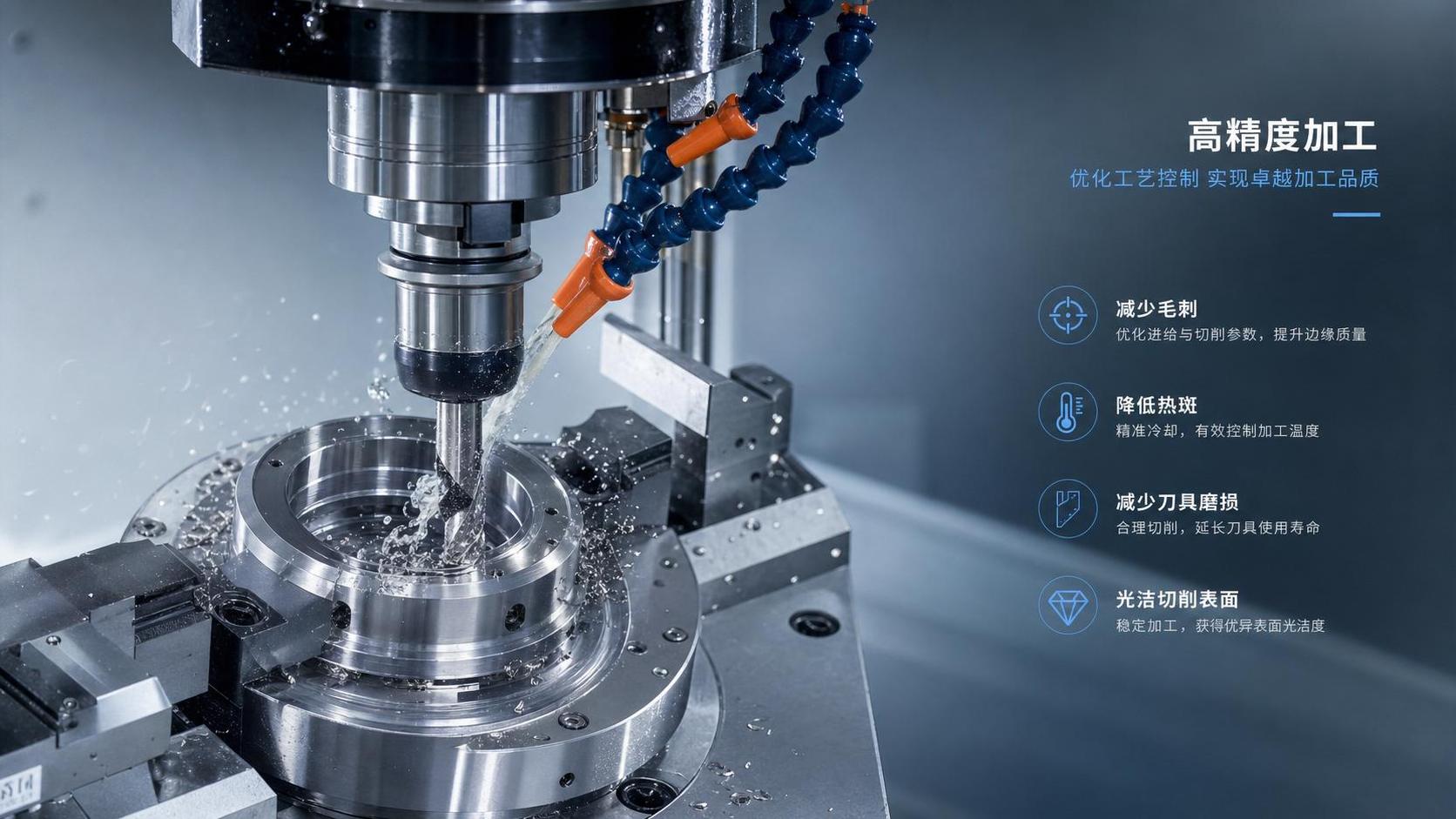
Why does stainless steel create so many burrs, heat spots, and worn tools?
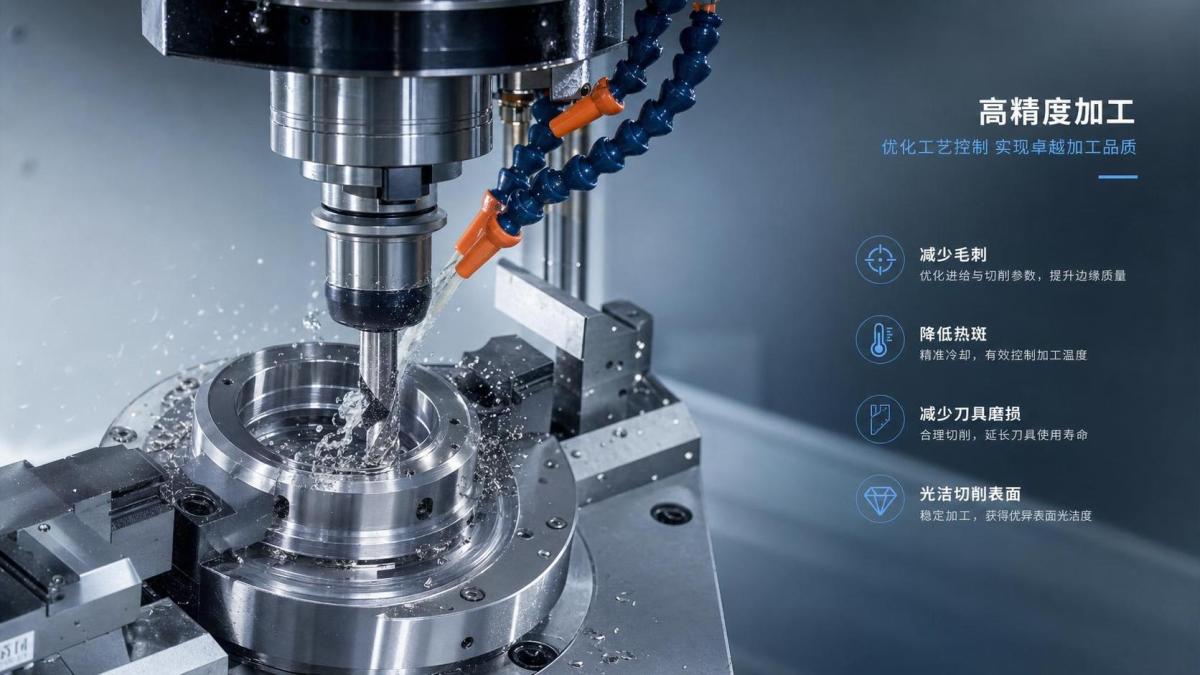
Optimized Machining Process for stainless steel matters because this material resists cutting in several ways at once.
It is tough, elastic, and prone to work hardening. That combination often causes rubbing before clean shearing begins.
Once rubbing starts, edge temperature rises fast. Then burrs grow larger, chip control becomes unstable, and tool wear accelerates.
In practical production, the issue is not only the material itself. Machine rigidity, holder condition, coolant delivery, and program strategy all interact.
That is why an Optimized Machining Process for stainless steel should be treated as a system, not just a cutting speed adjustment.
This matters across modern CNC environments, from automotive shafts to aerospace brackets and energy equipment components.
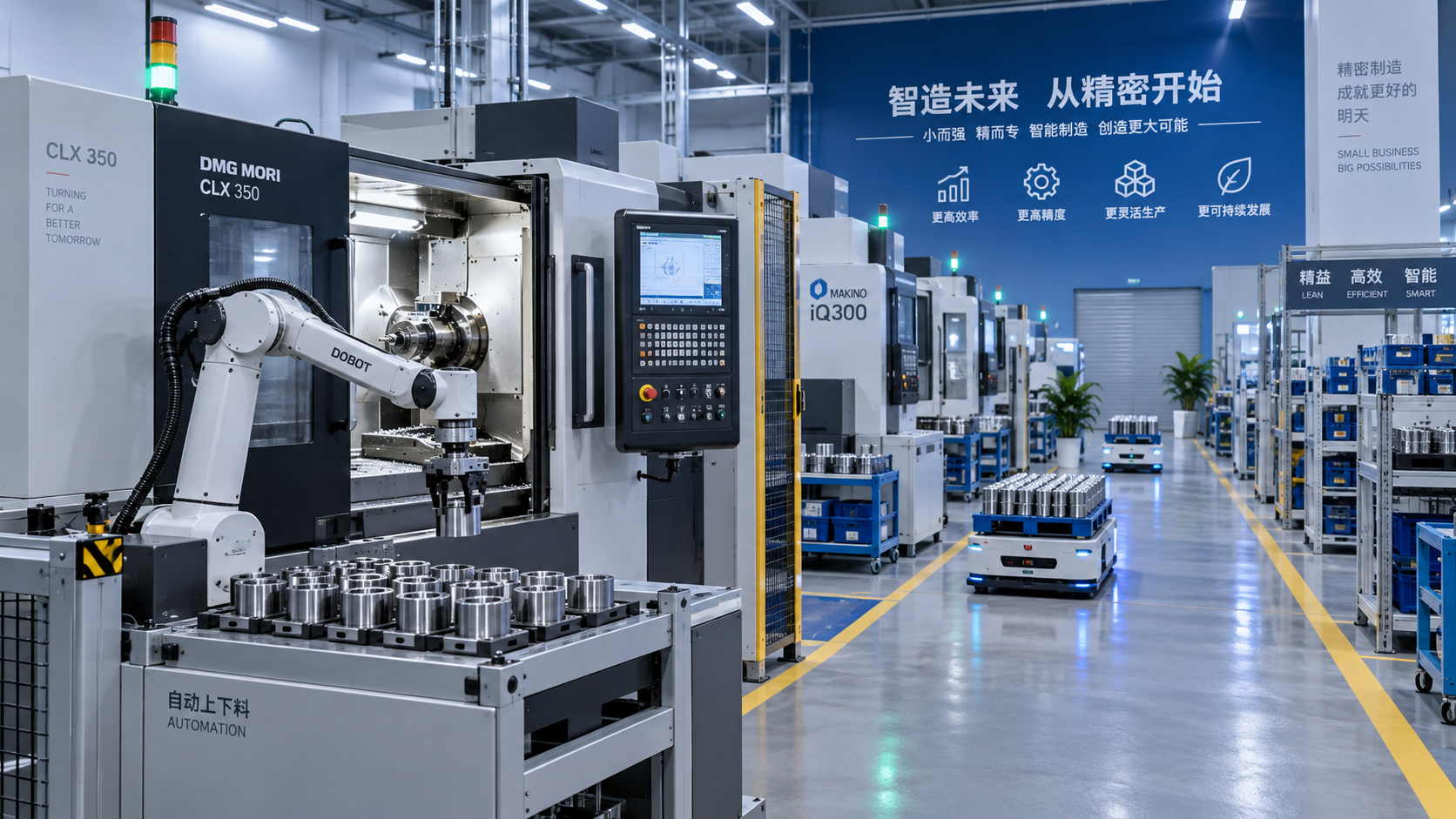
As smart manufacturing expands, stable stainless steel cutting also supports automation, repeatability, and lower intervention on the shop floor.
What usually goes wrong first when the process is not optimized?
The first visible sign is often a heavier burr on exits, slot edges, and cross holes.
A second warning is color change near the cut zone. Blue chips or dark tool marks usually point to excessive heat.
Then tool life becomes inconsistent. One insert lasts normally, while the next fails early with chipping or crater wear.
Surface finish also begins to drift. Parts may still measure correctly, but the texture looks torn rather than cut.
A useful way to judge the situation is to connect the symptom with the likely cause before changing everything at once.
This kind of diagnosis keeps the Optimized Machining Process for stainless steel focused and measurable.
Which cutting parameters help reduce burrs without increasing heat?
A common mistake is lowering feed too much in order to chase a cleaner edge.
In stainless steel, that often increases rubbing. The result is more heat, more work hardening, and sometimes an even worse burr.
More often, a stable medium feed with a sharp edge performs better than a very light finishing pass.
Cutting speed should match grade, insert coating, and operation type. Austenitic grades usually need careful heat control.
Depth of cut also matters. Extremely shallow cuts can slide on hardened material instead of penetrating it cleanly.
In actual application, parameter changes work best when tested in small steps and logged by tool life, burr size, and finish.
- Raise feed slightly if the edge shows rubbing marks.
- Reduce speed first when heat discoloration appears.
- Avoid ultra-light finishing cuts on work-hardened surfaces.
- Keep engagement steady to prevent sudden edge loading.
An Optimized Machining Process for stainless steel is rarely built on a single number. It comes from balancing chip formation and thermal control.
How do tooling and coolant choices change the result?
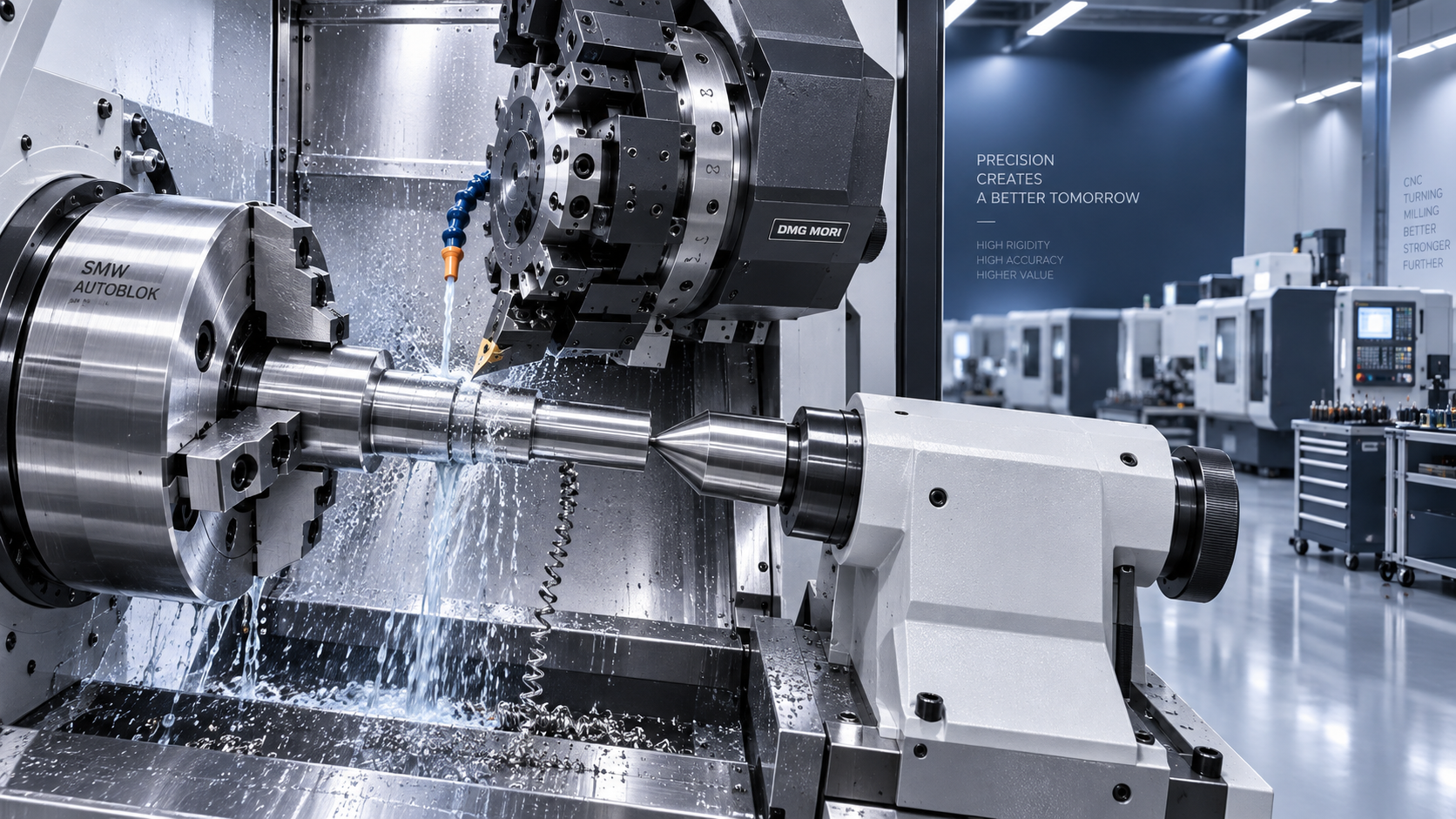
Tool geometry often decides whether stainless steel cuts cleanly or smears across the edge.
Sharper positive geometry lowers cutting force, which helps on thin walls and less rigid setups.
For heavier roughing, edge strength becomes more important. A stronger insert may protect life, even if finish needs a later pass.
Coating selection should support heat resistance without sacrificing edge sharpness. That balance changes between turning, drilling, and milling.
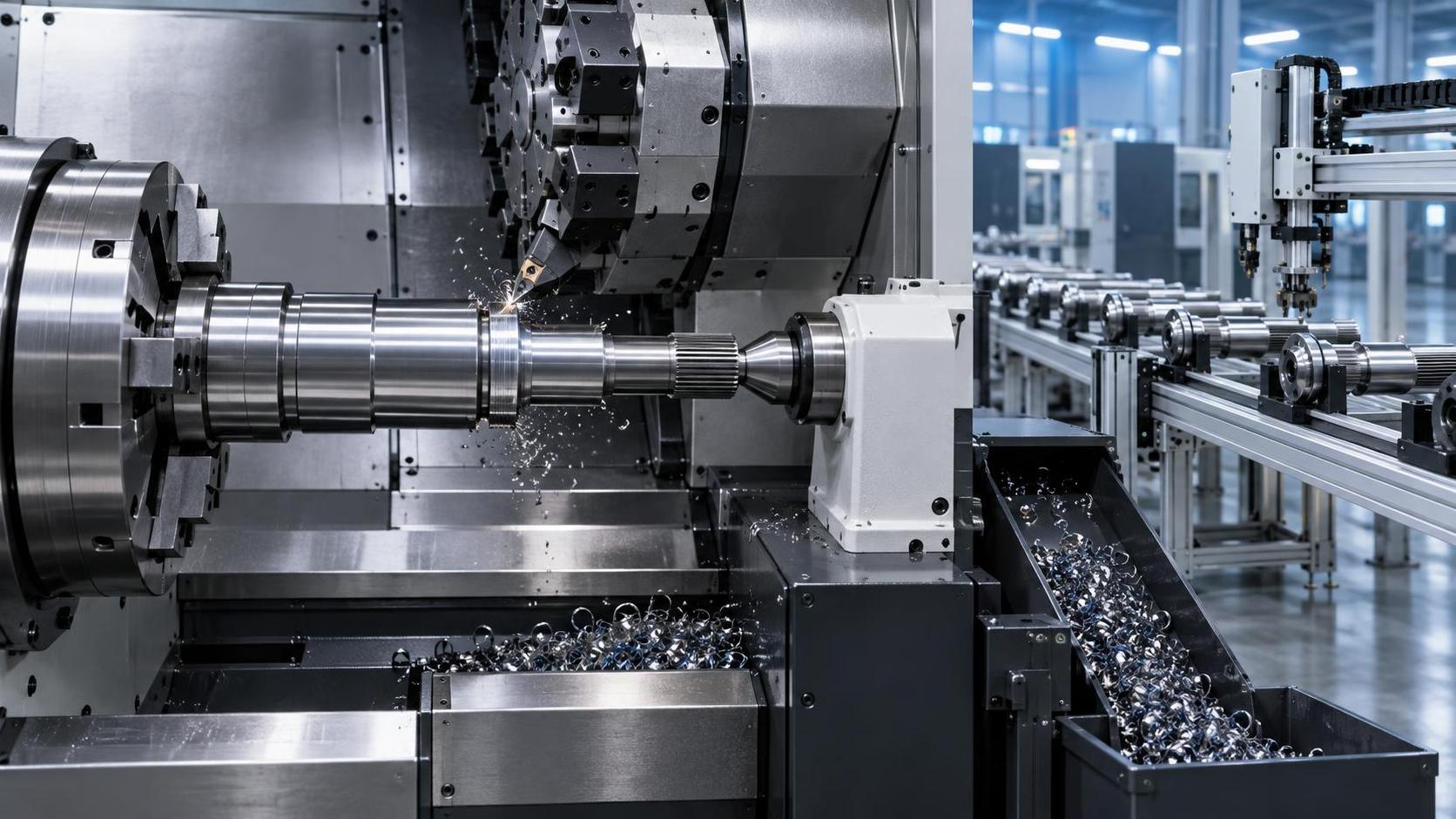
Coolant is equally important. Flood coolant helps many jobs, but poor nozzle direction can leave the hottest zone untouched.
High-pressure coolant is often worthwhile for deep holes, stringy chips, and interrupted evacuation paths.
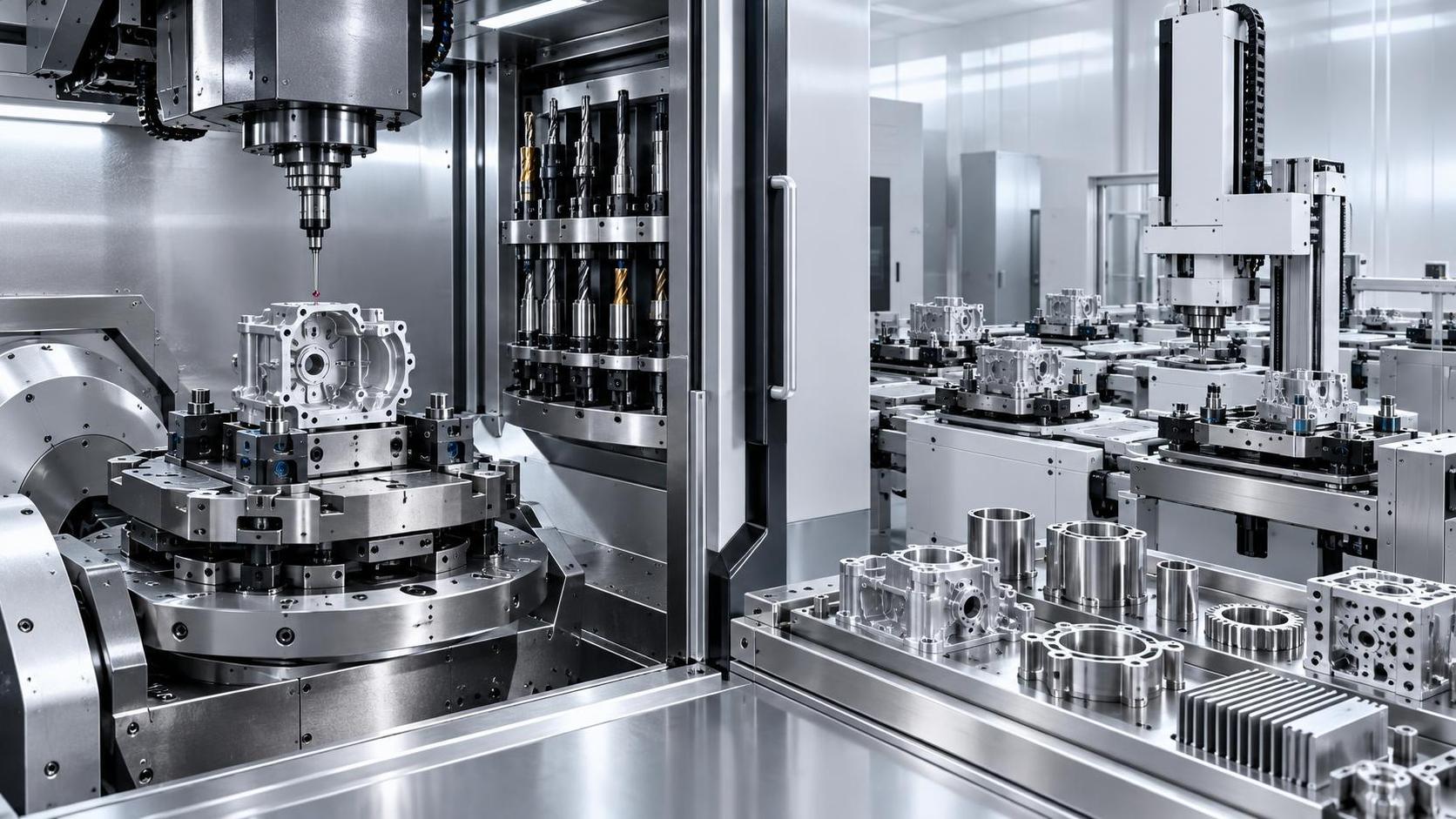
Through-tool delivery is especially useful on modern machining centers and multi-axis systems where chip congestion harms consistency.
In flexible production lines, stable coolant delivery reduces intervention and supports better unattended machining windows.
A quick comparison before changing tools
Are machine setup and toolpath strategy as important as speed and feed?
Yes, and sometimes they matter more than a small parameter change.
Runout, weak clamping, and vibration increase burr formation because the edge stops cutting consistently.
A rigid setup lets the insert shear material cleanly instead of bouncing across the surface.
Toolpath strategy also affects thermal load. Long continuous engagement can trap heat, especially in pockets and grooves.
A better approach may include smoother entry, constant engagement, and chip-clearing moves where needed.
For drilling, peck cycles should be chosen carefully. Too frequent pecking may increase cycle time without solving heat at the cutting edge.
For milling, climb cutting often improves edge quality, but only if machine backlash and workholding are under control.
This is where digital integration helps. Monitoring spindle load, vibration patterns, and tool life trends makes the process easier to standardize.
What are the most common mistakes in an Optimized Machining Process for stainless steel?
One common mistake is assuming slower always means safer. In stainless steel, slow cutting can increase contact time and heat concentration.
Another is keeping a worn tool in production because dimensions still pass inspection. Burr size and heat often worsen before dimensions fail.
Some setups also use the same strategy for every stainless grade. That creates trouble because 303, 304, 316, and duplex behave differently.
Coolant concentration is another overlooked factor. Poor concentration reduces lubrication and can make built-up edge appear sooner.
There is also a planning mistake: optimizing only cycle time while ignoring deburring time, scrap risk, and insert consumption.
- Do not judge success by cycle time alone.
- Check burr trend before tool failure becomes visible.
- Separate settings by material grade and operation.
- Verify coolant aim, pressure, and concentration together.
A reliable Optimized Machining Process for stainless steel reduces total handling, not just spindle minutes.
How should you improve the process without disrupting production?
The best path is controlled improvement, not a full reset.
Start with one part family and record burr size, tool life, spindle load, coolant condition, and actual chip shape.
Then change one major variable at a time. In most cases, that means feed, speed, insert geometry, or coolant delivery.
Compare not only part finish, but also rework time and edge consistency across the batch.
For automated or semi-automated lines, document the winning condition clearly so shifts and machines stay aligned.
That discipline is increasingly important in global CNC machining, where quality targets, traceability, and repeatability continue to tighten.
In simple terms, an Optimized Machining Process for stainless steel is built by linking material behavior with tooling, machine condition, and data-backed adjustment.
If cleaner edges, lower heat, and longer tool life are the goal, the next step is practical: standardize checks, compare results, and refine the process by evidence.
Recommended for You
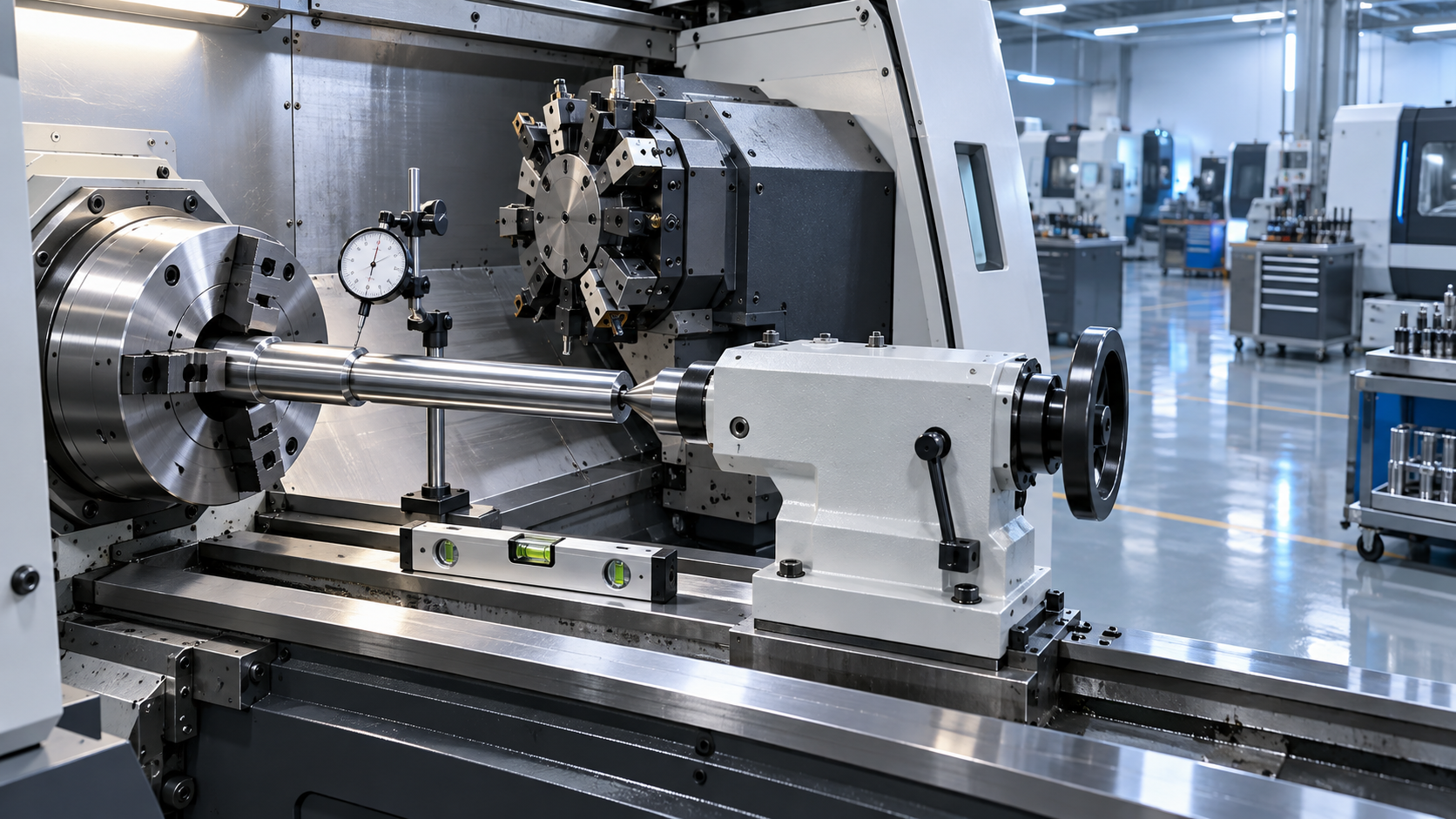
 CNC Lathe Quick Installation Guide: Alignment Checks Before First Production RunCNC Machining Technology Center
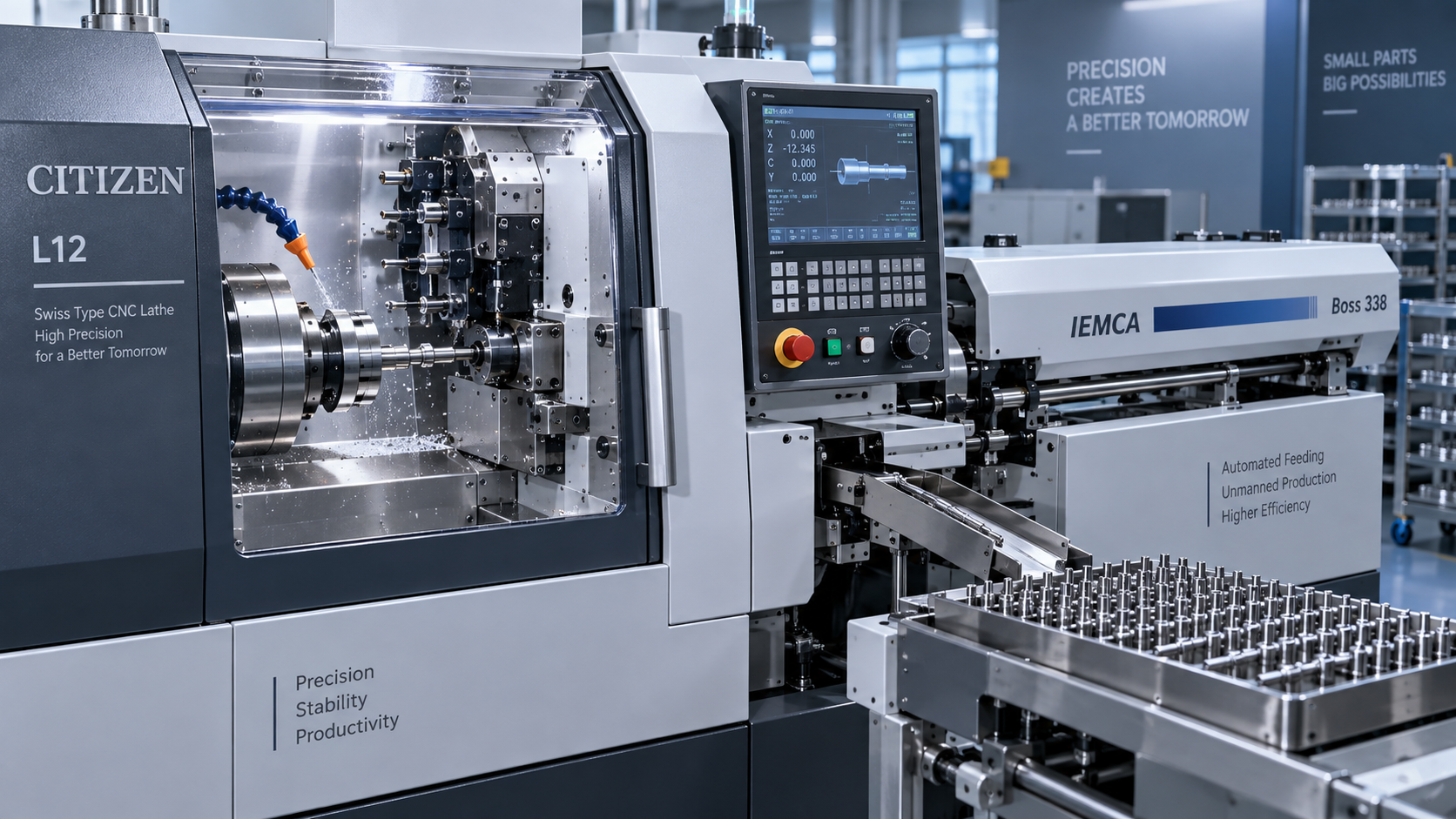
 How to Select a CNC Lathe for Small Parts Without Sacrificing Accuracy or Cycle TimeCNC Machining Technology Center
 How to Select a Slant Bed Lathe for High-Precision Shaft and Chuck WorkCNC Machining Technology Center
 Smart Manufacturing for Small Businesses: Where Automation Delivers the Fastest ROIMachine Tool Industry Editorial Team
 How to Specify a CNC Lathe for High-Volume Automotive Shaft ProductionCNC Machining Technology Center
 How Automated Precision Machining Maintains Tolerance in High-Mix ProductionCNC Machining Technology Center

Aris Katos
Future of Carbide Coatings
15+ years in precision manufacturing systems. Specialized in high-speed milling and aerospace grade alloy processing.
▶
How Does Precision Machining Differ From Standard Machining?CNC Machining Technology Center▶
CNC Precision: Which Tolerances, Materials, and Processes Fit Your Part?CNC Machining Technology Center▶
How to Choose Metal Machining Processes for Tight Tolerances and Production VolumeCNC Machining Technology Center▶
Production Process Explained: Key Stages, Controls, and Quality CheckpointsCNC Machining Technology Center▶
How to Select a Machine Tool for Electronics Manufacturing with Tight Tolerance NeedsCNC Machining Technology Center
Mastering 5-Axis Workholding Strategies
Join our technical panel on Nov 15th to learn about reducing vibrations in thin-wall components.

Providing you with integrated sanding solutions
Before-sales and after-sales services
Comprehensive technical support