• Global CNC market projected to reach $128B by 2028 • New EU trade regulations for precision tooling components • Aerospace deman
NYSE: CNC +1.2%LME: STEEL -0.4%

CNC Metal Lathe Selection Mistakes That Increase Rework Rates
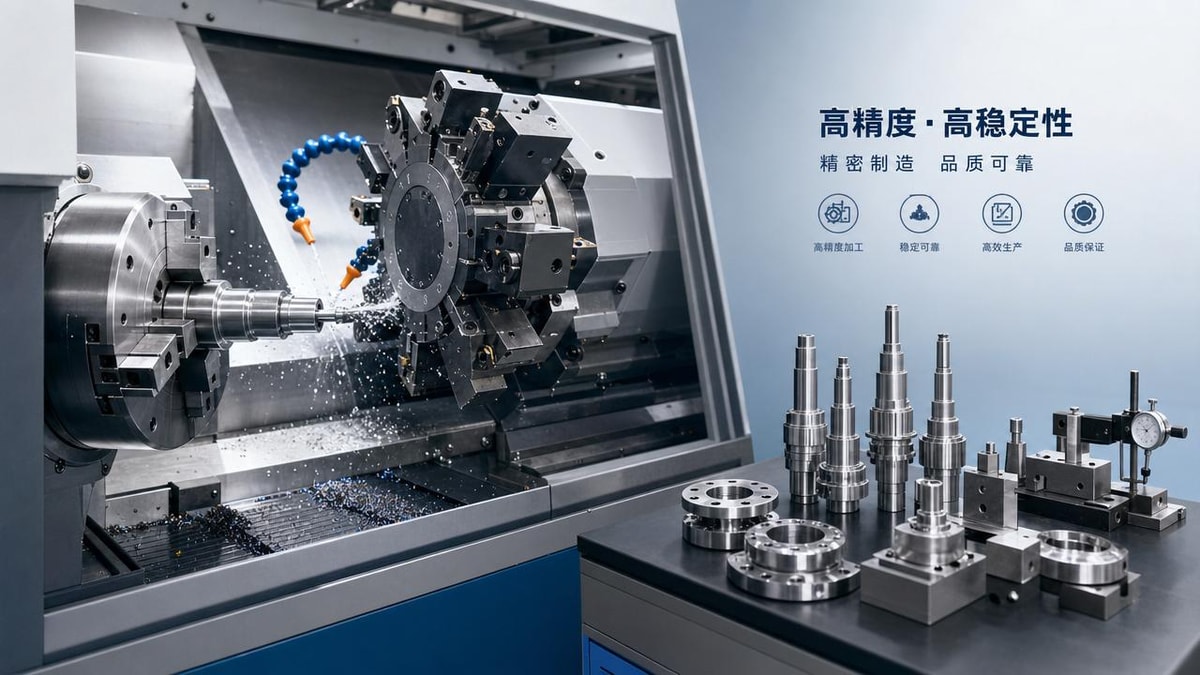
Choosing the wrong CNC metal lathe can quietly drive up rework rates, inspection failures, and safety risks across production. For quality control and safety managers, selection mistakes often go beyond machine specs and affect dimensional consistency, process stability, and operator reliability. Understanding where buyers go wrong is the first step to reducing defects, protecting workflow efficiency, and improving long-term manufacturing performance.
Why Selection Errors Matter More in Some Production Scenarios
A CNC metal lathe is rarely purchased for a generic purpose. It is bought to support a specific mix of parts, tolerances, operator habits, inspection requirements, batch sizes, and delivery pressures. That is why the same machine may work acceptably in one workshop yet create chronic rework in another. For quality control personnel, this difference shows up in capability studies, first article deviations, and recurring nonconformance reports. For safety managers, it appears in unstable setups, rushed interventions, poor chip evacuation, and human workarounds that should never become standard practice.
In automotive suppliers, the challenge may be cycle consistency at scale. In aerospace subcontracting, the issue may be traceable precision on complex shafts or thin-walled parts. In energy equipment, larger diameters and heavy materials may expose rigidity limits. In electronics-related precision production, thermal drift and small-part handling often matter more than raw spindle power. The key lesson is simple: rework risk does not come from the CNC metal lathe alone, but from a mismatch between machine capability and real production conditions.
Typical Application Scenarios Where the Wrong CNC Metal Lathe Causes Rework
High-volume shaft production
In mass production of shafts, bushings, and threaded rotational parts, repeatability is more important than short-term peak accuracy. A CNC metal lathe that performs well on sample parts but lacks thermal stability, chip control, or tool life predictability will increase variation over long runs. Rework often appears as taper drift, burr inconsistency, thread rejection, and unstable surface finish.
Mixed-batch subcontract machining
Job shops frequently switch between materials, chucking methods, and part families. Here, selection mistakes usually involve poor changeover efficiency, limited tooling flexibility, or control systems that complicate setup verification. The result is not always immediate scrap; instead, rework rates rise because setup errors are discovered late, offsets are inconsistently managed, and fixture compatibility is weak.
Precision components with tight inspection thresholds
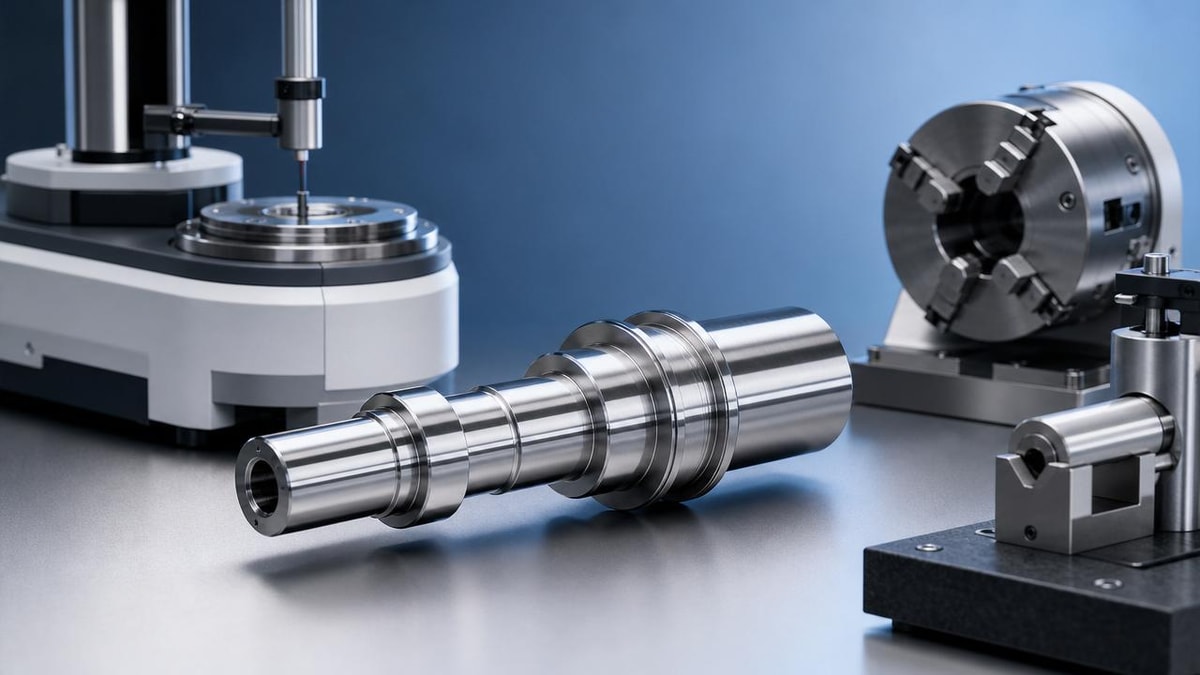
For components measured against tight roundness, concentricity, or runout limits, an under-specified CNC metal lathe creates hidden quality risks. If spindle accuracy, turret repeatability, or tailstock alignment are marginal, the machine may still cut parts that look acceptable to operators but fail CMM or in-process inspection. In these scenarios, quality teams need more than a machine brochure; they need proof of capability under actual part conditions.
Heavy-duty metal cutting and difficult materials
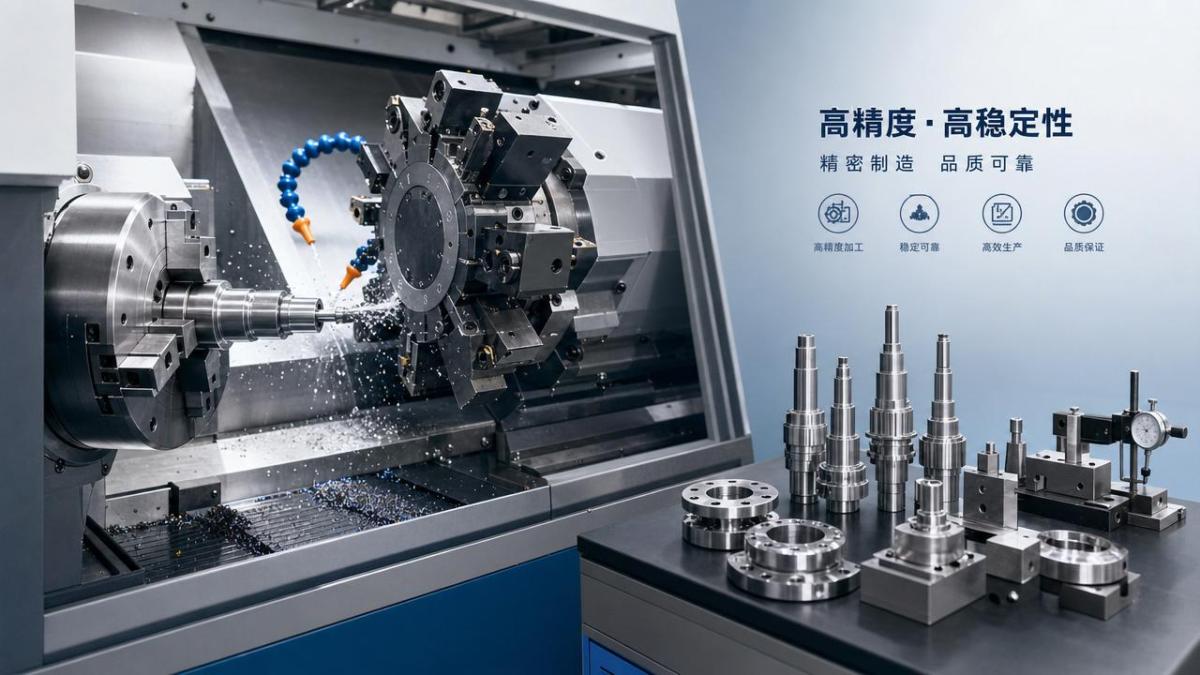
Energy, industrial equipment, and general engineering applications often involve stainless steel, alloy steel, or larger workpieces. A CNC metal lathe with insufficient rigidity, weak coolant performance, or unstable chucking under cutting load can trigger chatter, dimension shift, or tool breakage. In this scenario, rework is closely linked to machine structure and process stability, not just programming quality.
Scenario Comparison: What Quality and Safety Teams Should Check First
Before approving a CNC metal lathe, compare machine priorities by production environment rather than by price alone. The table below highlights how rework drivers change by scenario.
Five Common CNC Metal Lathe Selection Mistakes That Raise Rework Rates
1. Buying for nominal capacity instead of actual part mix
Many teams focus on swing, spindle speed, or advertised precision without reviewing the real part family. If the CNC metal lathe will process short rigid blanks today but long slender shafts tomorrow, machine behavior changes significantly. A poor match between machine envelope and part geometry often leads to vibration, support problems, and dimensional instability. Quality teams should ask whether the machine supports the worst-case parts, not just the most common ones.
2. Underestimating workholding and fixture impact
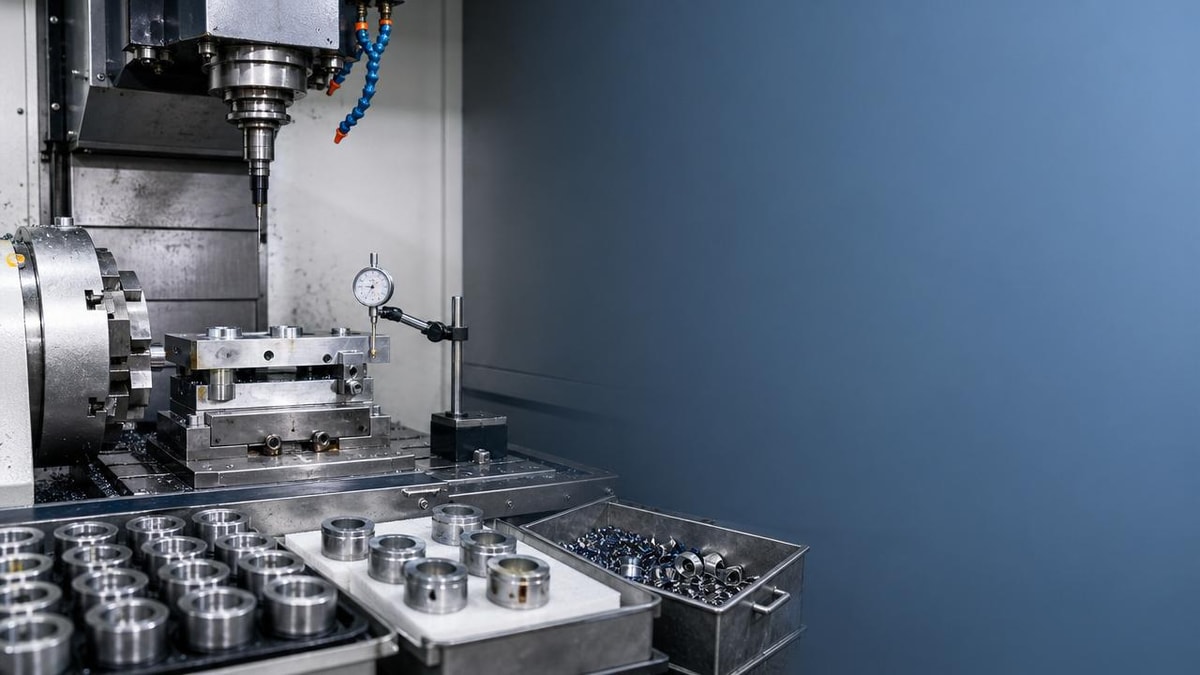
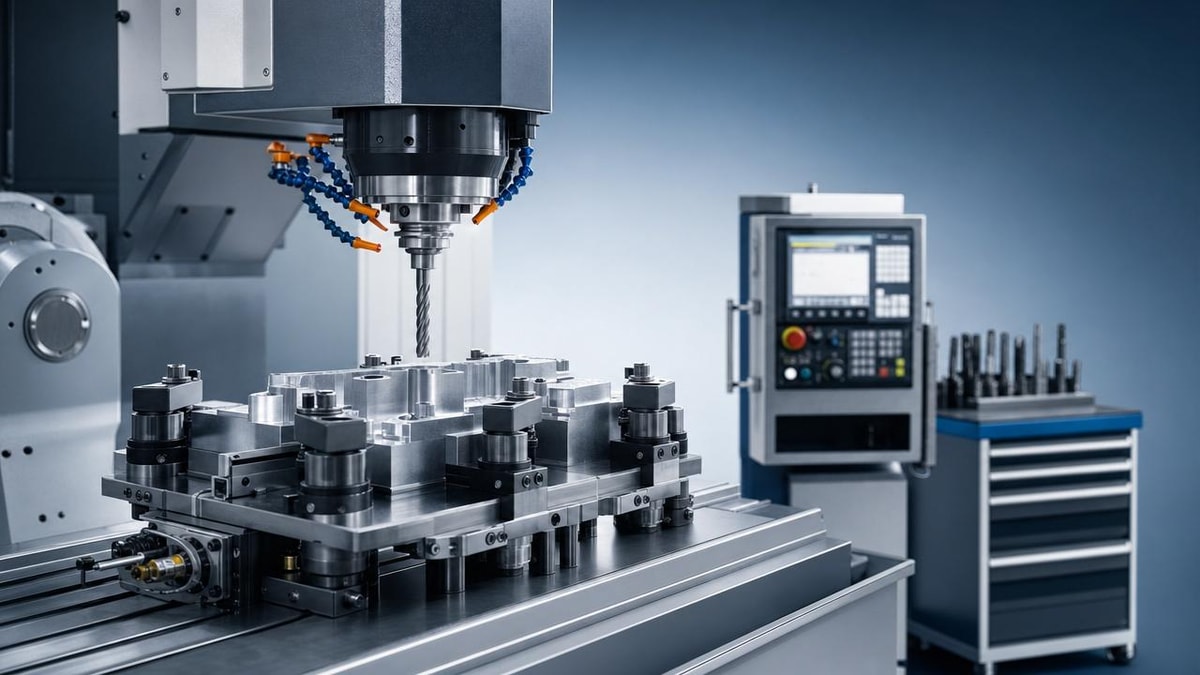
A capable CNC metal lathe can still produce rework if chuck, collet, jaw design, or tailstock support are not suited to the application. This mistake is especially common in shops that compare machine brands but ignore clamping repeatability. Uneven jaw pressure, poor concentricity after changeovers, and operator-dependent setups all increase inspection failures. Safety managers should also flag this area because unstable workholding raises the risk of part movement and emergency stoppages.
3. Ignoring thermal behavior in longer runs
Short sample runs can hide thermal drift. During extended production, spindle heat, ambient changes, coolant variation, and machine expansion can alter dimensions enough to trigger rework. In high-volume operations, a CNC metal lathe should be evaluated after warm-up and sustained cutting, not just during a demonstration piece. This is one of the most overlooked causes of batch-level nonconformance.
4. Selecting a control interface that increases setup error
For mixed production environments, the control system matters as much as the machine body. If operators struggle with offset management, tool library logic, or program verification, setup mistakes become more frequent. The wrong CNC metal lathe for a multi-shift factory is one that relies too heavily on expert operators while the business actually needs standardized and repeatable operation across teams.
5. Treating safety features as separate from quality performance
Poor guarding access, difficult chip removal, awkward loading positions, and insufficient alarm clarity do not only affect safety. They also encourage shortcuts that damage process control. When operators bypass recommended methods to keep production moving, rework rises. A well-chosen CNC metal lathe supports safe, repeatable behavior, which is directly connected to stable quality.
How Needs Differ by Business Type and Production Pressure
The right machine choice depends heavily on who is using it and under what business constraints. A large manufacturer with in-house process engineering can manage a more complex CNC metal lathe if the performance return is strong. A smaller supplier with frequent product switching may benefit more from ease of setup, predictable maintenance, and lower operator dependency. Quality and safety managers should align machine evaluation with organizational maturity, not only technical ambition.
For plants with mature SPC and metrology systems, higher precision claims can be tested and maintained. For plants still improving discipline, the better path may be a robust, stable CNC metal lathe that tolerates variation in staffing and production tempo. Rework reduction often comes from controllability, not from chasing the most advanced specification sheet.
Practical Selection Checks Before You Approve a CNC Metal Lathe
A smarter approval process should simulate real operating conditions. Instead of asking whether the machine can cut a part, ask whether it can hold quality and safe operation across shifts, batches, and maintenance cycles. Useful checks include:
- Run representative materials and geometries, including difficult parts rather than ideal samples.
- Measure capability after warm-up and extended production, not only at startup.
- Review fixture repeatability, chuck changeover behavior, and tool preset workflow.
- Check alarm visibility, enclosure access, chip handling, and operator ergonomics.
- Confirm whether maintenance intervals and calibration needs fit your plant reality.
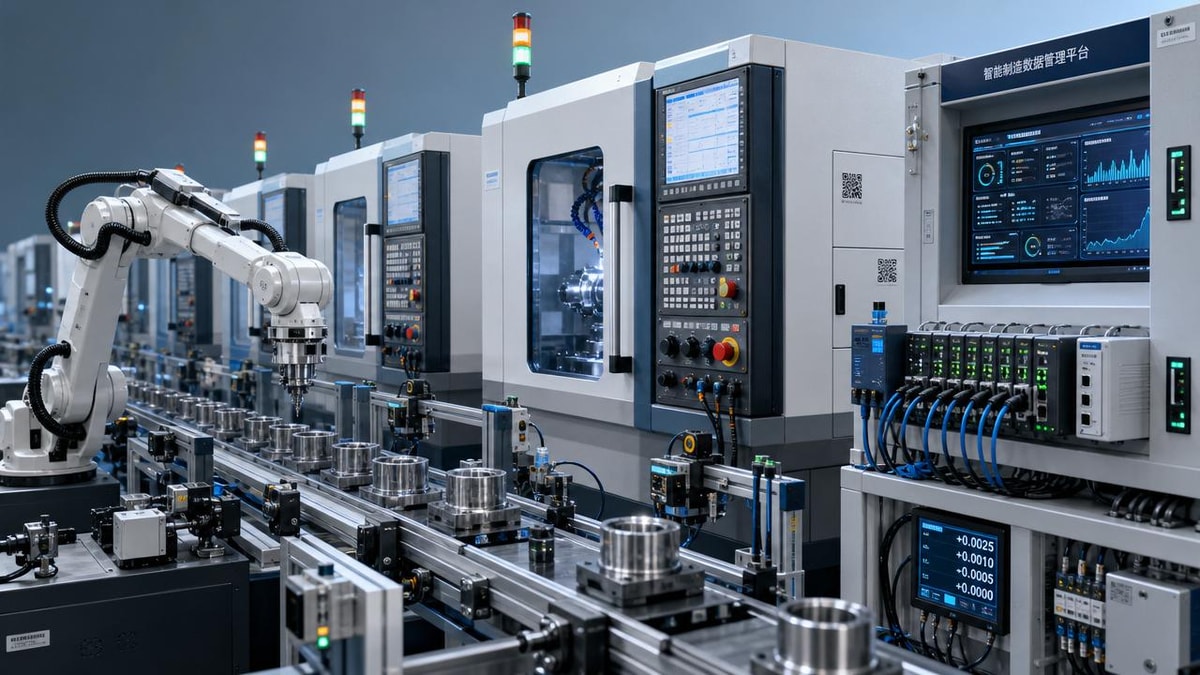
- Verify integration with in-process inspection, barcode traceability, or digital production systems where required.
Common Misjudgments in Real Purchasing Scenarios
One frequent misjudgment is assuming that tighter machine accuracy automatically means lower rework. If operators cannot consistently set tools, if coolant control is weak, or if fixturing is unstable, premium precision may never translate into production capability. Another mistake is selecting a CNC metal lathe based on current jobs only, while future contracts may require different lengths, materials, or inspection standards. This creates hidden replacement costs and process instability later.
A third misjudgment appears when procurement, production, quality, and safety review the machine separately. In practice, the best decision comes from a combined scenario review. Procurement may focus on cost, production on output, quality on tolerances, and safety on operator exposure. Rework tends to rise when one of these perspectives is left out of the final selection.
FAQ: Scenario-Based Questions About CNC Metal Lathe Selection
Which scenario requires the strictest machine validation?
Precision parts with tight runout, concentricity, or traceability demands usually require the most rigorous validation. In these cases, the CNC metal lathe should be tested under actual workholding and cycle conditions, with metrology involvement from the start.
Is a more automated CNC metal lathe always better for reducing rework?
Not always. Automation helps when part volume, process repeatability, and support systems justify it. In mixed low-volume work, overly complex automation can create setup confusion and longer recovery time after errors.
What should safety managers prioritize during evaluation?
Focus on guarding, access during setup, chip control, load/unload ergonomics, alarm response, and whether the machine design encourages unsafe workarounds. These factors affect both operator protection and defect prevention.
Final Takeaway for Quality and Safety Teams
The best CNC metal lathe is not the one with the strongest brochure claims; it is the one that fits the actual application scenario with the fewest quality escapes and the safest operating behavior. For quality control and safety leaders, reducing rework starts by translating production reality into machine selection criteria: part mix, tolerance profile, operator skill level, workholding demands, thermal behavior, and workflow discipline. When those factors are reviewed together, buyers are far less likely to choose a CNC metal lathe that creates avoidable defects later.
If your organization is evaluating new turning equipment, build your next review around scenarios instead of generic specifications. Compare how each CNC metal lathe performs in your actual parts, your inspection environment, and your plant-level safety conditions. That is the most reliable path to lower rework rates, better process stability, and stronger long-term manufacturing performance.
PREVIOUS ARTICLE
NEXT ARTICLE
Recommended for You
 Industrial Machining Equipment Lead Times Are Changing AgainManufacturing Market Research Center
 Where Industrial Robotics Adds Value Beyond Simple Labor SavingsMachine Tool Industry Editorial Team
 Shaft Parts Machining Problems That Show Up After Final InspectionCNC Machining Technology Center
 Production Process Variations That Quietly Raise Scrap RatesCNC Machining Technology Center
 Industrial Automation Projects Fail When Data Is Added Too LateCNC Machining Technology Center
 CNC Metal Cutting Quality Drops Often Start With ClampingMachine Tool Industry Editorial Team

Aris Katos
Future of Carbide Coatings
15+ years in precision manufacturing systems. Specialized in high-speed milling and aerospace grade alloy processing.
▶
CNC Metal Lathe Selection Mistakes That Increase Rework RatesMachine Tool Industry Editorial Team▶
Vertical Lathe Limits to Check Before Taking Larger WorkpiecesMachine Tool Industry Editorial Team▶
Choosing a Metal Lathe for Mixed Materials Without OverspendingMachine Tool Industry Editorial Team▶
Is an automated lathe worth it for short-run metal parts?Machine Tool Industry Editorial Team▶
CNC metal lathe problems that appear after heavy loadsMachine Tool Industry Editorial Team
Mastering 5-Axis Workholding Strategies
Join our technical panel on Nov 15th to learn about reducing vibrations in thin-wall components.

Providing you with integrated sanding solutions
Before-sales and after-sales services
Comprehensive technical support