• Global CNC market projected to reach $128B by 2028 • New EU trade regulations for precision tooling components • Aerospace deman
NYSE: CNC +1.2%LME: STEEL -0.4%

Why automated lathe cycle times drift over long production runs
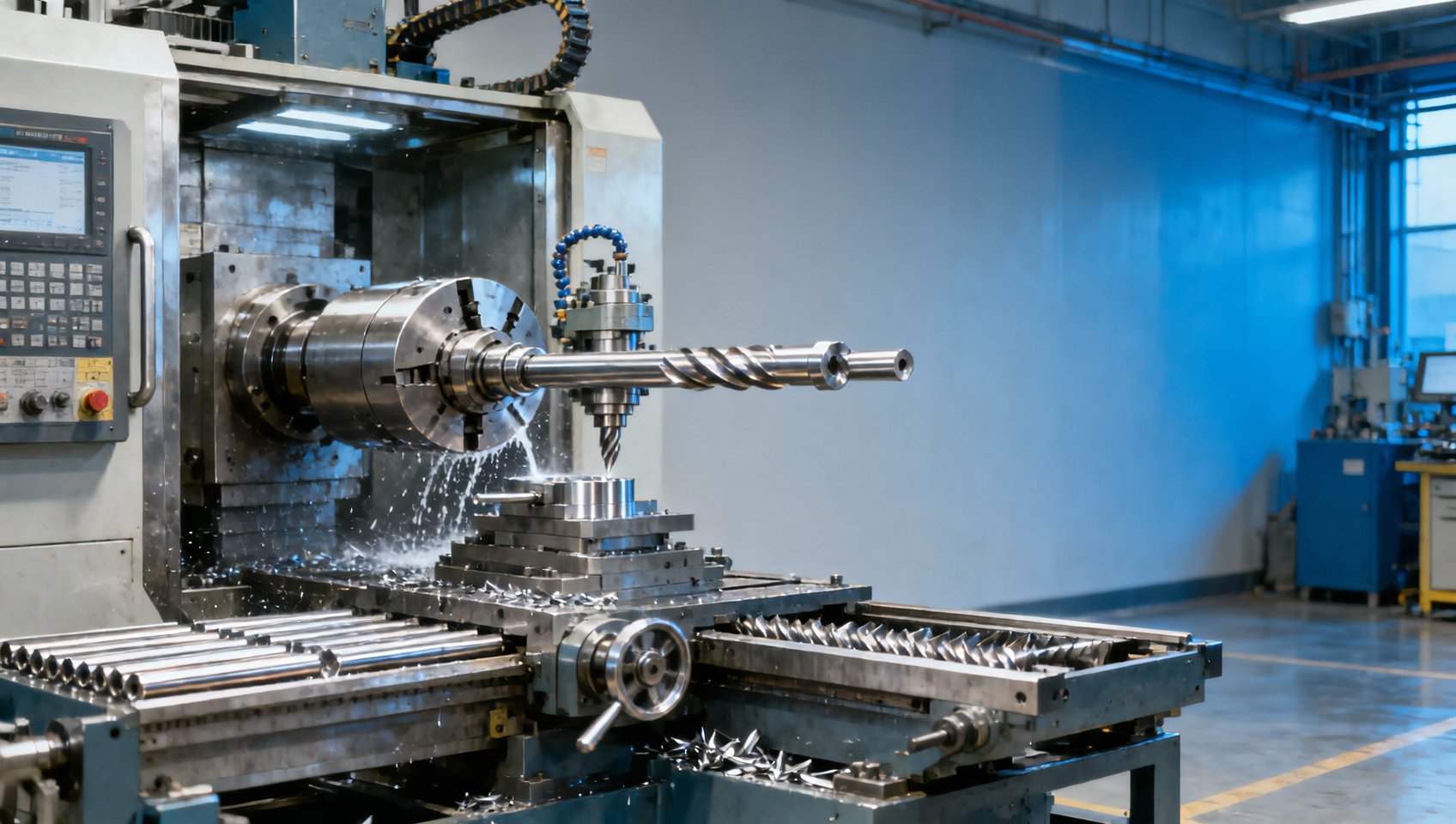
In automated lathe operations, cycle times often drift during long production runs, affecting CNC production efficiency, part consistency, and overall automated production performance. For professionals in metal machining, industrial CNC, and CNC metalworking, understanding why this happens is essential to improving the production process, reducing downtime, and keeping automated production lines stable in today’s highly competitive Manufacturing Industry.
Cycle time drift is rarely caused by one isolated factor. In most automated lathe cells, the real issue is cumulative variation across machine condition, tooling wear, material behavior, thermal movement, chip control, automation timing, and operator intervention. A line may start a shift at 42 seconds per part and end 6 to 12 seconds slower after several hundred or several thousand cycles.
For users and operators, this means unstable output and more troubleshooting. For procurement teams, it affects machine selection, fixture design, and tooling strategy. For business decision-makers, it changes OEE, delivery reliability, labor planning, and the true cost per component. A clear understanding of the reasons behind cycle drift helps manufacturers build more stable, scalable production.
Why cycle time drift appears in long automated lathe runs
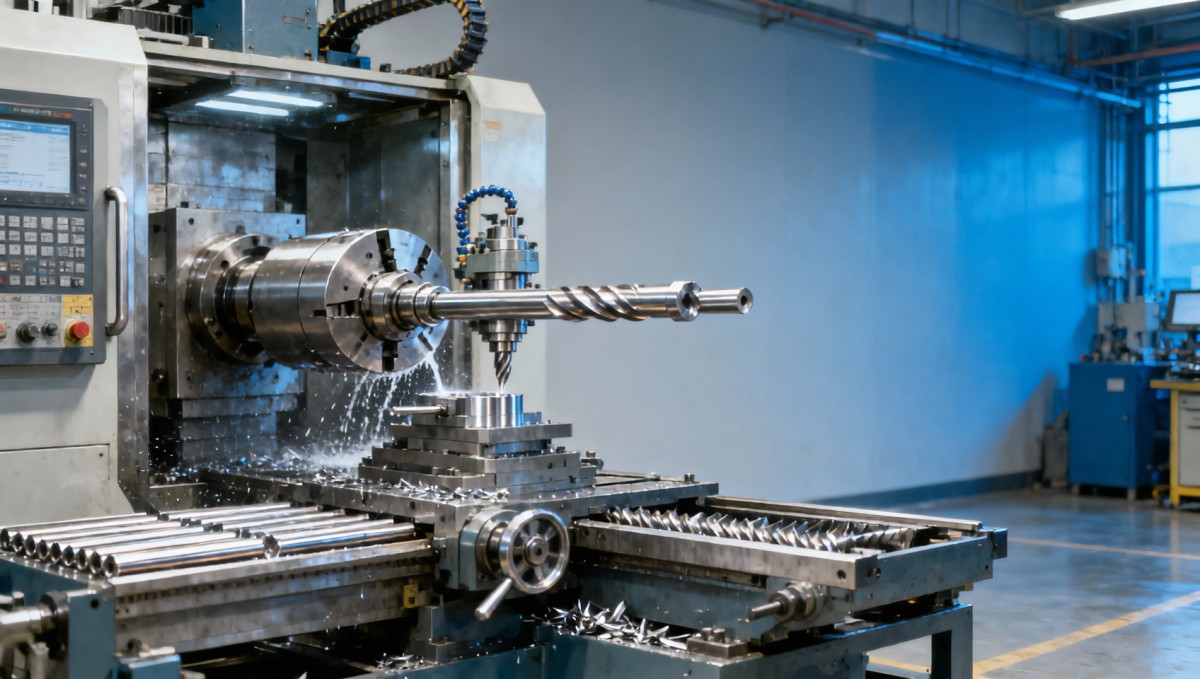
In short-run machining, many small variations remain hidden because the machine has not yet reached thermal equilibrium, tools have limited wear, and automation components have not accumulated small delays. In long production runs of 4 to 12 hours, those variations become measurable. What begins as a 1-second hesitation in bar feeding, turret indexing, or chip evacuation can become a major throughput loss over 1,000 parts.
Automated lathe cycle times drift because production is dynamic, not static. Servo systems heat up, lubrication behavior changes, cutting edges degrade, and raw material consistency shifts from bar to bar or lot to lot. Even when the CNC program stays unchanged, real machining conditions evolve every 20, 50, or 200 parts depending on material, coolant, and process load.
A practical way to understand drift is to divide it into mechanical, process, thermal, automation, and human-system causes. Most factories that monitor only average cycle time miss the real pattern. A better approach is to track the first 30 parts, the stabilized middle 300 parts, and the last 10% of the batch. This often reveals where the drift begins and whether it is gradual or step-based.
Typical sources of hidden delay
Many hidden delays are not visible in the CNC cutting path itself. A lathe may spend only 28 seconds in metal cutting but another 12 to 18 seconds in non-cut time such as turret movement, chuck actuation, part transfer, probe verification, or bar feeder synchronization. If each non-cut action slows by only 0.2 to 0.5 seconds over time, total cycle time can drift by 5% to 15% without any program edits.
- Tool wear increases cutting load, causing slower feed override adjustments or longer finishing passes.
- Thermal growth changes spindle, turret, and guideway behavior after 60 to 180 minutes of continuous operation.
- Chip buildup interrupts automation flow and triggers brief pauses in part ejection or workholding.
- Bar stock variation changes cutting resistance, especially with stainless steel, alloy steel, and free-machining brass lots.
Why the problem matters beyond seconds
A drift of 4 seconds may appear minor, but on a machine planned for 2,400 parts per week, it can remove 2.5 to 4.5 hours of productive capacity. That reduction may force overtime, increase queue time for downstream washing or inspection, and create delivery risk in automotive, electronics, and precision component supply chains where takt time tolerance is often tight.
Machine, tooling, and thermal factors that change production speed
The most common source of cycle drift in automated lathe production is the interaction between machine condition and tooling condition. As cutting forces rise, spindle load increases, axis response may soften, and insert performance becomes less predictable. Even with a fixed programmed feed rate, the machine may not maintain the same real cutting behavior after 300 to 800 parts.
Thermal effects are especially important in high-precision CNC production. A spindle running at 2,500 to 6,000 rpm for several hours can create measurable expansion in surrounding assemblies. Turret and ballscrew temperatures may also rise by several degrees. This does not always create immediate dimensional failure, but it often changes how quickly the machine accelerates, clamps, indexes, and stabilizes between cuts.
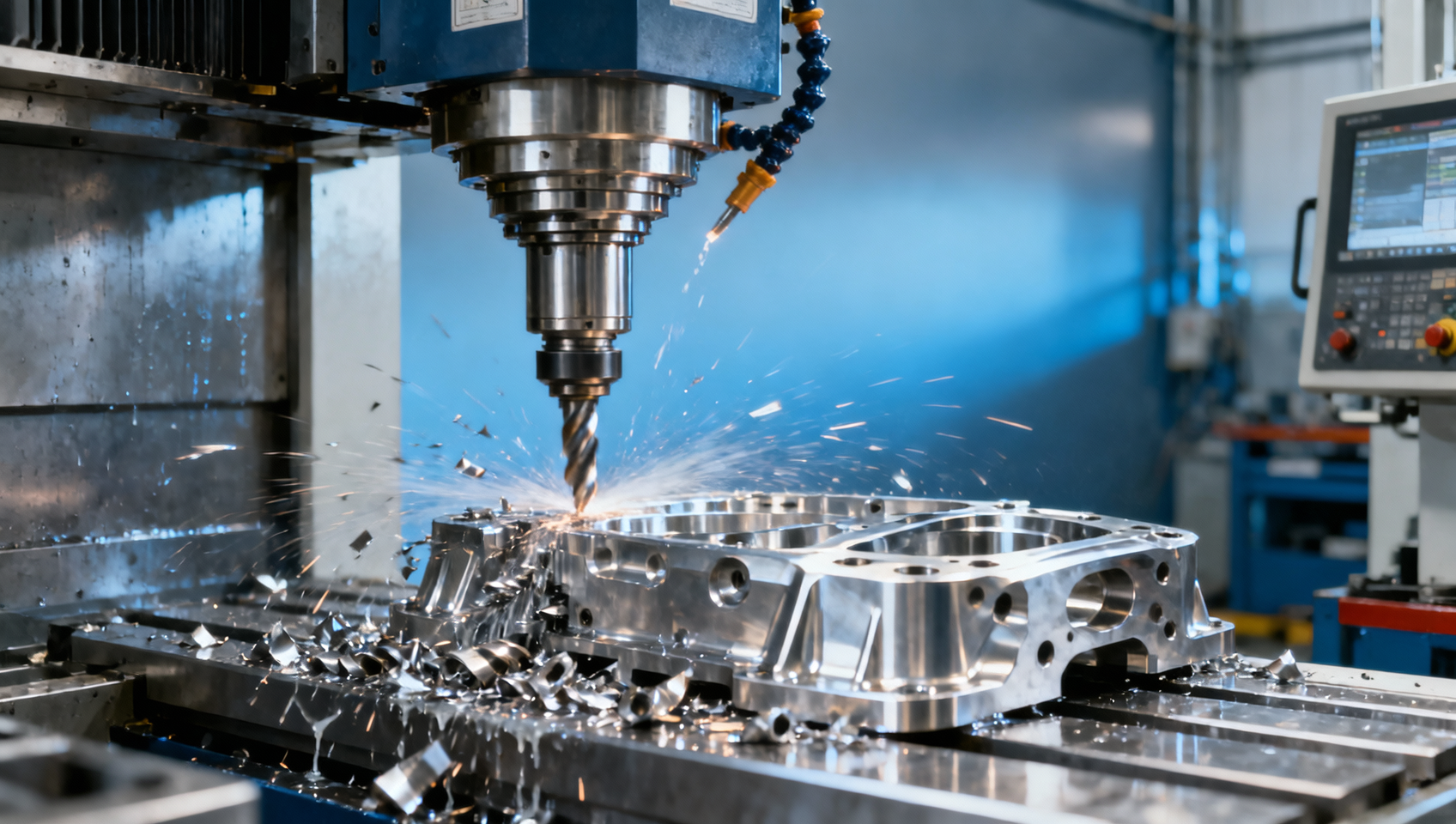
Tool wear has a double impact: it influences both quality and time. As inserts wear, edge sharpness decreases, chips become less controlled, and cutting pressure rises. Operators or process engineers may respond by lowering feed rates, adding offset checks, or scheduling extra tool changes. Each decision protects part quality, but also extends the real cycle time across the run.
How different technical factors affect drift
The table below shows typical contributors to cycle time drift in automated lathes and how they commonly appear during production.
The key takeaway is that cycle drift usually begins before visible defects appear. That is why maintenance and process teams should monitor spindle load trend, tool life count, coolant concentration, and warm-up behavior together rather than treating them as separate issues.
Practical control measures
- Use controlled warm-up cycles for 10 to 20 minutes before critical production.
- Define insert life not only by part count, but also by spindle load increase and surface finish trend.
- Check coolant concentration weekly and temperature stability each shift, especially in high-mix production.
- Review machine backlash, lubrication delivery, and chuck condition every 250 to 500 operating hours.
Automation system delays: bar feeders, part handling, and chip management
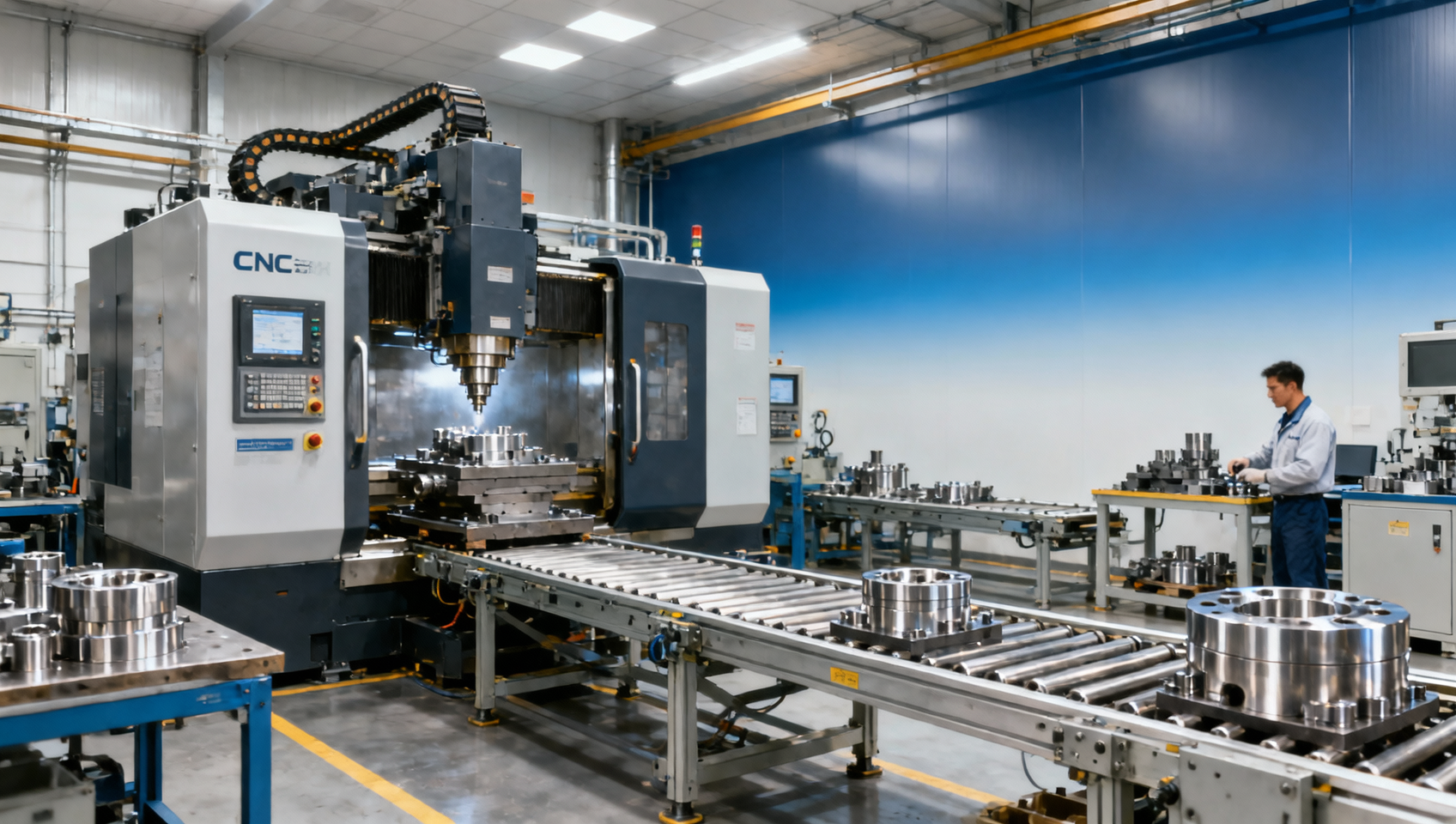
In many automated production cells, the CNC lathe itself is not the main cause of time drift. The supporting automation is. Bar feeders, gantry unloaders, robots, conveyors, part catchers, and chip handling systems can each add tiny variations that accumulate over long runs. A production cell designed for lights-out machining may lose stability after 90 minutes if chip evacuation or handoff timing becomes inconsistent.
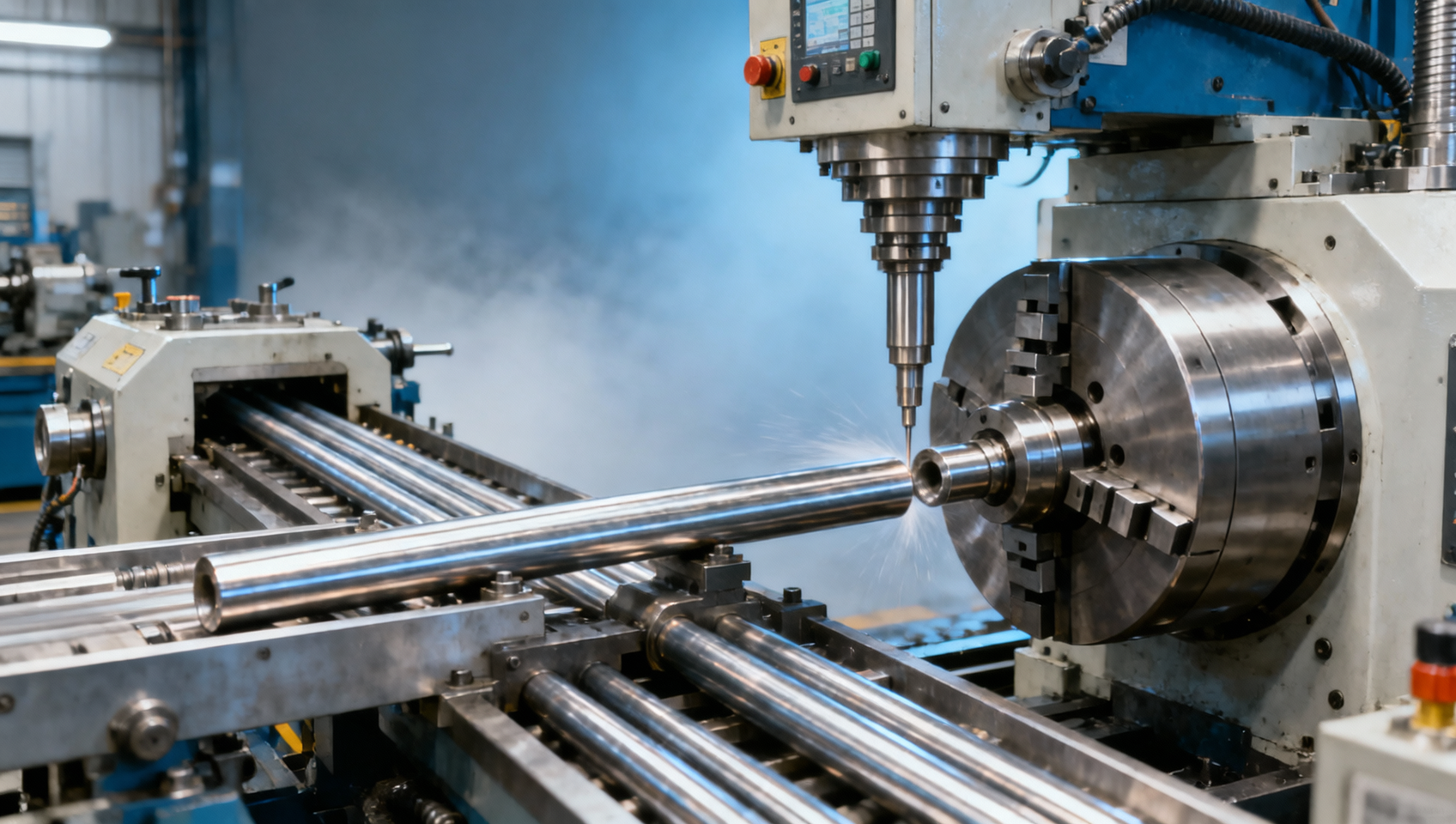
Bar feeder performance is a frequent source of hidden delay. If stock straightness varies, remnant handling becomes unstable, or push timing loses synchronization with spindle clamping, the machine may wait for the next bar cycle. A 1.5-second delay every 20 parts becomes more than 3 minutes over 2,400 parts, and often much more when alarms or retries are included.
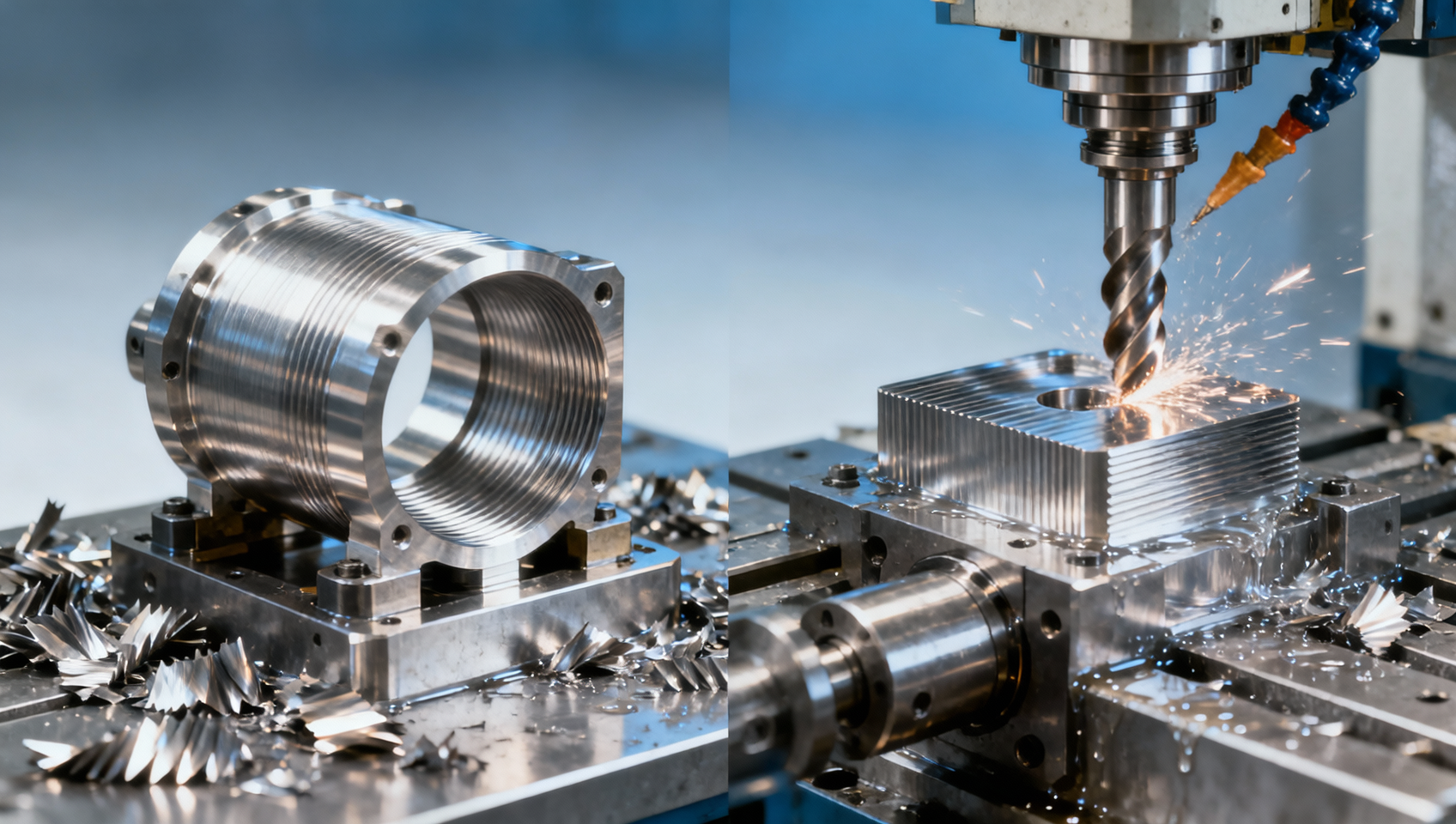
Chip control is another underestimated issue in CNC metalworking. Long chips can wrap around tools, chucks, or part transfer areas. Once that happens, the machine may pause, sensors may misread part presence, and the automation sequence slows down. This is especially common in ductile materials and in operations where insert geometry, coolant direction, and spindle speed are not fully optimized for chip breaking.
Automation components most likely to cause drift
The following comparison helps production teams identify where support equipment affects automated lathe cycle time over extended runs.
For procurement teams, this is a major point: machine speed on a quotation sheet does not equal stable cycle time on the shop floor. The integration quality of the full cell matters just as much as spindle power or axis travel. Buyers should ask suppliers for long-run validation criteria, not only short demonstration parts.
What to verify before investing in an automated cell
- Test at least 200 to 500 continuous cycles with the actual material grade.
- Measure non-cut time separately from spindle cutting time.
- Confirm sensor cleaning intervals, alarm recovery steps, and remnant management.
- Review chip volume per hour and match it to conveyor and coolant filtration capacity.
How operators and engineers can diagnose cycle time drift systematically
A common mistake in metal machining plants is to treat every cycle increase as an operator issue or a machine issue. In reality, diagnosis works best when teams use a layered method. First, separate programmed cycle time from actual cycle time. Second, split actual cycle into cutting, loading, unloading, waiting, and alarm recovery. Third, compare early-run, mid-run, and late-run data.
Even simple tracking can reveal useful patterns. If cutting time stays within plus or minus 2%, but total cycle time rises by 9%, the problem likely sits in automation or handling. If spindle load increases 12% while dimensional offsets shift every 50 parts, tooling or thermal behavior is the stronger suspect. This kind of evidence-based diagnosis reduces unnecessary downtime and avoids random parameter changes.
For production managers, a useful benchmark is to define an allowable drift threshold. For example, a stable automated lathe process might target less than 3% cycle increase over 8 hours. A warning level could be 3% to 7%, while anything above 7% should trigger root-cause review. Exact thresholds depend on part complexity, tolerance band, material, and automation level.
A practical 5-step troubleshooting workflow
- Record the first 20 cycles after startup, then sample every 50 or 100 parts during the run.
- Track spindle load, turret index time, chuck open-close time, and bar feed delay as separate values.
- Inspect inserts, chip shape, and coolant delivery when drift exceeds the preset threshold.
- Check whether drift correlates with tool change, shift change, material lot change, or chip bin fill level.
- Standardize corrective actions so the same problem does not lead to 3 or 4 different responses.
Signals worth monitoring in digital manufacturing systems
Factories moving toward smart manufacturing should connect machine data, tool management, and maintenance logs. Useful signals include cycle start-to-finish time, servo load trend, alarm count per 100 parts, coolant temperature, and operator intervention frequency. Even without a full MES, a structured dashboard or spreadsheet updated every shift can significantly improve root-cause visibility.
The main value of systematic diagnosis is consistency. Instead of reacting only when defects appear, teams can identify drift during the early warning stage. This reduces scrap, stabilizes automated production lines, and improves planning confidence for both internal production and external customer delivery commitments.
Selection, maintenance, and process strategies to keep cycle time stable
Long-run cycle stability should be considered at three levels: machine and cell selection, process engineering, and preventive maintenance. A fast CNC lathe is not automatically the right choice if the intended production model involves 8-hour unattended runs, mixed material batches, or strict lot traceability. Stability must be designed into the system from the start.
From a purchasing perspective, ask suppliers how the machine performs after thermal stabilization, not just at cold start. Request data on tool monitoring options, chip evacuation design, bar feeder compatibility, and alarm recovery sequence. If the application involves tight precision shaft parts or thin-wall components, also evaluate how the machine handles thermal compensation and workholding repeatability over extended cycles.
From an operations perspective, stable cycle time depends on disciplined maintenance. Guideway lubrication, coolant filtration, sensor cleaning, chuck condition, and scheduled inspection of automation interfaces can prevent many small delays from growing into chronic drift. In many factories, a 15-minute check at the start of each shift saves far more than 15 minutes of lost output later.
Key evaluation points for buyers and decision-makers
The table below can support equipment evaluation or internal process audits when cycle consistency is a priority.
This framework helps translate technical concerns into business decisions. It allows procurement teams to compare solutions more accurately, operators to maintain consistency, and managers to estimate the real production cost of an automated lathe line over months rather than over a single test sample.
FAQ: common questions from production and sourcing teams
How much cycle time drift is acceptable? Many shops aim to keep drift below 3% in an 8-hour run. High-precision or highly automated cells may target less than 2%, while roughing-heavy applications may tolerate a slightly wider band.
Does drift always mean the machine is faulty? No. Drift often comes from normal process change, especially tool wear and thermal stabilization. The key issue is whether the change remains controlled and predictable.
Should buyers focus more on machine speed or stability? For long production runs, stability usually creates more value than peak speed. A machine that holds a 48-second cycle all day can outperform one that starts at 43 seconds but drifts above 52 seconds after several hours.
Automated lathe cycle times drift over long production runs because machining is influenced by a moving combination of heat, wear, material variation, chip behavior, and automation timing. The most effective response is not a single parameter change, but a full-process strategy that links machine condition, tooling management, automation integration, and data-based troubleshooting.
For information researchers, this topic explains why short demo performance can differ from real factory output. For operators and users, it highlights where to inspect and what to standardize. For procurement teams and decision-makers, it provides a more reliable basis for selecting CNC lathes, automation cells, and support systems built for stable long-run production.
If you are evaluating CNC turning solutions, optimizing an existing automated production line, or comparing machine tool configurations for long-run consistency, now is the right time to review your process data and equipment strategy. Contact us to discuss your application, get a tailored solution, or learn more about practical approaches to stable CNC production efficiency.
Recommended for You
 What causes chatter in metal machining and how to stop itCNC Machining Technology Center
 Industrial CNC lead times are shifting in 2026Manufacturing Market Research Center
 When CNC industrial upgrades cut output instead of raising itMachine Tool Industry Editorial Team
 Automated lathe errors that often start with bar feedingMachine Tool Industry Editorial Team
 Why CNC metalworking scrap rates rise on thin wall partsCNC Machining Technology Center
 CNC cutting speed or finish quality: where losses beginCNC Machining Technology Center

Aris Katos
Future of Carbide Coatings
15+ years in precision manufacturing systems. Specialized in high-speed milling and aerospace grade alloy processing.
▶
Automated lathe errors that often start with bar feedingMachine Tool Industry Editorial Team▶
Why automated lathe cycle times drift over long production runsMachine Tool Industry Editorial Team▶
Why vertical lathe adoption is rising in high-precision shaft parts manufacturingMachine Tool Industry Editorial Team▶
Industrial lathe buyers overlooking thermal growth effects during long runsMachine Tool Industry Editorial Team▶
Vertical lathe vs. horizontal: which handles asymmetrical shaft parts better?Machine Tool Industry Editorial Team
Mastering 5-Axis Workholding Strategies
Join our technical panel on Nov 15th to learn about reducing vibrations in thin-wall components.

Providing you with integrated sanding solutions
Before-sales and after-sales services
Comprehensive technical support