• Global CNC market projected to reach $128B by 2028 • New EU trade regulations for precision tooling components • Aerospace deman
NYSE: CNC +1.2%LME: STEEL -0.4%

CNC industrial machines with lower maintenance downtime
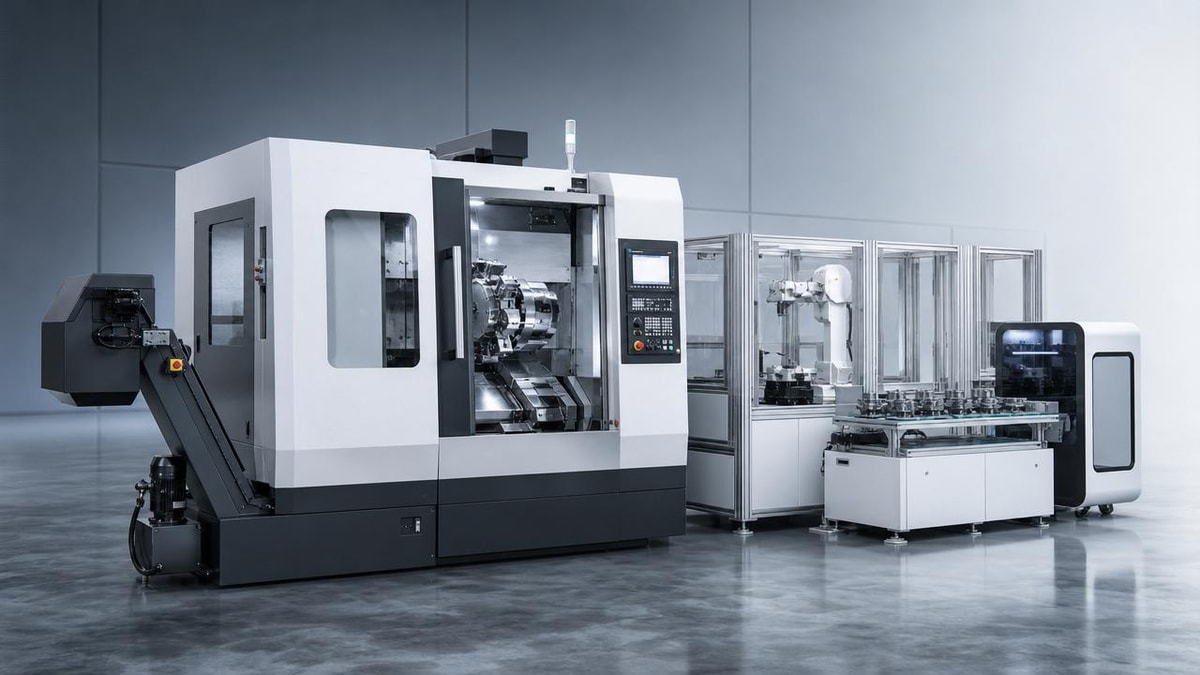
For distributors, agents, and channel partners, CNC industrial machines with lower maintenance downtime offer a clear competitive advantage in today’s fast-moving manufacturing market. As demand grows for precision, automation, and stable output, buyers are prioritizing equipment that reduces service interruptions, lowers lifecycle costs, and improves production efficiency across automotive, aerospace, energy, and electronics applications.
Understanding Lower-Downtime CNC Industrial Machines
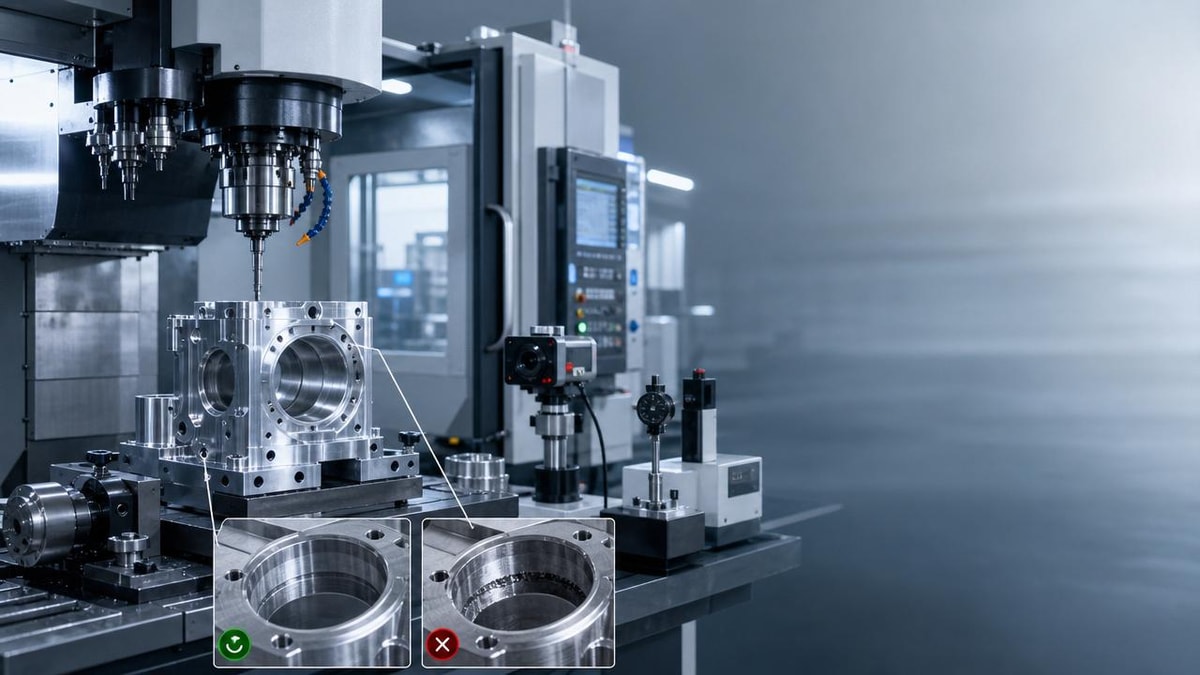
In practical terms, CNC industrial machines with lower maintenance downtime are systems designed to keep production running with fewer unexpected stops, faster service cycles, and more predictable maintenance planning. This does not simply mean “machines that rarely fail.” It refers to a broader combination of mechanical durability, stable control systems, easy access to wear parts, reliable spindle and guideway performance, standardized components, and digital monitoring that supports preventive maintenance.
For the global machine tool industry, this topic matters because machine availability directly affects profitability. When a machining center, CNC lathe, or multi-axis system goes offline, the cost extends beyond repair. Production schedules slip, labor becomes underutilized, tool management is disrupted, and downstream delivery commitments can be affected. For distributors and agents, recommending CNC industrial machines with lower maintenance downtime is therefore not only a product decision, but also a channel strategy that improves customer trust and repeat business.
The concept is especially relevant in precision manufacturing, where tolerances are tight and uptime is critical. In sectors such as aerospace, automotive, electronics, and energy equipment, buyers increasingly evaluate a machine by its total operating stability over years of use, not just by its initial specifications or purchase price.
Why the Industry Is Paying More Attention
Modern manufacturing has changed the way users evaluate machine tools. Production lines are more integrated, automation is more common, and output targets are higher. In this environment, even short interruptions can create a chain reaction across inspection, assembly, and logistics. As a result, lower downtime has become a key decision factor for end users selecting CNC industrial machines.
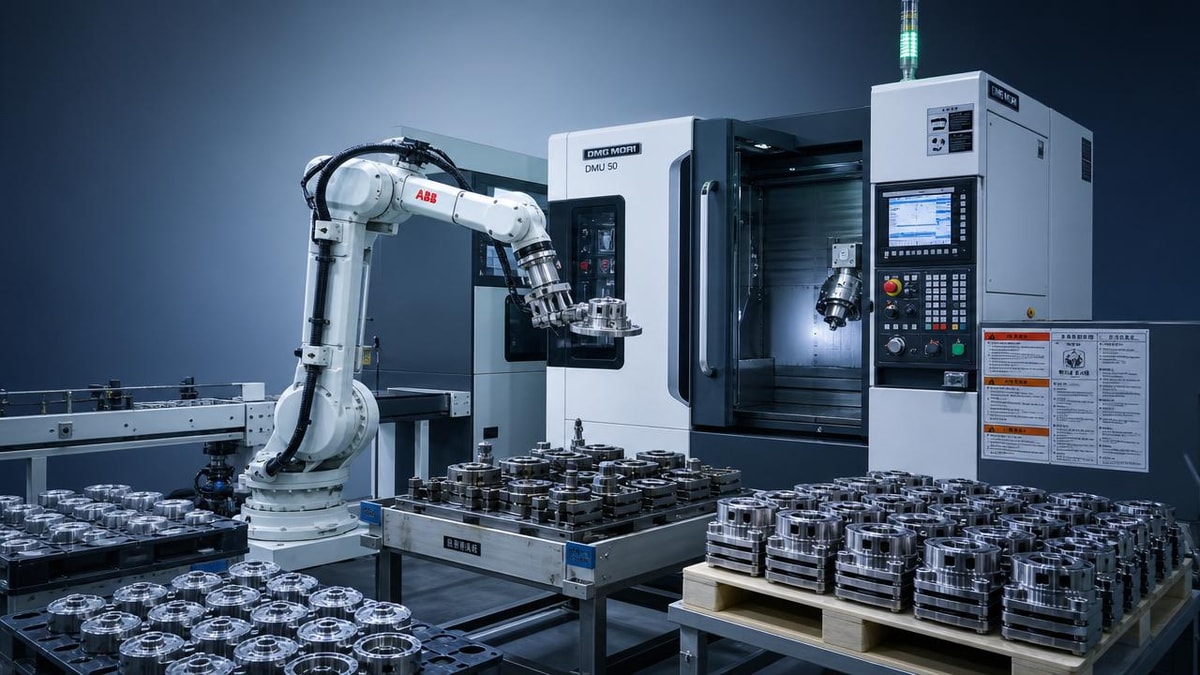
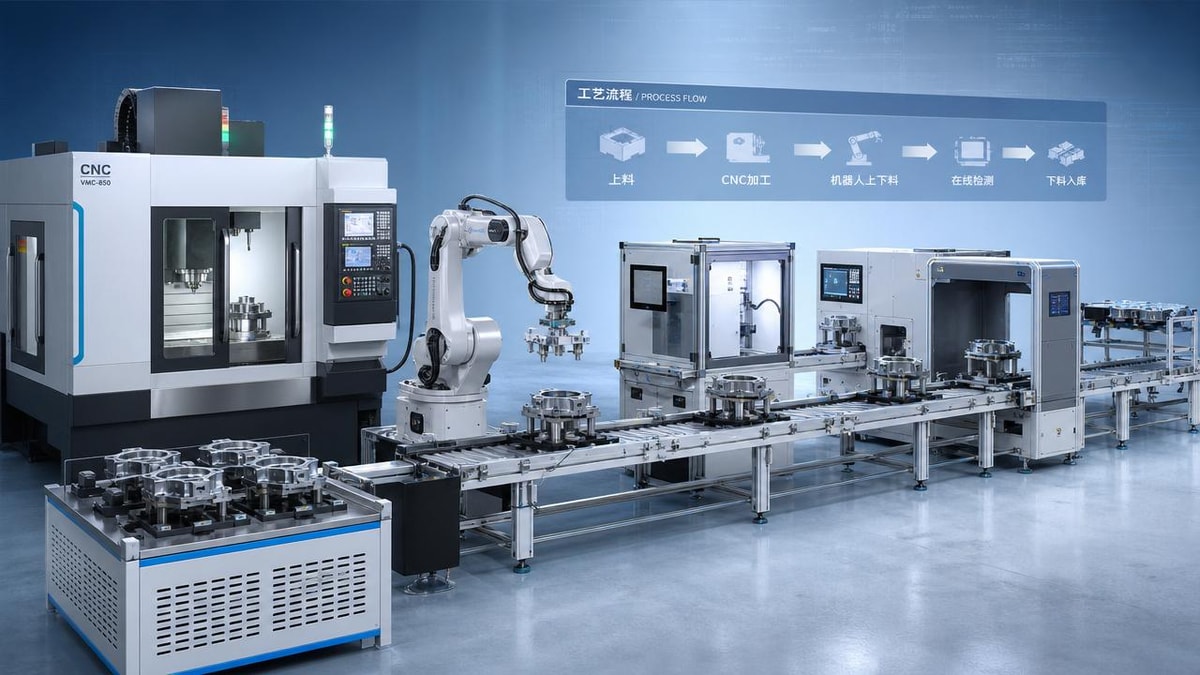
Another reason is the rise of smart manufacturing. Machines are no longer isolated assets. They are increasingly connected to MES platforms, automated loading systems, robotic cells, and digital quality management tools. When one machine fails, the impact spreads quickly. This makes maintainability, spare parts availability, alarm diagnostics, and remote support more important than in the past.
The global competitive landscape also supports this shift. Manufacturers in China, Germany, Japan, and South Korea continue to advance machine accuracy, automation capability, and control integration. Buyers now compare not only feed rates, spindle speed, and axis travel, but also service access, fault prediction, lubrication design, thermal stability, and control system reliability. In short, CNC industrial machines are being judged as long-term production platforms rather than stand-alone pieces of equipment.
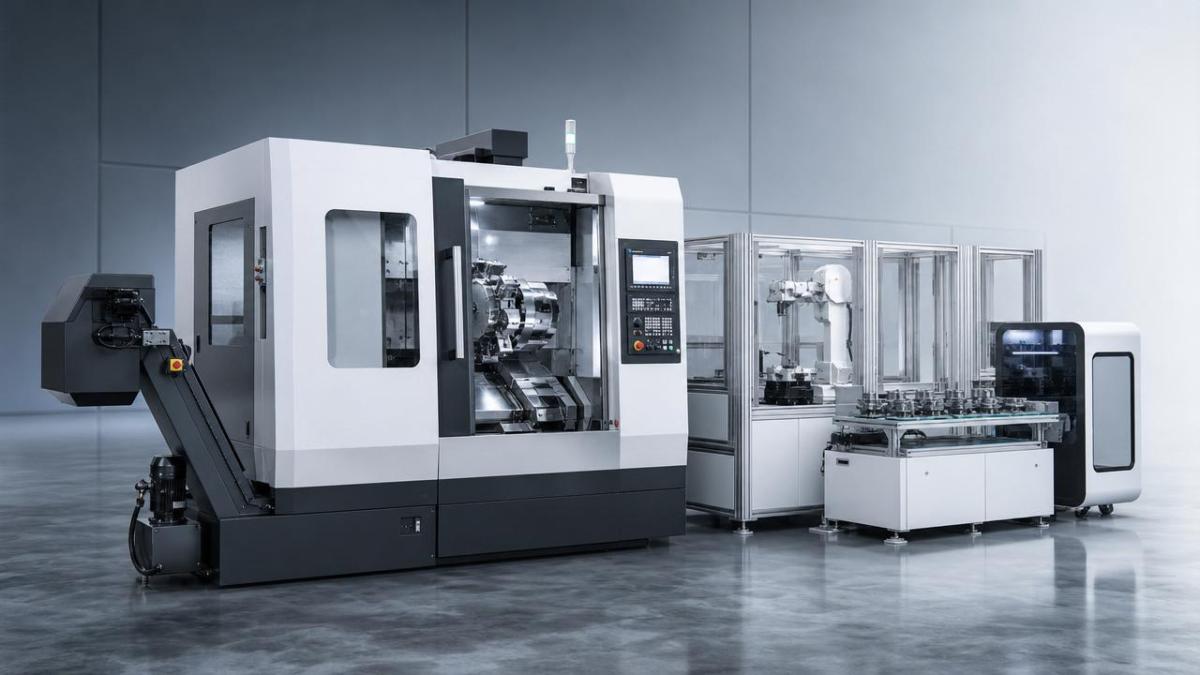
Core Characteristics That Reduce Maintenance Downtime
Not all low-downtime claims are equally meaningful. Distributors should understand the features that genuinely contribute to maintenance efficiency and operating continuity.
- Robust structural design, including stable beds, quality castings, and vibration-resistant assemblies that reduce premature wear.
- Reliable spindle systems with effective cooling, balanced rotation, and service-friendly bearing arrangements.
- Centralized lubrication and protected guideway or ball screw systems that simplify routine maintenance.
- Accessible electrical layouts and modular control components that shorten troubleshooting time.
- Alarm diagnostics, condition monitoring, and remote support functions that help service teams identify issues early.
- Standardized spare parts and global support networks that reduce delays in replacement and repair.
These factors are particularly important when CNC industrial machines are installed in multi-shift operations. A machine that is easy to inspect, clean, calibrate, and service will generally outperform one that appears advanced on paper but creates service bottlenecks in real production.
Industry Overview: Where Lower Downtime Creates the Most Value
The value of lower maintenance downtime varies by sector, but the pattern is consistent: the more demanding the process and the tighter the delivery schedule, the greater the commercial benefit.
What This Means for Distributors, Agents, and Channel Partners
For channel partners, lower-downtime CNC industrial machines create value in several ways. First, they strengthen the sales proposition. Instead of competing only on price or base configuration, distributors can sell around uptime, service efficiency, and long-term operating cost. This is a more strategic conversation, especially with industrial buyers who are under pressure to improve OEE, reduce scrap, and manage labor effectively.
Second, these machines support stronger after-sales positioning. A distributor that represents equipment with predictable maintenance requirements can plan service schedules better, reduce emergency call volume, and allocate technicians more efficiently. This improves profitability on both equipment sales and support operations.
Third, lower downtime helps build long-term accounts. In many industrial markets, end users expand capacity based on proven machine performance. If the first installation runs reliably, follow-up orders often become easier to secure. That is why CNC industrial machines with dependable maintenance behavior are not just operational assets; they are relationship-building assets throughout the distribution chain.
Typical Machine Categories and Downtime Considerations
Different machine categories have different maintenance profiles. Understanding these differences helps channel partners guide customers more accurately.
How to Evaluate Real Maintenance Performance
When reviewing CNC industrial machines, it is important to move beyond broad marketing claims. A practical evaluation should include both engineering and support criteria. Ask how frequently key consumables need replacement, how long standard service procedures usually take, and whether routine inspection points are easy to access. Review control diagnostics, spare parts lead times, training availability, and remote troubleshooting capability.
It is also useful to ask for application-specific references. A low-downtime machining center in light aluminum work may perform differently in heavy steel cutting or in high-duty aerospace environments. Likewise, a machine that performs well as a stand-alone unit may require stronger integration support when connected to automation. Good evaluation focuses on the intended workload, not only the machine brochure.
For distributors, field feedback is especially valuable. Service records, repeat fault patterns, and user satisfaction data often reveal more than specification sheets. Over time, this information helps channel partners identify which CNC industrial machines truly deliver strong uptime in specific industries and regions.
Practical Recommendations for Market Positioning
A strong market approach should connect technical reliability with commercial value. Rather than describing lower downtime only as a maintenance benefit, present it as part of a broader productivity outcome. End users respond well when uptime is linked to delivery stability, lower overtime pressure, improved equipment utilization, and reduced lifecycle uncertainty.
Distributors can also improve positioning by segmenting the message. For automotive suppliers, emphasize consistency under high-volume demand. For aerospace customers, focus on precision retention and service predictability in complex machining. For electronics and energy equipment producers, highlight the role of CNC industrial machines in maintaining output continuity across specialized production schedules.
Finally, support the sales message with practical tools: maintenance schedules, spare parts recommendations, operator training plans, and realistic uptime discussions. These resources make the offer more credible and help customers understand that lower downtime is achieved through both machine design and disciplined operation.
Conclusion
As global manufacturing moves toward higher precision, greater automation, and tighter delivery expectations, CNC industrial machines with lower maintenance downtime are becoming increasingly important across the value chain. They support production continuity, reduce service disruption, and create measurable benefits in industries ranging from automotive and aerospace to electronics and energy equipment.
For distributors, agents, and channel partners, understanding this topic is essential. The most competitive opportunities often come from representing CNC industrial machines that combine precision, maintainability, digital diagnostics, and dependable after-sales support. When these factors align, the result is not only stronger machine performance, but also stronger customer loyalty, better service efficiency, and more sustainable growth in the industrial equipment market.
If your market strategy includes expanding in precision manufacturing, automated production, or smart factory supply chains, now is the right time to evaluate how lower-downtime CNC industrial machines can strengthen your product portfolio and long-term channel value.
PREVIOUS ARTICLE
NEXT ARTICLE
Recommended for You
 Industrial Robotics payback depends on one hidden variableManufacturing Market Research Center
 Shaft Parts machining problems linked to concentricity lossCNC Machining Technology Center
 Production Process changes that quietly raise defect ratesCNC Machining Technology Center
 Industrial Automation projects stall without process mappingCNC Machining Technology Center
 CNC metal cutting heat issues behind poor surface finishCNC Machining Technology Center
 High precision lathe claims that deserve a closer lookMachine Tool Industry Editorial Team

Aris Katos
Future of Carbide Coatings
15+ years in precision manufacturing systems. Specialized in high-speed milling and aerospace grade alloy processing.
▶
CNC industrial machines with lower maintenance downtimeMachine Tool Industry Editorial Team▶
CNC industrial systems that fit small factory layoutsMachine Tool Industry Editorial Team▶
2026 World Intelligent Industry Expo: CNC Structural Parts in FocusMachine Tool Industry Editorial Team▶
Space-Saving CNC Manufacturing Without Creating Maintenance HeadachesMachine Tool Industry Editorial Team▶
CNC Industrial Machines That Save Floor Space Without Losing AccuracyMachine Tool Industry Editorial Team
Mastering 5-Axis Workholding Strategies
Join our technical panel on Nov 15th to learn about reducing vibrations in thin-wall components.

Providing you with integrated sanding solutions
Before-sales and after-sales services
Comprehensive technical support