• Global CNC market projected to reach $128B by 2028 • New EU trade regulations for precision tooling components • Aerospace deman
NYSE: CNC +1.2%LME: STEEL -0.4%

CNC production delays often start with planning, not machines
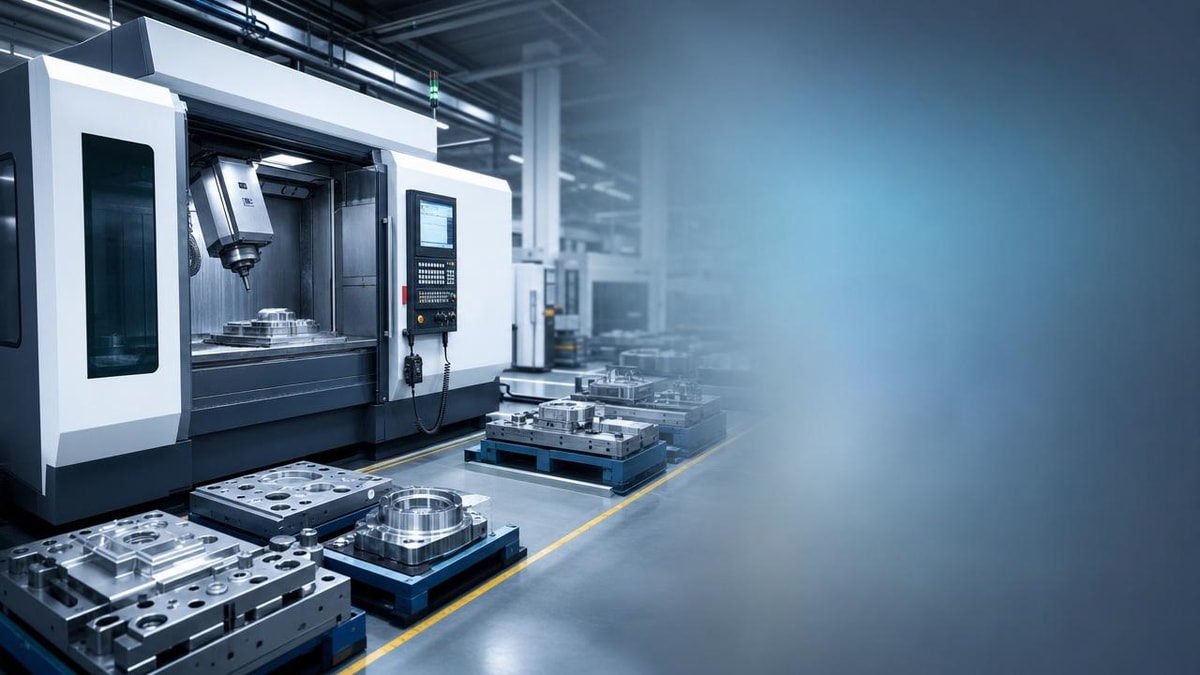
In CNC production, delays often begin long before a machine starts cutting. For project managers and engineering leaders, weak planning, unclear scheduling, and poor coordination can quietly disrupt delivery, cost, and quality targets. Understanding where these hidden issues start is the first step toward building a more reliable, efficient, and predictable manufacturing process.
Why planning failures are becoming a bigger risk in CNC production
Across modern manufacturing, the pressure on CNC production has changed. Orders are no longer defined only by volume and drawing release. Today, projects often involve shorter lead times, more design revisions, tighter tolerance expectations, mixed-material machining, and stronger customer demand for visibility. In this environment, machine uptime still matters, but planning quality has become just as important as spindle performance.
This shift is especially visible in sectors such as automotive, aerospace, electronics, and energy equipment, where CNC lathes, machining centers, and multi-axis systems support complex part programs and interconnected supply chains. A machine may be technically capable, operators may be skilled, and tooling may be available, yet the project can still slip because the planning logic behind CNC production is weak. What used to be absorbed by schedule buffers is now exposed by leaner operations and more demanding customers.
For project managers, this means delays should no longer be viewed only as shop-floor events. They are increasingly early-stage management issues: inaccurate routing assumptions, unrealistic batch planning, poor change control, missing fixture readiness, delayed material release, and weak communication between engineering, purchasing, and production. The trend is clear: as manufacturing becomes more digital and more integrated, planning errors become easier to detect but also more costly to ignore.
The strongest trend signals: delay patterns are moving upstream
A useful way to understand current CNC production risk is to look at where delays are now forming. In many factories, the bottleneck no longer starts only at machine loading. It begins earlier, during quoting, process planning, resource reservation, and data handoff. This is a significant operational change because it shifts responsibility from only production supervisors to a wider decision network.
These signals matter because they show that CNC production delays are increasingly linked to planning maturity rather than machine failure alone. In other words, many factories are not short of equipment capability; they are short of synchronized decision-making.
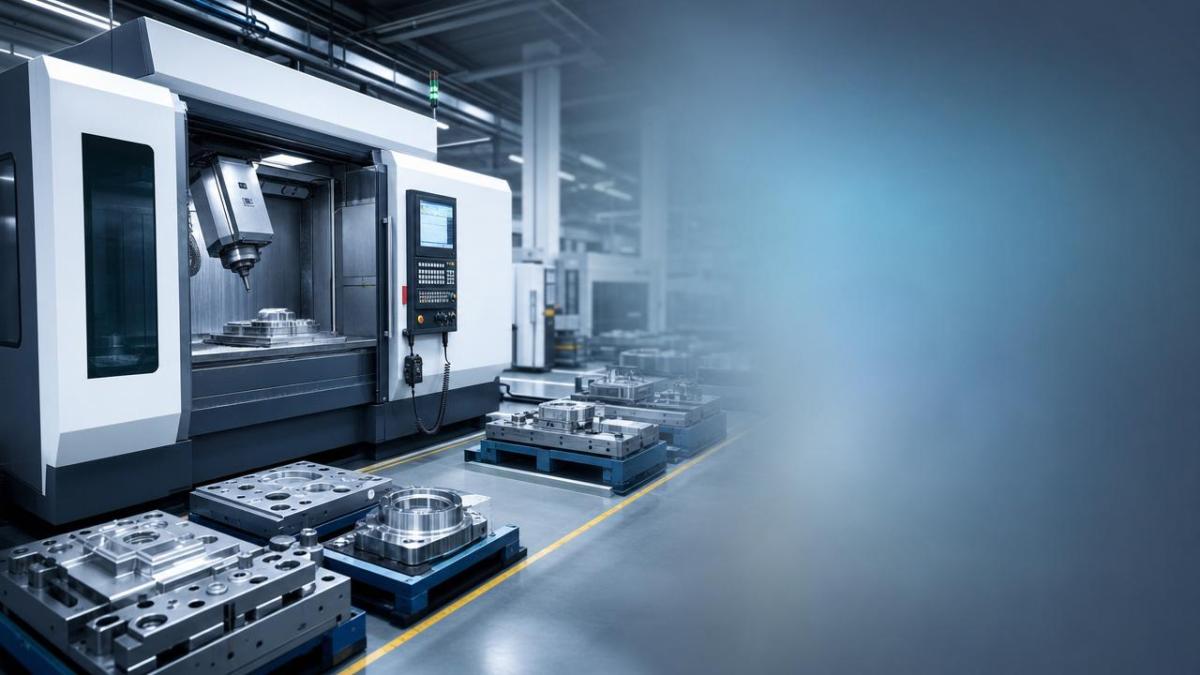
What is driving the change behind CNC production delays
Several forces are pushing planning quality to the center of CNC production performance. First, product complexity is rising. Multi-axis machining, tighter tolerance stacking, and difficult materials increase the importance of sequence planning, fixture strategy, and cycle-time realism. The cost of making the wrong assumption early is much higher than it was in simpler manufacturing environments.
Second, customers now expect both speed and flexibility. They may request accelerated prototypes, staged deliveries, or late drawing updates while still requiring full quality control. This creates an environment where planning can no longer be static. A schedule built once and rarely updated is no longer sufficient for stable CNC production.
Third, supply chain variability continues to affect operations. Even when machine tools are available, inserts, raw materials, heat treatment slots, coatings, outsourced finishing, or inspection resources may not align. This broadens the definition of planning from internal machine scheduling to end-to-end production orchestration.
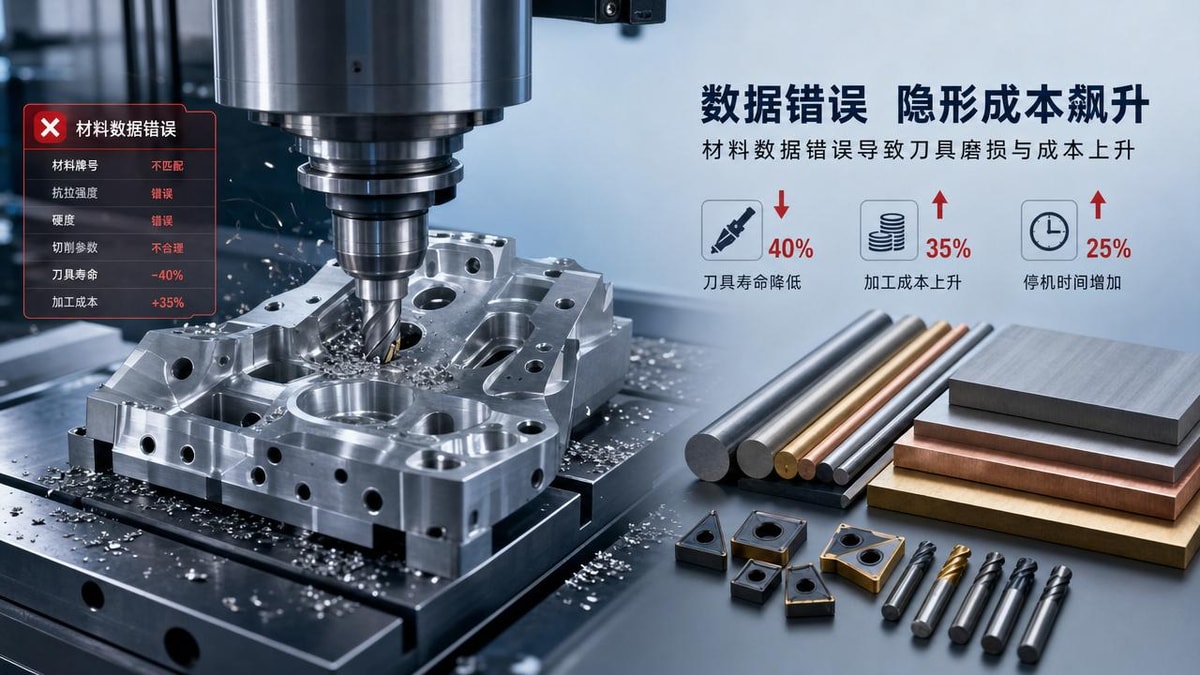
Fourth, digital tools are expanding, but process discipline is not always keeping pace. Many companies have introduced ERP, MES, CAD/CAM integration, and shop-floor reporting, yet the presence of software does not guarantee reliable planning. If master data is weak, routings are outdated, or change approvals are informal, digital systems simply make poor assumptions move faster.
Key drivers project leaders should watch
- Higher mix, lower batch production models
- More engineering changes after project launch
- Shared machine platforms across multiple customer programs
- Stronger traceability and compliance requirements
- Growing dependence on external process partners
Who feels the impact first when planning breaks down
Poor planning in CNC production does not affect all functions equally at first, but it eventually spreads across the whole project. The earliest pressure usually appears in project management and production control, then expands into engineering, procurement, quality, and customer communication.
For engineering leaders, this is a strategic issue, not merely an operational inconvenience. Unstable CNC production planning consumes management attention, reduces confidence in commitments, and limits the organization’s ability to take on more complex or higher-value projects. In competitive manufacturing markets, predictability itself becomes a business advantage.
Why machine investment alone will not solve the problem
A common response to recurring delay is to increase capacity through new equipment, automation, or additional shifts. In many cases, this is necessary. However, the current trend across CNC production suggests that equipment investment without planning reform often delivers less value than expected. New machining centers can reduce direct bottlenecks, but they cannot fix poor release control, missing programs, unready fixtures, or conflicting priorities.
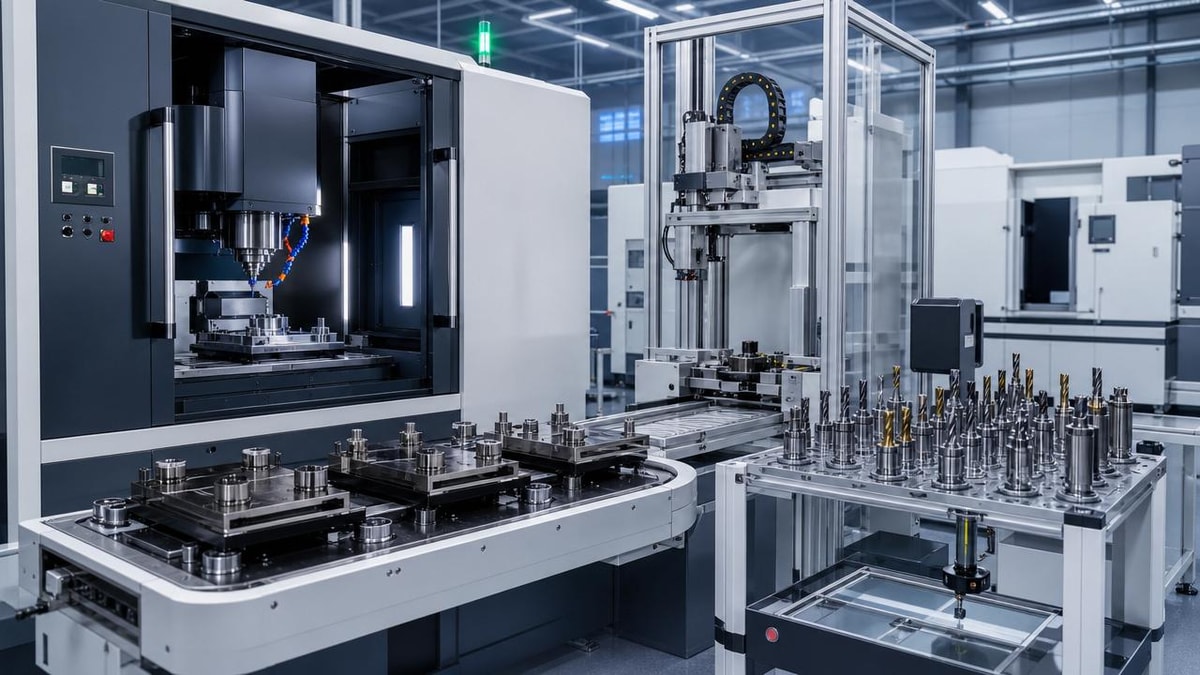
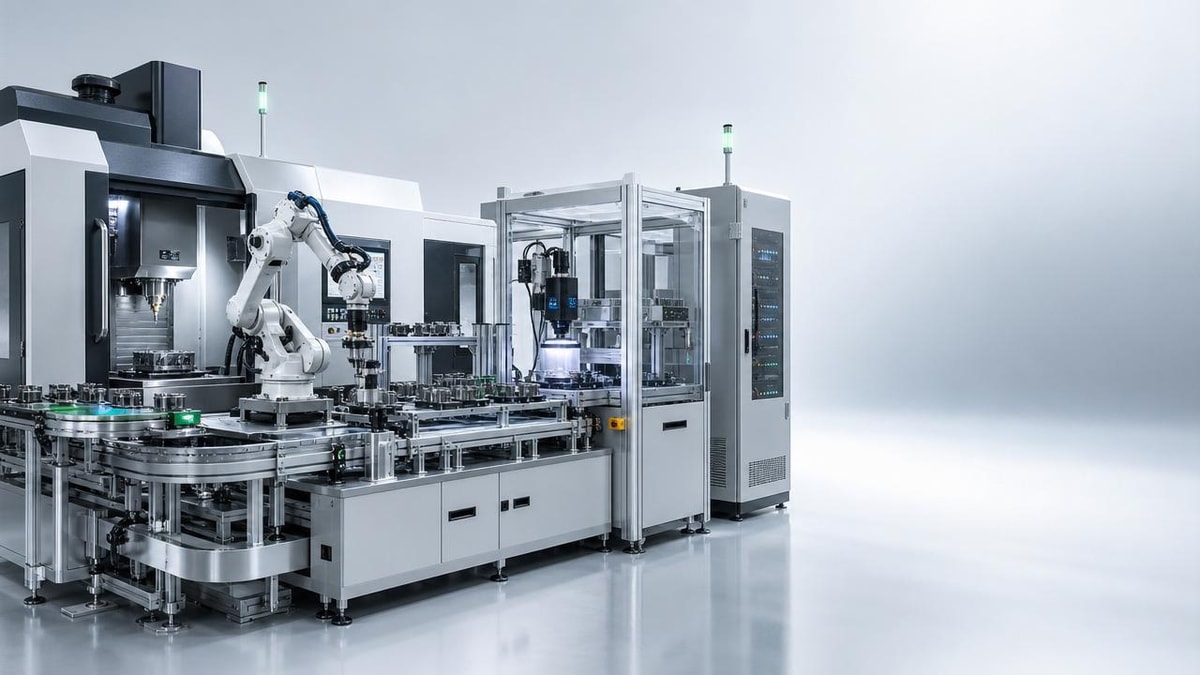
This matters in an industry increasingly shaped by precision machine tools, automated lines, industrial robots, and smart factory systems. As operations become more connected, the cost of misalignment rises. A fast machine waiting for approved process data is still a delay. An automated cell without stable part flow still underperforms. The more advanced the production system, the more important planning discipline becomes.
For this reason, many leading manufacturers are shifting focus from only capacity expansion to decision quality: realistic lead-time models, pre-production readiness reviews, more accurate setup planning, stronger data ownership, and earlier cross-functional checkpoints. This is where CNC production resilience is increasingly built.
The next planning capabilities likely to define stronger CNC production
Several practical capabilities are emerging as critical differentiators. The first is readiness-based scheduling. Instead of scheduling every order purely by promised date, stronger teams ask whether material, tools, fixtures, NC programs, inspection plans, and outsourced steps are truly ready. This reduces false starts and protects machine time.
The second is dynamic change control. In many projects, drawings evolve after launch. Companies that can rapidly assess the effect of changes on routing, setup, tooling, and due date will protect CNC production flow better than those relying on informal email chains and late updates.
The third is planning transparency across functions. Project management, production planning, process engineering, purchasing, and quality need a shared view of constraints. This does not require perfect digital transformation on day one, but it does require common decision rules and visible ownership.
The fourth is better use of historical feedback. Quoted cycle times, actual setup hours, tooling consumption, and rework patterns should inform future CNC production planning. When planning remains disconnected from real execution data, the same delays repeat under new project names.
How project managers should judge risk earlier
Project managers do not need to become programmers or machine specialists to improve CNC production outcomes. They do need a sharper way to test planning assumptions earlier. In current market conditions, several warning signs deserve close attention before production start:
- Lead time was promised before full manufacturability review
- Critical fixtures or custom tools are still undefined near release date
- Routing depends on overloaded shared machines without backup logic
- Inspection planning starts only after first parts are machined
- Engineering changes are discussed informally without schedule impact review
These signals are often more useful than broad utilization metrics. A factory may show acceptable machine utilization and still have fragile CNC production planning. The real question is not only whether capacity exists, but whether the sequence of prerequisites is stable enough to convert capacity into on-time delivery.
A practical response framework for the coming cycle
As the industry continues moving toward higher precision, greater automation, and digital integration, companies should respond with equally mature planning habits. A practical framework can be simple and still effective if it is used consistently.
What to keep watching as the market evolves
The next stage of CNC production competitiveness will likely be shaped by two connected trends. One is technical advancement: smarter machines, more integrated automation, stronger software ecosystems, and better process data. The other is managerial discipline: faster decision loops, cleaner data handoff, and stronger cross-functional accountability. Companies that advance on one side but neglect the other may still struggle with predictable delivery.
For project leaders, the most important judgment is whether delays are being treated as isolated incidents or recurring system signals. If the same types of late starts, schedule collisions, or readiness gaps appear repeatedly, the issue is not random. It is a planning pattern within CNC production that requires structural correction.
If your organization wants to better judge how these trends affect its own business, focus on a few direct questions: Are due dates based on real production readiness? Where do changes slow down the process most? Which dependencies sit outside machine control? How often does urgent reprioritization replace formal planning? The answers will reveal whether your biggest risk is truly machine capacity, or the planning system behind it.
PREVIOUS ARTICLE
NEXT ARTICLE
Recommended for You
 Industrial Robotics payback depends on more than labor savingsManufacturing Market Research Center
 Shaft Parts machining problems that show up after final inspectionCNC Machining Technology Center
 Which Production Process changes bring the fastest output gains?CNC Machining Technology Center
 Industrial Automation projects fail when integration is underestimatedCNC Machining Technology Center
 CNC metal cutting costs rise fast when material data is wrongCNC Machining Technology Center
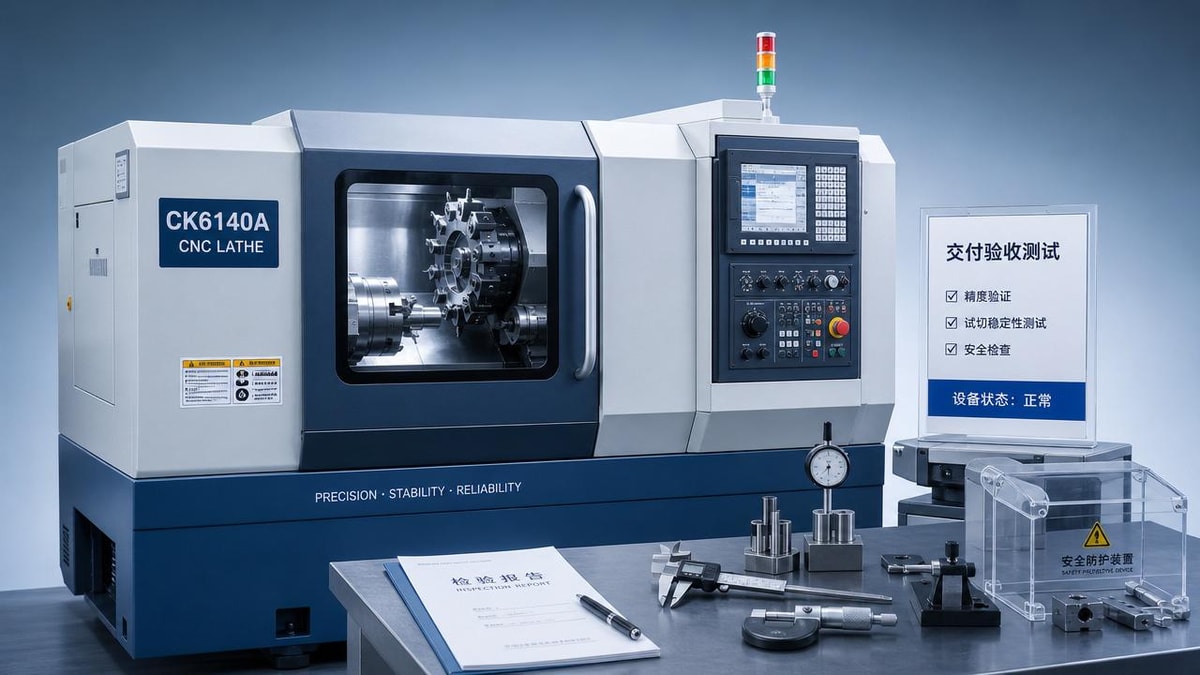
 High precision lathe claims to verify before accepting deliveryMachine Tool Industry Editorial Team

Aris Katos
Future of Carbide Coatings
15+ years in precision manufacturing systems. Specialized in high-speed milling and aerospace grade alloy processing.
▶
CNC production delays often start with planning, not machinesMachine Tool Industry Editorial Team▶
How to choose industrial machining equipment for mixed-part jobsMachine Tool Industry Editorial Team▶
CNC Production Delays Often Start Before the First CutMachine Tool Industry Editorial Team▶
Why some CNC industrial machines fail to scale with new ordersMachine Tool Industry Editorial Team▶
CNC production delays often start with planning, not the machineMachine Tool Industry Editorial Team
Mastering 5-Axis Workholding Strategies
Join our technical panel on Nov 15th to learn about reducing vibrations in thin-wall components.

Providing you with integrated sanding solutions
Before-sales and after-sales services
Comprehensive technical support