• Global CNC market projected to reach $128B by 2028 • New EU trade regulations for precision tooling components • Aerospace deman
NYSE: CNC +1.2%LME: STEEL -0.4%

Precision equipment calibration issues that quietly raise scrap rates
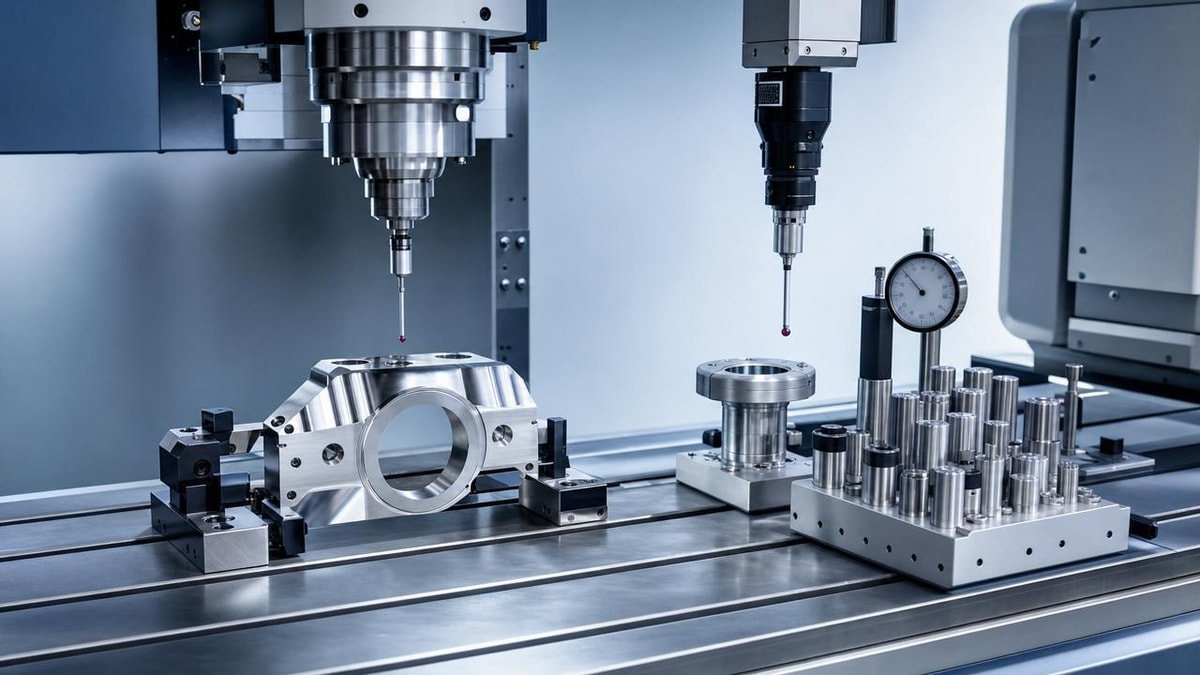
Small calibration errors in precision equipment rarely trigger alarms, yet they can steadily increase scrap rates, distort inspection results, and weaken process stability. For quality control and safety managers, identifying these hidden deviations early is critical to protecting product consistency, reducing waste, and avoiding costly downstream failures. This article explores where calibration issues begin, how they spread across CNC production, and what practical controls can keep losses contained.
In CNC machining and precision manufacturing, scrap is not always caused by dramatic machine crashes or obvious operator mistakes. More often, it starts with gradual drift in measuring systems, spindle positioning, tool setting devices, probes, torque tools, or environmental compensation routines. A deviation of just 5–20 microns may look acceptable on one feature, yet across a batch of 300 parts it can reshape process capability, trigger rework, and create false confidence in inspection data.
For quality teams, the problem is especially dangerous because calibration-related errors often move quietly through multiple control points. A machine may pass a basic startup check, an in-process gauge may still display repeatable values, and the final inspector may rely on a reference device that is also slightly out of tolerance. By the time the issue is discovered, scrap rates may have climbed from 1.5% to 4% or more, and containment can extend from one shift to several weeks of review.
Where calibration problems start in precision equipment environments
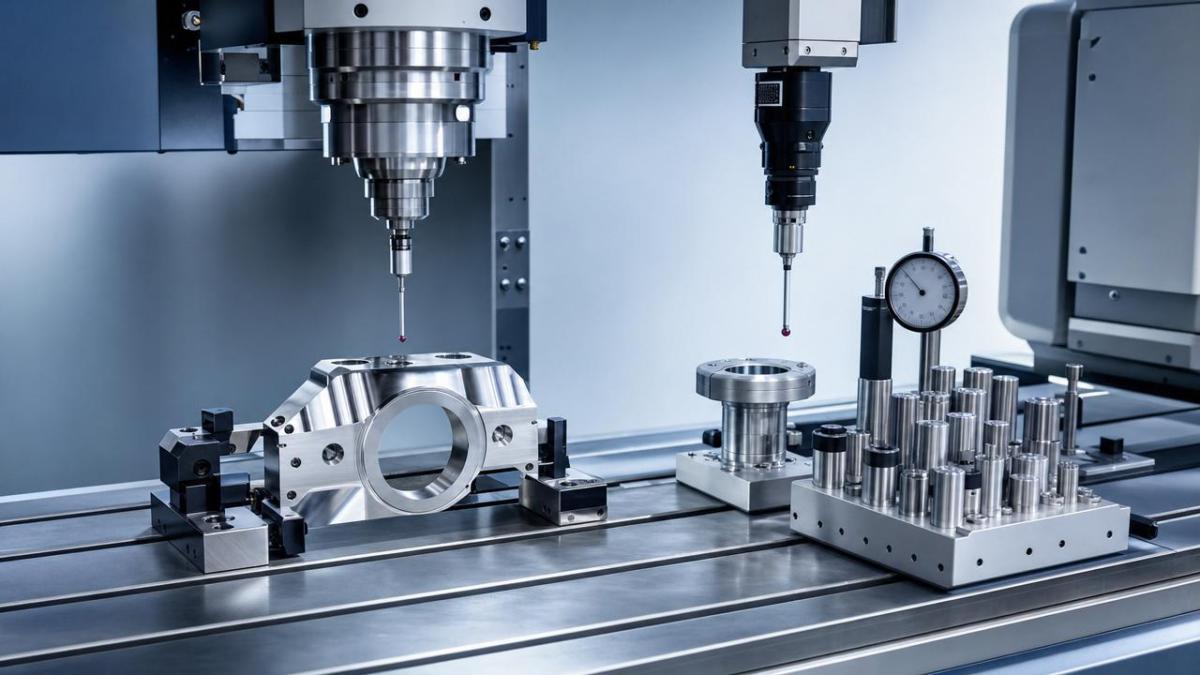
Calibration issues in precision equipment rarely begin in a laboratory alone. They often start on the shop floor, where heat, vibration, contamination, maintenance shortcuts, and production pressure combine. In CNC operations, a machine tool, tool presetter, coordinate measuring device, pressure transducer, and torque verification unit may each remain within separate acceptance bands, yet still create a stacked error large enough to affect part conformity.
The most common starting points
The first source is interval-based drift. Many plants calibrate critical instruments every 6 or 12 months, but actual drift does not follow the calendar. High-use gauges, spindle probes, and fixture verification tools in a 2-shift or 3-shift operation may require shorter cycles such as every 30, 60, or 90 days. If intervals are copied from generic procedures rather than tied to usage intensity, the risk rises quickly.
The second source is environmental instability. Temperature changes of 3–5°C across a day can influence machine geometry, reference artifacts, and dimensional checks, especially in shops holding tolerances of ±0.01 mm or tighter. Humidity, coolant mist, and airborne particles can also affect contact probes, optical systems, and sensitive electronic assemblies used in precision equipment verification.
The third source is hidden mechanical wear. Ball screws, spindle bearings, linear guides, and clamping systems do not fail all at once. They degrade in small increments that alter repeatability before operators notice surface finish or sound changes. Quality managers may see an increase in borderline dimensions first, while safety managers may notice more manual intervention around unstable setups.
Why “still passing” can be misleading
A precision equipment asset can remain technically “in calibration” and still be unsuitable for a process with narrow tolerance windows. For example, a measuring device with an uncertainty that consumes 20%–30% of tolerance may be acceptable for general inspection, but not for aerospace bores, precision discs, or tightly matched shaft features. Passing the certificate review is not the same as protecting process capability.
The table below shows typical origins of calibration-related scrap in CNC and precision manufacturing settings, along with how they usually appear in production data.
The main lesson is that scrap tied to precision equipment usually begins as a systems issue, not a single device failure. Quality and safety managers should evaluate usage rate, environmental exposure, and tolerance sensitivity together rather than relying on certificate status alone.
How small deviations spread across CNC production
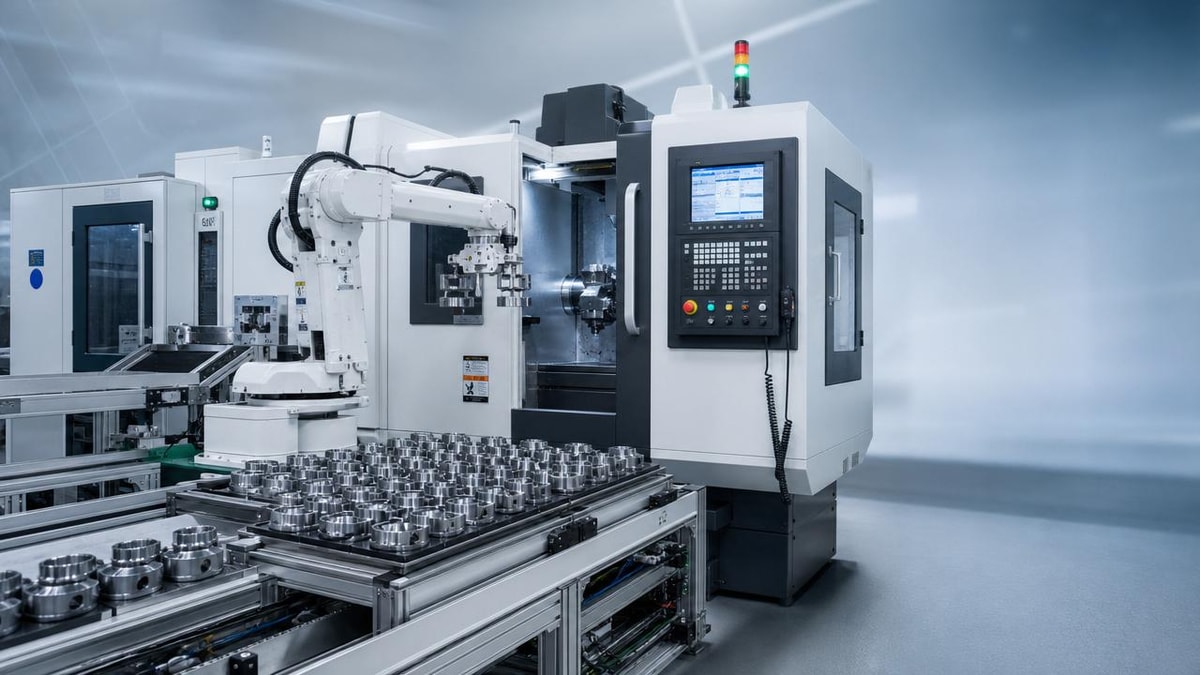
Once calibration drift enters the process, it can travel faster than expected. In automated and semi-automated CNC cells, one error may influence setup, machining, inspection, and assembly simultaneously. This is especially true in facilities using multiple machining centers, shared offset libraries, robot loading, and centralized quality records.
From setup error to batch scrap
A common chain starts with tool length or probe verification drift. The machine compensates based on incorrect data, then produces dimensions that appear stable but are centered off target. If in-process inspection uses the same flawed reference logic, the process may continue for 50, 100, or 200 parts before final inspection or assembly reveals the problem. At that stage, the scrap cost includes machine time, material, labor, and containment time.
Another spread path involves fixtures and clamping repeatability. If clamping force verification tools or reference blocks are not checked at the right frequency, setup variation can become part-specific. This creates a mixed defect pattern: some parts fail size, others fail position, and some pass inspection but create downstream assembly mismatch. These mixed failures are harder to trace because they do not look like a single machine fault.
Inspection distortion is often the hidden multiplier
When measuring systems drift, the factory loses its feedback loop. A process can be corrected in the wrong direction for several hours, especially if operators trust a gauge with good repeatability but poor accuracy. In practical terms, a stable yet biased reading is more dangerous than a visibly unstable one. It encourages confident decisions based on wrong numbers.
For safety managers, distorted measurement can also mask machine condition deterioration. If spindle growth, backlash, or pressure changes are not captured accurately, teams may miss early warnings that lead to jam events, tool breakage, or higher manual handling around unstable parts. Quality loss and operational risk often move together within the same 1–3 week period.
Signals that deserve escalation
- Scrap increases by 1%–2% without any material or program change
- Cpk drops below 1.33 on features that were previously stable
- Day-shift and night-shift measurements show a repeatable gap
- Offset corrections become more frequent than once per 20–30 parts
- First-off approval passes, but last-off verification fails within the same batch
- Different gauges disagree by more than the expected uncertainty band
These patterns are often treated as isolated process noise. In reality, they are early indicators that precision equipment control may be drifting beyond what routine checks can catch.
What quality and safety managers should audit first
When scrap rates begin climbing quietly, the first response should not be to recalibrate everything at once. A targeted audit is faster, less disruptive, and more likely to identify the true control gap. In most CNC facilities, a 5-point review completed within 24–72 hours can narrow the source significantly.
Five priority checks
- Verify whether the affected dimensions share the same machine, fixture, gauge, or reference artifact.
- Compare the last 3 calibration records with actual production hours, not just calendar dates.
- Review environmental logs for temperature swings, coolant issues, or vibration events over the same period.
- Run a short bias and repeatability check using known standards at the machine and in the inspection room.
- Separate measurement error from machining error by cross-checking with a second qualified device.
This approach helps prevent a frequent management mistake: replacing tools, changing offsets, and blaming operators before confirming whether the data source itself is trustworthy. In high-mix manufacturing, that mistake can spread instability to otherwise healthy machines within a single shift.
Priority matrix for calibration-related investigations
The next table can be used as a practical decision aid when teams must decide what to check first under production pressure.
This matrix shows that the fastest risk reduction usually comes from checking the devices that influence machine compensation and reference acceptance, not from broad unscheduled recalibration of every instrument on site.
Practical controls that keep losses contained
The most effective response is not simply tighter calibration. It is layered control. In precision equipment management, good results come from combining interval discipline, usage-based triggers, environmental control, data trending, and operator escalation rules. Plants that rely on only one of these measures usually discover drift late.
Build a tiered calibration strategy
A practical framework is to classify assets into 3 risk tiers. Tier 1 includes devices that directly set or accept critical dimensions, such as machine probes, master standards, and final inspection equipment. Tier 2 covers support devices that affect setup repeatability, such as fixture verification tools or torque control instruments. Tier 3 includes lower-risk tools used for general checks. Each tier should have a different calibration interval, response plan, and record depth.
For example, Tier 1 devices may need verification every shift and formal calibration every 1–3 months depending on use intensity. Tier 2 may fit a 3–6 month cycle with setup-based checks. Tier 3 may remain on a 6–12 month cycle. This is more realistic than putting all precision equipment on the same annual schedule.
Use trend limits before out-of-tolerance events
Waiting for an instrument to fail calibration is expensive. A better practice is to create alert bands. If a probe, gauge, or reference block shifts by 50% of its allowed internal limit, it triggers review before official nonconformance. In many CNC environments, this early action can stop 1–2 weeks of hidden process drift and prevent unnecessary machine adjustment.
Common controls worth implementing
- Daily verification using certified or controlled reference standards
- Separate storage for masters, shop-floor gauges, and damaged tools awaiting review
- Calibration labels linked to digital records, not labels alone
- Automatic hold rules when critical precision equipment exceeds trend thresholds
- Cross-check routines after maintenance, crashes, or fixture replacement
- Training refresh every 6–12 months for operators, inspectors, and setup staff
Tie quality control to safety control
Quality and safety functions should not manage calibration in separate silos. A machine that needs repeated offset intervention, manual re-clamping, or extra inspection often creates exposure for both defect escape and operator risk. Joint reviews every month, or after any unusual scrap spike above a defined threshold such as 2%, help connect equipment stability with safe operation.
In smart manufacturing environments, this coordination becomes even more important. Digital dashboards, machine monitoring, and automated production lines can process large batches quickly. That speed is an advantage only if the underlying precision equipment remains trustworthy. Otherwise, automation can multiply scrap faster than manual lines ever could.
Common misconceptions that delay corrective action
Several persistent beliefs keep calibration problems hidden longer than necessary. Correcting them can reduce investigation time and protect output quality in high-precision CNC production.
Misconception 1: Annual calibration is enough for all precision equipment
Annual scheduling may satisfy administrative convenience, but it does not reflect machine loading, tolerance sensitivity, or exposure conditions. A gauge used 20 times per day in a clean room is not the same as one used 400 times per day beside coolant and chip contamination. Frequency should follow risk, not habit.
Misconception 2: Stable readings mean accurate readings
Repeatability can hide bias. A device can show the same result 10 times and still be wrong by a meaningful amount. In precision equipment control, teams should evaluate both repeatability and bias against the real process tolerance, especially on features below ±0.02 mm.
Misconception 3: Scrap is mainly a production issue, not a calibration issue
Production, maintenance, calibration, and inspection are interconnected. If one weak link introduces a false reference, the rest of the system may perform consistently around the wrong target. That is why scrap investigations should include calibration history, environmental data, and equipment usage records from the first review stage.
Misconception 4: Digital systems automatically solve drift
Digital records improve visibility, but they do not replace disciplined verification. Sensors, probes, and software compensation routines still depend on physical reference accuracy. Without regular checks, digital systems may simply document drift more neatly while losses continue.
A stronger calibration program as a competitive manufacturing advantage
In the global CNC machine tool industry, precision equipment control is no longer only a compliance task. It affects yield, delivery reliability, customer confidence, and the economics of automated production. For suppliers serving automotive, aerospace, electronics, and energy equipment markets, even a small reduction in scrap can improve quoting accuracy and release more machine capacity without new capital spending.
A disciplined program should define critical assets, assign risk tiers, verify environmental stability, trend drift before failure, and connect quality findings with safety observations. These actions help prevent quiet deviation from turning into batch scrap, customer complaints, or downstream assembly disruption.
If your team is reviewing calibration intervals, evaluating precision equipment risks, or strengthening controls across CNC machining lines, now is the right time to build a more targeted plan. Contact us to discuss your application, get a customized control approach, and explore practical solutions for reducing scrap while improving process confidence.
Recommended for You
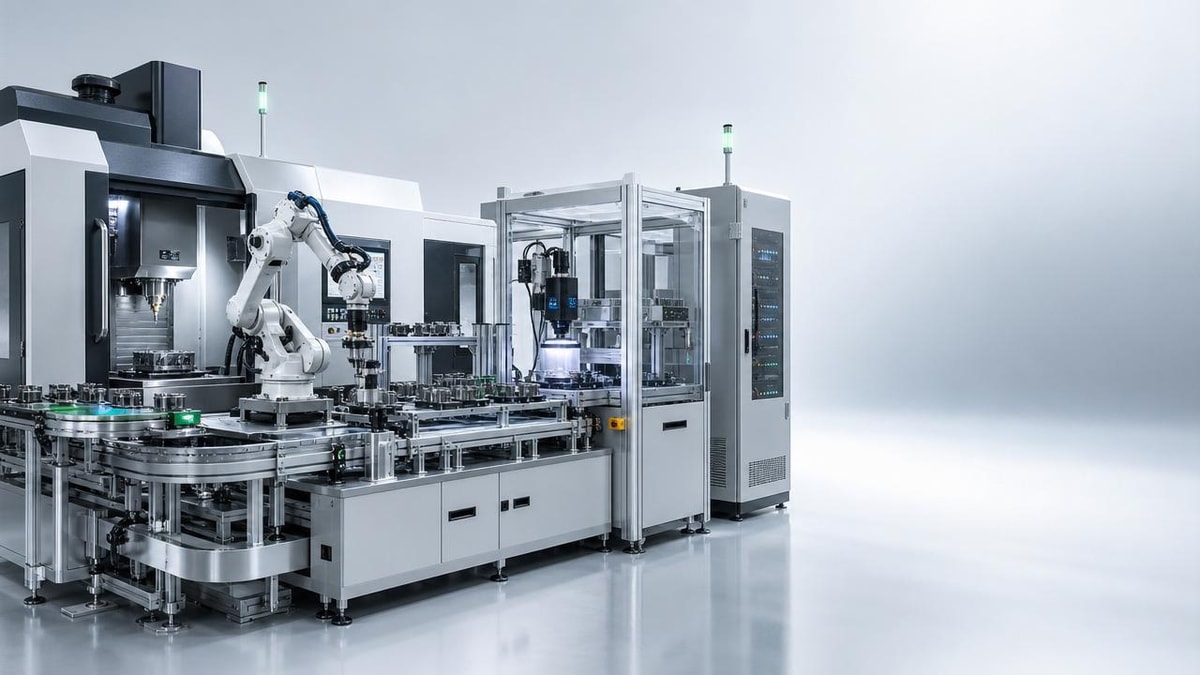
 Industrial Robotics payback depends on more than labor savingsManufacturing Market Research Center
 Shaft Parts machining problems that show up after final inspectionCNC Machining Technology Center
 Which Production Process changes bring the fastest output gains?CNC Machining Technology Center
 Industrial Automation projects fail when integration is underestimatedCNC Machining Technology Center
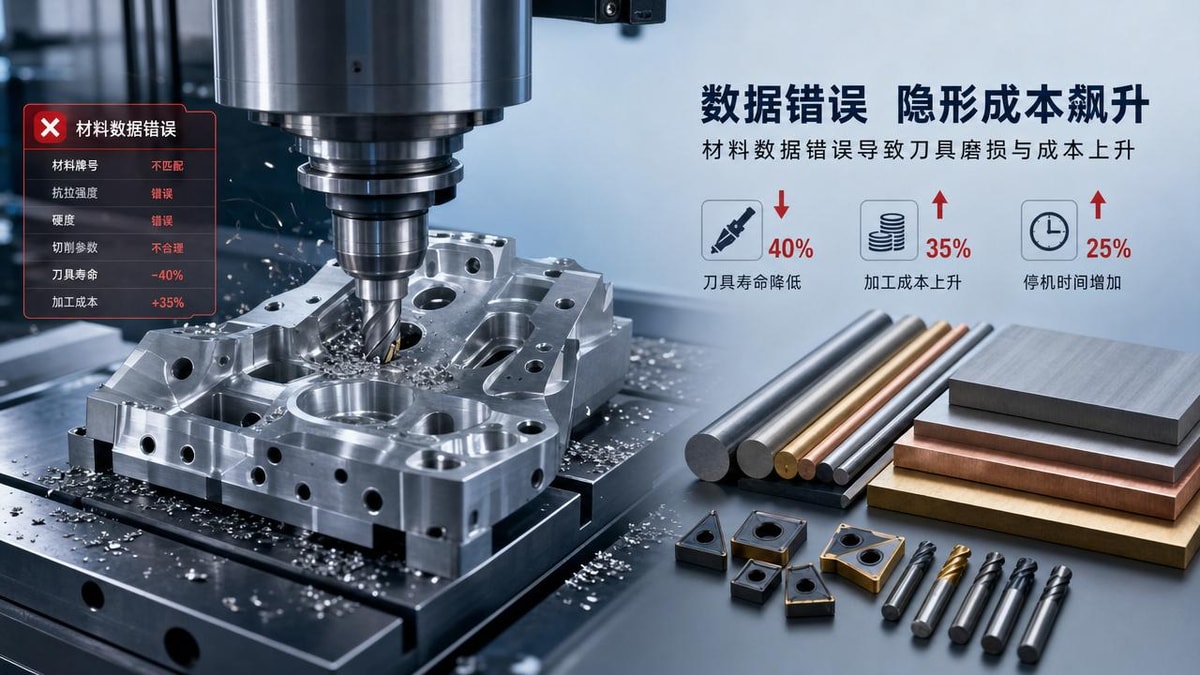
 CNC metal cutting costs rise fast when material data is wrongCNC Machining Technology Center
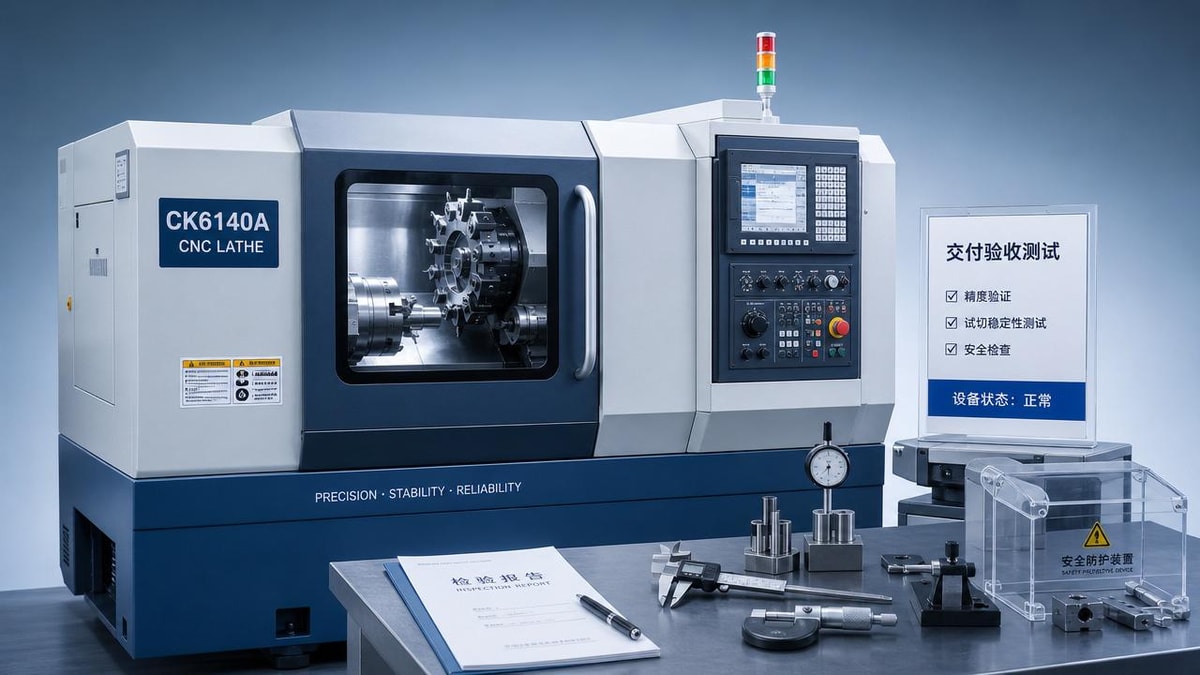
 High precision lathe claims to verify before accepting deliveryMachine Tool Industry Editorial Team


Aris Katos
Future of Carbide Coatings
15+ years in precision manufacturing systems. Specialized in high-speed milling and aerospace grade alloy processing.
▶
High precision lathe claims to verify before accepting deliveryMachine Tool Industry Editorial Team▶
Precision equipment calibration issues that quietly raise scrap ratesMachine Tool Industry Editorial Team▶
Industrial CNC uptime problems that often appear after installMachine Tool Industry Editorial Team▶
How Much Precision Is Too Much in a High Precision Lathe?Machine Tool Industry Editorial Team▶
Industrial CNC Upgrade Signs You Should Not Ignore in 2026Machine Tool Industry Editorial Team
Mastering 5-Axis Workholding Strategies
Join our technical panel on Nov 15th to learn about reducing vibrations in thin-wall components.

Providing you with integrated sanding solutions
Before-sales and after-sales services
Comprehensive technical support